
生成式人工智能

Search documents
OpenAI,突传重磅!
Zheng Quan Shi Bao Wang· 2025-08-20 15:14
Core Insights - OpenAI is considering an IPO in the future, with its CFO indicating that the company is preparing for this possibility [1] - The company has achieved a valuation of $500 billion, driven by its leading position in the generative AI sector and significant funding rounds [3][4] Group 1: Company Developments - OpenAI's CEO has expressed confidence that the company will eventually go public but has reservations about continuing as CEO post-IPO due to the complexities involved [1] - The company has undergone multiple funding rounds, with significant investments from Microsoft and a recent $40 billion round led by SoftBank, raising its valuation to $300 billion [2] - OpenAI's restructuring plan aims to transition into a Public Benefit Corporation to attract more investment while maintaining control under a non-profit parent company [3] Group 2: Financial Performance and Market Position - OpenAI's valuation is projected to reach $500 billion through a secondary stock sale, which would significantly increase its market value compared to its previous $300 billion valuation [3][4] - The company’s flagship product, ChatGPT, has 700 million weekly active users, but only 10% are paying customers, leading to an annual revenue of $120 million, far from the projected $120 billion needed to support a $1.5 trillion valuation [4] - The AI industry is experiencing rapid growth, and a successful IPO could provide OpenAI with the necessary capital to enhance its technology development and maintain a competitive edge [4]
摩根士丹利:Robotaxi迎来“iPhone时刻”,现在购买带方向盘的汽车,无异于在2006年选择“黑莓”
3 6 Ke· 2025-08-20 09:34
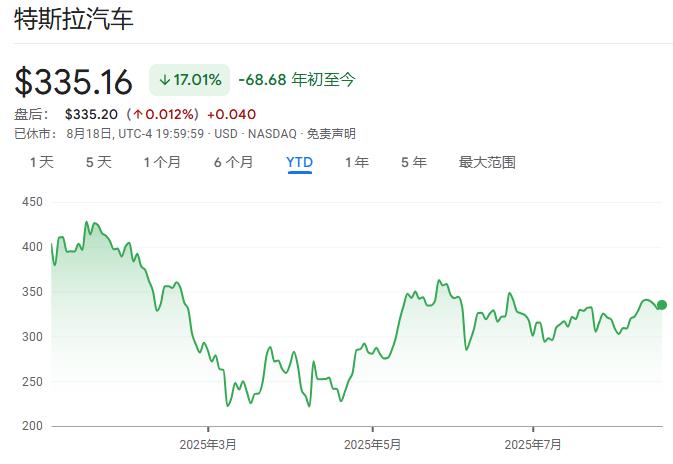
Core Insights - The autonomous taxi technology is on the verge of a historic breakthrough, ready for commercialization driven by generative AI, massive capital competition, and geopolitical factors [1][2] - The rapid development of generative AI has significantly advanced autonomous driving technology, marking a transformative moment akin to the iPhone's launch in 2007 [2] - Major investments from tech giants like Tesla and Google Waymo, along with traditional automakers, are intensifying competition in the autonomous driving sector [2] Industry Trends - Global electric vehicle sales continue to grow robustly, with June sales increasing by 30% year-on-year to 1.26 million units, primarily driven by the Chinese market, which saw a 43% increase [3] - The report maintains an "overweight" rating for Tesla with a target price of $410, indicating a potential upside of 28% from current levels, highlighting Tesla's advantages in autonomous driving technology and data accumulation [3] Competitive Landscape - Morgan Stanley is optimistic about other companies with competitive advantages in the autonomous driving and electric vehicle sectors [6] - The report emphasizes that the proliferation of autonomous taxi services may fundamentally change traditional car ownership models, leading consumers to prefer on-demand mobility services over private car purchases [10]


AI市场格局日渐明朗:投资人详解6大“终局”领域与下一波机会
3 6 Ke· 2025-08-20 07:09
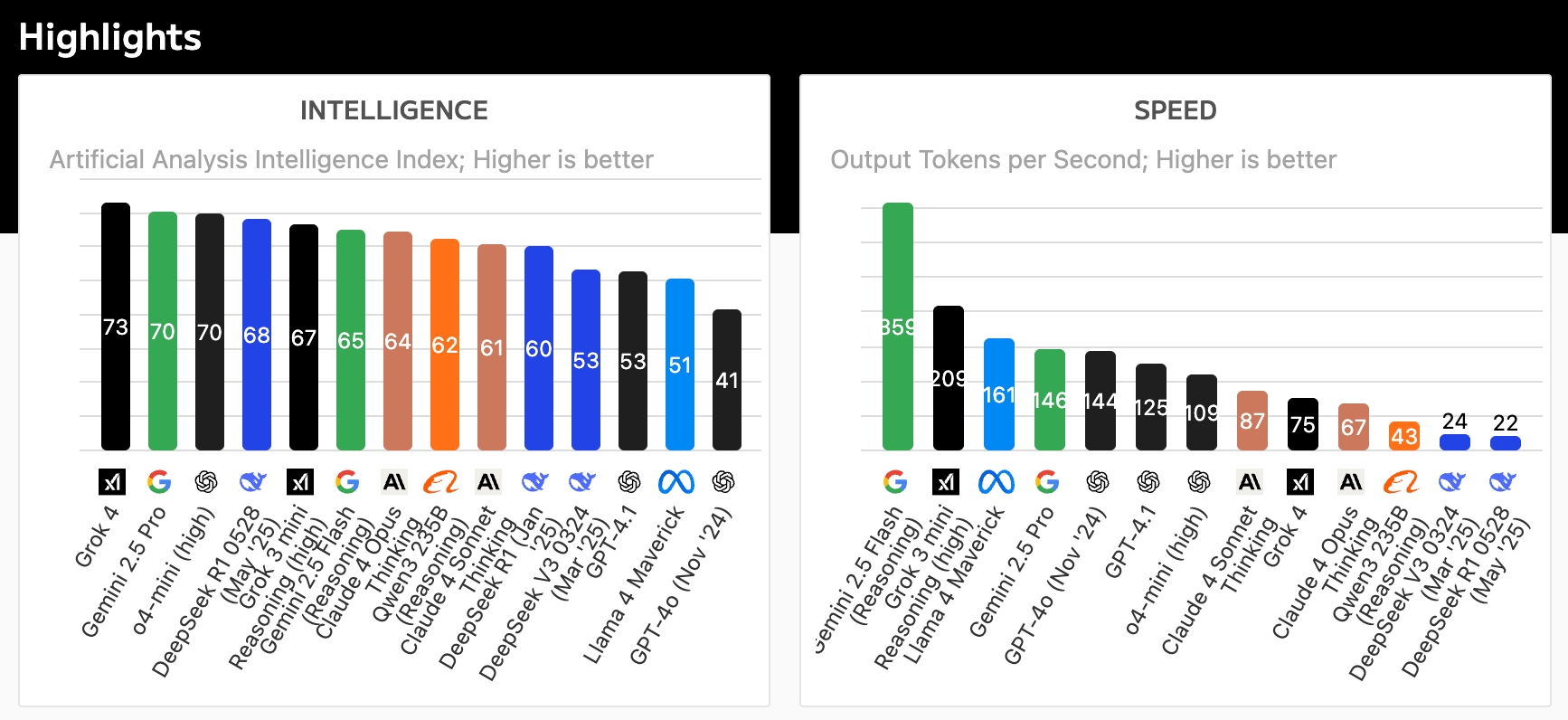
Core Insights - The artificial intelligence market has matured significantly over the past four years, with clear leaders emerging in various segments, particularly in generative AI and large language models (LLMs) [2][36] - The next wave of AI markets is expected to form, with potential opportunities in sectors like accounting, compliance, financial tools, sales, and security [24][36] Market Landscape - The foundational model market, particularly LLMs, is driven by scale and requires substantial capital, with revenues reportedly growing from zero to billions in just three years [4][5] - Key players in the LLM space include Anthropic, Google, Meta, Microsoft, Mistral, OpenAI, and X.AI, with a few companies dominating benchmark tests and driving industry spending [5][11] - Chinese companies are also emerging with open-source projects that perform well in benchmarks, indicating a competitive landscape [10] Application Areas - Coding is one of the earliest and most significant applications of generative AI, with companies like GitHub Copilot demonstrating rapid revenue growth [13] - In the legal sector, companies like Harvey and CaseText are leading, with opportunities for automation in core legal workflows [15][16] - The healthcare documentation market is becoming clearer, with players like Abridge and Nuance (Microsoft) establishing their presence [17][18] - Customer experience is consolidating around a few core startups, with traditional companies enhancing their offerings with generative AI capabilities [19][20] Future Market Potential - Emerging markets for generative AI include accounting, compliance, financial tools, sales, and security, with many exciting companies poised to compete [24][25] - The transition from traditional AI tools to agent-based workflows is underway, with significant implications for how AI is integrated into business processes [31][32] Mergers and Acquisitions - The trend of AI-driven roll-ups is gaining traction, as acquiring companies can facilitate faster adoption and economic benefits beyond mere software sales [33] - Strategic moves such as mergers and partnerships are expected to increase as the market consolidates, with a focus on winning market leadership [34]


真心真情 建言献策
Ren Min Ri Bao· 2025-08-19 22:46
Core Insights - The recent visit by the Central United Front Work Department to Gansu aimed to leverage expertise from non-party academicians and overseas students to provide practical suggestions for high-quality development in the region [1] Group 1: Research and Collaboration - The service team, led by academician Guo Lei, engaged in discussions with institutions like Lanzhou University and the Chinese Academy of Sciences, focusing on areas such as automation, artificial intelligence, and applied mathematics [2] - A consensus was reached on establishing a talent cultivation mechanism and collaborating on major research projects between the Chinese Academy of Arts and Lanzhou University [2] - Recommendations were made to enhance research and application of generative artificial intelligence in Gansu to seize development opportunities [2] Group 2: Economic Development and Industry - Lanzhou New Area is identified as a key driver for Gansu's economic growth, with experts suggesting the region capitalize on low electricity costs and abundant raw materials to focus on high-value materials [3] - The need to strengthen the connection between vocational education and industry was emphasized to address labor shortages in manufacturing [3] Group 3: Talent Retention and Development - Experts highlighted challenges in retaining talent in Gansu, suggesting the establishment of a provincial talent service platform and deeper integration of industry and academia [4] - Recommendations included enhancing major research platforms to attract talent and addressing gaps in basic disciplines and faculty shortages in universities [4][5] Group 4: Healthcare and Technology - Suggestions were made to improve the utilization of the Wuwei Heavy Ion Center by enhancing clinical data accumulation and cross-regional collaboration [7] - Experts proposed that Gansu should not only focus on power transmission but also innovate to convert green electricity into high-value products, promoting the development of hydrogen energy and carbon capture industries [8]
400亿美图,靠AI重生了
Hua Er Jie Jian Wen· 2025-08-19 12:39
Core Viewpoint - Meitu (1357.HK) has experienced a stock price surge of over 255% this year, with a market capitalization exceeding 40 billion, marking its strong return to the market after years of being overlooked [2] Financial Performance - In the first half of the year, Meitu achieved a revenue of 1.8 billion, a year-on-year increase of 12.3%, and a net profit of approximately 397 million, up 30.8% year-on-year [5] - The revenue from imaging and design products reached 1.35 billion, growing by 45.2% year-on-year, while advertising revenue was 430 million, up 5% [5][6] - The number of paid subscribers reached approximately 15.4 million, a historical high, with a year-on-year growth of over 42% [6][7] - The overall gross profit margin improved to approximately 73.6%, an increase of 8.7 percentage points year-on-year [7] Strategic Focus - Meitu has shifted its focus to core imaging and design products, moving away from non-core businesses such as cosmetics supply chain solutions, which saw a significant revenue decline of 88.9% [5][9] - The company aims to leverage its 2.8 billion monthly active users and deep understanding of aesthetics to enhance its product offerings [2][13] AI Integration - AI has penetrated 90% of Meitu's products, significantly enhancing product capabilities and monetization [4][10] - The introduction of AI-driven products, such as RoboNeo, positions Meitu to capitalize on the growing demand for AI applications in imaging and design [12][13] Market Position and Competition - The competitive landscape is intensifying with major players like Adobe and Canva entering the AI imaging space, prompting Meitu to convert its first-mover advantage into sustainable user habits [3][14] - Meitu's strategy includes a focus on subscription models, which allows for greater concentration on product improvement rather than non-core activities [10][11] Global Expansion - Meitu is increasing its global presence, with a reported 98 million monthly active users outside of mainland China, reflecting a year-on-year growth of 15.3% [7][9] - The company aims to capture a significant share of the projected $91 billion market for image productivity by 2027 [12]

摩根士丹利:Robotaxi迎来“iPhone时刻”,现在购买带方向盘的汽车,无异于在2006年选择“黑莓”
华尔街见闻· 2025-08-19 10:16
Core Viewpoint - The autonomous taxi technology is on the verge of a historic breakthrough, ready for commercialization due to advancements in generative AI, massive capital competition, and geopolitical factors [1][2]. Group 1: Technological Advancements - The rapid development of generative AI has led to significant improvements in autonomous driving technology, making large-scale commercialization feasible, akin to the transformative impact of the iPhone in 2007 [2]. - Major investments from tech giants like Tesla and Google Waymo, as well as traditional automakers, are accelerating the maturity of autonomous driving technology, creating intense competition [2]. Group 2: Geopolitical Factors - Governments worldwide are prioritizing the development of autonomous driving capabilities as a key area for future transportation and technological competitiveness, leading to supportive policies [3]. Group 3: Market Trends - Global electric vehicle sales continue to grow robustly, with June sales increasing by 30% year-on-year to 1.26 million units, driven primarily by the Chinese market, which saw a 43% increase [4]. - Morgan Stanley maintains an "overweight" rating on Tesla with a target price of $410, indicating a potential upside of 28% from current levels, citing Tesla's advantages in autonomous driving technology and data accumulation [4]. Group 4: Impact on Automotive Industry - The rise of autonomous taxi services may fundamentally change traditional car ownership models, with consumers likely to prefer on-demand mobility services over purchasing private vehicles, which will have profound implications for the entire automotive supply chain [8].
调查显示韩国过半数上班族工作中用AI
Xin Hua She· 2025-08-19 08:21
Group 1 - The survey conducted by the Bank of Korea indicates that over half of South Korean office workers use generative AI in their jobs, with 51.8% of respondents reporting its usage and 17.1% using it frequently [1][2] - On average, South Korean office workers spend 5 to 7 hours per week using generative AI, which reduces their working time by an average of 3.8%, equating to approximately 1.5 hours saved from a standard 40-hour work week [2] - The highest usage of generative AI is among licensed professionals such as doctors and lawyers at 69%, followed by managers at 65.4%, and office clerks at 63.1% [2] Group 2 - 48.6% of respondents believe that AI will have a positive impact on society, while 32.3% express willingness to invest in AI [2]
妙笔生维:线稿驱动的三维场景视频自由编辑
机器之心· 2025-08-19 02:43
Core Viewpoint - The article discusses the development of Sketch3DVE, a novel method for 3D scene video editing that allows users to manipulate videos using simple sketches, enhancing creativity and personalization in video content creation [3][22]. Part 1: Background - Recent advancements in video generation models have significantly improved text-to-video and image-to-video generation, with a focus on precise control over camera trajectories due to its important application prospects [6]. - Existing methods for video editing are categorized into two types: one directly uses camera parameters as model inputs, while the other constructs explicit 3D representations from single images to render new perspective images [8][9]. - Despite these advancements, editing real videos with significant camera motion remains a challenge, as video editing requires maintaining original motion patterns and local features while synthesizing new content [8][9]. Part 2: Algorithm Principles - Users begin by selecting the first frame of a 3D scene video, marking the editing area with a mask and drawing a sketch to specify the geometry of new objects [12]. - The system employs the MagicQuill image editing algorithm to process the first frame, generating the edited result, and utilizes the DUSt3R algorithm for 3D reconstruction to analyze the entire input video [13]. - A 3D mask propagation algorithm is designed to accurately transfer the mask from the first frame to subsequent frames, ensuring consistency across different perspectives [14]. - The final video generation model integrates edited images, multi-view videos, and original input videos to produce a scene-edited video with precise 3D consistency [14]. Part 3: Effect Demonstration - The method allows users to create high-quality 3D scene video edits, enabling operations such as adding, removing, and replacing objects while maintaining good 3D consistency [16]. - The approach can handle complex scenarios involving shadows and reflections, producing reasonable editing results due to training on real video datasets [17]. - Users can also edit the first frame using image completion methods, demonstrating the versatility of the system in generating realistic 3D scene video edits [19]. - Sketch3DVE offers an effective solution to traditional model insertion challenges, allowing for personalized 3D object generation and high-fidelity scene video editing without requiring extensive expertise [22].

星动L7获世界人形机器人运动会跳高冠军;AI设计新型抗生素应对耐药性
Mei Ri Jing Ji Xin Wen· 2025-08-17 23:25
Group 1: Humanoid Robotics - The Star Motion L7 humanoid robot won the high jump championship at the 2025 World Humanoid Robot Games, achieving a height of 95.641 cm and setting a new world record, showcasing its superior athletic performance [1] - Despite the advancements in athletic performance, humanoid robotics still face challenges in areas such as autonomous decision-making in complex environments, long-duration battery life, and natural interaction with humans [1] Group 2: Brain-Computer Interface - Scientists achieved a significant breakthrough in brain-computer interface technology by decoding "inner speech" with an accuracy rate of 74%, led by a team from Stanford University, published in the journal Cell [2] - This research opens new pathways for helping patients with severe speech impairments to regain natural communication abilities, indicating a broad application potential for brain-computer interface technology [2] Group 3: Antibiotic Development - The Karolinska Institute in Sweden, in collaboration with several international research institutions, developed a method using generative artificial intelligence to design new antibiotics, addressing the global health challenge of antibiotic resistance [3] - The approach aims to create new molecular compounds that are fundamentally different from existing antibiotics, paving the way for innovative antibiotic development and providing a new strategy to combat resistance [3] - Solving antibiotic resistance requires interdisciplinary collaboration among computer science, chemistry, biology, and medicine to leverage the strengths of various fields and accelerate the development of new antibiotics [3]

星动L7获世界人形机器人运动会跳高冠军;AI设计新型抗生素应对耐药性丨数智早参
Mei Ri Jing Ji Xin Wen· 2025-08-17 23:21
Group 1 - The "2025 World Humanoid Robot Games" showcased the Xingdong L7, which won the high jump event with a height of 95.641 cm, setting a new world record and demonstrating top-tier athletic performance [1] - Despite the achievements in athletic performance, humanoid robot technology still faces challenges in areas such as autonomous decision-making in complex environments, long-term endurance, and natural interaction with humans [1] Group 2 - Scientists achieved a significant breakthrough in brain-machine interface technology, decoding "inner speech" with an accuracy rate of 74%, led by a team from Stanford University [2] - This research opens new pathways for helping patients with severe speech impairments to regain natural communication abilities, highlighting the broad application prospects of brain-machine interface technology [2] - The advancement in this technology raises concerns regarding safety, reliability, cost, accessibility, and social ethics, which need to be addressed alongside technological progress [2] Group 3 - The Karolinska Institute in Sweden, in collaboration with several international research institutions, developed a method using generative artificial intelligence to design new antibiotics, addressing the global health challenge of antibiotic resistance [3] - The approach aims to create new molecular compounds that are fundamentally different from known antibiotics, paving the way for new antibiotic development [3] - Solving antibiotic resistance requires interdisciplinary collaboration among computer science, chemistry, biology, and medicine to leverage the strengths of each field and accelerate the development of new antibiotics [3]