绿色转型

Search documents
铂金价格突破2000美元,年内涨幅超120%
Jin Rong Jie· 2025-12-22 07:40
Core Insights - Platinum prices have surpassed $2000 per ounce for the first time since 2008, with a year-to-date increase of over 120% [1] Supply and Demand Dynamics - The significant rise in platinum prices is closely linked to changes in market supply and demand structures [1] - The World Platinum Investment Council forecasts a supply shortage in the global platinum market for the third consecutive year in 2025, with a shortfall of approximately 22 tons [1] - South Africa, a major producer of platinum, faces structural challenges such as aging mines and power shortages, which limit production capacity [1] Industrial Demand - Platinum's industrial properties support its demand, particularly in automotive catalytic converters and the hydrogen energy sector [1] - The ongoing global green transition enhances the market's interest in platinum's applications in fuel cells and electrolysis for hydrogen production [1] - High gold prices this year have also increased platinum's attractiveness as an alternative precious metal [1] Market Developments - The Guangzhou Futures Exchange launched platinum and palladium futures contracts on November 27, which is seen as a move to improve the domestic derivatives system and provide risk management tools for industry chain enterprises [1]
1-11月浙能港口煤炭进口量已超930万吨,同比增长10.9%
Zhong Guo Neng Yuan Wang· 2025-12-22 01:48
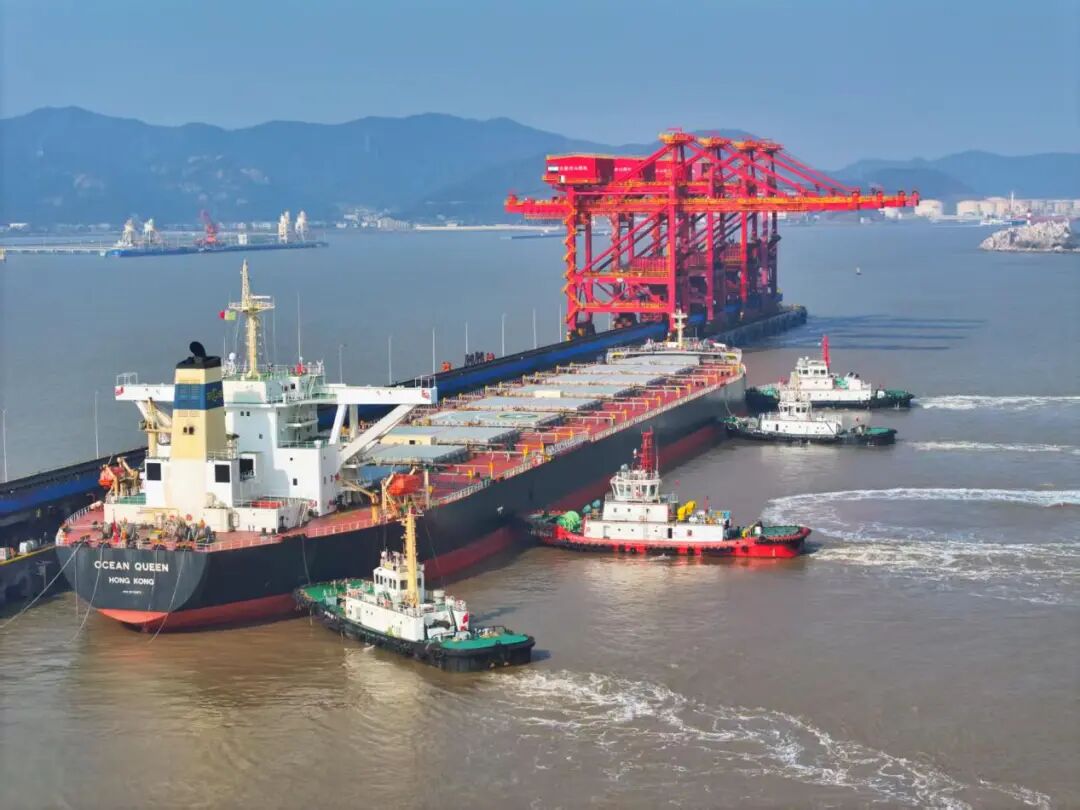
Core Viewpoint - Zhejiang Energy Port Company has successfully achieved its annual import target of 15 million tons of coal, marking a new high since its opening, which reflects the improvement in operational efficiency and service level of the company [1]. Group 1: Operational Achievements - The completion of the unloading of the "Ocean Queen" vessel signifies the achievement of the 15 million tons annual import target [1]. - From January to November this year, the coal import volume at Zhejiang Energy Port exceeded 9.3 million tons, representing a year-on-year increase of 10.9% [4]. Group 2: Technological Advancements - The company has focused on key areas such as coal unloading and transportation, enhancing operational efficiency through technological upgrades [6]. - The implementation of an unmanned operation for the bucket wheel and a smart yard operation system has significantly reduced labor costs and improved fault location accuracy [6]. Group 3: Environmental Initiatives - The port has adapted its shore power system to meet the electricity needs of various vessels, greatly reducing emissions from ships [6]. - The simultaneous launch of photovoltaic projects has enabled the port to achieve self-sufficiency in green energy, contributing to the construction of a "green and beautiful port" [6]. Group 4: Strategic Collaborations - Zhejiang Energy Port has optimized customs clearance processes and adopted a "hot berthing" model to reduce vessel waiting times [7]. - The company has expanded resource channels through long-term collaborations, contributing positively to lowering energy costs in the province [7]. Group 5: Future Directions - The company aims to continue its core responsibility of ensuring coal supply, deepen technological transformation, and enhance energy security reserves [7]. - Leveraging its geographical advantages, Zhejiang Energy Port plans to integrate further into the group’s industrial layout to support local economic development [7].


扩大内需战略解读与推荐
2025-12-22 01:45
Summary of Key Points from Conference Call Records Industry Overview - The focus is on the **expansion of domestic demand** as a long-term structural reform strategy to address challenges such as declining demographic dividends and globalization pressures. The shift is from supply-driven to demand-driven, emphasizing the need to supplement both upstream R&D and downstream consumption [1][2][3]. Core Insights and Arguments - **Increase in Resident Income**: A critical factor for expanding domestic demand. Policies like trade-in subsidies may have a short-term effect but can lead to over-reliance on such measures. The emphasis should be on increasing wage and asset income through fiscal reforms to achieve broad-based benefits [1][6]. - **Consumer Trends**: By 2026, service consumption, high-end consumption, and emerging self-reward consumption are expected to perform well. Policies may favor sectors like tourism and dining, while a declining real estate market could enhance purchasing power for younger consumers [1][9]. - **Investment Focus**: Effective investments are anticipated in water conservancy, energy, municipal infrastructure, and core technology sectors such as AI, biomedicine, and quantum communication. The green transition is expected to unlock consumption potential in areas like eco-tourism and energy-efficient appliances [1][11]. Industry-Specific Insights Home Appliance Sector - The home appliance industry is projected to experience a downturn in the second half of 2025 due to trade-in policies, but a recovery is expected in early 2026 as subsidies are renewed, leading to a replenishment cycle [1][12][13]. - **Sales Data**: By November 2025, air conditioner sales grew by approximately 2%, while refrigerator sales declined by about 1%. The overall industry saw a decline in the latter half of the year, particularly in Q4, where air conditioner sales dropped over 20% [12][13]. Fiscal Policy and Consumer Behavior - The fiscal reform is expected to shift focus from incremental taxation to more comprehensive measures, such as property and capital gains taxes, which will gradually influence overall household income and consumption [7][8]. - The effectiveness of subsidies is questioned, as they may lead to a crowding-out effect on autonomous consumption. For instance, a 300 billion yuan subsidy led to a 2.7 trillion yuan increase in retail sales, but the non-subsidy portion contributed negatively [6]. Investment Recommendations - **Home Appliances**: Companies like Midea, Haier, TCL, and Hisense are recommended for their strong domestic and international performance. The expectation is that these companies will benefit from the renewed subsidy policies in 2026 [15]. - **New Consumption Trends**: Focus on emerging brands in personal care and health products, as well as established brands with significant market barriers, such as Mao Geping and Shanghai Jahwa [18]. - **Health and Wellness Sector**: Companies like Xianle Health and Ximai Foods are highlighted for their growth potential in the health and wellness market, driven by the aging population and increasing health awareness [19][21]. Additional Insights - **Transportation Sector**: The aviation industry is expected to benefit directly from increased demand, while the shipping industry will see indirect benefits from heightened domestic trade activities [28]. - **Agricultural Sector**: Recommendations include focusing on the pet industry and functional ingredients, with companies like Zhongchong and Bailong Chuangyuan showing strong growth potential [31]. Conclusion - The overall sentiment is optimistic regarding the expansion of domestic demand, with significant investment opportunities across various sectors, particularly in health, home appliances, and new consumption trends. The emphasis on increasing resident income and effective fiscal reforms will be crucial in driving this growth [26][27].
今日A股市场重要快讯汇总|2025年12月22日
Xin Lang Cai Jing· 2025-12-22 00:26
Macroeconomic and Market Analysis - The People's Daily highlighted regional economic coordination, green transformation, and the development of education and technology talent, noting that the national civil aviation cargo and mail transport volume increased by 13.6% year-on-year for the first 11 months [1] - The Deputy Secretary-General of the State-owned Assets Supervision and Administration Commission, Li Bing, met with the President of the Hong Kong Monetary Authority, Yu Weiwen, emphasizing that state-owned enterprises will deepen cooperation with Hong Kong to help consolidate its status as a financial center [1] Market Dynamics and Funding - Current money market fund yields are declining, with over a hundred funds having a 7-day annualized yield below 1% as of December 17, and some products experiencing short-term yield increases attributed to factors like profit-taking and large redemptions, which are not sustainable [2][7] International Markets and Related Assets - In international commodities, WTI crude oil surpassed $57 per barrel, rising by 0.85%, while palladium futures also exceeded $1,800 per ounce, with a similar increase of 0.85% [3][8] - The Director of the White House National Economic Council, Hassett, indicated that there is ample room for interest rate cuts, with the core inflation rate averaging 1.6% over the past three months, and plans to announce a significant housing policy early next year [3][8] International Politics and Diplomacy - U.S. Secretary of State Rubio stated that the U.S. will continue to strengthen its alliance with Japan while seeking constructive cooperation with China to balance dynamics in the Asia-Pacific region [4][9] - French President Macron confirmed that France will construct a new generation aircraft carrier [5][9] Corporate Dynamics - Wall Street's first GPU company, Birran Technology, announced a global offering of 247,692,800 H-shares for its Hong Kong IPO, with a maximum offer price of HKD 19.60 per share, and a pricing range of HKD 17 to HKD 19.6 per share, with trading expected to begin on January 2 [6][10]
制造业创新迈向系统性跃迁
Xin Lang Cai Jing· 2025-12-21 22:46
Core Insights - The sales revenue of China's high-tech manufacturing industry increased by 11.1% from January to November this year, with integrated circuits and industrial mother machines growing by 19.3% and 11% respectively [1][2] - Traditional industry key tax source enterprises increased R&D investment by 12.3% year-on-year, indicating a surge in innovation vitality within the manufacturing sector [1] Group 1: Manufacturing Innovation Trends - China's manufacturing innovation is transitioning from fragmented breakthroughs to systematic leaps, focusing on deep restructuring across the entire production chain, innovation elements, and development cycles [1] - The competition in manufacturing must be systemic, with a focus on technology integration, resource allocation, and scenario innovation to gain an advantage in the new technological revolution and industrial transformation [1] Group 2: Technological and Scenario Integration - The integration of technology is deepening, with digital technology becoming a core element embedded in manufacturing processes, driving transformation and upgrades [2] - Manufacturing innovation is extending beyond workshops to encompass R&D design, supply chain management, and after-market services, enhancing industry resilience and giving rise to new business models like shared manufacturing and customized services [2] Group 3: Policy and Ecosystem Support - To foster a better innovation ecosystem, there is a need to strengthen digital support and address challenges such as data silos and inconsistent standards [2] - Policies should be enhanced to encourage participation in deep innovation areas like core algorithms and high-end equipment, while also promoting collaboration between academia and industry to expedite the transition of laboratory results to production lines [2]
打造中国特色ESG服务生态助力经济绿色转型
Zhong Guo Zheng Quan Bao· 2025-12-21 20:12
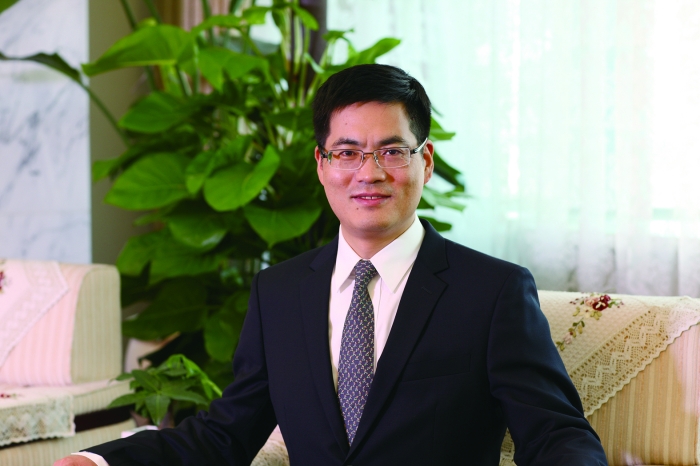
● 本报记者 刘丽靓 在风险管理方面,张海文特别提醒,需关注气候相关风险管理,以及注意防范"绿色泡沫"和"洗绿"行 为。"大型金融机构探索建立了气候风险情景分析机制,并开展了压力测试,未来还需向中小金融机构 推广,纳入主流风控体系。同时,应建立统一、清晰的市场标准,加强信息披露和第三方认证。"张海 文说。 打造特色ESG业务品牌 党的二十届四中全会对推动经济社会发展全面绿色转型、建设美丽中国作出重要部署。国新证券如何把 握政策导向,切实赋能实体经济绿色低碳发展? 近日,国新证券党委书记、董事长张海文在接受中国证券报记者专访时表示,公司锚定政策导向,将 ESG业务作为服务国家战略、践行金融"五篇大文章"、助力美丽中国建设的重要抓手,通过ESG咨询服 务创新、评价体系升级、生态协同共建,推动ESG业务质效提升,积极助力实体经济绿色转型,彰显央 企券商的责任担当。 金融多维支持绿色转型 面对"十五五"规划建议提出的"加快经济社会发展全面绿色转型,建设美丽中国"的明确要求,张海文表 示,以碳达峰、碳中和为牵引,协同推进降碳、减污、扩绿、增长是一项系统工程,金融要加大支持实 体经济力度,把握好战略、路径、风险和创新等多 ...
摩根士丹利中国首席经济学家邢自强:可优先选择一些大城市进行贴息,为购房人减负
Sou Hu Cai Jing· 2025-12-21 19:12
Group 1: Economic Outlook and Technological Advancements - The theme of the conference is "China's Determination in Changing Circumstances," focusing on predictions and strategies for the future [1] - Morgan Stanley's Chief Economist for China, Xing Zhiqiang, expresses confidence in China's technological self-reliance, particularly in sectors like electric vehicles and green transformation, highlighting China's first-mover advantage [1][3] - The Chinese automotive industry has become a global leader, showcasing the effectiveness of China's industrial cluster capabilities [3] Group 2: AI Development and Competitive Landscape - Xing Zhiqiang emphasizes confidence in China's AI sector, noting that despite some shortcomings in GPU computing power, China can leverage its data advantages and talent pool to improve algorithms [2][6] - China produces approximately half of the world's AI talent, with 5 million engineering graduates annually, surpassing the combined total of the US, Europe, and Japan [5] - The efficiency of China's AI models is comparable to those of the US, despite China investing only about 1/10 of the amount the US does in AI infrastructure [7][8] Group 3: Real Estate Market Strategies - To stabilize the real estate market, Xing Zhiqiang suggests implementing inventory reduction policies in first- and second-tier cities, particularly those with population inflows and stable rental yields [2][11] - Proposed measures include interest subsidies for homebuyers, potentially reducing the burden on consumers and aligning rental yields with mortgage rates [11] - The importance of real estate in breaking the low-price cycle is highlighted, drawing parallels to Japan's experience in the 1990s [10] Group 4: Consumer Spending and Social Security - Long-term consumer spending growth requires reforms in the social security system to alleviate concerns for residents, particularly for low- and middle-income groups [12] - Strengthening social security and ensuring equitable distribution are essential for releasing consumer potential [12] - The need for policies that support housing, education, and healthcare access is emphasized to enhance consumer confidence and spending [12]
中信建投期货董事长王广学:发挥桥梁纽带作用 推动期货工具从“理论可及”到“实践可用”
Shang Hai Zheng Quan Bao· 2025-12-21 18:14
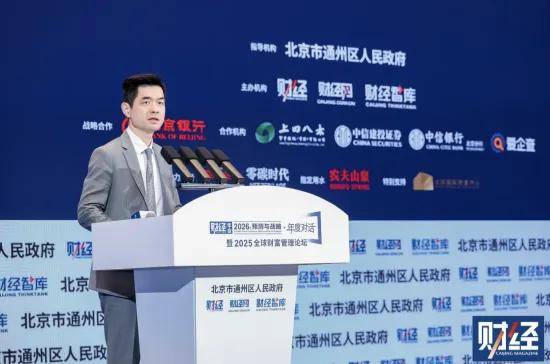
Core Viewpoint - The futures market plays a unique role in helping China's economy address new challenges, emphasizing the importance of price discovery, risk management, and resource allocation [2] Group 1: Financial and Industrial Collaboration - The futures industry can create a more efficient "super ecosystem" to enhance financial support for the real economy, focusing on sectors like domestic demand, technological innovation, and small and medium enterprises [3] - Futures companies should break traditional service boundaries and enhance their ecological hub functions by deepening collaboration with banks, securities, private equity, government, and exchanges [3] Group 2: Supporting Enterprises Going Global - The increasing volatility of commodity prices has heightened the risk management needs of companies expanding internationally, making it essential for futures companies to assist these enterprises [4] - Futures companies with international capabilities can leverage domestic market advantages to create a "domestic + international" service model, helping businesses manage price risks and secure essential raw materials [4] Group 3: Market Cultivation Innovation - Market cultivation is crucial for enhancing industry clients' understanding of futures, transitioning from theoretical accessibility to practical usability [4] - The establishment of investor education bases, such as the one in Chongqing, has produced over 4,000 original educational materials and reached more than 750,000 participants since its operation began in October 2021 [4] Group 4: Regional Economic Development - The company has integrated its development with the regional development strategy in the Chengdu-Chongqing economic circle, providing comprehensive services to emerging industries like new energy and high-end equipment manufacturing [5] - The company has supported over 1,000 industrial clients in the region, with client equity scale increasing sevenfold during the "14th Five-Year Plan" period [5] Group 5: Green Transformation Empowerment - The futures market is positioned to play a significant role in supporting the green transformation of the economy, with new futures products aiding industries like electric vehicles and solar energy [6] - The company has established research brands focused on green sectors, providing cutting-edge insights and research to clients, and has achieved a leading position in serving upstream enterprises in industrial silicon, lithium carbonate, and polysilicon [6]

年内铂金价格涨幅何以跑赢黄金
Zheng Quan Ri Bao· 2025-12-21 16:20
Group 1 - Platinum prices have surged significantly, reaching a peak of $1987 per ounce on December 19, marking the highest level since July 2008, with a year-to-date increase of over 110%, compared to gold's 65% increase [1][2] - The primary driver of platinum price increase is the supply-demand dynamics, with supply constraints due to aging mines, power shortages, and extreme weather in South Africa, which accounts for over 70% of global platinum production [2] - The World Platinum Investment Council (WPIC) forecasts a significant shortage in the platinum market for the third consecutive year, with an expected shortfall of 22 tons this year [2] Group 2 - Demand for platinum is growing, particularly in green energy sectors such as hydrogen energy and fuel cells, which enhances its industrial value beyond traditional precious metal pricing frameworks [2] - The rising gold prices have triggered a "substitution effect," leading consumers and investors to turn to platinum as a more cost-effective alternative, significantly increasing its demand [2] - The WPIC projects that platinum jewelry demand will increase by 7% to 67 tons by 2025, the highest level since 2018, while investment demand is expected to rise by 6% to 23 tons [3] Group 3 - China is identified as a key driver for platinum bar and coin demand, with projections indicating a 47% increase to 16 tons by 2025, of which 13 tons will come from the Chinese market [3] - The recent listing of platinum and palladium futures on the Guangzhou Futures Exchange enhances China's influence and pricing power in the global platinum group metals market [3] - The expectation of a Federal Reserve interest rate cut has lowered the holding costs for precious metals, prompting a shift of funds from higher-valued gold and silver to relatively undervalued platinum [3]
“一粒盐”的升级蝶变
Xin Lang Cai Jing· 2025-12-21 13:34
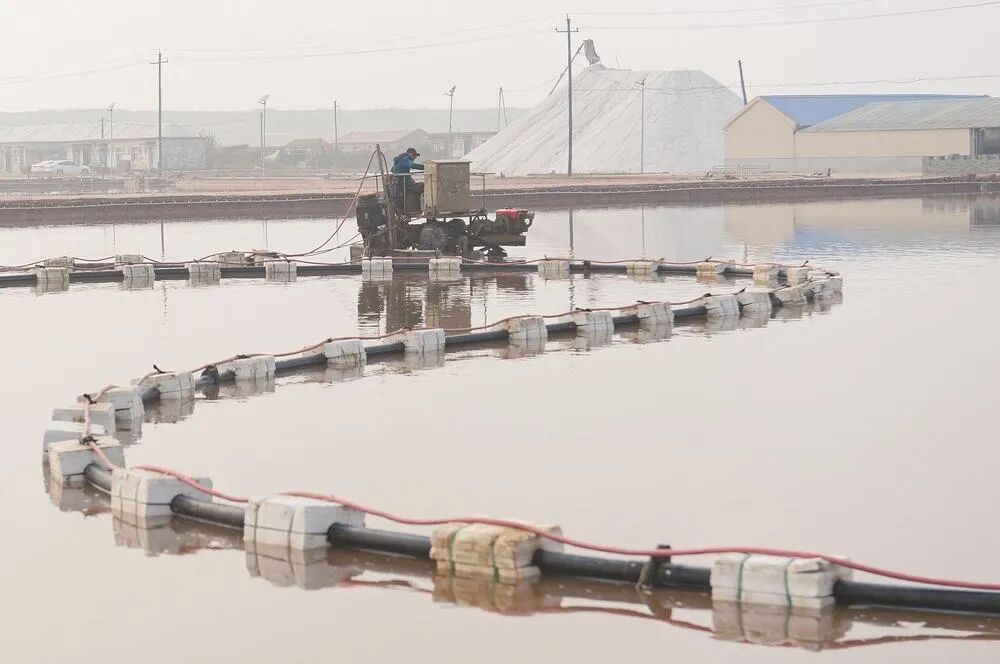
Core Viewpoint - The transformation of the Caofeidian Nanpu Economic Development Zone from a saline wasteland to a thriving hub for the salt chemical industry, driven by leading enterprises, technological breakthroughs, and green transformation [1][8]. Group 1: Industry Development - The Caofeidian Nanpu Economic Development Zone has evolved from producing only salt to a full industrial chain that includes products like raw salt, pure soda, PVC, organic silicon, and trichlorosilane, exporting to over 120 countries [1]. - The zone now hosts 106 salt chemical-related enterprises and employs over 20,000 people, with an annual production capacity of 230,000 tons of pure soda, 40,000 tons of PVC, and 40,000 tons of lithium carbonate/hydroxide [7]. Group 2: Leading Enterprises - Sanyou Group is a key player in the salt chemical sector, having developed a battery-grade sodium carbonate project with an annual production capacity of 100,000 tons, which is now in trial production [3]. - Sanyou Group has established a "three chains and one cluster" industrial layout, focusing on circular economy and high-end product development, achieving significant technological advancements and numerous patents [3][4]. Group 3: Technological Innovation - Sanyou Group has successfully implemented proprietary purification technology to produce high-purity products, with over 80 technology patents and several products recognized as leading in both domestic and international markets [3][4]. - The company has developed a hydrogen-coal co-firing technology that saves over 7,600 tons of raw coal annually, significantly reducing carbon emissions [6]. Group 4: Green Transformation - The focus on green development is evident in the production processes, with initiatives like water recycling in PVC production and the development of recycled fibers that have gained market traction [6][7]. - The integration of ecological practices in the salt production process, such as the use of brine for resource optimization, showcases the commitment to sustainable industrial practices [7].