预制菜

Search documents
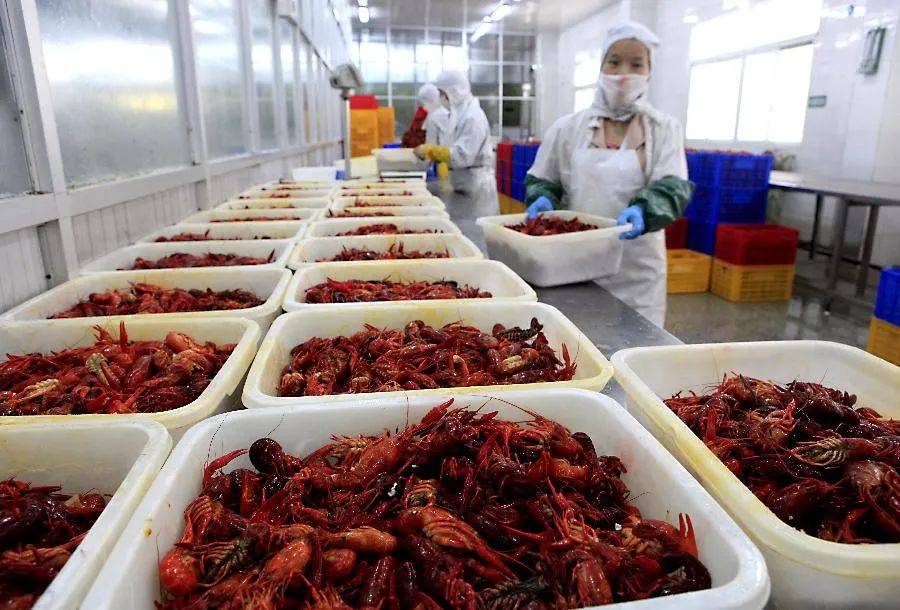
夏天“快到碗里来”!看国联水产小龙虾如何“鲜”声夺人
Nan Fang Nong Cun Bao· 2025-05-19 04:04
Core Viewpoint - The article highlights the booming market for crayfish in China, particularly focusing on the production and quality control processes of Guolian Aquatic Products, a leading company in the industry, as well as the ecological advantages of crayfish farming in Hunan Province [1][12][13]. Group 1: Market Demand and Trends - The crayfish season has begun, with consumers increasingly enjoying this delicacy, making it a significant part of the dining experience during summer [2][9]. - Social media platforms like Xiaohongshu and Weibo are seeing a surge in discussions about crayfish, indicating a growing consumer interest in safe and quality food options [54][55]. Group 2: Production and Quality Control - Guolian Aquatic Products sources crayfish from the ecological farming model in Hunan, which allows for a reduction of chemical fertilizers and pesticides by over 50%, ensuring safer consumption [28][29]. - The company employs strict quality standards for crayfish, requiring them to be fresh, meet size specifications (4-6 taels, approximately 20-30g), and be sourced from rice paddies [31][32]. Group 3: Processing Technology - The processing of crayfish involves advanced cleaning techniques using micro-nano bubble technology, ensuring thorough cleanliness [36][37]. - High-temperature frying and flavor enhancement are key steps in the processing, utilizing non-GMO oil and proprietary spice blends to lock in flavor [41][43]. Group 4: Certification and Safety - Guolian Aquatic Products has established the world's first ASC-certified crayfish farming base and adheres to HACCP standards, ensuring international food safety compliance [57][58]. - The company provides traceability for its products, allowing consumers to verify the origin and safety of the crayfish through QR codes on packaging [67][70]. Group 5: Product Innovation and Market Strategy - The company is adapting to the rising trend of pre-prepared meals by launching various flavored crayfish products, catering to diverse consumer preferences [72][73]. - Guolian Aquatic Products is expanding its market reach through both online and offline channels, including supermarkets, e-commerce, and community group buying [74][78].



“初代网红”绿茶餐厅母公司上市首日破发 有人一日探访3家门店后放弃“打新”
Mei Ri Jing Ji Xin Wen· 2025-05-16 16:02
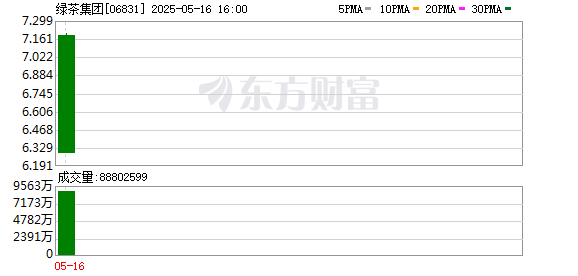
Core Viewpoint - Green Tea Group's IPO did not perform as well as expected, with a significant drop in stock price on the first day of trading, indicating potential challenges in consumer interest and market positioning [2][6]. Company Overview - Green Tea Group was established in 2008 and primarily operates Green Tea restaurants, with its first location in Hangzhou [2]. - The company has expanded its restaurant count from 236 to 489 since 2022, with plans to open over 500 new restaurants in the next three years [8]. IPO Details - The company launched a global offering of 168 million shares, with approximately 30% being existing shares and 70% new shares [3]. - The IPO saw a subscription rate of 317.54 times during the public offering phase, with 50% of the shares allocated to this segment [6]. Market Performance - On the first day of trading, Green Tea Group's stock price fell by 12.52%, closing at HKD 6.290 [2]. - The company faced challenges in maintaining customer interest, as evidenced by a lack of crowds in its restaurants during recent visits [7]. Sales Performance - In 2024, the same-store sales decreased by 10.3%, with average sales per restaurant dropping from 11.519 million yuan in 2023 to 10.33 million yuan [9][10]. - The average consumer spending also declined from 61.8 yuan in 2023 to 56.2 yuan in 2024, indicating a shift in consumer behavior [10]. Strategic Plans - Green Tea Group aims to diversify its menu to enhance sales and improve turnover rates, planning to introduce regional specialties while maintaining its signature dishes [10].
绿茶餐厅IPO成功,年收38亿却面临挑战,未来还有哪些杀手锏?
Sou Hu Cai Jing· 2025-05-16 08:25
绿茶餐厅,这家历经波折的餐饮品牌,终于在港股市场迎来了它的高光时刻。5月16日,绿茶集团有限公司(简称"绿茶餐厅")成功登陆港交所,尽管盘 初股价略有下跌,但截至最近交易时段,其每股价格稳定在6.83港元,总市值达到46亿港元。 作为一家以休闲中式餐饮为主的运营商,绿茶餐厅的上市之路可谓充满坎坷。从2021年首次递交上市申请,到经历两次重新递表、两次通过聆讯、三次招 股书失效,再到2022年暂时搁置上市计划,绿茶餐厅的上市梦想几经波折。直到2024年,绿茶餐厅再次重启上市进程,并最终在年末成功实现上市目标, 这已经是其第五次递交上市申请。 然而,在业绩稳步增长的同时,绿茶餐厅也面临着一些挑战。从其经营数据来看,人均消费和翻台率均呈现出下滑趋势。招股书显示,这主要是由于当前 经济环境下消费者行为的改变,导致外出用餐支出和次数的减少。从不同区域的市场表现来看,绿茶餐厅在华东和其他地区的收入有所增长,但广东和华 北市场则出现下滑。 尽管如此,绿茶餐厅在中国内地休闲中式餐厅品牌中依然占据着一席之地。灼识咨询报告显示,按餐厅数目计,绿茶餐厅排名第三;按收入计,则排名第 四。然而,由于餐饮业市场分散且竞争激烈,绿茶餐厅的 ...
5次IPO后初代网红餐厅终上市,但首日表现不佳
Sou Hu Cai Jing· 2025-05-16 07:03
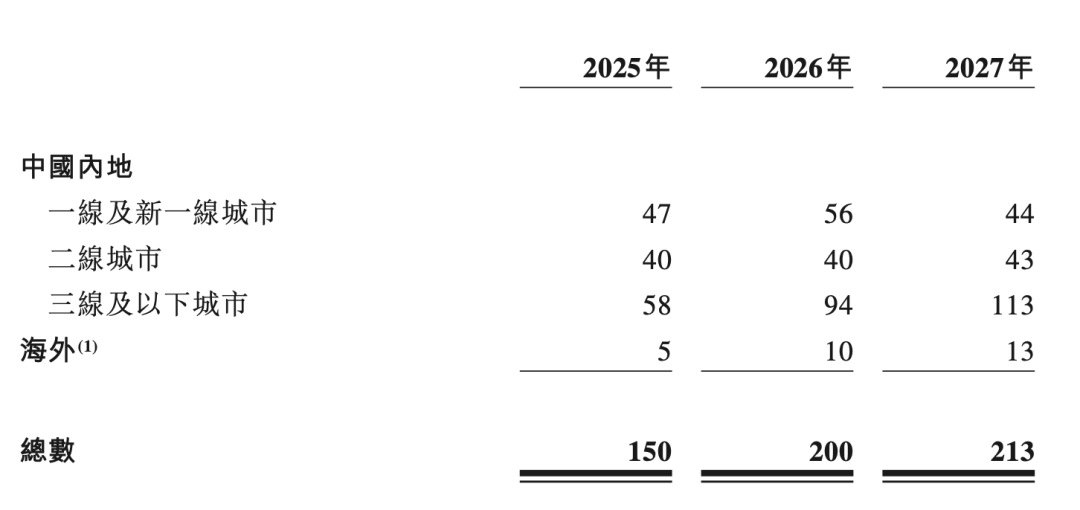
从业内关注的翻台率数据来看,餐厅2024年翻台率下跌至3次/日。而公司创始人陆长梅2013年曾透露, 当时餐厅的翻台率在6到8次。 业内分析认为,经历4年IPO长跑,绿茶餐厅展现出顽强的求生欲,如今餐饮行业内卷激烈,餐厅成功 上市也有助于增强信心。但上市首日表现不佳,在一定程度反映出资本市场担忧。初代网红餐厅如何改 变"吃老本"的现状,在新消费时代吸引食客?也是餐厅下一步需要面临的严峻挑战。 来源:北京日报客户端 记者:杨天悦 招股书显示,绿茶集团是中国内地知名的休闲中式茶餐厅运营商。2022年至2024年,公司收入分别为 23.75亿元、35.89亿元和38.38亿元,净利润分别为0.17亿元、2.96亿元和3.50亿元。 2008年,公司在西子湖畔开设了第一家餐厅,截至2024年4月14日,已开设489家餐厅,覆盖21个省4个 直辖市、2个自治区和香港特别行政区。2024年,集团共开设120家新餐厅,并计划于未来3年分别开设 150家、200家和213家新餐厅。 开业之初,餐厅曾以融合菜和高性价比定位崛起,凭借面包诱惑、绿茶烤鸡等爆款菜品,成为红极一时 的初代网红餐厅。一时间,上述经典菜品也被许多餐厅所效 ...
年收38亿却陷“爆品荒”,市值不到小菜园一半,绿茶IPO后还有哪些底牌?
3 6 Ke· 2025-05-16 04:18
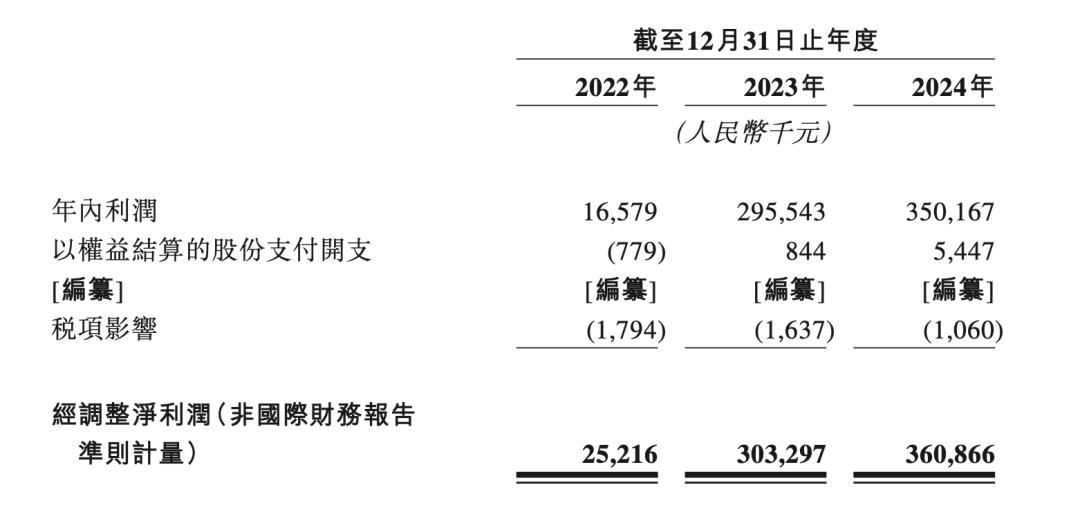
Core Viewpoint - Green Tea Restaurant has successfully listed on the Hong Kong Stock Exchange after multiple attempts, but faces challenges in a competitive market where its once-popular offerings have become commonplace [2][22]. Financial Performance - In 2022, 2023, and 2024, Green Tea Group's revenue was approximately 2.375 billion RMB, 3.589 billion RMB, and 3.838 billion RMB, respectively, with net profits of about 16.58 million RMB, 296 million RMB, and 350 million RMB [3][4]. - The adjusted net profits for the same years were approximately 25.22 million RMB, 303 million RMB, and 361 million RMB [3]. Revenue Breakdown - In 2024, restaurant operating income was approximately 3.099 billion RMB, a slight increase of 1.3% from 2023, while takeaway business revenue grew significantly by 39.8% to about 723 million RMB, accounting for 18.8% of total revenue [4][5]. Customer Metrics - The average customer spending decreased from 62.9 RMB in 2022 to 56.2 RMB in 2024, and the overall table turnover rate declined from 3.3 times in 2023 to 3 times in 2024 [6][7]. Market Performance - Green Tea's same-store sales fell by 10.3% in 2024, with declines across various regions, including a 12.6% drop in Guangdong and an 11.2% drop in East China [9]. - The company ranks third in terms of restaurant count and fourth in revenue among casual Chinese restaurant brands in mainland China, holding only 0.7% market share [9]. IPO and Investment - The IPO raised approximately 87.33 million USD, with significant investments from cornerstone investors including Ziyuan Foods and Zhengda Foods [9][11]. - The funds will be used to expand the restaurant network, establish central food processing facilities, and upgrade IT systems [11]. Expansion Plans - Green Tea plans to open 563 new stores from 2025 to 2027, with a focus on second and third-tier cities, which will account for 68.38% of the new openings [26]. - The company aims to build a self-operated central food processing facility to supply 90% of semi-finished products to its restaurants [26]. Industry Context - The casual Chinese restaurant market in mainland China is projected to reach a total revenue of 534.7 billion RMB in 2024, with a compound annual growth rate of 8.2% expected from 2024 to 2029 [24].
【帮主郑重】5月14日热门涨停股解读 这几个板块才是真机会
Sou Hu Cai Jing· 2025-05-14 16:50
Group 1: Market Overview - The recent market rally, characterized by a surge in financial stocks, is misleading as 2800 stocks are declining despite the Shanghai Composite Index breaking 3400 points [1][3] - The financial sector's performance is driven by speculative trading, with institutions adjusting their positions while retail investors are left holding the bag [3] Group 2: Sector Analysis - Shipping and chemical sectors are highlighted as the real opportunities, with Ningbo Shipping experiencing significant price increases due to rising freight costs [3] - Bromine prices have doubled in six months, driven by demand from the electric vehicle and semiconductor industries, indicating strong growth potential in the chemical sector [3] Group 3: Investment Strategy - Financial stocks' rebound is seen as an opportunity to reduce exposure, while pullbacks in shipping and chemical stocks should be viewed as buying opportunities [4] - Maintaining a cash reserve of 20% is advised to capitalize on potential market dips following the Federal Reserve meetings [4]

从“百亿”清远鸡,透视广东农产品电商连续六年全国第一的秘密
Nan Fang Nong Cun Bao· 2025-05-14 12:02
Core Viewpoint - The article highlights the significant growth of the Qingyuan chicken industry, which has achieved an annual output value exceeding 10 billion yuan, driven by e-commerce, brand development, and live-streaming sales strategies [8][12][10]. Group 1: Industry Growth and E-commerce Impact - The Qingyuan chicken industry is recognized as one of the five major billion-yuan modern agricultural industries in Qingyuan, with a comprehensive output value surpassing 10 billion yuan [8][12]. - E-commerce sales of Qingyuan chicken (fresh/prepared) are projected to exceed 10 million units and generate over 1.3 billion yuan in revenue in 2024, maintaining the top position nationally [14][12]. - The transformation of the Qingyuan chicken industry is attributed to the integration of digitalization, strategic shifts by companies, and innovative government policies [15][10]. Group 2: Company Initiatives and Product Development - Liu Qiuyan, founder of the company "Chicken Mama," initiated a business to make Qingyuan chicken accessible to a broader audience through e-commerce and live-streaming [21][23]. - The company has developed various prepared chicken products, achieving sales exceeding 10 million yuan for several items, establishing itself as a model enterprise in the prepared food sector [33][32]. - The collaboration with major e-commerce platforms like Taobao and Tmall has significantly expanded the market reach of Qingyuan chicken [37][38]. Group 3: Marketing Strategies and Consumer Engagement - The use of live-streaming and short videos has effectively increased consumer awareness and sales of Qingyuan chicken products, with notable sales events generating substantial revenue [30][31]. - The "traceability live-streaming" model has been adopted to enhance consumer trust by showcasing the production process and quality control of Qingyuan chicken [56][58]. - The partnership with high-profile brands and influencers has led to successful promotional campaigns, with some live-streaming events achieving sales of over 3 million yuan [68][69]. Group 4: Future Prospects and Industry Significance - The Qingyuan chicken industry is positioned as a key player in rural revitalization efforts, contributing to local economic development and agricultural modernization [78][80]. - The combination of entrepreneurial spirit, government support, and farmer innovation is crucial for the continued growth and market penetration of Qingyuan chicken [78][80]. - The industry aims to leverage digital tools to enhance brand identity and market potential, paving the way for broader national recognition [79][80].

春雪食品:5月9日召开业绩说明会,投资者参与
Sou Hu Cai Jing· 2025-05-09 14:25
Core Viewpoint - Company successfully turned a profit in 2024, with significant year-on-year net profit growth driven by cost control, market expansion, currency exchange gains, and improved production efficiency [1][4]. Group 1: Financial Performance - In 2024, the company achieved a net profit turnaround, with a notable increase in gross margin and a decrease in total expenses, despite a decline in operating revenue [4]. - The company's Q1 2025 report showed a main revenue of 595 million yuan, a year-on-year increase of 12.48%, and a net profit of 11.17 million yuan, up 286.9% year-on-year [10]. Group 2: Cost Control and Efficiency - Cost management strategies included optimizing internal management, reducing breeding costs, and achieving a 16% and 27% decrease in corn and soybean meal procurement prices, respectively [1]. - The establishment of a smart factory improved production efficiency, leading to a 40% increase in the slaughter volume of broilers [1]. Group 3: Market Expansion - Export business volume grew by 23.4% year-on-year, with a total export of 23,200 tons and a significant increase in the European market, generating 92.25 million USD [1]. - The company plans to continue expanding production capacity, with a target of adding 2,400,000 broilers and increasing processed product capacity by 18,000 tons in 2025 [2]. Group 4: Brand Development - The company enhanced brand recognition through various initiatives, including product launches, participation in industry exhibitions, and collaborations with e-commerce platforms [7]. - The dual-brand strategy with "Chunxue" and "Shangxian" has successfully increased brand awareness and market acceptance [7]. Group 5: Future Growth Drivers - Future profit growth will be driven by the development of prepared food products, cost reduction measures, market expansion, channel optimization, and brand premium capabilities [8]. - The company aims to enhance product structure and accelerate digital transformation to improve production efficiency and management [9].

一斤可能跌到几块钱,做小龙虾生意的商家如何俘获精明的消费者?
Sou Hu Cai Jing· 2025-05-08 05:33
Core Insights - The market for crayfish is experiencing a significant price drop due to stable supply and increased consumer demand for home cooking and dining out [1][2] - The wholesale price of crayfish has decreased from approximately 30 yuan per jin to about 13 yuan per jin, with larger sizes also seeing substantial declines [1] - The crayfish industry is evolving towards higher quality, branding, and standardization, with companies exploring deep processing and ready-to-eat meals to expand market space [3] Price Dynamics - The increase in crayfish farming area and production has led to a significant rise in market supply, contributing to the price decline [2] - Seasonal factors play a crucial role, with April to June being peak harvest months, resulting in lower prices, while prices tend to rise in the fall when supply decreases [2] Industry Challenges - Crayfish restaurants are facing challenges due to lower procurement costs, leading to increased competition and potential profit margin erosion [2] - Many restaurants are diversifying their menus and reducing the proportion of crayfish dishes to adapt to the changing market dynamics [2] Consumer Trends - The crayfish industry has developed over 20 years, with significant growth in production from 51,600 tons in 2003 to 3.161 million tons in 2023 [5] - Crayfish has become a staple in various dining settings, with its versatility allowing it to be featured in numerous dishes and cuisines [7][12] Market Position - Crayfish is increasingly recognized as a significant component of Chinese cuisine, with some suggesting it has become the "ninth major cuisine" in China [12][13] - The demand for crayfish is comparable to that of beef and lamb, with projected production levels indicating its importance in the food supply [12] Innovation and Adaptation - Restaurants are creatively incorporating crayfish into diverse culinary offerings, including fusion dishes and unique flavor profiles [15][16] - E-commerce platforms are also capitalizing on the crayfish market, offering fresh products with added value through cooking guides and recipes [17][18] Global Perspective - The crayfish market is not only thriving domestically but also has potential for international exports, with products reaching countries like Denmark, Sweden, and Germany [19] - The crayfish phenomenon reflects a broader trend in global food consumption, positioning it as a core ingredient alongside traditional proteins [19]
30元一碗面卖不动,遇见小面抢跑上市
36氪· 2025-05-07 12:55
Core Viewpoint - The Chinese noodle restaurant industry, which faced significant challenges over the past two years, is seeing a resurgence with "Yujian Xiaomian" aiming for an IPO, indicating a potential recovery in the sector despite ongoing concerns about profitability and market dynamics [4][5][6]. Group 1: Industry Overview - Two years ago, the Chinese noodle restaurant industry was struggling with declining sales and closures, leading to significant losses and layoffs [4]. - "Yujian Xiaomian" submitted its IPO application, projecting growth in revenue from 418 million yuan in 2022 to 1.154 billion yuan in 2024, with a net profit turnaround from a loss of 35.97 million yuan in 2022 to a profit of 60.7 million yuan in 2024 [5]. - The industry is characterized by a low market share concentration, with the top five brands holding less than 3% of the market, indicating a lack of brand loyalty among consumers [11][13]. Group 2: Financial Performance - "Yujian Xiaomian" reported a same-store sales increase of over 28% in 2023 compared to 2022, but a decline of 4.2% is expected in 2024, suggesting challenges in maintaining revenue growth [5][6]. - The average order value at "Yujian Xiaomian" decreased from 36.1 yuan in 2022 to 34 yuan in 2023, further dropping to 32 yuan in 2024, reflecting pricing pressures in the market [16][21]. Group 3: Market Dynamics - The noodle restaurant sector has seen a shift towards lower pricing strategies, with many brands reducing their prices significantly to attract customers amid a consumer downgrade trend [14][15]. - Despite the potential for high margins in noodle businesses, the overall performance of high-end noodle brands has been declining, with some brands experiencing sales drops of up to 30% [20][21]. - The industry is facing increased competition, with brands resorting to price wars and the introduction of lower-cost menu items to maintain customer interest [17][24]. Group 4: Expansion and Franchise Challenges - The expansion of noodle brands has been slower compared to other food sectors like coffee and tea, with "Yujian Xiaomian" increasing its store count from 170 in 2022 to 360 in 2024, but still lagging behind competitors [10][9]. - The opening of franchise opportunities has not led to significant growth, with "Hefuliao" only adding about 60 franchise stores in over a year [18][24]. - The industry is increasingly characterized by a focus on standardized, pre-prepared food products, which has raised concerns about quality and consumer acceptance [23][24].