
全要素生产率

Search documents
和社科院大专家蔡昉聊透“十五五”
21世纪经济报道· 2025-11-18 13:23
Economic Growth and Development Goals - The "15th Five-Year Plan" aims for a reasonable economic growth rate to achieve a per capita GDP at the level of middle-income countries by 2035, requiring an average annual growth rate of approximately 4.8% during this period [6][10] - The plan emphasizes the importance of improving total factor productivity, increasing the resident consumption rate, and ensuring synchronized growth of resident income and economic growth [6][10] Consumption and Income Distribution - The focus on increasing the resident consumption rate is crucial due to the anticipated challenges from negative population growth and aging demographics, which will impact demand [7][10] - The Gini coefficient of 0.465 indicates a need for improved income distribution, with efforts to ensure that low-income groups see faster income growth compared to high-income groups [7][10][12] Middle-Income Group Expansion - Expanding the middle-income group is essential for achieving higher levels of common prosperity and modernization, necessitating coordinated improvements in initial, secondary, and tertiary income distribution [10][12] - The labor market must address structural unemployment, particularly among the elderly and youth, through targeted training and support [10][11] Role of Artificial Intelligence - Artificial intelligence (AI) has the potential to exacerbate structural employment issues but can also enhance labor productivity, providing solutions to these challenges [15][16] - A systematic governance framework is needed to align AI development with employment priorities, ensuring that AI not only replaces jobs but also enhances worker capabilities [15][16] Urban-Rural Integration and Household Registration Reform - The reform of the household registration system is critical for urbanization, with the potential to convert over 200 million rural residents into urban citizens, thereby stabilizing labor supply and enhancing economic growth [18][19] - The focus should be on improving public services in smaller cities and rural areas to attract and retain residents [19] Agricultural Modernization - China's agricultural labor force still has significant potential for transfer to higher productivity sectors, with current agricultural labor accounting for 22% of the workforce [22][23] - Modern agriculture is characterized by high labor productivity, large operational scales, and the application of advanced technologies, including AI, to enhance efficiency and output [23][24]

21专访|和社科院大专家蔡昉聊透“十五五”:增速、消费、2亿人户籍改革红利与AI未来
2 1 Shi Ji Jing Ji Bao Dao· 2025-11-18 08:43
Core Insights - The 14th Five-Year Plan is crucial for achieving the goal of modernizing China's economy and society by 2035, with a key indicator being the per capita GDP reaching the level of middle-income developed countries [1][5] - The plan emphasizes maintaining reasonable economic growth, improving total factor productivity, increasing the consumption rate, and expanding the middle-income group [1][5][6] Economic Growth and Productivity - The average annual growth rate required to reach the per capita GDP target of approximately $25,000 by 2035 is estimated to be around 4.8% [5][6] - Current potential growth rates for China's economy are estimated between 4.5% and 4.8%, with the possibility of increasing if reforms are intensified [5][6] Consumption and Income Distribution - The focus on increasing the consumption rate is driven by the need to address challenges posed by negative population growth and aging demographics, which will impact demand [6][7] - Improving income distribution is essential, with a current Gini coefficient of 0.465 indicating a need for faster income growth among low-income groups to expand the middle-income population [6][7][9] Employment and Labor Market - The labor market requires targeted efforts to address structural unemployment, particularly among the elderly and youth, through vocational training and support [8][9][11] - The rise of new employment forms, including gig economy jobs, necessitates the development of suitable social security systems to protect workers' rights [9][11][12] Urbanization and Household Registration Reform - Urbanization is ongoing, with a significant gap between registered and actual urban populations, indicating potential for economic contributions through household registration reform [15][16] - The reform aims to enhance public services and employment opportunities in cities, thereby attracting rural residents to urban areas [15][16] Agricultural Modernization - The potential for labor transfer from agriculture to higher productivity sectors remains significant, with current agricultural labor accounting for 22% of the workforce [17][18] - Modern agriculture is characterized by high labor productivity, large operational scales, and the application of advanced technologies, including AI [19][20]
“十五五”时期,“以经济建设为中心”如何发力
Zhong Guo Qing Nian Bao· 2025-11-18 07:03
Core Viewpoint - The "15th Five-Year Plan" emphasizes high-quality development as the main theme for China's economic and social development, continuing from the "14th Five-Year Plan" [1] Economic Growth and Goals - In 2024, China's per capita GDP is projected to reach $13,445, remaining below the $20,000 threshold for developed countries, indicating a need for sustained economic growth [2] - To achieve the 2035 goal of reaching the per capita GDP of developed countries, an average annual GDP growth rate of around 4.5% is necessary during the "15th" and "16th Five-Year Plans" [2] - The transition from high-speed growth to high-quality development requires a focus on quality and efficiency rather than mere quantity [3] Strategic Tasks and Industrial Development - The first of the 12 strategic tasks for the next five years is to build a modern industrial system, which is deemed essential for consolidating and strengthening the foundation of the real economy [4] - The modern industrial system should focus on intelligent, green, and integrated development, aiming to establish a manufacturing powerhouse and maintain a reasonable proportion of manufacturing [4] - The concept of total factor productivity is highlighted as crucial for economic growth, with the "15th Five-Year Plan" aiming for steady improvement in this area [4]
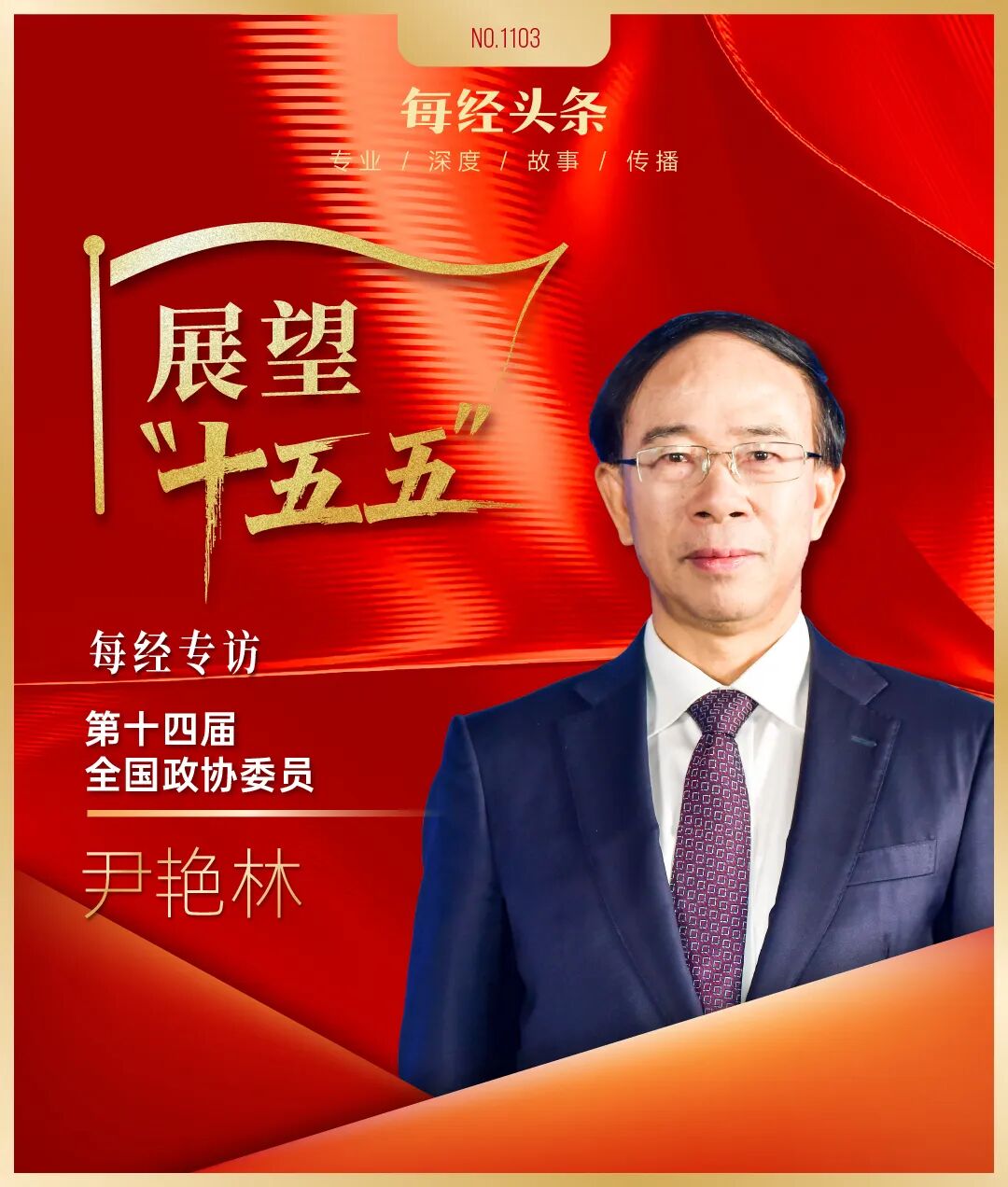
第十四届全国政协委员尹艳林:让有钱且愿消费的人顺利消费 个税起征点可提高,最高边际税率可下调 让有关群体少缴税、多收入
Mei Ri Jing Ji Xin Wen· 2025-11-17 14:29
10月28日,《中共中央关于制定国民经济和社会发展第十五个五年规划的建议》(以下简称《建议》) 正式发布。记者注意到,此次《建议》在投资、消费等领域出现多个新提法。这些新提法背后有怎样的 深意?在我国经济迈向"十五五"的关键节点,如何破解消费率偏低、内需动力不足的深层矛盾?面对复 杂严峻的国内外环境,深化改革的突破口究竟在哪里? 带着这些关乎经济发展全局的核心问题,近日,《每日经济新闻》记者(以下简称NBD)专访了第十 四届全国政协委员尹艳林。尹艳林深耕宏观经济领域多年,曾长期任职于国家发改委和原中央财经领导 小组办公室,对中国经济体制改革、供需结构调整等议题有着深刻洞察和独到见解。他对扩大内需、全 国统一大市场等领域的问题,都提出了具体的改革方向和建议。 新型城镇化仍然是经济增长的重要引擎 NBD:《建议》在"十五五"时期经济社会发展的主要目标中提出,全要素生产率稳步提升,居民消费率 明显提高,内需拉动经济增长主动力作用持续增强。这对今后几年的经济发展会产生哪些影响? 尹艳林:全要素生产率稳步提升对应高质量发展阶段的创新驱动逻辑。创新发挥作用,首先就表现在全 要素生产率的提升。这一表述是从供给端突出科技进步 ...
《求是》杂志发表韩文秀的重要文章《深刻领会因地制宜发展新质生产力的重要论述和决策部署》|宏观经济
清华金融评论· 2025-11-17 10:38
Core Viewpoint - The article emphasizes the importance of understanding and implementing Xi Jinping's discourse on developing new quality productivity in accordance with local conditions, which is crucial for establishing a solid material and technological foundation for Chinese-style modernization [3][4]. Summary by Sections Understanding New Quality Productivity - New quality productivity is characterized by innovation, moving away from traditional economic growth models, and is defined by high technology, high efficiency, and high quality, aligning with advanced production quality [5][6]. - Innovation is the core element of new quality productivity, encompassing technological, business model, management, and institutional innovations [6][7]. Key Characteristics - The focus is on quality improvement rather than just quantitative growth, with an emphasis on optimizing the combination of production factors to enhance overall productivity [7][8]. - New quality productivity signifies advanced productivity, which includes higher-skilled labor, advanced technological tools, and a broader range of labor objects, reflecting the evolution of production factors [8]. Basic Requirements for Development - The development of new quality productivity must respect and understand development laws, including the integration of market and government roles, and the importance of both basic and applied research [10][11]. - Regions should leverage their unique resources and industrial foundations to promote new industries and models, ensuring that traditional industries are not neglected but rather enhanced through new technologies [12][13]. Core Drivers and Systemic Support - Strengthening independent innovation is crucial, focusing on original and disruptive technological advancements, and fostering a robust innovation ecosystem [14][15]. - Building a modern industrial system is essential, balancing the upgrade of traditional industries with the development of strategic emerging industries [15][16]. Market and Reform Initiatives - Establishing a strong domestic market is vital for the growth of new quality productivity, emphasizing the role of consumption and investment in driving economic activity [16][17]. - Deepening reforms to create a supportive environment for innovation and productivity development is necessary, including optimizing the allocation of production factors and enhancing the financial system [17][18]. International Cooperation - Expanding high-level openness is important for integrating into the global economy, facilitating the flow of advanced production factors, and enhancing international collaboration [18].

来年经济与市场怎么看?- 策论半月谈
2025-11-16 15:36
Summary of Conference Call Notes Industry Overview - The conference call discusses the outlook for the Chinese stock and bond markets in 2025, primarily driven by technology stocks and influenced by the "anti-involution" policy [1][2][3]. Key Points and Arguments Economic and Market Outlook - The Chinese stock market is expected to be driven by technology stocks, while the bond market will show a divergence in trends, particularly influenced by the "anti-involution" policy from June to August [1][2]. - The goal for China's economic growth over the next decade is set at a minimum of 4.17% with a vision of achieving a per capita GDP of $29,000 [1][7][8]. - The "anti-involution" policy aims to transition the economy from localized deflation to moderate inflation, enhancing corporate profitability and capital returns [1][9]. Stock and Bond Market Dynamics - In 2025, the stock market is expected to perform strongly, with a projected target for the A-share market at 4,400-4,500 points [2][19]. - The bond market's 10-year treasury yield is currently at 1.8%, with expectations of it fluctuating around this level unless significant economic changes occur [4][6]. - The correlation between stock and bond markets is weak, with distinct driving forces for each, although they may converge under certain macroeconomic conditions [2][3][4]. Sector Focus and Investment Opportunities - The focus for 2026 includes AI applications and cyclical sectors, with specific attention on software, media, hardware, and industries related to PPI such as electrical equipment and defense [2][17][18]. - The potential for AI integration in various sectors is highlighted as a significant growth opportunity, particularly in robotics and autonomous driving [17][18]. Risks and Considerations - The volatility of global technology stocks may impact the growth rate of the information technology sector, which is crucial for overall economic performance [5][6]. - The transition from deflation to inflation is critical; if successful, it could lead to adjustments in corporate earnings and bond market dynamics [4][6]. Long-term Economic Goals - The long-term economic strategy emphasizes the importance of enhancing total factor productivity to avoid stagnation similar to Japan's economic experience over the past 30 years [12][11]. - The need for a balanced approach involving reasonable inflation and currency appreciation is essential to meet the ambitious GDP targets by 2035 [8][10]. Capital Flows and Market Valuation - The influence of southbound capital on Hong Kong stocks is becoming more pronounced, with significant inflows expected to continue [15][16]. - The valuation of Hong Kong stocks is at a historical high risk premium, indicating strong demand despite a deflationary environment [15]. Other Important Insights - The "anti-involution" policy is seen as a pivotal measure for economic transformation, potentially attracting international capital and leading to a systemic revaluation of Chinese assets [9][10]. - The conference emphasizes the importance of monitoring CPI and PPI trends as they will significantly influence interest rates and overall economic health in the near future [6][4].
展望“十五五” | 专访尹艳林:让有钱且愿消费的人顺利消费;个税起征点可提高,最高边际税率可下调,让有关群体少缴税、多收入
Mei Ri Jing Ji Xin Wen· 2025-11-16 12:35
每经记者|张蕊 每经编辑|陈星 10月28日,《中共中央关于制定国民经济和社会发展第十五个五年规划的建议》(以下简称《建议》)正式发布。 记者注意到,此次《建议》在投资、消费等领域出现多个新提法。这些新提法背后有怎样的深意?在我国经济迈向"十五五"的关键节点,如何破解消费率 偏低、内需动力不足的深层矛盾?面对复杂严峻的国内外环境,深化改革的突破口究竟在哪里? 带着这些关乎经济发展全局的核心问题,近日,《每日经济新闻》记者(以下简称NBD)专访了第十四届全国政协委员尹艳林。 尹艳林深耕宏观经济领域多年,曾长期任职于国家发改委和原中央财经领导小组办公室,曾对中国经济体制改革、供需结构调整等议题有着深刻洞察和独 到见解。 他直言不讳当前面临的一些问题背后是深层次的体制问题,坦言当前改革进入深水区的特征更加明显。他对扩大内需、全国统一大市场等领域的问题,都 提出了具体的改革方向和建议。 新型城镇化仍然是经济增长的重要引擎 NBD:《建议》在"十五五"时期经济社会发展的主要目标中提出,全要素生产率稳步提升,居民消费率明显提高,内需拉动经济增长主动力作用持续增 强。这对今后几年的经济发展会产生哪些影响? 尹艳林:全要素生 ...
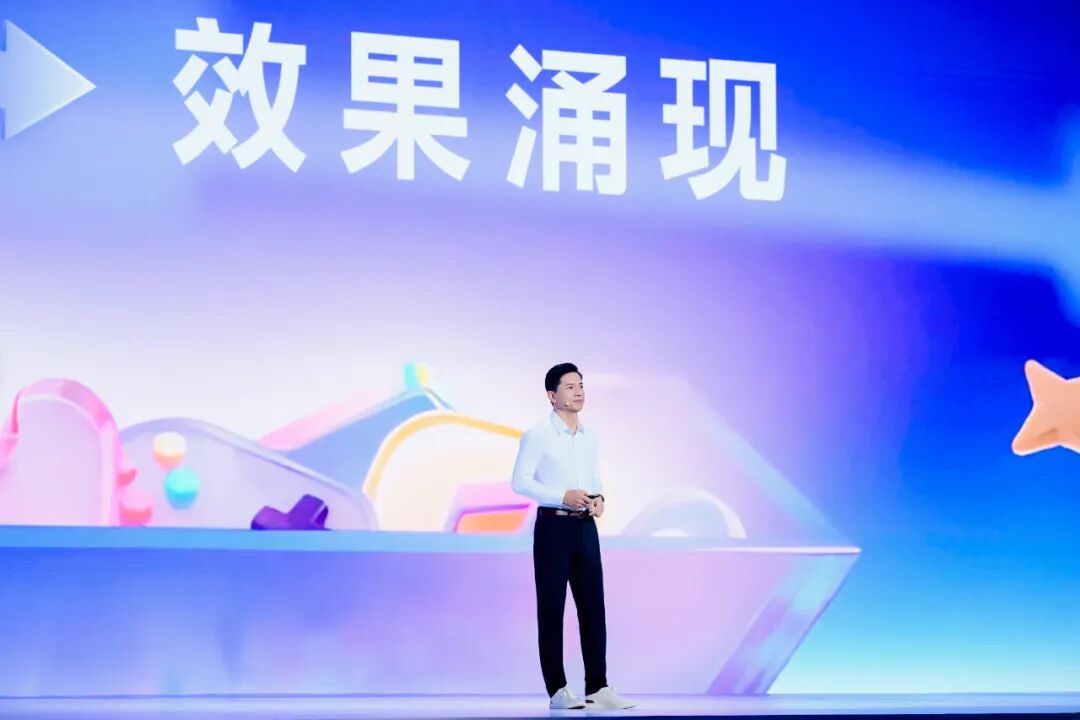
百度的AI内化,是如何驱动要素生产率革命的
Xin Lang Cai Jing· 2025-11-13 07:55
Core Insights - The core message of the articles emphasizes the transformation of AI from a mere tool to an intrinsic capability that enhances productivity across various industries, as articulated by Baidu's founder, Li Yanhong [2][13]. Group 1: AI and Productivity - AI is becoming a core engine for enhancing total factor productivity (TFP) during a critical transition towards high-quality economic development, moving away from traditional growth models reliant on capital and labor [3][4]. - The integration of AI into production processes is expected to contribute over $15 trillion to global GDP by 2030, with AI's contribution to the economy growing at an annual rate of over 15% [3][4]. - Baidu's approach to "internalizing AI capabilities" is seen as a key strategy to unlock new productivity potential across industries, addressing the need for efficiency and innovation [3][6]. Group 2: Baidu's Innovations - Baidu introduced the world's first commercially viable self-evolving superintelligent agent, "Famu," which optimizes decision-making and resource allocation across complex scenarios [6][7]. - The "LuoBo Kuaipao" platform, a leading autonomous driving service, has achieved significant milestones, including 250,000 fully autonomous orders weekly and over 2.4 billion kilometers driven, showcasing AI's role in transforming physical productivity [9][10]. - Baidu's AI applications span various sectors, demonstrating a comprehensive ecosystem that integrates digital and physical productivity enhancements [15][16]. Group 3: Strategic Vision - Li Yanhong's vision of AI as an "inherent capability" reflects Baidu's strategic focus on creating a full-stack ecosystem that encompasses computing power, frameworks, models, and applications [13][14]. - The launch of the Kunlun chip and the PaddlePaddle framework positions Baidu as a leader in AI infrastructure, supporting a wide range of enterprises in their AI endeavors [14][15]. - Baidu's advancements in AI, including the Wenxin 5.0 model, highlight its commitment to achieving global leadership in AI technology and applications [15][17]. Group 4: Future Outlook - The integration of AI into everyday processes is expected to lead to a significant increase in productivity, making efficiency improvements a routine aspect of business operations [16][17]. - Baidu's initiatives are contributing to China's shift from a follower to a leader in AI technology, with the company poised to redefine industry standards and practices globally [17].

人工智能会怎样全面赋能高质量发展?
Tai Mei Ti A P P· 2025-11-13 04:44
Group 1: Core Insights of the "15th Five-Year Plan" - The "15th Five-Year Plan" emphasizes "high-quality development" and adjusts growth targets to "maintain within a reasonable range," highlighting a shift towards quality and efficiency in economic growth [1] - The plan introduces the concept of "new quality productivity" and aims to build a modern industrial system centered on advanced manufacturing, indicating a strategic upgrade in the national technology strategy [1] - The focus on artificial intelligence (AI) has significantly increased, with the term mentioned 8 times in the plan, reflecting its importance as a key strategic engine for national development [2] Group 2: AI Application and Industry Impact - The shift from focusing on AI technology to promoting AI applications across various industries marks a fundamental change in national strategy [3] - AI applications are expected to drive productivity and improve living standards, with significant potential already demonstrated in various sectors [9] - The "AI+" initiative outlines six key areas for AI application: scientific technology, industrial development, consumption stimulation, public welfare, governance capability, and global cooperation [4] Group 3: AI in Specific Sectors - In scientific research, AI is revolutionizing drug development by significantly shortening the time required for identifying disease-related biological targets and enhancing the efficiency of molecular design [5] - In industrial development, AI is integrated into production and management processes, improving product quality and operational efficiency, with reports indicating procurement efficiency improvements of over 30% [6] - In the consumer sector, AI enhances user experience through personalized recommendations and intelligent customer service, leading to increased sales conversion rates [7] Group 4: Challenges and Future Directions - Despite the initial successes of AI applications, challenges remain in expanding these applications from isolated breakthroughs to widespread adoption across industries [13] - Data quality and accessibility issues, including the prevalence of "data silos," hinder the training of AI models and the effectiveness of AI applications [13][14] - The need for improved algorithms and models, as well as addressing the challenges of computing power, particularly in the context of high-performance chips, is critical for the future of AI development in China [15]
“十五五”经济社会发展主要目标解读|稳步提升全要素生产率
Jing Ji Ri Bao· 2025-11-11 02:56
Core Points - The 20th Central Committee's Fourth Plenary Session emphasizes "steady improvement of total factor productivity" as a key goal for the 14th Five-Year Plan period [1][2] - Total factor productivity (TFP) reflects the efficiency of all inputs in producing outputs and is a measure of economic development quality and technological innovation [1][4] - The report indicates that enhancing TFP is crucial for achieving sustainable economic growth amid complex internal and external challenges [3][4] Group 1: Importance of Total Factor Productivity - TFP is a core indicator of production factor quality and efficiency, essential for high-quality economic growth [4] - The Chinese government aims to increase TFP growth to around 2% annually by 2035 to achieve modernization [3] - The focus on TFP aligns with the broader goal of transitioning to a modern economic system and promoting high-quality development [2][3] Group 2: Strategies for Improvement - Innovation is key to enhancing TFP, including technological advancements and efficient resource allocation [5][6] - The manufacturing sector's significant scale and technological capabilities provide a strong foundation for improving TFP [5] - Digitalization and green development are identified as areas that can further enhance TFP through new efficiency gains and structural benefits [5][6]