
权益资产配置

Search documents
险资大力加仓股票:上半年净买入6400亿元,环比增长78%
Feng Huang Wang· 2025-08-17 12:06
Group 1 - The current valuation of A-shares and Hong Kong stocks is relatively low, while dividend yields are high, suggesting that long-term capital allocation to equities may yield substantial returns [1] - Insurance funds have significantly increased their stock allocations, with the proportion reaching a recent high, driven by low interest rates and asset scarcity [1][3] - As of the end of Q2, the balance of insurance funds allocated to stocks was 3.07 trillion yuan, an increase of 8.9% from the previous quarter, representing a net purchase of approximately 640 billion yuan in the first half of the year [3][4] Group 2 - The shift in insurance funds' investment strategy is moving from "controlling positions" to "selecting sectors," reflecting the need to adapt to market volatility and structural changes [2][5] - Insurance companies have made 28 equity stakes in 23 listed companies this year, marking the highest number of actions in nearly four years [5] - The overall investment style of insurance funds favors large-cap, high-dividend, and low-volatility assets, with a preference for stable companies in sectors like banking, public utilities, and transportation [6] Group 3 - The total balance of insurance funds reached 36.23 trillion yuan by the end of Q2, with a 3.73% increase from the previous quarter [3] - The proportion of insurance funds allocated to long-term equity investments rose to 7.6%, while the allocation to securities investment funds was 4.6% [4] - The recent approval of several private fund management companies indicates progress in the long-term investment reform pilot for insurance funds [8]
年内险资举牌上市公司已达27次 增持上市公司意愿强烈
Cai Jing Wang· 2025-08-14 03:31
Core Viewpoint - Insurance companies are actively increasing their stakes in listed companies, with a notable rise in the number of equity investments made by insurance funds in 2023, indicating a strong willingness to invest in the stock market [1][2]. Group 1: Recent Activities - On August 13, China Pacific Life Insurance Co., Ltd. announced its stake increase in Guangdong Dongyangguang Pharmaceutical Co., Ltd. through the acquisition of H-shares [1]. - As of August 13, the total number of equity stakes taken by insurance funds in listed companies reached 27 this year, significantly higher than the 20 instances recorded in the previous year [2]. Group 2: Investment Strategies - The stake increase in Dongyangguang Pharmaceutical was triggered by a share swap during the privatization of its Hong Kong-listed subsidiary, indicating a strategic move to consolidate holdings [2]. - After the stake increase, China Pacific Life directly held approximately 6.06 million H-shares of Dongyangguang, representing 5.38% of the company's H-share capital [2]. Group 3: Market Conditions and Regulations - Regulatory changes have encouraged insurance companies to increase their equity investments, with a focus on long-term assessment mechanisms and adjustments to solvency rules that lower risk factors for stock investments [3]. - The overall equity investment by insurance companies accounted for approximately 20.6% of total investment as of the first quarter of this year, reflecting a gradual increase in equity asset allocation [4]. Group 4: Future Outlook - Industry experts believe there is still significant room for increasing equity asset allocation, as many insurance companies have not yet reached their investment limits based on solvency ratios [5]. - The current market environment and accounting standards suggest that insurance funds are likely to continue increasing their equity investments in the near future [5].
年内险资举牌上市公司已达27次 业内人士认为当前险资举牌仍有积极性 增配权益资产也有较大潜在空间
Zheng Quan Ri Bao· 2025-08-13 16:45
Core Viewpoint - Insurance companies are actively increasing their stakes in listed companies, with a notable rise in the number of equity investments this year, indicating a strong willingness to enhance equity asset allocation [3][4][6]. Group 1: Recent Activities - On August 13, China Pacific Life Insurance Co., Ltd. announced that it and its affiliates have increased their stake in Guangdong Dongyangguang Pharmaceutical Co., Ltd. by acquiring H-shares [3]. - As of August 13, the total number of equity stakes taken by insurance funds this year has reached 27, significantly higher than the 20 instances recorded for the entire previous year [5][6]. Group 2: Investment Trends - The majority of the 27 instances of stake increases this year were driven by active buying, with only 2 instances being triggered by passive factors, reflecting a strong intent among insurance funds to increase their holdings in listed companies [5][6]. - The main methods of stake acquisition include competitive trading and secondary market purchases, primarily funded by self-owned capital and insurance liability reserves [5]. Group 3: Regulatory Environment - Recent regulatory changes have established actionable assessment standards for the proportion and stability of insurance funds entering the A-share market, promoting a long-term assessment mechanism [6]. - Adjustments to solvency rules by the National Financial Regulatory Administration have reduced the risk factors for stock investments, encouraging insurance funds to increase their market participation [6]. Group 4: Equity Asset Allocation - The proportion of equity assets held by insurance companies is gradually increasing, with the overall equity investment accounting for approximately 20.6% of total fund utilization as of the first quarter of this year [7]. - Regulatory guidelines specify that the equity asset balance must not exceed certain percentages of total assets based on the solvency ratio, allowing for significant room for future increases in equity allocations [7][8]. Group 5: Company-Specific Insights - China Ping An Life Insurance Co., Ltd. reported a solvency ratio of 227.92% as of the first quarter, allowing for an equity investment limit of 30%, with its equity assets accounting for 23.26% of total assets [8]. - China Post Life Insurance Co., Ltd. had a solvency ratio of 194.59% at the end of the second quarter, with equity assets making up 17.08% of total assets, indicating substantial potential for future equity allocation [8].


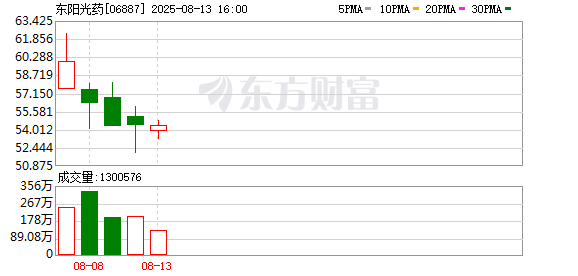
年内险资举牌上市公司已达27次
Zheng Quan Ri Bao Zhi Sheng· 2025-08-13 16:41
Core Viewpoint - The insurance sector is actively increasing its equity asset allocation, with significant potential for future growth in this area [1][4]. Group 1: Insurance Companies' Activities - China Pacific Life Insurance Co., Ltd. announced its recent acquisition of shares in Guangdong Dongyangguang Pharmaceutical Co., Ltd., holding approximately 605.86 million shares, which represents 5.38% of the latter's H-share capital [2]. - As of August 13, 2023, the total number of equity stakes acquired by insurance capital reached 27 this year, significantly higher than the 20 instances recorded in the previous year [2]. - The majority of these acquisitions were driven by proactive buying, indicating a strong willingness among insurance companies to increase their holdings in listed companies [2]. Group 2: Regulatory Environment - Recent regulatory changes have established actionable assessment standards for the proportion and stability of large state-owned insurance companies' investments in A-shares, promoting a long-term assessment mechanism [3]. - Adjustments to solvency rules have reduced the risk factors associated with stock investments, encouraging insurance capital to increase market participation [3]. Group 3: Equity Asset Allocation - The proportion of equity assets in insurance companies is gradually increasing, with equity investments accounting for approximately 20.6% of total investment assets as of the first quarter of this year [4]. - Regulatory guidelines dictate that the equity asset balance must not exceed certain thresholds based on the solvency ratio, allowing for a structured approach to equity investment [4]. Group 4: Future Outlook - Analysts believe that there is still considerable room for insurance companies to increase their equity asset allocation, as many companies are currently below their investment limits [5]. - The current capital market environment and accounting standards suggest that insurance capital is likely to continue expanding its equity asset holdings in the future [5].
权益理财业绩亮眼,九成产品实现正收益
Huan Qiu Wang· 2025-08-13 04:06
Group 1 - The core viewpoint of the articles highlights the strong performance of public equity wealth management products in the banking sector, with 90% of the products showing positive annualized returns and 17 products exceeding 10% [1] - As of August 3, there are 46 existing public equity wealth management products, with an average unit net value growth rate of 5.82% this year, benefiting from a recovering stock market [1] - Fixed income and mixed wealth management products have shown similar performance, with average unit net value growth rates of 1.26% and 1.56% respectively, indicating a more stable investment option compared to equity products [1] Group 2 - The total scale of the banking wealth management market reached 30.67 trillion yuan by the end of June 2025, with fixed income products dominating at 29.81 trillion yuan [1] - Experts suggest that in a low-interest-rate environment, domestic investors' preference for bond assets will weaken, leading to an increased allocation towards equity assets in future asset allocation strategies [2]
险资二季度逢低买入成主基调 看好后市结构性机会
Xin Hua Wang· 2025-08-12 06:19
二季度以来,不少险资机构在市场调整时择机加大权益资产配置力度。随着越来越多A股上市公司 半年报完成披露,险资二季度"掘金图"逐渐浮出水面。 Wind数据显示,截至8月18日记者发稿时,在已披露2022年半年报的上市公司中,有125家公司的 前十大流通股东名单中出现险资身影。其中,27家公司在二季度获险资加仓,43家公司进入险资二季度 新进持股名单。险资人士表示,目前权益资产在大类资产配置中具备相对性价比优势,三季度A股市场 估值有望继续修复,结构性行情料将延续。 分月度来看,6月末,险资配置股票和证券投资基金的资金比例达到13.02%,为今年以来新高,且 高于去年年末水平。今年1月末至5月末,上述比例分别为12.38%、12.60%、12.13%、11.89%、 12.37%。去年年末,上述比例为12.70%。 市场人士认为,5月以来权益市场回暖,险资持仓的权益资产市值有所提升。此外,二季度以来, 不少险资机构在市场调整时逢低买入,择机加大权益资产配置力度,配置比例随之抬升。 从目前披露情况看,险资二季度加仓27只个股,减仓37只个股,新进43只个股。 险资加仓方面,双汇发展、许继电气、宏发股份、长青股份、新 ...
超40只权益类银行理财,赚钱了
Zhong Guo Ji Jin Bao· 2025-08-11 16:39
Group 1 - The core viewpoint of the articles highlights the significant performance of equity-based wealth management products, with over 40 products showing positive annualized returns, and 17 products exceeding 10% returns, driven by a recovering capital market and supportive macro policies [1][2][3]. Group 2 - As of August 3, there are 46 publicly offered equity-based wealth management products, with 43 showing positive returns, representing 93% of the total, indicating a strong recovery in the equity market [1][2]. - The average net value growth rate for equity-based wealth management products this year is 5.82%, outperforming fixed income and mixed products, which have average growth rates of 1.26% and 1.56%, respectively [2]. - The maximum drawdown for fixed income products is only 0.19%, while mixed products have a higher drawdown of 1.26%, showcasing the stability of fixed income products [2]. Group 3 - The increase in equity product performance is attributed to improved market sentiment and policy support, allowing banks to invest more in equity markets through various channels like IPOs and ETFs [3]. - The implementation of new regulations in January 2025 has opened up new avenues for wealth management companies to diversify their asset allocations, responding to the demand for higher returns from clients [3]. Group 4 - Despite the strong performance of equity-based products, their market size remains relatively small, with the total wealth management market reaching 30.67 trillion yuan, where fixed income products dominate at 29.81 trillion yuan [4]. - The preference for fixed income assets is expected to decline as the yield center decreases, leading to an increased allocation towards equity assets in the future [4].
超40只权益类银行理财,赚钱了
中国基金报· 2025-08-11 16:22
Core Viewpoint - The performance of equity-based wealth management products has significantly improved, with over 90% of such products yielding positive annualized returns, driven by a recovering capital market and supportive macro policies [2][4]. Group 1: Performance of Equity Wealth Management Products - As of August 3, there are 46 publicly offered equity wealth management products, with 43 showing positive returns, and 17 of these exceeding 10% annualized returns [2][4]. - The average net asset value growth rate for equity wealth management products this year is 5.82%, making them standout performers in the wealth management market [4]. - The average maximum drawdown for fixed income products is only 0.19%, while mixed products have a higher average maximum drawdown of 1.26% [4]. Group 2: Market and Policy Influences - The significant rise in equity wealth management product yields is attributed to the recovery of the capital market and macro policies that boost market confidence [6]. - A policy issued in January 2025 allows bank wealth management to participate more actively in the capital market, enhancing the allocation of wealth management funds to equity assets [6]. - The current low interest rate environment is pushing wealth management companies to diversify their asset allocations to meet client demands for higher returns [6]. Group 3: Market Size and Trends - Despite the strong performance of equity wealth management products, their market size remains relatively small, with the total wealth management market reaching 30.67 trillion yuan, where fixed income products dominate [7]. - Equity products account for only 0.07 trillion yuan of the total market, indicating a low proportion in the overall wealth management landscape [7]. - Analysts predict that as the preference for bond assets diminishes due to lower yields, there will be an increased allocation towards equity assets in the future [8].

当含“权”产品成为进击低利率的“长矛”
Shang Hai Zheng Quan Bao· 2025-08-10 17:47
Group 1 - The core viewpoint is that in a persistently low interest rate environment, there is a shift in asset allocation towards "equity-related" products as traditional low-risk assets yield diminishing returns [1][2] - Low-risk asset returns have significantly declined, with money market funds nearing an annualized yield of 1%, and most bank wealth management products yielding around 2% [1] - The rise of "equity-related" products is evident, with secondary bond funds and "fixed income plus" funds gaining popularity, as seen in the rapid fundraising success of various bond funds [1][2] Group 2 - The shift towards "fixed income plus" funds is driven by the long-term low-risk yield environment, which raises concerns about "asset scarcity" and pushes funds towards higher-yielding options [2] - Regulatory changes have dismantled the expectation of guaranteed returns from bank wealth management products, leading to increased volatility and a clearer risk-return profile for public funds [2] - The reforms in the capital market over recent years have enhanced the attractiveness of equity assets, fostering long-term investor confidence [2] Group 3 - Strategic allocation to equity assets is essential for preserving real purchasing power, rather than merely chasing short-term trends [3] - Investors are advised to consider their risk tolerance and investment horizon when incorporating equity assets, potentially through methods like index fund dollar-cost averaging or selecting high-quality actively managed funds [3]
总量“创”辩第107期:资产配置快评政治局会议后怎么看
Huachuang Securities· 2025-08-05 06:57
Group 1: Macro Insights - The relative value of stocks compared to bonds has significantly improved, indicated by a ten-year divergence in the Sharpe ratio difference between stocks and bonds, suggesting a resurgence in the attractiveness of equities[2][13][17]. - Policy measures have provided a rare certainty that limits downside risks in the stock market, reducing volatility and drawdowns[2][14][19]. - Economic leading indicators have shown signs of bottoming out, with the corporate and household deposit scissors gap improving since September 2024, indicating a potential stabilization in profit growth[2][14][20]. Group 2: Market Trends - The bull market is expected to continue, transitioning from financial re-inflation to real asset re-inflation, with a focus on structural optimization rather than total expansion[3][24]. - New trends above 3500 points include accelerated inflow of incremental funds, with margin trading and active equity funds driving significant volume increases, reaching an average daily turnover of 1.6 trillion CNY in July[3][25]. - The market is witnessing a shift towards mid-cap growth stocks, with a notable increase in earnings per share (EPS) revisions, indicating a recovery in corporate performance expectations[3][27]. Group 3: Fixed Income Adjustments - The recent adjustment in the value-added tax (VAT) on bond interest income is expected to create a favorable environment for older bonds, leading to a decrease in yields and a return of alpha spread value in the bond market[4][29][32]. - The long-term impact of the VAT changes will depend on the issuance of new government bonds and the market's response to these adjustments, with expectations of a potential upward shift in the yield curve[4][32][33]. Group 4: U.S. Federal Reserve Signals - The July Federal Reserve meeting maintained the federal funds rate at 4.25%-4.5%, with indications that inflation risks outweigh employment risks, suggesting a cautious approach to future rate cuts[5][34][35]. - The Fed's stance reflects a focus on managing inflationary pressures while acknowledging the uncertainties surrounding economic growth, particularly in light of tariff impacts on consumer prices[5][34][36].