
美联储缩表

Search documents
深夜黄金大跳水,白银暴跌26%,美股全线下跌,亿鹏能源狂飙超3000%,美国宣布对伊朗最新制裁
21世纪经济报道· 2026-01-30 23:20
Market Overview - On January 31, US stock indices closed lower, with the Dow Jones down 0.36%, the Nasdaq down 0.94%, and the S&P 500 down 0.43% [1][2] - The panic selling affected global precious metal markets, with silver prices dropping over 36% and gold prices falling below $5,000, reaching a low of $4,709.68 per ounce [2][5] Technology Sector - Major technology stocks mostly declined, with the Wande American Technology Seven Giants Index down 0.32%. Notable declines included META and TSMC, both down nearly 3%, while Tesla saw a rise of 3% [2] - The semiconductor sector experienced significant losses, with companies like AMD and GlobalFoundries dropping over 5%, and Micron Technology and Intel down over 4% [2][4] Chinese Stocks - The Nasdaq China Golden Dragon Index fell by 2.36%, with many Chinese stocks declining, including Bilibili and Li Auto, both down over 3%. However, Yipeng Energy surged by 3141.11% [3][4] Precious Metals - The precious metals sector saw a significant drop, with gold and silver prices plummeting. COMEX gold futures fell by $447.30, a decline of 8.35%, while COMEX silver futures dropped by $29.18, a decrease of 25.50% [5][6] - Major gold mining companies also faced steep declines, with Barrick Gold down 12.09% and AngloGold down 13.28% [4] Economic Indicators - Recent economic data from the US shows mixed signals, with December PPI rising 3.0%, indicating persistent inflationary pressures. The Chicago PMI for January rebounded to 54, indicating unexpected expansion in manufacturing activity [8] Federal Reserve Nomination - The potential nomination of Kevin Walsh as the next Federal Reserve Chair by President Trump has raised concerns in the market, as Walsh is known for his hawkish stance on monetary policy, which could impact future asset prices [7][8]


特朗普提名沃什接替鲍威尔,“鹰派”人选为何胜出?
2 1 Shi Ji Jing Ji Bao Dao· 2026-01-30 14:21
沃什曾任美联储理事,在2008-2009年金融危机期间,他曾在幕后参与了华盛顿对华尔街的救助行动。 2017年,沃什曾竞选美联储主席一职,但最终败给了鲍威尔。 鲍威尔将于今年5月结束美联储主席任期。他虽然是特朗普任命的,但却因货币政策长期遭特朗普公开 指责。去年再度就任美国总统后,特朗普曾多次尝试干预美联储货币政策决议。鲍威尔目前还因美联储 办公大楼翻修项目遭刑事调查。 特朗普对选择鲍威尔的决定后悔不已,曾公开表示后悔没有选择沃什。2020年,特朗普在一次活动上向 台下的沃什打招呼:"凯文,我当时真希望你能来帮忙。你当初为什么没更积极主动地争取这份工作 呢?如果当时选了你,我会非常满意的。" 南方财经 21世纪经济报道记者吴斌 报道 在长达数月的漫长选角大戏后,美联储主席提名人选尘埃落定。 据央视新闻报道,美国总统特朗普1月30日提名美联储前理事凯文·沃什为下任美联储主席,这一提名还 需获得参议院批准。 沃什2006年加入美联储,是当时最年轻的美联储理事。在美联储任职期间,沃什持鹰派货币政策立场。 特朗普在首个总统任期内提名鲍威尔为美联储主席,当时,鲍威尔与沃什均为特朗普考虑的人选,但鲍 威尔最终获得提名。 ...
沃什获提名任美联储“新掌门”,特朗普看中他什么?
Sou Hu Cai Jing· 2026-01-30 12:16
美联储的批评者 沃什出生于1970年,本科毕业于斯坦福大学,是哈佛大学的法学博士。他目前是斯坦·德鲁肯米勒家族 办公室Duquesne的合伙人、斯坦福大学访问学者。此外,沃什的夫人Jane Lauder是雅诗兰黛的继承人之 一。 2002年至2006年,沃什离开华尔街,进入小布什政府任职,担任总统经济政策特别助理、白宫国家经济 委员会执行秘书等职务。他就美国经济等问题向总统及政府高级官员提供政策建议。 2006年,沃什由小布什总统提名并担任美联储理事,他也由此成为美联储历史上最年轻的理事。沃什担 任美联储理事期间,正值全球金融危机爆发,他利用了自己曾在华尔街任职的优势,帮助时任美联储主 席伯南克联系华尔街金融机构。2010年,美联储推出第二轮量化宽松(QE)时,沃什表达了反对意 见。2011年3月,沃什从美联储辞职。 美联储"新掌门"终于揭晓。美国总统特朗普30日提名美联储前理事凯文·沃什为下任美联储主席,这一 提名还需获得参议院批准。 从去年下半年以来,下任美联储主席的头号人选在以下四人间多次变化,他们分别是白宫国家经济委员 会主任凯文·哈西特、美联储前理事凯文·沃什、美联储理事克里斯托弗·沃勒、贝莱德集团 ...
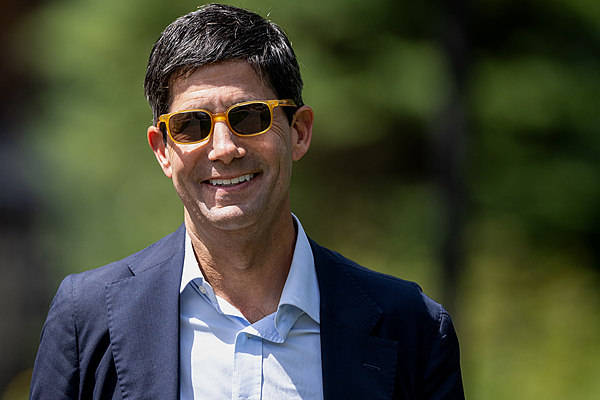
凯文·沃什当选美联储主席概率升高 其缩表倾向或令融资市场承压
Sou Hu Cai Jing· 2026-01-22 18:50
Core Viewpoint - The article discusses the upcoming announcement by Trump regarding the new Federal Reserve Chair, with Kevin Walsh being the likely candidate, who has been critical of the current central bank strategy [1] Group 1: Federal Reserve Chair Selection - Trump is expected to announce the new Federal Reserve Chair as early as next week [1] - Kevin Walsh is viewed as the frontrunner for the position due to his critical stance on the current monetary policy [1] Group 2: Central Bank's Asset Management - A key issue is how the new chair will manage the Federal Reserve's $6.6 trillion balance sheet [1] - There is significant focus on whether the new chair will reduce borrowing costs substantially [1] - Another critical question is whether the central bank should continue purchasing Treasury securities to maintain the current balance sheet level or attempt to withdraw more liquidity from the financial markets [1]
IC Markets官网:理想人选难觅?特朗普的“完美”美联储主席
Sou Hu Cai Jing· 2026-01-22 02:29
Core Viewpoint - Trump's selection of the next Federal Reserve Chair is fraught with challenges due to conflicting demands for loyalty to the White House and the need for market trust in the Fed's independence [1][3]. Group 1: Selection Criteria and Challenges - Trump's ideal candidate must be loyal to the White House, able to adjust monetary policy, and gain market trust to lower long-term borrowing costs, but these requirements are difficult to reconcile in the political and economic landscape [1][3]. - The independence of the Federal Reserve is crucial for market trust, and the demand for loyalty to the White House contradicts this independence, making the selection process challenging [3]. Group 2: Candidates and Their Shortcomings - The two leading candidates, Kevin Hassett and Kevin Warsh, have shown weaknesses that limit their viability. Hassett lacks market recognition and is viewed as unable to maintain the Fed's independence, while Warsh's hawkish stance conflicts with Trump's desire for lower interest rates [3][4]. - Rick Rieder and Christopher Waller have emerged as more viable candidates, each representing a compromise in the selection process. Rieder is seen as a "globalist" with a strong market background but lacks formal Fed experience, while Waller is a traditionalist with a strong grasp of economic policy but may not align with Trump's desire to influence the Fed [4][6]. Group 3: Policy Implications and Future Directions - The next Fed Chair will face critical decisions regarding the management of the Fed's balance sheet, which currently stands at $6.6 trillion. Disagreements on this issue reflect differing views on the Fed's policy direction [6]. - The selection of either Rieder or Waller could significantly impact U.S. and global economic policies, with the final decision likely being a compromise between loyalty, market trust, and policy alignment [7].
邦达亚洲:假日市场交投清淡 美元指数小幅收涨
Xin Lang Cai Jing· 2025-12-29 07:56
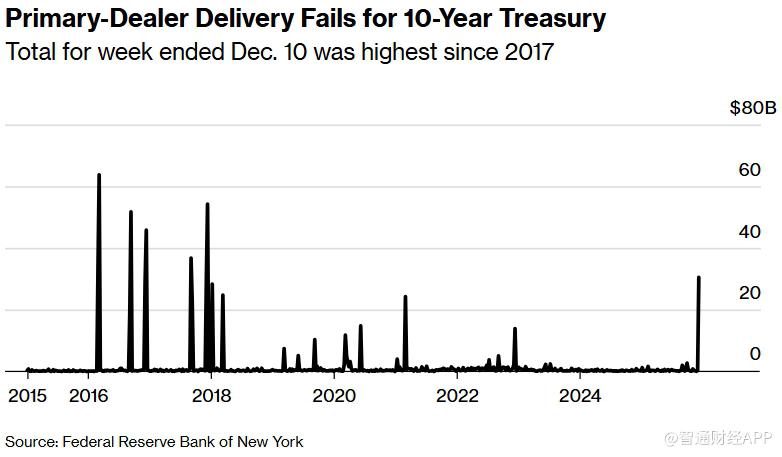
Group 1 - The CEO of Bank of America, Brian Moynihan, predicts a de-escalation of trade tensions under the Trump administration in the coming year, despite the impact of 2025 tariff measures on the U.S. economy [1][6] - The new tariff framework will maintain an average rate of 15%, with higher rates for countries unwilling to commit to increased purchases from the U.S. or to reduce non-tariff barriers [1][6] - Moynihan states that the adjustment from a comprehensive 10% tariff to 15% will not significantly impact most countries, indicating signs of easing tensions [1][6] Group 2 - The U.S. Treasury market is experiencing notable friction due to the Federal Reserve's reduction of its bond holdings since 2022, with the failure to deliver 10-year Treasury bonds reaching its highest level in eight years [1][6] - As of the week ending December 10, the value of undelivered transactions for the latest 10-year Treasury bonds reached $30.5 billion, the highest since December 2017 [1][6] - Market analysts suggest that the ongoing balance sheet reduction by the Federal Reserve may lead to more frequent structural tensions in the key maturity Treasury bonds, posing new challenges to the stability of short-term funding markets [1][6]

美联储缩表引发“供给荒”,10年期美债交割失败规模创八年新高
Zhi Tong Cai Jing· 2025-12-27 00:28
Core Viewpoint - The recent friction in the U.S. Treasury market is attributed to the Federal Reserve's reduction of its Treasury holdings since 2022, leading to a significant increase in delivery failures for 10-year Treasury bonds, reaching the highest level in eight years [1][2]. Group 1: Delivery Failures - The scale of delivery failures for the latest 10-year Treasury bonds reached $30.5 billion as of the week ending December 10, marking the highest level since December 2017 [1]. - The failures coincided with an unusual drop in borrowing rates for these bonds, with some holders willing to lend at negative rates, making settlement failures more likely [1]. Group 2: Supply Shortage - A key reason for the delivery failures is the noticeable decrease in the quantity of 10-year Treasuries held by the Federal Reserve that are available for lending. The Fed's current purchase scale is only half of what it was in the previous three cycles, leading to a supply shortage [2]. - In November's auction, the Treasury sold $42 billion in 10-year bonds, with the Fed only adding $6.5 billion to replace maturing debt, compared to previous quarters where the Fed's additional purchases were significantly higher [2]. Group 3: Market Implications - Market participants believe that as the Fed continues its balance sheet reduction, structural tensions in the delivery and settlement of key Treasury maturities may become more frequent, posing new challenges to the stability of short-term funding markets [3].
美联储缩表引发“供给荒” 10年期美债交割失败规模创八年新高
Zhi Tong Cai Jing· 2025-12-26 23:31
Group 1 - The U.S. Treasury market is experiencing significant friction due to the Federal Reserve's reduction of its Treasury holdings since 2022, with the failure to deliver 10-year Treasury bonds reaching the highest level in eight years, indicating a supply-demand imbalance in the repo market [1][4] - As of the week ending December 10, the value of failed transactions for the latest 10-year Treasury bonds reached $30.5 billion, the highest since December 2017 [1][4] - The borrowing rate for these 10-year bonds has seen an unusual decline, with some holders willing to lend at negative rates, which increases the likelihood of settlement failures [4] Group 2 - The decline in available 10-year Treasury bonds for lending is attributed to a significant reduction in the Federal Reserve's purchases, which were only half of the amounts seen in previous periods [4][5] - In November, the Treasury sold $42 billion in 10-year bonds, with the Federal Reserve only adding $6.5 billion to replace maturing debt, compared to much higher additional purchases in previous quarters [4][5] - The decrease in the Federal Reserve's System Open Market Account (SOMA) maturing Treasury bonds, which fell below $22 billion in November, is linked to the Fed's balance sheet reduction policy initiated in mid-2022 [5]
中信证券:12月1日美联储停止缩表后 美国资金市场压力或将进一步有所缓解
智通财经网· 2025-11-22 23:48
Core Viewpoints - The recent pressures in the US funding market were caused by the Federal Reserve's balance sheet reduction, the US Treasury's TGA fund replenishment, and seasonal fluctuations [2][5] - After experiencing liquidity tightening due to these factors, the funding market pressures have significantly eased, indicating that liquidity stress is now manageable [5][6] Funding Market Dynamics - The repo market indicators showed increased spreads during September and October due to month-end pressures and TGA fund replenishment, but these spreads have since decreased in November [3][5] - The increase in spreads between the secured overnight financing rate (SOFR) and the interest on reserves balance (IORB) reflected liquidity tightening, but current levels are still below those seen during the 2019 repo market crisis [3][5] Use of Liquidity Tools - Financial institutions had been using the Standing Repo Facility (SRF) more frequently during September and October due to liquidity pressures, but usage has declined significantly since the end of October [4][5] - The SRF is designed to support effective monetary policy implementation and stabilize short-term rates during liquidity stress [4] Future Outlook - The Federal Reserve's decision to end balance sheet reduction on December 1 is expected to further alleviate funding market pressures [6] - The Fed plans to reinvest proceeds from maturing mortgage-backed securities into short-term Treasury securities, which will help stabilize its balance sheet and mitigate liquidity risks [6]

中信证券:后续12月1日美联储停止缩表后,资金市场压力或进一步有所缓解
Xin Lang Cai Jing· 2025-11-22 01:31
Core Viewpoint - The report from CITIC Securities indicates that factors such as the Federal Reserve's balance sheet reduction, the replenishment of the U.S. Treasury General Account (TGA), and seasonal fluctuations have led to some pressure signals in the U.S. funding market. However, liquidity pressure has significantly eased since November, and further relief is expected after the Fed stops its balance sheet reduction on December 1 [1]. Group 1 - The U.S. funding market experienced pressure signals due to the Federal Reserve's balance sheet reduction and TGA replenishment [1] - Several U.S. repo market spread indicators have shown a decline since the end of October, indicating a recovery in liquidity conditions [1] - Current liquidity pressure in the funding market is manageable, suggesting a stabilization in the financial environment [1] Group 2 - The cessation of the Fed's balance sheet reduction on December 1 is anticipated to further alleviate funding market pressures [1]