
贸易多元化

Search documents
欧盟与南美这项重大贸易协定推迟,“冯德莱恩遭遇明显挫折”
Di Yi Cai Jing· 2025-12-19 12:07
Core Points - The EU and Mercosur trade agreement, which aims to create a free trade area covering approximately 770 million people, is facing internal disagreements among EU member states, leading to a postponement of the signing originally scheduled for December 20 [1][3] - Brazilian President Lula has warned that if the agreement is not finalized soon, it will not be pursued during his term, emphasizing the importance of the deal for strengthening Mercosur and diversifying trade partnerships [3][4] - The agreement has been under negotiation for over 25 years, but concerns from countries like France, Italy, and Poland regarding agricultural protections have stalled its finalization [4][6] EU Internal Disagreements - EU Commission President Ursula von der Leyen announced the delay of the signing due to unresolved concerns from member states, particularly regarding agricultural interests [1][6] - France and Italy have been particularly vocal in their opposition, citing fears that the agreement would harm domestic farmers by allowing cheaper imports from South America [4][6] - The postponement has been supported by several other EU countries, including Poland, Hungary, Austria, and Ireland, indicating a broader coalition against the agreement in its current form [6] Economic Implications - The trade agreement is expected to eliminate tariffs on various goods, including automobiles, and facilitate European access to Mercosur's large agricultural market, providing an alternative to U.S. trade options [5] - The deal represents the largest trade agreement in EU history, highlighting the significant economic stakes involved [4][7] - The EU's credibility in global trade policy is at risk if the agreement is not finalized, as emphasized by German Chancellor Merz [6]


郑猛:拉美重塑多元贸易格局正当时
Jing Ji Ri Bao· 2025-12-16 00:05
Core Insights - The report by the United Nations Economic Commission for Latin America and the Caribbean (ECLAC) highlights unprecedented chain reactions in Latin America due to the U.S. tariff increases, leading to a significant reduction in foreign investment and pressure on supply chains [1][2] Economic Impact - Since the U.S. raised tariffs, the average tariff faced by Latin America and the Caribbean has increased by approximately 10%, with Brazil experiencing the most significant impact, where the average tariff has reached 33% [1] - The total value of newly announced foreign investment projects in Latin America and the Caribbean for the first half of 2025 is only $31.374 billion, a dramatic decline of 53% year-on-year and 37% lower than the average from 2015 to 2024 [1] Structural Vulnerabilities - Latin American countries are deeply embedded in the lower-end segments of global supply chains, heavily reliant on resource exports and primary product processing, which has made them vulnerable to U.S. tariff increases that diminish their export price competitiveness [2] - The automotive industry in Mexico, a key part of the U.S. supply chain, has seen a sharp decline in foreign investment projects, leading to idle capacity in local assembly plants and impacting upstream industries like steel and rubber [2] Trade Diversification Strategies - ECLAC's report emphasizes the need for Latin American countries to accelerate market diversification to mitigate trade risks from U.S. tariffs, suggesting a reduction in trade dependency on the U.S. and deepening relationships with China, the EU, India, and ASEAN [3] - The trade volume between Latin America and China is projected to reach $518.47 billion in 2024, a 6% increase year-on-year, with exports to China expected to grow by 7% by 2025, driven by increased agricultural and mineral exports [3] Challenges to Trade Diversification - Political fragmentation in the region complicates cooperation and coordination among Latin American countries, leading to significant differences in industrial policies and investment attraction [4] - Infrastructure deficiencies, particularly in transportation, hinder trade diversification efforts by increasing logistics costs and limiting efficient commodity transport [4] - Geopolitical tensions may introduce external uncertainties, as the U.S. may intensify its influence in the region, potentially disrupting Latin America's partnerships with other countries [4] Future Outlook - Despite the challenges posed by U.S. tariffs, Latin America's inherent economic resilience and potential for diversified cooperation remain promising, supported by its rich natural resources and labor advantages [5] - If Latin America can leverage the historical opportunity of global trade diversification and deepen international cooperation based on its comparative advantages, it may reshape its competitiveness and achieve stable economic recovery and sustainable development [5]
拉美重塑多元贸易格局正当时
Jing Ji Ri Bao· 2025-12-15 22:34
美国加征关税举措在打击拉美传统出口部门的同时,也进一步暴露并加剧了该地区经济结构的深层脆弱 性。在资源出口与初级加工业等"旧引擎"因外部冲击而显著失速的背景下,区域内长期未能培育出具备 竞争力的替代性产业,难以有效承接从传统部门转移出的资本与劳动力,从而陷入旧产能不能续、新动 能接不上的结构性困境。 面对严峻的经贸形势,拉加经委会执行秘书萨拉萨尔—希里纳奇斯今年8月就曾呼吁拉美国家加快市场 多元化进程,以应对美加征关税带来的贸易风险。此次报告再次提出"减少对美国贸易依赖,深化与中 国、欧盟、印度、东盟等贸易伙伴关系"的贸易多元化路径。这一建议契合全球贸易多极化趋势,为拉 美应对冲击、寻求突围指明了方向。 近年来,拉美与中国、欧盟等主要经济体合作持续升温。中国积极推进共建"一带一路"倡议与拉美各国 发展战略对接,不断深化双方在贸易、投资、基础设施和科技等领域的合作,为提升拉美贸易便利化水 平提供了关键支撑。2024年,中拉贸易额达到5184.7亿美元,同比增长6.0%,创下历史新高。据拉加经 委会报告预测,到2025年,拉美对中国出口将实现7%的增长,远高于地区货物出口平均5%的预期。肉 类、大豆等农产品出口量 ...
2026年中国经济向“内”求变,让老百姓“有钱花、敢花钱”
Sou Hu Cai Jing· 2025-12-14 02:06
Group 1 - In 2025, China's economy faced significant challenges but showed resilience, with a focus on domestic demand and building a strong domestic market as highlighted in the Central Economic Work Conference [1][16] - The total value of China's goods trade import and export reached 41.21 trillion yuan, a year-on-year increase of 3.6%, with a trade surplus exceeding 1 trillion USD for the first time [1][3] - Private enterprises have become the mainstay of foreign trade, with their import and export value reaching 23.52 trillion yuan, a year-on-year increase of 7.1%, accounting for 57.1% of China's total foreign trade [7][9] Group 2 - The export growth of private enterprises outpaced that of state-owned and foreign enterprises, indicating their crucial role in driving trade growth [9] - Despite a decline in exports to the US by 18.9%, exports to ASEAN and the EU increased significantly, compensating for the drop [3][5] - The overall import growth was sluggish at 0.2%, reflecting weak domestic demand, which the Central Economic Work Conference emphasized needs to be addressed [10][20] Group 3 - The Central Economic Work Conference identified the imbalance between strong supply and weak demand as a major challenge, necessitating a focus on balancing supply and demand [20][22] - The government plans to implement a "rural and urban residents' income increase plan" to enhance consumer purchasing power, indicating a shift towards a more inclusive economic strategy [36][42] - The emphasis on quality over quantity in production is crucial for addressing the current economic challenges, with a focus on enhancing the supply of high-quality goods and services [29][31] Group 4 - The real estate market's stability is vital for consumer confidence, with measures proposed to stabilize the market and support affordable housing [49][51] - The government aims to shift fiscal spending from traditional infrastructure to social services like education and healthcare, which could enhance consumer spending capacity [47][46] - The Central Economic Work Conference set a policy direction of "seeking progress while maintaining stability" and "improving quality and efficiency," indicating a focus on sustainable economic growth [51]

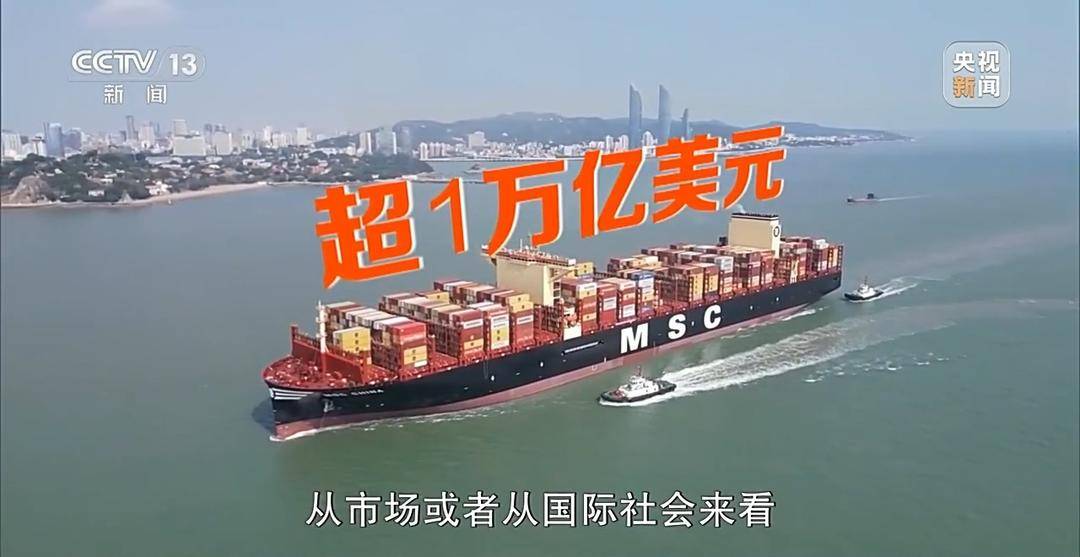
2026年中国经济向“内”求变 让老百姓“有钱花、敢花钱”
Yang Shi Xin Wen· 2025-12-13 19:24
Economic Overview - In 2025, China's economy faced significant challenges but showed resilience, with a focus on domestic demand and building a strong domestic market highlighted in the Central Economic Work Conference [1][15] - China's total import and export value reached 41.21 trillion yuan, with a year-on-year growth of 3.6%, and a trade surplus exceeding 1 trillion USD for the first time [1][3] Trade Dynamics - Despite a decline in exports to the US by 18.9%, China saw increased exports to ASEAN and the EU, indicating a diversification of trade markets [4][6] - Private enterprises have become the mainstay of foreign trade, with their imports and exports growing by 7.1%, accounting for 57.1% of China's total foreign trade [6][8] Domestic Demand and Consumption - The Central Economic Work Conference emphasized the need to boost domestic demand and consumer spending, with a focus on addressing the imbalance between strong supply and weak demand [19][25] - The proportion of final consumption in GDP reached 56.6%, indicating room for growth compared to developed countries [17] Policy Initiatives - A new initiative to implement a "rural and urban residents' income increase plan" aims to enhance income levels and stimulate consumption [27][28] - The government plans to optimize policies related to consumption, including doubling the budget for the "two new" policies to 300 billion yuan, which has already driven significant sales growth [26][30] Market Stability and Quality Improvement - The focus is shifting from quantity to quality in production, with measures to combat "involution" in various industries [21][24] - The government aims to stabilize the real estate market to boost consumer confidence, with policies to manage inventory and improve supply [33][35]
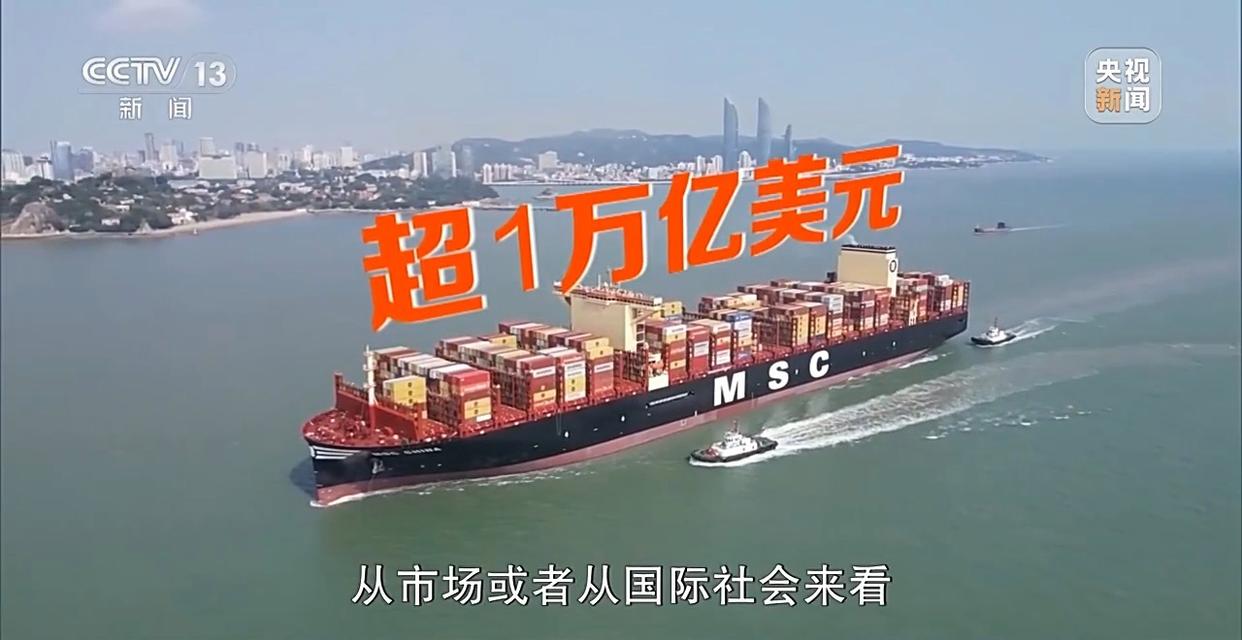
野村首席观点 | 媒体专访Sonal Varma:中国东盟数字经济合作将加速
野村集团· 2025-12-11 09:03
Group 1 - Southeast Asian exporters have increased prices for goods exported to the U.S., transferring some cost pressures to American consumers [1][5] - The UNDP predicts a potential 9.7% decline in Southeast Asia's total exports to the U.S. due to tariff-induced price increases [1][5] - Despite facing cost and profit margin pressures, Asian exports are expected to remain robust, with many countries diversifying their markets away from the U.S. [1][5][6] Group 2 - The China-ASEAN Free Trade Area 3.0 upgrade is expected to enhance cooperation in emerging fields, particularly in the digital economy [2][6] - Southeast Asian countries are looking to leverage China's expertise in green technology and high-value manufacturing to diversify their exports [2][6] Group 3 - The signing of trade agreements with the U.S. and China indicates a trend towards trade diversification among Southeast Asian nations [6] - The region's internal trade is expected to grow as countries focus on boosting domestic consumption and reducing reliance on external markets [6][10] Group 4 - Southeast Asian stock markets face challenges in attracting foreign investment due to a lack of AI-related themes and concerns over export slowdowns [12][13] - Structural reforms in the region aim to enhance market liquidity and regulatory transparency, potentially improving the attractiveness of Southeast Asian markets [14][15] Group 5 - The economic outlook for Southeast Asia remains resilient despite external pressures, with a focus on structural reforms and domestic demand improvement [17] - Countries like Malaysia and Singapore are expected to perform well due to strong domestic demand and advancements in technology sectors [13][15]


我国贸易顺差首次超1万亿美元
Sou Hu Cai Jing· 2025-12-10 05:45
Core Insights - China's trade surplus has exceeded $1 trillion for the first time in the first 11 months of the year, with private enterprises accounting for 57.1% of the total foreign trade value [1] - The resilience of China's foreign trade is attributed to its comprehensive advantages in manufacturing and global trade, as well as the optimization of trade and industrial structures [1][3] Group 1: Trade Performance - China's position as the world's largest trading and manufacturing country is further emphasized, with a significant portion of industrial products ranking at the top globally [1] - The trade structure has been diversified, with emerging markets becoming key growth drivers, particularly in trade with ASEAN and the EU [1] - Despite a decline in exports to the U.S., China's overall trade surplus has increased, indicating a strengthening of trade relationships with other countries [3] Group 2: Trade Structure Changes - The trade structure between China and the EU has shifted significantly, with a 14.8% increase in exports to the EU in November, and the trade surplus expected to exceed €350 billion [4] - The similarity in the top ten export products between China and the EU suggests a transition from vertical to horizontal division of labor, which may lead to increased trade friction [4] - To mitigate potential trade tensions, China aims to enhance imports from the EU and increase investments to balance trade relations [4] Group 3: Economic Policy Adjustments - Future economic policies will focus on counter-cyclical and cross-cyclical adjustments, utilizing structural policy tools such as tax, financial, and credit measures [6] - This approach aims to provide targeted support to market participants and enterprises rather than relying on large-scale fiscal stimulus [6]
贸易顺差首超万亿美元 中国外贸韧性源自哪
Sou Hu Cai Jing· 2025-12-10 02:37
Core Insights - China's trade surplus has exceeded $1 trillion for the first time in the first 11 months of the year, with private enterprises accounting for 57.1% of the total foreign trade value [1] Group 1: Trade Resilience - China's position as the largest trading and manufacturing nation globally is a key factor in its trade resilience, supported by a comprehensive industrial structure and supply chain [2][4] - The diversification of trade, particularly with emerging markets, has contributed significantly to trade growth, with notable increases in trade with ASEAN and the EU [2][4] Group 2: Trade Structure Optimization - The trade structure is continuously optimizing, moving towards high-end industrial chains, with industrial products like integrated circuits, machinery, and automobiles being the main drivers of trade growth [4] - Despite a decline in exports to the U.S., China's overall trade surplus has increased, indicating a strengthening of trade relationships with other countries [5] Group 3: China-EU Trade Dynamics - There has been a significant shift in the trade structure between China and the EU, with a 14.8% increase in exports to the EU in November, and a projected trade deficit for the EU with China exceeding €350 billion [6] - The similarity in the top traded products between China and the EU suggests a shift from vertical to horizontal division of labor, which may lead to increased trade tensions [6] Group 4: Future Trade Strategies - China aims to balance trade relations with the EU by increasing imports of services and agricultural products, as well as enhancing investments in the EU [7] - Future macroeconomic adjustments will focus on counter-cyclical and cross-cyclical measures, utilizing structural policy tools for more precise market support [8]
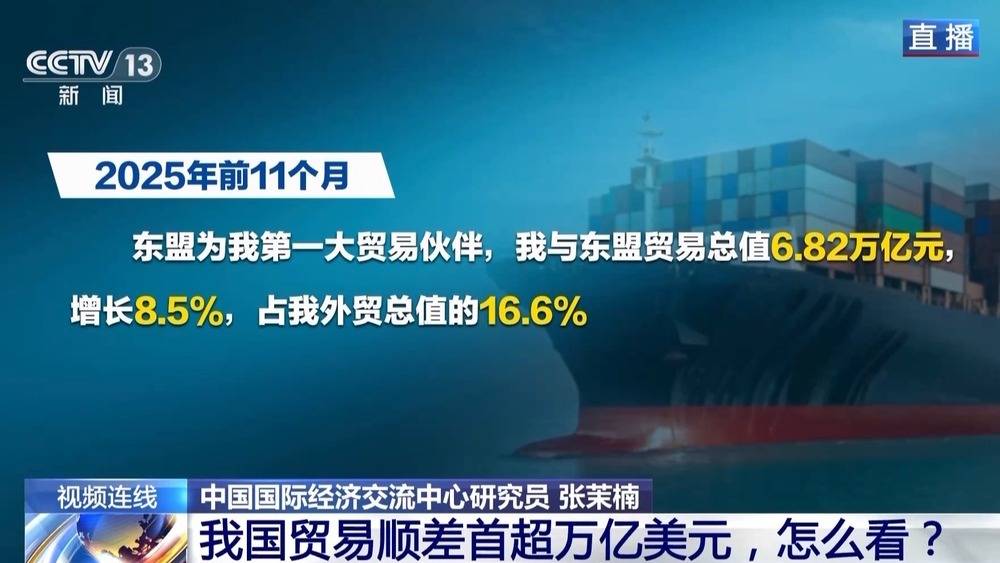
新闻1+1丨贸易顺差首超万亿美元 中国外贸韧性源自哪
Yang Shi Xin Wen Ke Hu Duan· 2025-12-09 23:48
Core Viewpoint - China's trade surplus has exceeded 1 trillion USD for the first time in the first 11 months of the year, with private enterprises becoming the core pillar of stable growth in foreign trade, accounting for 57.1% of the total foreign trade value [1]. Group 1: Resilience of China's Foreign Trade - The resilience of China's foreign trade is attributed to its comprehensive advantages in manufacturing and global trade, as China is the largest trade and manufacturing country in the world [5]. - A complete industrial structure and supply chain system are crucial for sustaining trade growth amid complex international circumstances [5]. - Trade diversification has been actively pursued, with emerging markets becoming significant contributors to growth, particularly in trade with ASEAN and the EU [5]. Group 2: Trade Structure Optimization - Despite a significant decline in exports to the U.S., China's overall trade surplus has increased, indicating a strengthening of trade relationships with various countries [9]. - The optimization of trade and industrial structures is evident, with industrial products such as integrated circuits, machinery, and automobiles being key drivers of trade growth [7]. Group 3: Changes in China-EU Trade Relations - There has been a notable shift in the trade structure between China and the EU, with a 14.8% increase in exports to the EU in November, and the trade surplus expected to exceed 350 billion euros [12]. - The similarity in the top ten export products between China and the EU suggests a transition from vertical to horizontal division of labor, which may lead to trade friction [12]. Group 4: Future Economic Adjustments - The focus on counter-cyclical and cross-cyclical adjustments reflects a long-term consideration for macroeconomic regulation, utilizing structural policy tools such as tax, financial, and credit policies [16]. - This approach aims to provide precise benefits to market entities and enterprises rather than relying on large-scale fiscal stimulus [16].
内外压力促印度加拿大重启贸易谈判
Jing Ji Ri Bao· 2025-12-04 06:56
在近日于南非约翰内斯堡举行的二十国集团(G20)领导人第二十次峰会期间,印度总理莫迪与加拿大 总理卡尼举行双边会谈,双方同意重启印加《全面经济伙伴关系协定》(CEPA)谈判,谈判涵盖货 物、服务、投资、能源、矿产、农业、数字贸易、劳动力流动及可持续发展等诸多领域,并设立了在 2024年基础上,到2030年将印加两国双边贸易额翻一番达到500亿美元的目标。分析人士认为,重启谈 判标志着印加两国关系进一步转暖,也是两国合作对冲美国加征关税举措压力、积极寻求贸易多元化的 共同诉求。 印度与加拿大两国之间的贸易谈判历程相当曲折。15年前的几乎同一时间,在2010年11月的G20首尔峰 会上,时任印度总理辛格与时任加拿大总理哈珀在举行会晤后宣布,两国将正式展开自由贸易谈判,通 过降低关税和非关税壁垒达成促进双边贸易的目标。2015年,莫迪首个任期访问加拿大,两国签署铀供 应合同,加强核能合作,当时印加两国都对进一步达成贸易协议惠及双边贸易抱有很大期望。 卡尼表示,新贸易协议可强化印加贸易关系,并为两国企业提供充实保障,拓展更多合作机遇。面对全 球贸易秩序重组和地缘政治波动,加印两国均意识到加强合作的重要性。为了推动两国 ...