新零售

Search documents
三合智能上涨8.13%,报0.629美元/股,总市值5286.96万美元
Jin Rong Jie· 2025-08-25 15:29
Group 1 - The core viewpoint of the article highlights the significant stock price increase of Sanhe Intelligent (STEC), which rose by 8.13% to $0.629 per share, with a total market capitalization of $52.87 million as of August 25 [1] - Financial data shows that as of June 30, 2024, Sanhe Intelligent reported total revenue of $28.02 million, representing a year-on-year growth of 50.79%, while the net profit attributable to shareholders was -$0.743 million, reflecting a year-on-year increase of 78.58% [1] - Sanhe Intelligent Holdings Limited, formerly known as Haiyin Holdings Limited, is a consumer-centric technology company that has historically provided financial and health management services to a large base of high-net-worth clients in China [1] Group 2 - The company has divested or disposed of its historical financial services business and is actively exploring innovative opportunities in technology, including but not limited to new retail, social e-commerce, and the virtual world [1]
北京第12家“胖永辉”明日开业,经营满三个月的“调改店”已开始盈利
Bei Jing Shang Bao· 2025-08-25 14:17
Core Viewpoint - Yonghui Supermarket is actively transforming its stores, particularly through the "Fat Transformation" initiative, aiming to enhance profitability and adapt to market demands [1][3][4]. Group 1: Store Transformation - Yonghui Supermarket's 12th "Fat Transformation" store in Beijing is set to open, featuring local snacks and freshly made products, bringing the total number of transformed stores nationwide to nearly 170 [1]. - The company plans to open additional transformed stores in Yanjiao and Daxing, with a total of around 20 "Fat Yonghui" stores expected to be operational in Beijing this year [3]. - Management has indicated that stores that have undergone transformation have shown significant sales improvement compared to pre-transformation levels, with profitability expected to improve in the fourth quarter [3]. Group 2: Financial Strategy - Yonghui Supermarket is pursuing a private placement to raise up to 4 billion yuan for store renovations, working capital, and debt repayment [3]. - The company has reported that transformed stores in Beijing have reached profitability within three months of opening [3]. Group 3: Product Strategy - The company's private label products are being upgraded based on supply chain experiences, with over 80% of the product structure aligned with competitors [4]. - A specific product, a microcapsule fragrance enzyme laundry detergent priced at 19.8 yuan, has been enhanced for better functionality and has gained consumer attention, with over one million units sold in four days [4]. Group 4: Industry Insights - The retail industry is characterized by competition not just in business models but also in financial endurance, product depth, and organizational resilience [5]. - Future retail development is expected to be diversified and differentiated, requiring supermarkets to continuously explore new business models and technology applications to meet evolving consumer demands [5].


【小布调查】新零售品牌陆续入驻,扬州超市如何守“阵地”谋发展?
Sou Hu Cai Jing· 2025-08-25 13:21
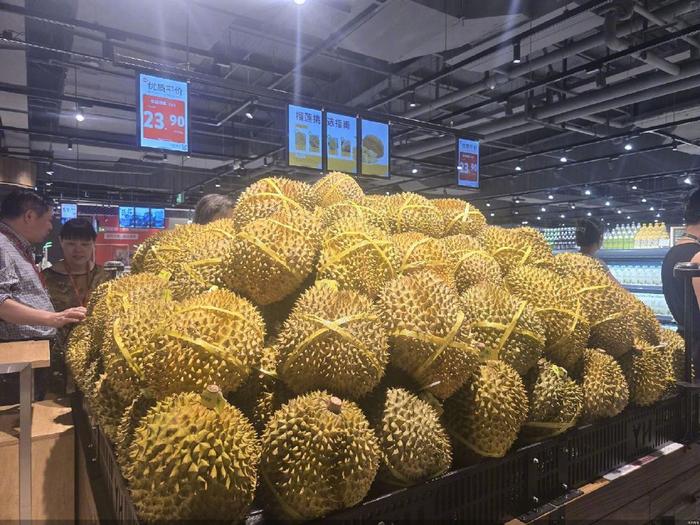
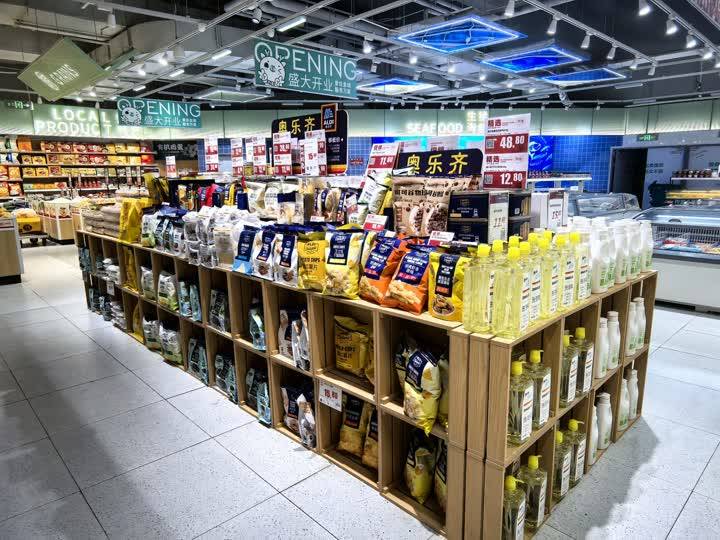
Core Insights - The opening of new supermarket brands in Yangzhou, such as Sam's Club, has generated significant public interest and anticipation for additional brands like Fat Donglai and Aoleqi to enter the market [1][6] - The local supermarket landscape is undergoing a transformation, with existing stores adapting to new competition and consumer preferences [10][11] Industry Developments - The introduction of membership-based supermarkets like M Membership Store and Hema Fresh has diversified the product offerings and improved service quality, attracting more consumers [8] - M Membership Store features 3,000 stock-keeping units across over 20 categories, including exclusive private label products and various value-added services [8] - Hema Fresh focuses on seasonal ingredients and offers delivery services within a 3-kilometer radius, appealing to younger consumers [8] Company Strategies - Local supermarkets, such as Jin Cheng Wanjia, are responding to competition by creating dedicated sections for popular brands like Fat Donglai and Aoleqi, enhancing their product range [2][4] - Jin Cheng Wanjia plans to revamp its stores by optimizing product structure and introducing a "supermarket + dining" model to provide more choices for consumers [4][10] - Other local supermarkets are also adjusting their strategies by increasing the proportion of imported goods, offering customized products, and enhancing online sales channels [10][11] Market Dynamics - The entry of new brands has led to a reshaping of the supermarket market in Yangzhou, resulting in increased competition and the need for existing players to innovate [8][11] - Some traditional supermarkets are closing down in response to the competitive pressure, indicating a shift in consumer preferences and market dynamics [10] - The ongoing changes in the supermarket landscape are expected to provide consumers with more choices and improved shopping experiences [11]
屈臣氏不想输掉新零售战争
3 6 Ke· 2025-08-25 10:04
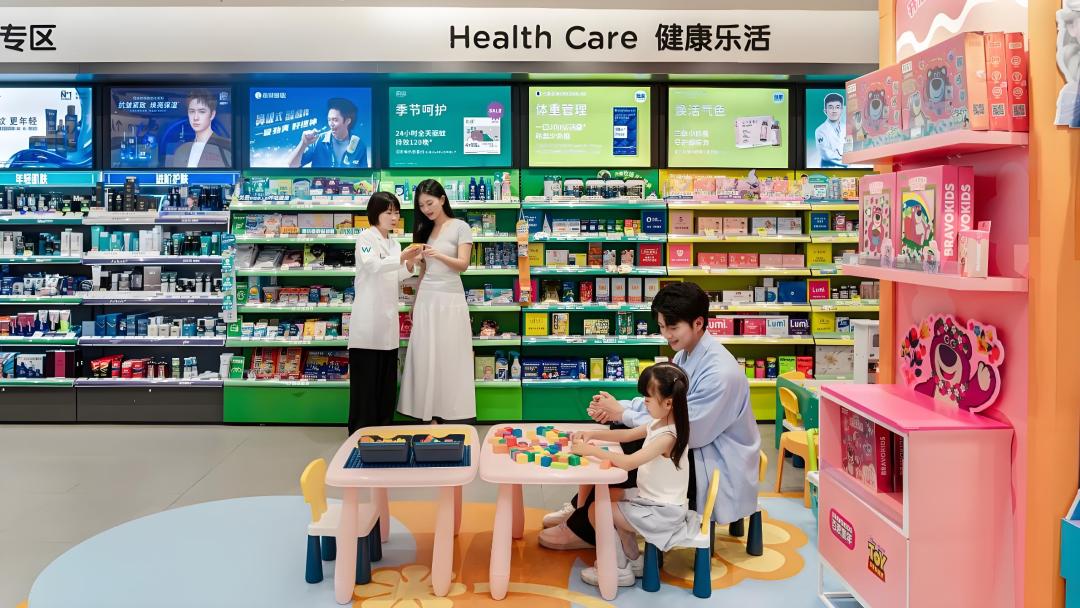
Core Insights - Watsons is attempting to regain its position in the beauty retail industry after being marginalized, focusing on three core strategies: scenario reconstruction, user operation, and regional penetration [1] - The success of Watsons' turnaround depends on breakthroughs in supply chain localization, user experience reconstruction, and organizational agility [1] - The company faces significant challenges from both internal path dependencies and external competition from new market entrants [1] Strategy and Market Position - In the first half of the year, Watsons launched multiple offline consumption scenarios targeting men's, children's, and health categories, expanding beyond its traditional focus on women aged 18 to 45 [2] - Watsons plans to establish men's sections in 300 stores nationwide and aims to attract young families by focusing on children's products [2] - The company has ambitious sales goals, aiming for a threefold increase in health product sales within three years [4] Operational Changes - Watsons is redefining the value of its physical stores by integrating them into a more efficient new retail model, which includes a concept called "back-end stores" for order processing [6][9] - The number of back-end stores is projected to increase from 131 at the end of 2024 to 394 by mid-2025 [6] - The company is also focusing on improving delivery efficiency and store productivity, with plans to extend its reach to community stores within a 15-minute radius of consumers [9] Historical Context and Challenges - Watsons was once a retail leader but has seen declining revenue since 2015 due to the rise of e-commerce and new beauty retail formats [10][11] - The company has struggled to adapt to the changing competitive landscape, with its market share eroded by online platforms and new beauty stores that offer immersive experiences [11][13] - Watsons' previous attempts at online integration have been hampered by issues in traffic, supply chain, and logistics [9][16] Competitive Landscape - Watsons faces intense competition from new beauty brands and retail formats, such as HARMAY and MINISO, which have successfully captured market share with innovative approaches [11][20] - The overlap in target demographics between Watsons and competitors like MINISO highlights the need for Watsons to enhance its value proposition [20] - The competition is characterized by a clash of retail paradigms: Watsons' traditional model versus the agile, supply chain-driven strategies of newer entrants [22]

000555,3分钟直线涨停
Zhong Guo Zheng Quan Bao· 2025-08-25 08:15
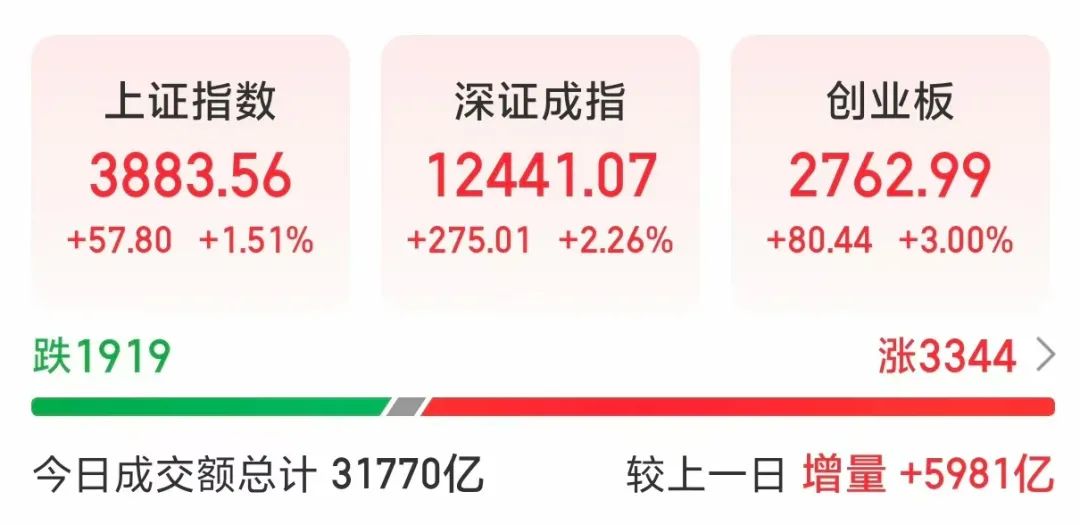
Market Overview - The A-share market experienced a strong upward trend, with the Shanghai Composite Index approaching 3900 points and the ChiNext Index leading the gains [1] - Over 3300 stocks rose during the trading day, indicating broad market participation [1] - The total trading volume exceeded 3.17 trillion yuan, marking the second instance in A-share history where daily trading volume surpassed 3 trillion yuan [1] Digital Currency Sector - Digital currency concept stocks surged in the afternoon, with Shenzhou Information (000555) hitting the daily limit within three minutes of opening [4] - Other notable performers included Xiaogongshangcheng (600415) and Yinzhijie (300085), which also reached their daily limits [4] - Shenzhou Information is recognized as a leading financial technology service provider in China, specializing in blockchain technology and solutions [6][7] Consumer Sector - The consumer sector remained active, particularly in food and beverage and retail, with stocks like Ziyan Food and Shede Liquor hitting their daily limits [8] - The State Council's recent meeting highlighted the effectiveness of policies aimed at boosting investment and consumption, which is expected to further stimulate the consumer market [10] Investment Insights - Analysts suggest focusing on five investment themes: continuous upgrades in AI technology, high-growth potential in new retail, cyclical recovery in low-performing sectors, opportunities in overseas consumption, and revitalization of traditional business models as offline traffic returns [11]

永辉超市涨2.02%,成交额7.85亿元,主力资金净流入1133.45万元
Xin Lang Zheng Quan· 2025-08-25 03:49
Core Viewpoint - Yonghui Supermarket's stock price has experienced a decline of 20.19% this year, but has shown signs of recovery with a recent increase of 5.20% over the last five trading days [2] Group 1: Stock Performance - As of August 25, Yonghui Supermarket's stock price rose by 2.02% to 5.06 CNY per share, with a trading volume of 785 million CNY and a turnover rate of 1.74%, resulting in a total market capitalization of 45.92 billion CNY [1] - The stock has seen a 5.20% increase over the last five trading days, a 4.12% increase over the last 20 days, and a 1.61% increase over the last 60 days [2] Group 2: Financial Performance - For the first half of 2025, Yonghui Supermarket reported a revenue of 29.948 billion CNY, representing a year-on-year decrease of 20.73%, and a net profit attributable to shareholders of -241 million CNY, a decrease of 187.38% year-on-year [2] - The company has not distributed any dividends in the last three years, with a total payout of 7.101 billion CNY since its A-share listing [3] Group 3: Shareholder Information - As of June 30, 2025, the number of shareholders for Yonghui Supermarket was 359,800, a decrease of 6.24% from the previous period, while the average circulating shares per person increased by 6.66% to 25,220 shares [2] - The top ten circulating shareholders include Hong Kong Central Clearing Limited, which holds 104 million shares, an increase of 11.8954 million shares from the previous period, and Southern CSI 500 ETF, which is a new shareholder with 67.3567 million shares [3]
妙可蓝多涨2.06%,成交额9717.63万元,主力资金净流入16.80万元
Xin Lang Cai Jing· 2025-08-25 03:49
Group 1 - The core viewpoint of the news is that Miaokelan Duo's stock has shown a significant increase in price and positive financial performance in recent months [1][2] - As of August 25, the stock price of Miaokelan Duo rose by 2.06% to 27.74 CNY per share, with a total market capitalization of 14.204 billion CNY [1] - Year-to-date, the stock price has increased by 54.97%, while it has seen a slight decline of 3.95% over the past 60 days [2] Group 2 - The company, Shanghai Miaokelan Duo Food Technology Co., Ltd., specializes in the research, production, and sales of dairy products, primarily cheese, which constitutes 83.20% of its main business revenue [2] - For the first half of 2025, Miaokelan Duo reported a revenue of 2.567 billion CNY, representing a year-on-year growth of 33.52%, and a net profit attributable to shareholders of 133 million CNY, up 73.19% year-on-year [2] - The company has not distributed any dividends in the past three years, with a total payout of 368 million CNY since its A-share listing [3]

好想你涨2.03%,成交额1.61亿元,主力资金净流出6.42万元
Xin Lang Zheng Quan· 2025-08-25 03:48
Core Viewpoint - The stock of Haoxiangni has shown significant growth this year, with a 44.50% increase, and the company is actively engaging in the market with notable trading activity and institutional investments [2][3]. Group 1: Stock Performance - As of August 25, Haoxiangni's stock price increased by 2.03%, reaching 10.57 CNY per share, with a trading volume of 1.61 billion CNY and a market capitalization of 47.32 billion CNY [1]. - Year-to-date, Haoxiangni's stock has risen by 44.50%, with a 7.97% increase over the last five trading days, 8.74% over the last 20 days, and 2.42% over the last 60 days [2]. Group 2: Financial Performance - For the first half of 2025, Haoxiangni reported a revenue of 689 million CNY, a year-on-year decrease of 15.64%, while the net profit attributable to shareholders was -19.84 million CNY, an increase of 45.25% year-on-year [2]. - The company has distributed a total of 1.638 billion CNY in dividends since its A-share listing, with 921 million CNY distributed in the last three years [3]. Group 3: Shareholder and Institutional Holdings - As of June 30, 2025, Haoxiangni had 58,600 shareholders, a decrease of 28.76% from the previous period, with an average of 5,875 circulating shares per shareholder, an increase of 40.45% [2]. - Notable institutional shareholders include Xingquan Commercial Model Mixed Fund (LOF) A, which holds 22.32 million shares, and several other new institutional investors [3].

社服零售行业周报:政策利好持续加持,关注体育消费-20250824
HUAXI Securities· 2025-08-24 14:39
Investment Rating - The industry rating is "Recommended" [5] Core Viewpoints - The State Council's executive meeting emphasized the need to stimulate sports consumption demand and enhance the quality of the sports industry, indicating significant growth potential in sports consumption [1][2] - The retail sales of sports goods on major e-commerce platforms are projected to reach 218.17 billion yuan in the first half of 2025, reflecting a growth rate of 17.5%, which is significantly higher than the overall online retail growth rate of 6.0% [1] - The spillover effects of sports events are notable, with events like "Su Super" driving substantial related consumption, estimated at over 38 billion yuan [2] Summary by Sections Investment Suggestions - Five investment themes are highlighted: 1. Continuous upgrades in AI technology with beneficiaries including Keri International, Focus Technology, and others [3] 2. Increased consumer willingness to pay for emotional value, benefiting high-growth new retail sectors like Miniso and Pop Mart [3] 3. Recovery of cyclical sectors under domestic demand promotion, with beneficiaries including Mixue Group and Haidilao [3] 4. Broad prospects for overseas consumption, with a focus on service providers and strong product brands [3] 5. Return of offline traffic revitalizing traditional formats, with beneficiaries including Yonghui Supermarket and Kidswant [3] Industry & Company Dynamics - The report discusses various industry dynamics, including the opening of Lucky Coffee's first overseas store in Malaysia and the expansion plans of Pandora in China [21][22] - It also covers significant financing events, such as Topline Pro's $27 million B round and the strategic investment in Qubaobao [24] Macro & Industry Data - Retail sales in July reached 3.88 trillion yuan, growing by 3.7% year-on-year, with a notable increase in sports and entertainment goods retail sales by 13.7% [40][41] - The online retail sales of physical goods accounted for 24.9% of total retail sales, indicating a stable trend despite a decline in growth rates [41][52]
永辉超市转型之路:模仿胖东来反陷亏损泥潭
Sou Hu Cai Jing· 2025-08-24 03:09
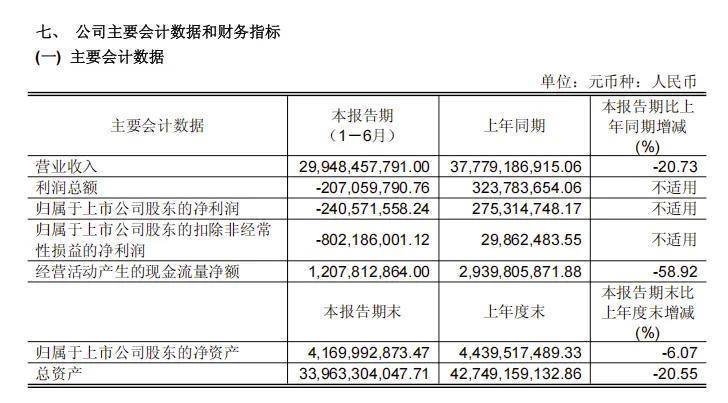
Core Insights - Yonghui Supermarket, once a shining star in the retail industry, reported a shocking financial performance for the first half of 2025, with revenue dropping to 29.948 billion yuan, a year-on-year decrease of 20.73%, and a net loss of 240 million yuan compared to a profit of 275 million yuan in the same period last year [1][2] Financial Performance - Revenue for the first half of 2025 was 29.948 billion yuan, down from 37.779 billion yuan in the same period last year, representing a decline of 20.73% [2] - The total profit for the period was a loss of 207 million yuan, contrasting with a profit of 323 million yuan in the previous year [2] - The net profit attributable to shareholders was a loss of 240 million yuan, compared to a profit of 275 million yuan last year [2] - The net cash flow from operating activities decreased by 58.92%, from 2.940 billion yuan to 1.208 billion yuan [2] - The net assets attributable to shareholders decreased by 6.07%, from 4.440 billion yuan to 4.170 billion yuan [2] - Total assets fell by 20.55%, from 42.749 billion yuan to 33.963 billion yuan [2] Supply Chain Challenges - The company faced significant challenges in its supply chain, implementing a supplier naked procurement model and significantly reducing the number of suppliers, which did not yield the expected benefits and led to a decline in overall gross margin [1][2] - The introduction of new suppliers has not met the company's transformation needs, resulting in a gap in sales [1][2] Store Operations and Online Business - As of June 30, 2025, 124 stores had completed renovations, but the revenue growth from these stores was insufficient to offset losses from closures [3] - The online business reported a reduction in losses of 34.75 million yuan compared to the previous year, but online revenue accounted for only 18.33% of total revenue, indicating limited growth potential [3] - The daily order volume for both self-operated and third-party platforms remained low, failing to support overall performance [3] Strategic Misalignment - The company's transformation struggles stem from a loss of strategic focus, as it attempted to blindly replicate the successful model of a competitor, Pang Donglai, without leveraging its own strengths in offline store networks and fresh supply chains [4] - Yonghui Supermarket's attempt to adopt a one-size-fits-all approach ignored regional consumer habits and market competition differences, leading to a "mismatch" in its transformation efforts [4]