人民币国际化

Search documents
央行连续13个月增持黄金,外汇储备规模稳居3.3万亿美元上方
Zhong Guo Ji Jin Bao· 2025-12-07 05:50
12月7日,国家外汇管理局最新数据显示,截至2025年11月末,我国外汇储备规模连续4个月稳定在3.3万亿美元以上。同时,央行已连续13个月增持黄金。 外储规模继续稳定在3.3万亿美元以上 数据显示,截至2025年11月末,我国外汇储备规模为33464亿美元,较10月末上升30亿美元,升幅为0.09%。 拉长时间来看,11月,我国外汇储备规模不仅连续四个月稳定在3.3万亿美元以上,还创下2015年12月以来新高。同时,较上年末已大幅增加1440亿美元。 东方金诚首席宏观分析师王青也表示,未来外储规模有望保持基本稳定。在外部环境波动加大的背景下,适度充裕的外储规模将为保持人民币汇率处于合理 均衡水平提供重要支撑,也能成为抵御各类潜在外部冲击的压舱石。 央行连续13个月增持黄金 数据显示,11月末央行黄金储备报7412万盎司,环比增加3万盎司。尽管增量连续第9个月处于低位,但这是央行继去年11月重启增持后,连续第13个月增持 黄金。 | | 2025.01 | | 2025.02 | | 2025.03 | | 2025.04 | | 2025.05 | | 2025.06 | | 2025.07 | | 202 ...


上海国际金融中心一周要闻回顾(12月1日—12月7日)
Guo Ji Jin Rong Bao· 2025-12-07 05:38
Group 1 - Shanghai aims to accelerate the construction of "five centers" to enhance its status as an international economic and financial center, focusing on the internationalization of the RMB and the development of an offshore financial system [1][2] - The Shanghai financial system is committed to high-quality development, aligning with the spirit of the 20th National Congress of the Communist Party of China, emphasizing the importance of financial support for national modernization [3] - A series of financial service activities for small and micro enterprises in Shanghai has been successfully held, promoting access to financing and sharing relevant financial tools and policies [4] Group 2 - The Shanghai Municipal People's Congress is soliciting public opinions on the draft regulations for the development of offshore bond business in the Pudong New Area, indicating a push for regulatory clarity in this sector [5] - The People's Bank of China has issued a notice to upgrade the functions of free trade accounts in the Shanghai Free Trade Zone, aiming to facilitate cross-border capital flows and support the construction of international financial and trade centers [6] - The Shanghai Financial Technology International Forum highlighted Shanghai's rise to the second position in the Global Fintech Center Development Index, with a fintech industry scale exceeding 440 billion yuan [7][8] Group 3 - The China Construction Bank held a "dual empowerment" event to support enterprises going global, providing strategic planning and financial solutions to facilitate international business [9] - HSBC announced a $1.5 billion credit facility to support technology innovation enterprises in mainland China, marking a significant investment in the sector [10] - A satellite internet financial service matrix was launched in Shanghai, aiming to create a comprehensive financial ecosystem for the satellite internet industry [11] Group 4 - The 19th Shanghai Investment and Financing Fair concluded with nearly 400 enterprises receiving targeted financial matchmaking services, showcasing the effectiveness of localized financial support [12][13] - The Shanghai Financial Industry Association held its second council meeting, discussing key projects related to the construction of the international financial center [14] - New green finance initiatives have been introduced, allowing for optimized management of cross-border financing for green development projects [15] Group 5 - The first inter-institutional REITs project for industrial plants was successfully established in Shanghai, expanding the asset range for institutional REITs and providing new financing channels for local state-owned enterprises [19] - Four private equity investment institutions successfully issued technology innovation bonds, demonstrating the growing diversity of investors and the effectiveness of risk-sharing tools [20] - The National Financial Regulatory Administration has adjusted risk factors for insurance companies, encouraging greater support for foreign trade enterprises [21][22]
央行、国家外汇局发布重要数据
Shang Hai Zheng Quan Bao· 2025-12-07 04:49
两项重要数据今日出炉。 12月7日,国家外汇管理局公布数据显示,截至2025年11月末,我国外汇储备规模为33464亿美元,较10月末上升30亿美元,升幅为0.09%。 另据中国人民银行同日公布的数据,截至11月末,我国黄金储备为7412万盎司,环比增加3万盎司,已是连续第13个月增持黄金。 | Official reserve assets | | | | | | | | | | | | | | | --- | --- | --- | --- | --- | --- | --- | --- | --- | --- | --- | --- | --- | --- | | 2025.01 2025.02 2025.03 2025.04 2025.05 2025.06 | | 2025.07 | | 2025.08 | | 2025.09 | | 2025.10 | | 2025.11 | | 2025.12 | | | 项目 Item 《关完 (ZSDR 亿黄元 U.SDR 亿翼元 (ZSDR 《黄元 CZSDR 亿美元 Z.SDR 乙黄元 | CSDR | 《乙黄元 | CSDR | 乙黄元 | ZSDR | ...
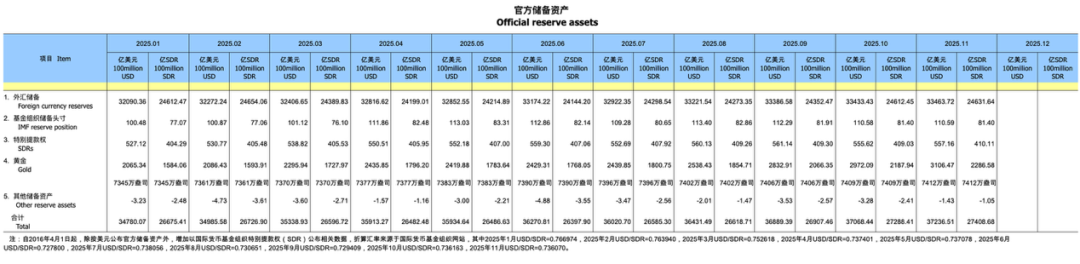
央行连续第13个月增持黄金!
Zhong Guo Zheng Quan Bao· 2025-12-07 04:44
Core Viewpoint - As of November 2025, China's foreign exchange reserves reached $33,464 billion, marking a $30 billion increase from the end of October, representing a 0.09% rise [1]. Group 1: Foreign Exchange Reserves - China's foreign exchange reserves have remained above $3.3 trillion for four consecutive months, the highest level since December 2015, with a significant increase of $144 billion compared to the end of the previous year [1]. - The increase in reserves is attributed to factors such as macroeconomic data from major economies and expectations regarding monetary policy, leading to a decline in the US dollar index [1]. - The US dollar index fell by 0.3% to 99 in November, while non-US currencies showed mixed performance, with the Japanese yen depreciating by 1.38% and the euro and pound appreciating by 0.56% and 0.63%, respectively [1]. Group 2: Economic Stability and Support - The overall stability and progress of China's economy provide a solid foundation for maintaining the stability of foreign exchange reserves [2]. - The current foreign exchange reserve level is considered moderately sufficient, which supports the renminbi's exchange rate and acts as a buffer against potential external shocks [2]. - The State Administration of Foreign Exchange indicated that the steady development of the economy contributes to the stability of foreign exchange reserves [2]. Group 3: Gold Reserves - As of the end of November, China's gold reserves amounted to 7.412 million ounces, with an increase of 30,000 ounces, marking the 13th consecutive month of gold accumulation by the central bank [2]. - The central bank's ongoing small-scale purchases of gold amid rising international gold prices signal an intention to optimize international reserves [2]. - Increasing gold reserves enhances the credibility of the sovereign currency and creates favorable conditions for the cautious advancement of renminbi internationalization [2].
黄金大消息!央行又出手,历史罕见
中国基金报· 2025-12-07 04:44
外储规模继续稳定在3.3万亿美元以上 数据显示,截至2025年11月末,我国外汇储备规模为33464亿美元,较10月末上升30亿美元,升幅为0.09%。 【导读】11月外储规模环比上升0.09%,央行连续13个月增持黄金,可谓历史罕见 中国基金报记者 张玲 12月7日,国家外汇管理局最新数据显示,截至2025年11月末,我国外汇储备规模连续4个月稳定在3.3万亿美元以上。同时, 央行已连 续13个月增持黄金。 拉长时间来看,11月,我国外汇储备规模不仅连续四个月稳定在3.3万亿美元以上,还创下2015年12月以来新高。同时,较上年末已大幅 增加1440亿美元。 国家外汇管理局表示,2025年11月,受主要经济体宏观经济数据、货币政策预期等因素影响,美元指数下跌,全球金融资产价格涨跌互 现。汇率折算和资产价格变化等因素综合作用,当月外汇储备规模上升。我国经济保持总体平稳、稳中有进发展态势,为外汇储备规模保 持基本稳定提供支撑。 民生银行首席经济学家温彬分析称,11月份,美国联邦政府重启后补发的一系列经济数据表现疲软,叠加多位美联储鸽派官员安抚市场, 哈塞特成为下届美联储主席核心候选者的市场消息,美联储12月降息 ...

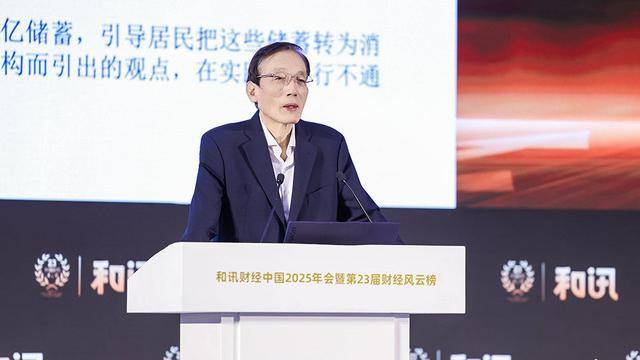
刘世锦:建议“十五五”?期间大幅增加离岸人民币数量,实现人民币国际化使用的“规模经济”
Xin Lang Cai Jing· 2025-12-07 04:43
Core Viewpoint - The conference emphasized the need for China to become a consumer powerhouse, aligning its consumption-to-GDP ratio with international standards and enhancing the internationalization of the Renminbi [3][7]. Group 1: Key Points on Consumer Powerhouse - Liu Shijun outlined three focal points for building a consumer powerhouse: aligning consumption with GDP, prioritizing service consumption, and creating the world's largest consumer market [3][7]. - There is an urgent need to address structural consumption gaps to match the current per capita income levels in China with international standards [3][7]. - Development of service consumption, particularly human capital investment in education, healthcare, and social security, is crucial for driving innovation [3][7]. Group 2: Key Points on Manufacturing and Trade - China's manufacturing sector accounts for 30% of the global share, making it the largest goods exporter, yet there is a significant gap in the internationalization of the Renminbi [4][8]. - A new strategy is needed to balance imports and exports, allowing for increased imports paid in Renminbi while maintaining export competitiveness [4][8]. - In 2024, China's trade surplus is projected to approach $1 trillion, and by shifting to Renminbi for imports, it could significantly expand the offshore Renminbi market from over 1 trillion to more than 7 trillion Renminbi [9].

央行连续13个月增持黄金,专家:未来需持续增持,并适度减持美债
Sou Hu Cai Jing· 2025-12-07 04:29
Group 1 - As of November 2025, China's foreign exchange reserves reached $33,464 billion, an increase of $30 billion from the end of October, reflecting a growth rate of 0.09% [1] - The increase in foreign exchange reserves is attributed to the stable economic performance of China, which supports the overall stability of the reserves [1][2] - The dollar index fell by 0.29% in November due to expectations of interest rate cuts by the Federal Reserve and rising interest rates in Japan, contributing to the appreciation of non-dollar assets in China's reserves [1][2] Group 2 - China's foreign exchange reserves have remained above $3.3 trillion for four consecutive months, the highest level since December 2015, with a significant increase of $144 billion compared to the end of the previous year [2] - The central bank's limited increase in gold reserves in November suggests a potential for foreign exchange net selling to maintain reserves at a moderate level [2] - The current foreign exchange reserves are considered to be in a moderately sufficient state, providing important support for maintaining the RMB exchange rate and mitigating external shocks [2] Group 3 - The official gold reserves increased to 7.412 million ounces by the end of November 2025, marking the thirteenth consecutive month of increase, although the increment has been low for nine months [2][3] - The central bank's small increase in gold reserves amidst rising international gold prices signals an intention to optimize international reserves [3] - The proportion of gold reserves in China's official international reserves is 8.0%, significantly below the global average of around 15%, indicating a need for continued accumulation of gold reserves [3]
刘世锦:建议“十五五” 期间大幅增加离岸人民币数量,实现人民币国际化使用的“规模经济” | 和讯2025年会
Sou Hu Cai Jing· 2025-12-07 04:29
Core Insights - The conference focused on finding solutions for China's economic challenges, emphasizing the need for a stronger consumer economy [1] Group 1: Consumer Economy Development - Liu Shijun highlighted three key points for building a strong consumer economy in China: aligning consumption with GDP, focusing on service consumption, and creating the largest consumer market globally [3] - The urgent need to address structural consumption gaps was emphasized, aiming to align China's consumption-to-GDP ratio with international standards [3] - Development of service consumption, particularly human capital investment in education, healthcare, and social security, is crucial for innovation-driven growth [3] Group 2: Internationalization of the Renminbi - China accounts for 30% of global manufacturing and is the largest goods exporter, yet its currency's internationalization remains limited [4] - A significant strategy to enhance the international status of the Renminbi involves increasing offshore Renminbi supply to achieve "scale economy" in its usage [4] - By balancing imports and exports while using Renminbi for payments, China could potentially expand its offshore Renminbi market significantly, from over 1 trillion to more than 7 trillion Renminbi [4]
特朗普忠犬上位,美联储的时代落幕,人民币苦等的时机来了
Sou Hu Cai Jing· 2025-12-07 02:52
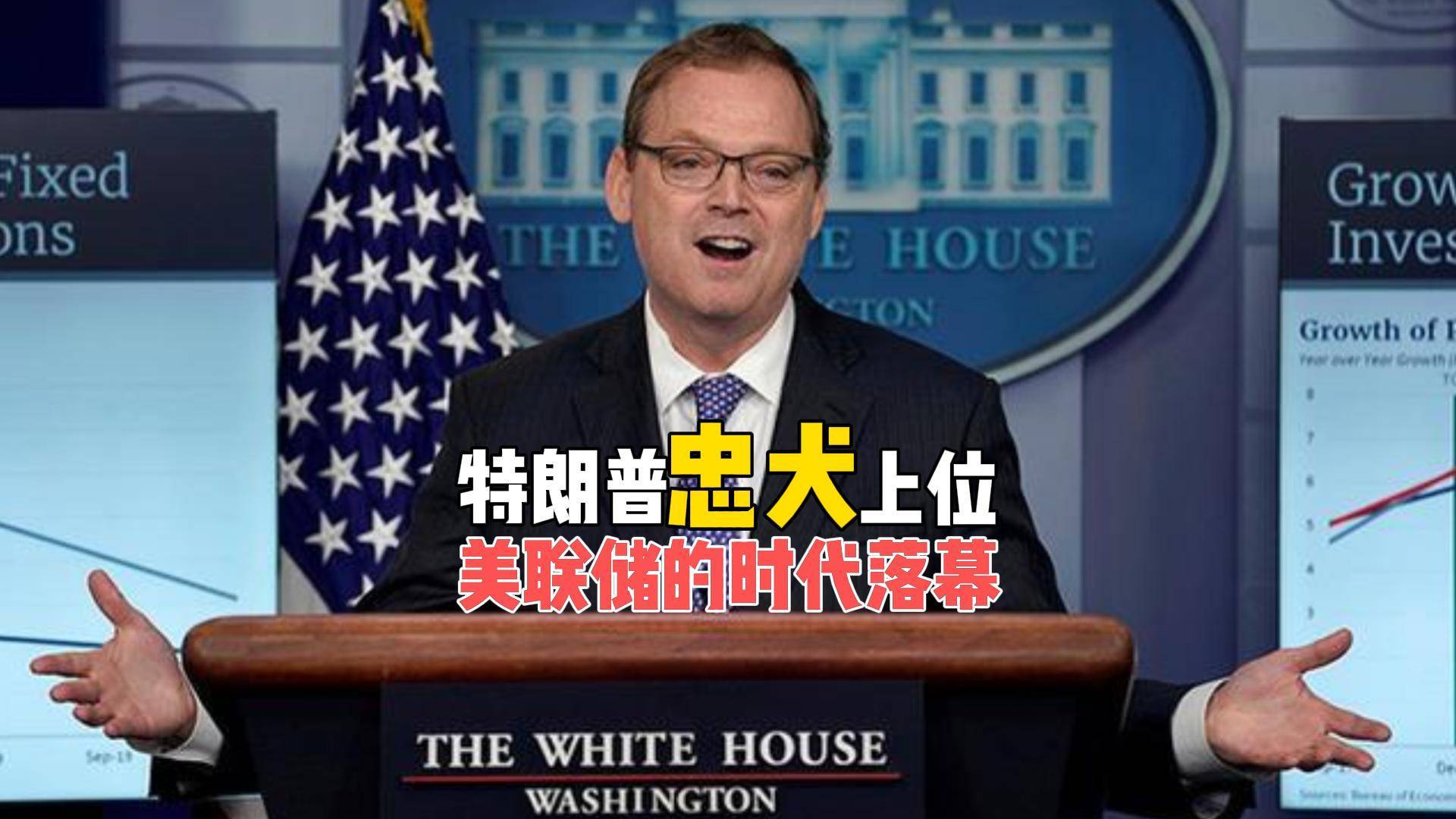
特朗普最近宣布,他已经决定了下一任美联储主席的人选,并将在2026年年初正式公布。虽然特朗普没有直接透露具体人选,但根据彭博社的报道,现任白 宫经济委员会主任凯文·哈塞特是他心目中的人选。此前,关于美联储新主席的讨论非常热烈,财长贝森特、现任美联储理事沃勒和米兰等人都是热门人 选,但最终,特朗普选择了哈塞特,这个人被认为是最听话的。这个决定意味着,特朗普将进一步掌控美联储,成为继罗斯福之后拥有最大权力的美国总 统。然而,这对于美联储来说无疑是一次灾难性的打击,它的独立性将被完全削弱,全球经济也将因此发生深刻的变革。 哈塞特的个人履历看起来非常符合美联储主席的要求。他拥有宾夕法尼亚大学经济学博士学位,曾在美联储担任高级经济学家,还曾在哥伦比亚大学商学院 担任副教授,并且三次担任美国总统竞选的经济顾问,是经济界的知名人物。然而,这位看似坚定的自由主义经济学家,实际上是一个机会主义者,为了迎 合当权者,他毫不犹豫地背离自己的经济信仰。2011年,当时特朗普只是一个房地产大亨,还没有那么强势,他曾表示如果自己当选总统,就会对中国加税 25%。哈塞特当时批评特朗普的这一主张简直是不可理喻。然而,特朗普当选后,哈塞特迅速 ...
金融珍珠港?俄打响第一枪,首发人民币主权债,RMB要回归6时代?
Sou Hu Cai Jing· 2025-12-07 02:43
Group 1 - The core point of the article highlights Russia's issuance of its first sovereign bond in RMB, signaling a move towards de-dollarization amid Western sanctions and a growing reliance on the Chinese currency [1][7][10] - The bond has a maturity of 3.2 years with an interest rate between 6.25% and 6.5%, and a 7.5-year option with a maximum rate of 7.5%, aiming to raise approximately 12.3 billion USD [7][9] - The issuance is a response to the blockade of dollar and euro channels due to sanctions, with Russia's trade with China reaching 183.2 billion USD in the first ten months of the year, predominantly settled in RMB [7][9] Group 2 - The article discusses the implications of the Federal Reserve's independence under Jerome Powell, who has resisted political pressure from former President Trump, leading to market volatility and rising gold prices [3][5] - Trump's team is reportedly planning to replace Powell with a more compliant candidate, which could further undermine the credibility of the dollar [5][10] - The article notes that the issuance of RMB-denominated bonds by Russia could serve as a precedent for other countries, potentially accelerating the trend of de-dollarization globally [9][10] Group 3 - The article mentions that the share of RMB in global trade financing has increased to 8.5%, second only to the USD, indicating a shift in the global financial landscape [9][10] - The issuance of the bond is expected to strengthen financial ties between China and Russia, reflecting a broader shift in global economic power dynamics [10][13] - The article concludes that if the RMB can establish itself as a credible alternative to the dollar, it may lead to a significant change in the international monetary system [10][13]