
银发经济

Search documents
从规模扩张到价值跃迁:品质消费如何重塑万亿级市场
Huan Qiu Wang· 2025-12-23 04:23
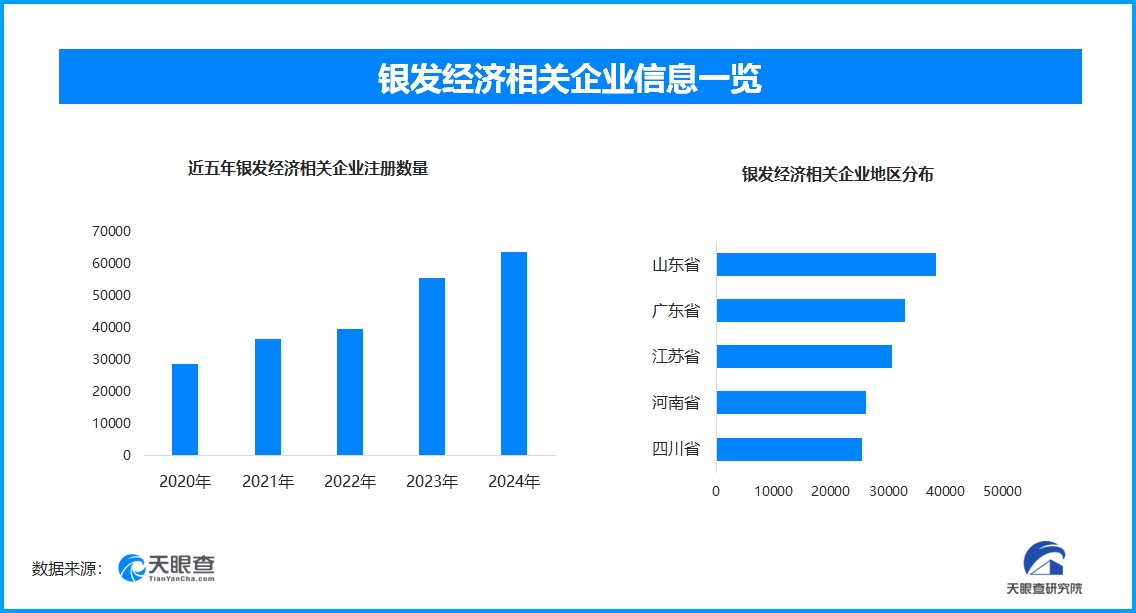
Core Viewpoint - The consumption market is undergoing a structural transformation from policy-driven expansion to quality-driven growth, with a focus on three key sectors: silver economy, maternal and infant consumption, and smart home technology [1] Silver Economy - The aging population in China is projected to reach 310 million by the end of 2024, accounting for 22% of the total population, with 220 million aged 65 and above [2] - The elderly population is increasingly seeking quality and intelligent living solutions, leading to a shift from traditional elderly care to technology-driven and health-oriented services [2] - The market for elderly products is expected to grow from 5.4 trillion yuan in 2024 to 6.1 trillion yuan by 2025, with a compound annual growth rate of 7.3% from 2014 to 2024 [2] - Over 405,000 companies related to the silver economy are currently registered in China, with approximately 75,000 new registrations in 2025 alone [2] Maternal and Infant Consumption - The retail sales of maternal and infant products (excluding food) are projected to reach 565.33 billion yuan in 2024, driven by the demand for smart, safe, and personalized products [6] - The number of registered maternal and infant product companies has exceeded 11.37 million, with about 2.99 million new registrations in 2025 [6] - Key regions for maternal and infant product companies include Guangdong, Hainan, and Hubei, which collectively account for over 35% of the total [6] Smart Home Technology - The smart home market in China is expected to reach 756 billion yuan in 2024 and surpass 800 billion yuan in 2025, with a target of reaching 1 trillion yuan by 2027 [9] - AI technology is transforming smart home products and services, enabling interconnected ecosystems that enhance user experience and energy efficiency [9] - There are over 92,000 registered smart home companies in China, with Guangdong leading in company numbers [9] Overall Market Trends - The three sectors are expected to drive significant growth in the consumption economy, transitioning from scale expansion to high-quality development, supported by policy initiatives and technological innovations [10]

惠及超330万人、支出超千亿 长护险让“老有所护”民生愿景照进现实
Yang Shi Wang· 2025-12-23 04:22
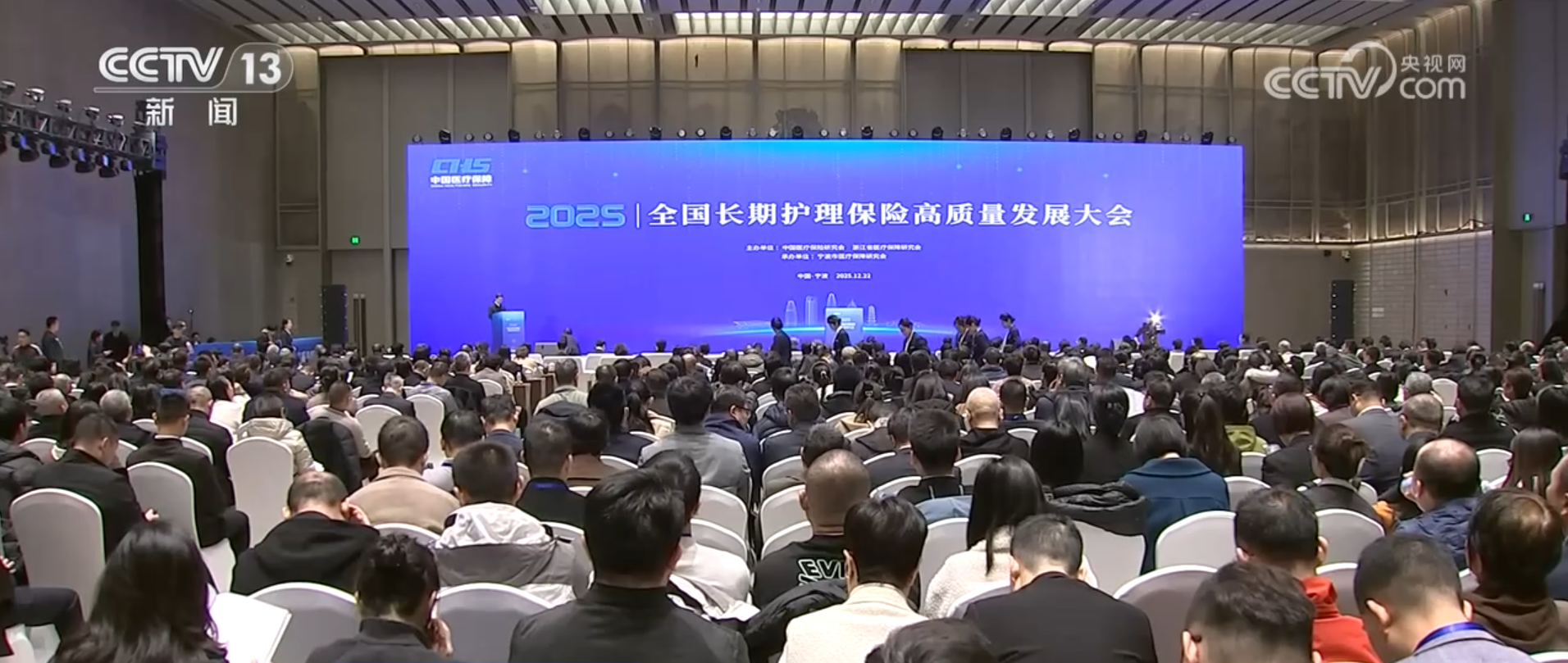
Group 1 - The core viewpoint of the article highlights the significant progress of China's long-term care insurance system since its pilot launch in 2016, which has now covered nearly 300 million people and benefited over 3.3 million disabled individuals, with total fund expenditures exceeding 100 billion yuan [1][3] - During the "14th Five-Year Plan" period, the long-term care insurance system has alleviated the financial burden of care services on the public by over 60 billion yuan [3] - The long-term care insurance has played a strategic purchasing role, contributing to the development of the elderly care and health industries, with social capital investment exceeding 50 billion yuan in related sectors during the "14th Five-Year Plan" period [6] Group 2 - The pilot program for long-term care insurance has been implemented in 49 cities, focusing on providing essential care services such as assistance with eating, bathing, and medical care for disabled individuals [3] - The number of designated service institutions for long-term care insurance has surpassed 8,800, and the number of care service personnel has reached 300,000, both showing an increase of over 50% compared to the beginning of the "14th Five-Year Plan" [6] - The introduction of the long-term care worker profession has expanded employment opportunities, marking a new growth point in the "silver economy" [6]
登高稳行:成长乘势聚力,价值重构红利
Sou Hu Cai Jing· 2025-12-23 04:17
Group 1 - The core focus of China's economic policy in 2026 will shift towards technological self-reliance and new productivity paradigms, moving away from the traditional real estate and investment-driven growth model [1] - The report emphasizes the importance of integrating resources through a new type of national system, focusing on key technologies such as integrated circuits, industrial mother machines, and high-end instruments, while also planning for future industries like quantum technology and sixth-generation mobile communications [1] - The structural transformation aims to enhance the security of the industrial chain and create a high-quality supply system, fostering a virtuous cycle among technology, industry, and finance to inject long-term growth momentum into the capital market [1] Group 2 - The logic of stimulating domestic demand is undergoing a profound shift, transitioning from physical consumption driven by subsidies for appliances and automobiles to service consumption as the new engine [1] - China's service consumption currently accounts for less than 50%, significantly lower than the nearly 70% in the United States, indicating substantial room for improvement [1] - The aging population is driving the "silver economy," while younger generations prefer experiences and spiritual satisfaction, further reinforcing the structural upward trend in service consumption, supported by intensive policy initiatives [1] Group 3 - The global liquidity environment is expected to improve significantly in 2026, with the Federal Reserve potentially initiating an unexpected rate-cutting cycle due to increasing fiscal pressures and political cycles [2] - The weakening of the US dollar will create favorable conditions for global risk assets, particularly emerging market equities, benefiting both A-shares and Hong Kong stocks [2] - Domestic policies focusing on technology and consumption will provide valuation support, potentially leading to a market value reconstruction trend, with quality growth and high-dividend leaders showing investment value [2]

内需这个“主引擎”究竟怎么转?
Sou Hu Cai Jing· 2025-12-23 02:16
中央经济工作会议将"内需主导"放在明年重点任务之首。河南省委经济工作会议在部署明年经济工作 时,也将内需摆在重要位置。 过去,我们总把"提振消费"当作一个刺激工具来用。如今,从"扩内需"到"坚持内需主导",一个明显信 号是,促消费对经济稳定增长的作用越发重要,对经济再上台阶越发关键。 要让内需这个"主引擎"转起来,说到底,就是得解答好"敢消费、能消费、愿消费"这三个问题。 敢消费,关键是让人心里有底。发放消费券,如今成了各地政府提振消费时最常用的工具。这个方法直 接、见效快——把钱撒下去,就像是往市场的灶里添了一把柴。 原标题: 内需这个"主引擎"究竟怎么转?(省委经济工作会议精神解读) 当今世界,外部环境不确定性上升,内需对经济发展的支撑作用持续增强。从中央到河南,内需被提到 了前所未有的高度。 前三季度,河南社会消费品零售总额同比增长6.2%;1—8月,全省文化体育和娱乐业营业收入同比增 长22.3%。从一轮轮的国家补贴,到持续发放的餐饮券、文旅券,真金白银进了老百姓的口袋,不仅点 旺了城市"烟火气",也为扩内需、稳增长提供了强劲的动力。 除了发放消费券,还要靠提高长期的收入预期增添消费底气。今年,中央经 ...
减负超600亿元 我国将推动长期护理保险制度全覆盖
Yang Shi Xin Wen· 2025-12-23 01:59
国家医疗保障局党组书记、局长 章轲:"十五五"时期,从试点转向全面建制,国家医保局将加快推动 具有中国特色的长期护理保险制度建立。制度落地过程中,实行筹资、待遇、支付等政策标准的统一, 夯实长期护理保险制度高质量、可持续的发展根基。 (责任编辑:孟茜云) 2025年全国长期护理保险高质量发展大会昨天在浙江宁波举行。记者从大会上了解到,我国自2016年开 展长期护理保险制度试点以来,目前,长期护理保险制度已覆盖近3亿人,累计惠及超330万失能群众, 基金支出超千亿元。"十五五"时期,我国将推动长期护理保险制度实现全覆盖。 2016年以来,国家先后在49个城市开展长期护理保险制度试点。聚焦民生兜底,合理确定了保障范围。 为失能人员提供协助进食、沐浴等生活照料和常规换药等医疗护理服务,基金按规定分担护理服务费 用。"十四五"期间,累计减轻群众护理服务费用负担超过600亿元。 长期护理保险发挥战略购买作用,助力养老服务业和健康产业发展。新增了长期照护师职业,拓宽了就 业渠道。据不完全统计,在"十四五"期间,49个国家试点城市长期护理保险拉动社会资本投入相关产业 超过500亿元,长期护理保险定点服务机构超过了8800家 ...
何志光:引领新生态,共筑银发未来——保险业在医康养产业中的核心价值与路径
Xin Lang Cai Jing· 2025-12-23 01:56
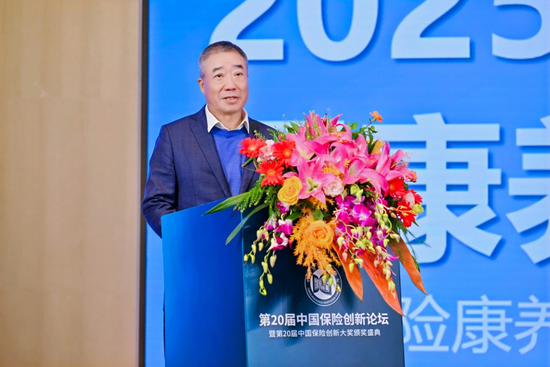
Core Insights - The 20th China Insurance Innovation Forum emphasizes the insurance industry's pivotal role in integrating and leading the medical, health, and elderly care sectors, marking a significant transformation in response to evolving national policies and market demands [3][19]. Industry Trends - By the end of 2024, the population aged 60 and above in China is projected to exceed 310 million, representing a substantial market opportunity for the insurance sector [3][19]. - The insurance industry is transitioning from a focus on basic coverage to providing comprehensive, high-quality health and elderly care services throughout the entire lifecycle [3][19]. Economic Contribution - In 2023, the total assets of China's financial sector reached 461.09 trillion yuan, with the insurance sector providing over 13 trillion yuan in insurance coverage, equivalent to 106 times the GDP for that year [4][20]. - The insurance sector is recognized as a critical component of the national financial safety net, providing essential risk protection for families facing health crises [6][22]. Strategic Evolution - The development of the medical and elderly care industry in China has closely aligned with national strategies, evolving through distinct phases from initial exploration to comprehensive integration [7][23]. - The "14th Five-Year Plan" and the upcoming "15th Five-Year Plan" highlight a shift from a singular focus on elderly care to a dual approach that includes both care and industry development [25]. Practical Pathways - The insurance industry is evolving from being merely a payment tool to becoming an integrated ecosystem platform that connects various health and elderly care services [26][31]. - Innovations in service delivery, such as the integration of AI and IoT for real-time health monitoring and care, are being implemented to enhance customer experience and operational efficiency [28][32]. Future Outlook - The insurance sector is called to deepen collaboration across healthcare, technology, and elderly care sectors to develop integrated products that meet the needs of the population [32]. - There is a strong emphasis on establishing standards and frameworks to guide the development of the medical and elderly care services, ensuring a cohesive and effective industry evolution [32].
2026环球时报年会系列报道之二:赋能型国家,“十五五”释放哪些全球红利
Huan Qiu Wang· 2025-12-22 22:58
Group 1 - The core theme of the conference is "The World Can Trust China: New Journey, New Opportunities," emphasizing China's role in providing global dividends through its economic development during the 14th Five-Year Plan period [1] - China is expected to continue high-level opening-up and foster new productive forces, which will create new opportunities and add new momentum for global economic growth [2][3] - The establishment of the Hainan Free Trade Port is highlighted as a significant opportunity for the world, marking a major step in China's commitment to openness [2] Group 2 - The 14th Five-Year Plan outlines four strategic pillars: prioritizing a modern industrial system, achieving self-reliance, ensuring national security, and promoting equitable public services [3][4] - The plan aims to establish a modern industrial system and enhance the real economy, focusing on high-quality development and nurturing new productive forces [4] - China's ambition to lead in technology across various sectors, including electric vehicles and artificial intelligence, is underscored, with significant growth expected in these areas during the 14th Five-Year Plan [5] Group 3 - China's commitment to expanding its openness is unwavering, with the country maintaining its position as a leading global trading partner and continuing to engage in multilateral trade agreements [6] - The launch of the Hainan Free Trade Port is seen as a strong signal of China's determination to inject certainty into the global market amid rising protectionism [6] - The cultural exchange between China and the West is evolving, with an increasing appreciation for Chinese culture among Western audiences, indicating a shift in perceptions [7][8] Group 4 - The focus on expanding domestic demand is crucial for China's economic development, with discussions shifting towards enhancing consumption and income distribution [9] - Structural reforms in income distribution are necessary to improve labor compensation, which is currently low due to the pricing of public services [9] - The aging population in China is prompting a need for a comprehensive "aging revolution" in economic development, creating a significant market for the silver economy [10][11] Group 5 - Companies are facing challenges from international decoupling and supply chain localization, leading to a focus on stability and high-quality development [12] - The concept of a "super supply chain" is introduced, emphasizing the integration of data and collaboration across the entire supply chain to enhance efficiency [12][13] - The potential for cost reduction in China's industrial supply chain is significant, with estimates suggesting a reduction of 6.88 trillion yuan through digital upgrades [13]
【省民政厅】陕西出台十项举措全面激发养老服务消费新活力
Shan Xi Ri Bao· 2025-12-22 22:56
设施升级加码,优化养老生活环境。针对老年人出行、居住等需求,强化基础设施适老化改造,同 时加快补齐老旧小区养老服务设施短板;在出行保障上,优先支持老年人口密集小区加装电梯、城市公 共区域增设老年人休息椅、推动网约车平台完善"一键叫车"功能,全方位降低老年人出行门槛。 记者12月22日获悉:省民政厅近日联合省发展改革委、省教育厅等25部门出台《关于促进养老服务 消费的十项措施》,为全省老年人打造更具品质、更有温度的养老生活,推动银发经济高质量发展。 多元供给扩容,织密养老服务网络。聚焦居家、社区、机构、农村四大养老场景,全面拓宽服务供 给渠道。发展居家养老服务,通过做好老年助餐、专业化助浴、智能化助医等服务,让居家养老更便捷 高效;拓展社区养老服务,统筹盘活闲置资源构建"一刻钟养老服务消费圈",推广"养老顾问"服务模 式,落实老年人优待"同城同待遇",实现优质服务"家门口可达";优化机构养老服务,支持养老机构增 设认知障碍照护专区,实施乡镇卫生院与养老院"两院共建",让专业照护更普惠;加快农村养老服务, 通过组建县域养老服务联合体、改造闲置农房建设"互助幸福院",推进老年用品下乡与适老化配送等举 措,让农村老年 ...
多措并举提升适老化服务水平
Ren Min Ri Bao· 2025-12-22 22:27
《 人民日报 》( 2025年12月23日 13 版) (责编:白宇、卫嘉) 隆冬时节,在山东省淄博市淄川区龙泉镇养老中心,73岁老人王衍玲拉着记者坐下,聊起养老中心的新 变化。 龙泉镇养老中心有70张床位,54名老人入住。2025年初,养老中心计划对基础设施进行全面升级,涉及 无障碍通道改造、适老化卫浴设备安装等,"因为预算缺口达60万元,开工日期一拖再拖。"养老中心负 责人徐修国说。 一筹莫展之际,一笔专项贷款解了徐修国的燃眉之急。淄川农商银行客户经理谭玲在走访中了解到养老 服务中心的融资困难,针对养老中心轻资产、缺抵押的特点,银行以担保方式为养老中心发放60万元专 项贷款。资金到位后,改造很快完成。 2025年以来,淄川农商银行围绕金融服务适老化,进一步加大养老服务行业信贷支持力度。截至目前, 已投放适老领域贷款2500余万元,支持全区10余家养老机构实现基础设施升级;开展适老性服务活动 800多场,线下覆盖银发客群1.1万人。 山东省60岁及以上人口达2482万,已进入中度老龄化阶段。为破解养老机构融资难题,山东金融监管局 近年来引导省内银行业金融机构制定专项养老信贷政策,不断健全完善符合养老产业特点 ...
自动洗澡机器人助力随心所“浴”(消费新场景看活力·新产品)
He Nan Ri Bao· 2025-12-22 22:22
Group 1 - The core innovation is the intelligent fully automatic bathing robot developed by Xiangyu Medical, designed to address the bathing difficulties faced by elderly individuals or patients with limited mobility [1] - The bathing robot features 18 spray nozzles that evenly distribute warm water and shower gel, and includes a display screen for easy operation, significantly reducing the workload of caregivers [1] - The robot's design includes a closed cabin with privacy features, adjustable settings for water temperature and height, and safety measures to ensure a comfortable bathing experience [1] Group 2 - The current bathing practices for elderly individuals in care facilities pose risks such as falls and physical strain on caregivers, highlighting the urgent need for improved solutions [2] - By the end of 2024, the population aged 60 and above in China is projected to reach 310 million, accounting for 22% of the total population, indicating a strong demand for healthcare services for the elderly [2] - The integration of AI technology in elderly care is transforming service models, aligning with national policies aimed at enhancing long-term care systems for the elderly [2] Group 3 - Xiangyu Medical is developing AI therapy robots that utilize advanced technologies for precise treatment, catering to the rehabilitation needs of elderly patients [3] - The company is focusing on smart elderly care solutions, including wearable and portable rehabilitation products, to enhance the quality of life for seniors [3] - The goal is to create technology-driven partners in elderly care, ensuring that seniors can enjoy a dignified and high-quality life [3]

