关税战

Search documents
端午假期前夕,市场续观望
Guodu Securities Hongkong· 2025-05-30 01:37
Group 1: Market Overview - The report indicates that the US court's ruling against imposing comprehensive tariffs has led to market optimism regarding the end of the trade war, resulting in a rise in US stock markets and a halt to the five-day decline in A-shares [2][3] - The Hang Seng Index opened lower but rebounded significantly, closing up 315 points or 1.4%, with notable increases in major blue-chip stocks such as Meituan, Alibaba, and JD.com [3] Group 2: Macroeconomic and Industry Dynamics - The Financial Secretary of Hong Kong, Paul Chan, expressed intentions to strengthen ties with the Middle East market, highlighting the potential for collaboration in various financial products, including bonds and derivatives, following the listing of the first Saudi Islamic bond ETF in Hong Kong [6] - The CEO of Hong Kong Exchanges and Clearing, Charles Li, noted the growing momentum for connectivity between Hong Kong and Middle Eastern markets, with significant cooperation already established across various sectors [7] Group 3: Company News - New World Development is in the process of securing an HKD 87.5 billion refinancing deal, which has garnered significant attention from Hong Kong bankers, with at least 12 banks agreeing to terms so far [10] - CSPC Pharmaceutical Group reported a year-on-year decrease of 8.36% in net profit for the first quarter, with total revenue down 21.91%, primarily due to the impact of government policies on drug pricing [11] - Meizhong Pharmaceutical announced a placement of 18.6 million new H-shares at a discount of 19.7% to raise HKD 100 million for various operational needs [12]

特朗普家族:政治漩涡中的财富扩张与争议
Sou Hu Cai Jing· 2025-05-29 14:50
Group 1: Cryptocurrency Sector - The Trump family has penetrated the cryptocurrency sector, launching the "World Freedom Finance" project in 2024, raising $550 million, with family-controlled DT Marks DeFi LLC holding 60% equity and earning 75% of net income [3] - The USD1 stablecoin, adopted by the Abu Dhabi sovereign fund, generates millions in indirect revenue annually [3] - In January 2025, meme coins associated with Trump and his family generated $11.4 million in revenue, with fans spending a total of $148 million on "Trump Coin" for a chance to dine with him, leading to an estimated profit of at least $350 million from cryptocurrency ventures [3][4] Group 2: Real Estate Sector - The Trump Organization expanded its real estate empire during the tariff war, partnering with countries like Qatar and Saudi Arabia on projects such as a $5.5 billion luxury golf resort and high-end residential projects in Dubai and Jeddah [5] - These collaborations, while appearing commercially driven, coincided with U.S. policy shifts favoring Middle Eastern allies, raising concerns about "political trust monetization" [5] - Regulatory changes during the Trump administration facilitated real estate capital operations, allowing for more flexible cross-border financing and project leverage [5] Group 3: Financial Speculation - The tariff war created a lucrative environment for financial speculation, with Trump signaling a "buy" just hours before announcing a suspension of "reciprocal tariffs," resulting in a $415 million increase in wealth from a 53% stake in TMTG [6] - The family fund's earlier investment in $37 billion in NASDAQ put options, combined with short positions on tech stocks, yielded significant profits amid market volatility caused by tariff policies [6] - Legal controversies arose regarding potential insider trading, as the arbitrary nature of tariff policies was seen as creating opportunities for profit at the expense of the public [6] Group 4: Political and Economic Implications - The intertwining of political power and commercial interests has led to significant ethical concerns, with accusations of market manipulation through cryptocurrency projects and real estate partnerships [6][7] - The tariff war's repercussions have resulted in substantial losses for American farmers, estimated at over $12 billion annually, contrasting sharply with the Trump family's cryptocurrency gains [7] - The narrative of wealth accumulation by the Trump family reflects broader systemic issues within American capitalism, raising questions about the fairness of public policy when political influence can be converted into economic gain [8]

特朗普被打了措手不及,判决结果送进白宫,中国罕见公开发声,关税战美国彻底败了?
Sou Hu Cai Jing· 2025-05-29 09:08
中美两国的关系可谓跌宕起伏,已不仅仅停留在经济与贸易领域,更渗透到了教育、科技等各个方面。 这场争夺战的白热化,不仅表现为特朗普政府加大对中国的制裁力度,更是在留学政策和人才争夺上演 出了一幕幕戏剧性场景。 首先,让我们聚焦于特朗普政府自上任以来的"关税战"。近期,美国国际贸易法院的裁决成为一记警 钟,揭示了特朗普政府在对外经济政策中面临的法律挑战。法院裁定特朗普发布的多项关税措施越权, 必须立即停止执行,这对于依赖贸易战取胜的特朗普来说,无疑是一次沉重打击。作为"美国优先"政策 的核心,关税不仅影响着进口商,也直接损害了相关产业,尤其是那些以中小企业为主体的产业。 不仅是企业,特朗普的政策还带来了社会层面的不安。受其影响,越来越多的科研人员开始考虑离开美 国。调查显示,高达75%的科研工作者对此表示忧虑,其中年轻研究人员尤为显著。这一趋势不仅关乎 个人职业选择,更是对美国科技创新和学术竞争力的一次重大考验。特朗普的"强人叙事"正受到来自社 会各界的反击,法律的束缚让他逐渐失去往日的耀眼光环。 与此同时,作为全球顶尖学府之一的哈佛大学也无辜卷入其中。特朗普政府不断加码的制裁与审查,使 得许多国际学生面临着前所 ...
金价从3500美元高位回落后,6月会如何?专家:紧盯美联储这件事
Sou Hu Cai Jing· 2025-05-29 07:03
Group 1 - The international gold price has retreated from a historical high of $3,500 per ounce, and experts predict three potential scenarios for future price movements: stability, decline, or increase [1][3] - A critical date to watch is June 17, when the Federal Reserve's interest rate decision will be announced, with a low probability of rate adjustment (5.6%) according to the Chicago Mercantile Exchange's FedWatch tool, suggesting a likely stable gold price [3] - If the Federal Reserve raises interest rates, it could lead to a decrease in gold prices due to reduced attractiveness of non-yielding assets like gold [5] Group 2 - Conversely, if the Federal Reserve announces a rate cut amid weak economic data and ongoing trade tensions, gold prices may experience a new upward trend [7] - A weaker US dollar could stimulate demand for gold, with the potential for prices to reach new highs [8] - Key factors to monitor include the Federal Reserve's statements regarding US inflation and employment, as well as the status of the US dollar index and treasury yields, which are closely linked to the gold market [8]
美法院叫停 特朗普关税战凉了?
Xin Hua She· 2025-05-29 05:53
Core Viewpoint - The U.S. International Trade Court ruled that the Trump administration's tariff policies are illegal, specifically those implemented under the International Emergency Economic Powers Act, and ordered the cessation of these measures [1][2][5]. Group 1: Court Ruling - The court's ruling prohibits the Trump administration from executing tariff measures based on the International Emergency Economic Powers Act [1][2]. - The ruling states that if these tariff orders are deemed illegal for the plaintiffs, they are illegal for everyone [3]. Group 2: Implications for Trade Policy - The ruling represents a significant judicial setback for the Trump administration, potentially undermining the legal foundation of its tariff strategy during the second term [5]. - Experts believe that the ruling complicates ongoing negotiations with trade partners, as it may lead them to halt further concessions until the legal situation is clarified [5]. - The ruling grants foreign governments new leverage in trade negotiations against the U.S. [5]. Group 3: Government Response - The White House criticized the ruling, claiming that trade deficits constitute a national emergency that should not be decided by unelected judges [6]. - The Trump administration has already appealed the court's decision, questioning the court's authority [6]. Group 4: Ongoing Legal Challenges - There are at least five pending lawsuits related to Trump's tariff policies, initiated by small businesses and several states, arguing that the government lacks the authority to impose such tariffs without congressional approval [7].
光大期货金融期货日报-20250529
Guang Da Qi Huo· 2025-05-29 03:42
1. Report Industry Investment Ratings - Stock Index: Neutral, with an expectation of a volatile trend [1] - Treasury Bonds: Bearish [2] 2. Core Viewpoints of the Report - **Stock Index**: On May 28, most A - share market indices pulled back. In April, economic data showed a decline compared to March but remained resilient. The social credit demand was weak. Recently, multiple departments announced policies to support the capital market, and internal policy efforts are the main theme for the stock index in 2025. These measures are conducive to helping enterprises repair their balance sheets, promoting the stable development of the real economy, and steadily increasing stock market valuations [1] - **Treasury Bonds**: Treasury bond futures closed with slight declines across various tenors. The central bank conducted reverse repurchase operations, resulting in a net injection of funds. In the short - term, the bond market is unlikely to have a trend - based market. After macro - level disturbances, the bond market will fluctuate according to the capital situation and economic fundamentals. Short - term attention should be paid to the May PMI data and whether the central bank restarts treasury bond trading operations [2] 3. Summary by Directory 3.1 Research Views - **Stock Index**: On May 28, the Wind All - A index dropped 0.2% with a trading volume of 1.03 trillion yuan. The CSI 1000, CSI 500, SSE 50, and SSE 300 indices all declined. The consumer sector was relatively strong, while the basic chemicals and agriculture, forestry, animal husbandry, and fishery sectors were weak. In April, the year - on - year growth of social retail sales was 5.1%, supported by the "trade - in" policy. The cumulative new RMB loans in April were 10.06 trillion yuan, a year - on - year increase of 2.86%, and the year - on - year growth of M2 was 8%. The joint statement between China and the US laid a good foundation for future trade negotiations. The central bank announced reserve requirement ratio and interest rate cuts, and regulatory authorities introduced measures to support the capital market. In the first quarter, the decline in the revenue growth rate of A - share listed companies narrowed for three consecutive quarters, and the net profit increased year - on - year by about 4%, but the ROE was still in the bottom - building stage [1] - **Treasury Bonds**: On May 28, the 30 - year, 5 - year, and 2 - year treasury bond futures main contracts declined, and the 10 - year main contract was basically stable. The central bank conducted 2155 billion yuan of 7 - day reverse repurchase operations, with 1570 billion yuan of reverse repurchases maturing, resulting in a net injection of 585 billion yuan. The weighted average interest rates in the inter - bank and exchange repurchase markets showed different trends. In the short - term, the bond market lacks a clear trend [2] 3.2 Daily Price Changes - **Stock Index Futures**: On May 28, compared with May 27, the IH, IF, IC, and IM contracts all declined, with declines of - 0.12%, - 0.11%, - 0.18%, and - 0.27% respectively [3] - **Stock Indices**: The SSE 50, SSE 300, CSI 500, and CSI 1000 indices all declined on May 28 compared with May 27, with declines of - 0.08%, - 0.08%, - 0.26%, and - 0.40% respectively [3] - **Treasury Bond Futures**: On May 28, compared with May 27, the TS, TF, and TL contracts declined, and the T contract was basically stable [3] - **Treasury Bond Yields**: The yields of 2 - year, 5 - year, and 30 - year treasury bonds increased, while the yield of 10 - year treasury bonds decreased [3] 3.3 Market News - From January to April, the total operating revenue of national state - owned and state - holding enterprises was flat compared with the previous year, and the total profit was 1349.14 billion yuan, a year - on - year decline of 1.7% [4] 3.4 Chart Analysis - **Stock Index Futures**: The report provides charts of the trends and basis of IH, IF, IM, and IC main contracts [6][7][10] - **Treasury Bond Futures**: The report includes charts of the trends, basis, inter - period spreads, cross - variety spreads, and capital interest rates of treasury bond futures main contracts, as well as the yields of treasury bond spot bonds [13][15][17] - **Exchange Rates**: The report presents charts of the central parity rates of the US dollar, euro against the RMB, forward exchange rates, and exchange rates between major currencies [20][21][24]
白宫摊牌,特朗普开始怕了,美国急着打通北京电话,中方只同意一件事
Sou Hu Cai Jing· 2025-05-28 23:29
据北京日报消息,2025年5月22日,外交部副部长马朝旭同美国常务副国务卿兰多通电话,就中美关系及共同关心的重要问题交换了意见。双方同意 继续保持沟通。 特朗普(资料图) 稀土(资料图) 美国F-35战机每架需417公斤稀土材料,特斯拉人形机器人每台消耗23公斤稀土,然而,美国试图绕开中国供应链的企图最终落空。在联合声明中, 并未出现美方所期望的相关条款。这背后是冰冷的现实,中国在稀土产业上的优势地位并非一朝一夕形成,而是经过多年的发展和积累。中方在协 议中明确保留管制权,仅承诺打击走私,这一立场既体现了中国维护自身产业安全的决心,也向世界表明,中国不会在核心利益问题上轻易让步。 在这次通话中,我国就只答应了一件事,那就是同意继续保持沟通。在这之前,中美高层日内瓦会谈结束后,美国将对中国商品加征关税从145%降 至30%,中国也将对美国商品加征关税从125%降至10%,双方降幅相同。那次会谈就是在特朗普多次向中国释放对话信号的背景下,我国在经过评 估过后才同意的。从这一点其实也不难看出,特朗普确实对关税战感到了害怕。 美国对中国加税的行为换来了中国的反制,在中国多次有效的反制之下,美国的第一季度GDP都出现了 ...
难以置信美国会这样?特朗普首次认怂,三拨人马赶赴北京寻求和解
Sou Hu Cai Jing· 2025-05-28 16:17
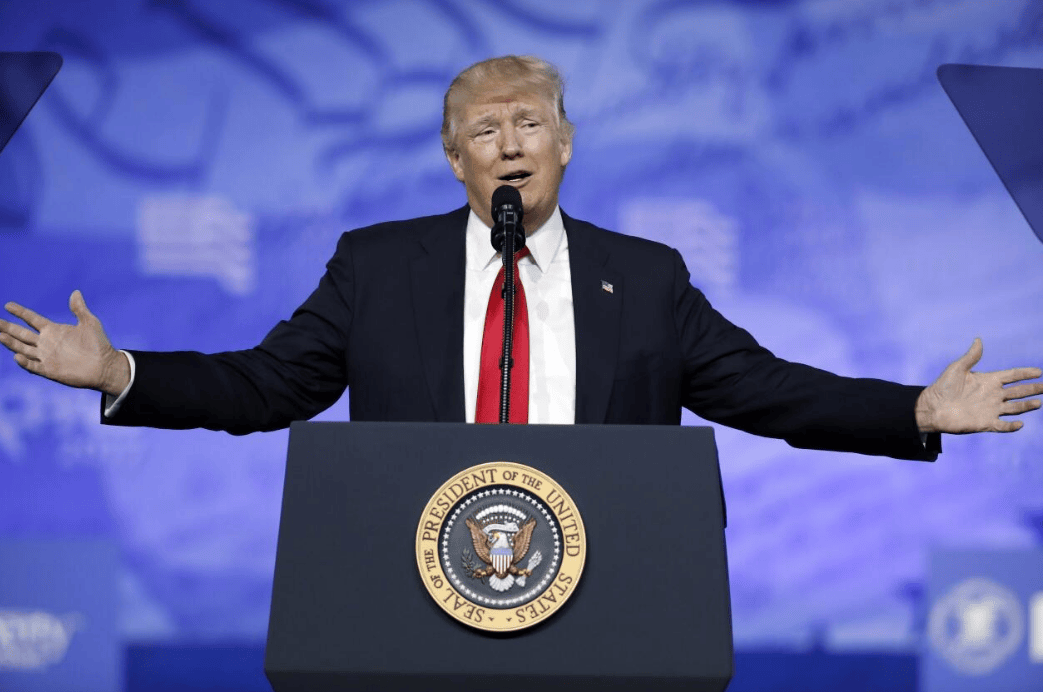
想当初,特朗普刚上台那会,在国际舞台上那叫一个威风,到处挥舞着 "关税大棒",好像谁都不放在眼里。尤其是在对咱中国的贸易政策上,说加税就 加税,那叫一个干脆,一副要把全世界都拿捏的架势。可谁能料到,最近这局势来了个大反转,特朗普居然 "服软" 了,还第一次传出害怕的消息。 美国商务部长卢特尼克最近就表示,中美关税战这事儿,美国可是痛苦得很。他害怕,特朗普也害怕。那特朗普到底为啥害怕呢?这背后的事儿可复杂了 去了。就说物价这一块,美国著名的零售巨头沃尔玛,大家都知道吧,他们超市里的商品,大部分都在偷偷涨价。沃尔玛的 CEO 更是直接表态,三分之 一的商品都得涨价。这些可都是老百姓日常生活离不开的必需品啊,价格一涨,老百姓的生活成本立马就上去了,能不抱怨吗?走在大街上,都能听到老 百姓在那吐槽,生活越来越不好过了。 这场关税战给我们提了个醒,打铁还得自身硬。只有自己强大了,才能不惧怕任何挑衅。我们要继续推动经济的高质量发展,加强科技创新,提升我国在 全球产业链和供应链中的地位。只有这样,我们才能在国际经济竞争中立于不败之地。美国这次求和,也给其他国家提了个醒,在国际经济合作中,任何 想通过霸权手段获取不正当利益的 ...
特朗普又改口了,日本乐了,欧洲愁了
Sou Hu Cai Jing· 2025-05-28 15:59
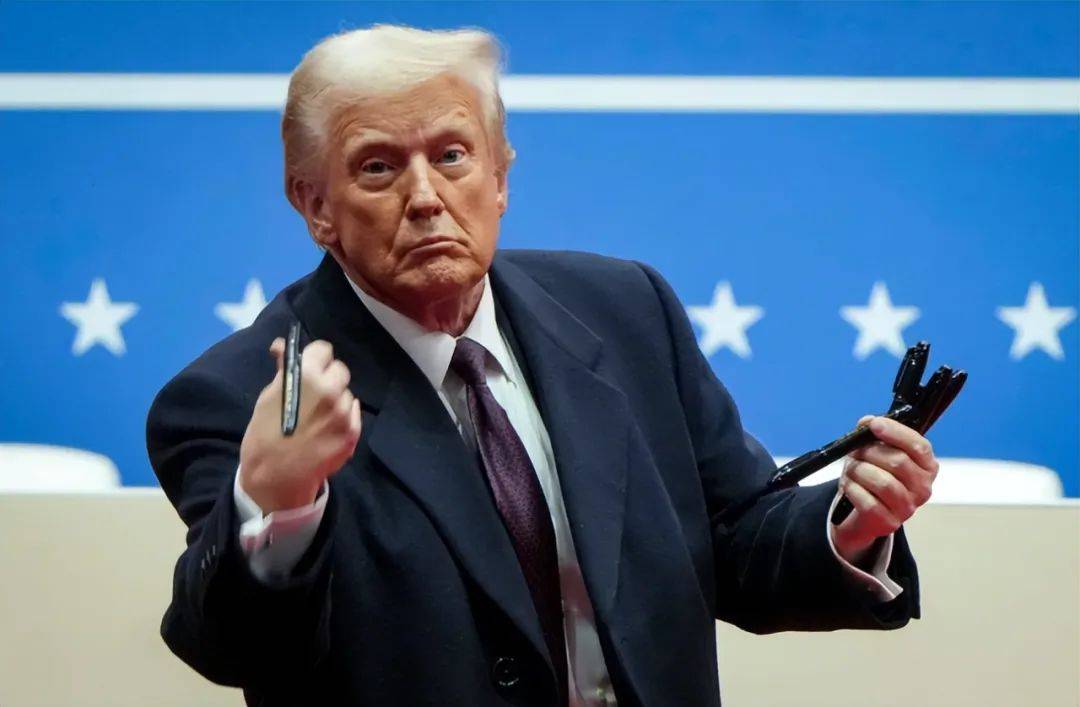
特朗普在中美结束关税战,达成了临时协议后,全世界都以为关税战接近尾声,很可能到时候雷声大雨点小,最后就不了了之了。 没想到消停几天后,又开始动手了。这次针对的是自己的亲密盟友和小弟,特朗普计划在6月1日开始对欧盟国家征收50%的关税,这下不仅让欧洲国家心惊 肉跳,全世界都聚精会神的来看戏,看他到底怎么样? 欧洲国家想不通,因为特朗普在社交媒体上公开指责欧盟,占美国的便宜就算了,还涉嫌货币操纵,有事没事就找美国企业打官司,导致美国每年高达超过 250000000美元的贸易逆差,"这完全无法接受"。 欧洲国家看到这串数字后面这么多0,以为美欧贸易逆差是天文数字了,这不符合事实啊!因为美欧几乎没有什么贸易逆向差,多年来处于相对平衡的状 态。赶紧戴上老花眼镜仔细数,数了好几次,也就7个0,也就是2.5亿美元。对于双方每年的几千亿贸易额,2.5亿美元几乎可以忽略不计,就为了这么点 钱,居然要对欧洲国家加征50%的关税,这不是小题大作故意找茬子吗?这还有天理吗? 也难怪欧洲国家生气,一直以来作为小弟,都听老大的,几乎老大的所有要求都予以配合了,且不说美欧有没有贸易逆差,就算有,就为这么一点钱,就要 对欧洲几十个国家加征5 ...
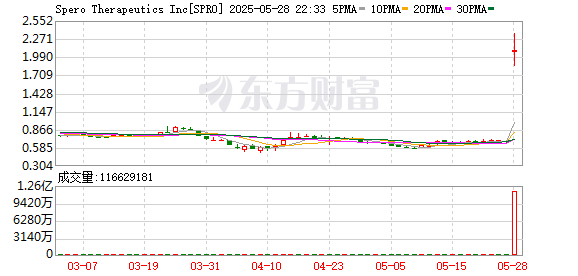
深夜 暴涨超200%!
Zheng Quan Shi Bao· 2025-05-28 14:32
Group 1: Market Overview - The US stock indices opened slightly higher on May 28, with the Dow Jones up 0.05%, S&P 500 up 0.01%, and Nasdaq down 0.03% [2] - Investor focus has shifted from trade war tensions to the latest tax reform bill in the US [2] - Major tech stocks showed mixed performance, with Nvidia down 0.2% ahead of its earnings report [2] Group 2: Trade War Developments - Signs of easing in the US tariff war emerged, with President Trump postponing high tariffs on the EU [3] - The EU and the US are engaged in ongoing discussions regarding tariff policies and cooperation in various sectors [3] - ASEAN leaders expressed concerns about the uncertainty brought by Trump's tariff plans and emphasized the need for trade diversification [3] Group 3: Tax Reform Concerns - The latest tax reform bill is projected to increase the US deficit by $3.8 trillion over the next decade, with $2.2 trillion occurring in the first five years [5] - Analysts from Deutsche Bank and Morgan Stanley highlighted the potential for the deficit to exceed 6% of GDP in the coming years due to the tax reform [5] - The tax reform is seen as a continuation of previous tax cuts, and failure to pass it could lead to significant tax increases and economic recession [5] Group 4: Nvidia's Earnings Report - Nvidia is set to release its earnings report, with analysts optimistic about a revenue expectation of $43.28 billion for the quarter, a 66% year-over-year increase [6] - The company's stock has risen over 40% since April, and the performance of its new Blackwell chip is a key focus for investors [6] - Concerns regarding Nvidia's gross margin due to rising costs from increased production capacity are also highlighted [6] Group 5: General Sentiment in Tech Sector - Overall, tech companies have reported strong earnings, contributing to a positive sentiment in the sector [7] - Nvidia's performance is expected to further solidify the overall trend in the tech sector if it continues to show strength [7]