
银发经济

Search documents
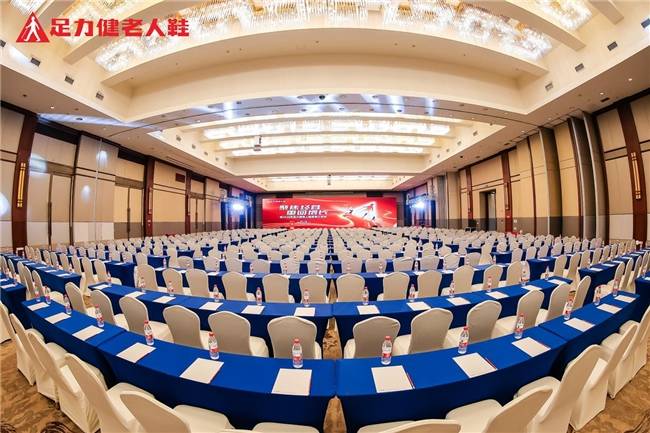
足力健三亚锚定 2026 增长:银发经济风口下的品牌破局之路
Sou Hu Cai Jing· 2025-12-18 08:17
Core Insights - The conference held by the company focused on the future of the silver economy, aiming to decode the growth logic of the elderly consumer market and outline strategic directions for 2026 [1][3]. Group 1: Economic Insights - The silver economy is identified as a certain growth area, with the aging population presenting clear market opportunities as the "baby boomer" generation enters retirement [3]. - The average wealth reserve for elderly individuals in China is 264,000 yuan, with a savings rate of 60%, significantly higher than the overall resident savings level [7]. Group 2: Strategic Framework - The founder emphasized the need for a clear business philosophy and cognitive framework to navigate market challenges, proposing three strategic maps: operational, goal, and growth maps [5]. - The company aims to establish independent operations for different modules to enhance operational efficiency and respond quickly to market changes [9]. Group 3: Marketing and Sales Strategies - The marketing vice president outlined a four-step approach to retail growth, focusing on online and offline promotion, service excellence, product bundling, and optimizing customer service [11]. - A marketing expert highlighted the importance of short video content as a fundamental skill for distributors, encouraging them to take action and accumulate traffic over time [7]. Group 4: Brand and Channel Development - The company has built a strong brand identity around elderly footwear, leveraging the unique market position of "elderly shoes = company brand" as an irreplaceable asset [7]. - The channel strategy will focus on customer orientation, improving service systems, and reducing delivery cycles to better serve partners and customers [9].

帮主郑重:三部门联手“发钱”促消费!哪些领域会诞生下一批牛股?
Sou Hu Cai Jing· 2025-12-18 07:31
Core Viewpoint - Recent policies from central and local governments aim to significantly boost consumption through financial tools and support, indicating a strong commitment to enhancing consumer spending [1] Group 1: Policy Focus Areas - The policies are driven by a dual approach of "commerce" and "finance," targeting the entire consumption chain [3] - The first key area is the upgrade of "physical goods," specifically mentioning durable consumer goods and digital products, with a strong emphasis on automobiles [3] - The second key area focuses on the expansion and quality enhancement of "service consumption," including sectors like home services, tourism, elderly care, education, and healthcare [3] - The third key area is the cultivation of "new consumption," highlighting green consumption, digital consumption, and the integration of technology with consumption [4] Group 2: Investment Opportunities - Long-term investment strategies should focus on sectors backed by national blueprints with significant market potential, such as smart connected vehicles, consumer electronics, and the silver economy [5] - Short-term investment opportunities include sectors directly benefiting from policies like the trade-in programs and financial support for durable goods, as well as those recovering from service consumption, such as tourism and offline retail [5] - Technology companies providing infrastructure for new consumption, such as digital payment and e-commerce service providers, are also highlighted as potential investment targets [5]

新消费派 | 从“物质型”转向“服务型”“体验型” 投资机构掘金消费“焕新”
Xin Hua Cai Jing· 2025-12-18 05:34
Group 1 - The core viewpoint of the news is that the 2025 Central Economic Work Conference emphasizes the importance of domestic demand and consumer spending as a key strategy for economic growth, with a focus on enhancing consumption through various policy measures [1][2] - The conference outlines eight key tasks for 2026, prioritizing the implementation of actions to boost consumption, expand the supply of quality goods and services, and optimize the implementation of new policies [1][2] - The government is actively promoting a series of consumption-boosting policies, with a recent joint notice from the Ministry of Commerce, the People's Bank of China, and financial regulators detailing 11 policy measures across various consumption sectors [2] Group 2 - The consumption market in China is rapidly transitioning from material-based consumption to service and experience-oriented consumption, with service retail sales growing by 5.4% year-on-year from January to November, outpacing goods retail sales [3] - The rise of the silver economy is highlighted, with 15.6% of the population aged 65 and above, creating significant market demand, particularly in the healthcare and elderly care sectors [4] - The integration of industries, such as the ice and snow economy, is providing new pathways for expanding consumption scenarios, with the ice and snow industry reaching a scale of over 1 trillion yuan [4][5] Group 3 - The growth of new consumption scenarios is clarifying pathways for high-quality development in the consumption industry, with optimistic expectations for the market in 2026 driven by policies aimed at increasing residents' income and stabilizing employment [7] - Institutions expect that the continuation of subsidy policies for upgrading old products will stimulate demand in various sectors, including real estate, automotive, and key service areas [7] - Experts emphasize the need for ongoing efforts to improve supply quality, enhance digital transformation, and foster deep industry integration to fully unleash consumption potential [8]
新能源+数字化+银发经济,马来西亚的真“机会”在哪里?| 卓立出海谈
吴晓波频道· 2025-12-18 00:29
Group 1 - The article discusses the dual nature of opportunities and challenges in the Malaysian market for Chinese companies venturing abroad, emphasizing the need to understand local business logic beyond the typical Chinese perspective [1][2] - Malaysia is positioned as a buffer zone amid the US-China trade war, attracting interest from major powers due to its industrial advantages and high-tech capabilities, making it a desirable partner for both China and the US [3][4][6][7] - The article highlights the importance of localizing business strategies for Chinese companies, as many have struggled due to a lack of understanding of local culture, user experience, and language [11][15][18] Group 2 - The article identifies key sectors with growth potential in Malaysia, including renewable energy, digital technology, healthcare, and elder care, suggesting that Chinese companies should align their offerings with local needs [19][30] - It points out that the service sector in Malaysia surpasses manufacturing, providing a fertile ground for digital industries to thrive [20] - The discussion includes the necessity for infrastructure development, such as charging stations for electric vehicles, to support the growth of new industries [20][22] Group 3 - The article emphasizes the need for Chinese companies to engage with local communities and integrate into the local ecosystem to avoid missing opportunities [30] - It also mentions that many Chinese enterprises view Malaysia merely as a production base to circumvent tariffs, which is not a sustainable approach [17][30] - The importance of government collaboration in implementing technological advancements and regulatory frameworks is highlighted as essential for successful market entry [28][29]

寻求差异化定位 券商发力养老金融空间广阔
Jing Ji Ri Bao· 2025-12-17 23:58
Core Viewpoint - The development of pension finance is a key focus of the Central Financial Work Conference, aiming to create a sustainable financial system that supports the aging population and enhances the growth of the silver economy [2][3]. Group 1: Policy and Market Environment - The Central Financial Work Conference highlighted the importance of establishing a pension finance system by 2028 and achieving a high-quality development cycle by 2035 [2]. - Current challenges in pension finance include the need for market-oriented investment management capabilities and the nascent state of related industries such as health care and elder care [2]. Group 2: Investment Opportunities - The aging population opens up investment opportunities for brokerages across the entire value chain of health care, pension services, long-term care, and elder-friendly products [3]. - Brokerages can leverage public and private funds to effectively integrate long-term investment opportunities into residents' asset allocations [3]. Group 3: Differentiation Strategies - Brokerages are seeking differentiation in pension management through product innovation, service upgrades, and cross-industry collaboration [4]. - The development of a layered product system is essential for balancing safety and returns in pension investments [4]. Group 4: Asset Management Services - Brokerages are providing comprehensive asset management services for various pension funds, including social security and enterprise annuities [5]. - The implementation of personal pension systems has significantly increased demand for pension wealth planning among individual clients [5]. Group 5: Client-Centric Approaches - The need for professional asset allocation advice is driving brokerages to adopt a client-centered "buy-side advisory" model [6]. - Brokerages are offering tailored pension advisory services to meet diverse client needs [6]. Group 6: Financing Innovations - Brokerages are transitioning towards modern investment banking by providing diversified financing solutions for the silver economy [7]. - Innovative financial tools such as private placement notes (PPN) and asset-backed securities (ABS) are being utilized to support the pension industry [7]. Group 7: Future Directions - Brokerages are encouraged to focus on high-growth segments of the silver economy, such as rehabilitation medical care and elder-friendly consumer products [8]. - There is potential for further innovation in pension financial tools, including real estate investment trusts (REITs) and pension ABS [8].
杭州以“跨代际价值共创”探索共富新路径
Mei Ri Shang Bao· 2025-12-17 22:27
Core Viewpoint - The event themed "Silver and Youth Hand in Hand to Build a Dream for the Elderly" aims to create a shared platform for intergenerational communication, urban-rural integration, and industry-education collaboration, injecting new vitality into the silver economy and rural revitalization [1][2] Group 1: Event Overview - The cultural event was held at Hangzhou Retirement Cadre Workers University, organized by the Hangzhou Human Resources and Social Security Bureau and the Hangzhou Enterprise Retired Personnel Management Service Center [1] - Various thematic exhibition areas were set up, including agricultural product sales, intangible cultural heritage experiences, health service consultations, and anti-fraud and drug abuse awareness [1] - The event featured a cultural festival with over ten performances, showcasing the positive spirit of elderly learners [1] Group 2: Educational Innovations - Hangzhou Retirement Cadre Workers University has been innovating in elderly education, establishing 102 street-level retirement education centers, serving nearly 30,000 learners annually [1] - The university has extended its educational reach through a "digital TV + mini-program + live broadcast" system, serving over 10,000 online learners [1] Group 3: Intergenerational Collaboration - The city’s retirement management center has shifted elderly education from "cultural retirement" to "value creation," promoting intergenerational collaboration through the "Silver and Youth Co-construction" platform [2] - The innovative activities have become a vivid practice of intergenerational cooperation and urban-rural progress [2] - Future plans include deepening the construction of a silver talent pool and expanding cooperation between schools and local communities to foster a more elderly-friendly society [2]
抢抓机遇变经济潜能为发展动能
Xin Hua Ri Bao· 2025-12-17 22:20
抢抓机遇,首当洞察趋势、前瞻布局。经济潜能的释放往往伴随技术突破、政策调整或市场变革,需要 敏锐捕捉信号。"十四五"时期,江苏聚焦数字经济、生物医药等新赛道,推动产业迈向中高端;面对海 南自贸港机遇,一批苏企率先行动,比如一家本土药企借助海南"特许医疗"政策,仅用3年就高效完成 创新药从研发到本土化生产的全流程。着眼未来,我们还须继续加强对全球科技前沿、产业变革方向的 研判,在绿色低碳、人工智能、银发经济等领域提前卡位,形成更多先发优势。 日前举行的中央经济工作会议上,习近平总书记以"五个必须"概括做好新形势下经济工作新的认识和体 会。其中,"必须充分挖掘经济潜能"位列首位。经济潜能是发展的底气所在,是增长的后劲之源。我国 的经济潜能,来自庞大内需市场的广阔空间,来自新质生产力培育壮大中涌动的创新活力,来自稳定向 好的发展大势、海纳百川(301667)的开放格局。对江苏而言,这份潜能既体现在沿江沿海的区位优势 中,也蕴含在科教资源的雄厚实力里,更彰显于干部群众干事创业的昂扬斗志中。 抢抓机遇,成在统筹兼顾、久久为功。潜能转化是一项系统工程,需兼顾当前与长远、局部与全局。我 们要坚持内需与创新双向发力,在投资于 ...
券商发力养老金融空间广阔
Jing Ji Ri Bao· 2025-12-17 20:08
Core Insights - The central financial work conference has identified pension finance as one of the key areas for development, aiming to establish a robust pension finance system by 2028 and achieve a high-quality development cycle by 2035 [1][2] Investment Opportunities - The aging population opens up investment opportunities for brokerages across the entire industry chain, including healthcare, pension services, long-term care, and elder-friendly technology [2][6] - Brokerages can leverage various financial products to effectively integrate long-term sectors into residents' asset allocation [2][5] Challenges in Pension Finance - The pension finance sector faces challenges such as the need for market-oriented and professional investment management capabilities, as well as the nascent development of elder care services and products [1][3] - There is a pressing need for diverse financing tools to support the light-asset and long-return-cycle characteristics of the elder care industry [1][6] Differentiation Strategies - Brokerages are seeking differentiation in pension management through product innovation, service upgrades, and cross-industry collaboration [3][4] - A multi-strategy research and investment system is essential for brokerages to achieve long-term stable returns while managing inflation and volatility [3][4] Asset Management Services - Brokerages are providing comprehensive asset management services for various pension funds, including social security and enterprise annuities, to promote stable development [4][5] - The implementation of personal pension systems has significantly increased demand for wealth planning among individual clients, creating opportunities for brokerages in account management and product distribution [4][5] Financial Innovation - Brokerages are expanding their service boundaries through financial innovation, utilizing tools like private placement notes (PPN) and asset-backed securities (ABS) to meet diverse financing needs [6][7] - The successful issuance of the first "support for the pension industry" bond demonstrates the potential for low-cost financing channels in the elder care sector [6][7] Future Directions - Brokerages are encouraged to focus on high-growth segments of the elder economy, innovate pension financial tools, and explore collaborative ecosystems with various partners [7]


满足银发群体的美丽需求
Jing Ji Ri Bao· 2025-12-17 20:08
Core Viewpoint - The recent guidelines from the National Medical Products Administration aim to enhance the regulation of cosmetics, particularly focusing on the development of products for the elderly, addressing the needs of an aging population and injecting new vitality into the consumer market [1][2] Group 1: Market Context - China has become the largest cosmetics consumer market globally, with retail sales of cosmetics reaching 229.1 billion yuan in the first half of this year, and the market size has exceeded 1 trillion yuan for two consecutive years [1] - The aging population is shifting the demand for beauty and skincare products from "optional consumption" to "essential consumption," highlighting the need for products that cater specifically to the elderly [1] Group 2: Industry Challenges - Existing elderly cosmetics in the market suffer from unclear positioning, single functionality, and outdated formulations, failing to meet the actual demands of the elderly, such as enhanced moisturization, anti-wrinkle properties, and safety concerns [1] Group 3: Policy Implications - The reform will support product development aimed at the elderly, encouraging companies to focus their R&D resources on this segment, which is expected to fill market gaps and create new growth opportunities for the cosmetics industry [1] - The initiative is part of a broader framework that combines regulatory reform with high-quality development, promoting innovation while ensuring product safety and quality [2] Group 4: Collaborative Efforts - Successful implementation of these policies requires collaboration among regulatory bodies, companies, and society to ensure that the elderly's beauty needs are met and to foster a more inclusive perception of beauty across all ages [2] - Companies are encouraged to invest in genuine R&D and innovate around the physiological characteristics of elderly skin, while regulatory bodies should establish efficient product evaluation and safety standards [2]
【环球财经】AMRO:全球变局下东盟+3需重塑财政韧性 应对老龄化与债务挑战
Xin Hua Cai Jing· 2025-12-17 16:39
Core Viewpoint - The article emphasizes the importance of fiscal policy in building economic resilience in the ASEAN+3 region amid global economic slowdown, rising borrowing costs, and demographic changes [1] Group 1: Fiscal Sustainability and U.S. Debt - The article highlights concerns regarding the sustainability of U.S. debt, which currently stands at $38 trillion, and notes a decline in demand for long-term bonds, particularly from ASEAN+3 members [2] - It points out that despite the privilege of issuing the global reserve currency, the U.S. has not met the standards for sustainable public debt, leading to skepticism in the market regarding its fiscal trajectory [2] Group 2: Role of State-Owned Enterprises (SOEs) - The article argues that evaluating SOEs solely based on financial metrics overlooks their broader social roles, as they provide essential services and help reduce inequality [3] - It stresses that fiscal policy should go beyond mere budget balance goals and serve as a tool for building a sustainable and inclusive economy, with smart investments in infrastructure and human capital [3] Group 3: Aging Population and Economic Opportunities - The article identifies aging populations as a key fiscal challenge for ASEAN+3 countries, citing that China's life expectancy has increased from 71.4 years in 2000 to 78.6 years in 2023, putting pressure on healthcare and pension systems [4] - It also references an IMF report suggesting that the "silver economy" presents new opportunities, advocating for government investment in lifelong learning and care facilities to alleviate fiscal pressures [4] Group 4: Diversification of Debt Sustainability Framework - The article mentions that while the IMF's framework for debt sustainability is widely accepted, China has developed its own approach for "Belt and Road" loans, prioritizing financing sustainability and debt transparency [5] - It concludes that fiscal policy should not only focus on balancing accounts but also act as a strategic lever for shaping equitable outcomes and prosperous societies, aligning fiscal frameworks with social goals [5]