具身智能

Search documents
从保姆到管家:家庭机器人的“图灵测试”时刻
机器人大讲堂· 2026-03-04 09:13
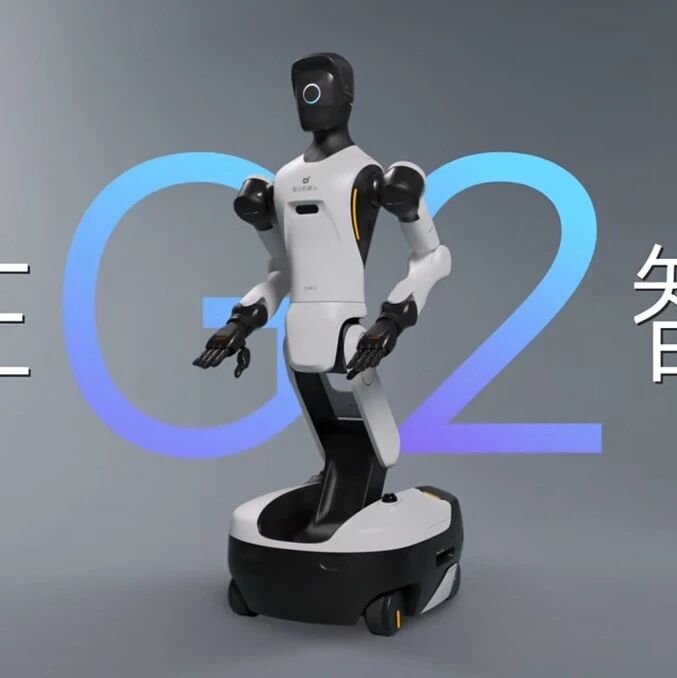
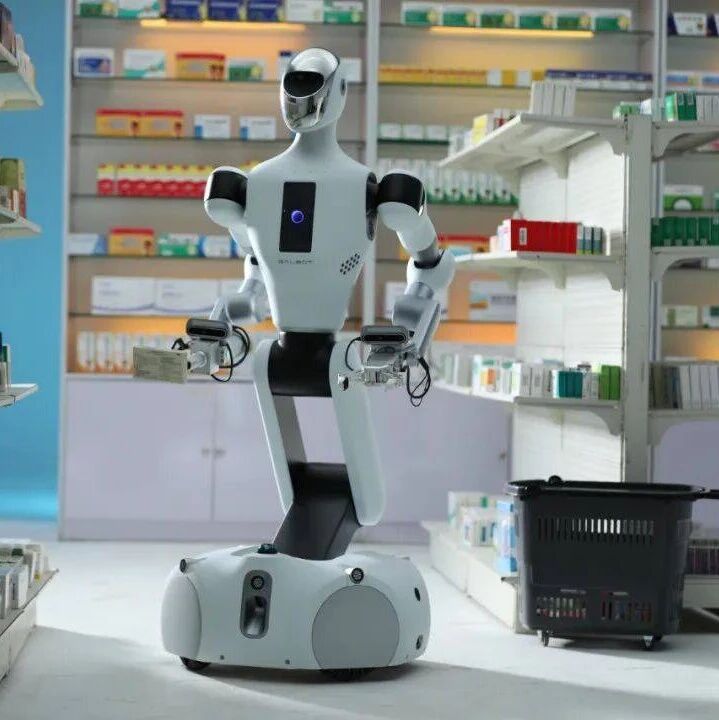
Core Viewpoint - The article discusses the evolution of household robots from simple cleaning devices to multifunctional "butler" robots that can assist with various daily tasks, particularly in the context of an aging population in China. Group 1: Transition from Cleaning Robots to Multifunctional Assistants - The introduction of cleaning robots marked the first recognition of robots in Chinese households, but their limitations were evident in fixed paths and single tasks [2] - A significant transformation is underway, with companies like Zhiyuan Robotics focusing on developing robots that can perform a variety of household tasks, including emotional interaction and health monitoring [2][4] - The new generation of robots aims to manage entire home life, moving beyond repetitive actions to provide comprehensive services [1][4] Group 2: Aging Population and Silver Economy - By the end of 2025, China's population aged 60 and above is expected to reach 323 million, accounting for 23% of the total population, with projections indicating it will exceed 400 million by 2035 [5] - The increasing aging population has prompted government initiatives to promote the integration of robotics technology in elder care, emphasizing emotional support and daily assistance [5] - Policies are being implemented to support the development of emotional companionship robots and intelligent care robots, with subsidies available for these technologies [5] Group 3: Emotional Companionship and Technological Empowerment - Companies are shifting focus from speed and efficiency to emotional companionship, creating robots that can understand and respond to human emotions [6] - Technologies are being developed to provide personalized care for the elderly, including health monitoring and emotional support, through advanced interaction capabilities [6][7] - The integration of multi-modal perception allows robots to understand context and emotions, enhancing their ability to provide meaningful companionship [9] Group 4: Future of Robotics in Daily Life - The article envisions a future where intelligent robots provide medical support, daily assistance, and emotional companionship to the elderly [9] - The development of precise motion control algorithms and advanced navigation technologies is crucial for creating robots that can effectively integrate into daily life [9] - The balance between efficiency and human-like interaction is essential for the success of robots in elder care and household environments [9]

破局·立新·共赢!第三届中国具身智能与人形机器人产业大会火热招商中
机器人大讲堂· 2026-03-04 09:13
Core Viewpoint - The article emphasizes that in 2026, the embodied intelligent robot industry in China is transitioning from the "PPT era" to a year of large-scale production, highlighting the need for practical applications and addressing core challenges such as capacity, cost, and real demand [2]. Group 1: Conference Overview - The conference, initiated by the Lide Robot Platform, is themed "Competing for the Trillion-Yuan Track of Embodied Humanoid Robots: Reshaping the New Era of Future Industries," scheduled for April 28-29, 2026, in Haidian, Beijing [4]. - It is expected to attract over 2000 attendees from various sectors, including government, industry, academia, research, investment, and media, breaking down information silos [4]. - The event aims to create an integrated resource hub that combines exhibition, communication, evaluation, and matchmaking, focusing on real commercial applications rather than theoretical concepts [4]. Group 2: Key Features of the Conference - The conference will feature six high-energy segments, including forums, exhibitions, award ceremonies, report releases, supply-demand matchmaking, and talent matchmaking, to provide insights into the embodied intelligence industry [5]. - A main forum will host over 30 academicians and industry leaders discussing industry direction, technological evolution, and the restructuring of the supply chain [10][11]. - The exhibition will include over 30 professional booths showcasing robots, core components, perception systems, and development platforms, facilitating potential technology collaborations [13][14]. Group 3: Awards and Reports - The conference will recognize and reward pioneers in technology innovation and commercial implementation across four major categories, establishing a "TOP 50" industry list to encourage further technological advancement [16]. - A report titled "Embodied Intelligence and Humanoid Robot Industry Research (2026)" will be released, analyzing policy developments, cost structures, and identifying technological breakthroughs and potential risks [20][21]. - A supply-demand matchmaking session will directly connect end-users and integrators with urgent needs, allowing for real-time discussions with decision-makers [22]. Group 4: Talent and Industry Engagement - The conference will host a talent matchmaking event, linking top graduates and researchers with industry needs to address the talent shortage during the production surge [23]. - The event invites various stakeholders, including humanoid robot manufacturers, core component suppliers, software companies, investment institutions, and media, to discuss technological trends and build collaborative ecosystems [26]. - The focus is on practical industry cooperation, providing opportunities for exhibitors and speakers to establish themselves as industry benchmarks [26].

融资加速、标准体系落地,春晚之后,中国正式进入机器人时代
机器人大讲堂· 2026-03-04 09:13
Core Insights - The article highlights a significant surge in investment within the humanoid robot and embodied intelligence sector in China, with multiple companies securing substantial funding in early 2026, indicating a robust market interest and potential growth [1][3][4]. Investment Trends - Major companies like Galaxy General Robotics and Songyan Power have announced large financing rounds of 2.5 billion yuan and nearly 1 billion yuan, respectively, with a total of at least 18 financing events in the first two months of 2026, surpassing 13 billion yuan [1][3]. - Notable companies such as Qianxun Intelligent and Zhifang have joined the "billion-dollar club," reflecting the increasing valuation and market confidence in the humanoid robotics sector [3]. Cultural Impact - The 2026 Spring Festival Gala served as a significant platform for showcasing advancements in humanoid robotics, demonstrating the technology's capabilities in a high-exposure environment, which has helped build public trust and interest in AI and robotics [4][6]. - The performance of robots during the gala, including complex tasks and interactions, has led to a surge in public engagement, with search interest in robotics increasing by over 300% and order volumes rising by 150% shortly after the event [7]. Policy and Standardization - The Chinese government has established clear goals for the humanoid robotics industry, emphasizing its potential to revolutionize production and living standards, as outlined in the Ministry of Industry and Information Technology's guidelines [10][12]. - A new standardization framework for humanoid robots and embodied intelligence has been introduced, aiming to unify industry practices and enhance compatibility among different manufacturers, which is expected to lower costs and improve efficiency [14][15]. Market Potential - The global humanoid robot market is projected to exceed $1 trillion by 2050, with an estimated 70 million units sold, driven by decreasing costs of core components and the establishment of a comprehensive supply chain in China [21][22]. - The article discusses the transformative potential of humanoid robots in various sectors, including manufacturing, elder care, and national security, highlighting their ability to perform tasks traditionally done by humans [28][30]. Competitive Landscape - Companies like Galaxy General Robotics and Songyan Power represent different strategic approaches within the humanoid robotics market, with Galaxy focusing on end-to-end embodied models and Songyan targeting consumer market penetration with affordable products [23][27]. - The article warns of a competitive landscape where only a few companies may survive, as capital increasingly flows toward established players with proven business models and scalable production capabilities [32][36].
如何看小米人形机器人的“进厂时刻”?
机器人大讲堂· 2026-03-04 09:13
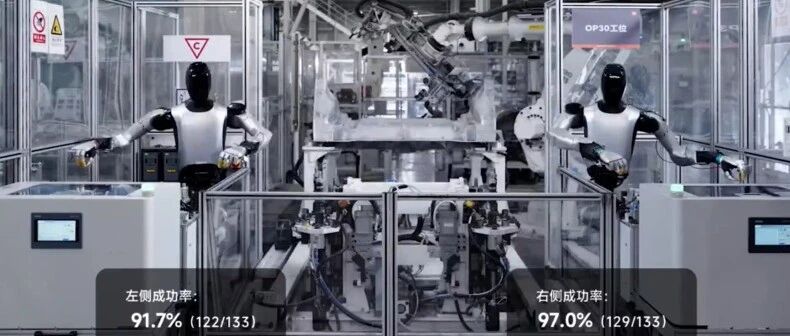
Core Viewpoint - The article discusses Xiaomi's humanoid robot's first successful operation in a real automotive production line, highlighting the challenges and implications of its 90.2% success rate in a complex assembly task [1][5][30]. Group 1: Robot Performance and Challenges - Xiaomi's humanoid robot achieved a 90.2% success rate in a task involving the installation of self-tapping nuts, which is a critical and complex operation in automotive manufacturing [5][6]. - The automotive industry typically requires a success rate of 99.5% or higher for assembly tasks, indicating that the current performance of the robot is below industry standards [6][8]. - The robot's operation involved multiple complex actions, including grabbing, aligning, and placing the nuts, which are complicated by factors such as random positioning and environmental disturbances [3][8]. Group 2: Technological Innovations - Xiaomi's approach utilizes a data-driven control system, moving away from traditional rule-based programming to a more autonomous model that allows the robot to learn and adapt in real-time [10][11]. - The robot employs a dual architecture with a "brain" for understanding tasks and a "small brain" for executing actions, which enhances its ability to respond to dynamic environments [13][14]. - The integration of tactile feedback allows the robot to adjust its actions based on touch, compensating for visual limitations caused by environmental factors [16]. Group 3: Future Directions and Recommendations - Xiaomi aims to improve the robot's performance from 90.2% to 99.5% by accumulating more operational data and addressing specific failure scenarios encountered during production [18][22]. - The company has proposed three recommendations to enhance the industrial application of humanoid robots, including improving operational stability, expanding usage scenarios, and establishing safety standards [30]. - The article emphasizes that the journey towards industrializing embodied intelligence is just beginning, requiring extensive real-world data collection and iterative improvements [27][29].

何小鹏:建议推进高阶智能人形机器人端侧“大脑”技术突破与商业化落地
YOUNG财经 漾财经· 2026-03-04 07:33
Core Viewpoint - The article emphasizes the need to accelerate the development and commercialization of high-level intelligent humanoid robots, particularly focusing on breakthroughs in "edge-side local brain" technology [2][3]. Group 1: Industry Development - The 14th National People's Congress highlighted the importance of technological and industrial innovation, with a specific recommendation to promote the development of humanoid robots as a new economic growth point [2]. - Humanoid robots are seen as the physical embodiment of artificial intelligence and are at a critical strategic window for transitioning from technological validation to large-scale commercialization, similar to the early days of the electric vehicle industry [2]. Group 2: Current Challenges - Most humanoid robots in China currently rely on software rule-based control, lacking industry advantages in the collaborative system between "brain" (autonomous thinking and decision-making) and "cerebellum" (motion control) [3]. - There is a risk of falling behind the U.S. in the "local edge brain" approach, which emphasizes local deployment of autonomous perception, decision-making, and execution capabilities [3]. Group 3: Recommendations - The article suggests the establishment of targeted R&D encouragement policies, such as a national-level special R&D fund and a comprehensive tax policy review, to support the development of high-level intelligent humanoid robots [3]. - It is recommended to accelerate the construction of an intelligent standard system for humanoid robots, similar to the automotive industry's autonomous driving classification standards, to provide a unified basis for technology development, industry implementation, and regulatory oversight [4].


【今晚播出】人形机器人的“硬核样本”解析 | 两说
第一财经· 2026-03-04 03:55
两说 Business Insights 人类对机器人的想象并不陌生。从小时候看的铁臂阿童木、变形金刚擎天柱,到《终结者》、《超能陆战 队》、《西部世界》,如今2026年中央广播电视总台春晚的机器人表演,更让观众意识到人形机器人正从想象 一步步走入现实。 优必选在十年前就登陆央视春晚,是全球少数具备人形机器人全栈式技术能力的公司,并已投入量产。 2023年12月在香港交易所主板挂牌上市,成为"人形机器人第一股"。今天和它的创始人、董事会主席兼CEO周 剑一起探讨: 产品井喷,"百机大战"背后如何理性看待当下机器人热?"具身智能"机器人离我们还有多远?机器人蓝领 进工厂:技术理想如何落地商业现实,解决人类实际问题? 更多精彩内容,敬请关注3月4日周三晚22:30 东方卫视 《两说》节目, 第一财经 3月7日周六晚22:00 播 出。 03\04 22:30 03\07 22:00 东方卫视首播 第一财经播出 18079 |秦 朔 人文财经观察家 र 优必选创始人 董事会主席兼CEO Business Insis ...

集齐阿里美团字节!自变量机器人再获数亿融资,王潜直言:唱歌跳舞机器人赛道将快速出清
Jin Rong Jie· 2026-03-04 03:41
Core Insights - The company X Square Robot has raised over 3 billion yuan in total funding, with a recent financing round of several hundred million yuan completed within a month of a previous 1 billion yuan round [2][3][4] - The founder Wang Qian indicates a shift in the industry focus from performance robots to practical applications in household and industrial scenarios, aiming for positive ROI by 2026 [1][8] Funding and Investment - X Square Robot has completed 10 rounds of financing since its establishment in December 2023, with significant investments from major industry players including Meituan, Alibaba, and ByteDance [3][4] - The company’s funding history includes multiple rounds with amounts ranging from several million to 1 billion yuan, showcasing strong investor confidence [3][4] Industry Trends - The competition in the robotics industry is shifting towards developing intelligent "brains" for robots, focusing on their ability to understand and operate in complex physical environments [5][6] - Wang Qian notes that the market for performance-based robots is declining, leading to a consolidation phase where only a few top companies will survive [5][6] Commercialization Strategy - X Square Robot plans to focus on two main scenarios for commercialization in 2026: household tasks and specific industrial applications, aiming to achieve positive ROI [8][9] - The household robotics market is identified as having significant potential, with estimates suggesting that household labor constitutes about 25% of GDP when not accounted for [8] Future Outlook - The company anticipates that robots will achieve commercial viability with positive ROI within the year, while advanced models akin to GPT-3 may emerge in about a year [9] - The expected consumer price range for robots is projected to be between 10,000 to 20,000 USD, indicating a need for cost optimization in the industry [9]

阿里千问负责人林俊旸突然离职,AI圈刷屏:Qwen 开源时代要变了吗?
AI前线· 2026-03-04 02:26
Core Viewpoint - The sudden resignation of Lin Junyang, a key figure in Alibaba's AI development, marks a significant transition for the Qwen project and raises concerns about its future direction and management [2][5][7]. Group 1: Lin Junyang's Background and Contributions - Lin Junyang, born in 1993, was the youngest P10-level technical expert at Alibaba, with a strong academic background in computer science and linguistics from Peking University [2]. - He joined Alibaba's DAMO Academy in 2019 and became a significant contributor to the M6 model team, which was established as the foundation for Alibaba's general large model technology [3][4]. - Under his leadership, the Qwen series of open-source models was launched, overcoming critical challenges in reinforcement learning and multilingual capabilities [4]. Group 2: Organizational Changes and Future Implications - Following Lin's departure, there are speculations about a shift in Qwen's management structure, with reports of increased oversight from Alibaba Cloud's CEO and the introduction of a new leader from the Gemini team [5]. - The potential transition of Qwen models towards a closed-source approach has been suggested, indicating a possible shift in Alibaba's strategy to align more closely with commercial models seen in competitors like Google Cloud [5]. Group 3: Industry Reactions and Community Impact - Lin's resignation has been met with widespread acknowledgment in the industry, with peers recognizing his contributions to the open-source community and the advancement of AI technologies [7][12]. - Comments from industry figures highlight the importance of leadership in fostering community engagement and innovation, emphasizing that the mission and vision of leaders are crucial for the future of projects like Qwen [12][13].


比亚迪硬抗导弹!车身完好没起火,乘客仅轻伤;马云与阿里、蚂蚁核心管理层齐聚谈AI;OpenAI与美军方合作惹众怒:ChatGPT卸载量爆增295%
雷峰网· 2026-03-04 00:48
Group 1 - OpenAI's collaboration with the U.S. Department of Defense has led to a significant backlash, with ChatGPT's uninstall rate increasing by 295% and one-star ratings surging by 775% following the announcement [4][5] - Competitor Anthropic saw a 37% increase in downloads for its AI product Claude after announcing it would not collaborate with the U.S. Department of Defense, indicating consumer preference for its stance on AI ethics [4] - ChatGPT's downloads dropped by 13% the day after the collaboration announcement, continuing to decline by 5% the following day, while its one-star ratings increased dramatically [5] Group 2 - BYD's vehicle withstood a missile attack in Israel, sustaining damage but keeping the passengers safe with only minor injuries reported, showcasing the vehicle's durability [7][8] - BYD has established itself as a leading electric vehicle brand in Israel, with the BYD Yuan Plus being the top-selling model, achieving sales of 12,885 units in 2023, a significant increase from 7,000 units in the previous year [8] Group 3 - Alibaba's founder Jack Ma gathered with the core management teams of Alibaba and Ant Group to discuss the challenges and opportunities presented by AI, emphasizing the need for educational reform to adapt to AI advancements [10] - Ma highlighted the importance of fostering creativity and critical thinking in education rather than rote memorization, suggesting that AI can help return education to its core purpose [10] Group 4 - Amazon's AWS faced service interruptions due to drone attacks on its data centers in the Middle East, affecting operations and customer services in several countries [33][34] - The attacks resulted in significant physical damage to the facilities, complicating recovery efforts and leading to prolonged service disruptions [34] Group 5 - The company xAI, founded by Elon Musk, commented on the accusations against Anthropic regarding the alleged misuse of training data, highlighting the ongoing debate about data ethics in AI development [12][13] - The conversation around AI ethics continues to evolve, with various stakeholders voicing their opinions on the implications of AI technology and its applications [12][13] Group 6 - Amazon's acquisition of a university campus for $427 million aims to bolster its infrastructure to support AI business expansion, reflecting the growing investment in AI and technology infrastructure [43][44] - The overall spending on AI and technology infrastructure by companies in 2023 is nearing $630 billion, indicating a strong commitment to scaling operations despite potential market risks [44]


阿里Qwen深夜地震,核心团队或集体出走;马斯克确认SpaceX的IPO目标估值超1.75万亿美元;微信加大对“AI魔改”视频的治理力度丨邦早报
创业邦· 2026-03-04 00:36
Group 1 - Alibaba's Qwen team experiences significant leadership changes as Lin Junyang announces his departure, along with other key members, leaving uncertainty about succession and team structure [2] - Elon Musk confirms SpaceX's IPO target valuation of over $1.75 trillion, indicating plans for funding related to space exploration and colonization [3] - Mark Zuckerberg and his wife purchase a $170 million property in Miami to avoid California's proposed billionaire tax, setting a record for the most expensive residential transaction in Miami-Dade County [5] Group 2 - Saudi Aramco is restructuring its export routes, focusing on the Red Sea port of Yanbu due to disruptions in the Strait of Hormuz, which has affected oil shipments [10] - Huawei unveils a new generation of green AI site and GW-level AIDC solutions at MWC 2026, emphasizing advancements in power supply and cooling systems [12] - Amazon Web Services faces significant operational disruptions after drone attacks on its data centers in the Middle East, affecting service availability and infrastructure [12] Group 3 - OPPO announces the global launch of its Find X9 Ultra series, marking a strategic move to expand its presence in the high-end smartphone market [12] - Honor introduces the MagicAgent, an intelligent agent foundational model aimed at global open-source deployment, showcasing advanced planning capabilities [22] - A report indicates that by 2030, the mobile technology and services industry will contribute approximately $11.3 trillion to the global GDP, representing about 8.4% of it [25]