扩张性财政政策

Search documents
高市早苗!日本自民党新总裁,女版安倍晋三?
Di Yi Cai Jing· 2025-10-04 06:44
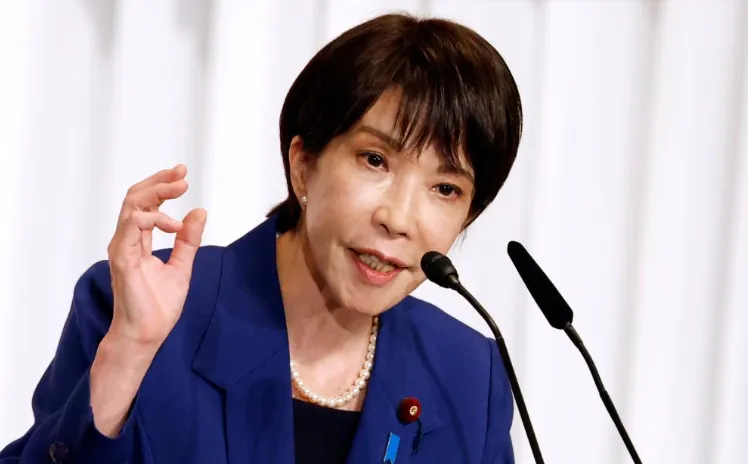
Core Viewpoint - The election of Sanae Takaichi as the new president of the Liberal Democratic Party (LDP) is likely to lead Japan's economic policies to revert to the "Abenomics" era, potentially increasing government spending and boosting the stock market [1][2][6]. Group 1: Election Details - Sanae Takaichi won the LDP presidential election, becoming the first female prime minister of Japan, after securing a majority in the second round of voting [2]. - The election had five candidates, with Takaichi and Shinjiro Koizumi leading in the first round but neither surpassing 50%, leading to a runoff [2]. - The current prime minister, Shigeru Ishiba, announced his resignation, paving the way for Takaichi's election [2]. Group 2: Background of Sanae Takaichi - Takaichi, born in 1961 in Nara Prefecture, comes from a modest background, contrasting with many politicians from political families [4]. - She has a diverse career, including working as a television host and music creator before entering politics in 1992 [4]. - Takaichi has been involved in significant political roles since 2002, aligning closely with former Prime Minister Shinzo Abe's policies, earning her the nickname "female Abe" [5]. Group 3: Economic Policies - Takaichi advocates for maintaining monetary easing and expansionary fiscal policies, positioning herself as a successor to Abenomics [6]. - She has proposed reducing the food consumption tax from 8% to zero and has expressed opposition to interest rate hikes by the Bank of Japan [6]. - Analysts predict that her victory could lead to a depreciation of the yen, although some expect the yen to strengthen if U.S. economic data weakens [6]. Group 4: Foreign Policy and Political Stance - Takaichi plans to continue a hardline foreign policy, including the establishment of a "National Intelligence Agency" for enhanced diplomatic and security information gathering [7]. - Despite her ambitions, she has faced criticism for not advocating for women's rights and holding conservative views on family roles [7]. - Takaichi has attempted to soften her hardline image, presenting herself as a moderate conservative focused on economic strategies [7].

亚开行预测今明两年韩经济增长率为0.8%和1.6%
Shang Wu Bu Wang Zhan· 2025-09-30 17:00
(原标题:亚开行预测今明两年韩经济增长率为0.8%和1.6%) 据韩联社9月30日报道,亚洲开发银行日前发布《9月亚洲经济展望》,预测今明两年韩国经济增长 率分别为0.8%和1.6%,该预测值与此前(今年7月,下同)相同。亚开行认为政府的扩张性财政政策和 缓和的货币政策将有助于下半年内需恢复,但建筑行业持续低迷、美加征关税等因素仍拖累经济表现, 因此维持此前的预测。亚开行预测亚太地区经济增长率为4.8%,较此前高出0.1个百分点;明年增长率 为4.5%,较此前下调0.1个百分点。亚开行认为美国加征关税和外部通商环境的不确定性将成为制约经 济发展的因素,但预计各国采取的财政和货币政策可部分抵消上述影响。 ...
德国7月私营部门增长持续疲弱
news flash· 2025-07-24 07:36
Group 1 - The core viewpoint of the article highlights the continued weakness in Germany's private sector growth as indicated by the July PMI data, particularly in manufacturing [1] - Manufacturing PMI remains below the neutral line, suggesting ongoing fragility in the sector, although manufacturing output has expanded for five consecutive months, indicating signs of recovery [1] - The services sector is no longer a drag on economic growth, with new business volumes in July experiencing their first increase in nearly a year after ten months of decline [1] Group 2 - The improvement in economic outlook aligns with expectations, driven by real wage growth and expansionary fiscal policies that are likely to support overall economic stabilization [1]
机构:日本政局可能继续打压日元
news flash· 2025-07-21 03:52
Core Viewpoint - The political situation in Japan is likely to continue exerting downward pressure on the yen, as indicated by the analysis from Sumitomo Mitsui Banking Corporation economist Ryota Abe [1] Group 1: Political Landscape - The ruling party's dominant position has been significantly weakened following the results of the recent Senate elections [1] - The opposition party's advocacy for expansionary fiscal policies is still gaining traction [1] Group 2: Economic Implications - A potential risk scenario involves candidates within the ruling Liberal Democratic Party (LDP) who are seen as supporting expansionary fiscal policies, which could further contribute to the depreciation of the yen [1]
就任满月,韩国总统李在明召开记者会,就外交安全、经济民生等问题发表立场
Huan Qiu Shi Bao· 2025-07-03 22:47
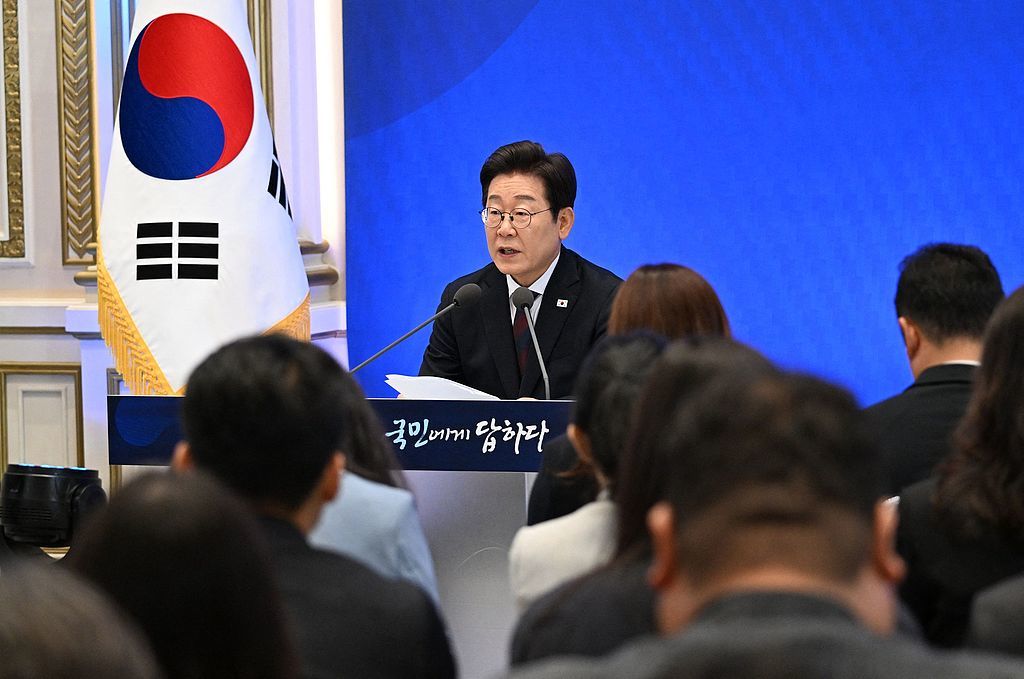
Group 1: Economic Policy - The government plans to implement an expansionary fiscal policy, proposing an additional $14.7 billion in government spending to stimulate domestic demand [3] - President Lee Jae-myung emphasized the need for a multi-faceted approach to stabilize livelihoods and restore the disrupted social order as a top priority [4] - The government aims to promote balanced development and enhance the quality of life through a more robust social security system [4] Group 2: International Relations - President Lee highlighted the importance of strengthening the South Korea-U.S. alliance and deepening cooperation with Japan, despite historical issues [4] - He expressed a commitment to pragmatic diplomacy centered on national interests, while also seeking to improve relations with China and Russia [4] - The ongoing trade negotiations with the U.S. are acknowledged as challenging, with no clear resolution timeline yet established [3] Group 3: Domestic Governance - The recent press conference marked a shift towards more open communication with the public, contrasting with the previous administration's approach [5] - The appointment of Kim Min-sik as the first Prime Minister under Lee's administration was confirmed, emphasizing a focus on overcoming economic crises [6] - The government is committed to judicial reform, with President Lee reiterating his determination to reform the prosecution system [4]
救经济救股市、促中韩关系回暖:李在明执政满月民调“好评”
Di Yi Cai Jing· 2025-07-03 14:13
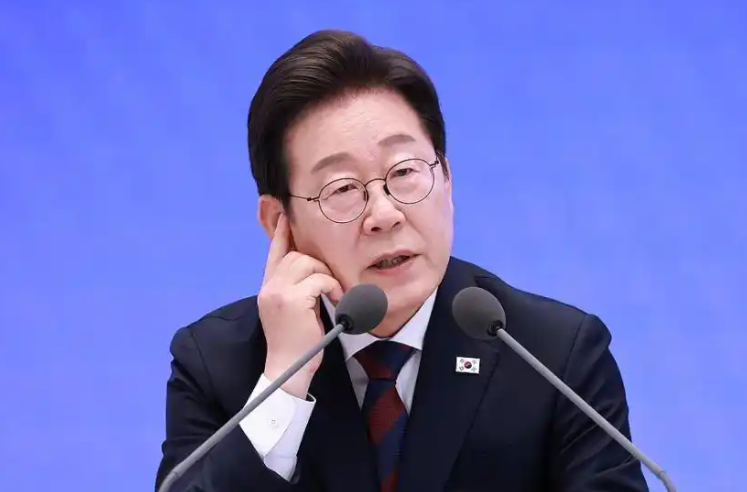
Group 1: Political Landscape - President Lee Jae-myung's approval rating stands at 59.7% as of June 30, indicating a positive reception of his administration [1][4] - Lee Jae-myung has been actively working to stabilize South Korea after a tumultuous three years, focusing on economic recovery and addressing key issues such as U.S. tariffs and diplomatic relations with China [2][6] - The new government is prioritizing a balanced foreign policy, moving away from previous extremes, which could benefit South Korea's relations with China [7] Group 2: Economic Policies - Lee Jae-myung's administration is facing significant economic challenges, with the Bank of Korea projecting a GDP growth rate of only 2% for 2024, down from previous expectations [11] - A supplementary budget of 30.5 trillion KRW (approximately 1.611 billion RMB) has been proposed to stimulate the economy, focusing on consumer vouchers, investment, and support for vulnerable groups [12] - The government aims to invest heavily in advanced industries such as AI and semiconductors, as well as support for cultural industries, as part of its economic strategy [12][13] Group 3: Market Reactions - The South Korean stock market has seen significant gains, with the KOSPI index surpassing 3100 points for the first time in four years, attributed to the expansionary fiscal policies of the new administration [13] - Ongoing negotiations regarding U.S. tariffs present a challenge for the Lee administration, with uncertainty surrounding the outcomes and the need for more time to align interests [14]
韩国拟以财政扩张提振内需
Jing Ji Ri Bao· 2025-06-18 20:15
Group 1 - The new South Korean government is prioritizing economic recovery and stability, focusing on urgent economic agendas such as supplementary budgets, economic policy direction, tax reforms, and next year's government budget [1][2] - The government plans to release an "economic policy direction" document earlier than usual, which will outline its economic policy philosophy, implementation paths, and forecasts for key economic indicators [1][2] - The first measure of the new government is a supplementary budget aimed at stimulating the economy, addressing domestic consumption issues, weak exports, and global inflation pressures [2][3] Group 2 - The supplementary budget is expected to be around 30 trillion KRW, significantly higher than the initial budget, and will likely focus on direct cash assistance to citizens to boost domestic consumption [3][4] - Concerns have been raised regarding the sustainability and effectiveness of cash stimulus measures, especially given the rising household debt levels in South Korea [3][4] - The coordination between fiscal and monetary policies may face challenges, as the central bank has expressed reservations about large-scale cash distribution and prefers targeted support for struggling groups [3][4] Group 3 - There are risks associated with debt expansion due to the financing of the supplementary budget through deficit bonds, which could raise government debt levels and attract scrutiny from credit rating agencies [4][5] - The potential mismatch between fiscal expansion and monetary policy could lead to ineffective policy outcomes, as the central bank may delay interest rate cuts due to inflation or financial stability concerns [4][5] - The effectiveness of the government's expansionary fiscal policy in overcoming economic challenges remains to be seen, with a focus on achieving policy coordination, efficiency, and sustainability [5]
【粤开宏观】“十五五”时期中国财政政策展望:财政政策转型的必要性与可能路径
Yuekai Securities· 2025-05-27 14:43
Group 1: Implementation Effects of Active Fiscal Policy - Active fiscal policy has effectively responded to external shocks, maintaining an average economic growth rate of 9.9% from 2008 to 2010, compared to the global average of 1.7% during the same period[7] - From 2020 to 2023, China's average economic growth rate was 4.7%, significantly higher than the global average of 2.3%[7] - Social welfare spending has increased, with rural minimum living standards rising by 73.3% and urban low-income support increasing by 45.4% from 2017 to 2023[9] Group 2: Challenges of Active Fiscal Policy - The emphasis on current fiscal balance may impact long-term fiscal risks, with a consistent deficit rate below 3% reflecting a balanced fiscal approach[11] - The effectiveness of large-scale tax cuts is diminishing, with the macro tax burden needing stabilization as general public budget revenue as a percentage of GDP fell to 16.3% in 2024, down 5.1 percentage points since 2013[17] - The fiscal expenditure structure requires optimization, with a tendency to focus more on supply-side measures rather than demand-side support, leading to potential demand deficiencies[19] Group 3: Directions for Fiscal Policy Transformation - Transition from a balanced fiscal approach to a functional fiscal policy, potentially breaking the 3% deficit constraint to better support economic stability[21] - Fiscal policy objectives should balance short-term economic stability with long-term systemic challenges, addressing issues like population aging and digital economy risks[23] - Shift focus from income policies to expenditure policies, enhancing the efficiency and effectiveness of fiscal measures[28]
粤开宏观:“十五五”时期中国财政政策展望:财政政策转型的必要性与可能路径
Yuekai Securities· 2025-05-27 09:39
Implementation Effects of Active Fiscal Policy - Active fiscal policy has effectively responded to external shocks, maintaining an average economic growth rate of 9.9% from 2008 to 2010, compared to the global average of 1.7%[5] - From 2020 to 2023, China's average economic growth rate was 4.7%, significantly higher than the global average of 2.3% during the same period[5] - Social welfare spending has increased, with rural minimum living standards rising by 73.3% and urban low-income standards increasing by 45.4% from 2017 to 2023[7] Challenges of Active Fiscal Policy - The emphasis on current fiscal balance may impact long-term economic risks, with the deficit rate rarely exceeding 3%[9] - The effectiveness of large-scale tax cuts is diminishing, with the general public budget revenue as a percentage of GDP dropping to 16.3% in 2024, down 5.1 percentage points from 2013[13] - The fiscal expenditure structure needs optimization, with a tendency to focus more on supply-side measures rather than demand-side support[14] Directions for Fiscal Policy Transformation - Shift from a balanced fiscal approach to a functional fiscal policy, potentially breaking the 3% deficit constraint to stimulate economic growth[16] - Enhance the focus on long-term challenges such as population aging and digital economy risks, ensuring fiscal policy addresses both short-term stability and long-term sustainability[18] - Transition from income policies to expenditure policies, emphasizing efficiency and effectiveness in fiscal measures[22]
中美贸易紧张局势降温 交易员削减对澳洲联储降息押注
智通财经网· 2025-05-13 06:50
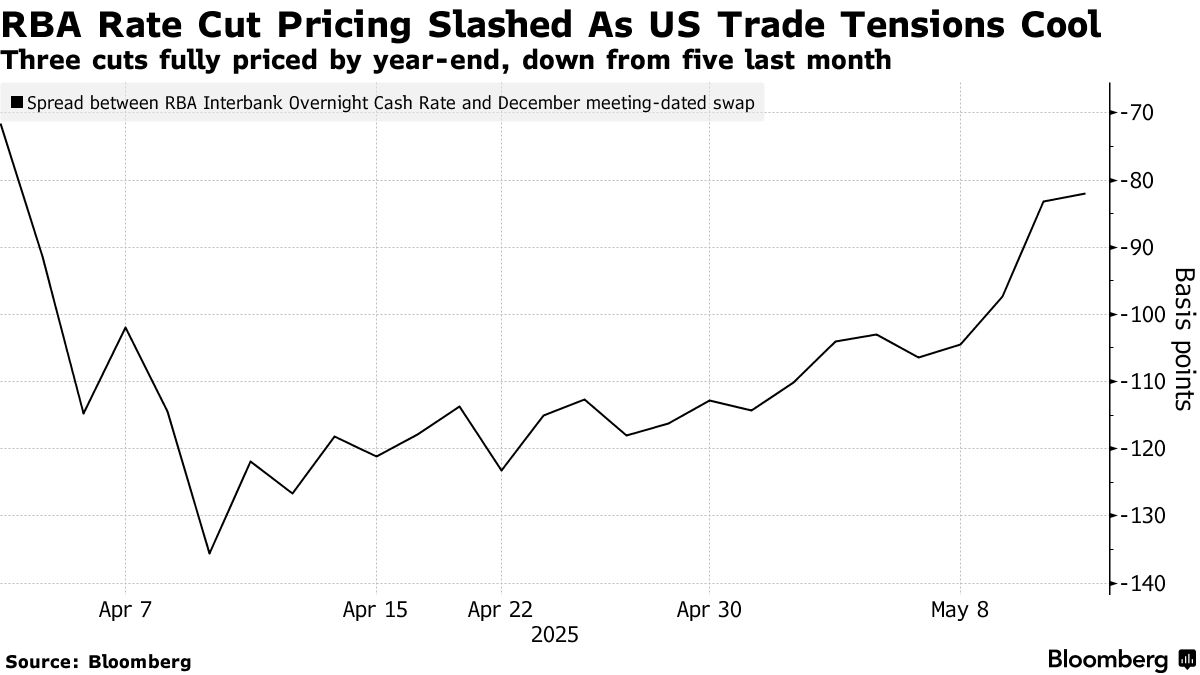
Group 1 - The core viewpoint of the articles indicates that the easing of US-China trade tensions has led traders to retract their bets on aggressive monetary easing by the Reserve Bank of Australia (RBA), with current market pricing suggesting only three rate cuts for the remainder of the year [1][4] - Previously, traders anticipated that if demand for Australian products from China declined or a global economic recession occurred, the RBA would be forced to implement significant rate cuts [4] - The reduction in bets on RBA rate cuts reflects the cautious approach taken by RBA Governor Michele Bullock in response to the uncertainty created by the Trump administration's tariffs [4][5] Group 2 - Economists expect that the upcoming data will show Australia's unemployment rate remaining at 4.1% for April, and a recent report indicated that core inflation has fallen within the RBA's target range for the first time in over three years [4] - The expansionary fiscal policy in Australia is another reason investors believe the RBA's easing cycle may be shallow, with expectations of a more expansionary stance under a Labor-majority government [4] - Some economists still believe that the uncertainty stemming from Trump’s policies may lead the RBA to consider deeper rate cuts, with forecasts suggesting a potential reduction of the cash rate to 3.1% by the end of the year [5]