
规模效应

Search documents
恩捷股份:拟购买中科华联100%股份
Ge Long Hui· 2025-12-12 11:41
Group 1 - The company plans to acquire 100% of Zhongke Hualian's shares through a share issuance to 63 counterparties, with the specific transaction price yet to be determined as the audit and evaluation work is still ongoing [1] - Zhongke Hualian's brand, Lanketu, holds approximately 4.5% of the domestic market share in the wet lithium battery separator market, ranking sixth in the industry as of 2024 [1] - The acquisition is expected to enhance the company's existing separator product matrix, improve advanced capacity layout, and accelerate capacity expansion and performance release if sufficient construction funds are secured [1] Group 2 - Zhongke Hualian is a leading domestic manufacturer of lithium battery separator production equipment, having developed a complete set of separator production equipment over more than ten years [2] - The technical advantages of Zhongke Hualian's separator production equipment include high annual production capacity per line, basic localization of core components, and the ability to quickly switch production lines [2] - Post-acquisition, the company will utilize Zhongke Hualian's production equipment and technology to produce high-performance separators, thereby reducing production and operational costs [2]

梁建章:如何减少内卷 | 立方大家谈
Sou Hu Cai Jing· 2025-12-12 04:36
Core Viewpoint - The primary issue facing the Chinese economy and enterprises is how to reduce "involution," which is characterized as ineffective competition leading to a zero-sum or negative-sum game, particularly due to resource bottlenecks [3][4]. Economic Context - The current macroeconomic challenge in China is that many industries are experiencing demand growth that lags behind supply growth, resulting in price declines and increased difficulties for enterprises [3][4]. Industry Example: Tourism - The tourism industry exemplifies this issue, where domestic tourism numbers are increasing moderately, but supply growth (e.g., hotels, attractions) is outpacing demand, leading to price declines of over 10% despite a 5% increase in sales volume [4]. Solutions to Increase Demand - **Expand External Demand**: There is significant potential in service trade, particularly inbound tourism, which has seen rapid growth due to relaxed visa policies. If inbound tourism could reach 1%-2% of GDP, it could represent a substantial economic boost [4][5]. - **Increase Consumer Spending Power**: Proposing direct financial support to consumers through fiscal deficits, amounting to 2%-3% of GDP, to stimulate consumption and address deflationary pressures [5][6]. - **Address Declining Birth Rates**: The significant drop in birth rates poses a long-term risk to economic innovation and growth. Supporting young people financially could alleviate their burdens and encourage higher birth rates [7][8]. - **Provide More Leisure Time**: Reducing overall working hours and increasing vacation time could help balance work and personal life, fostering a healthier consumer environment [9]. - **Educational Reform**: To combat educational involution, reducing unnecessary competitive pressures in the education system is essential. This includes reconsidering the necessity of multiple rounds of academic screening [10][11]. Summary of Recommendations - The overarching strategy to reduce involution in Chinese society can be summarized as "four increases and one decrease": increase foreign visitors, increase financial support, increase birth rates, increase leisure time, and decrease examinations [12].

梁建章:如何减少内卷
Xin Lang Cai Jing· 2025-12-12 04:00
Core Viewpoint - The primary issue facing the Chinese economy and enterprises is the need to reduce "involution," which is characterized as ineffective competition leading to a zero-sum or negative-sum game, particularly due to resource bottlenecks [3][15]. Economic Challenges - Many industries in China are experiencing demand growth that lags behind supply growth, resulting in price reductions and increased difficulties for enterprises [3][15]. - The tourism industry exemplifies this trend, where domestic tourism numbers are increasing moderately, but supply growth (e.g., hotels, attractions) is outpacing demand, leading to price declines of 7% to 10% [4][16]. Demand Creation Strategies - To address the issue of involution, it is crucial to create more demand, particularly through increasing consumer demand rather than relying solely on investment [4][16]. - Expanding foreign demand, especially in inbound tourism, is identified as a significant opportunity, with potential for substantial GDP contributions if inbound tourism can reach 1% to 2% of the economy [5][18]. Consumer Spending Enhancement - The current economic environment is characterized by deflation, with many consumers hesitant to spend due to economic uncertainty. A proposed solution is to distribute cash directly to consumers through fiscal deficits, potentially amounting to 2% to 3% of GDP [6][19]. - This approach is deemed appropriate given China's production capacity and current deflationary pressures, which would mitigate inflation risks typically associated with cash distribution [7][19]. Addressing Declining Birth Rates - The declining birth rate poses a significant risk to the economy, with births dropping from over 18 million in 2016 to approximately 8 million in the current year, a reduction of over 50% [8][20]. - To counteract this trend, financial support should be directed towards young people, who are most in need of assistance for family planning and child-rearing [8][20]. Work-Life Balance and Education Reform - There is a call for reducing overall working hours and increasing vacation time to improve work-life balance, which could encourage family growth [10][21]. - Education reform is essential to reduce the current "involution" in the education system, which discourages young people from having children due to the pressures of excessive competition and examination [11][22]. Summary of Recommendations - The proposed measures to reduce involution in Chinese society include: increasing foreign tourism, distributing cash to consumers, encouraging higher birth rates, providing more vacation time, and reducing examination pressures [12][23].
小米集团-W(01810.HK):汽车业务实现扭亏 Q3业绩再创新高
Ge Long Hui· 2025-12-11 04:01
智能手机:25Q3 出货量4340 万部,同比+1.3%,实现连续9 个季度同比增长,市占率13.6%位列全球第 三。但受海外市场手机ASP 下降的影响,公司智能手机平均ASP 下降3.6%至1062.8 元,由此导致智能 手机业务营收同比下滑3.1%至460 亿元。展望后续,凭借新颖的背屏设计以及影像与澎湃系统的不断升 级,小米17 系列发布后销量同比上代增长30%,且Pro 系列占比超80%。25Q3 小米在国内3000 元机型 占比达到24.1%,同比提升4.1pct;4000~6000 元以上机型占比达到18.9%,同比提升5.6pct。小米高端化 进程稳步向前,在国内成效显著,且可通过规模效应以及供应商管理能力在存储上涨周期中彰显龙头韧 性。 IoT:2025Q3 公司IoT 与生活消费产品实现营业收入276 亿元,同比增长5.6%,其中受高基数、国补退 坡等压力影响,智能大家电业务收入同比下滑15.7%。毛利端,IoT 与生活消费产品毛利率同比提升3.2 个百分点,预计智能大家电业务受益于高端化战略拉动同样实现提升。展望后续,我们认为在基数效应 叠加需求前置的影响下,家电行业整体增速或边际放缓。 ...

和暄资本项与秋&张梦涵:C轮领投图达通3000万美元,在产业爆发前夜果断进场
IPO早知道· 2025-12-10 03:05
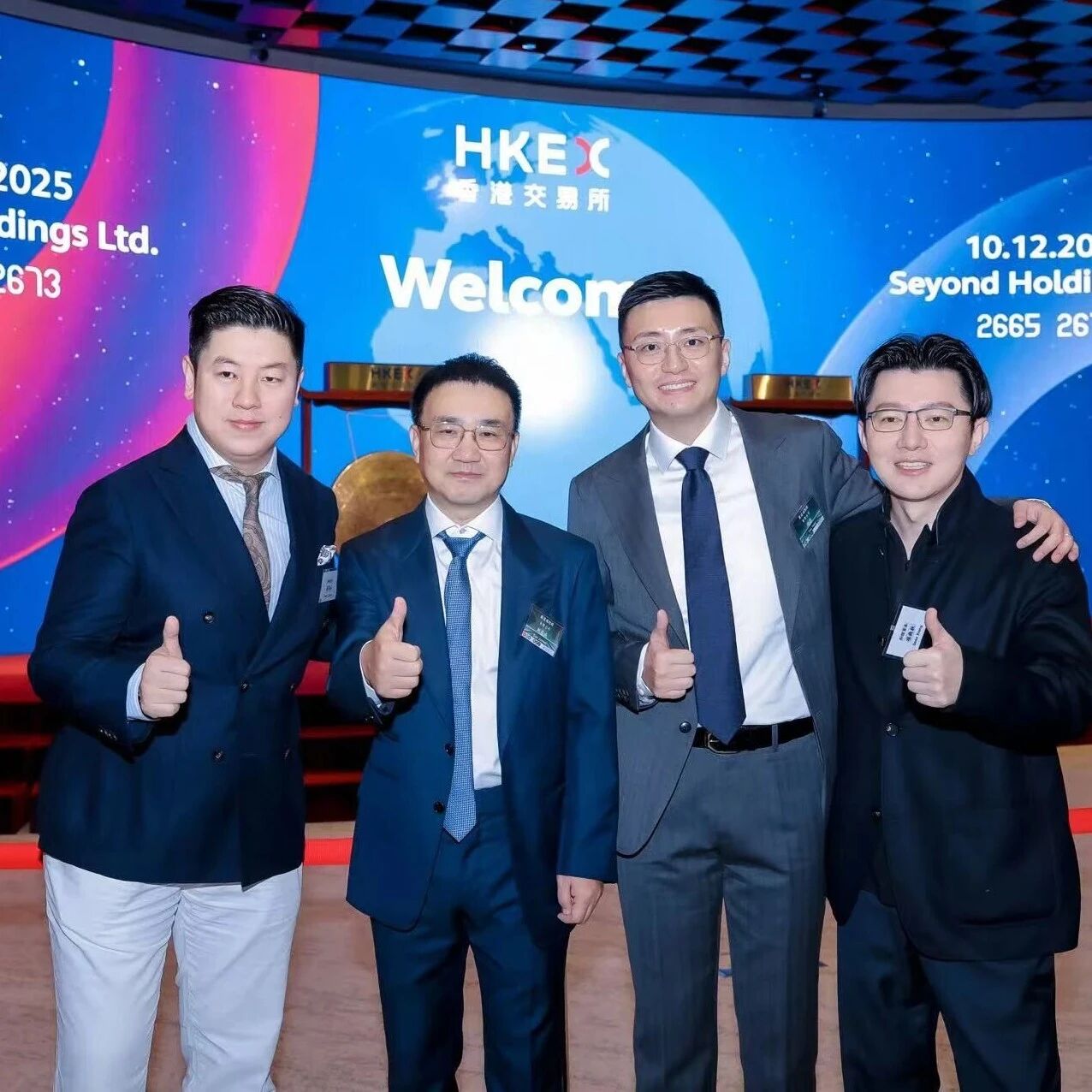
Core Viewpoint - The successful listing of Tuyatong on the Hong Kong Stock Exchange represents a victory for Hexuan Capital's investment methodology, which emphasizes a global perspective on technology trends while reshaping industrial value through Chinese logic [4][13]. Group 1: Company Overview - Tuyatong, officially listed on December 10 with stock code "2665", has attracted investments from several prominent institutions, including Hexuan Capital, which led its Series C financing with an investment of $30 million [4][5]. - The company has achieved significant milestones, including mass production of its laser radar products and securing contracts with major automotive manufacturers, including NIO [10]. Group 2: Investment Rationale - Hexuan Capital's confidence in Tuyatong stemmed from three irreversible industry truths: the deep belief in the leadership team, the understanding of the U.S.-China hard tech industry dynamics, and the certainty of scale effects in production [8]. - The average price of laser radar was approximately $1,000 in 2022, but it is projected to drop to around $500 by 2023, with potential costs falling below $100 as L3 automation matures [9]. Group 3: Market Trends and Future Growth - The automotive industry is moving towards L3 automation, with laser radar becoming a standard feature in high-end models, indicating a growing demand for cost-effective and high-performance solutions [7]. - Future growth for Tuyatong is expected to come from three main areas: overseas markets, smart transportation, and robotics, with significant opportunities in each sector [11]. - The company is addressing challenges in the robotics sector by developing tailored solutions for various environments, ensuring adaptability and efficiency in its products [12].
国投证券:欧洲产能加速退出 中国凭成本与规模优势在MDI、乙烯、PTA等关键领域扩大全球份额
Zhi Tong Cai Jing· 2025-12-01 06:51
Core Insights - European and Japanese chemical companies are facing significant capacity exits due to high energy costs and stringent environmental regulations, leading to a decline in production capacity utilization rates [2][4] - In contrast, Chinese chemical companies are rapidly expanding their global market share, leveraging cost advantages, scale, and technological advancements [1][3] Group 1: European Chemical Industry Challenges - The EU chemical capacity utilization rate has decreased from 75.6% in Q2 2025 to 74.6% in Q3 2025, significantly below the long-term average of 81.3% [2] - High energy costs, exacerbated by the Russia-Ukraine conflict, have resulted in natural gas prices in Europe being approximately three times higher than in the U.S. as of January to July 2025 [2] - The EU's strict environmental regulations are increasing compliance costs, further squeezing the survival space for European chemical companies [2] Group 2: Chinese Chemical Industry Advantages - China accounts for 43% of global chemical capital expenditure and 32% of global R&D spending, positioning itself as a leader in the chemical industry [3] - The production capacity of MDI, ethylene, and PTA in China is significantly increasing, with MDI exports projected to grow at a CAGR of 3% to 23% from 2017 to 2024 [3][6] - China's ethylene production capacity is expected to double from 26.69 million tons in 2019 to 54.49 million tons by 2024, reducing import dependence from 8.8% to 5.0% [4][5] Group 3: Competitive Landscape - Major Chinese companies like Wanhua Chemical, Hualu Hengsheng, and others are positioned to benefit from their scale and cost advantages, maintaining a strong competitive edge in the global market [7] - The exit of older, smaller production facilities in Europe and Japan is expected to improve the global competitive landscape for Chinese chemical products [6][7]
市场不再认可小鹏“多线出击”?
3 6 Ke· 2025-12-01 01:31
Core Viewpoint - Despite a significant increase in revenue and a substantial reduction in net loss, Xiaopeng Motors' stock price has dropped approximately 15% since the earnings report, indicating market concerns despite positive financial results [1] Financial Performance - Xiaopeng Motors reported a revenue increase of 101.76% year-on-year for Q3 2025, with a notable reduction in net loss [1] - The gross margin for Q3 2025 reached 20.14%, up 4.88 percentage points year-on-year and 2.81 percentage points quarter-on-quarter, marking a historical high [2][3] - However, the automotive business's gross margin was only 13.1%, showing a year-on-year increase of 4.5 percentage points but a quarter-on-quarter decline of 1.2 percentage points [3] Sales and Pricing Dynamics - Xiaopeng's vehicle sales volume for Q3 2025 was 116,000 units, a year-on-year increase of 149.3% and a quarter-on-quarter increase of 12.43% [4] - The average selling price (ASP) of Xiaopeng vehicles decreased to 155,600 yuan, down 8,000 yuan from the previous quarter, while the average cost per vehicle was 135,200 yuan, a decrease of approximately 5,000 yuan [4][5] - The decline in ASP is attributed to increased competition and a strategic decision to clear old inventory through targeted promotions [5] Cost and Material Concerns - The recent surge in lithium battery material prices has raised concerns about profitability, with lithium carbonate prices rising from 73,500 yuan/ton to 91,300 yuan/ton and hexafluorophosphate lithium increasing from 61,000 yuan/ton to 175,000 yuan/ton [6] - Xiaopeng's reliance on low-priced models makes it more sensitive to cost fluctuations, further complicating its profitability outlook [6] R&D Expenditure and Future Outlook - Xiaopeng's R&D expenses have significantly increased, reaching 2.4 billion yuan in Q3 2025, nearly double from previous levels, reflecting a strong focus on innovation [7][8] - The company aims to balance high R&D spending with profitability, as it prepares for a product launch year in 2026 [8] - Market sentiment is cautious regarding Xiaopeng's ability to sustain its growth strategy while managing costs and maintaining cash flow stability [11][12]
ChatGPT问世3周年,一份给企业高管的战略建议
3 6 Ke· 2025-11-30 23:51
Core Insights - The emergence of generative AI represents a significant technological revolution, comparable to the steam engine, electricity, and the internet, fundamentally altering business operations and societal structures [2][4] - Companies are facing uncertainty in strategic planning due to rapid technological advancements, necessitating a focus on enduring principles in strategy formulation [3][4] Group 1: Impact of Generative AI - Generative AI has drastically improved work efficiency, reduced costs, and posed threats to entry-level jobs, particularly affecting younger workers [1][2] - This technology uniquely satisfies both scale effects and diverse consumer demands, making it a "perfect" solution for previously unmet needs [2][4] Group 2: Strategic Focus Areas - Companies should prioritize user value creation, particularly in emotional, life-changing, and social impact categories, beyond just functional value [4][5][8] - The majority of generative AI applications currently focus on functional value, leading to intense competition primarily based on performance and cost [5][7] Group 3: Unique Value Contribution - The ability of companies to capture value in the AI ecosystem depends on their unique contributions to value creation, which enhances their bargaining power [8][9] - Key players in the AI supply chain, such as NVIDIA and TSMC, have seen significant market capitalization growth due to their indispensable roles [8][9][11] Group 4: Building Competitive Moats - Companies must explore and establish competitive advantages through scale effects and network effects to sustain long-term growth [12][14] - Successful companies often achieve both scale and network effects, as demonstrated by NVIDIA's strategic positioning in the AI landscape [12][14] Group 5: Future Considerations - Uncertainties remain regarding the future capabilities of generative AI, including its potential to achieve causal reasoning and address data security issues [14] - Strategic planning should emphasize user value creation, unique contributions, and the establishment of competitive moats to maintain a competitive edge in the evolving AI landscape [14]




三巨头,捧出一个IPO
3 6 Ke· 2025-11-29 01:59
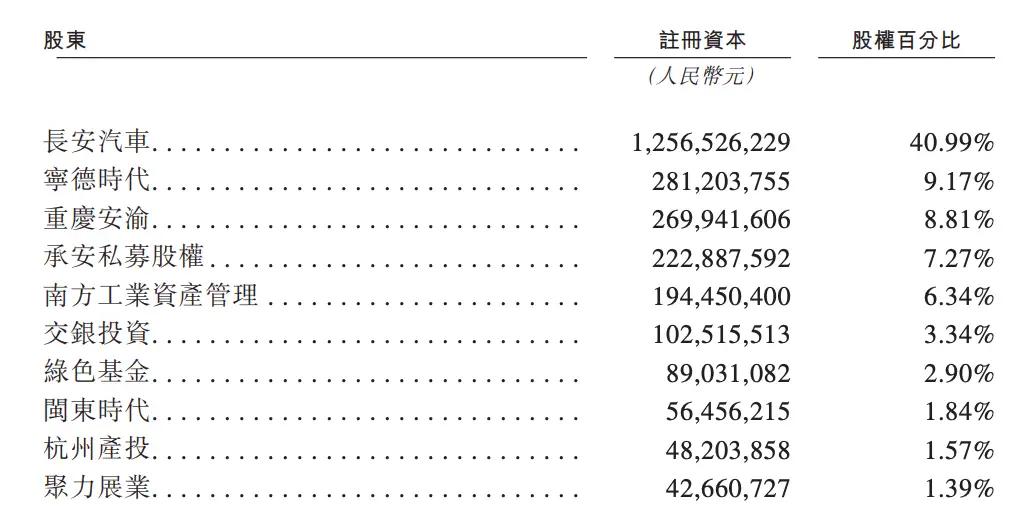
Core Viewpoint - Avita, a unique player in China's new energy vehicle sector, has submitted its IPO application to the Hong Kong Stock Exchange after selling 210,000 vehicles and completing its restructuring two months ago. The company is backed by major industry players, including Changan Automobile, CATL, and Huawei, which provide manufacturing, battery supply, and technological support respectively [1][4][24]. Group 1: Financial Performance - Avita's revenue surged from 28.34 million RMB in 2022 to nearly 15.2 billion RMB in 2024, with a significant increase in vehicle sales from a few hundred to over 100,000 units in 2025 [4][8]. - The company has incurred cumulative losses exceeding 11.3 billion RMB from 2022 to mid-2025, with a projected loss of 4 billion RMB in 2024 alone. However, its gross margin improved from -3% in 2023 to 10.1% in the first half of 2025, indicating a shift towards profitability in vehicle sales [4][5][19]. - Avita's financing has exceeded 19 billion RMB, with a current market valuation of approximately 26 billion RMB [4][24]. Group 2: Cost Management - The improvement in gross margin is attributed to increased sales volume, which has diluted costs, and a shift towards higher-priced models, enhancing profit margins [5][10]. - The company benefits from a "light asset" model by utilizing Changan's production lines, which reduces fixed costs associated with manufacturing [10][18]. - Avita's procurement of batteries from CATL, coupled with a decline in battery prices, has further optimized costs [10][11]. Group 3: Strategic Partnerships - Avita's strategic partnerships with Changan, CATL, and Huawei have been pivotal in its growth, providing essential resources and technological support [1][4][12]. - The company has invested 11.5 billion RMB to acquire a 10% stake in Huawei's affiliate, enhancing its collaboration with Huawei beyond mere procurement [18][19]. Group 4: Future Challenges - Despite improvements in gross margin, Avita faces challenges in overall profitability due to high operational costs, particularly in sales and R&D, which have significantly increased [13][16]. - The company needs to achieve a critical scale to ensure profitability, as current expenses exceed gross profits [19][20]. - Avita's software and service revenue is growing rapidly, projected to increase from 103 million RMB in 2023 to 778 million RMB in 2024, but the company must navigate user willingness to pay for advanced features [22][23]. Group 5: Cash Flow and Sustainability - As of mid-2025, Avita has approximately 13.48 billion RMB in cash, sufficient to sustain operations for 3-4 years at the current burn rate [23][24]. - The upcoming IPO aims to secure additional funding to support ongoing investments in channels, marketing, and R&D, crucial for achieving its sales targets [23][24].


中通快递-W(02057.HK):规模为先 强底盘龙头拐点将至
Ge Long Hui· 2025-11-28 05:44
规模效应领先,"同建共享"理念下形成全链路竞争优势。公司资产规模和结构均领先市场,在规模效应 下干线中转降本能力具有优势。同时公司秉承"同建共享"理念,绑定全网利益,积极推进"三网叠 加"、"驿站代收"、"末端直链"等措施全链路降本,服务质量行业领先推动产品分层,进而形成全链路 竞争优势,最终公司单票盈利远高于同行,"量本利"模型持续跑通。 投资建议:公司规模效应和单票盈利领先,随产品结构优化,全链路降本项目推进,单票盈利有望继续 与同行拉开差距。短期期待市占率回归带来估值修复,长期看好电商快递龙头管理优秀强者恒强。我们 预计公司2025-2027 年营业收入分别为488.66 亿元、551.26 亿元与611.78 亿元,归母净利润分别为96.87 亿元、111.08 亿元与122.29 亿元,2025-2027 年对应PE 分别为12.26 倍、10.69 倍、9.71 倍。首次覆盖, 给予"买入"评级。 风险提示:行业件量增速不及预期;快递价格战重启;成本管控不及预期;加盟商爆仓风险。 机构:财通证券 研究员:祝玉波 三大决策"省际班车"+"有偿派费"+"股份改革"实现弯道超车。 公司凭借对加盟快递商业 ...