
财富传承

Search documents
争夺300万名千万富豪:私人银行里的隐秘交易
商业洞察· 2025-06-11 09:50
Core Viewpoint - The private banking industry in China is shifting from "land grab" to "stock competition," focusing on retaining existing high-net-worth clients through unique non-financial services and experiences [3][20]. Group 1: Private Banking Clientele - To become a private banking client, individuals must have financial assets exceeding 6 million yuan, with some banks like China Merchants Bank raising the threshold to 10 million yuan [2]. - The number of high-net-worth individuals in China with investable assets over 10 million yuan reached 3.16 million by the end of 2022, with an average of 31.83 million yuan per person [6]. - Private banking clients often utilize services from multiple banks, with average personal assets typically exceeding 15 million yuan [3]. Group 2: Non-Financial Services - Non-financial services have become the core competitive advantage for private banks, with offerings including private jet bookings, Antarctic travel, and exclusive medical consultations [3][6]. - The demand for unique experiences has led to significant increases in client acquisition, as seen with CITIC Bank's "Youth Travel" service, which saw a 77.59% year-on-year increase in private banking clients [6]. - High-net-worth clients are increasingly valuing emotional and experiential benefits, which banks are leveraging to enhance client loyalty [7]. Group 3: Family Trusts and Wealth Management - Family trusts and family offices are becoming focal points for private banks, especially for ultra-high-net-worth clients with assets exceeding 20 million yuan [10]. - Over 70% of high-net-worth individuals are preparing for wealth transfer, with concerns about asset division and family disputes driving the demand for family trusts [10][11]. - The domestic family trust business is projected to reach a balance of 643.58 billion yuan by the end of 2024 [11]. Group 4: Customized Investment Products - Private banks are offering tailored investment products, including access to international asset management firms, with minimum investments often starting at 2 million yuan [14]. - High-net-worth clients are expected to increase their allocation to insurance and gold as part of their asset management strategies [15]. - Gold has seen a significant price increase, with some private banking clients reporting substantial gains from their investments in gold bars [16]. Group 5: Market Position and Client Contribution - As of the end of 2023, the asset management scale of Chinese private banks reached 24.6 trillion yuan, with private banking clients contributing significantly to overall bank assets [18]. - Private banking clients, who represent only 0.75‰ of retail clients, account for over 31% of the asset scale at China Merchants Bank [18][20]. - The competition for retaining private banking clients is intensifying, with banks focusing on preventing client attrition due to the limited loyalty of high-net-worth individuals [20].


争夺300万名千万富豪:私人银行里的隐秘交易
投中网· 2025-06-11 02:36
Core Viewpoint - The article discusses the evolving landscape of private banking in China, highlighting the shift from acquiring new clients to competing for existing high-net-worth individuals through enhanced non-financial services and personalized experiences [5][10]. Group 1: Private Banking Landscape - Private banking is characterized by high entry thresholds, with clients typically needing over 6 million yuan in financial assets, and some banks like China Merchants Bank setting the bar at 10 million yuan [4]. - The number of high-net-worth individuals in China with investable assets over 10 million yuan reached 3.16 million by the end of 2022, with an average of 31.83 million yuan per person [8]. - The private banking sector has transitioned from "land grab" strategies to "stock competition," focusing on retaining existing clients [5]. Group 2: Non-Financial Services as Competitive Edge - Non-financial services have become the core competitive advantage for private banks, with offerings including private jet bookings, exclusive travel experiences, and personalized medical services [6][9]. - The demand for unique experiences, such as customized concerts and exclusive travel to remote locations, is driving banks to enhance their service offerings to attract and retain high-net-worth clients [8][10]. - Banks are increasingly providing 24/7 concierge services and tailored experiences to meet the diverse needs of their clients [9]. Group 3: Family Trusts and Wealth Management - Family trusts and family offices are becoming focal points for private banks, especially for ultra-high-net-worth clients with assets exceeding 20 million yuan [13]. - Over 70% of high-net-worth individuals are preparing for wealth transfer, with concerns about asset protection and inheritance disputes driving the demand for family trusts [13][14]. - The family trust business in China reached a balance of 643.58 billion yuan by the end of 2024, indicating significant growth in this area [14]. Group 4: Investment Strategies and Market Trends - High-net-worth clients are increasingly looking to diversify their investments, with a notable interest in insurance products and precious metals like gold [18]. - The performance of investment products, such as those from Bridgewater, has attracted attention, with some products requiring a minimum investment of 2 million yuan [16][17]. - Private banks are collaborating with top asset management firms to offer exclusive investment opportunities to their clients, enhancing their overall wealth management strategies [17]. Group 5: Private Banking Client Statistics - As of mid-2023, the total assets under management (AUM) for Chinese private banks reached 24.6 trillion yuan, with a significant contribution from high-net-worth clients [20]. - China Merchants Bank leads the sector with over 4 trillion yuan in AUM and an average asset per client of approximately 28.05 million yuan [22]. - The private banking client base is relatively small, with only 0.75% of retail clients contributing over 31% of the bank's retail assets, highlighting the importance of this segment [22].





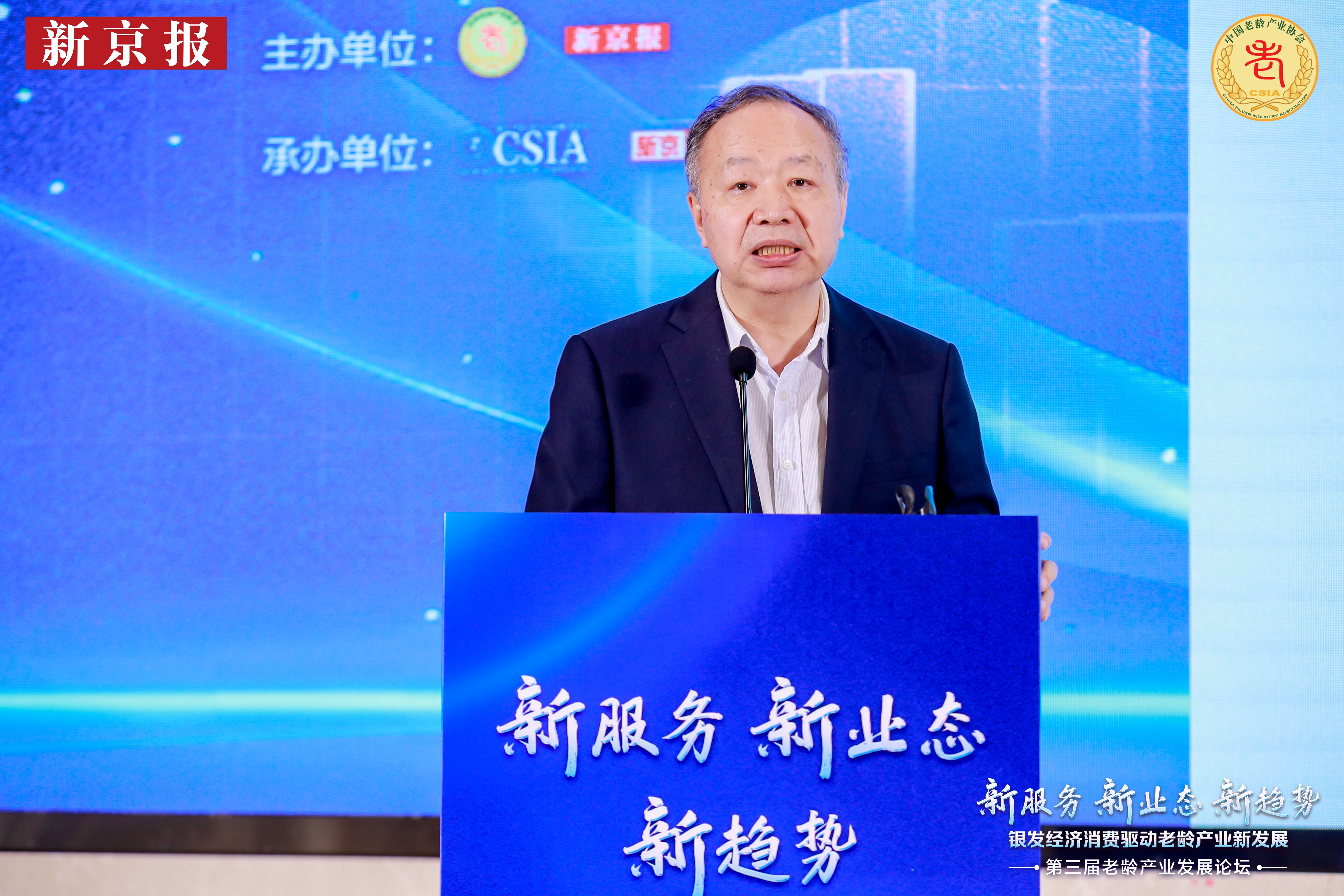
专家:养老服务缺人缺钱,中国如何打赢这场“人口逆袭战”
Xin Jing Bao· 2025-05-30 00:54
Core Insights - The aging population in China is leading to an explosive growth in demand for elderly care services, presenting significant challenges that need to be addressed [1][5][6] Group 1: Challenges in Elderly Care Services - There is a severe gap in the system, services, talent, and funding for elderly care, making it difficult to meet the needs of families [5] - By the end of 2024, there will be approximately 310 million individuals aged 60 and above in China, with 30 million facing disabilities or cognitive impairments [5] - The demand for elderly care services is diverse, but there is a significant shortage of caregivers, with only about 30 million caregivers available for over 190 million elderly individuals suffering from chronic diseases [6] Group 2: Financial and Systemic Issues - The average personal pension account in China has only accumulated around 4,000 yuan, which is insufficient to meet future retirement needs [8] - The complexity of family structures and a lack of awareness regarding elderly financial products contribute to the challenges in wealth transfer and retirement planning [8][9] - There is a need for a systematic approach to establish professional standards and continuous education in the elderly care sector [8][9] Group 3: Innovative Solutions and Models - Trust and guardianship services are being explored as viable solutions to protect the rights and assets of the elderly, ensuring long-term and professional care [9][10] - Innovative models such as accumulating personal pensions through daily consumption are being proposed, with companies like China Petroleum exploring this approach [12][17] - The establishment of a unified service procurement platform is essential for improving the quality and accessibility of elderly care services [15][16] Group 4: Collaborative Efforts and Policy Support - Collaboration between educational institutions, industry associations, and enterprises is crucial for talent development in the elderly care sector [16] - Policy support and data integration are necessary to enhance the efficiency and transparency of pension fund management [17][19] - A focus on fairness and inclusivity in the design of pension systems is essential to ensure that all elderly individuals benefit from the services [19]
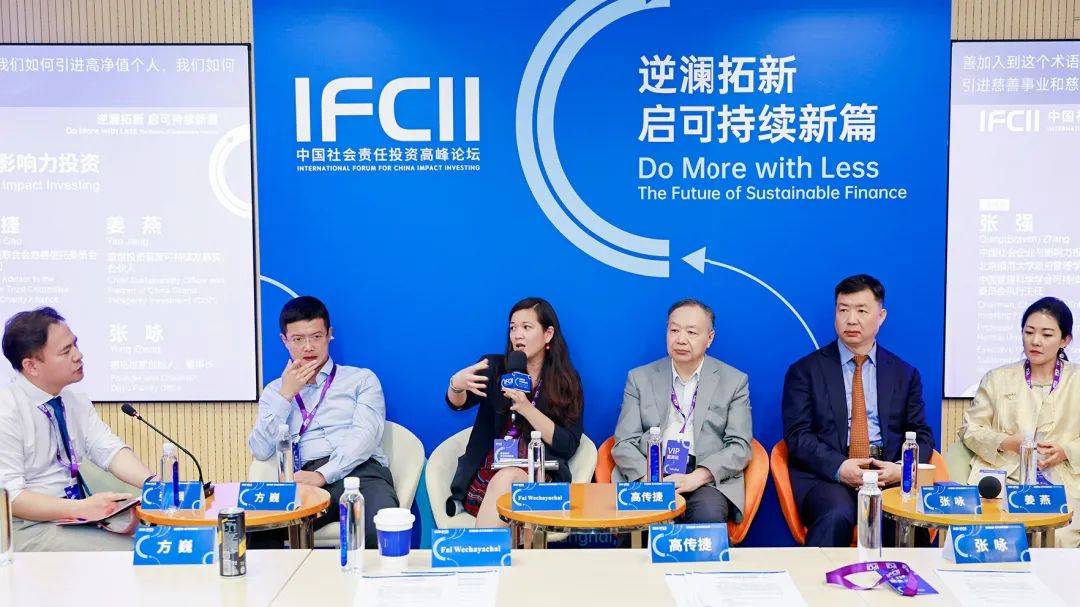
2025IFCII | 影响力投资在财富传承中能起到什么样的作用?
Sou Hu Cai Jing· 2025-05-28 13:22
Core Insights - The discussion emphasizes the evolving nature of wealth transfer and impact investing in China, particularly in the context of an aging population and changing commercial values [4][5]. Group 1: Impact Investing Landscape - The impact investing sector in China is facing challenges due to geopolitical issues, leading to a slowdown in fundraising and post-investment management [7]. - There is a lack of understanding and awareness regarding social responsibility investments in China, which hinders the growth of this sector [9]. - The global impact investing market is substantial, with a reported size of $1.57 trillion, but China's share remains minimal, indicating a significant gap in market maturity [18][19]. Group 2: Wealth Management and Family Offices - Family offices play a crucial role in wealth management, focusing on risk mitigation, wealth creation, preservation, and intergenerational transfer [11][12]. - The success rate of wealth transfer across generations is low, with only 4% of wealth successfully transferred to the fourth generation, highlighting the importance of effective strategies [12]. - Family offices are encouraged to adopt impact investing as a means to align their financial goals with social and environmental outcomes [34][35]. Group 3: ESG Integration - The integration of ESG (Environmental, Social, and Governance) principles is becoming increasingly important in investment strategies, driven by regulatory frameworks and market demand [37][38]. - Many private equity firms are adopting ESG criteria in their investment processes, influenced by the need for high-quality growth and market recognition [38][39]. - The establishment of ESG initiatives and guidelines by various regulatory bodies is fostering a more robust investment ecosystem in China [37][38]. Group 4: Measurement and Evaluation - The development of impact measurement tools is essential for assessing the effectiveness of impact investments, with various dimensions and metrics being utilized [25]. - There is a need for standardized evaluation criteria to enhance transparency and accountability in social responsibility investments [29][30]. - The complexity of measuring impact requires collaboration among stakeholders to ensure that investments yield beneficial outcomes for society [44].
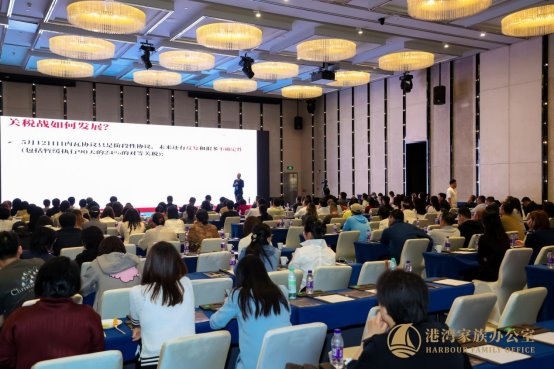
港湾家办北京专场圆满举行 解锁全球化变局下财富避风港策略
Sou Hu Wang· 2025-05-20 11:56
Group 1 - The core viewpoint of the articles highlights the increasing focus of high-net-worth families on finding stable wealth management strategies amid global economic adjustments and rising geopolitical risks [1] - The HuRun Research Institute's report indicates that China is expected to experience a wealth transfer wave of 79 trillion RMB over the next 30 years, necessitating professional solutions for asset allocation, tax compliance, and business succession [1][2] - The "Beyond Wealth: Sustainable Inheritance" national lecture series organized by the Harbor Family Office attracted over 200 offline participants and over 6000 online viewers, indicating strong interest in wealth management strategies [2][6] Group 2 - The Chief Economist of Harbor Family Office, Xing Lei, emphasized the uncertainties in the current economic environment, including the impact of the US-China tariff war and the limited return potential of RMB assets, while highlighting the advantages of low-risk dollar asset portfolios [6] - Legal expert Wang Fang discussed the dual-track protection strategy for families and enterprises, addressing higher compliance requirements in operations and inheritance due to changes in tax audits and regulations [8] - The lecture series serves as a foundation for future events, with Harbor Family Office committed to expanding its services to build a robust and sustainable wealth management system for high-net-worth families [8]
中产家庭富养女儿的陷阱
虎嗅APP· 2025-05-19 13:47
Core Viewpoint - The article discusses the evolution of women's social status and rights in China, highlighting the challenges faced by women despite progress in education and employment opportunities. It critiques the overprotection of daughters in middle-class families, which may hinder their ability to navigate the complexities of society and achieve independence [2][3][4]. Group 1: Historical Context - The early 20th century saw the rise of the New Culture Movement in China, with women's liberation being a significant topic. The introduction of Henrik Ibsen's play "A Doll's House" inspired many educated women, but the reality of women's independence was far more complex [2]. - In 1923, Lu Xun's speech "What Happens After Nora Leaves" challenged the romanticized notions of women's liberation, emphasizing the lack of practical support for women seeking independence [2]. Group 2: Current Challenges - Despite advancements in women's rights over the past century, many women still face significant societal challenges, leading to misconceptions about the ease of achieving independence in a competitive job market [3]. - The article notes that many middle-class parents, aiming to protect their daughters from hardship, may inadvertently create a "cage" that limits their daughters' understanding of the real world [5][6]. Group 3: Parental Influence - Middle-class families often prioritize the protection of daughters over sons, leading to a lack of resilience and awareness of societal challenges among girls. This overprotection can result in unrealistic expectations about life and relationships [7][8]. - The article argues that daughters raised in such environments may develop a distorted view of society, lacking the necessary skills to navigate its complexities and risks [8]. Group 4: Wealth and Independence - Many middle-class parents mistakenly believe that leaving behind material wealth, such as real estate, will ensure their children's future security. However, the article points out that economic conditions are constantly changing, making this assumption unreliable [10]. - The focus on superficial skills and interests, rather than essential life skills and resilience, can leave daughters unprepared for the realities of adulthood [11]. Group 5: Marriage and Self-Perception - The article discusses how middle-class daughters often grow up with the expectation of finding a successful partner, leading to a lack of competitive spirit and self-reliance [13]. - This mindset can result in disillusionment when faced with the harsh realities of marriage and personal independence, as many women may find themselves unprepared for the challenges of adult life [15].

中产家庭富养女儿的陷阱
Hu Xiu· 2025-05-18 23:06
Core Viewpoint - The article discusses the evolution of women's social status and rights in China, highlighting the historical context of women's liberation and the ongoing challenges they face despite progress in education and employment opportunities [5][6]. Group 1: Historical Context - The early 20th century saw the rise of the New Culture Movement in China, with women's liberation being a significant topic, influenced by Ibsen's play "A Doll's House" [1]. - Lu Xun's 1923 speech "What Happens After Nora Leaves" critiqued the romanticized notions of women's liberation prevalent at the time [2]. Group 2: Current Challenges - Despite advancements in women's rights over the past century, many women still face societal challenges that hinder their independence and economic self-sufficiency [5][6]. - The perception that women can easily achieve independence in a competitive job market is misleading, as many still rely on familial support [6]. Group 3: Parental Influence - Middle-class parents often overprotect their daughters, creating a "protective umbrella" that may limit their exposure to real-world challenges [7][8]. - This overprotection can lead to unrealistic expectations and a lack of understanding of societal complexities, making it difficult for these girls to navigate adult life [11][12]. Group 4: Wealth and Education - Many middle-class families mistakenly believe that material wealth, such as property, guarantees their children's future security, despite the changing economic landscape [15][16]. - The focus on non-essential skills and interests in education may detract from developing essential survival skills necessary for independence [17][19]. Group 5: Marriage and Independence - The traditional family structure often leads daughters to fantasize about finding a "good husband" rather than fostering a competitive spirit [20][21]. - This mindset can result in a lack of preparedness for the realities of adult life and relationships, as many women may find themselves unprepared for the challenges of marriage and financial independence [25][26].
股权信托新规落地首月:三单创新项目现身 探索服务实体经济新路径
Zheng Quan Ri Bao· 2025-05-11 16:51
Core Viewpoint - The issuance of the "Notice on the Registration of Equity Trust Property" marks a significant breakthrough in resolving the long-standing issue of equity trust registration for non-listed companies in China, enhancing the operational clarity and legal framework for trust companies [1][2][4]. Group 1: Regulatory Changes - The new regulation effectively strengthens the independence of trust property and provides clearer operational guidelines for trust companies to conduct equity trust business [1][2]. - The "Notice" introduces specific registration and regulatory details for equity trusts, addressing issues such as ownership recognition and complex transfer procedures [2][3]. Group 2: Practical Applications - Within six days of the new regulation, China Foreign Trade Trust successfully registered an equity trust for a biopharmaceutical entrepreneur, aiming to address family business succession challenges [1][2]. - China Foreign Trade Trust and Citic Trust completed two significant equity trust projects, including a service trust for strategic emerging industries and a risk disposal service trust for a company undergoing bankruptcy restructuring [3]. Group 3: Industry Impact - The implementation of the new regulation is seen as a catalyst for high-quality development in the Chinese trust industry, fostering deeper integration between trust tools and the needs of the real economy [4]. - The innovative practices emerging from the new regulation are expected to reshape the industry ecosystem and promote a more transparent and equitable financial service environment for business owners [2][4].

盖茨VS巴菲特:科技富豪为何掀起"去家族化"捐赠潮?
Sou Hu Cai Jing· 2025-05-09 12:05
Group 1 - Bill Gates challenges traditional wealth inheritance logic by stating that leaving $10 billion to his children deprives them of life's meaning, opting for only 1% inheritance for his children [1][3] - Gates supports a radical donation approach, planning to give away 62% of his wealth and aims to "zero out" his $100 billion assets within his lifetime, believing that large inheritances hinder personal growth [3][4] - In contrast, Warren Buffett maintains a traditional cautious approach, committing to donate 99% of his wealth primarily through established charitable foundations, ensuring long-term sustainability of his philanthropic efforts [4][5] Group 2 - The differing donation models reflect a generational divide, with tech billionaires viewing wealth as a tool for immediate change, while traditional industry tycoons prioritize stability and long-term wealth preservation [5][6] - The emergence of a "Charity 3.0" era highlights the shift towards data-driven and precise philanthropic efforts, raising questions about balancing immediate impact with long-term benefits [6] - Gates emphasizes that the best legacy is not monetary wealth but the ability to effect change in the world, indicating a transformative approach to wealth distribution among tech entrepreneurs [6]

比尔及梅林达盖茨信托基金会现身4家A股上市公司10大流通股东
Ge Long Hui· 2025-05-09 07:39
(原标题:比尔及梅林达盖茨信托基金会现身4家A股上市公司10大流通股东) 盖茨称,他的孩子们得到了很好的成长和教育,但继承的财富会"低于总资产的1%",因为他认为给更 多的钱对他们没有好处。 他强调:"这不是继承王朝,我也不要求他们经营微软,我希望给他们机会创造自己的收入和成功。" 盖茨表示希望子女能凭借自身能力成为重要的人,而非被父辈难以置信的运气和财富所掩盖。他也指 出,那些靠科技白手起家的富豪们,不会太倾向于建立"家族王朝"。在捐赠遗产方面也更激进,更愿意 捐出财富本身(而不只是利润部分)去帮助那些最有需要的人。 继94岁巴菲特宣布年底退休后,69岁的比尔·盖茨宣布将捐出几乎全部财富。 比尔·盖茨昨天发文宣布,未来20年,将通过盖茨基金会捐出其几乎全部的财富,用来挽救和改善世界 各地的生命。到2045年12月31日,盖茨基金会将永久性关闭。 今年正值该基金会成立25周年,已累计捐赠达1000亿美元,沃伦·巴菲特的慷慨解囊对此功不可没。 有网友说是为了避税,也有观点认为:根据美国税务政策中心测算,通过捐赠获得的税务减免仅占其总 资产的0.8%-1.2%,远低于直接继承或投资避税工具的收益。 比尔盖茨表示: ...


