资源安全

Search documents
研判2025!中国氧化钴行业生产流程、产量及价格分析:产量激增与政策赋能共驱需求,地缘博弈与回收体系重构价格[图]
Chan Ye Xin Xi Wang· 2025-08-14 01:26
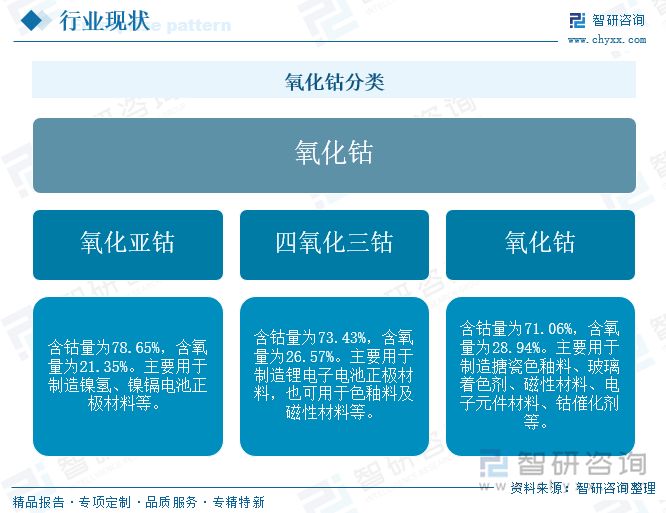
Industry Overview - China is the largest producer and consumer of cobalt oxide globally, with a production of 9,500 tons in the first half of 2025, representing a year-on-year growth of 40.69% [1][10] - The global demand for cobalt oxide is driven by the expected sales of over 18 million electric vehicles in 2025, with significant demand for high-purity cobalt oxide in the power battery sector, particularly for lithium cobalt oxide cathode materials [1][10] - The energy storage market is accelerating due to carbon neutrality goals, further increasing the demand for cobalt oxide [1][10] - Emerging consumer electronics, such as foldable smartphones and AR/VR devices, have increased the cobalt content per device by 40% compared to traditional models, creating additional demand [1][10] - Government policies, including the State Council's action plan for large-scale equipment updates and local support for new energy materials, provide long-term benefits for cobalt oxide applications in power batteries [1][10] Industry Chain - The upstream of the cobalt oxide industry chain includes cobalt mines, recycled materials, ammonium carbonate solution, and sulfuric acid, along with various production equipment [6] - The midstream involves the production and manufacturing of cobalt oxide, while the downstream applications include battery materials, pigments, ceramics, magnetic materials, catalysts, and consumer electronics [6] Market Dynamics - The global cobalt reserves are estimated at 11 million tons, with the Democratic Republic of Congo (DRC) holding 6 million tons, accounting for 55% of the total [8] - In 2024, global cobalt production is projected to reach approximately 291,300 tons, a year-on-year increase of 22.39%, with the DRC contributing 75.86% of the total production [8] - The DRC's export ban on cobalt has been extended, potentially leading to a supply shortage and increased cobalt prices, although Chinese companies are expected to maintain normal operations in the short term [8][12] Key Companies - Huayou Cobalt is a leading player in the industry, achieving a 40% self-sufficiency rate in raw materials through its control of six cobalt mines in the DRC [14] - Jinchuan Group holds a significant position in the cobalt oxide market due to its rich mineral resources and stable production capacity [14] - Greeenme has established a closed-loop business model for resource recovery, achieving over 99% cobalt recovery rates [14] Price Trends - Cobalt oxide prices in China have remained low due to declining cobalt prices and increasing production, but a rebound in cobalt prices following the DRC's export ban has led to a doubling of cobalt oxide prices [12] - As of June 2025, the price of cobalt oxide in China was 190,000 yuan per ton, reflecting a year-on-year increase of 51.39% [12] Industry Development Trends 1. Resource security and global layout are crucial for building a diversified supply system, with Chinese companies enhancing supply stability through overseas investments [19] 2. Technological breakthroughs are necessary to capture high-end markets, with innovations in cobalt oxide production processes and product purity requirements [20] 3. The industry is moving towards a low-carbon economy, emphasizing environmentally friendly production processes and recycling systems, particularly in response to stricter regulations [21]




宁德时代锂矿停产扰动短期情绪,资源安全与技术迭代孕育投资主线
Haitong Securities International· 2025-08-12 14:44
Investment Rating - The report suggests a focus on "price up + valuation repair" as the dual investment theme, indicating a positive outlook for companies with resource advantages and low compliance risks [5][12]. Core Insights - The suspension of CATL's lithium mine highlights the importance of resource security and technological innovation in the industry, creating potential investment opportunities [1][5]. - The short-term impact of the mine suspension is expected to increase lithium prices, which will sequentially pressure costs and margins across the supply chain, affecting cathode manufacturers, battery producers, and automakers [2][9]. - Despite the short-term disruptions, the overall supply-demand balance remains favorable, with a projected surplus in lithium carbonate supply through 2025 [3][10]. - Technological advancements in lithium extraction and battery recycling are seen as key strategies to mitigate cost pressures and enhance recovery rates [4][11]. Summary by Sections Mine Suspension Impact - CATL's Jianxiawo lithium-mica mine in Jiangxi ceased operations due to the expiration of its mining license, which is the largest single lithium-mica operation globally, holding approximately 6.57 million tons of lithium carbonate equivalent (LCE) [1][8]. - The suspension is expected to reduce monthly lithium supply by about 8%, leading to increased prices and potential profit compression for downstream manufacturers [2][9]. Supply-Demand Dynamics - As of mid-2025, the lithium carbonate market is projected to have a supply of 553,000 tons, with demand at approximately 522,000 tons, indicating a surplus of around 30,000 tons [3][10]. - Social inventory levels remain above 140,000 tons, sufficient to cover short-term supply gaps [3][10]. Technological Innovations - The industry is focusing on process upgrades and recycling to reduce costs and improve recovery rates, with new methods achieving significant reductions in cash costs for lithium extraction [4][11]. - The anticipated growth of the battery recycling market is projected to exceed 100 billion yuan by 2030, driven by increasing volumes of retired batteries [4][11]. Investment Recommendations - The report recommends focusing on industry leaders like CATL, which possess both resource advantages and pricing power, as they are expected to outperform amid rising lithium prices [5][12].

供需关系改善下,哪些资源品有望受益?
天天基金网· 2025-08-12 11:24
Core Viewpoint - The article discusses the "anti-involution" trend in various industries, emphasizing its role in reshaping investment value and driving industry upgrades, particularly in sectors like resources, consumption, agriculture, and semiconductors [2][4]. Group 1: Anti-Involution and Industry Impact - The "anti-involution" phenomenon is seen as a critical force for industry chain upgrades and investment value reshaping, with a focus on optimizing supply and enhancing efficiency [2]. - The resource sector is identified as one of the most affected by "involution," with many companies experiencing long-term losses, but recent policies are beginning to alleviate irrational price wars [2][4]. - The article highlights the importance of understanding the underlying logic of "anti-involution" and its implications for investment strategies across different sectors [2]. Group 2: Investment Opportunities in Resource Sector - The investment core in cyclical stocks lies in capturing new trends in supply and demand changes, with a focus on strategic resource security driving sustained demand [5][6]. - Key long-term trends include the expectation that strategic resource prices will remain high, and domestic scarce strategic resource companies will enter a phase of long-term volume growth [6]. - Specific investment opportunities are identified, such as focusing on gold stocks for long-term production and growth potential, and recognizing copper's critical role in both traditional and emerging sectors [6][7]. Group 3: Market Dynamics and Future Outlook - The relationship between Federal Reserve interest rate cuts and commodity prices is influenced by fiscal policy, with a favorable environment for commodities expected if both fiscal and monetary policies are accommodative [8]. - Future cyclical layouts should focus on sectors benefiting from supply-side reforms and "anti-involution," as well as opportunities in new energy metals and the growth potential of copper and gold [8]. - The article suggests that the current market is experiencing a significant global commodity cycle driven by de-financialization, re-industrialization, and the "anti-involution" trend in China [12]. Group 4: Specific Resource Insights - The article provides insights into specific resources, such as aluminum, lithium, rare earths, and tungsten, highlighting their supply dynamics and potential for price recovery due to policy changes and market conditions [11][12]. - For example, the "anti-involution" policies may lead to the elimination of outdated aluminum production capacities and influence lithium supply dynamics significantly [11]. - The article emphasizes the importance of global pricing power and the prioritization of manufacturing over infrastructure and real estate in resource selection [12].

兵贵神速:中国锆矿重大突破,军工与能源或迎变革
Sou Hu Cai Jing· 2025-07-30 10:41
Core Viewpoint - The discovery of a super-large zirconium mine in the Kuobai Basin of Xinjiang, China, significantly increases the country's zirconium resource reserves and may reshape the global zircon supply landscape [1][4][12]. Group 1: Resource Significance - The new zircon mine has the potential to transform China from a resource-importing nation to one with abundant local resources, impacting various high-tech and military sectors [1][5][10]. - The mine's estimated zircon stone mineral reserves exceed 2 million tons, which is four times China's previously known zircon resources [4][12]. - China currently consumes over half of the global zircon resources while holding only 500,000 tons, less than 1% of the global total [5][19]. Group 2: Market Impact - The discovery is expected to influence the global zircon market, with major suppliers in Australia and South Africa becoming wary of the "China variable" affecting supply and demand dynamics [16][19]. - The domestic zircon sand imports have sharply decreased by nearly half, leading to high volatility in local prices and prompting foreign suppliers to raise their quotes [14][16]. Group 3: Strategic Implications - The find represents a significant geological event, challenging previous assumptions about zircon deposits being primarily located near coastlines [7][9]. - The mine's location in a sparsely populated area minimizes potential ecological damage, allowing for a balance between economic benefits and environmental considerations [13][24]. - The discovery aligns with China's broader strategy to secure critical mineral resources, similar to its past advancements in rare earth elements [17][26]. Group 4: Future Outlook - The demand for zircon is projected to increase significantly, with estimates suggesting that global demand for zircon sand could more than double by 2027 [19][22]. - The successful development of this mine could enhance China's negotiating power in global markets and stimulate advancements in high-tech processing of zircon [22][25]. - The ongoing exploration and evaluation of this new resource will be crucial for ensuring sustainable and effective utilization [23][24].

部分国家千方百计从我国窃取稀土,国安部披露:境外间谍企图勾连策反境内不法分子,将稀土粉末灌入塑料模特、矿泉水瓶等偷运出境
财联社· 2025-07-18 00:45
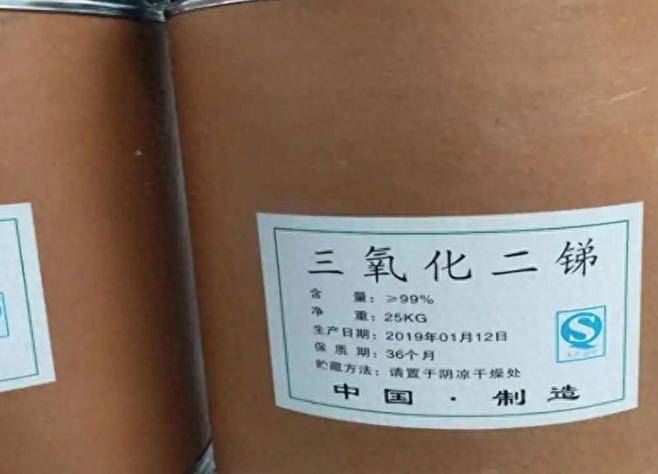
Core Viewpoint - The article highlights the efforts of a certain country to secure its supply of rare metals through various means, including illegal activities to circumvent export controls from China [1]. Group 1 - The country in question cannot independently produce and purify rare metals, leading to its reliance on stockpiling through different channels [1]. - A key contractor in this country has been found to engage in illegal activities such as changing packaging to falsely label products as "non-Chinese origin" for re-export [1]. - The contractor is also attempting to misreport content composition, falsify product names, and use multiple small shipments to illegally transport controlled items like rare earth elements out of China [1]. Group 2 - The national security agency has gathered solid evidence and, in collaboration with relevant departments, has taken legal action to cut off illegal export channels for rare earth-related items [1]. - These actions are aimed at effectively safeguarding the country's resource security and national security [1].
数千吨稀土被运往美国,两个国家充当了帮凶,担心的事还是发生了
Sou Hu Cai Jing· 2025-07-13 05:44
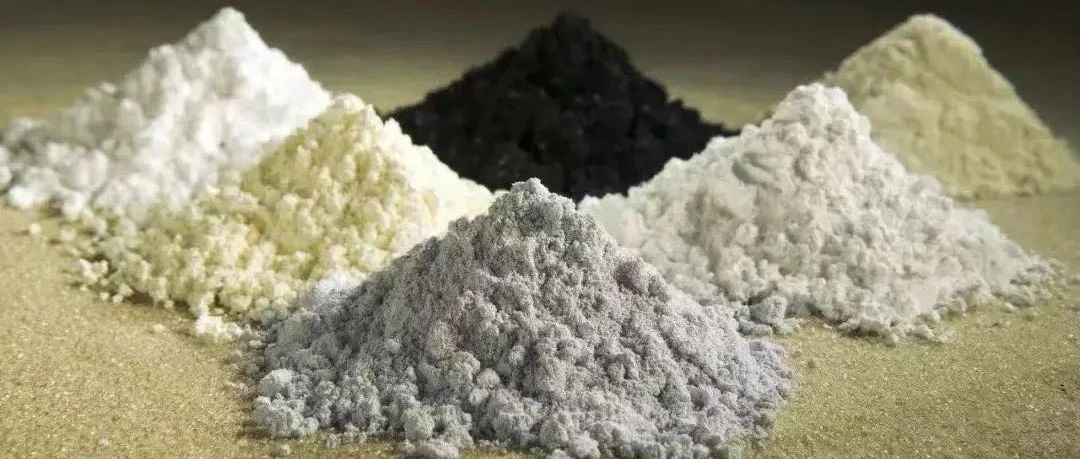
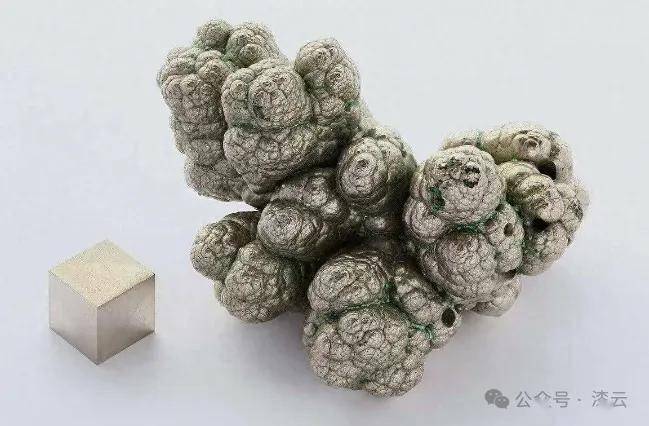
Core Viewpoint - The article discusses the challenges and strategies related to the U.S. dependence on rare earth resources, particularly in light of recent export bans from China and the subsequent circumvention of these bans through third-party countries [3][10][22]. Group 1: U.S. Dependence on Rare Earths - The U.S. has a significant demand for rare earth minerals, yet it faces shortcomings in domestic mining and refining capabilities due to decades of neglect [5][6]. - The high-tech and military industries in the U.S. have become critically dependent on rare earths, making them irreplaceable [6]. Group 2: Circumvention of Export Bans - Following China's export ban on key minerals like gallium, germanium, and antimony, unusual trade patterns emerged, with Thailand and Mexico suddenly becoming major importers of antimony [8][10]. - These countries have limited capabilities in the relevant industries, raising suspicions that the U.S. is using them as intermediaries to covertly import Chinese rare earth resources [9][10]. Group 3: China's Response - In response to the U.S. tactics, China has initiated a special action to combat the smuggling of strategic minerals, enhancing monitoring of trade data from key transit countries [16][19]. - New regulations have been implemented to ensure stricter oversight of mineral exports to the U.S., requiring producers to submit detailed transaction information [20][19]. Group 4: Implications for International Trade - The U.S. actions to bypass export controls undermine the fairness and integrity of international trade, challenging China's policies aimed at ensuring national security and sustainable resource management [22].
资源争夺战升级!中国囤镍欧美抢稀土,这盘棋局何解?
Sou Hu Cai Jing· 2025-07-11 08:16
Core Insights - The article highlights a significant global resource competition, with China emerging as a key buyer of strategic resources, particularly nickel, which is essential for high-tech products like electric vehicle batteries and advanced aircraft engines [1][3] - China's procurement of over 100,000 tons of nickel and its storage in national strategic reserves reflect a deep consideration for future resource supply security [1][7] - The European response to China's resource control, particularly regarding rare earth elements, indicates a growing concern over dependency on China for critical materials used in high-tech industries [3][5] Group 1: China's Resource Strategy - China has been actively purchasing nickel, emphasizing its importance for future technological advancements and resource security [1][7] - The country is committed to maintaining control over its rare earth resources, which are vital for modern technology and military applications [3][5] - China's actions in the global resource market are aimed at ensuring economic security and national dignity, resisting any unfair demands for technology transfer from European nations [5][7] Group 2: International Reactions - European countries are increasingly vocal about the need to establish their own rare earth supply chains to reduce reliance on China [3][5] - The call for collaboration among European nations reflects concerns over China's growing influence in the global resource market [3][5] - The ongoing resource competition raises questions about future strategic resource acquisitions by China, which will be closely monitored by the international community [9]
赚翻了!中国70亿美元收购邦巴斯铜矿,如今总价值超千亿美元
Sou Hu Cai Jing· 2025-05-24 03:45
Core Insights - The article highlights the strategic acquisition of the Bambas copper mine by China Minmetals ten years ago for $7 billion, which has now turned into a significant asset valued over 100 billion yuan, showcasing a successful investment strategy during a downturn in the global copper market [1][3][15] Group 1: Investment Strategy - In 2014, during a global downturn in copper prices, China Minmetals seized the opportunity to acquire the Bambas copper mine, which was undervalued at $6,600 per ton, effectively purchasing a valuable asset at a fraction of its worth [3][6] - The mine has a production capacity of 400,000 tons of copper concentrate annually, contributing significantly to China's domestic copper supply [6][8] - The total estimated output by 2025 is projected to reach 3.1 million tons, generating approximately $28 billion in revenue from copper sales alone, excluding additional revenues from by-products like silver and molybdenum [6][8] Group 2: Operational Efficiency - The mining operation has achieved a low extraction cost of $3,200 per ton, making it competitive even when copper prices drop to $8,000, ensuring profitability [6][8] - The mine's valuation has surpassed 100 billion yuan, with only 10% of its resources extracted so far, indicating a long-term profit potential over the next 20 years [6][8] Group 3: Strategic Resource Management - China Minmetals' acquisition of the Bambas mine has reduced China's reliance on copper imports, which currently stands at 25 million tons annually, with over 75% dependence on foreign sources [8] - The mine provides a stable supply of copper at prices 12% lower than the spot market, benefiting key industries such as electric vehicles and photovoltaic cables [8][11] Group 4: Community and Environmental Impact - The company has implemented sustainable practices by planting 1.9 million trees and rehabilitating 368 hectares of land, demonstrating a commitment to environmental stewardship [11] - Local employment initiatives have resulted in 98.4% of the workforce being locally hired, significantly boosting the local economy and creating 5,600 new jobs in 2023 [11][13] Group 5: Technological Advancements - The Bambas mine employs advanced technologies such as remote-controlled mining and smart helmets, enhancing operational efficiency and safety [13] - Innovations in processing techniques have improved recovery rates by 9%, contributing to increased production without additional resource extraction [13][15]
中美关税战暂缓,稀有金属管制为什么不放开?
Sou Hu Cai Jing· 2025-05-20 03:04
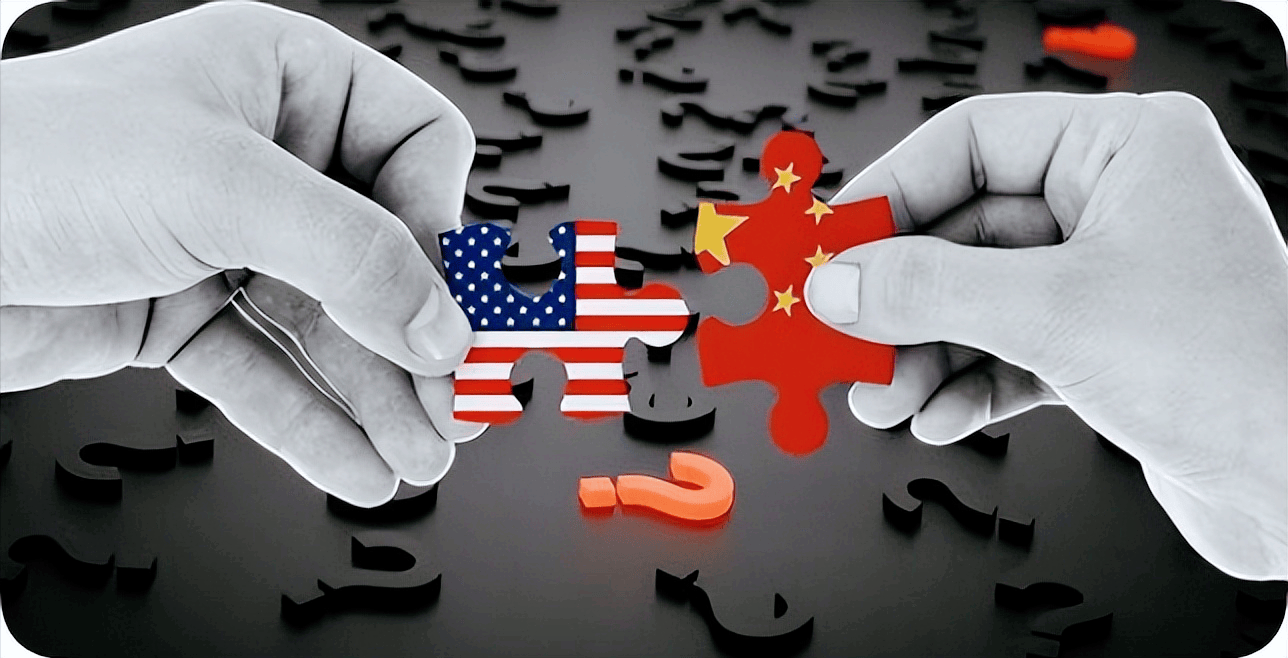
Core Viewpoint - The ongoing trade negotiations between China and the U.S. reveal a complex interplay of tariffs and resource control, particularly concerning rare metals, which are critical for modern industries and military applications [1][3][5]. Group 1: Tariff and Trade Dynamics - The U.S. has canceled 91% of tariffs on Chinese imports, but retains a 10% "base tariff" on key sectors like semiconductors, indicating a strategic approach to maintain leverage in technology [3]. - China's rare earth exports have significantly decreased, with a 37% year-on-year drop in the first four months of 2025, and exports of tungsten to the U.S. have reached zero [3][5]. - The trade negotiations are not merely about tariffs but represent a broader "resource war," where control over rare metals is seen as crucial for technological and military supremacy [3][5]. Group 2: Strategic Importance of Rare Metals - Rare metals such as tungsten, tellurium, and indium are essential for various high-tech applications, including military hardware and renewable energy technologies [5][9]. - China holds a dominant position in the global supply of these metals, with 72% of tungsten, 83% of rare earths, and 95% of indium reserves, giving it significant leverage in negotiations [5][9]. - The strategic value of these metals is underscored by their critical roles in advanced military systems, such as the guidance systems of intercontinental missiles and components of fighter jets [5][9]. Group 3: Future Resource Strategies - China is implementing a comprehensive strategy to secure its resource supply chain, including establishing strategic reserves and controlling the entire production process from mining to processing [9]. - The country is actively investing in overseas mining operations to ensure a steady supply of critical materials, which could further enhance its bargaining power in future negotiations [9]. - The ongoing developments suggest that while tariffs may be paused, the underlying competition for resource control will continue to intensify, impacting global supply chains and geopolitical dynamics [1][9].
稀土|资源安全到国家安全,稀土定位再迎战略升级
中信证券研究· 2025-04-07 01:20
Core Viewpoint - The recent export control measures on seven types of medium and heavy rare earth elements by the Ministry of Commerce and the General Administration of Customs are aimed at enhancing national security and resource safety, reflecting a strategic upgrade in the positioning of rare earth resources [1][8]. Group 1: Policy and Regulation - On April 4, the Ministry of Commerce and the General Administration of Customs announced the implementation of export controls on seven types of medium and heavy rare earth elements, effective immediately [2]. - The policy emphasizes that rare earth indicators will only be issued to large state-backed rare earth enterprises and their affiliated mining and processing companies, indicating a trend towards concentration of rare earth resources [4]. Group 2: Market Impact - Medium and heavy rare earths are widely used in military applications, and the export control policy may lead to an increase in overseas prices for these materials [3]. - Approximately 70% of rare earth compounds and metals imported by the United States from 2020 to 2023 came from China, highlighting the U.S.'s heavy reliance on Chinese rare earth resources [3]. Group 3: Demand Growth - The demand for downstream applications such as electric vehicles and industrial robots is expected to continue growing, with a notable increase in production and penetration rates in these sectors [5]. - The global demand for neodymium-iron-boron in humanoid robots is projected to reach about 24,000 tons by 2035, with a compound annual growth rate (CAGR) of 83.8% from 2023 to 2035 [5]. Group 4: Strategic Importance - The recent export controls underscore China's heightened focus on the security of strategic resources, marking a continuation of previous measures on other strategic metals [6]. - The management of rare earth resources has been integrated into the national security framework, reflecting their critical importance to both resource security and national interests [6].