
碳达峰碳中和

Search documents
共谋绿色未来 第29届世界燃气大会在京开幕
Xin Hua Cai Jing· 2025-05-20 13:40
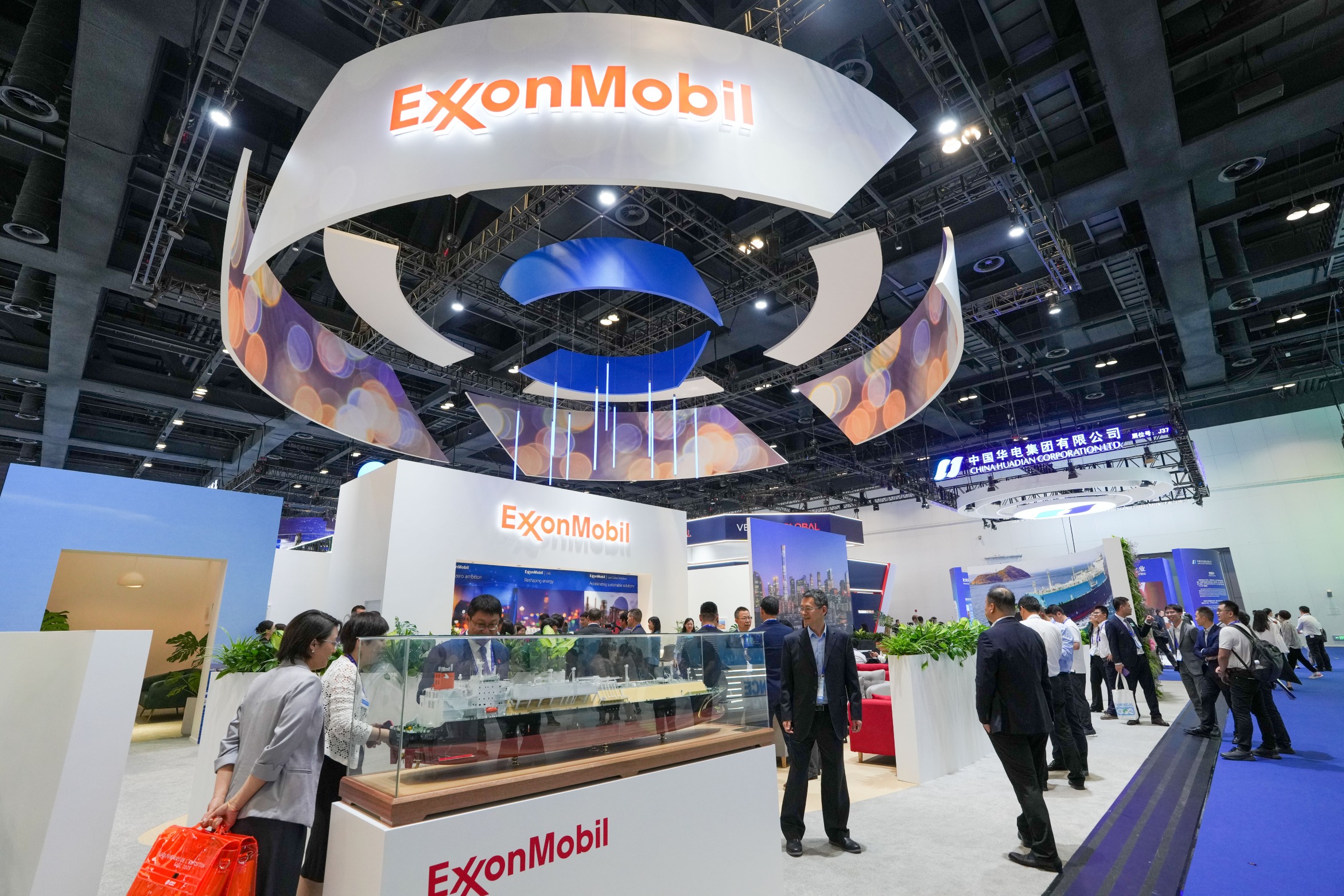
新华财经北京5月20日电(记者王艳刚)第29届世界燃气大会(WGC2025)20日在北京国家会议中心开幕。国际燃气联盟主席李雅兰在开幕式上表示,面对 气候变化、能源安全、地缘政治等多重挑战,天然气凭借资源丰富、清洁高效、经济适用等优势,正成为全球能源结构中不可或缺的重要支撑力量。中国作 为全球最大的天然气及液化天然气进口国,其发展经验日益受到国际关注。 29th World G Opening 第29届世界好 20 May 2025 Beijing China 新华社照片,北京,2025年5月20日新华社记者鞠焕宗摄 中国石油天然气集团有限公司董事长戴厚良表示,中石油将坚定推进绿色转型,加快推动油气与新能源融合发展,构建多能互补、协同高效的能源体系。作 为OGCI(油气行业气候倡议组织)中唯一的中国成员企业,中石油将继续深度参与全球气候治理,为实现碳达峰碳中和目标作出应有贡献,推动绿色发展 成果惠及更多国家、客户和人民。 EXONM ExonMobil ExonMobil 新华社照片,北京,2025年5月20日新华社记者鞠焕宗摄 今年2月,壳牌发布《液化天然气前景报告2025》(以下简称《报告》)预测,受亚洲 ...

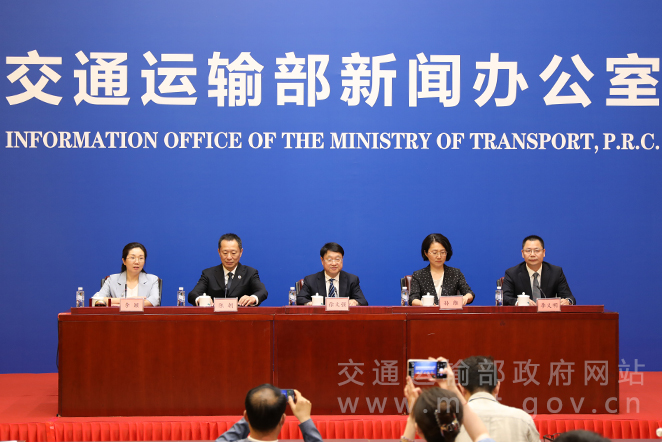
交能融合发展迈上新台阶 点名大容量固态电池、兆瓦级超级快充等关键技术!
Zhong Guo Qi Che Bao Wang· 2025-05-20 09:18
Group 1: Establishment of International Standards - The Ministry of Transport announced the establishment of an ISO Technical Committee focused on port and terminal standardization, marking a significant milestone for China's role in international standardization efforts [1] - The committee was approved on January 18, 2025, and is the first of its kind globally, dedicated to port and terminal standardization [1] Group 2: Integration of Transportation and Energy - The integration of transportation and energy sectors is crucial for national energy security and achieving carbon neutrality goals, with significant progress reported in clean energy projects [3][4] - Key statistics include over 890,000 kilowatts of installed clean energy capacity in transportation infrastructure, 35,000 charging piles, and a 77.6% share of new energy buses in urban public transport [3] Group 3: Guidelines for Energy Integration - A joint guideline was issued by ten departments to promote the integration of transportation and energy, focusing on clean energy development, new energy equipment promotion, and green fuel supply [4] - The guideline outlines 25 key tasks aimed at transforming the energy structure in transportation and enhancing overall infrastructure efficiency [4] Group 4: Service Quality Improvement in Highway Service Areas - The Ministry of Transport has introduced a new evaluation method for highway service area quality, emphasizing the need for improved services for the growing number of self-driving travelers [6][7] - The evaluation criteria include both infrastructure configuration and service quality, aiming to enhance the overall experience for travelers [7]
全国各地发挥计量作用为新质生产力发展“铺路架桥”
Zhong Guo Zhi Liang Xin Wen Wang· 2025-05-19 07:46
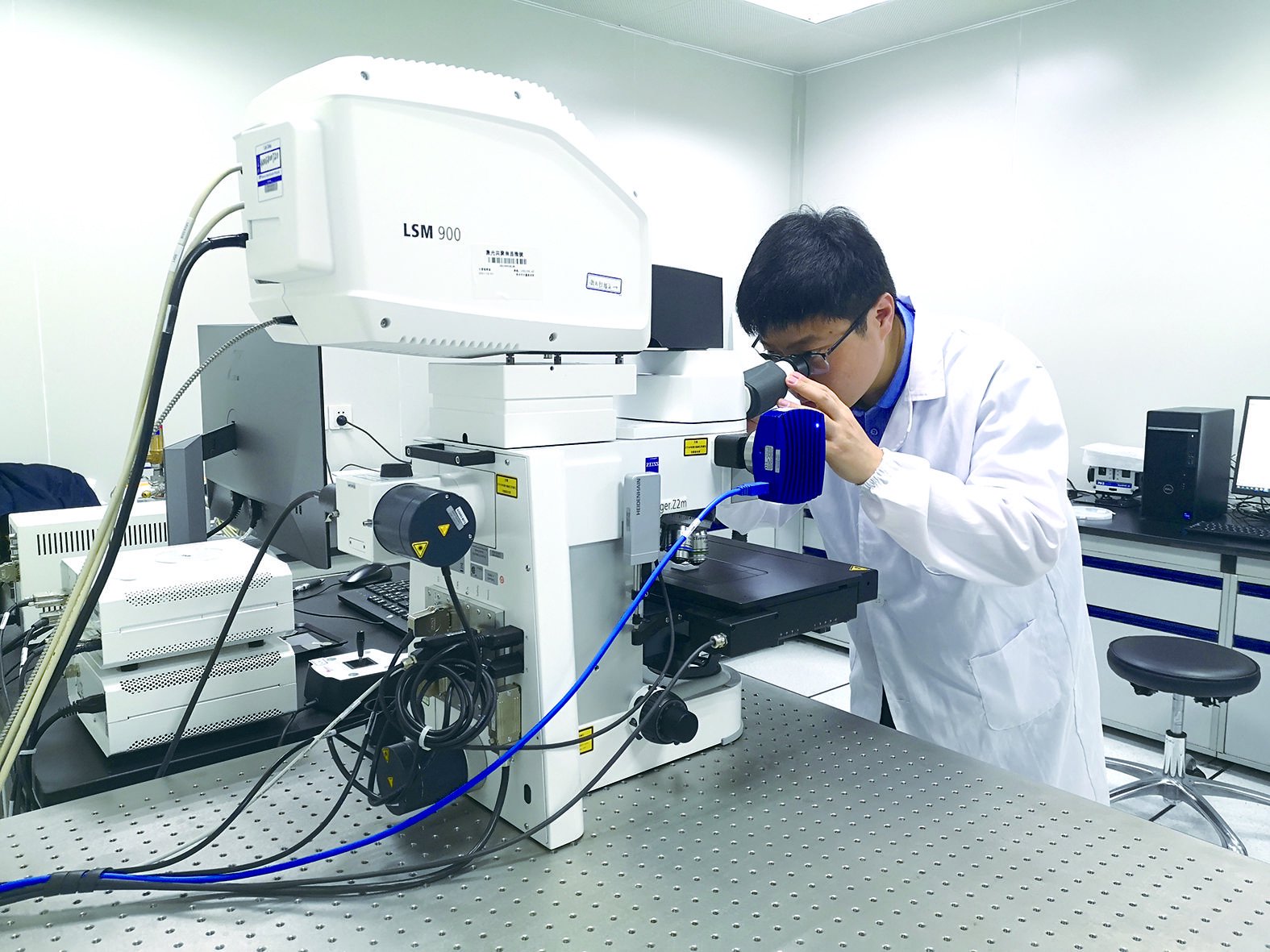
Group 1: Zhejiang Province Initiatives - The Zhejiang Provincial Market Supervision Administration is set to implement a comprehensive measurement system for the high-end shipbuilding and marine engineering equipment industry by 2025, addressing the lack of specialized measurement equipment and methods [1][2] - The three-year action plan includes over 10 initiatives across various advanced manufacturing clusters, such as green petrochemicals and new energy vehicles, aiming to enhance the core competitiveness of the shipbuilding and marine engineering sectors [1][2] Group 2: Measurement Capability Development - Zhejiang has established 14 national and provincial measurement testing centers and developed 3,947 public measurement standards, showcasing significant advancements in measurement capabilities [2][3] - The action plan outlines specific tasks, including the establishment of national/provincial measurement committees and testing centers, and aims to enhance measurement standards and capabilities across 19 areas [3] Group 3: Beijing's Measurement Innovations - Beijing's measurement testing centers have made strides in developing measurement devices and standards for graphene materials and biomedicine, contributing to the city's high-quality development [4][5] - The city has launched initiatives to improve energy and carbon measurement, supporting green development and helping over 5,000 small and medium-sized enterprises through measurement services [5] Group 4: Anhui Province's Strategic Focus - Anhui Province has invested 55 million yuan in building six measurement testing centers focused on strategic emerging industries, including new energy vehicles and advanced photovoltaics [6][7] - The province has established partnerships with research institutions to enhance measurement capabilities and has successfully addressed 79.6% of identified measurement needs [8] Group 5: Inner Mongolia's Carbon Measurement System - The National Carbon Measurement Center in Inner Mongolia is developing a comprehensive carbon measurement system to ensure accurate and reliable carbon monitoring data [10][11] - The center has initiated several key projects to enhance carbon data quality and is working on establishing a unified carbon labeling certification system [11][12] Group 6: Shaanxi Province's Aerospace Measurement Solutions - Shaanxi Province is focusing on improving measurement technologies for the aerospace industry, addressing challenges in measuring large aircraft components [13][14] - The collaboration between the Shaanxi Market Supervision Administration and aviation companies has led to the development of a multi-system measurement and calibration technology, enhancing measurement efficiency for large components [15][16]

ESG双周报第七十期:欧盟放宽车企碳排放规则,厦门发布ESG综合行动方案-20250518
Orient Securities· 2025-05-18 14:43
Group 1: ESG Policy Developments - The European Parliament approved more lenient CO2 emission targets for passenger cars and vans, allowing manufacturers to average emissions over three years from 2025 to 2027, potentially leading to an additional 26 to 51 million tons of CO2 emissions[11] - Xiamen has become the fourth city in China to release a comprehensive ESG action plan, aiming to enhance ESG awareness and policy frameworks by 2027, with a target of 70% ESG information disclosure rate for listed companies[15][16] - The National Green Finance Committee (NGFS) released its first short-term climate scenario, focusing on the impact of climate change on economic stability over a five-year period[10] Group 2: Domestic ESG Initiatives - The Ministry of Finance is seeking public opinion on revisions to the International Sustainability Disclosure Standards, aiming to reduce reporting burdens while ensuring useful disclosures[13][14] - Shanghai's market supervision bureau issued guidelines to enhance carbon measurement systems, supporting the city's carbon peak and neutrality goals by 2025[17] - Fuzhou's industrial carbon peak implementation plan aims for a peak in CO2 emissions by 2030, focusing on energy efficiency and low-carbon technologies[20] Group 3: Market and Economic Considerations - Domestic and international ESG policy advancements are lagging behind expectations, contributing to a downward trend in macroeconomic conditions[22] - Historical data may not accurately predict future performance, emphasizing the need for cautious investment strategies in the ESG sector[22]
常辅股份(871396) - 投资者关系活动记录表
2025-05-16 11:25
Group 1: Financial Performance - The company's Q1 2025 revenue decreased by 21.31% compared to the same period last year, with ordinary and intelligent products revenue at 29.93 million CNY, down 11.52% [4] - Nuclear product revenue was 14.14 million CNY, a decline of 37.92% year-on-year, attributed to a decrease in project orders and delivery schedules [4] Group 2: Revenue Trends - Revenue for ordinary and intelligent products from 2022 to 2024 was 172.39 million CNY, 159.46 million CNY, and 168.40 million CNY respectively, showing a 5.61% increase in 2024 compared to 2023, but a 2.31% decrease from 2022 [5] - The company aims to enhance revenue through new product launches and market strategies [5][6] Group 3: Nuclear Product Development - The company has been involved in the civil nuclear power sector since the 1980s, developing various nuclear-grade valve actuators [8] - Future plans include addressing specific application environments in nuclear power, such as sodium fire and high magnetic fields, to meet the demand for miniaturization and intelligent operation [9] Group 4: Market Share and Opportunities - The company holds a significant market share in the nuclear sector, benefiting from early certifications and product development [10] - Five new nuclear projects were approved in April 2025, which are expected to increase the company's nuclear product orders [11] Group 5: Industry Outlook - Nuclear energy is a strategic choice for achieving carbon neutrality in China, with projections indicating that by 2035, nuclear power generation could account for approximately 10% of the energy mix [13] - The nuclear power sector is expected to expand, contributing to economic growth and technological advancements [13]

国开行:执绿色金融画笔 为美丽中国添彩
Ren Min Wang· 2025-05-16 03:12
"我们着眼服务黄河流域环境基础设施建设,融资支持七里河安宁污水处理厂改扩建项目。"国家开 发银行甘肃分行客户三处客户经理常振文介绍,这座污水处理厂采用"活性污泥法+膜生物反应器"处理 工艺,经过处理后排入黄河的尾水水质可达到《城镇污水处理厂污染物排放标准》一级A标准。 目前,七里河安宁污水处理厂已完成改扩建并投入运营,下一步还可向黄河兰州段南北两岸的皋兰 山和白塔山绿化工程提供再生水,替换原来从黄河干流以及支流调蓄水库中调取的水,做到变废为宝、 节水增绿,有力服务黄河流域生态保护和高质量发展。 今年以来,国开行落实《银行业保险业绿色金融高质量发展实施方案》有关部署,立足职能定位, 用好碳减排支持工具等政策,着力为绿色发展提供稳定中长期资金支持,助力美丽中国建设。1月至4 月,国开行发放绿色贷款超过2500亿元,重点支持了绿色基础设施、清洁能源、生态保护和污染防治等 领域。近年来,国开行绿色贷款在全部信贷资产中的占比不断提升。 清晨的兰州水生态科普公园,绿草茵茵、鸟语花香,不少市民在这里晨练、散步。这座公园与黄河 仅一路之隔,而在其地下,还"藏"着一座全地埋式污水处理厂——兰州七里河安宁污水处理厂。 金融东风" ...
山东加快推动新型储能建设,力争年底全省新型储能规模突破1000万千瓦
Qi Lu Wan Bao· 2025-05-15 04:50
Core Insights - Shandong Province is implementing the "Eight Major Actions" to promote high-level consumption of renewable energy, with a focus on new energy storage as a key technology and infrastructure for achieving carbon neutrality goals [1] Group 1: New Energy Storage Development - New energy storage is recognized as essential for building a new power system and is a critical area for seizing international strategic opportunities, including technologies like electrochemical, compressed air, flywheel, and supercapacitors [1] - Shandong has launched a "Million Kilowatt Action Plan" for new energy storage, establishing a market trading mechanism for independent storage and promoting diverse development through various demonstration projects [1] - The operational scale of new energy storage in Shandong has reached 8.085 million kilowatts, quadrupling since the end of 2022, maintaining a leading position nationally for three consecutive years [1] Group 2: Market Mechanisms and Policy Support - The National Development and Reform Commission and the National Energy Administration have initiated a market-driven approach for new energy storage, emphasizing the need for improved market mechanisms in Shandong [3] - Key measures include widening the price difference for energy storage, expanding profit channels by allowing participation in frequency regulation and auxiliary services, and reducing operational costs for independent storage [4] - Existing renewable energy facilities are required to continue adhering to storage-related policies to ensure stable rental income from storage capacity [4] Group 3: Future Goals - Shandong aims to further develop compressed air and electrochemical storage projects, with a target to exceed 10 million kilowatts of new energy storage capacity by the end of the year, supporting high-quality development and consumption of renewable energy [5]
督察什么?怎么督察?生态环保督察工作条例划重点
Xin Hua Wang· 2025-05-14 09:36
中共中央、国务院近日印发《生态环境保护督察工作条例》。《条例》用八章四十四条总结了新时代生态环境保护督察的理论和实践经验,对生态环境保 护督察工作作出全面规范。如何引领督察工作法治化、规范化、制度化开展,《条例》划重点一起了解。 明确生态环境保护督察的对象 2015年环境保护督察制度建立。当年年底,因空气质量而备受关注的河北省,成为首个督察试点。此后,两轮督察先后推进,实现了对31个省区市和新疆 生产建设兵团的全覆盖,并逐步将央企和国务院有关部门纳入督察范围。目前,正在进行的第三轮督察已经开展了三批。 《条例》明确,在党中央集中统一领导下,实行中央和省、自治区、直辖市两级生态环境保护督察制度。两级督察的督察对象各有侧重,具体为: (二)生态环境保护党内法规、法律法规、政 策制度、标准规范、规划计划、重大改革任务 的贯彻落实情况; (三)生态环境保护"党政同责"和"一岗双 责"推进落实情况; (四) 区域重大战略实施中生态环境保护要求 落实情况; (五) 环境污染防治、发展方式绿色转型、生 态保护修复、推进碳达峰碳中和等美丽中国建 设方面工作情况: (六) 中央生态环境保护督察反馈问题整改及 长效机制建设情况; ...

循环经济行业现状与发展趋势分析 | 交通战略研究
Sou Hu Cai Jing· 2025-05-14 02:57
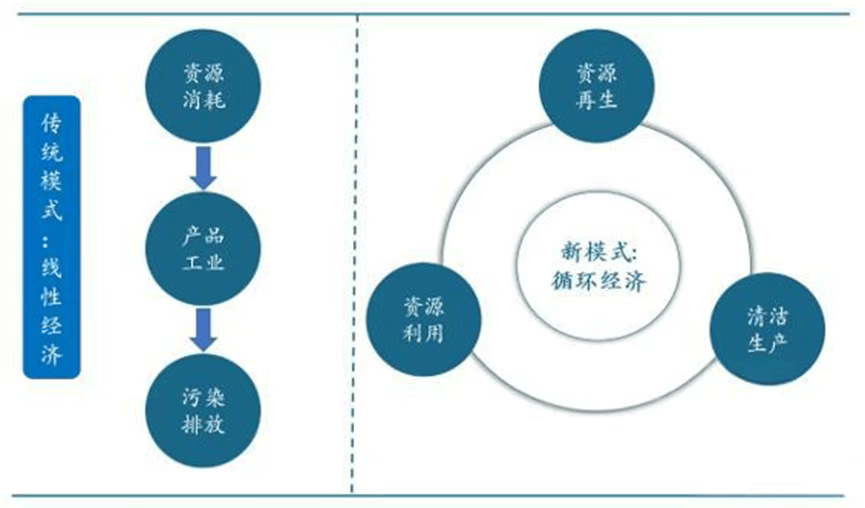
Core Viewpoint - The development of a circular economy is crucial for addressing resource scarcity and environmental pollution, especially in China, which is facing significant challenges as the world's second-largest economy. The circular economy is increasingly recognized as a vital pathway for achieving comprehensive green transformation and carbon neutrality goals [1][2]. Industry Overview - Circular economy is an economic growth model focused on efficient and cyclical resource utilization, characterized by low consumption, low emissions, and high efficiency, aligning with sustainable development principles. It represents a fundamental shift from traditional linear economic models to a closed-loop feedback process of resource use, clean production, and resource regeneration [2][4]. Application Areas - The circular economy has a wide range of applications, including: - Resource regeneration and recycling, utilizing waste materials to replace virgin resources. - Comprehensive utilization of bulk solid waste, such as using fly ash and smelting slag to produce alternative building materials. - Biomass waste utilization for clean energy, replacing traditional fossil fuels. - Recovery of waste heat and energy from industrial processes to improve system efficiency. - Circular transformation of industrial parks to enhance resource and energy utilization efficiency [5][6]. Current Development Status - The Chinese government has prioritized the development of the circular economy as a strategic initiative for sustainable development, implementing various policies to promote high-quality growth in this sector [7][8]. Market Size - The circular economy industry in China is experiencing robust growth, with the market size surpassing 4 trillion yuan in 2023 and projected to reach approximately 4.64 trillion yuan in 2024. Key growth drivers include the comprehensive utilization of bulk solid waste, resource regeneration, and waste resource utilization [12][14]. Competitive Landscape - The market for circular economy in China is characterized by diverse competition, with state-owned enterprises holding significant market shares due to policy support. However, private enterprises are emerging as new forces, leveraging flexible operations and differentiated services. The competition is particularly intense in areas such as industrial solid waste treatment and recycling of used resources [19]. Challenges Faced - Despite progress, the circular economy in China faces challenges, including insufficient industrial scale and specialization, inadequate incentive mechanisms and regulatory frameworks, and insufficient resource recovery in key areas [20]. Future Development Trends - The future of the circular economy is expected to be shaped by technological innovation, improved policy frameworks, deepened industry collaboration, and expanded international cooperation. Technologies such as IoT, AI, and big data will enhance resource recovery efficiency, while a more robust policy environment will support high-quality development in the sector [21][23][24].
全国碳排放权交易市场迈向新阶段
Zhong Guo Dian Li Bao· 2025-05-14 02:13
Core Viewpoint - The 20th National Congress of the Communist Party of China emphasizes the need to deepen ecological civilization reforms and promote a carbon trading market to achieve carbon peak and carbon neutrality goals [1] Group 1: Carbon Market Development - The national carbon emissions trading market currently covers 2,257 key emission units in the power generation sector, accounting for approximately 5.1 billion tons of CO2 emissions annually, which is about 40% of the national total [1] - The current carbon market is limited in industry coverage and has low market activity due to high homogeneity among participants, necessitating the inclusion of more high-emission industries such as steel, cement, and aluminum [1][2] - The Ministry of Ecology and Environment has issued a plan to gradually include the steel, cement, and aluminum industries into the national carbon emissions trading market, aiming to enhance carbon reduction efforts and create a more effective carbon market [1][2] Group 2: Policy Implementation and Mechanisms - The plan aims to expand the market coverage by incorporating around 1,500 enterprises from the steel, cement, and aluminum sectors, focusing on those with annual greenhouse gas emissions of 26,000 tons of CO2 equivalent [2] - It establishes a unified management system for emissions across various industries, enhancing the carbon pricing mechanism and encouraging companies to prioritize carbon management [2] - The plan outlines a multi-layered and differentiated collaborative control model for direct and indirect greenhouse gas emissions, integrating the carbon trading market with renewable energy and green certificate markets [2] Group 3: Data Management and Monitoring - The plan emphasizes improving carbon emission accounting standards and data governance, requiring enterprises to conduct high-quality measurements of key parameters and explore online monitoring technologies [3] - It mandates monthly verification of key parameters by major emission units and implements a three-tier data quality audit system to enhance transparency and reliability in the carbon trading market [3] Group 4: Allocation of Carbon Quotas - The plan details a phased approach to carbon quota allocation for the steel, cement, and aluminum industries, with the 2024 quota based on verified actual emissions, avoiding compliance costs for enterprises [4] - Future quotas for 2025 and 2026 will be determined based on carbon intensity, with a focus on minimizing the impact on normal business operations [4] - The plan aims to gradually tighten total quota limits to facilitate the transition of these industries towards green and low-carbon practices [4] Group 5: Recommendations for Policy Enhancement - The plan suggests establishing a long-term management mechanism for carbon emissions rights, gradually reducing annual quota totals while ensuring alignment with industry development stages [5][6] - It advocates for the integration of various policies to promote the collaborative development of carbon and electricity markets, enhancing the market's overall effectiveness [6]