人民币国际化

Search documents
【环球财经】巴基斯坦央行官员:巴具备完善监管体系支持人民币使用与投资
Xin Hua She· 2025-11-25 23:04
Core Viewpoint - Pakistan has established a robust regulatory framework to support the use and investment of the Renminbi (RMB), indicating significant potential for RMB in the country [1][2]. Group 1: Regulatory Framework and Support - The State Bank of Pakistan's Executive Director, Muhammad Malik, emphasized the country's comprehensive regulatory system that facilitates RMB usage and investment [1]. - The State Bank has initiated various promotional and transaction clearing capacity-building efforts to ensure local banks and enterprises understand the advantages of RMB operations [1]. Group 2: Trade and Financial Cooperation - In 2024, the RMB payment for goods trade between China and Pakistan is projected to reach 19.4 billion, accounting for 23% of the total cross-border payment in foreign currencies during the same period, indicating substantial growth potential [1]. - The People's Bank of China will continue to enhance policy support for RMB clearing banks [1]. Group 3: Banking Sector Developments - The Industrial and Commercial Bank of China (ICBC) has opened RMB accounts for all 22 mainstream local banks in Pakistan qualified for foreign exchange trading, showing a positive growth trend in RMB business [1]. - ICBC plans to increase resource investment to provide stable liquidity support for the offshore RMB market and explore more innovative RMB business to better meet the financial needs of market participants in China-Pakistan trade [1]. Group 4: Bilateral Financial Cooperation - The Consul General of China in Karachi, Yang Yundong, highlighted the importance of strengthening financial cooperation between China and Pakistan amid the current global economic landscape [2]. - China is willing to work with Pakistan to facilitate bilateral trade and investment in local currency settlements, expand RMB service areas, and enhance regulatory communication and coordination [2].



巴基斯坦央行官员:人民币在巴潜力巨大
Ren Min Ri Bao· 2025-11-25 22:10
(文章来源:人民日报) 当天,巴基斯坦人民币清算行(中国工商银行卡拉奇分行)在巴南部城市卡拉奇举办"人民币国际化在 巴10周年"活动。马利克出席活动并代表巴央行致辞时表示,人民币在巴基斯坦的潜力巨大,有望进一 步造福各方。巴已具备完善的监管体系支持人民币使用和投资,巴央行已开展多项人民币宣传与交易清 算能力建设工作,确保企业和本地银行充分理解人民币业务优势。 巴基斯坦国家银行(央行)执行董事穆罕默德·马利克25日表示,巴基斯坦已具备完善的监管体系支持 人民币使用和投资。 ...
连平:“十五五”期间 人民币国际化步伐 应显著加快
Sou Hu Cai Jing· 2025-11-25 17:04
Core Viewpoint - The internationalization of the Renminbi (RMB) is a crucial strategy for China to enhance its international competitiveness and respond to external shocks, especially in the context of the ongoing adjustments in the global economic landscape [1][3]. Group 1: RMB Internationalization Progress - Since its initiation in 2009, the RMB has made continuous progress in trade settlement, commodity pricing, international financial transactions, and official reserves, yet its usage still lags behind China's economic scale and international influence [3]. - The acceleration of RMB internationalization is not only an economic necessity but also a key measure to enhance national financial security and strategic autonomy [3]. Group 2: Supportive Factors for RMB Internationalization - The continuous expansion of China's import and export scale, along with diversified market layouts, provides greater space for RMB cross-border payment settlements [5]. - The increasing proportion of RMB usage in energy and mineral trade reflects China's dominant position in the global supply chain, aiding the expansion of RMB applications in trade and investment [5]. - Improvements in the cross-border credit environment, including a decline in RMB interest rates, have led to a rapid growth in cross-border RMB loans, indicating significant potential for RMB usage in credit [5][6]. Group 3: Strategic Recommendations for RMB Internationalization - It is recommended to further expand the use of RMB in commodity pricing and settlement, leveraging China's advantages in energy, minerals, and strategic high-end industries [1][7]. - Expanding the RMB settlement network, particularly among developing countries and strategic partners, is essential for promoting RMB usage [7]. - Enhancing cross-border payment infrastructure and promoting the CIPS system's participation in global financial governance are critical for increasing the attractiveness of RMB assets [7]. - The proposal includes advancing capital account convertibility, market-oriented RMB exchange rates, and increasing gold reserves to bolster the international credibility of the RMB [7].
巴基斯坦央行官员:巴具备完善监管体系支持人民币使用与投资
Sou Hu Cai Jing· 2025-11-25 15:50
Group 1 - The State Bank of Pakistan has established a comprehensive regulatory framework to support the use and investment of the Renminbi [1] - The potential for the Renminbi in Pakistan is significant, with expectations for further benefits to all parties involved [1] - In 2024, the Renminbi payment for goods trade between China and Pakistan is projected to reach 19.4 billion, accounting for 23% of the total cross-border payments in foreign currencies [1] Group 2 - The Chinese Consul General in Karachi emphasized the importance of strengthening financial cooperation between China and Pakistan amid the current global economic landscape [2] - The Chinese side is willing to facilitate bilateral trade and investment in local currency settlements and expand the Renminbi service areas [2] - In November 2022, the People's Bank of China authorized the Industrial and Commercial Bank of China Karachi branch to serve as the Renminbi clearing bank in Pakistan [3]
一夜之间都变了!30亿吨铁矿重见天日,外媒:中国或改写全球格局
Sou Hu Cai Jing· 2025-11-25 15:22
中国主导了全世界铁矿溢价,快哉快哉! 9月底,中国矿产集团向澳洲矿业巨头必和必拓提出要用人民币结算铁矿的建议,起初必和必拓一口回绝了。 中国二话不说,不买了。 这波操作给全世界震撼了,不过必和必拓很快也反应了过来,中国不再是那个"逆来顺受的冤大头"了。 股价突然断崖式下跌迫使必和必拓不得不求和,从10月开始,只有七成铁矿用美元结算,其余三成用人民币支付。这是一个出乎所有人意料的转折点。 究竟发生了什么?也许非洲小国几内亚的西芒杜铁矿能为你揭晓谜底。 沉睡30年的世界级宝藏 西芒杜这座藏在几内亚深山里的铁矿,绝对是老天爷赏饭吃的顶级资源。 45到50亿吨的储量,含铁量高达66%到67%,放在全球都是凤毛麟角的优质矿,随便开采出来都能直接当高品位精矿用。 可谁能想到,这么一块宝地,竟然硬生生沉睡了30年,期间的离奇经历比电视剧还跌宕起伏。 故事得从1997年说起,当时全球矿业巨头力拓眼光毒辣,一眼就盯上了西芒杜铁矿。 二话不说拿下矿权,本想大干一场,结果实地勘探后直接傻了眼。 这座铁矿藏在深山里,交通基本靠走,想要把矿石运出来,得修铁路、建港口,整套基础设施算下来,要投资150到200亿美元。 更让人头疼的是,按 ...

盛松成:新阶段三大特征支撑人民币中长期稳中有升
Di Yi Cai Jing· 2025-11-25 11:19
Core Viewpoint - The future direction of the RMB exchange rate is crucial, with a focus on preventing excessive appreciation to avoid impacting exports. Stability remains the key theme [1][7]. Group 1: RMB Exchange Rate Trends - The RMB exchange rate has a long-term foundation for stable appreciation due to factors such as the new phase of "two-way investment," diversification of trade partners, and improvements in labor productivity [1][4]. - The RMB's strength or weakness directly influences the motivation for Chinese enterprises to invest abroad, with a stable RMB reducing exchange rate risks for overseas investments [5][6]. Group 2: Changes in China's Economic Structure - China is transitioning to a "two-way investment" phase, balancing foreign direct investment (FDI) and outward direct investment (ODI), with ODI surpassing FDI since 2015 [4][5]. - By 2024, China's ODI is projected to grow by 8.4%, reaching a global share of 11.9%, maintaining a position among the top three globally for 13 consecutive years [4]. Group 3: Trade Partner Diversification - China's trade concentration is decreasing, with exports to the top three trading partners (U.S., EU, ASEAN) dropping from 50.8% in 2019 to 45.5% in 2024, indicating enhanced economic resilience [6][7]. - The share of exports to "Belt and Road" countries has increased from under 25% in 2013 to 47% in 2024, reflecting a significant shift in trade dynamics [6]. Group 4: Global Currency Landscape - The international status and appreciation potential of the RMB are strengthening amid challenges to the dollar's credibility and a trend towards diversification of global central bank reserves [8][9]. - The share of the dollar in global official foreign exchange reserves has decreased from 61.5% in 2020 to an expected 56.32% by 2025, indicating a shift in global currency preferences [8]. Group 5: Domestic Economic Fundamentals - Continuous improvement in domestic economic fundamentals, such as rising labor productivity and a shift towards high-end manufacturing and technology exports, supports the RMB's long-term appreciation [9][10]. - The RMB is considered undervalued based on purchasing power parity, with estimates suggesting it could be closer to a 1:3.5 ratio rather than the current market rate of approximately 7.1 [9][10].
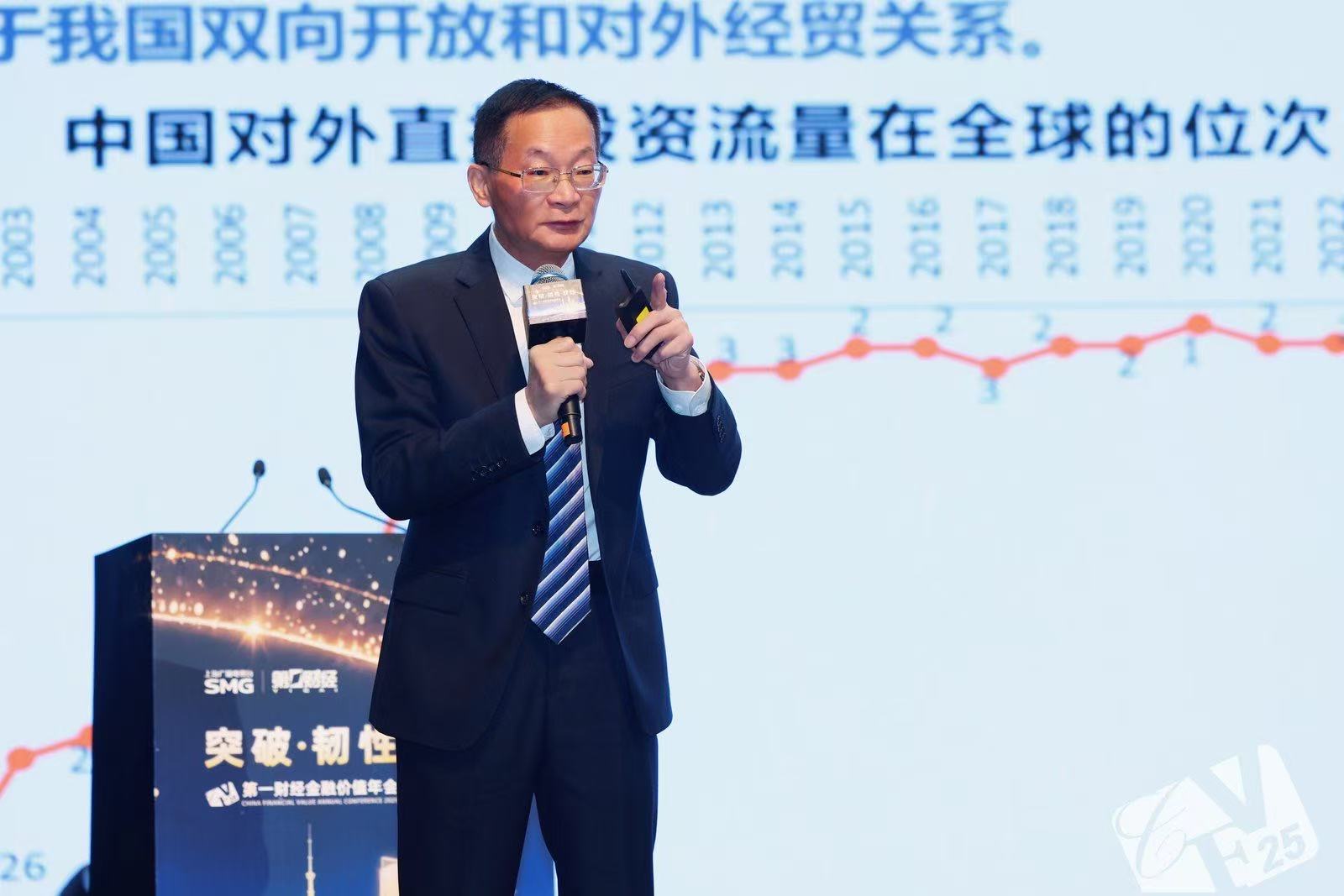
连平:“十五五”期间人民币国际化步伐应显著加快
Di Yi Cai Jing· 2025-11-25 11:13
Core Viewpoint - The internationalization of the Renminbi (RMB) is essential for China to respond to external shocks and enhance its international competitiveness, as outlined in the "14th Five-Year Plan" [1][3] Group 1: RMB Internationalization Progress - Since its initiation in 2009, the RMB has made continuous progress in trade settlement, commodity pricing, international financial transactions, and official reserves, yet its global usage remains disproportionate to China's economic scale and influence [3][6] - The sixth Central Financial Work Conference emphasizes building a strong RMB, indicating a new phase for RMB internationalization supported by top-level design and strategic necessity [3][4] Group 2: External Challenges and Opportunities - The increasing uncertainty in the global trade environment, including the implementation of "reciprocal tariffs" by the U.S. since 2025, adds pressure on foreign trade, making RMB cross-border usage crucial for reducing exchange rate risks and enhancing pricing power in commodities [4][5] - The global trend of "de-dollarization" accelerated by the weaponization of the dollar and unilateral sanctions presents an opportunity for the RMB to play a leading role [5][6] Group 3: Support Factors for RMB Internationalization - The continuous expansion of China's import and export scale and diversified market layout provide greater space for RMB cross-border payment settlements [6][7] - The rising proportion of RMB usage in energy and mineral trade, along with improvements in the cross-border credit environment, supports the potential for increased RMB usage in global credit markets [6][7] Group 4: Policy Recommendations for RMB Internationalization - Recommendations include expanding RMB usage in commodity pricing and settlement, enhancing cross-border payment infrastructure, and promoting RMB settlement in developing countries and strategic partners [8] - Key measures also involve improving capital account convertibility, market-oriented RMB exchange rates, and increasing gold reserves to bolster the international credibility of the RMB [8]
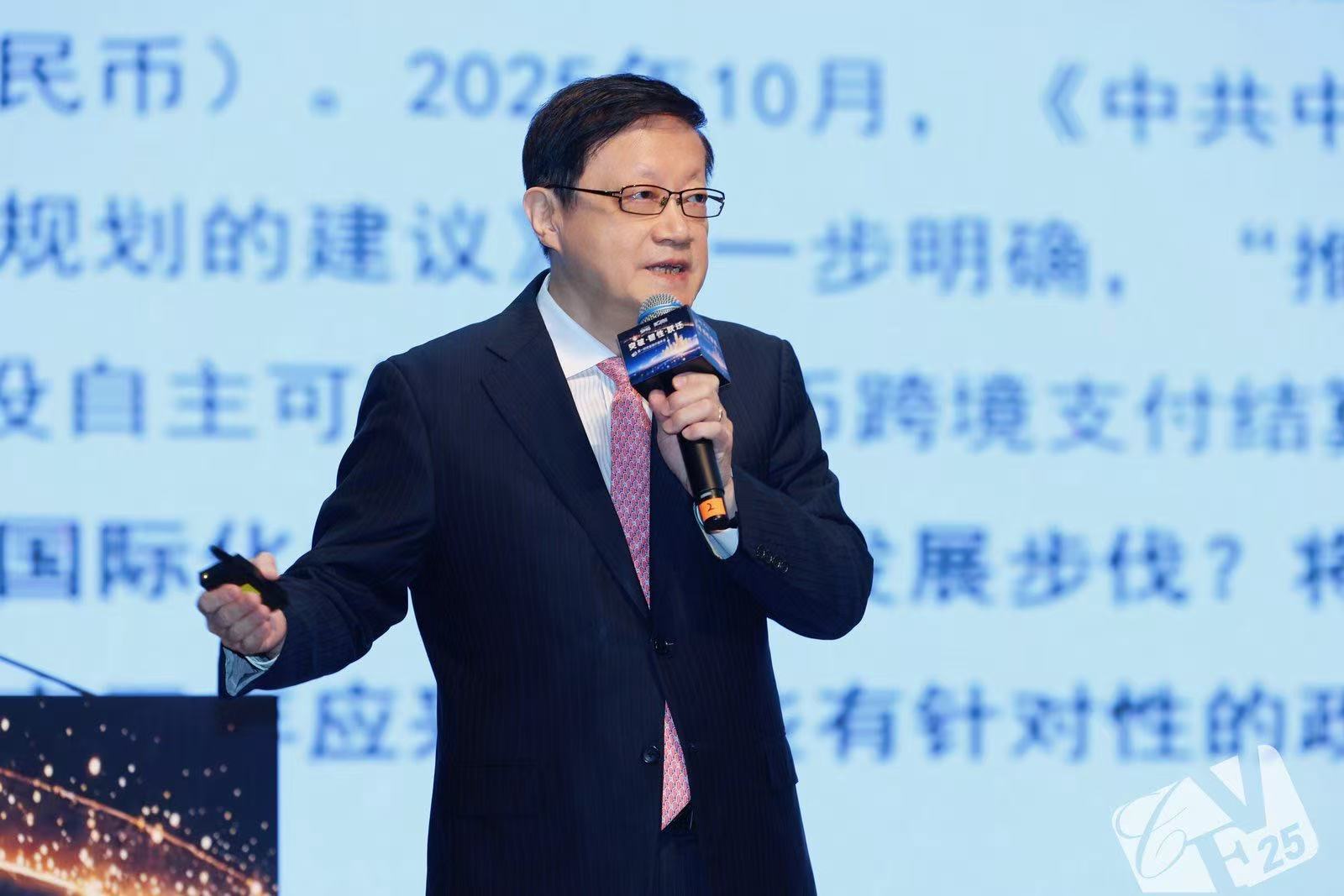
人民币持续超越欧元成全球第二!去美元化还需多久?现在有了答案
Sou Hu Cai Jing· 2025-11-25 10:07
Core Insights - The Chinese yuan has become the world's second-largest trade financing currency, indicating a shift away from the dominance of the US dollar in global trade and finance [1][9][11] - The rise of the yuan is driven by its ability to meet the global demand for a reliable currency, providing security, stability, and convenience in transactions [3][5][7] Group 1: Yuan's Competitive Advantages - The yuan's ascent is attributed to its ability to address key pain points in global trade, such as high costs, significant risks, and dependency on third-party systems [18][25] - Direct settlement in yuan can save businesses 1%-3% in exchange costs, enhancing profit margins significantly [20][25] - The yuan's non-hegemonic nature allows countries to avoid the risks associated with US dollar dominance, such as financial sanctions and asset freezes [22][25] Group 2: Decline of Dollar Dominance - The decline of the dollar's status is not due to the yuan "stealing" its position, but rather the erosion of trust in the dollar as the US continues to print money to manage its debt [9][11][16] - The dollar's share in global foreign exchange reserves has fallen to a 30-year low of 56.32%, reflecting a collective judgment by central banks that holding too much dollar-denominated assets poses greater risks than rewards [11][16] - Traditional US allies are also reducing their holdings of US debt, indicating a loss of confidence in the dollar's reliability [16] Group 3: Challenges to Yuan's Global Acceptance - For the yuan to become a mainstream global currency, it must overcome challenges such as the need for a more open financial market and a diverse range of financial products [29][31] - The yuan's status as a safe-haven currency needs to be strengthened, especially during global economic turmoil [33] - A shift in global perception towards "non-hegemonic currencies" will take time, as countries adapt to a multi-currency system [35] Group 4: Future Outlook - The next 3-5 years are critical for the yuan to solidify its position in key sectors like energy and manufacturing, with an expected increase in its settlement ratio [37][39] - Over the next 5-10 years, the yuan's share in global foreign exchange reserves could rise to over 20%, enhancing its influence in international financial rules and commodity pricing [41] - The long-term vision includes a multi-currency system where the yuan, dollar, and euro coexist, with the yuan's role supported by economic strength and trust rather than hegemony [45][47]
特评:增加以人民币为主的非美元结算 顺应全球贸易多元化趋势
Sou Hu Cai Jing· 2025-11-25 07:21
Core Viewpoint - The diversification of payment systems and currencies has become an irreversible trend in the context of increasing globalization and diversification of global trade, with a focus on enhancing trade volume and settlement in Renminbi among China and developing countries [2][6]. Group 1: International Trade and Currency Settlement - Following the exclusion of Russia from the SWIFT system, many countries have recognized the risks of over-reliance on the dollar and are seeking alternative payment systems, with China actively promoting the internationalization of the Renminbi [2]. - Since the launch of the cross-border trade Renminbi settlement pilot in 2009, the internationalization of the Renminbi has progressed significantly, with China signing bilateral currency swap agreements with 32 countries and regions, totaling over 4.5 trillion Renminbi by November 2025 [2][3]. - The Renminbi has become the third-largest payment currency globally, according to the People's Bank of China [4]. Group 2: Technological Advancements and Payment Systems - The introduction of the digital Renminbi and the establishment of the Cross-Border Interbank Payment System (CIPS) in 2015 have provided technological support for the transformation of settlement systems, with CIPS expected to account for over 10% of global payments by 2027 [3]. - As of mid-2025, CIPS has covered 189 countries and regions, processing transactions amounting to 90.19 trillion Renminbi [3]. Group 3: Bilateral Agreements and Trade Settlements - China and Russia have nearly completely transitioned to using their own currencies for trade settlements, reducing dependence on the dollar and mitigating risks from sanctions and currency fluctuations [3]. - In the BRICS nations, 30% of trade transactions are now conducted using the Renminbi, while Saudi Arabia's Renminbi settlement for oil exports is projected to reach 45% by September 2025 [3]. - Argentina has announced plans to use the Renminbi for imports from China, and BHP has agreed to settle 30% of iron ore transactions in Renminbi by October 2025 [4]. Group 4: Global Trends and Future Directions - The trend towards a non-dollar settlement system is seen as a collaborative effort among countries, with a focus on mutual benefits rather than a direct "de-dollarization" approach [6]. - Other countries, including members of BRICS, are also taking steps to mitigate dollar risks, such as the establishment of local currency financing tools and alternative payment systems [9]. - Increasing trade volume is essential for the establishment of a credible payment system, as the legitimacy of any payment system is built on substantial trade activity [10].
美西方围攻下,俄拿人民币当底牌,成交额公开,美国可能要慌了
Sou Hu Cai Jing· 2025-11-25 04:11
近年来,俄罗斯在美国和西方的制裁压力下经济困境加剧,金融制裁一波接一波,导致俄罗斯的SWIFT(环球银行金融电信协会)支付系统遭到切断,外汇 储备被冻结超过3000亿美元,卢布汇率大幅贬值。2022年2月24日冲突爆发后,华盛顿和布鲁塞尔同步采取行动,导致俄罗斯银行无法进入国际支付系统。 面对如此困境,普京政府迫切需要找到新的支付途径,否则贸易活动将受到严重影响。在这个时候,俄罗斯央行行长纳比乌林娜和她的团队决定转向东方, 特别是人民币,作为破解西方封锁的新路径。2022年3月,中俄之间首笔能源贸易以人民币结算,俄罗斯石油公司直接使用人民币定价,绕过了美元支付和 汇率转换的费用。 这一决策并非临时起意,俄罗斯央行早已意识到,中国是俄罗斯最大的贸易伙伴之一,两国之间的贸易联系紧密,人民币作为结算货币在中国的国际地位稳 固,并且具有较高的国际认受性。因此,使用人民币不仅能避免美元体系的制裁,还能有效应对西方的封锁。2023年,在约翰内斯堡举行的金砖国家峰会 上,纳比乌林娜代表俄罗斯参与讨论本币结算问题,推动了人民币在俄罗斯外汇储备中的比例从15%提升至25%。2024年1月,金砖国家扩容,埃及、伊朗 和阿联酋等国 ...