银发经济

Search documents
加紧清理拖欠企业账款,国家发改委明确时间表
第一财经· 2025-12-13 14:44
2025.12. 13 本文字数:1410,阅读时长大约2分钟 作者 | 第一财经 祝嫣然 国家发改委副秘书长肖渭明13日表示,目前改进提升营商环境的最大动作,就是清理政府欠款,即 单个合同或单个项目欠款50万元以下的,到2025年底要全部清理完毕。 12月13日,由中国国际经济交流中心举办的"2025-2026中国经济年会"在北京举行。肖渭明在年会 上发表《贯彻落实中央经济工作会议部署 扎实做好明年经济发展重点工作》的主旨演讲。 中央经济工作会议指出,坚持改革攻坚,增强高质量发展动力活力。制定全国统一大市场建设条例, 深入整治"内卷式"竞争。制定和实施进一步深化国资国企改革方案,完善民营经济促进法配套法规政 策。加紧清理拖欠企业账款。 肖渭明强调,要持续破除阻碍全国统一大市场的卡点、堵点,清理不合理限制,打破市场分割和地方 保护,深入推进招投标改革,改进提升营商环境。 中央财办分管日常工作的副主任韩文秀也在同一场合提到,要继续纵深推进全国统一大市场建设,下 更大的气力推进解决拖欠企业账款问题,坚决防止前清后欠。 稳经济首先要稳企业。企业唯有资金流顺畅,才能安心生产、大胆投资、积极扩岗。去年,中共中央 办公厅 ...


国家发展改革委肖渭明:清理地方政府欠款是优化营商环境的重要举措之一
Zheng Quan Shi Bao Wang· 2025-12-13 14:37
12月13日,中国国际经济交流中心举办2025—2026中国经济年会。国家发展改革委副秘书长肖渭明在年 会上发表《贯彻落实中央经济工作会议部署扎实做好明年经济发展重点工作》的主旨演讲。肖渭明表 示,明年要全方位扩大国内需求,持续破除阻碍全国统一大市场建设的卡点堵点等。在优化营商环境部 分,他谈到,清理政府欠款是目前改进提升营商环境的最大动作。单个合同或单个项目欠款50万元以下 的,到2025年底要全部清理完毕。全面推进加快加力清理拖欠企业账款的行动也是今后几年我国持续优 化营商环境的重要举措之一。 中央经济工作会议指出,加大逆周期和跨周期调节力度,提升宏观经济治理效能。肖渭明表示,这两个 周期各有所指,"逆周期"表明现在经济有下行压力,所以要采取有效的手段,"跨周期"说明现在一些结 构性的矛盾问题,不是短期内能够有效解决的。因此,要短长结合,继续实施更加积极的财政政策和适 度宽松的货币政策,强化政策预期管理,加强宏观政策和重大改革举措的协同配合,扎实开展各类经济 政策和非经济政策、存量政策和增量政策的宏观政策取向一致性评估。 肖渭明表示,明年要全方位扩大国内需求。深入实施提振消费专项行动,加快放宽服务消费的限 ...
智库书单 | 2026年经济工作八项重点任务怎么干?
Sou Hu Cai Jing· 2025-12-13 10:55
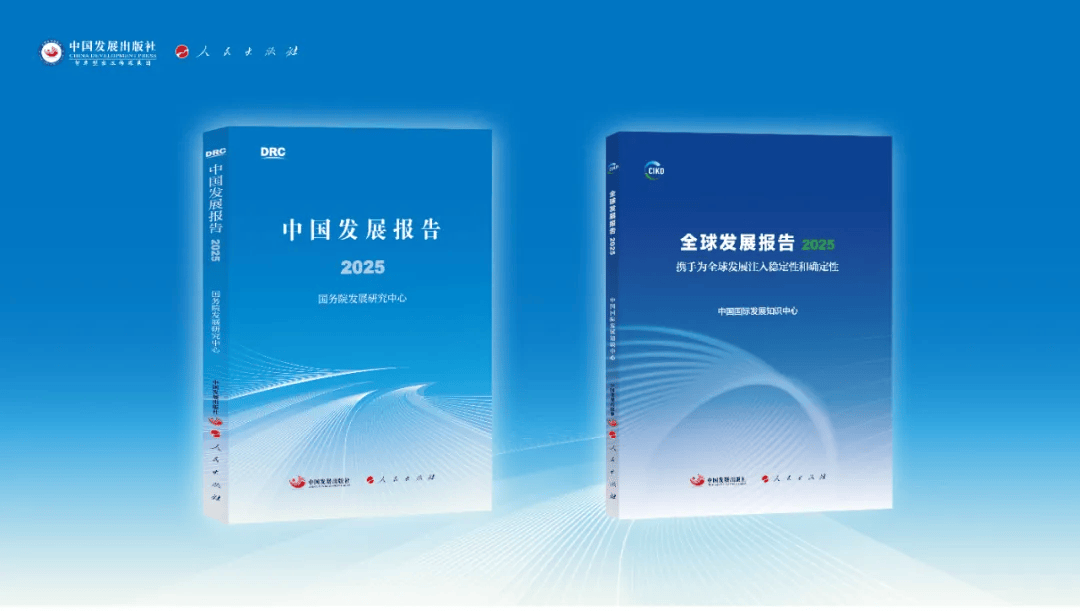
Group 1 - The Central Economic Work Conference held from December 10 to 11 in Beijing summarized the economic work for 2025, analyzed the current economic situation, and deployed tasks for 2026, emphasizing the need to maintain stability while seeking progress and improving quality and efficiency [1] - In 2026, eight key tasks will focus on enhancing macroeconomic governance effectiveness through integrated effects of existing and new policies, and increasing counter-cyclical and cross-cyclical adjustments [1] Group 2 - The "China Development Report 2025" records the ideological, institutional, and practical achievements formed during the advancement of Chinese-style modernization in 2024, including four significant research outcomes from the State Council Development Research Center [3] - The "Global Development Report 2025" analyzes major instability and uncertainty factors facing the world and their profound impacts on global development, focusing on issues such as global trade, climate change, health, food security, poverty reduction, and cooperation among developing countries [3] Group 3 - The report on "Silver Economy" from Shanghai highlights the city's exploration in capturing new demands and creating new scenarios to empower high-quality growth in new economic formats, drawing insights from international best practices [10] - The "Turning to Consumption Driven" report enriches theoretical understanding of expanding domestic demand and proposes innovative paths and mechanisms for constructing a complete domestic demand system [12] Group 4 - The "International Consumption Center Cities" report analyzes the conditions and foundations for major cities in China to transition into international consumption centers, providing overall strategies and policy recommendations [14] - The "Digital Trade Development and Cooperation Report (2022-2023)" clarifies the concept of digital trade and analyzes the current state and trends of global digital trade development, showcasing China's achievements and efforts in promoting international digital trade cooperation [41] Group 5 - The "New Quality Productivity Practice and Exploration" compiles research on the theoretical origins, practical paths, and innovative models of new quality productivity, clarifying its essential differences from traditional productivity [22] - The "Artificial Intelligence Major Application Scenarios Series" covers over ten typical scenarios, integrating theory and practice to explore the governance of artificial intelligence in various sectors [21]
锚定国货与银发经济双风口,匠心忠华以系列优势构建全域电商新生态
Sou Hu Cai Jing· 2025-12-13 10:42
Core Insights - The company, Xiangxin Zhonghua, aims to illuminate domestic products by leveraging digital supply chain management, a comprehensive product matrix, CPS collaboration, and an efficient store manager system, positioning itself as an industry benchmark with both commercial and social value [1][6] Supply Chain Digitalization - The efficiency and stability of the supply chain are crucial for the platform's competitive edge. Xiangxin Zhonghua has built its own supply chain system, integrating deeply with mainstream ERP systems to ensure data communication, order synchronization, and real-time inventory management among suppliers, the platform, and store managers, effectively addressing common e-commerce issues like supply-demand mismatches and inventory backlog [2] - The platform has established deep partnerships with over 2,000 brand suppliers, creating a robust supply chain network that is extensive, responsive, and reliable, laying a solid foundation for future expansion [2] Comprehensive Product Matrix - The company has developed a diverse product matrix covering essential consumer needs, including food and beverages, household goods, clothing, beauty products, and health supplements, with over 10,000 SKUs available [2] - By focusing on direct sourcing and a full traceability system, the platform ensures quality control and has introduced premium agricultural products, as well as its own brands and customized items, creating differentiated offerings [2] High Efficiency in Sales and Customer Retention - The company boasts a product turnover rate of 98% and a stable customer repurchase rate of 68%, indicating successful category positioning and product performance [3] Effective Store Manager System - The store manager system is a key component of Xiangxin Zhonghua's operational model, serving as a vital link between the platform and consumers. The platform has over 2 million store managers nationwide, supported by professional training to enhance user engagement and conversion rates [4] - More than 100,000 store managers have achieved monthly earnings exceeding 10,000, providing flexible employment opportunities, particularly for the elderly, allowing them to realize their self-worth [4] Strengthening Competitive Edge - The company continues to enhance its overall competitiveness through ongoing technological innovation, multi-channel exposure via over 100 mainstream media outlets and social media platforms, a self-built customer service system for 24/7 support, and the establishment of offline stores in various locations to create a more integrated shopping experience [4] Future Outlook - Xiangxin Zhonghua is committed to balancing commercial growth with social impact, aiming to promote domestic products and create job opportunities while ensuring that quality domestic goods reach households across the country [6]

事关提振消费、扩大投资,国家发改委肖渭明发声
2 1 Shi Ji Jing Ji Bao Dao· 2025-12-13 09:11
12月10日至11日,中央经济工作会议在北京举行,总结2025年经济工作,分析当前经济形势,部署2026 年经济工作。 12月13日,由中国国际经济交流中心举办的"2025-2026中国经济年会"在京举行,今年年会的主题为"贯 彻落实中央经济工作会议精神以高质量发展为'十五五'开好局"。 国家发展改革委副秘书长肖渭明在年会上发表《贯彻落实中央经济工作会议部署扎实做好明年经济发展 重点工作》的主旨演讲。 肖渭明表示,要坚持改革攻坚。持续破除阻碍全国统一大市场的卡点、堵点,清理不合理限制,打破市 场分割和地方保护。深入推进招投标改革,改进提升营商环境。加紧清理拖欠企业账款,单个合同或单 个项目欠款50万元以下的,到2025年底要全部清理完毕。 肖渭明表示,要深入扩大高水平对外开放,进一步拓展中间品贸易,培育服务出口新增长点,引导外资 更多投向先进制造、现代服务、高新技术、节能降碳环保的领域,扎实推动共建"一带一路"高质量发 展,研究一批扩大自主开放单边开放的新举措。以海南自贸港全岛封关为契机,不断完善政策制度体 系,加快推进区域和双边贸易投资协定进程,扩大和丰富高标准自由贸易区域网络。 肖渭明表示,要以"双碳"为 ...

国家发改委肖渭明:明年要放宽服务消费限制,扩大有效投资
2 1 Shi Ji Jing Ji Bao Dao· 2025-12-13 08:27
国家发展改革委副秘书长肖渭明在年会上发表《贯彻落实中央经济工作会议部署 扎实做好明年经济发 展重点工作》的主旨演讲。 中央经济工作会议指出,加大逆周期和跨周期调节力度,提升宏观经济治理效能。肖渭明表示,这两个 周期各有所指,"逆周期"表明现在中国经济有下行压力,所以要采取有效手段;"跨周期"说明现在还有 一些结构性问题,短期内无法解决。因此,要短长结合,继续实施更加积极的财政政策和适度宽松的货 币政策,强化政策预期管理,加强宏观政策和重大改革举措的协同配合,扎实开展各类经济政策和非经 济政策、存量政策和增量政策的宏观政策取向一致性评估。 肖渭明表示,明年要全方位扩大国内需求,深入实施提振消费专项行动,加快放宽服务消费的限制,加 快出台实施首发经济、赛事经济、电子商务、人工智能+消费等领域提振消费的政策,大力发展银发经 济和冰雪经济。同时,用好中央预算内投资、超长期特别国债、新增地方政府专项债券、新型政策性金 融工具等,扩大有效投资。 (原标题:国家发改委肖渭明:明年要放宽服务消费限制,扩大有效投资) 21世纪经济报道记者 周潇枭 北京报道 12月10日至11日,中央经济工作会议在北京举行,总结2025年经 济 ...
事关明年经济!韩文秀、肖渭明、王一鸣,重磅发声
Zhong Guo Zheng Quan Bao· 2025-12-13 06:46
出台实施增量政策 韩文秀:明年还将根据形势变化 12月13日,2025-2026中国经济年会召开,主题为"贯彻落实中央经济工作会议精神,以高质量发展 为'十五五'开好局"。中央财办分管日常工作的副主任、中央农办主任韩文秀,国家发展改革委副秘书 长肖渭明,中国国际经济交流中心副理事长王一鸣发表演讲。 韩文秀表示,做好明年经济工作,要坚持稳中求进,提质增效,加大逆周期和跨周期调节,切实提升宏 观经济治理效能。去年9月26日中央政治局会议以来,先后出台实施了一系列政策措施,明年还将根据 形势变化出台实施增量政策。要协同发挥存量政策和增量政策的集成效应,推动经济稳中向好。市场经 济很大程度上是预期经济,要健全预期管理机制,做好经济宣传和舆论引导,及时回应市场关切,有效 提振社会信心。 要深入扩大高水平对外开放,进一步拓展中间品贸易。培育服务出口新增长点,引导外资更多投向先进 制造、现代服务、高新技术、节能降碳环保的领域,扎实推动共建"一带一路"高质量发展,研究一批扩 大自主开放单边开放的新举措。以海南自贸港全岛封关为契机,不断完善政策制度体系,加快推进区域 和双边贸易投资协定进程,扩大和丰富高标准自由贸易区域网络。 ...
国家发改委肖渭明:加快出台实施“人工智能+”消费等领域提振消费的政策
Sou Hu Cai Jing· 2025-12-13 06:03
人民财讯12月13日电,12月13日,中国国际经济交流中心举办2025—2026中国经济年会。国家发展改革 委副秘书长肖渭明在活动上表示,要全方位扩大国内需求,深入实施提振消费专项行动,加快放宽服务 消费限制,加快出台实施首发经济、赛事经济、电子商务、"人工智能+"消费等领域提振消费的政策, 大力发展银发经济和冰雪经济,用好中央预算内投资、超长期特别国债、新增地方政府专项债券、新型 政策性金融工具等,扩大有效投资。 ...
事关明年经济!韩文秀、肖渭明、王一鸣发声
Zhong Guo Zheng Quan Bao - Zhong Zheng Wang· 2025-12-13 05:30
12月13日,2025-2026中国经济年会召开,主题为"贯彻落实中央经济工作会议精神,以高质量发展 为'十五五'开好局"。中央财办分管日常工作的副主任、中央农办主任韩文秀,国家发展改革委副秘书 长肖渭明,中国国际经济交流中心副理事长王一鸣发表演讲。 韩文秀:明年还将根据形势变化 出台实施增量政策 韩文秀表示,做好明年经济工作,要坚持稳中求进,提质增效,加大逆周期和跨周期调节,切实提升宏 观经济治理效能。去年9月26日中央政治局会议以来,先后出台实施了一系列政策措施,明年还将根据 形势变化出台实施增量政策。要协同发挥存量政策和增量政策的集成效应,推动经济稳中向好。市场经 济很大程度上是预期经济,要健全预期管理机制,做好经济宣传和舆论引导,及时回应市场关切,有效 提振社会信心。 具体而言,韩文秀表示,要继续实施更加积极的财政政策。要保持必要的财政赤字、债务总规模和支出 总量。既着眼当前,用好用足政策空间,也为应对未来风险留有余地,确保财政可持续。现在一些地方 财政困难,要建立健全增收节支机制,增强地方自主财力,兜牢基层"三保"底线。要优化支出结构,强 化国家重大战略的财力保障,推动更多资金资源投资于人,统筹用好 ...
“更新”保障带来“更新”生活 翻看2025年电商数据感知银发经济“新”活力
Yang Shi Wang· 2025-12-13 05:02
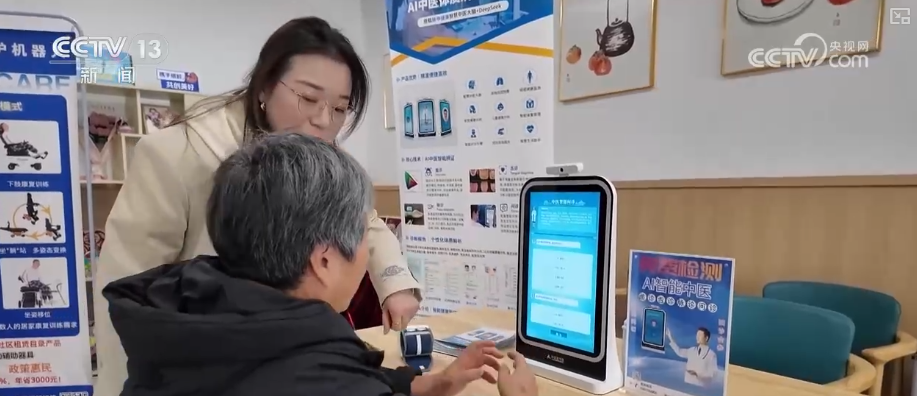
Core Viewpoint - The article highlights the evolving lifestyle and improved quality of life for the elderly in China, driven by advancements in technology, government support, and changing societal attitudes towards aging. Group 1: Aging Population and Lifestyle Changes - One in five Chinese individuals is now elderly, and there is a growing admiration among younger generations for the vibrant lifestyles of older adults [1] - The elderly are engaging in various activities, from cultural classes to spontaneous travel, reflecting a significant update in their daily lives [1][2] - The rise of "silver-haired" influencers on social media platforms indicates a shift in how older adults are perceived and how they engage with technology [5] Group 2: Government Initiatives and Support - Government subsidies for age-friendly renovations have made such improvements more accessible and affordable for the elderly [2][29] - By 2025, over 419 senior-friendly dining facilities and more than 2,000 elderly meal assistance points are expected to be established in Shanghai, enhancing the dining experience for seniors [14][33] - Policies introduced in late 2024 aim to accelerate the construction of age-friendly housing and support home modifications, with subsidies reaching up to 30% of renovation costs [27][29] Group 3: Technological Integration in Elderly Care - The integration of smart devices and services into the daily lives of the elderly is becoming more prevalent, with a notable increase in the use of health monitoring technologies [20][21] - The market for age-friendly products is expanding rapidly, with a 1.4 times increase in the number of available items, now covering 87 categories and 500,000 products [26] - The sales scale of smart assistive devices is approaching 2 billion yuan in 2025, driven by advancements in AI and health management technologies [26] Group 4: Community and Infrastructure Development - The establishment of 2,990 age-friendly communities and 86,000 meal assistance points across the country is providing essential support for over 3 million elderly individuals daily [33] - The development of comprehensive standards for age-friendly furniture and home products is enhancing the quality and safety of living environments for seniors [31]