
创新融合

Search documents
打年货、逛市集、看世界……湖北非遗点燃荆楚年味
Xin Hua She· 2026-01-19 07:36
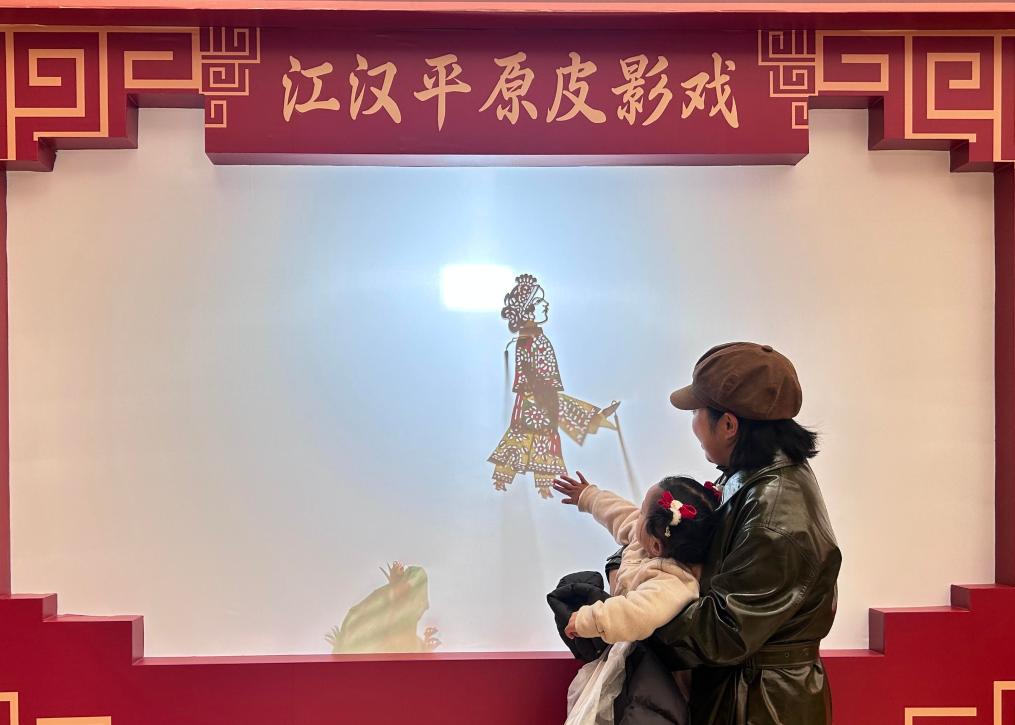
Core Viewpoint - The event "Knowledgeable Hubei Super Cultural Tourism Day" and the fifth Hubei Intangible Cultural Heritage Carnival showcased nearly 200 intangible cultural heritage projects and over 500 inheritors, highlighting the unique charm of Jingchu culture through the exhibition and sale of more than 3,000 intangible cultural heritage products and cultural tourism items [1]. Group 1 - The event attracted many citizens and tourists to Wuhan's Yangtze River New Area, where they experienced local culture and purchased New Year goods [1]. - Various traditional folk customs were performed, creating a lively atmosphere reminiscent of childhood Spring Festivals, with attendees engaging with intangible cultural heritage projects like bronze bells and shadow puppetry [2]. - The integration of traditional craftsmanship with modern consumer preferences was emphasized, as artisans created contemporary items like bookmarks and ornaments inspired by traditional shadow puppetry [2]. Group 2 - The artistic performances included regional folk songs and traditional operas, showcasing the innovative fusion of different cultural elements [3]. - A new collaboration between traditional incense and weaving techniques was introduced, aiming to revitalize intangible cultural heritage products for the market [6]. - The "Jingchu Intangible Cultural Heritage International Reception Hall" was inaugurated, facilitating international cooperation and promoting Hubei products globally [6][7]. Group 3 - The event featured a variety of Jingchu intangible cultural heritage items, including wood carvings and tea, appealing to both local and international audiences [7]. - A total of 3,000 New Year gift packages were sent from Hubei to countries like Hungary, Serbia, and Malaysia, spreading New Year blessings to overseas compatriots [7]. - The event not only showcased local products but also fostered cultural exchange, as international attendees experienced Chinese New Year traditions and local delicacies [7][8].

硅基革命重构竞争格局:中国智驾的攻与守
Mei Ri Jing Ji Xin Wen· 2025-12-02 09:00
Group 1 - The global automotive industry is facing unprecedented challenges, with over 55,000 jobs lost in the past two years in Germany alone, and more than 100,000 layoffs reported worldwide in the last year [1][2] - In contrast, China's automotive sector is thriving, with significant advancements in smart electric vehicles and a robust supply chain, positioning itself as a global leader in the industry [1][3] Group 2 - 2025 is seen as a critical year for automotive manufacturers, with a focus on survival in the face of electrification and the need for innovation in smart technologies [2][10] - China's automotive industry has rapidly evolved, achieving over 30 million annual vehicle sales and over 50% penetration of new energy vehicles, showcasing its ability to catch up and lead in the electric transformation [3][10] Group 3 - Major automotive companies are balancing tradition and innovation, with firms like Mercedes-Benz adapting to local markets while maintaining high safety and quality standards [4][5] - The innovation paths of foreign and Chinese companies are converging, with a blend of cautious planning and agile execution becoming the norm in the industry [5][6] Group 4 - A significant debate is ongoing regarding the technical routes for intelligent driving, with different approaches such as Tesla's vision-based system and Huawei's lidar-based system highlighting diverse innovation strategies [6][7] - The introduction of mandatory safety standards for L2-level driving assistance in China marks a shift towards a more regulated and safety-focused industry [8][9] Group 5 - The Chinese government is facilitating the development of L3-level autonomous driving, with expectations for standards to be established soon, indicating a strong push towards advanced automated driving technologies [10][11] - The competitive landscape in China's smart driving sector is characterized by a diverse ecosystem of companies, fostering innovation and adaptability across various scenarios [10][11]




今日视点:服务消费兴 中国经济旺
Zheng Quan Ri Bao· 2025-11-22 01:28
Core Viewpoint - The development of service consumption is essential for China's economic growth and is increasingly recognized as a necessary component for enhancing domestic demand and consumer spending [1][2]. Group 1: Economic Vitality - Service consumption is a key indicator of economic vitality, characterized by rich consumption levels, high frequency, broad reach, and sustainable growth [2]. - In the first ten months of this year, service retail sales increased by 5.3% year-on-year, outpacing the growth rate of goods retail sales [2]. Group 2: Innovation and Integration - "Business integration" is a core aspect of expanding service consumption, emphasizing the need for services to incorporate digitalization and AI tools while maintaining a personal touch [3]. - The service sector is seen as a "testing ground" for innovative integration due to its diverse forms compared to manufacturing [3]. Group 3: Employment Stability - The service sector plays a crucial role in job creation, with per capita service consumption expenditure rising to 46.8% of total per capita consumption expenditure in the first three quarters of this year [4]. - Sustained growth in service consumption contributes to employment stability, which in turn enhances consumer willingness to spend [4].
千年手艺焕发时代活力(乡村观察)
Ren Min Ri Bao· 2025-11-13 22:10
Core Viewpoint - The article highlights the revival and innovation of traditional crafts in Yongkang, particularly focusing on the preservation and modernization of intangible cultural heritage such as tin sculpture and copper art, which are being integrated with contemporary technology and market demands to enhance their relevance and appeal [6][10][17]. Group 1: Traditional Craft Revival - Yongkang is known as the "City of Hardware" and has 110 representative projects of intangible cultural heritage, but traditional crafts have drifted away from daily life over time [6][7]. - The eighth China International Import Expo showcased national intangible cultural heritage, allowing traditional crafts to engage with global markets [6][10]. - The local government emphasizes cultural prosperity as part of rural revitalization, promoting active protection and innovative transmission of traditional crafts [6][17]. Group 2: Technological Integration - The tin sculpture craft, despite its historical significance, faced challenges due to modern industrial materials and high raw material costs [7][8]. - A "gene bank" for tin sculpture has been established, collecting over 10 TB of data to preserve and innovate the craft [8][9]. - The introduction of VR experiences and AI-generated designs has attracted significant public interest, with over 30,000 visitors during a holiday period [9][10]. Group 3: Market Expansion and Economic Impact - The combination of traditional craftsmanship with modern technology has led to increased production efficiency while maintaining the quality of hand-crafted items [10][11]. - Yongkang's tin sculptures have become popular souvenirs and cultural products, expanding their market presence [10][15]. - In the first three quarters of the year, 31 intangible cultural heritage workshops in Yongkang generated over 4.3 billion yuan in sales, creating employment for over 10,600 people [17]. Group 4: Innovative Transmission and Youth Involvement - Younger generations are actively participating in the innovation and transmission of traditional crafts, integrating modern elements into their designs [14][15]. - Workshops are being established to attract tourists and educate them about traditional crafts, significantly boosting local economies [17]. - The local government supports these initiatives through funding and training programs, fostering a new wave of artisans [17].
记者手记|从伦敦世界旅游交易会感受中国吸引力
Xin Hua She· 2025-11-07 13:59
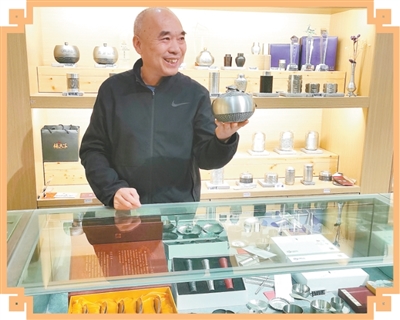
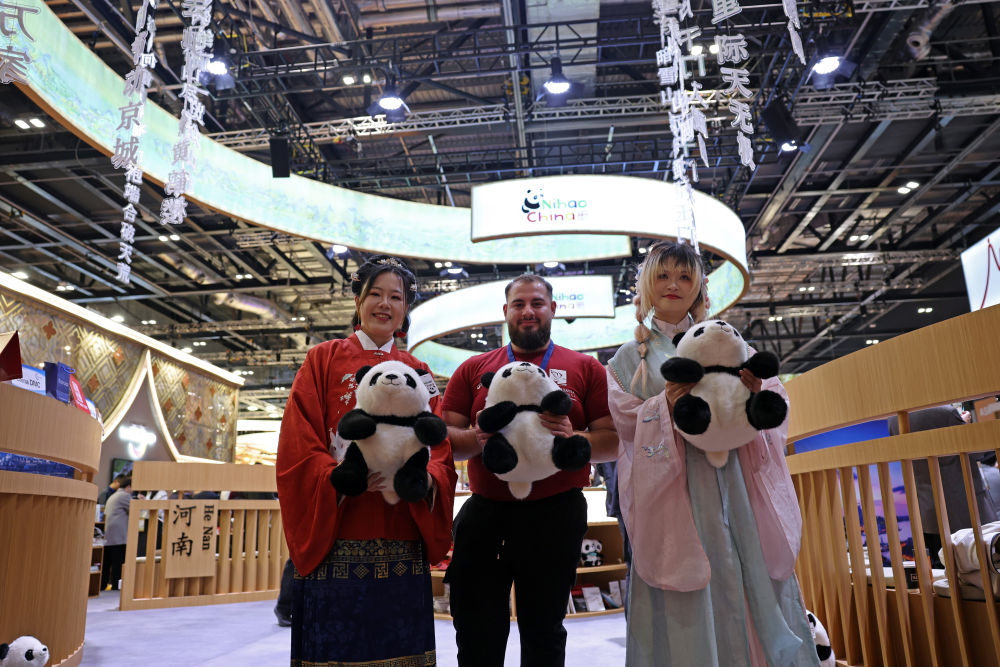
Core Insights - The 2025 London World Travel Market, held from November 4 to 6, gathered around 5,000 exhibitors from approximately 180 countries and regions, showcasing vibrant business discussions and cultural presentations [1][2]. Group 1: China's Participation - The Chinese exhibition area was a highlight, themed "China Tourism: Innovation, Integration, and Green Development," covering a record area of 402 square meters [2]. - The design of the Chinese exhibition not only showcased traditional cultural elements but also integrated concepts of sustainability and innovation, reflecting China's pursuit of high-quality development [2][4]. - The Chinese exhibition won the "Best Exhibition Design Award," becoming the only Asian national exhibition to receive this honor [4]. Group 2: Market Trends and Opportunities - The growing potential of Chinese tourists was a significant focus, with discussions on adjusting marketing strategies and product offerings to meet their needs [4]. - The UK tourism board emphasized the importance of stimulating travel interest among Chinese tourists rather than merely selling travel packages [4]. - The event highlighted a two-way attraction between the Chinese tourism market and international destinations, with countries like Saudi Arabia actively promoting their offerings to Chinese visitors [7].
汉得信息:汉得与阿里巴巴旗下公司阿里云是合作伙伴关系
Zheng Quan Ri Bao Wang· 2025-10-20 10:46
Group 1 - The core viewpoint is that Han's Information (300170) has established a partnership with Alibaba's subsidiary, Alibaba Cloud, focusing on various technological collaborations [1] - The collaboration includes areas such as cloud migration, disaster recovery and security in the cloud, new retail, Internet of Things (IoT), ET industrial brain, and innovative integration [1] - The partnership aims to enhance technical and platform support for customers [1]


全球健康创新融合成果显著前景广阔
Zhong Guo Jin Rong Xin Xi Wang· 2025-09-28 08:53
Group 1 - The concept of "global health" emphasizes breaking down barriers across disciplines, regions, and industries to foster deep collaboration for the well-being of humanity [1] - The 2025 Capital International Medical Conference highlighted the importance of innovative integration across various sectors, including hospital management, finance, pharmaceuticals, biotechnology, medical devices, and digital healthcare [1] - Pascal Garel noted the advantages of China's integrated healthcare system, which has made significant strides in the fusion of finance, technology, and healthcare [1] Group 2 - The development and transformation of biomedicine is characterized by long cycles, high investment, and high risk, which traditional finance typically avoids due to its preference for strong collateral and low risk [2] - Shanghai Pudong Development Bank is restructuring its financial services to focus on future-oriented ecosystems rather than traditional products, aiming to support medical innovation through a comprehensive service system [2] - China Pacific Insurance has seen significant success in integrating medical insurance with commercial insurance, with over 33 million insured individuals under its mutual insurance program [2] Group 3 - The application of digital technologies is revitalizing existing medical practices, with companies like Takeda China and Mindray leveraging AI and big data to improve diagnostic accuracy and efficiency [3] - JD.com is breaking traditional medical service boundaries by providing 24/7 access to top-tier doctors and rapid response times for patient care [3] - Xu Haoyu from Yangtze River Pharmaceutical Group emphasized the potential value of health products that can reverse carotid artery plaques, reflecting traditional Chinese medicine's preventive approach to health [3]
陕西西安:1—7月规上工业增加值同比增长11%
Ke Ji Ri Bao· 2025-09-19 03:13
Group 1 - The core industrial value added in Xi'an increased by 11% year-on-year from January to July, outperforming the national and provincial averages by 4.7 and 2.1 percentage points respectively, ranking second among 15 sub-provincial cities [1] - Key industrial chains, including large aircraft, photovoltaic, passenger vehicles, and smart connected vehicles, are driving industrial growth, with total output value of key industrial chains growing by 13.8% and accounting for 86.2% of the city's total industrial output [1] - The photovoltaic and passenger vehicle industries showed significant growth rates of 65.2% and 33.1% respectively [1] Group 2 - Xi'an Yanliang National Aviation High-tech Industry Base has made notable progress in the large aircraft industry chain, establishing a new regional cooperation model with COMAC and assisting 21 enterprises to enter the supply chain [2] - The aviation industry in Yanliang is projected to exceed 40 billion yuan in total output value by 2024, aiming to become a core area for the national large aircraft industry [2] - Xi'an Economic Development Zone achieved an industrial output value of 50.65 billion yuan in the energy oil and gas industry, marking a 29% year-on-year increase, and is developing an energy oil and gas industrial park [2] Group 3 - The Xi'an Industrial and Information Technology Bureau is promoting small and medium-sized enterprises' integration into large enterprises' industrial chains through a "three lists" mechanism, having collected over 4,000 resource demands [3] - Future plans include accelerating the implementation of proposals, innovation breakthroughs, project transformations, and spatial expansions [3]