多元协同

Search documents
阿尔及利亚与欧盟深化能源伙伴关系,巩固天然气与氢能合作
Shang Wu Bu Wang Zhan· 2026-02-14 08:32
Core Viewpoint - Algeria reaffirms its position as a reliable energy supplier to Europe during the sixth high-level energy political dialogue with the EU, focusing on natural gas, hydrogen, and electricity cooperation [1] Group 1: Energy Cooperation - Algeria and the EU reached a new consensus on cooperation in natural gas, hydrogen, and electricity under the framework of the 2013 Energy Strategic Partnership Memorandum [1] - The EU acknowledges Algeria's critical role in ensuring the security of natural gas supply to Europe and encourages increased investment in Algeria's oil and gas sector [1] - Both parties emphasized the development of renewable energy and low-carbon technologies, leveraging Algeria's abundant resources and infrastructure [1] Group 2: Specific Projects and Initiatives - The meeting highlighted the SoutH2Corridor cross-border hydrogen project and electricity interconnection [1] - The TaqatHy+ renewable energy support program, set to launch in 2025, was also discussed, marking a shift in bilateral energy cooperation towards low-carbon transition and diversified collaboration [1]
站稳“三个1亿吨”,资源家底更殷实
Qi Lu Wan Bao· 2026-02-13 15:19
Core Insights - The company has achieved significant milestones in resource exploration, with proven oil reserves reaching 269.6 billion tons, an increase of 83.79 billion tons compared to the previous five-year plan [1][4] - The strategic transformation during the "14th Five-Year Plan" period has led to breakthroughs in exploration methods and the discovery of new oil fields, including the establishment of a shale oil demonstration area [4][5] - The company has successfully completed its seven-year action plan ahead of schedule, achieving a drilling success rate of 67.8%, the highest in its history [1][2] Exploration Strategy - The company has shifted its exploration focus from conventional to unconventional resources, targeting deeper and broader geological formations [3][9] - New exploration strategies have been implemented, including expanding into new regions and types of resources, such as coalbed methane and geothermal energy [9] Technological Advancements - The company has developed innovative theories and technologies to enhance exploration efficiency, resulting in the activation of 1.51 billion tons of previously difficult-to-access reserves [5][7] - Significant breakthroughs in deep exploration have been achieved, with successful drilling at depths of up to 8,600 meters, leading to the discovery of high-yield oil flows [7] Future Outlook - The company aims to create an energy super basin by focusing on five key directions: stabilizing conventional resources, expanding new areas, promoting shale oil, nurturing natural gas, and expanding mining rights [9] - A comprehensive energy blueprint has been established for the "15th Five-Year Plan," emphasizing high-quality development and the prioritization of conventional resource exploration [9]

火情突袭!贵阳花溪三方联动12分钟化险
Xin Lang Cai Jing· 2026-01-31 08:12
Core Viewpoint - The article highlights a successful emergency response by a community, police, and property management team that prevented a potential fire disaster, showcasing the effectiveness of their collaborative governance system [8]. Group 1: Emergency Response - On January 23, 2026, a joint working group from the community, police, and property management was conducting a safety action when they detected a strong burnt smell and smoke coming from a resident's apartment [3][5]. - The police quickly activated an emergency response mechanism, coordinating efforts to contact the resident and evacuate nearby residents while maintaining safety at the scene [5][7]. - After gaining access to the apartment, the team identified the source of the smoke as a burning stove and successfully extinguished the potential fire hazard within 12 minutes [7]. Group 2: Community Collaboration - The incident exemplifies the "party building leads, multi-party collaboration" governance model, demonstrating the effectiveness of community engagement and rapid response in crisis situations [8]. - The seamless coordination among community workers, police, and property management was crucial in managing the emergency and ensuring resident safety [8]. - The positive feedback from the affected resident underscores the importance of community trust and the commitment of local authorities to safeguard public safety [8].

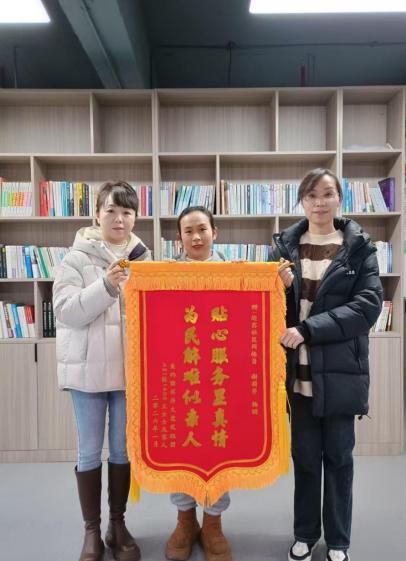
南湖新区构建基层治理现代化“东栅路径”
Xin Lang Cai Jing· 2026-01-22 23:17
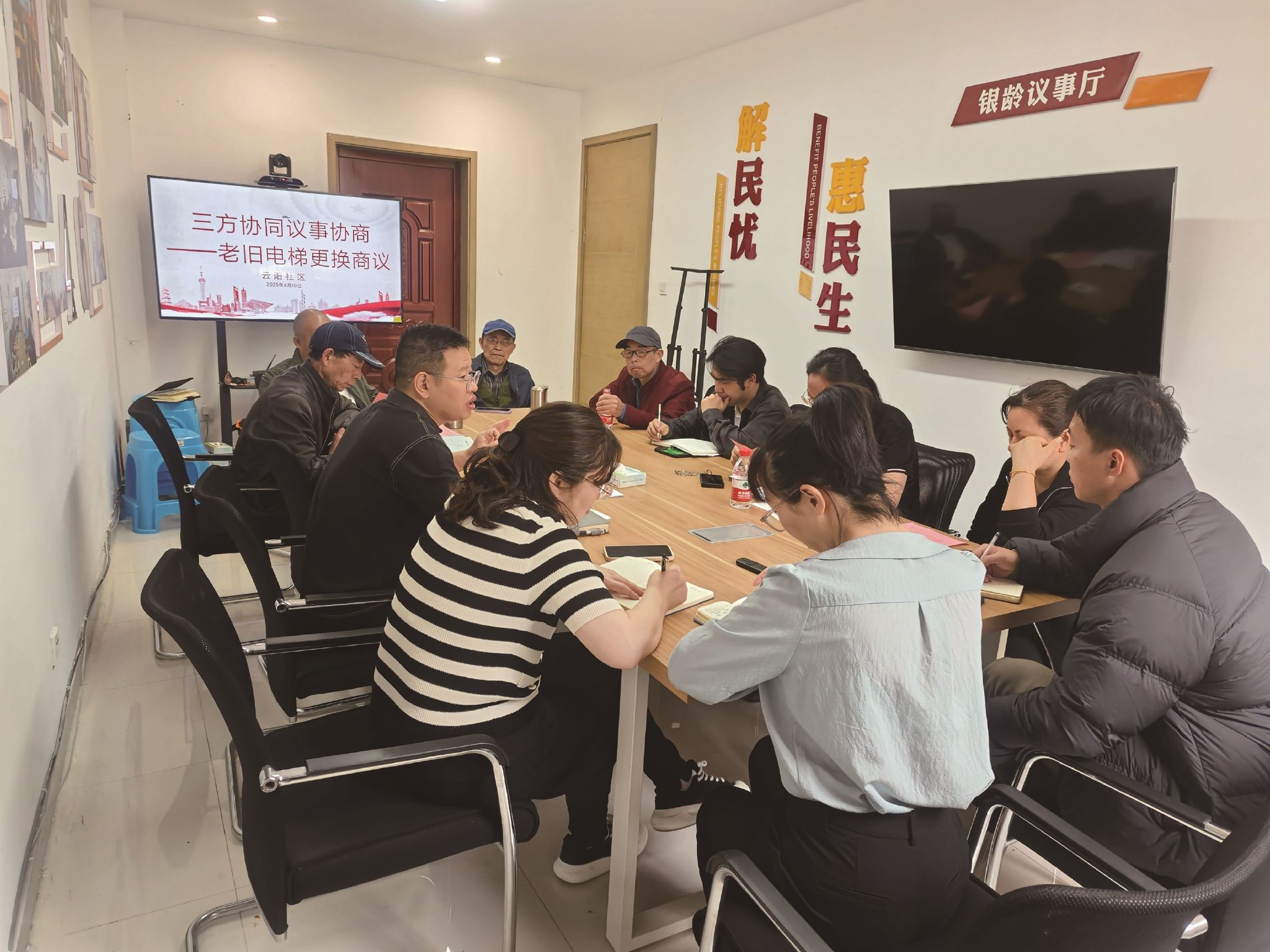
Core Viewpoint - The article highlights the successful implementation of a modern grassroots governance system in the South Lake New District, showcasing the "Good Governance East Zha" brand as a replicable model for innovation in grassroots governance [3][4][6]. Group 1: Governance Structure and Innovation - The South Lake New District emphasizes party leadership as the foundation of grassroots governance, establishing a governance organization that is interconnected and comprehensive [4]. - A dual-driven approach of "organizational coverage + work coverage" has been implemented, achieving a 100% work coverage rate in the "Two Enterprises and Three New" party-building initiatives [4]. - The district has formed over 200 joint projects covering livelihood security and grassroots governance through partnerships with 181 organizations, addressing issues of resource fragmentation and insufficient collaboration [4][5]. Group 2: Community Engagement and Services - Ten "East Zha Pioneer 3-Person Teams" have been established to engage with over 300 businesses, resolving more than 100 issues through a model that combines leadership, party members, and social organizations [5]. - The "Red Discussion Hall" initiative encourages party members to engage with the community, addressing practical issues such as elevator replacements and charging station installations [5]. Group 3: Grid-Based Governance - The district has adopted a grid-based approach to governance, enhancing efficiency and resource allocation through the establishment of dedicated grids for 13 key locations [6][7]. - The "Child Safety East Zha" initiative has created the city's first "Worry-Free School Route" and "Happiness Bank" brand, integrating multiple resources for community safety [6]. - A comprehensive market governance strategy has been implemented, resulting in a reduction of various incidents by over 10%, thereby improving governance effectiveness and safety indices [6]. Group 4: Capacity Building and Community Participation - The district has trained 711 governance leaders to enhance their professional skills and has mobilized over 3,400 participants in safety patrols, addressing 1,149 safety hazards [7]. - The establishment of a "Neighboring Residents' Committee Guidance Service Center" has led to the creation of 20 replicable cases, promoting standardized community governance [7]. - New employment groups are being integrated as "flowing probes" and "governance partners," fostering a reciprocal relationship between service and governance [7].
以常态化帮扶机制筑牢防止返贫致贫底线
Jing Ji Ri Bao· 2026-01-10 21:57
Core Viewpoint - The recent Central Rural Work Conference emphasizes the establishment of a regular mechanism to prevent poverty and improve support policies, which is crucial for promoting rural revitalization and common prosperity for farmers [1] Group 1: Achievements and Current Status - During the "14th Five-Year Plan" period, significant progress has been made in consolidating poverty alleviation achievements, with the income levels and living quality of the impoverished population significantly improved [1] - Over 7 million monitoring subjects have been identified and supported to eliminate the risk of returning to poverty, with continuous improvements in education, healthcare, housing, and drinking water safety for the impoverished population [1] - The central government has invested a total of 850.5 billion yuan in rural revitalization support funds over the past five years, focusing on key areas such as 160 counties and 35,000 resettlement areas [1] Group 2: Future Challenges and Strategies - Despite the achievements, there are still risks of returning to poverty for some farmers, and underdeveloped regions face various constraints that require national support [2] - The transition from temporary assistance to a regular governance model aligned with rural revitalization strategies is necessary, as the current support system still falls short of the requirements for comprehensive rural revitalization [2] - There is a need to enhance development momentum and internal motivation, as some beneficiaries exhibit a reliance mentality and lack skills that match market demands [2] Group 3: Key Focus Areas for Support - The core goal of regular assistance should shift from "safety net" to "empowerment," emphasizing capacity building and opportunity provision [3] - The focus should be on cultivating characteristic industries, improving the development environment, and enhancing human capital, balancing both "blood transfusion" and "blood production" approaches [3] - The government should transition from a leading role to a collaborative approach, integrating market forces and encouraging social participation in the assistance process [3] Group 4: Monitoring and Evaluation - A unified, precise, and dynamic monitoring system for preventing poverty should be established, enhancing data sharing and connectivity among relevant departments [4] - The application of digital technologies, such as big data and AI, is essential for accurately identifying those at risk of returning to poverty [4] - There should be a focus on dynamic management of beneficiaries, including clear exit conditions and procedures for assistance policies [4]
死里逃生!中国水务60%被外资控股,美国的如意算盘如何落空的?
Sou Hu Cai Jing· 2025-12-25 13:39
Core Viewpoint - The article discusses the historical struggle for control over China's water resources, highlighting the shift from foreign dominance to a more balanced domestic control, emphasizing the importance of water security as a national priority [1][2][25]. Group 1: Historical Context - The Chinese water industry was once on the brink of being dominated by foreign capital, with 60% of the water supply market controlled by foreign entities, affecting nearly 100 million people's access to water [2][10]. - In the 1990s and early 2000s, rapid urbanization led to significant infrastructure gaps, particularly in water services, prompting the government to open up to foreign investment to fill these gaps [4][6]. Group 2: Foreign Investment and Its Impact - Major foreign companies like Veolia and Suez entered the Chinese market, often outbidding local firms for contracts, which resulted in substantial financial gains for local governments but raised concerns about long-term implications for water quality and pricing [8][10]. - Water prices surged significantly after foreign companies took over operations, with examples like Tianjin experiencing price increases from 0.68 yuan to 3.4 yuan per ton, a nearly fivefold rise [13]. Group 3: Water Quality Concerns - Numerous incidents of water quality issues arose under foreign management, including severe contamination cases in Lanzhou and other cities, leading to public health scares and loss of trust [15][18]. - The article cites global examples of foreign water management failures, indicating a pattern of profit-driven practices that compromise local water quality and accessibility [20][25]. Group 4: Policy Response and Domestic Growth - In response to the challenges posed by foreign control, the Chinese government initiated a "de-foreignization" policy in 2015, which included the cancellation of special operating rights for foreign companies and the strengthening of local water management [27][29]. - Domestic companies like Beijing Enterprises Water Group and Beijing Capital Water have emerged as key players, leveraging government support and technological advancements to reclaim market share from foreign firms [31][33]. Group 5: Current Market Dynamics - The current landscape of the Chinese water market is characterized by a "state-owned enterprise-led, multi-party collaboration" model, ensuring better water quality and pricing stability for consumers [35][36]. - Partnerships between local firms and foreign companies, such as the collaboration between Suez and Chongqing Water Group, illustrate a new cooperative approach that maintains local control while benefiting from foreign expertise [40][42]. Group 6: Future Challenges and Strategies - Despite progress, challenges remain, particularly in rural areas where water infrastructure is still lacking, and urbanization continues to strain water resources [49][50]. - Ongoing efforts are needed to enhance domestic technological capabilities, improve regulatory frameworks, and ensure sustainable water management practices to safeguard water resources for future generations [52].


中恒集团2025年上半年实现业绩双增 强化主业拓展与多元协同
Zheng Quan Shi Bao Wang· 2025-09-01 04:13
Group 1 - The core viewpoint of the articles highlights that Zhongheng Group has achieved revenue growth and profit increase in the first half of 2025, driven by market expansion, R&D innovation, and diversified layout [1][2] - In the first half of 2025, Zhongheng Group reported a revenue of 1.451 billion yuan, a year-on-year increase of 2.84%, and a net profit attributable to shareholders of 27.08 million yuan, up 23.59% [1] - The pharmaceutical manufacturing segment generated an external revenue of 1.044 billion yuan, reinforcing the company's revenue base [1] Group 2 - Zhongheng Group is focusing on innovation and product layout to establish a new growth curve, optimizing its R&D system and signing cooperation agreements with key laboratories [2] - The company has received clinical trial approval for its innovative drug project "Sanqi Granules" and has introduced a candidate drug molecule for chronic heart failure, expanding market opportunities in chronic kidney disease and cardiovascular fields [2] - The health consumption segment has launched 26 new products, contributing to steady revenue and profit growth [2] Group 3 - Zhongheng Group repurchased 118 million shares for 301 million yuan, accounting for 3.56% of the total share capital, reflecting management's confidence in future development [3] - The company's subsidiary, Laimei Pharmaceutical, has developed "Injectable Esomeprazole Sodium," recognized as a major technological innovation product in Chongqing for 2024, addressing key technical challenges in synthesis and freeze-drying stability [3] - This innovation not only breaks the import monopoly but also provides better medication options for patients, showcasing the company's strength in formulation R&D and production process innovation [3]

从“苏超力量”看城市发展逻辑转变
Xin Hua Ri Bao· 2025-08-26 07:25
Core Perspective - The emergence of "Su Super" reflects a shift in urban development logic from a material-oriented approach to a people-oriented approach, emphasizing emotional resonance and multi-dimensional collaboration [1][2][4][5][7][8] Group 1: Transition in Urban Development Logic - The transition from "material-oriented" to "people-oriented" development highlights the awakening of public participation, where citizens evolve from passive spectators to active participants in urban growth [2] - The shift from "homogeneous cities" to "unique cities" emphasizes the importance of cultural identity, where local characteristics become core competitive advantages [3] - The change from "function satisfaction" to "emotional resonance" indicates a focus on fulfilling emotional needs rather than just material requirements [4] Group 2: Economic and Structural Implications - The movement from "resource dependence" to "demand-driven" growth reflects a transformation in consumption preferences, prioritizing emotional experiences over mere material satisfaction [5][6] - The evolution from "single entity" to "multi-party collaboration" in urban governance promotes shared responsibilities and cooperative strategies among various stakeholders [7] - The transition from "local circulation" to "global outreach" signifies the need for cities to expand their influence beyond local boundaries, enhancing their attractiveness and competitive edge [8]

专家:激活社区内生动力 多元协同破题“中国式养老”
Zheng Quan Shi Bao Wang· 2025-08-18 14:41
Core Viewpoint - The high-quality development of elderly care services is crucial for advancing Chinese-style modernization, with a significant transformation in the elderly care model occurring in China, driven by the unique challenges faced by the "70s," "80s," and "90s" generations [1][2] Group 1: Current State of Elderly Care - China is experiencing the largest and fastest transformation in elderly care in human history, with a shift from family-based care to socialized care since the reform and opening up [1] - The proportion of the population aged 60 and above has reached 18.7% according to the seventh national census, with expectations of entering a phase of severe aging by 2035 [1] Group 2: Proposed Solutions - To enhance the sense of security for the "70s," "80s," and "90s" generations, a stable pension expectation and a multi-layered policy system from central to local levels are recommended [2] - A community-based service model is suggested, integrating elderly dining facilities and day care into a one-stop complex, creating a "service circle" within a 15-minute walking distance [2] - The use of IoT and big data to establish health monitoring platforms for the elderly is proposed, enabling real-time tracking of chronic disease indicators and AI risk warnings [2] Group 3: Role of Insurance Industry - The insurance industry is seen as having the potential to alleviate consumer anxiety by providing traditional financial services alongside related services, contributing to the "security code" for a longevity society [3] - The silver economy in China is rapidly developing, characterized by accelerated integration with related industries and the emergence of new industries [3] - The insurance sector is encouraged to offer diversified, personalized products and services that cover the entire life cycle, promoting innovative models [3]
滨州建投与侨银股份达成战略合作 构建城市服务新生态
Zheng Quan Ri Bao Zhi Sheng· 2025-06-29 10:09
Core Insights - The strategic cooperation framework agreement signed between Binzhou Urban Construction Investment Group and Qiaoyin Urban Management Co., Ltd. marks a significant step towards modernizing urban governance in Binzhou, Shandong Province [1] - The partnership aims to create a joint venture that integrates urban management resources and leverages digital technology to transform urban services from traditional operations to a dual-driven model of "management + operation" [1][2] Urban Management Innovation - The joint venture will focus on building a smart management platform that utilizes AI video monitoring and GPS positioning to create a comprehensive urban governance system [2] - This system will enable proactive governance by predicting and warning about urban events, thus transforming urban management from reactive to proactive [2] Business Development Strategy - The joint venture plans to leverage state-owned enterprise resources to innovate in areas such as property services, smart parking systems, and 3D printing for waste recycling [2] - This strategic layout aims to break traditional boundaries of urban management by integrating public services with commercial operations [2] Capital Operations - The partners intend to establish a multi-tiered financing system to support traditional urban management through project financing and loans, while exploring strategic investors and asset securitization for emerging business areas [2] - This approach aims to address the long-standing issue of upfront investment pressure in the urban services sector [2] Market Implications - The collaboration represents a forward-looking exploration of urban development models, combining the capital operation capabilities of the listed company with the resource integration advantages of the local state-owned enterprise [3] - This new paradigm of "technology-driven, capital-enabled, and multi-dimensional collaboration" is expected to enhance urban management efficiency and service quality, providing a sustainable momentum for urban development [3]