文化赋能商业

Search documents
江苏南京:“文化走亲”进商圈 城乡联动闹新春
Nan Jing Ri Bao· 2026-02-24 06:49
Core Viewpoint - The article highlights the successful implementation of the "Cultural Visiting" initiative in Nanjing during the Spring Festival, which integrates cultural performances into commercial areas to enhance consumer engagement and boost local economic activity [4][8]. Group 1: Cultural Activities - The "Cultural Visiting" initiative features a series of traditional performances, including dragon dances, lion dances, and folk shows, taking place in major shopping districts from the second to the sixth day of the Lunar New Year [4][6]. - The event is characterized by a collaboration between urban and rural cultural teams, allowing for a diverse exchange of local traditions and performances across different districts [7]. Group 2: Economic Impact - The initiative aims to extend the duration of visitors' stay in shopping areas, transforming their experience from mere shopping to a multifaceted cultural engagement that includes dining and family activities [8]. - By integrating cultural performances with shopping, the initiative effectively stimulates consumer spending, contributing to a vibrant economic atmosphere during the festive season [8]. Group 3: Community Engagement - The program encourages active participation from the public, with interactive elements such as paper-cutting workshops and riddles, fostering a sense of community and cultural appreciation [8]. - The initiative not only showcases local culture but also enhances the overall experience for families, making shopping a more enjoyable and culturally enriching activity [8].

文化赋能商业 2025年北京新增110万平方米零售空间
Bei Jing Shang Bao· 2026-01-12 13:57
Group 1 - The core viewpoint of the news is that the Beijing retail market is set to experience significant growth in 2025, with the addition of over 1.1 million square meters of quality retail space through 13 new projects and upgrades of older commercial properties [1] - The transformation of commercial spaces into "urban living rooms" is a key trend, emphasizing the integration of consumer experience with local culture [1] - The operation of cultural and IP assets is evolving from a singular symbol approach to a more global and matrix-based strategy [1] - The shift in commercial operation philosophy from "traffic-oriented" to "long-term management" is being driven by diverse capital involvement [1] Group 2 - The sixth issue of the "China REITs Index Real Estate Capitalization Rate Survey Report" indicates that capitalization rates are a core pricing anchor for real estate, reflecting industry confidence and investment logic [2] - The expansion of public REITs to include office buildings and hotels marks a new phase in the financialization of Chinese real estate, providing standardized exit channels for existing assets and diverse investment options for institutional investors [2] - The market is transitioning from a reliance on development and sales to a full-cycle capability competition, highlighting the increasing importance of professional services and value operations [2]
“拿捏”冬日消费,越秀商管“悦食节”玩出新花样
Sou Hu Cai Jing· 2026-01-08 18:37
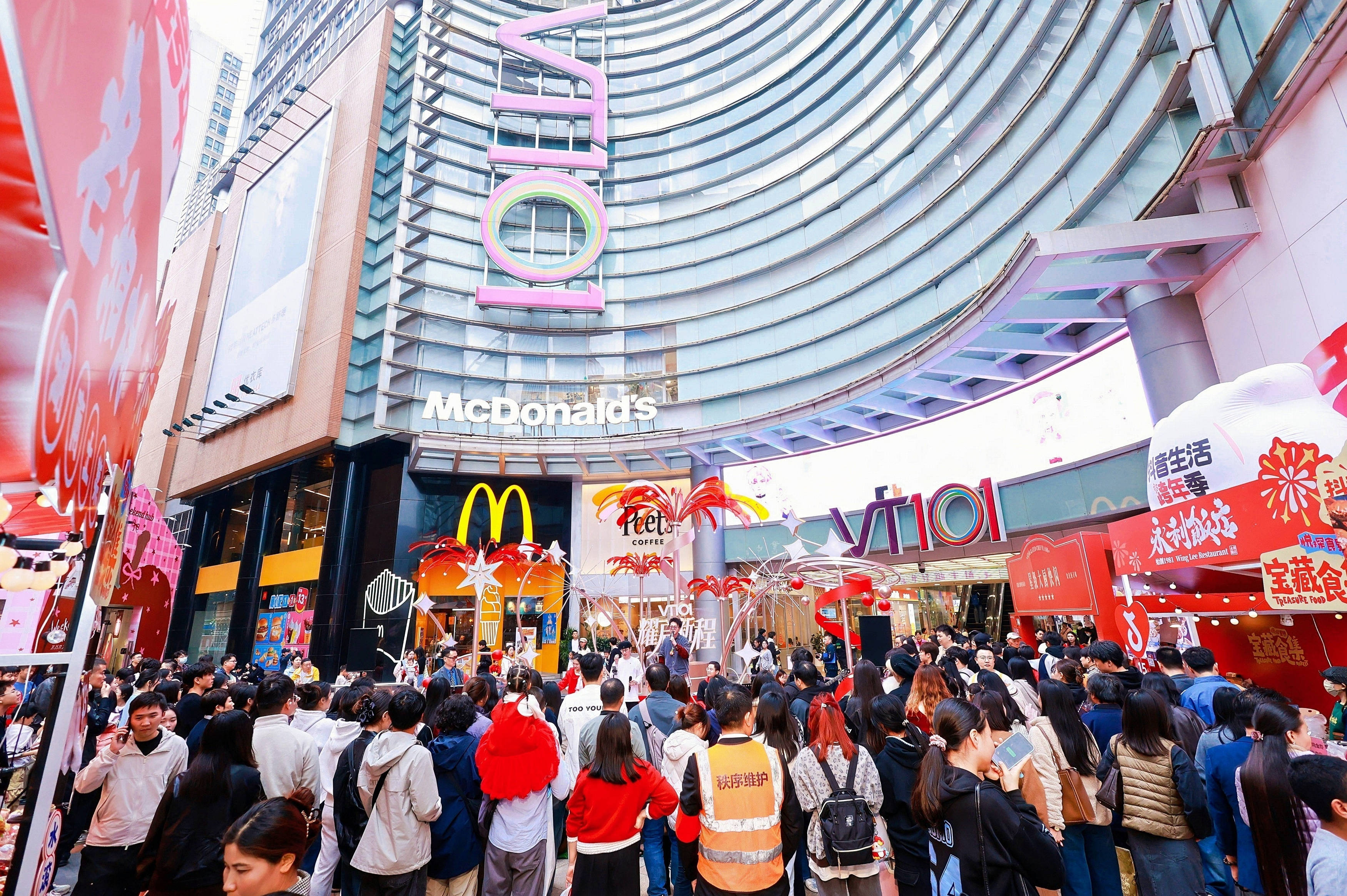
Core Insights - The "Yue Enjoy Warm Winter, Happy Travel Guangdong" consumption season has successfully activated the winter consumer market through the "Yue Food Festival" organized by Yuexiu Commercial Management [1][4] - The festival achieved a 13% year-on-year increase in daily foot traffic and a 21% increase in daily sales, with member sales soaring by 88% [1] - The event has significantly boosted nearly 200 brand merchants' revenues, with an average sales increase of 15% in the catering sector [1] Group 1: Event Highlights - The festival focused on the concept of "food as the core, multi-industry linkage, and cultural empowerment," creating immersive consumption scenarios [1] - Key activities included the "Fireworks Life Collection" in Guangzhou and the "Wish Snow Season" in Wuhan, targeting young consumers [1] - Innovative promotions such as the "9.9 Yuan Food Exploration Package" and "MBTI Food Voucher Package" were introduced to lower participation barriers and create a consumption loop [1] Group 2: Cultural Empowerment - The festival linked local and international elements, featuring 40 local brand owners and inviting star chefs to create exclusive dishes [4] - Non-heritage cuisine and international dishes were introduced in projects in Wuhan and Guangzhou, enriching the cultural experience for consumers [4] - The event is part of Yuexiu Commercial Management's strategy to foster commercial value and urban development, contributing to Guangzhou's goal of becoming an international consumption center [4]
江苏苏州:IP“活”起来 古城“潮”起来
Xin Lang Cai Jing· 2025-12-27 16:36
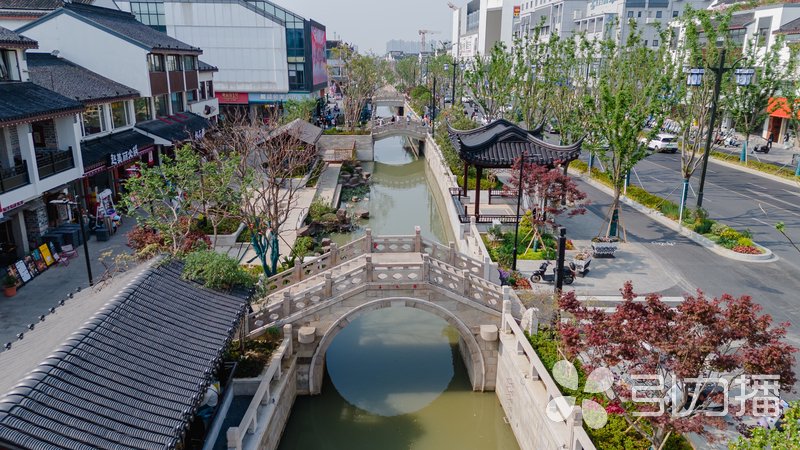
Core Insights - The article highlights the vibrant development of the Suzhou Qianjie-Pingjiang Road business district, showcasing a significant increase in visitor numbers and revenue through cultural and commercial integration [1][2][4]. Group 1: Visitor and Revenue Growth - During the National Day and Mid-Autumn Festival, 3 million tourists visited the area, a year-on-year increase of 15% [1] - The "Winter Solstice as Big as New Year" cultural event attracted over 800,000 visitors, marking a 34.2% increase compared to the previous year [1] - The business district achieved nearly 23 billion yuan in revenue this year, with annual foot traffic exceeding 72 million, comparable to first-tier commercial complexes in China [1] Group 2: Business District Integration - The integration of resources across Qianjie, Pingjiang Road, Lindun Road, and Cangjie has transformed the area into a cohesive commercial "ecosystem" [2] - The establishment of a "10-minute experience circle" allows visitors to seamlessly transition between shopping, cultural experiences, and trendy activities without long-distance travel [2] - The Cangjie area has successfully positioned itself as a hub for trendy art, significantly enhancing foot traffic and revenue for surrounding areas [2][3] Group 3: Cultural and Commercial Synergy - The business district's strategy emphasizes the deep integration of culture and commerce, moving from "single retail" to "experiential consumption" [4] - The transformation of the former Changfa Shopping Mall into the "CFS Central Holiday Plaza" exemplifies the revitalization of old buildings, aiming for an annual revenue exceeding 100 million yuan post-opening [4] - The "Lindun Step into the Past and Present" initiative serves as a key link connecting various commercial activities, enhancing the overall consumer experience [5] Group 4: Sustainable Ecosystem Development - The district's updates focus on sustainable practices, ensuring that popular events continue to engage the community while enhancing cultural and economic benefits [7] - Cultural initiatives like the "Lotus Flower Market" have successfully merged local agricultural practices with urban cultural experiences, attracting over 10,000 visitors daily [7][8] - Ongoing cultural events, such as "Suzhou Winter Solstice Customs," have been recognized as part of the provincial intangible cultural heritage, further enriching the area's cultural landscape [8][10]
新加坡商人吕文扬在亚洲村博美活动中编织多元商业纽带
Sou Hu Cai Jing· 2025-10-28 14:55
Core Insights - The article highlights the innovative approach of Singaporean businessman Lyu Wenyang in revitalizing business connections through the "Bomei" event, which serves as a bridge between Southeast Asian small businesses and global buyers [1][4]. Group 1: Event Overview - The "Bomei" event, held in the Asian Village, showcased diverse products and traditional crafts from over ten countries, aiming to connect local merchants with larger orders [4]. - Lyu Wenyang's strategy focused on creating a "two-way window" to display the variety of products in the Asian Village while educating local merchants about market demands [4]. Group 2: Unique Event Structure - The event's layout was restructured around "product functionality and cultural stories" rather than by country, enhancing visitor engagement and showcasing product differentiation [4]. - An unexpected collaboration emerged during the event when an Indonesian batik merchant, initially struggling with branding, successfully connected with a Japanese clothing brand after a cultural storytelling session [4]. Group 3: Long-term Impact and Future Plans - Lyu Wenyang aims to establish a "long-term cooperation network" for the Asian Village, organizing supply-demand matching sessions and addressing logistical concerns for merchants [8]. - Following the event, 28 merchant-buyer agreements were signed, and 12 merchants joined the newly formed "Asian Village Merchant Alliance," indicating a sustainable business model [8]. - Plans are in place to upgrade the "Bomei" event to a quarterly theme focusing on "Asian specialty foods," further promoting local products to larger markets [8].

商圈“出圈” 靠什么(纵横)
Ren Min Ri Bao· 2025-10-22 22:17
Group 1 - The article emphasizes the transformation of traditional commercial districts into integrated experience spaces that combine various elements such as art, dining, and design, catering to modern consumers who value emotional and experiential purchases [1][2] - The concept of commercial districts is evolving to become not just shopping areas but also cultural and vibrant spaces that enhance consumer engagement and promote local culture, as seen in the bustling activities in Tianjin's Nankai District [1][2] - Successful commercial districts are described as "emotional magnets," serving as platforms for emotional expression, cultural representation, and identity recognition, which are crucial for attracting consumers and enhancing their shopping experience [2] Group 2 - The integration of local culture and unique characteristics into commercial offerings is essential for enhancing consumer loyalty and driving diverse business development, as demonstrated by various innovative approaches in different regions [2] - The article highlights that the vitality of consumption and urban development can be observed through the changing demands and scenarios in commercial districts, while the fundamental logic of business development remains focused on winning consumer hearts [2]
商圈“出圈”,靠什么(纵横)
Ren Min Ri Bao· 2025-10-22 22:02
Core Insights - The article emphasizes the transformation of commercial districts into comprehensive experience spaces that integrate culture, dining, and design, moving beyond traditional shopping models [1][2] - It highlights the importance of emotional and experiential value in consumer behavior, suggesting that modern consumers are willing to pay for experiences rather than just products [1][2] Group 1: Commercial Districts - Commercial districts are evolving into cultural and vibrant spaces, combining shopping with artistic and culinary experiences to attract consumers [1] - The integration of local cultural elements into commercial offerings enhances consumer engagement and loyalty, driving diverse business development [2] Group 2: Consumer Behavior - Consumers are increasingly seeking emotional connections and cultural expressions in their shopping experiences, viewing commercial spaces as platforms for identity and memory [2] - Successful commercial entities are those that resonate with consumer emotions and cultural nostalgia, thereby enhancing the overall value of the shopping experience [2]
活力中国调研行|开业半年营业额月均超3000万元,县域商业新样板如何炼成?
Sou Hu Cai Jing· 2025-09-06 15:10
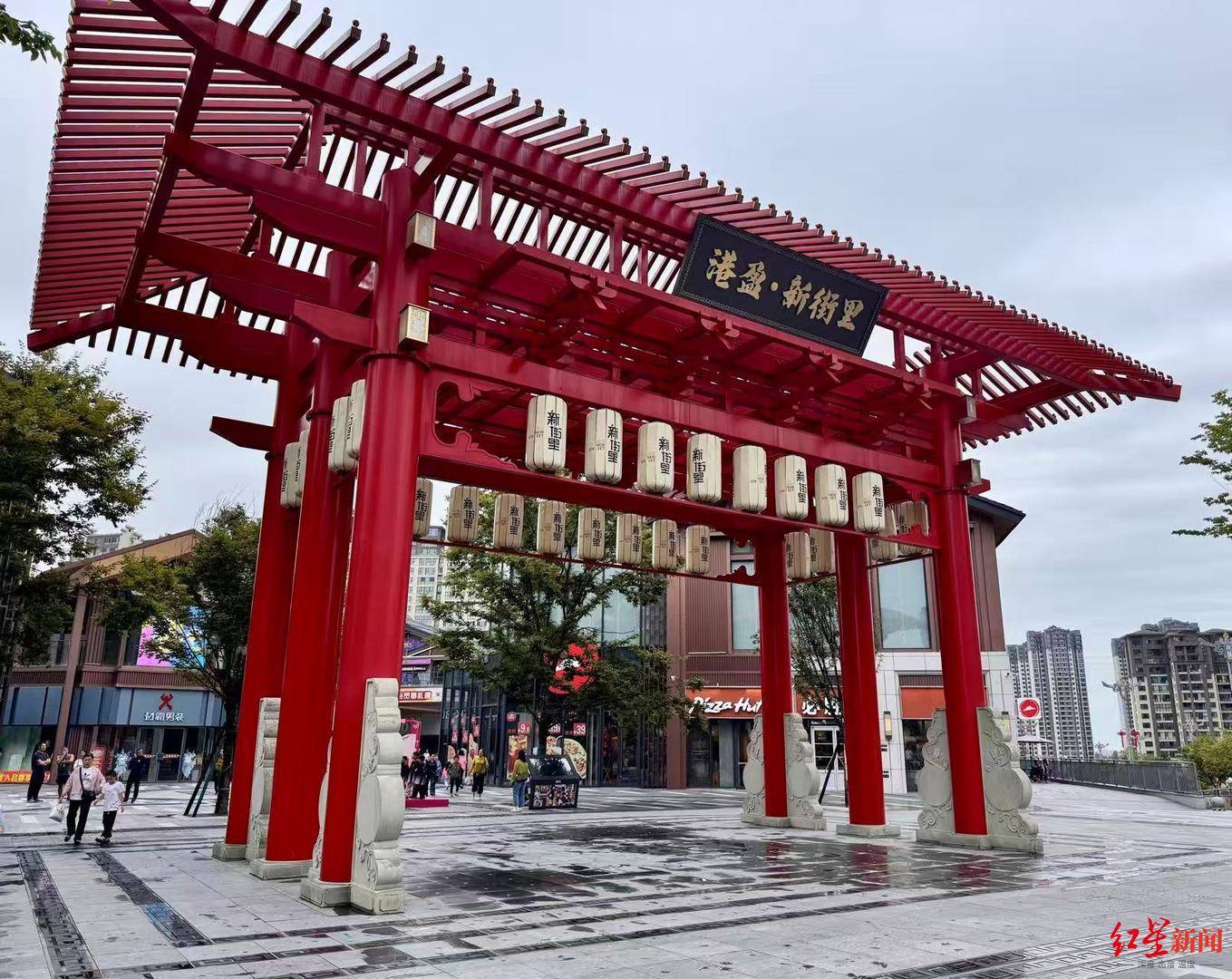
Group 1 - The "Gangying·New Street" cultural tourism commercial district in Longchang has achieved a remarkable 92% opening rate and an average monthly revenue exceeding 30 million yuan, indicating a strong activation of county-level consumption [1][3] - The district has seen an average daily foot traffic of 15,000, with peak holiday periods exceeding 50,000 visitors, showcasing its popularity and effective consumer engagement strategies [3][5] - The integration of local cultural elements, such as traditional architecture and intangible cultural heritage, has enhanced the consumer experience and contributed to the district's success [3][5] Group 2 - The total retail sales of social consumer goods in Longchang have increased from 13 billion yuan to 16 billion yuan, reflecting the positive economic impact of the "Gangying·New Street" district [5][7] - The district has become a hub for local youth, with 40% of new stores being first-time entrants in Longchang, fostering a return of talent and creating job opportunities in the local cultural tourism sector [7] - The focus on creating unique consumer experiences has transformed Longchang from a transit point into a destination, enhancing its appeal to both local and visiting consumers [7]
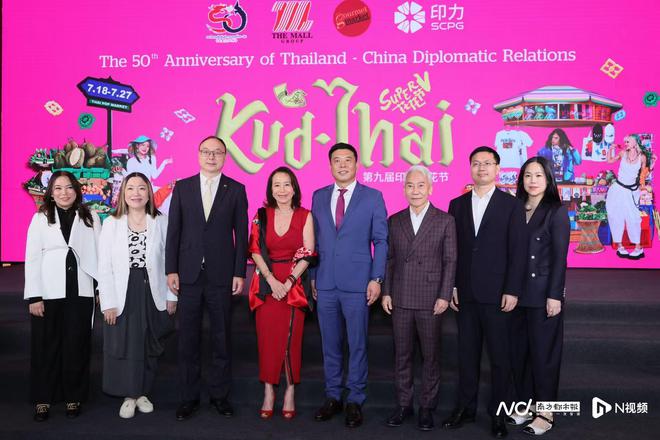
印力集团携手泰国The Mall集团达成战略合作
Nan Fang Du Shi Bao· 2025-06-26 03:40
Core Viewpoint - The collaboration between Inli Group and The Mall Group aims to create a new commercial bridge between China and Thailand, focusing on cultural empowerment and innovative business models to enhance regional economic integration [1][6]. Group 1: Strategic Cooperation - A strategic cooperation agreement was signed between Inli Group and The Mall Group, focusing on three core areas: IP linkage and scene innovation, mutual membership system, and brand ecosystem alliance [3][5]. - The first collaboration will take place during the "9th Super-V Flower Festival" from July 18 to 27, featuring the "Kuad-Thai" IP to present Thai culture and lifestyle [5]. Group 2: Cultural and Economic Impact - The partnership is recognized as a model for government-business cooperation, promoting creative economies and cultural exchanges between the two countries [5][9]. - The collaboration is expected to enhance Thailand's international image and inject new vitality into regional tourism and retail through the integration of culture and commerce [9][11]. Group 3: Future Outlook - The partnership is seen as a new opportunity for deepening diplomatic and economic ties between China and Thailand, with a focus on mutual benefits and sustainable growth [6][11]. - Both companies aim to create a new paradigm of "retail + culture," establishing a bridge that connects the hearts of the people from both nations [11].
2025中免全球悦享季圆满收官 以文化为魂、体验为翼,打造免税消费新标杆
Sou Hu Cai Jing· 2025-05-29 11:58
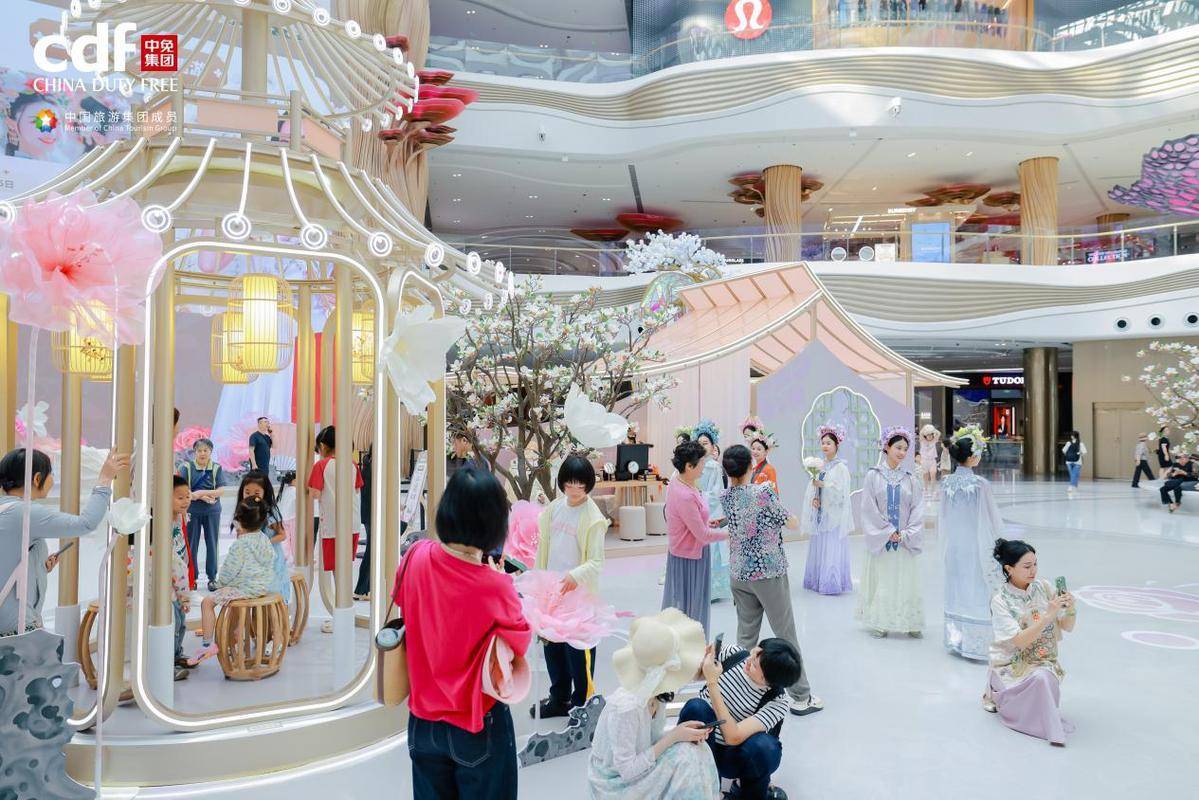
Core Viewpoint - The China Duty Free Group (CDF) is redefining the duty-free shopping experience by integrating traditional cultural elements with modern consumer engagement strategies, enhancing both emotional value and shopping experience [1][6]. Group 1: Cultural Integration and Consumer Experience - CDF's Global Enjoyment Season features a cultural immersion experience centered around floral themes, creating aesthetically pleasing shopping environments across its stores [2]. - The "Flower Garden" at CDF Haikou International Duty Free City offers a unique experience with traditional Chinese floral makeup and themed photo opportunities, attracting significant consumer interest [2][5]. - The company is focusing on creating differentiated consumer experiences around key events like Labor Day, Mother's Day, and 520, enhancing emotional connections through themed activities [5][6]. Group 2: Service Enhancement and Consumer Engagement - CDF has improved service offerings in response to the tourism surge during the Labor Day holiday, providing exclusive member benefits and convenient facilities [8]. - The introduction of immediate pickup for duty-free purchases allows consumers to enjoy a seamless shopping experience without needing to leave the island [8]. Group 3: Promotional Strategies and Consumer Incentives - Throughout May, CDF implemented a comprehensive promotional strategy using government vouchers and a points system to stimulate consumer spending across all platforms [9]. - The company offered various discounts and cashback incentives to attract both domestic and international consumers, ensuring broad market coverage [9]. Group 4: Future Initiatives - As the Global Enjoyment Season concludes, CDF is preparing for upcoming events like the Dragon Boat Festival, continuing to blend cultural elements with commercial offerings [11]. - The company aims to deepen the integration of culture into its business model, fostering a sense of cultural identity among consumers while providing high-quality products and services [11].