
核心技术自主可控

Search documents
2025年是国产人形机器人技术突破关键一年
财联社· 2026-03-04 05:05
Group 1 - The core viewpoint emphasizes that the key to technological innovation and development lies in the autonomy and control of core technologies [2] - During the "14th Five-Year Plan" period, there will be a focus on strengthening original innovation and tackling key core technologies, promoting deep integration of technological and industrial innovation [2] - The year 2025 is identified as a critical year for breakthroughs in domestic humanoid robot technology and its application scenarios, indicating a future full of possibilities [3]


科德数控2025年度归母净利润8875.99万元,同比减少31.67%
Zhi Tong Cai Jing· 2026-02-13 10:19
Core Viewpoint - The company reported a decline in both revenue and net profit for the fiscal year 2025, attributed to various domestic and international policy factors affecting overseas business progress [1] Financial Performance - The company achieved an operating revenue of 552 million yuan in 2025, representing a year-on-year decrease of 8.86% [1] - The net profit attributable to the parent company's shareholders was 88.76 million yuan, down 31.67% year-on-year [1] Business Strategy - The company remains focused on the national high-end equipment manufacturing development strategy, emphasizing self-controlled core technologies [1] - There is a continuous focus on core business, optimization of product structure, and expansion of application scenarios [1] Product Sales - In 2025, the company experienced a diversified product sales landscape, maintaining advantages in high-end CNC machine tools such as five-axis vertical machining centers and five-axis horizontal turning-milling composite machining centers [1] - Sales of flexible automation production lines saw significant growth during the year [1] Market Challenges - The slowdown in overseas business progress due to domestic and international policy factors has led to a decline in annual sales revenue and net profit [1]

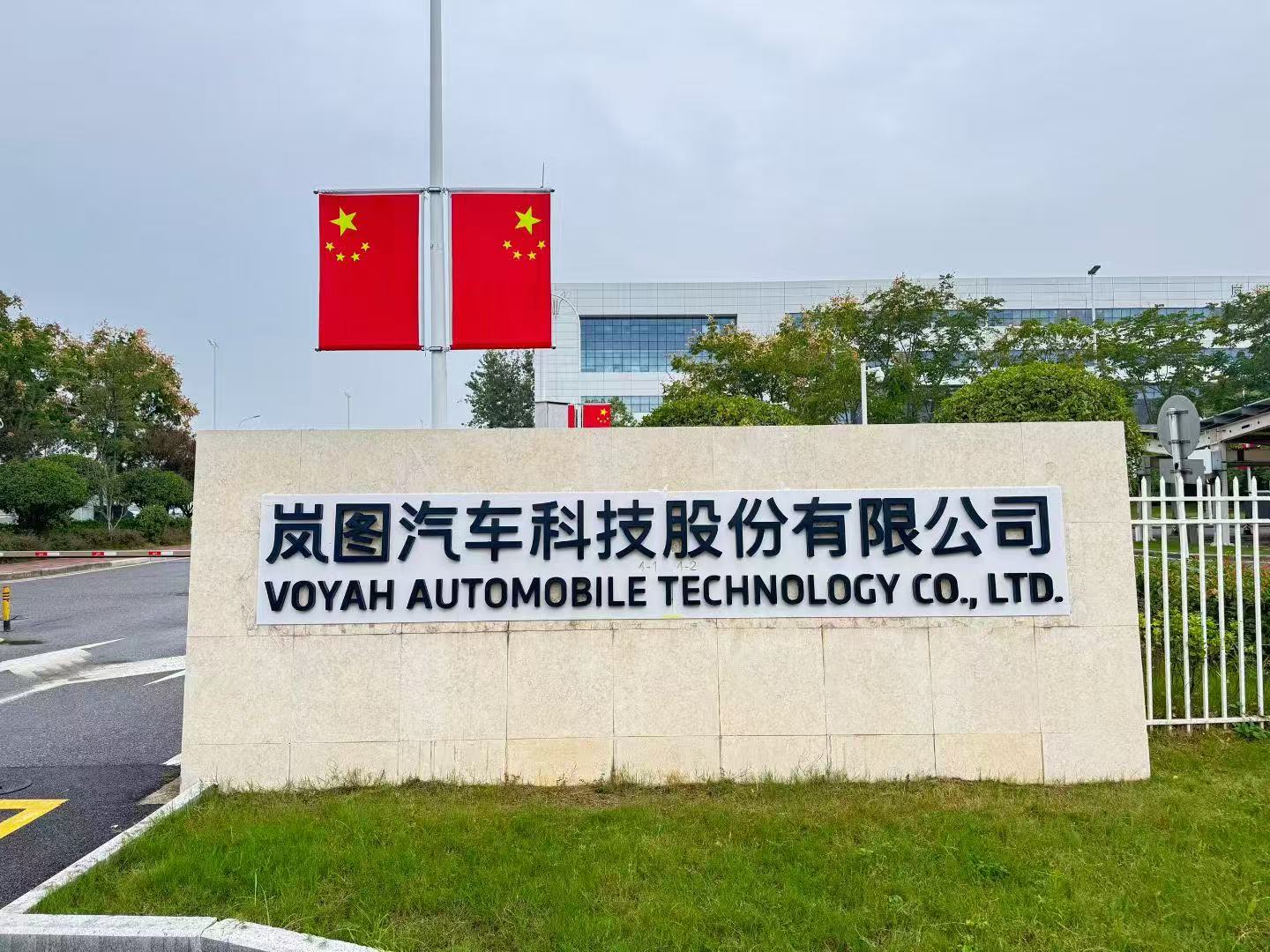
岚图汽车2025年毛利率超20%!港股上市获原则性同意
Zhong Guo Qi Che Bao Wang· 2026-02-13 02:56
Core Viewpoint - Lantu Automotive has completed all pre-listing regulatory approvals for its Hong Kong IPO, set to officially list on March 19, 2026, marking it as the first high-end new energy brand from a central state-owned enterprise to enter the Hong Kong market [1] Group 1: IPO and Regulatory Approval - Lantu Automotive initiated its IPO process in August 2025 and submitted its application in October 2025, receiving approval from multiple regulatory bodies within four months [1] - The successful completion of the listing process demonstrates the company's robust governance and operational efficiency, reflecting strong support from regulatory authorities for quality new energy enterprises [1] Group 2: Sales and Financial Performance - From 2023 to 2025, Lantu's sales are projected to grow from 50,285 units to 150,169 units, achieving a compound annual growth rate (CAGR) of 73%, significantly outpacing industry averages [2] - Revenue is expected to increase from 12.75 billion yuan to 34.86 billion yuan, with a CAGR of 65.4%, and the company anticipates a net profit of 1.02 billion yuan in 2025, marking its first annual profit [2] - The gross margin is stable at 20.9%, positioning Lantu among the industry's leaders [2] Group 3: Technological Innovation - Lantu Automotive emphasizes core technology autonomy as a strategic foundation for development, with a focus on innovation in key areas such as platform architecture and smart technology [4] - As of December 31, 2025, Lantu holds 1,874 granted patents and has 5,405 patents pending, leading the industry in patent growth [5] - The company has developed the world's first native intelligent electric architecture compatible with multiple power modes and a centralized SOA electronic architecture, which are recognized as key technological achievements [5] Group 4: Product Development and Market Position - Lantu has established a comprehensive product lineup, including SUVs, MPVs, and sedans, to meet diverse consumer needs and drive brand growth [10] - The Lantu Dreamer has become a market leader in the high-end MPV segment, breaking foreign brand dominance and enhancing the image of Chinese brands [12] - The company is expanding its charging network, connecting over 100,000 charging stations and 1.5 million charging piles, achieving a 99% coverage rate in urban and county areas [14] Group 5: Future Plans and Global Expansion - Lantu plans to launch several new models in 2026, all equipped with L3-level intelligent driving hardware, including the Lantu Taisan Ultra and the Lantu Taisan X8 [15][17] - The company aims to enhance its global presence, having entered over 40 countries and regions, promoting the strength and cultural significance of Chinese high-end manufacturing [14][18] - Lantu's growth reflects a broader transformation in the Chinese automotive industry towards quality improvement and global competitiveness [18]
富奥股份:核心竞争力建立在深度系统集成能力与核心技术自主可控上
2 1 Shi Ji Jing Ji Bao Dao· 2026-01-28 00:43
Core Viewpoint - The core competitiveness of the company is not based on low-price competition but on deep system integration capabilities and self-controllable core technologies [1] Group 1: Competitive Strategy - The company faces intense price competition in the industry [1] - It leverages integrated R&D and manufacturing capabilities to provide comprehensive solutions from design to delivery [1] Group 2: Technological Expertise - The company has accumulated technology in chassis, thermal management, electronic control dampers, and automotive electronics [1]

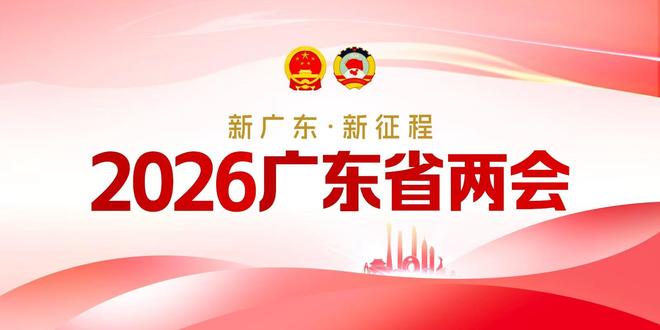
代表通道直击 陈延伟:用微观世界的真相,照亮产业发展道路
Nan Fang Du Shi Bao· 2026-01-26 02:35
Group 1 - The Guangdong Province's major scientific facility, the China Spallation Neutron Source, supports industrial progress and development, particularly in the field of new energy batteries by addressing battery capacity decay issues [2] - During the 14th Five-Year Plan period, the China Spallation Neutron Source completed over 2,500 experimental projects, with 10% of these experiments originating from enterprises, a number that is expected to grow [2] - The facility is recognized as a "super microscope" that extends beyond research, contributing to advancements in cancer treatment through Boron Neutron Capture Therapy (BNCT), which is noted for its high precision, short treatment cycles, and relatively low costs [3] Group 2 - The facility has entered clinical trials, successfully treating 12 patients, which not only signifies individual patient recovery but also stimulates the entire industry chain from drug development to equipment manufacturing [4] - The strategic focus on core technology autonomy in Guangdong is facilitating the transition from being the "world's factory" to becoming a "scientific highland" [4]
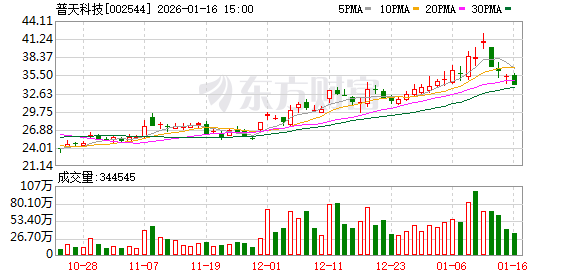
普天科技:公司自主设计和开发多款恒温晶振产品
Zheng Quan Ri Bao· 2026-01-16 09:13
Group 1 - The company, Putian Technology, focuses on the manufacturing of special printed circuit boards that require small batches, short delivery times, high reliability, and specific process requirements [2] - The company has independently designed and developed several high-end temperature-compensated crystal oscillator products, achieving control over key core technologies [2] - These products are widely used in high-end fields such as aviation, aerospace, navigation, high-speed rail, communication, electric power, and special equipment [2] Group 2 - The company, Electronic Science and Technology Navigation, focuses on providing customized application solutions for industries such as water conservancy, energy, emergency response, meteorology, and agriculture [2] - Major information from the company should be referenced from announcements published in designated information disclosure media [2]

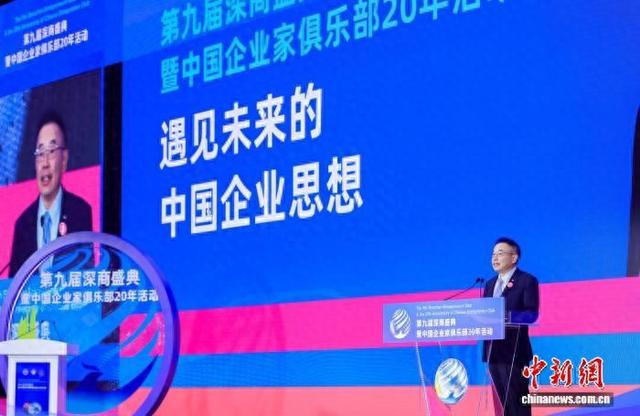
多位知名企业家齐聚第九届深商盛典发声
Zhong Guo Xin Wen Wang· 2026-01-12 13:39
Group 1 - The core theme of the event is "Encountering the Future of Chinese Enterprise Thought," focusing on industrial innovation, technological breakthroughs, ecological construction, and social responsibility [1] - TCL's founder and chairman, Li Dongsheng, emphasized that global technological competition is intensifying, with artificial intelligence transitioning from concept to deep industrialization, becoming a key driver of future economic growth [1] - iFlytek's founder and chairman, Liu Qingfeng, stated that the autonomy of core technologies is fundamental for long-term business sustainability, and the company will focus on independent research and development of foundational models [3] Group 2 - Xiaopeng Motors' chairman and CEO, He Xiaopeng, noted that the Chinese automotive industry has moved from "electrification" to the "intelligent" competition phase, where breakthroughs in autonomous driving and smart cockpit technologies are crucial for seizing global leadership [3] - Ping An Group's deputy secretary of the party committee and general manager, Xie Yonglin, highlighted that the essence of finance is to serve the real economy, advocating for financial technology to upgrade industrial chain finance while ensuring risk control [5] - BGI Group's CEO, Yin Ye, discussed the concept of empowering people's livelihoods through technology, stressing that life and health are the foundation of public welfare, and companies should focus on tackling core technological challenges in gene technology and biomanufacturing [5]



天数智芯来了!国产GPU四小龙聚齐资本市场
是说芯语· 2025-12-27 00:33
Core Viewpoint - The successful listing of Shanghai Tensu Zhixin Semiconductor Co., Ltd. on the Hong Kong Stock Exchange marks a significant milestone for the domestic GPU industry, indicating a concentrated period of capital empowerment for Chinese GPU companies, often referred to as the "Four Little Dragons" [1] Group 1: Company Overview - Tensu Zhixin focuses on general-purpose GPU chips and AI computing solutions, establishing a comprehensive product matrix that includes general-purpose GPU chips, accelerator cards, and customized AI solutions [3] - The company has developed a deep integration of self-developed hardware and dedicated software stacks to meet diverse computing needs in AI training and inference scenarios, positioning itself as a leading player in the domestic GPU sector [3] Group 2: Industry Position and Achievements - According to Frost & Sullivan, Tensu Zhixin has achieved three "firsts" in the Chinese chip design industry: the first to mass-produce inference general-purpose GPU chips, the first to mass-produce training general-purpose GPU chips, and the first to use 7nm advanced technology for chip mass production in the domestic GPU field [4] - These milestones break the dependency on imported high-end processes and demonstrate the breakthrough capabilities of domestic companies in GPU core technology [4] Group 3: Financial Performance - From 2022 to 2024, the company's revenue is projected to grow from 189 million to 540 million yuan, with a compound annual growth rate (CAGR) of 68.8%, indicating strong growth momentum [6] - The number of customers has increased significantly from 22 in 2022 to 181 in 2024, with over 290 customers served by mid-2025, showcasing the company's expanding market reach [6] - The shipment of general-purpose GPU products has also seen steady growth, doubling from 7,800 units in 2022 to 16,800 units in 2024, with 15,700 units shipped in the first half of 2025 [7] Group 4: Market Outlook - The global GPU market is expected to exceed 1 trillion yuan by 2024, with a projected CAGR of 24.5% from 2025 to 2029, while the Chinese market is anticipated to grow from 142.5 billion yuan in 2024 to 1,336.8 billion yuan by 2029, reflecting a CAGR of 53.7% [6] - The increasing demand for domestic GPUs from large model manufacturers and intelligent computing centers, especially in the context of overseas chip restrictions, provides significant market opportunities for domestic companies like the "Four Little Dragons" [6] Group 5: Capital Market Environment - The Hong Kong Stock Exchange's Chapter 18C listing system for specialized technology companies offers an important capital channel for hard-tech enterprises, lowering the listing threshold for unprofitable companies [8] - The successful listings of companies like Tensu Zhixin and Biran Technology through this channel further validate the support this system provides to domestic high-end manufacturing enterprises [8]

自主可控 关乎汽车产业兴衰“命门”
Xin Lang Cai Jing· 2025-12-22 11:19
Core Viewpoint - The global automotive industry is undergoing a transformation towards deep integration of new energy and intelligence, with rapid technological iterations and a significant restructuring of the industry landscape. The autonomy of core technologies has become essential for survival and development in the industry, leading to intensified competition over key areas such as chips and batteries [2][9]. Group 1: Impact of Global Supply Chain Vulnerabilities - The fragility of the global supply chain was exposed during multiple crises, notably the 2021 chip shortage, which resulted in over 7.7 million vehicles being cut from production and an economic loss of $210 billion. The European and American automotive industries were particularly hard hit, with German production dropping by 18% year-on-year [2][9]. - Events like the remote locking of Porsche vehicles in Russia highlighted the risks associated with reliance on external technologies, emphasizing the importance of self-sufficiency in core technologies for industry safety [2][9]. Group 2: Resilience of Chinese Automotive Companies - Chinese automotive companies demonstrated strong resilience during the crisis, with BYD leveraging self-developed automotive-grade chips to avoid large-scale production cuts and achieving a 14.8% increase in sales. Great Wall Motors reduced chip supply risks by over 60% through deep partnerships with domestic chip manufacturers [3][10]. - The value of self-sufficiency in core technologies extends beyond risk mitigation; it serves as a core engine for building competitive barriers and achieving long-term development. Companies with independent R&D capabilities can gain advantages in cost control, capacity assurance, and technological iteration [3][10]. Group 3: Global Practices and Competitive Advantages - Global automotive companies that invest in electrification and intelligence while building internal technological closed loops tend to exhibit greater resilience and initiative during industry changes. These companies reduce dependence on upstream suppliers and create differentiated advantages through data accumulation and user experience enhancement [4][11]. Group 4: Strategic Significance for China's Automotive Industry - For China, promoting self-sufficiency in core technologies is strategically significant for transitioning from a "big automotive country" to a "strong automotive country." Historically, the country faced challenges due to reliance on imports for key components, but the situation is changing rapidly in the new energy vehicle sector [5][12]. - Collaborative efforts between vehicle manufacturers and supply chain companies have begun to yield results, with domestic automotive-grade chips achieving mass production and some models reaching a 100% localization rate for core chips. A complete domestic supply chain for power batteries is also forming and advancing towards high-end markets [5][12]. Group 5: Challenges Ahead - The path to self-sufficiency in core technologies is fraught with challenges, particularly in high-end automotive chips where foreign companies still dominate. The industry must recognize that self-sufficiency does not equate to isolation; it requires open collaboration to enhance capabilities and address weaknesses [6][13]. - Achieving this goal will necessitate long-term investments in R&D by vehicle manufacturers, accelerated technological breakthroughs by chip and software suppliers, and a supportive policy environment that encourages innovation and collaboration across the industry [6][13]. Group 6: Historical Context and Future Outlook - The automotive industry's history shows that each paradigm shift in production models and core technologies reshapes global competitive dynamics. The current era of smart electrification is redefining industry development rules, emphasizing the importance of mastering core technologies for national industrial resilience and strategic autonomy [7][14]. - As Chinese automotive companies and their supply chain partners continue to make breakthroughs in core technologies, they will enhance their ability to navigate industry cycles and respond to market fluctuations, ultimately securing a stronger position in the global competitive landscape [7][15].
观车 · 论势 || 自主可控 关乎汽车产业兴衰“命门”
Zhong Guo Qi Che Bao Wang· 2025-12-22 09:13
Core Insights - The global automotive industry is undergoing a transformative period characterized by the deep integration of new energy and intelligence, with rapid technological iterations and a significant restructuring of the industry landscape [2] - The autonomy of core technologies has become essential for survival and development in the industry, as evidenced by the competitive struggle over key areas such as chips and batteries [2][3] - The vulnerabilities of the global supply chain were highlighted during the 2021 chip shortage, which resulted in over 7.7 million vehicles being cut from production and an economic loss of $210 billion [2] Group 1: Industry Resilience and Adaptation - Chinese automakers have demonstrated strong risk resilience during recent crises, with companies like BYD and Great Wall Motors successfully mitigating production risks through self-developed technologies [3] - BYD achieved a 14.8% increase in sales by relying on self-researched automotive-grade chips, while Great Wall Motors reduced chip supply risks by over 60% through partnerships with domestic chip manufacturers [3] - The ability to independently develop core technologies is now seen as a critical factor for long-term competitiveness and survival in the automotive market [3] Group 2: Global Trends and Competitive Advantages - International automakers that invest in electric and intelligent technologies and build internal technical loops tend to exhibit greater resilience and control during market fluctuations [4] - Companies leveraging self-developed technologies can reduce reliance on upstream suppliers and create differentiated advantages in data accumulation, software-defined vehicles, and user experience [4] - The control over core technologies enables rapid and flexible innovation tailored to user needs, establishing a solid competitive moat [4] Group 3: Strategic Importance for China - For China, promoting core technology autonomy is strategically significant for transitioning from a "big automotive nation" to a "strong automotive nation" [5] - Historically, China faced challenges in the traditional automotive sector due to heavy reliance on imports for key components, but this situation is changing in the new energy vehicle sector [5] - Domestic automotive-grade chips are gradually achieving mass production, with some models reaching 100% localization in core chips, marking a shift in the previously monopolized high-end chip market [5] Group 4: Challenges and Collaborative Efforts - The path to core technology autonomy is fraught with challenges, particularly in high-end automotive chips where foreign companies still dominate [6] - Achieving autonomy does not equate to isolation; it requires open collaboration to enhance capabilities and address weaknesses [6] - A comprehensive approach involving sustained R&D investment, vertical integration, and supportive policies is necessary to build a robust autonomous ecosystem in the automotive industry [6] Group 5: Historical Context and Future Outlook - The automotive industry's history shows that each paradigm shift in production models and core technologies reshapes global competitive dynamics [7] - Mastery of new core technologies like chips, batteries, and software is redefining industry development rules and reflects a nation's industrial resilience and strategic initiative [7] - As Chinese automakers and supply chain partners continue to break through in core technology areas, they will enhance their ability to navigate industry cycles and market changes [7]
