骐骥换电站

Search documents
锂电产业链加速集聚海南自贸港
Zheng Quan Ri Bao Zhi Sheng· 2026-01-18 17:03
Group 1 - The Hainan Free Trade Port has successfully implemented a full closure operation for one month, with significant progress in policies and a stable overall operation, particularly in the lithium battery industry chain [1] - A ship carrying 30,000 tons of lithium concentrate arrived at Yangpu Port, marking the first "zero tariff" import of new energy minerals since the closure, which will supply Hainan Mining's lithium salt plant [1] - Hainan Mining invested $118 million to acquire controlling interest in the Bougouni lithium mine, which is expected to start production in 2025, establishing a complete industrial chain from mining to processing [1] Group 2 - Hainan Mining plans to complete the shipment of an additional 15,000 tons of lithium concentrate by the end of January, aiming to leverage the Free Trade Port's policy advantages to supply high-purity battery-grade lithium salt products globally [2] - CATL (Contemporary Amperex Technology Co., Limited) has initiated the Hainan Free Trade Port Zero Carbon Park Construction Alliance to promote multi-energy complementary integration and smart microgrid technology [2] - CATL has already started construction on five battery swap stations in Hainan, focusing on logistics and heavy-duty transportation, which will service approximately 320 electric heavy trucks [2] Group 3 - The closure of Hainan is enhancing the competitiveness of the lithium battery recycling sector, with a partnership established to build a facility capable of processing 20,000 tons of retired lithium batteries annually [3] - The core attraction of Hainan's closure is the establishment of a complete mechanism for efficient resource import, integrated processing, application in real scenarios, and export to overseas markets [3] - Hainan is expected to attract more upstream and downstream enterprises in the new energy industry, leveraging the benefits of "zero tariffs, geographical advantages, and green transformation" [3]


锂电产业链集结海南:封关红利落地
高工锂电· 2026-01-17 04:13
Core Viewpoint - The article discusses the transformation of Hainan into a significant hub for lithium battery production and green energy, driven by the implementation of a zero-tariff policy and the establishment of a comprehensive industrial chain from resource importation to processing and distribution [2][4]. Group 1: Lithium Industry Developments - Hainan Free Trade Port commenced full island closure operations on December 18, 2025, increasing the proportion of zero-tariff goods from approximately 21% to 74% [2]. - The first lithium signal post-closure was marked by the arrival of about 28,950 tons of lithium concentrate at the Guotou Yangpu Port, marking the first zero-tariff declaration for new energy minerals [3]. - Hainan Mining is advancing a project in Yangpu Industrial Park to produce 20,000 tons of battery-grade lithium hydroxide annually, with a total investment of approximately 1.056 billion yuan, aiming for trial production by February 2025 [5]. Group 2: Electric Vehicle Infrastructure - CATL is establishing a network of battery swap stations in Hainan, with plans to build over 22 swap stations within three years and more than 100 within five years, targeting electric heavy-duty trucks [7][8]. - The establishment of a zero-carbon park construction alliance, led by CATL, aims to promote green transformation and industrial collaboration in Hainan [10]. Group 3: Recycling and Sustainability Initiatives - Ruikemei plans to establish a joint venture in Haikou Comprehensive Bonded Zone to build a facility with a capacity of 20,000 tons per year for processing retired lithium batteries, focusing on green recycling and high-value regeneration for Southeast Asia and the Asia-Pacific region [11]. - The article emphasizes that the closure is not merely about cheaper imports but about facilitating smoother cross-border factor flows and bonded processing for re-export [12]. Group 4: Broader Green Energy Initiatives - Yangpu is also advancing offshore wind power demonstration projects and planning a manufacturing park for wind power equipment, targeting exports and operations in Southeast Asia [14]. - Additional projects, such as green methanol, are being accelerated to meet the demand for green shipping fuels and support the construction of international shipping hubs [15].

长寿命电池+换电网络,宁德时代与蔚来签署全面深化战略合作协议
Sou Hu Cai Jing· 2026-01-06 10:58
Core Viewpoint - CATL and NIO have signed a five-year comprehensive strategic cooperation agreement to deepen collaboration in technology, ecology, and market sectors, aiming to advance the electric vehicle industry in Hefei [1][3]. Group 1: Strategic Cooperation Agreement - The agreement was signed in Hefei by senior executives from both companies, including NIO's CEO Li Bin and CATL's CEO Zeng Yuqun, with local government officials present [1]. - This partnership focuses on enhancing the electric vehicle industry's technological advancements and innovative business models [3]. Group 2: Areas of Collaboration - In the technology sector, the collaboration will emphasize joint development of long-life batteries and battery swap technology, aiming to improve product competitiveness [4]. - In the ecological aspect, both companies will work on establishing battery swap technology standards and sharing resources within the battery-as-a-service (BaaS) model [4]. - In the market domain, they will strengthen brand promotion efforts both domestically and internationally to enhance global market presence and share [4]. Group 3: Investment and Infrastructure Development - CATL is planning a strategic investment of up to 2.5 billion RMB in NIO to further solidify their partnership [6]. - As of January 6, 2026, NIO has established a total of 8,543 charging and battery swap stations, with 3,683 being battery swap stations and 4,860 charging stations [8].

杭州为10位新锐杭商授牌,宇树科技王兴兴等企业家获得表彰;雷军直播回应拆车原因丨智能制造日报
创业邦· 2026-01-04 03:48
Group 1 - CATL has built 1,020 and 305 battery swap stations for its "Chocolate" and "Qiji" services respectively within a year, marking significant progress in both passenger and commercial vehicle sectors [2] - The company plans to establish nearly 4,000 battery swap stations by 2026, with over 3,000 of these in more than 140 cities for the "Chocolate" service, and aims for a long-term goal of 30,000 stations [2] - The "Chocolate" battery swap service is currently operational in 45 cities across major economic regions in China, including the Yangtze River Delta and the Greater Bay Area [2] Group 2 - Lei Jun, during a live stream, addressed the reasons behind the car disassembly event, emphasizing the importance of honest feedback and the quality of materials used in Xiaomi's vehicles [3] - He expressed hope that more reviewers would provide fair assessments rather than exaggerating issues for attention [3] Group 3 - At the sixth Hangzhou Business Conference, ten entrepreneurs, including Wang Xingxing from Yushu Technology, were recognized for their contributions to innovation and technology [4] - Wang highlighted that the next 5 to 10 years will be crucial for China's technological innovation efforts [4] Group 4 - Punkt. has launched the MC03 "privacy phone" priced at €699, which includes a one-year subscription service, followed by a monthly fee of €10 [4] - The manufacturer claims that without a paid subscription, the phone's basic functionalities will be severely limited, emphasizing the importance of privacy in the product's value proposition [4]
雷军直播回应拆车原因:希望大家能说些公道话;宝马中国回应30多款车型降价;罗永浩否认与华为有过节丨邦早报
创业邦· 2026-01-04 01:08
Group 1 - Lei Jun responded to the拆车直播, emphasizing the quality of Xiaomi's vehicles and encouraging fair criticism from reviewers [2] - BMW China announced a price adjustment for 31 models starting January 1, 2026, clarifying that it is not engaging in a price war [3] - The Hong Kong Court upheld a Mareva injunction against former Evergrande CEO Xia Haijun, preventing him from transferring assets worth HKD 60 billion [3] Group 2 - Xiaomi aims to deliver 410,000 vehicles in 2025, showcasing its growth in the automotive sector [7] - Chinese automaker Chery's model, Jetour, became the best-selling vehicle in Israel in 2025, with approximately 13,000 units sold [9] - CATL reported significant progress in battery swap stations, with plans to establish nearly 4,000 stations by 2026 [10] Group 3 - Netflix plans to shorten the theatrical release window for Warner Bros. films to 17 days post-acquisition, raising concerns among traditional cinemas [10] - The 2025 New Year's box office in China surpassed RMB 700 million, with top films including "Zootopia 2" and "Avatar 3" [18] - China's share of the global new energy vehicle market reached 68.4% from January to November 2025, indicating strong performance in the sector [19]



今日新闻丨阿尔宾娜成为宝马子品牌!宁德时代1325座换电站落成!
电动车公社· 2026-01-02 16:00
Group 1 - ALPINA has officially become an independent brand under the BMW Group as of January 1, following the completion of trademark transfer [1][4][6] - The acquisition of ALPINA by BMW was announced on March 10, 2022, but the agreement only took effect this year [1] - BMW ALPINA is positioned to achieve a unique balance between performance and comfort, known for its distinctive driving experience and offering extensive customization options [4][6] Group 2 - CATL has completed the establishment of 1,325 battery swap stations, with the "Chocolate" and "Qiji" swap systems comprising 1,020 and 305 stations respectively [2][8] - These swap stations provide services for both passenger and commercial vehicles, marking a new phase in the scale network layout of battery swapping services [8][10] - Current models utilizing the Chocolate swap stations include GAC Aion UT Super, FAW Bestune battery swap version, and Changan Auchan 520, indicating CATL's extensive deployment across the country [10]
穿越“半价豪车”迷雾 海南封关会否改变中国汽车产业版图?
2 1 Shi Ji Jing Ji Bao Dao· 2025-12-29 13:44
Core Viewpoint - The launch of the Hainan Free Trade Port's full island closure operation has made it the largest free trade port globally, but the benefits of the zero-tariff policy on imported vehicles primarily target operational enterprises rather than individual consumers [1][4]. Summary by Sections Zero-Tariff Policy Implementation - The zero-tariff policy for vehicles and yachts was established on December 25, 2020, allowing only registered transportation and tourism enterprises in Hainan to import vehicles under specific conditions [2]. - The range of zero-tariff goods has expanded significantly from approximately 1,900 to about 6,600 tax items, covering 74% of all goods [2]. Eligibility and Restrictions - Only vehicles registered for operational use by eligible enterprises can benefit from the zero-tariff policy, which includes strict conditions such as the requirement for vehicles to be used for legal operations and to have a satellite positioning system [3][4]. - Enterprises must meet specific criteria, such as owning at least 15 operational vehicles or importing a minimum of 15 vehicles at once, and the vehicles must be registered for operational purposes [3]. Market Reactions and Misconceptions - The public's excitement over the prospect of purchasing luxury cars at significantly reduced prices reflects a misunderstanding of the policy's actual beneficiaries, which are primarily businesses rather than individual consumers [5][6]. - The emergence of gray market activities, such as "zero-tariff car" purchases through unofficial channels, poses legal and financial risks for individuals [6]. Industrial Opportunities - The closure operation is expected to lead to a structural reduction in supply chain costs, benefiting automotive manufacturers by lowering import tariffs on key components, which can reduce production costs by 18%-20% [7]. - The policy aims to create a "cluster highland" for the automotive industry, with tax incentives for registered operational enterprises, offering a lower corporate tax rate of 15% compared to the mainland's 25% [7][8]. New Energy Vehicle Development - The intersection of the zero-tariff policy and Hainan's plan to ban the sale of fuel vehicles by 2030 is expected to boost the new energy vehicle sector, with significant growth in the number of electric vehicles in the province [8][9]. - Hainan is becoming a testing ground for innovative policies in the new energy vehicle sector, with various initiatives to enhance infrastructure and support for electric vehicles [9]. Strategic Corporate Moves - Companies like CATL are making significant investments in Hainan, with plans to establish numerous battery swap stations and engage in renewable energy projects [10]. - BMW is also planning to use Hainan as a testing ground for hydrogen fuel cell vehicles, indicating the region's growing importance in the automotive innovation landscape [11]. Regional Economic Role - Hainan's role is shifting from a marginal position in China's automotive industry to a dual hub connecting mainland China and Southeast Asia, facilitating lower-cost imports and efficient exports [12]. - The "export tax rebate" policy in Hainan provides a competitive advantage for domestic automotive manufacturers looking to enter international markets [12]. Policy Innovation and Future Implications - The zero-tariff environment in Hainan serves as a "policy laboratory" for exploring new regulatory frameworks and international standards in the automotive sector [12]. - The overall impact of the zero-tariff policy is expected to reshape the competitive landscape of the automotive industry in China, fostering a comprehensive ecosystem that integrates manufacturing, logistics, and innovation [12].
穿越“半价豪车”迷雾,海南封关会否改变中国汽车产业版图?
2 1 Shi Ji Jing Ji Bao Dao· 2025-12-29 13:06
Core Insights - Hainan Free Trade Port officially launched its full island closure operation, becoming the world's largest free trade port, leading to significant price reductions on luxury cars, sparking public interest in cross-sea car purchases [2] - The zero-tariff policy primarily benefits operational enterprises and specific institutions rather than individual consumers, indicating a focus on industrial upgrades and restructuring rather than consumer market stimulation [2][4] Policy and Implementation - The zero-tariff policy for vehicles was established on December 25, 2020, allowing only registered transportation and tourism enterprises in Hainan to import vehicles under specific conditions [3] - The range of zero-tariff items expanded from approximately 1,900 to about 6,600, covering 74% of all commodity tax items, with a shift from a positive list to a negative list management approach [3] Eligibility and Restrictions - To qualify for zero-tariff imports, enterprises must either operate 15 or more vehicles for over three years or import at least 15 qualifying vehicles at once, with strict usage conditions [4] - Zero-tariff vehicles must be registered for operational use, limiting their lifespan to 15 years and imposing restrictions on transfer and usage [4][5] Economic Impact - The zero-tariff policy significantly reduces the cost structure for supply chains, with potential savings of 15%-20% on key components like electric vehicle batteries, leading to an 18%-20% reduction in overall production costs [6][7] - The policy aims to create a "cluster highland" for the automotive industry, attracting enterprises with lower corporate tax rates and fostering a complete ecosystem of manufacturers and service providers [7] Strategic Developments - Hainan's policies align with the province's goal to ban the sale of fuel vehicles by 2030, promoting the growth of the new energy vehicle sector [8] - Companies like CATL are making significant investments in Hainan, indicating a strong commitment to developing the region as a hub for renewable energy and electric vehicle infrastructure [9] Regional Role and Innovation - Hainan is positioned to become a dual hub connecting mainland China and Southeast Asia, facilitating lower-cost imports and exports of vehicles and components [10][11] - The region serves as a "policy laboratory" for innovative regulatory frameworks, aiming to balance convenience and safety while aligning with international standards [11][12] Conclusion - The true impact of Hainan's closure on the automotive industry lies in its potential to reshape competitive dynamics, creating a comprehensive ecosystem that integrates manufacturing, logistics, services, and innovation [12]
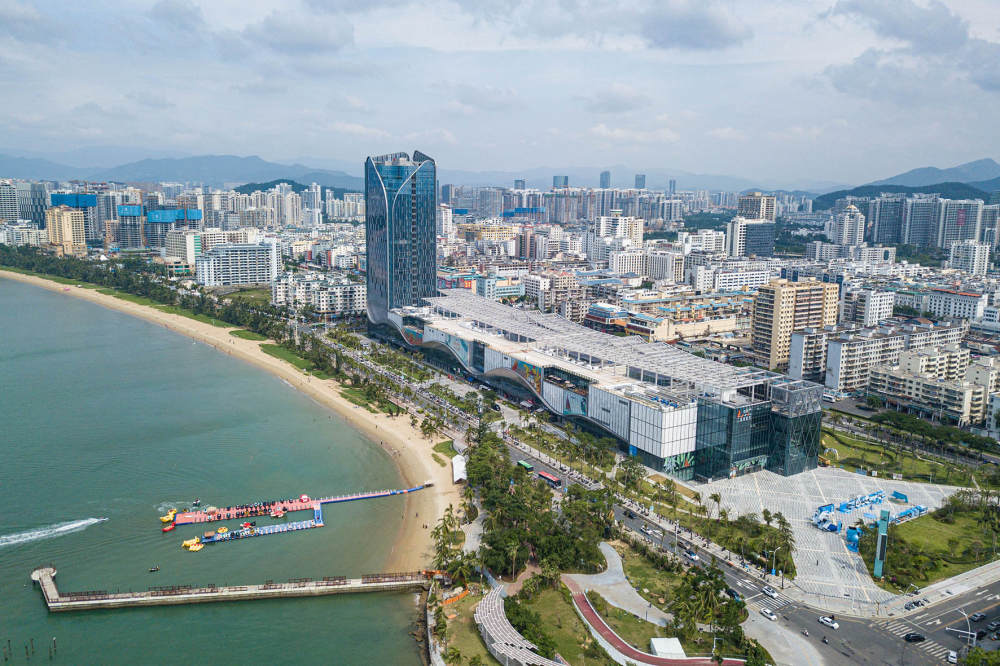
宁德时代计划未来5年在海南建100座换电站
起点锂电· 2025-10-04 09:13
Core Viewpoint - The article highlights the strategic collaboration between CATL and the Haikou government to establish a comprehensive battery swap network in Hainan, aligning with the province's green development goals and the broader push for electric vehicle infrastructure in China [2][3]. Group 1: Event Overview - The CINE2025 Solid-State Battery Exhibition and Industry Annual Conference will take place from November 6-8, 2025, at the Guangzhou Nansha International Convention Center, featuring over 200 exhibitors and 20,000 professional attendees [1][11]. - The event will also include the 2025 Qidian Solid-State Battery Golden Ding Award Ceremony and the SSBA Solid-State Battery Industry Alliance Council [1]. Group 2: CATL's Strategic Moves - CATL has signed a strategic cooperation agreement with the Haikou government to invest in 100 battery swap stations across Hainan by 2030, marking a significant step in expanding its battery swap network in Southern China [1][2]. - The company aims to establish over 1,000 battery swap stations by 2025, with the Hainan market being a crucial component of this strategy [2][3]. Group 3: Market Growth and Performance - CATL's battery swap business has seen rapid growth, achieving a record of 105 new stations and 103 stations going live in August alone, totaling 512 stations across 34 cities by the end of August [2]. - The daily battery swap volume has reached over 140,000 kWh, with individual stations achieving a daily swap volume of 10,000 kWh, positioning CATL among the industry leaders [2]. Group 4: Collaboration and Policy Support - The partnership with Haikou includes collaboration on green energy development, new energy storage applications, and electric transportation, enhancing the local energy ecosystem [3][4]. - Haikou has introduced incentive policies, offering up to 500,000 yuan for projects that deploy a certain number of battery swap vehicles, supporting the promotion of the battery swap model [3].
宁德时代新增3家“骐骥系”公司,100座换电站已落地
高工锂电· 2025-09-17 11:58
Core Viewpoint - CATL is strategically expanding its presence in the commercial vehicle battery swapping sector through the establishment of three new companies, focusing on innovative technologies and network development to enhance operational efficiency and promote green transportation [3][4]. Group 1: Technological Breakthroughs - CATL launched its self-developed one-stop heavy-duty truck battery swapping solution, "Qiji Battery Swapping," aimed at addressing industry pain points such as low efficiency and compatibility issues [5]. - The Qiji battery swapping system includes the Qiji battery block, swapping stations, and a cloud platform, forming a complete service ecosystem [5]. - The introduction of the 75 standardized battery block allows for a swapping time of under 5 minutes and high compatibility across different vehicle models, significantly improving operational efficiency [6]. Group 2: Network Development - CATL has established 100 battery swapping stations, marking the transition from pilot projects to large-scale operations, focusing on high-frequency operational scenarios such as coal mines and logistics [8]. - The implementation of standardized battery blocks and cloud management has enabled quick battery swaps, increasing daily operational hours for heavy-duty trucks by 2-3 hours in port scenarios [8]. Group 3: Ecological Restructuring - The battery swapping model promotes industry collaboration, moving away from isolated operations to a more cooperative ecosystem, with CATL's battery blocks already compatible with 16 vehicle manufacturers [11]. - CATL's strategic partnership with Sinopec aims to upgrade 500 gas stations into comprehensive energy stations by 2025, enhancing the battery swapping network [11]. - The battery swapping model increases the lifecycle value of batteries by 40%, allowing for efficient use and recycling of battery resources [12]. Group 4: Cross-Domain Collaboration - CATL is addressing user concerns by collaborating with financial institutions to offer favorable financing options for heavy-duty trucks, significantly reducing the financial burden on users [13]. - The company has partnered with insurance providers to offer specialized insurance products, further lowering operational costs for users [13]. - CATL is actively investing in the construction of battery swapping stations and facilitating connections between vehicle manufacturers and customers, ensuring a win-win situation across the industry [13]. Group 5: Future Outlook - The battery swapping model is expected to reshape the value creation logic within the lithium battery industry, with CATL poised to lead the electrification of heavy-duty trucks and promote large-scale green transportation [14].