
生物燃料掺混义务

Search documents
棕榈油:产地快速去库,地缘影响持续;豆油:美国生柴政策按预期落地,盘面表现利多出尽
Guo Tai Jun An Qi Huo· 2026-03-29 09:23
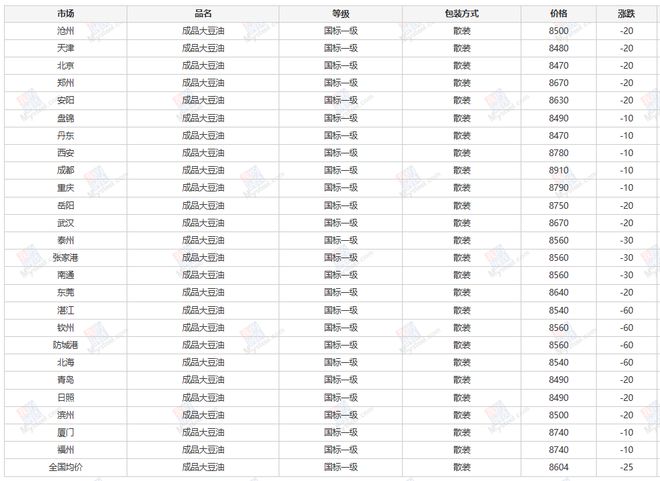
1. Report Industry Investment Rating - Not provided in the given content 2. Core Viewpoints of the Report - The US biofuel blending policy has been implemented as expected without additional stimulus. The current structure of palm oil is improving. Amid the current hype of expectations and risk - preference sentiment, it is anticipated that after the war premium fades and oil prices decline, a pressure - release period in April - May will provide room for demand recovery, prompting India to start stocking up. Palm oil prices may then bottom out again and enter a rising cycle led by its own fundamentals, leading into a year full of opportunities for the oil and fat industry in 2027. In the short term, the war premium and bullish sentiment remain, and attention should be paid to the upward trend of energy prices, along with proper position and risk - control operations [2][4][5] 3. Summary by Related Catalogs 3.1 Last Week's Viewpoints and Logic Palm Oil - The escalation of the geopolitical situation in the Middle East was the dominant factor in palm oil's trend last week. As China's import profit opened up and India's import profit deteriorated, the follow - up increase in both the May - September spread and the unilateral price of the palm oil 05 contract stalled. The weak follow - up increase in origin quotes, which might imply the speed of fundamental repair, suppressed the speculative sentiment driving up the price of oils and fats. The weekly increase was 0.43%, with bullish sentiment still present, and attention should be paid to the upward trend of energy prices [1] Soybean Oil - Tensions in the Iranian situation rapidly pushed up energy prices, which radiated to the cost side of the domestic soybean system through a direct cost - push effect. However, the meeting between Chinese and US leaders was postponed due to the war situation, and the weather for soybean harvesting in South America improved, so the performance of US soybeans remained weak. The opening of the soybean oil export window supported the return of the soybean - palm oil price spread. The weekly increase of soybean oil was 1.05% [1] 3.2 This Week's Viewpoints and Logic Palm Oil - Beyond the internal fundamentals of agricultural products, the main factors are the game between war premium, changes in the interest - rate cut logic, and the liquidity of risk assets. Although the market often uses biodiesel as a bridge for fundamental explanations and connections, the explanatory power of fundamental data for the market is currently sharply reduced. Regarding the increase in palm biodiesel consumption, due to the significant differences between Indonesia's biodiesel operation system and those of Europe and the United States, there will be an additional demand of up to 100,000 tons per month from March to April. Meanwhile, the domestic consumption and exports of Malaysia and Argentina will boost the demand for vegetable oils as a substitute for European energy shortages. Even though the incremental demand that Indonesia can generate is limited, there will be a substitution demand of 100,000 - 200,000 tons per month in Europe, leading to an increase in the international soybean - palm oil price spread. Additionally, given the long - term low POGO spread, the early implementation of B50 is also worth looking forward to, which provides a story for 2027. In terms of production, looking at the long - term, the impact of El Niño remains to be seen. Production has smoothly declined from January to February, and the potential driving factor of lower - than - expected production from March to May last year due to less rainfall may increase. This is the reason for maintaining a long - position strategy before the geopolitical risk decreases. From the perspective of the actual fundamentals of palm oil, the international soybean - palm oil price spread has improved. Even if India maintains an import volume of 500,000 tons from March to May and only starts large - scale purchases in June, the origin will still be in a stage of rapid inventory reduction. At the same time, the price difference between India and Malaysia has increased, and the price of Indonesian fruit bunches has risen. Although the monthly structure still indicates a less - than - ideal current situation, it may strengthen in the next two months due to lower - than - expected supply. It is still believed that speculation on expectations and risk - preference sentiment are the current main themes. However, it is more expected that after the war premium fades and oil prices decline, a suitable pressure - release period in April - May will provide room for the repair of India's import profit, prompt the return of demand, and enable India to enter the stocking cycle. Then, palm oil prices may bottom out again and enter a rising cycle led by its own fundamentals [2] Soybean Oil - The US announced the final biofuel blending obligation plan for 2026 - 2027, which met the previous market speculation and raw - material demand expectations. The previous pricing was relatively sufficient, and there was no unexpected positive stimulus. After US soybean oil broke through the range of 65 - 70 cents, its cost - performance in second - generation biodiesel became comparable to that of Brazilian tallow and was even approaching the cost under China's 30.5% tariff. The fundamental pricing is basically completed, and the price differences among North American soybean oil, Malaysian palm oil, and South American soybean oil will gradually converge. The southern part of Brazil, which previously suffered from water shortages, is expected to receive rainfall, which will help alleviate the losses caused by the previous drought. Argentina will have slightly more than normal precipitation in the next two weeks, and the weather in South American producing areas in the next two weeks is conducive to crop growth. The global soybean inventory is still estimated to be high, and there is pressure on the upper limit of the cost side of US soybeans. Attention should be paid to the results of subsequent Sino - US trade consultations. If China purchases US soybeans, Brazilian soybean premiums will need to be significantly reduced. Currently, the crushing margin is not bad, so there is no driving force for a sharp decline in premiums. Exports of soybean oil to India may support the soybean - palm oil price spread, and after normalization, it will become a link with the international soybean - palm oil market. In the short term, the war premium and bullish sentiment remain, and attention should be paid to the upward trend of energy prices, along with proper position and risk - control operations [4] 3.3盘面基本行情数据 - Palm oil main continuous contract: The opening price was 9,726 yuan/ton, the highest price was 9,960 yuan/ton, the lowest price was 9,464 yuan/ton, the closing price was 9,768 yuan/ton, with a weekly increase of 0.43%. The trading volume was 2,018,755 lots, a decrease of 846,521 lots compared to the previous week, and the open interest was 288,414 lots, a decrease of 31,036 lots [7] - Soybean oil main continuous contract: The opening price was 8,646 yuan/ton, the highest price was 8,756 yuan/ton, the lowest price was 8,510 yuan/ton, the closing price was 8,688 yuan/ton, with a weekly increase of 1.05%. The trading volume was 2,865,276 lots, a decrease of 266,261 lots compared to the previous week, and the open interest was 537,668 lots, a decrease of 56,428 lots [7] - Rapeseed oil main continuous contract: The opening price was 9,880 yuan/ton, the highest price was 9,986 yuan/ton, the lowest price was 9,665 yuan/ton, the closing price was 9,877 yuan/ton, with a weekly increase of 0.23%. The trading volume was 3,589,689 lots, a decrease of 78,167 lots compared to the previous week, and the open interest was 213,002 lots, a decrease of 24,431 lots [7] - Malaysian palm oil main continuous contract: The opening price was 4,574 ringgit/ton, the highest price was 4,652 ringgit/ton, the lowest price was 4,470 ringgit/ton, the closing price was 4,630 ringgit/ton, with a weekly increase of 0.39% [7] - CBOT soybean oil main continuous contract: The opening price was 65.53 cents/pound, the highest price was 69.10 cents/pound, the lowest price was 64.22 cents/pound, the closing price was 67.22 cents/pound, with a weekly increase of 2.58% [7] - Price differences: The rapeseed - soybean 05 price difference decreased by 4.73%, the soybean - palm 05 price difference increased by 0.92%, the palm oil 5 - 9 price difference decreased by 26.67%, the soybean oil 5 - 9 price difference decreased by 27.50%, and the rapeseed oil 5 - 9 price difference decreased by 27.07% [7] - Warehouse receipts: Palm oil warehouse receipts decreased by 621 lots, soybean oil warehouse receipts decreased by 202 lots, and rapeseed oil warehouse receipts decreased by 40 lots [7] 3.4油脂基本面核心数据 - Malaysian palm oil: The production increase rate in March may be limited, and the inventory may rapidly decrease to around 2.1 million tons [9] - Indonesian palm oil: The year - end inventory is expected to return to a moderately abundant level. The price difference between India and Malaysia has recently risen rapidly, the price of fruit bunches in North Sumatra has increased, and the domestic refining profit in Indonesia is at a high level. ITS data shows that Malaysia's palm oil exports from March 1 - 25 were 1,414,990 tons, a 38.4% increase compared to the same period last month. The POGO spread has declined [9][10] - India: The import profit of CPO has started to recover, and the CNF price difference between soybean oil and palm oil has increased [12] - EU: In 2026, the cumulative import volume of palm oil has increased by 10,000 tons, and the cumulative import volume of four major oils and fats has increased by 110,000 tons [13]
中辉农产品观点-20260302
Zhong Hui Qi Huo· 2026-03-02 02:47
Report Industry Investment Ratings There is no information about industry investment ratings in the provided reports. Core Views of the Report - **Soybean Meal**: Bullish and volatile. The news that the US government plans to re - allocate at least 50% of the exempted biofuel blending obligations to large refineries boosts the market, but the general US soybean export data suppresses the performance of US soybeans. Domestic soybean meal was consolidating at a high level. Attention should be paid to the yield and quality of South American soybeans [2][4]. - **Rapeseed Meal**: Short - term volatile. The adjustment of anti - discrimination measures against Canada and low inventory supply and poor import profit of Canadian rapeseed limit the continuous decline of rapeseed meal. In the off - season of consumption, it is expected to follow the trend of soybean meal, and bullish views should be treated with caution [2][7]. - **Palm Oil**: Consolidating. The weak export data of Malaysian palm oil this month, but the news of US biofuel policy stimulates the sharp rise of overseas oil prices, which boosts the domestic palm oil. However, from the current fundamental data of palm oil, bullish views need to be treated with caution. Attention should be paid to the final export and production data of Malaysian palm oil at the end of the month [2][10]. - **Soybean Oil**: Consolidating. The US government's plan to re - allocate biofuel blending obligations increases the US biofuel blending volume, making US soybean oil rise continuously. Domestic soybean oil rose slightly. Under the stimulation of US biofuel policy, it is treated as a bullish and volatile market. Attention should be paid to the final content of US biofuel policy and rainfall in Argentina [2]. - **Rapeseed Oil**: Range - bound. The adjustment of anti - discrimination measures against Canada is beneficial to improving the supply expectation of rapeseed oil. But the US biofuel stimulates the international oil price to rise. Rapeseed oil rose slightly on Friday. Considering the current traditional off - season of domestic consumption and the expectation of improved supply, bullish and chasing positions should be treated with caution, and the short - term trend is treated as a range - bound market [2]. - **Cotton**: Bullish and volatile. Overseas, due to the expected reduction of global cotton production in 2026/27 by USDA, the rebound of crude oil and the record - high US cotton export sales, US cotton rebounded significantly from a low level. Although Trump's tariffs briefly suppressed US cotton, the market's estimate of the negative impact is significantly lower than before. Domestically, due to the preliminary production reduction expectation of China's new year by USDA, after the festival, it exceeded expectations under the rebound of overseas cotton and the consumption expectation of "Golden March and Silver April". In the short term, there is a need to be vigilant about the callback risk, and pay attention to the support of the gap. The long - term bullish view is maintained [2][14]. - **Red Dates**: Under pressure. The overall trading sentiment in the market is cautious, and the trading volume is significantly weak. After the Spring Festival, when the supply - demand pattern turns loose, the short - term disk is expected to be suppressed by high inventory. Considering the low valuation, attention should be paid to the support at the previous low. In the future, depending on the inventory reduction situation from March to April, attention should be paid to whether there are phased repair opportunities [2][16]. - **Live Pigs**: Bearish and volatile. The supply - demand of the live pig market returns to normal, and the spot market is expected to continue the weak pattern. On the supply side, due to the slow reduction of breeding sows, the supply base of live pigs remains high. Coupled with the traditional off - season of market consumption after the Spring Festival, the slaughter end is expected to face obvious price pressure. The near - month contracts may still enter the delivery month at a discount, and the disk is expected to remain under pressure. The medium - and long - term contracts are restricted by the reduction of breeding sows, and the industry has not experienced continuous deep losses recently, so they are still short of upward momentum. However, considering the actual reduction of the supply side, if the far - month contracts are significantly pulled back by the spot, phased long positions can be considered [2][19]. Summary According to Relevant Catalogs Soybean Meal - **Price Information**: The closing price of the main soybean meal futures contract is 2833 yuan/ton, down 1 yuan or 0.04% from the previous day. The national average spot price is 3177.14 yuan/ton, down 13.43 yuan or 0.42% [3]. - **Supply and Demand Factors**: The US government's plan to re - allocate biofuel blending obligations boosts the market, but the general US soybean export data suppresses the performance. Attention should be paid to the yield and quality of South American soybeans [2][4]. Rapeseed Meal - **Price Information**: The closing price of the main rapeseed meal futures contract is 2287 yuan/ton, down 9 yuan or 0.39% from the previous day. The national average spot price is 2547.37 yuan/ton, down 23.16 yuan or 0.90% [5]. - **Supply and Demand Factors**: The adjustment of anti - discrimination measures against Canada is beneficial to supply. Low inventory and poor import profit limit the decline, but it is in the off - season of consumption and is expected to follow soybean meal [2][7]. Palm Oil - **Price Information**: The closing price of the main palm oil futures contract is 8780 yuan/ton, up 66 yuan or 0.76% from the previous day. The national average price is 8730 yuan/ton, down 10 yuan or 0.11% [8]. - **Supply and Demand Factors**: The export data of Malaysian palm oil is weak this month, but the US biofuel policy stimulates the rise of overseas oil prices. Attention should be paid to the final export and production data of Malaysian palm oil at the end of the month [2][10]. Cotton - **Price Information**: The closing price of the main cotton futures contract (CF2605) is 15395 yuan/ton, up 45 yuan or 0.29% from the previous day. The CCIndex (3218B) spot price is 16631 yuan/ton, down 82 yuan or 0.49% [11]. - **Supply and Demand Factors**: Overseas, global cotton production is expected to decrease, and US cotton export sales are at a record high. Domestically, China's new - year production is expected to decrease, and there is consumption expectation after the festival [2][14]. Red Dates - **Price Information**: The closing price of the main red date futures contract (CJ2605) is 8785 yuan/ton, down 150 yuan or 1.68% from the previous day. The spot prices in various places remain stable [15]. - **Supply and Demand Factors**: The market trading sentiment is cautious, the trading volume is weak, and the inventory is high. Attention should be paid to the inventory reduction situation from March to April [2][16]. Live Pigs - **Price Information**: The closing price of the main live pig futures contract (lh2605) is 11485 yuan/ton, up 90 yuan or 0.79% from the previous day. The national average slaughter price is 10840 yuan/ton, up 70 yuan or 0.65% [17]. - **Supply and Demand Factors**: The supply is high due to the slow reduction of breeding sows, and the demand is in the off - season after the Spring Festival. The slaughter end may face price pressure [2][19].
Mhy20260227油脂晚评:马棕油受2月产量连降预期支撑
Xin Lang Cai Jing· 2026-02-27 09:39
Market Focus - The Trump administration has finalized a plan requiring large refineries to compensate for at least half of their biofuel blending obligations that were exempted under the "Small Refinery Exemption Program," which is seen as negative news for large refiners concerned about increased costs, but it may support the demand for biofuels derived from soybeans and corn [1] - According to the Southern Peninsula Palm Oil Millers Association (SPPOMA), Malaysia's palm oil yield from February 1-25, 2026, decreased by 16.78% month-on-month, while the extraction rate increased by 0.1%, resulting in a total production drop of 16.25% compared to the same period last month [1] - Malaysian palm oil exports from February 1-25, 2026, were reported at 922,649 tons, a decrease of 16.05% from 1,099,033 tons in the same period last month, with different shipping agencies reporting varying export figures [1] Production Estimates - The Malaysian Palm Oil Association (MPOA) estimates that palm oil production from February 1-20, 2026, will decrease by 12.29%, with specific reductions of 10.74% in Peninsular Malaysia, 15.23% in Sabah, 11.20% in Sarawak, and 14.19% in Borneo [2] - The Malaysian Palm Oil Council (MPOC) noted that despite challenges such as the delay of Indonesia's B50 biodiesel mandate and high Malaysian inventories, palm oil prices remained above 4,000 ringgit per ton throughout January, indicating a potential short-term structural bottom in prices [2] Export Data - The Canadian Grain Commission reported that for the week ending February 22, 2026, exports totaled 243,600 tons, down from 257,100 tons the previous week, with cumulative exports for the current marketing year (August 1, 2025, to February 22, 2026) at 4,268,700 tons, a significant decrease of 29.1% compared to 6,020,800 tons in the same period last year [2] Market Outlook - Due to seasonal low production, fewer days in February, and logistical constraints during the Spring Festival, Malaysia's palm oil production is expected to continue declining month-on-month in February, marking the fourth consecutive month of reduced output [5] - Market attention is currently focused on the official supply and demand report set to be released on March 10, with preliminary estimates for February's supply and demand data expected to emerge starting March 2 [5]

芝加哥联储行长:若通胀回落美联储可能多次降息
Dong Zheng Qi Huo· 2026-02-27 01:01
1. Report Industry Investment Ratings There is no information provided in the report regarding industry investment ratings. 2. Core Views of the Report - **Macro Strategy (Foreign Exchange Futures - US Dollar Index)**: The Chicago Fed President suggests that if inflation falls, the Fed may cut interest rates multiple times. The Iranian Foreign Minister claims progress in US - Iran negotiations, leading to a decline in market risk appetite and a lower US Dollar Index. The dollar index is expected to weaken in the short - term [1][12][13]. - **Macro Strategy (Stock Index Futures)**: A - shares are in a volatile consolidation phase with increasing trading volume. The spring rally is likely not over. Concerns about the overseas AI bubble are deepening, increasing short - term correction pressure on technology stocks, but they are still optimistic in the medium - term [2][16]. - **Macro Strategy (Treasury Bond Futures)**: The central bank conducted 320.5 billion yuan of 7 - day reverse repurchase operations. Stabilizing real estate policies are temporary disturbances. Before other negative factors emerge, the bond market is unlikely to fall continuously. However, potential risks such as the "Two Sessions" and supply pressure in March still exist [3][18]. - **Black Metal (Rebar/Hot - Rolled Coil)**: Brazil imposed anti - dumping duties on Chinese galvanized and aluminized zinc - coated steel coils. The inventory of the five major steel products continued to increase significantly, and the fundamental pressure is prominent. The rebound in steel prices due to short - term real estate policies is expected to be limited [4][23]. - **Agricultural Products (Sugar)**: Brazil exported 1.3138 million tons of sugar and molasses in the first two weeks of February. India's sugar production estimate for this season was significantly reduced by 1.65 million tons to 29.3 million tons, which will support domestic prices, limit exports, and reduce the global sugar supply surplus [5][33]. - **Non - ferrous Metals (Lithium Carbonate)**: Finland launched the first commercial spodumene mine in Europe. In the short - term, a bullish view is maintained, but the price may correct when supply increases in the medium - term [6][45]. 3. Summary by Relevant Catalogs 3.1 Financial News and Comments 3.1.1 Macro Strategy (Foreign Exchange Futures - US Dollar Index) - Chicago Fed President Goolsbee reiterates that if there is more evidence of inflation moving towards the Fed's 2% target, interest rates could be further cut in 2026. Fed Vice - Chair for Supervision Bowman says regulators will release a revised bank capital reform proposal by the end of March [11]. - The Iranian Foreign Minister claims progress in US - Iran negotiations, causing a decline in market risk appetite and a lower US Dollar Index. The dollar index is expected to weaken in the short - term [12][13]. 3.1.2 Macro Strategy (Stock Index Futures) - A - shares had a narrow - range consolidation. The Shanghai Composite Index fell 0.01% to 4146.63 points, the Shenzhen Component Index rose 0.19%, and the ChiNext Index fell 0.29%. The trading volume increased to 2.56 trillion yuan. AI - related stocks were affected by NVIDIA's earnings, and some sectors had significant movements [14]. - The spring rally is likely not over due to increasing trading volume. Concerns about the overseas AI bubble may lead to short - term corrections in technology stocks, but they are still promising in the medium - term. It is recommended to hold stock index long positions evenly [16]. 3.1.3 Macro Strategy (Treasury Bond Futures) - The central bank conducted 320.5 billion yuan of 7 - day reverse repurchase operations on February 26, with a net withdrawal of 7.95 billion yuan [17]. - Stabilizing real estate policies are temporary disturbances. The bond market is unlikely to fall continuously in the short - term, but potential risks such as the "Two Sessions" and supply pressure in March exist. The bond market is expected to be volatile in the short - term and face adjustment risks in the long - term [18][19]. 3.2 Commodity News and Comments 3.2.1 Black Metal (Rebar/Hot - Rolled Coil) - Brazil imposed a 5 - year anti - dumping duty of 284.98 - 709.63 US dollars per ton on Chinese galvanized and aluminized zinc - coated steel coils. South Korea made a final anti - dumping ruling on hot - rolled coils from China and Japan, with some Chinese enterprises accepting price commitments [20][21]. - The inventory of the five major steel products increased by 1.3427 million tons to 18.4611 million tons in the week ending February 26. The inventory of coils exceeded last year's peak. The market is expected to be in a weak and volatile pattern, and short - term steel price rebounds are limited [23][24]. 3.2.2 Black Metal (Coking Coal/Coke) - The coking coal price in the Changzhi market was weakly stable. After the Spring Festival, coal supply increased as mines resumed production, but demand remained weak. The market is expected to remain volatile in the short - term [25][26]. 3.2.3 Agricultural Products (Soybean Meal) - The US weekly soybean export sales net increased by 407,100 tons in the week ending February 19, down 49% from the previous week and 30% from the four - week average, and was at the lower end of the market forecast range [27]. - The US government's biofuel policy may benefit soybean crushing, but actual export data is disappointing. Domestically, the price of imported soybeans has risen, but soybean meal supply is sufficient. It is recommended to maintain the view of price volatility and pay attention to China's soybean procurement, customs policies, and reserve policies [29]. 3.2.4 Agricultural Products (Sugar) - Brazil exported 1.3138 million tons of sugar and molasses in the first two weeks of February, with a daily average export volume 44% higher than that in February last year. The sugar production estimate in India for this season was reduced by 1.65 million tons to 29.3 million tons [30][32]. - The reduction in Indian sugar production will support domestic prices, limit exports, and reduce the global sugar supply surplus. The Brazilian sugar production in the new season will have a greater impact on the international sugar market. The Zhengzhou sugar futures are expected to be in a low - level volatile pattern [33][34]. 3.2.5 Agricultural Products (Soybean Oil/Rapeseed Oil/Palm Oil) - From February 1 - 25, Malaysia's palm oil production decreased by 16.25% month - on - month [35]. - The oil market showed a differentiated trend. Soybean oil was affected by the US biofuel policy and trended strongly. The market is pessimistic about Malaysia's palm oil exports in February. It is expected that the palm oil price will continue to test the bottom, and attention should be paid to the final US biofuel policy in March [36][37]. 3.2.6 Agricultural Products (Corn) - As of February 26, the average inventory of feed enterprises across the country was 31.29 days, a decrease of 0.96 days from the previous week, a month - on - month decline of 2.98%, and a year - on - year decline of 2.43% [38]. - The corn futures price was volatile. The slowdown in grain sales during the Spring Festival, low port inventory, and downstream replenishment demand support the price. However, the price increase may be limited by downstream acceptance and potential policy grain releases. The price is expected to be volatile and slightly upward, but the 05 contract may face a technical correction [38]. 3.2.7 Agricultural Products (Pigs) - Tangrenshen expects to gradually reduce the proportion of外购仔猪 (purchased piglets) in 2026 and strive to reduce the full - cost of fattening pigs to about 12.6 yuan per kilogram. Wens Co., Ltd. plans to repurchase shares worth 800 million - 1.2 billion yuan [39][41]. - The current slaughter volume is low, and the supply pressure remains. The short - term spot price is expected to be weak. The near - month futures contracts face basis - repair pressure, while the far - month contracts may rebound after over - falling. It is recommended to wait for opportunities to go long on the far - month contracts after the negative factors are exhausted [41][42]. 3.2.8 Non - ferrous Metals (Lithium Carbonate) - Finland launched the first commercial spodumene mine in Europe, with a lithium concentrate production capacity equivalent to about 15,000 tons of lithium hydroxide. Core Lithium reached a fixed - price agreement with Glencore to sell about 5,100 dry tons of spodumene concentrate [43][44]. - In the short - term, a bullish view on lithium carbonate is maintained, but the price may correct when supply increases in the medium - term [45]. 3.2.9 Non - ferrous Metals (Lead) - On February 25, the LME 0 - 3 lead was at a discount of 46.37 US dollars per ton, and the social inventory of lead ingots in five places increased by 3,100 tons [46]. - The Shanghai lead futures were in a low - level volatile pattern. The lead market is in a state of weak supply and demand, and the price is supported by the cost of recycled smelters. It is recommended to wait and see in the short - term and consider long positions in the medium - term [46][47]. 3.2.10 Non - ferrous Metals (Zinc) - On February 25, the LME 0 - 3 zinc was at a discount of 29.64 US dollars per ton. As of February 26, the social inventory of zinc ingots in seven places increased by 10,200 tons [48][49]. - The zinc price was volatile. The LME inventory decreased, and the domestic social inventory increased. The downstream start - up was slow. It is recommended to adopt a bullish approach and continue to hold call options, while being vigilant about tariff risks [49]. 3.2.11 Non - ferrous Metals (Copper) - Mexico's mining safety risk has increased significantly, and Japan's copper and copper alloy imports in January increased by 13.51% year - on - year. The core leadership of Congo (Kinshasa)'s state - owned mining company has been replaced [50][51][52]. - The copper price is affected by the Middle East geopolitical situation and domestic policies. The domestic and overseas inventories are increasing, which restricts the price increase. It is recommended to pay attention to opportunities to go long on dips [52][53]. 3.2.12 Non - ferrous Metals (Tin) - On February 25, the LME 0 - 3 tin was at a premium of 20 US dollars per ton. The Shanghai Futures Exchange's tin futures warehouse receipts decreased by 182 tons on February 26 [54]. - The supply of tin ore may gradually ease in the short - term but is expected to be restricted in the long - term. The price is expected to be in a strong and wide - range volatile pattern, and attention should be paid to the recovery of tin ore imports from Myanmar and post - holiday consumption [54][55]. 3.2.13 Energy Chemical (Liquefied Petroleum Gas) - As of February 20, the US propane/propylene output was about 2,862 thousand barrels per day, the inventory was 725 million barrels, a decrease of 17 million barrels from the previous week, and the consumption decreased from 1,472 thousand barrels per day to 1,343 thousand barrels per day [56]. - The LPG price is expected to be strong. The domestic spot market is tepid, and the inventory is higher than last year, with a weaker destocking slope [56][57]. 3.2.14 Energy Chemical (Carbon Emissions) - On February 26, the closing price of CEA in the national carbon emissions trading market was 81 yuan per ton, the same as the previous day. The trading volume of the listing agreement was 30,000 tons, and the trading volume of the bulk agreement was 400,000 tons [58]. - The carbon market is in a policy window period. The trading price fluctuates greatly, but the price center is stable. The trading activity has cooled down, and it is recommended that enterprises with demand consider buying on dips [58][59]. 3.2.15 Shipping Index (Container Freight Rate) - An accident in the Port of Livorno, Italy, led to a 24 - hour port - wide strike, paralyzing container operations and causing a backlog of goods [60]. - The container freight rate is expected to decline in March. It is recommended to pay attention to opportunities to short the 04 contract on rallies [61][62].
广发期货《农产品》日报-20251203
Guang Fa Qi Huo· 2025-12-03 05:59
1. Report Industry Investment Ratings No information provided in the given content. 2. Core Views of the Reports Oils and Fats Industry - Palm oil: Due to the unexpected decline in SPPOMA production data and the boost from the rise in US soybean oil, there is a chance to break through 4,100 ringgit and attempt to reach 4,200 - 4,250 ringgit. However, there is a risk of a downward trend after the rebound. In the domestic market, Dalian palm oil futures are expected to strengthen to 8,800 yuan. - Soybean oil: The US EIA reported an increase in the use of soybean oil for bio - fuel production in September. Traders are closely watching the final decision of the US EPA on bio - fuel blending obligations in 2026. Currently, domestic demand is weak, but oil mills have a certain price - holding mentality, and the basis quote will remain stable [1]. Pig Industry The market's slaughter enthusiasm has increased, and the downstream slaughter volume acquisition is smooth. The market supply and demand are basically balanced. In December, the supply is expected to increase, and the pig price is expected to maintain a weak and volatile structure. The strategy of inter - month reverse arbitrage can be continued, and the single - side price is expected to continue to bottom out [4]. Meal Industry The domestic soybean meal market remains in a loose pattern, but with the expected decline in supply, the basis has support. It is difficult to see an upward trend in the single - side market. The market should continue to pay attention to domestic procurement of US and Brazilian soybeans, and soybean meal is expected to remain volatile [8]. Corn Industry In the short term, the supply and demand of corn are tight, and the futures price remains firm. However, due to the un - released supply pressure, the price increase is limited, and the overall performance is in a narrow - range shock. Attention should be paid to the rhythm of corn supply and procurement changes [10]. Sugar Industry The ICE raw sugar futures rebounded technically. India's sugar production increased in the first two months of the 2025/26 season. Overall, raw sugar remains in a weak state. Guangxi's new sugar is on the market, and Zhengzhou sugar is expected to maintain a bottom - shock pattern [14][15]. Cotton Industry The ICE cotton futures stabilized, supported by bargain - hunting and the grain market. Domestically, the cotton picking in Xinjiang is almost over, and the purchase price is falling. Zhengzhou cotton is under hedging pressure, but the support below is still strong. In the short term, the cotton price will fluctuate in a range [16]. Egg Industry The supply pressure in the egg market has been relieved to some extent, but the market lacks positive support, and the terminal demand is weak. The egg price is expected to maintain a bottom - shock pattern [18]. 3. Summary by Relevant Catalogs Oils and Fats Industry - **Price Changes**: On December 2, the spot price of 24 - degree palm oil in Guangdong was 8,570 yuan, up 0.58% from the previous day; the futures price of P2601 was 8,652 yuan, up 0.79%. The spot price of Jiangsu's third - grade rapeseed oil was 10,080 yuan, unchanged from the previous day; the futures price of Ol601 was 9,745 yuan, down 0.26%. The spot price of soybean oil was 8,620 yuan, up 10 yuan from the previous day [1]. - **Basis and Spread**: The basis of Y2601 was 332 yuan, up 3.11% from the previous day; the basis of P2601 was - 100 yuan, down 21.95%. The soybean - palm oil spread in the spot market was 0 yuan, down 100% from the previous day; the soybean - palm oil spread of 2601 was - 646 yuan, down 5.56% [1]. Pig Industry - **Futures and Spot Prices**: The futures price of the main contract of live pigs was 11,950 yuan/ton, up 0.21% from the previous day; the spot price in Henan was 11,300 yuan/ton, down 100 yuan from the previous day [4]. - **Industry Indicators**: The daily slaughter volume of sample points was 209,506, up 0.39% from the previous day; the weekly price of white - striped pigs was 18.28 yuan/kg, unchanged from the previous day [4]. Meal Industry - **Price Changes**: The spot price of Jiangsu soybean meal was 3,060 yuan, unchanged from the previous day; the futures price of M2601 was 3,045 yuan, up 0.20%. The spot price of Jiangsu rapeseed meal was 2,410 yuan, down 0.41% from the previous day; the futures price of RM2601 was 2,423 yuan, unchanged [8]. - **Basis and Spread**: The basis of M2601 was 15 yuan, down 28.57% from the previous day; the basis of RM2601 was - 13 yuan, down 333.33%. The soybean - rapeseed meal spread in the spot market was 650 yuan, up 1.56% from the previous day; the soybean - rapeseed meal spread of 2601 was 622 yuan, up 0.97% [8]. Corn Industry - **Price Changes**: The price of corn 2601 at Jinzhou Port's flat - hatch price was 2,243 yuan/ton, up 0.31% from the previous day; the price of corn starch 2601 was 2,546 yuan/ton, up 0.16% [10]. - **Industry Indicators**: The number of remaining vehicles at Shandong's deep - processing plants in the morning was 1,182, up 22.61% from the previous day; the north - south trade profit was 44 yuan, down 18.52% [10]. Sugar Industry - **Futures and Spot Prices**: The futures price of sugar 2601 was 5,382 yuan/ton, down 0.43% from the previous day; the spot price in Nanning was 5,430 yuan/ton, down 0.18% [14]. - **Industry Indicators**: The cumulative sugar production in the country was 1,116.21 tons, up 12.03% year - on - year; the cumulative sugar sales in the country were 1,048.00 tons, up 9.17% year - on - year [14]. Cotton Industry - **Futures and Spot Prices**: The futures price of cotton 2605 was 13,755 yuan/ton, up 0.22% from the previous day; the Xinjiang arrival price of 3128B was 14,817 yuan/ton, up 0.37% [16]. - **Industry Indicators**: The commercial inventory was 363.97 tons, up 24.2% month - on - month; the industrial inventory was 93.14 tons, up 4.9% month - on - month [16]. Egg Industry - **Futures and Spot Prices**: The futures price of the egg 01 contract was 3,201 yuan/500KG, down 0.03% from the previous day; the egg production area price was 3.07 yuan/jin, down 0.20% [18]. - **Industry Indicators**: The egg - feed ratio was 2.32, down 3.33% from the previous day; the breeding profit was - 27.35 yuan/feather, down 18.60% [18].
光大期货农产品日报-20250918
Guang Da Qi Huo· 2025-09-18 08:12
1. Report Industry Investment Ratings No specific industry investment ratings are provided in the report. 2. Core Views of the Report - Corn: The 11 - month corn contract is expected to show an oscillatory downward trend. New corn listing in the production area is expected to increase after mid - September, bringing pressure. Technically, it has been in a downward trend since early September, and short - term attention should be paid to whether the January contract can break through the price low in mid - August. Short - term rebounds after sharp price drops should be watched out for, and a bearish approach is recommended for medium - term operations [1]. - Soybean Meal: The market is expected to oscillate. CBOT soybeans fell due to disappointment with the US biofuel proposal, and the Fed's overnight interest rate cut put pressure on commodities. In the domestic market, the long - short contradiction has intensified. The potential supply gap in the domestic long - term has further narrowed, and short - term participation is recommended [1]. - Edible Oils: The market is expected to oscillate. BMD palm oil rose but was restricted by the strong Malaysian ringgit. Domestic edible oil prices showed a pattern of rising and then falling. The tight rapeseed spot and Malaysian weather still support the market, and a strategy of going long on volatility is recommended [1]. - Eggs: The market is expected to oscillate. The egg futures showed an oscillatory pattern, and the spot price continued to rebound with a narrowing increase. The decline in chick replenishment from May to August may lead to a decrease in new egg - laying capacity from September to December. It is recommended to wait and see and participate with a light position [1][2]. - Pigs: The market is expected to be weakly oscillatory. The pig futures showed an oscillatory downward trend, and the spot price continued to decline. The supply exceeds demand, and the pig price is under pressure. Although the content of the pig production capacity regulation symposium met market expectations, its boost to the market was limited. The pig price may remain weak in the short term, but may be supported by increased demand in the later period [2]. 3. Summary by Relevant Catalogs Market Information - Palm Oil: According to SGS, Malaysia's palm oil exports from September 1 - 15, 2025 were 404,688 tons, a 24.7% decrease compared to the same period last month. According to AmSpec, the exports were 695,716 tons, a 0.1% decrease. From September 1 - 15, the palm oil yield per unit in Malaysia decreased by 6.94% month - on - month, the oil extraction rate decreased by 0.21%, and the production decreased by 8.05% [3]. - Pigs: A pig production capacity regulation enterprise symposium was held in Beijing on September 16. Relevant departments plan to reduce the national breeding sow inventory by about 1 million to about 39.5 million. After completing the weight - reduction task, enterprises should keep the pig slaughter weight at about 120 kg, and the overall slaughter of leading enterprises in 2026 is expected to decrease by 10% year - on - year [3]. Variety Spreads - Contract Spreads: The report provides charts of 1 - 5 spreads for corn, corn starch, soybeans, soybean meal, soybean oil, palm oil, eggs, and pigs [5][6][14][10]. - Contract Basis: The report provides charts of the basis for corn, corn starch, soybeans, soybean meal, soybean oil, palm oil, eggs, and pigs [13][16][17][23].
宏观及EPA利好油脂,关注上涨持续性
Zhong Xin Qi Huo· 2025-06-17 01:33
1. Report Industry Investment Rating - The report provides investment ratings for various agricultural products, including "oscillating strongly" for oils and fats, "oscillating" for protein meal, corn/starch, and natural rubber, "oscillating weakly" for hogs, cotton, sugar, and pulp, and "oscillating strongly in the short - term with intense game - playing" for logs [5][6][9][13][15][16][18]. 2. Core Viewpoints of the Report - The overall market of agricultural products is affected by multiple factors such as geopolitical situations, policy proposals, weather conditions, and supply - demand relationships. For example, geopolitical tensions in the Middle East and EPA's biofuel proposals have a significant impact on the oils and fats market, while factors like weather and trade policies influence the markets of other products [2]. 3. Summary by Relevant Catalogs 3.1行情观点 3.1.1 Oils and Fats - **Viewpoint**: Macro and EPA proposals are beneficial to oils and fats; pay attention to the sustainability of the upward trend [2][5]. - **Logic**: Geopolitical tensions in the Middle East and rising crude oil prices, along with the EPA's biofuel proposal, have boosted the oils and fats market. However, the proposal is yet to be officially approved, and there are also factors such as good weather for US soybean planting and inventory changes in various oils [2][5]. - **Outlook**: Oils and fats may run strongly in the near future, but attention should be paid to the sustainability of the rise and technical resistance at key levels [3][5]. 3.1.2 Protein Meal - **Viewpoint**: Hedging pressure has arrived as expected, and the protein meal futures price is facing adjustment [6]. - **Logic**: Internationally, factors such as rising crude oil prices and the EPA proposal have affected the US soybean market. Domestically, supply pressure and cautious market sentiment are the main factors [6]. - **Outlook**: The US soybean price is expected to oscillate within a range, and domestic soybean meal is also expected to run within a range. Oil mills can sell - hedge at high prices, and downstream enterprises can buy basis contracts or price at low prices [6]. 3.1.3 Corn/Starch - **Viewpoint**: The upward trend of the spot price has slowed down, and the futures market is weak [6]. - **Logic**: The domestic corn price is generally stable, with some areas showing a weak upward trend. Factors such as supply - demand relationships, wheat substitution, and import policies affect the market [6][8]. - **Outlook**: Based on the expected production - demand gap, the driving force is still upward, but attention should be paid to the potential negative impact of import auctions [8]. 3.1.4 Hogs - **Viewpoint**: It is the off - season for demand, and hog prices are still restricted [9]. - **Logic**: Supply is increasing in the medium and long - term, while demand is in the off - season. The market is affected by factors such as inventory, consumption, and production capacity [9]. - **Outlook**: The market is expected to oscillate weakly, with near - term prices being weak and far - term prices showing signs of improvement [9]. 3.1.5 Natural Rubber - **Viewpoint**: The emotional support remains, and the market oscillates strongly [10][11]. - **Logic**: Geopolitical conflicts have boosted market sentiment. The fundamentals of natural rubber have not changed much, with supply having an increasing expectation and demand having a decreasing expectation [11]. - **Outlook**: External events have a dominant impact on the market, and the market may oscillate strongly in the short - term [12]. 3.1.6 Synthetic Rubber - **Viewpoint**: The emotional impact of geopolitical conflicts still exists [13]. - **Logic**: Although crude oil is not the main raw material for synthetic rubber, the market is affected by the overall chemical industry sentiment. The fundamentals of synthetic rubber are relatively neutral, with production reduction and inventory accumulation [13]. - **Outlook**: The emotional impact of geopolitical conflicts may continue, and the market may oscillate strongly in the short - term [13]. 3.1.7 Cotton - **Viewpoint**: The driving force is weak, and the rebound momentum is insufficient [13]. - **Logic**: New cotton is expected to increase in production, while demand is in the off - season. The inventory is relatively low, but the driving force for a significant increase is lacking [13]. - **Outlook**: The market is expected to oscillate in the short - term and weakly in the long - term [14]. 3.1.8 Sugar - **Viewpoint**: Pay attention to the lower support [15]. - **Logic**: The external market has been declining, affecting the domestic market. Although the domestic fundamentals are relatively good, there is an expectation of concentrated imports, and the international market is expected to have an oversupply [15]. - **Outlook**: The sugar price has a downward driving force in the long - term and may oscillate weakly in the short - term, and attention should be paid to the external market support [15]. 3.1.9 Pulp - **Viewpoint**: The financial market atmosphere is soft, and pulp rebounds accordingly [16]. - **Logic**: The supply is still high, and the demand is in the off - season. The market has not reached the supply - demand inflection point, and the futures price is expected to oscillate weakly [16]. - **Outlook**: The supply is resilient, and the demand is weak. The pulp futures price is expected to oscillate weakly [16]. 3.1.10 Logs - **Viewpoint**: As the delivery approaches, the game intensifies [17][18]. - **Logic**: The spot price has increased, and the futures market has intense long - short game. The supply pressure is expected to improve in the future, and the demand is in the off - season [17][18]. - **Outlook**: The short - term fundamentals are in a weak balance, and the market may have significant fluctuations due to the game around the delivery [18]. 3.2品种数据监测 - The report lists the data monitoring of various agricultural products, including oils and fats, corn/starch, hogs, cotton, sugar, pulp, and logs, but no specific data analysis is provided in the given text [20][51][69][109][122][137][156]. 3.3评级标准 - The report provides a rating standard for investment, including definitions of "strong", "oscillating strongly", "oscillating", "oscillating weakly", and "weakly", as well as the time period and calculation method of the standard deviation [168].