
自由贸易区

Search documents
意大利总理不赞同特朗普对欧征关税 呼吁欧盟与美国建立自由贸易区
Xin Lang Cai Jing· 2026-02-27 17:56
Core Viewpoint - Italian Prime Minister Meloni advocates for the establishment of a free trade area between the EU and the US to resolve the ongoing transatlantic tariff dispute [1][3] Group 1: Trade Agreements - Meloni hopes the EU will accept the trade agreement reached with the US last summer, which has become uncertain following the US Supreme Court's ruling that invalidated parts of Trump's tariff policies [1][3] - The negotiations for a free trade area between the EU and the US were terminated in 2016 due to resistance from several EU member states regarding significant tariff reductions and non-tariff barrier reductions, particularly concerning agricultural products [1][3] Group 2: Economic Impact - The US is Italy's second-largest export market, which underscores the importance of Meloni's clear stance on tariff issues [1][3]
笑掉大牙,欧盟印度自贸协议,德媒称中国将因此损失数千亿
Sou Hu Cai Jing· 2026-01-31 07:23
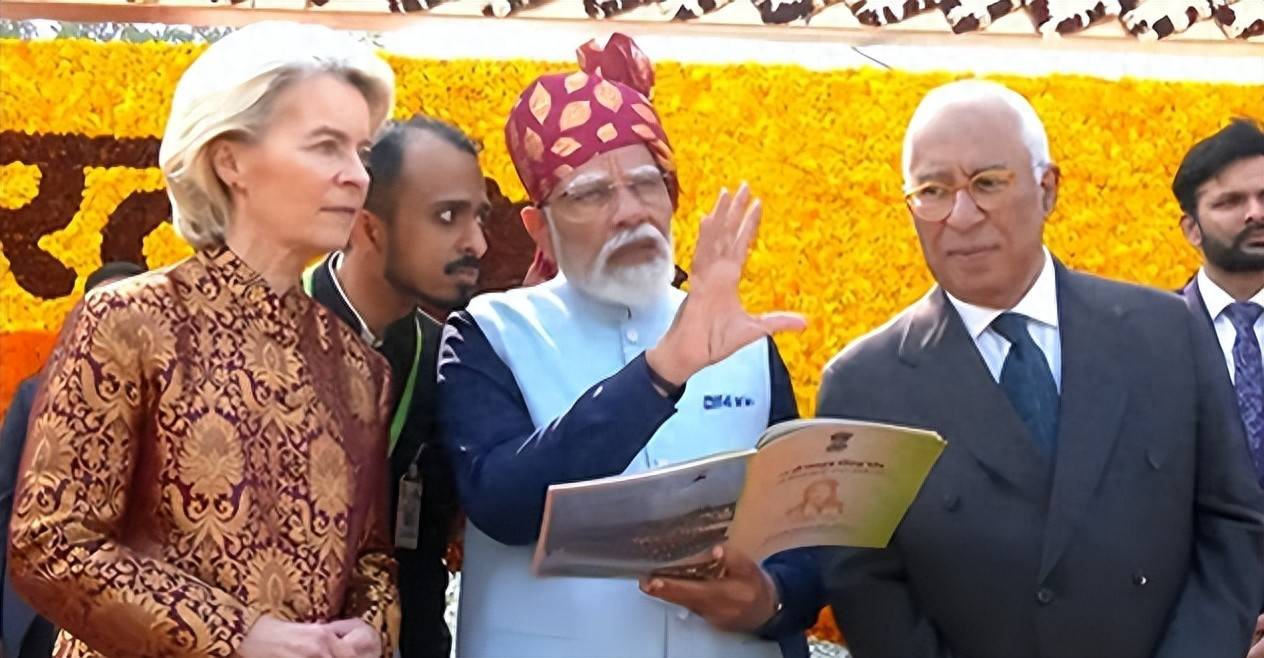
Core Points - The core focus of the news is the recently signed EU-India free trade agreement, which aims to significantly reduce tariff barriers and create a free trade zone covering 2 billion people [3][4]. Group 1: Agreement Details - India has committed to eliminating over 90% of tariffs on EU goods, with significant reductions in tariffs on automobiles and alcoholic beverages [3][6]. - The agreement is expected to reduce EU's annual tariff expenditures by €4 billion, with car tariffs dropping from 110% to 10% and an import quota of 250,000 vehicles per year [6]. - The deal covers 25% of global GDP and one-third of global trade, indicating its substantial economic impact [4]. Group 2: Challenges and Concerns - There are significant concerns regarding the impact of EU agricultural products on India's local farming sector, which employs nearly half of India's population [8]. - The agricultural sector's resistance could lead to domestic opposition in India, potentially affecting the implementation of the agreement [8][10]. - India's weak industrial base, inadequate infrastructure, and challenging business environment may limit the growth of EU trade in the short term [10]. Group 3: Implications for China - German media suggests that China could lose billions due to this agreement, but this perspective underestimates the depth of trade relations between China and both the EU and India [11][19]. - By 2025, China's trade with the EU is projected to reach ¥5.93 trillion, with strong cooperation in consumer goods and high-tech sectors [13][19]. - The trade structures of China and India with the EU are fundamentally different, making direct competition unlikely [15][17].

欧盟与印度达成“终极贸易协定” 欧股上涨
证券时报· 2026-01-27 15:10
Core Points - The article discusses the landmark trade agreement signed between the EU and India, which is expected to create a free trade area covering 2 billion people and significantly boost economic development for both parties [1] Group 1: Agreement Highlights - The agreement includes substantial tariff reductions and breakthroughs in market access, with nearly 97% of EU export products receiving tariff reductions or exemptions from India, potentially saving European companies up to €4 billion annually in tariff costs [3] - Key tariff reductions include a decrease in India's automotive tariffs from 110% to 10%, wine tariffs from 150% to 20%, and the complete elimination of tariffs on processed foods like pasta and chocolate [3] - In return, Indian industries such as textiles, jewelry, and leather will gain broader market access in the EU, with European companies receiving privileged access in sectors like financial services and maritime logistics [3] Group 2: Trade and Economic Impact - The EU-India bilateral trade in goods reached €120 billion in 2024, a nearly 90% increase over the past decade, with service trade adding an additional €60 billion [5] - The agreement is expected to double EU exports to India and provide critical support for India's infrastructure upgrades and job creation, with the EU being a significant source of technology and investment [5] Group 3: Strategic Cooperation - The trade agreement represents a strategic partnership between the EU and India, showcasing an alternative to a fragmented global landscape, with plans for additional agreements to facilitate the movement of seasonal workers, students, and skilled professionals, as well as enhance security and defense cooperation [8] - The collaboration aligns with the EU's goal to reduce dependence on the US and India's aim to diversify its military imports away from Russia, thus enhancing both parties' autonomy [8] Group 4: Next Steps - The core negotiations of the agreement have been completed, and it will now enter the internal approval process for both parties, with expectations for it to be implemented in the near term [9]

欧委会主席访问巴西 同巴总统卢拉讨论贸易问题
Yang Shi Xin Wen Ke Hu Duan· 2026-01-16 19:40
Core Points - The meeting between Brazilian President Lula and European Commission President von der Leyen focused on strengthening the partnership between the EU and Brazil, particularly in the context of the upcoming free trade agreement between the Southern Common Market (Mercosur) and the EU [1] - Lula emphasized that the agreement would create one of the largest free trade areas globally, benefiting both Mercosur and the EU, while also supporting global multilateralism [1] - Lula stated that Brazil respects all international agreements signed under the frameworks of the United Nations and the World Trade Organization, and aims to move beyond being a traditional commodity exporter to producing and exporting higher value-added industrial products [1] - von der Leyen expressed gratitude for Brazil's contributions to the Mercosur-EU free trade agreement, highlighting that the signing of the agreement sends a strong message that international trade is not a zero-sum game, but rather beneficial for all parties involved [1] - The free trade agreement between Mercosur and the EU is set to be signed on the 17th in Asunción, Paraguay [1]
The EU Council Greenlights Historic EU-Mercosur Trade Partnership
Yahoo Finance· 2026-01-09 20:37
Group 1 - The European Council has authorized the signing of a trade deal with Mercosur, potentially creating the world's largest free-trade area after over 25 years of discussions [1] - The EU-Mercosur Partnership Agreement and the Interim Trade Agreement have been approved, with Mercosur comprising Argentina, Brazil, Paraguay, and Uruguay [2] - The interim agreement will facilitate tariff reductions and the removal of barriers to cross-border trade in services, enhancing market access for various sectors including agriculture, automotive, pharmaceuticals, and chemicals [4] Group 2 - The deal is crucial for the luxury sector, particularly for European firms that have been affected by tariffs imposed by the U.S. and are seeking new markets [5] - The European Commission aims to increase bilateral trade and investment, reduce trade barriers, and save EU companies approximately 4 billion euros in export duties annually [6] - The fashion and design industry in Italy views the deal as essential amid a slowdown linked to reduced demand from China and rising prices affecting customer loyalty [7]
海南封关,新加坡越南等国瑟瑟发抖
Sou Hu Cai Jing· 2025-12-27 08:57
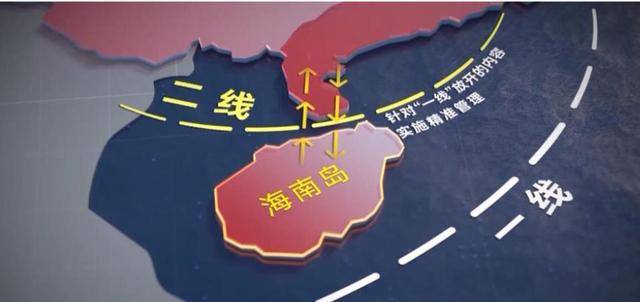
Core Viewpoint - Hainan's closure does not restrict personnel movement but focuses on customs management for goods, establishing Hainan as a free trade zone with zero tariffs on all goods [1] Group 1: Hainan's Free Trade Zone Policy - Hainan will implement a policy of "one line open, one line controlled," allowing free movement of goods and people within the island while imposing taxes on goods leaving the island [1] - Goods can enjoy zero tariffs when processed to add value by at least 30%, promoting local industry protection [1] - The policy aims to create a large-scale economic zone and manufacturing base, enhancing trade balance and quality among Chinese enterprises [3] Group 2: Competitive Landscape - Hainan's policy is seen as a potential threat to Singapore's international transshipment business, as it allows for significant cost savings in logistics [3] - Hainan's tax advantages, such as a corporate tax rate of 15% and lower overall tax burdens compared to Singapore, may attract businesses [6] - Vietnam expresses concern over Hainan's development, as it disrupts its plans for international transshipment and manufacturing, highlighting China's infrastructure advantages [6][8] Group 3: Regional Economic Integration - The development of Hainan is part of China's broader strategy to promote regional economic integration and infrastructure connectivity, despite some countries resisting cooperation [8] - Hainan's growth may lead to a collaborative model where R&D is based in Hainan while manufacturing occurs in Vietnam, benefiting both economies [8] - The rapid development of Hainan is expected to contribute positively to China's overall economic growth, despite challenges in administrative experience and social environment [8]
竞投内斗击退日上免税行 中免拿下上海机场免税店
BambooWorks· 2025-12-19 10:27
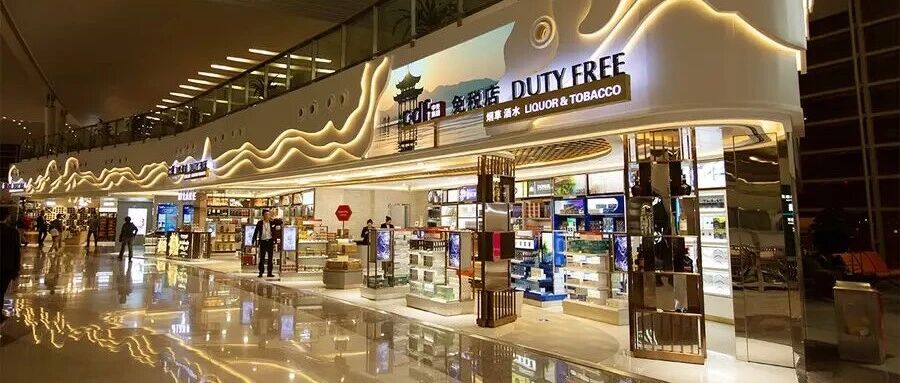
Core Viewpoint - The article highlights the competitive struggle within the Chinese duty-free industry, particularly focusing on China Tourism Group Duty Free Corporation (China Duty Free) and its subsidiary, Sunrise Duty Free, amid declining revenues and profits in the sector [1][2]. Group 1: Industry Dynamics - A rare internal conflict occurred in the Chinese duty-free industry, showcasing the pressures faced by leading companies as they compete for market share [2]. - China Duty Free's aggressive tactics to secure the operating rights for duty-free shops at Shanghai airports reflect deeper structural issues within the industry, including changing consumer preferences and increased competition from local brands [6][8]. - The duty-free market in China was valued at 716 billion yuan last year, but saturation of airport and railway duty-free resources has led companies to explore urban duty-free stores in first-tier cities [8]. Group 2: Company Performance - China Duty Free's revenue and net profit have both declined, with a projected revenue drop of 16% to 56.5 billion yuan and a net profit decrease of 36% to 4.32 billion yuan in 2024 [6][7]. - In the first three quarters of the year, the company reported a 7.34% year-on-year revenue decline to 39.9 billion yuan, with net profit down 22% to 3 billion yuan [7]. - Despite securing the operating rights for two major airports, the market remains skeptical about the company's ability to reverse its declining sales and profits [5][8]. Group 3: Market Position and Future Outlook - China Duty Free holds a dominant market share of 78.7% in the Chinese duty-free and travel retail market, significantly ahead of its closest competitor, which has a 7.1% share [9]. - The recent establishment of Hainan as a free trade zone may provide new growth opportunities for the company, potentially revitalizing its core market performance [9]. - Analysts maintain a cautiously optimistic outlook, with expectations that the revenue decline may narrow in the fourth quarter, and the company could return to profit growth [9].

海南正式封关!全球最大自贸区诞生,有何重大意义?
Sou Hu Cai Jing· 2025-12-18 12:16
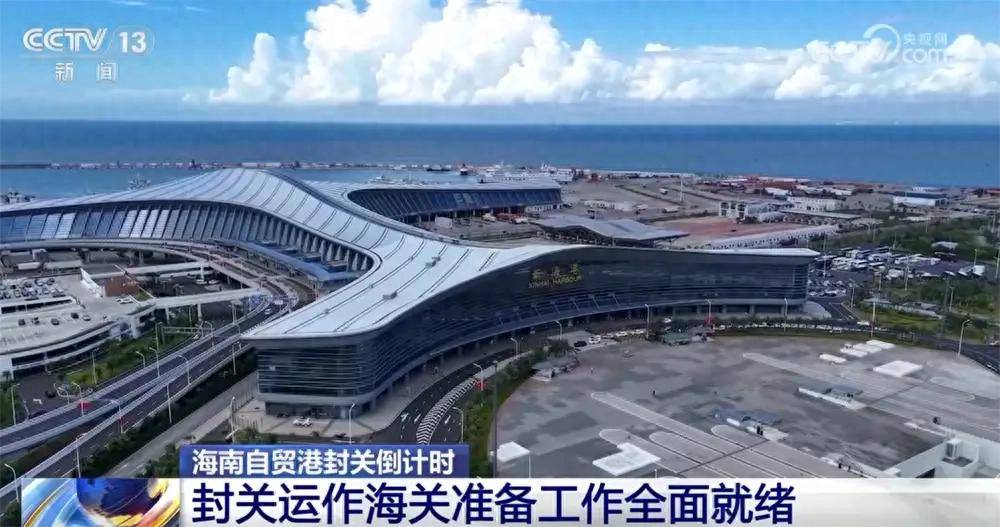
Core Viewpoint - Hainan's official closure marks the establishment of the world's largest free trade zone, enhancing the flow of people, goods, and capital, contrary to the misconception that it implies closed management [1] Group 1: Significance of Hainan's Free Trade Zone - Hainan is the only province-level free trade zone globally, with an area equivalent to eight Dubaies, over thirty Hong Kongs, and more than forty Singapores, providing ample space for global enterprises to invest and establish manufacturing [3] - The favorable tax policies in Hainan, such as a 15% individual income tax and corporate income tax, are more attractive than those in Singapore, making it a competitive location for businesses [3] Group 2: Benefits for Global Enterprises - Global companies can import raw materials to Hainan with zero tariffs, and if they process these materials locally with over 30% value addition, they can enter the Chinese mainland market tax-free, creating significant advantages for foreign businesses [3] - Companies like a chain tea brand are relocating their international headquarters to Hainan to optimize supply chain costs and benefit from tax exemptions on profits repatriated to Hainan [4] Group 3: Impact on Trade Dynamics - Hainan's closure is expected to divert transshipment trade from Singapore, as Hainan's Yangpu Port has a container handling efficiency that is 8% higher than Singapore's, and its electronic customs clearance system significantly reduces processing time [6] - Singapore's transshipment trade volume has been declining, with a reported 11.3% year-on-year drop in trade with China, while Yangpu Port's throughput has surged by 48.4%, indicating a shift in trade dynamics [6] Group 4: Economic Implications - Hainan is positioned to become a preferred entry point for global capital and enterprises into China, while also serving as a base for Chinese companies to expand internationally, thereby amplifying the wealth effect and stimulating the Chinese economy [8]
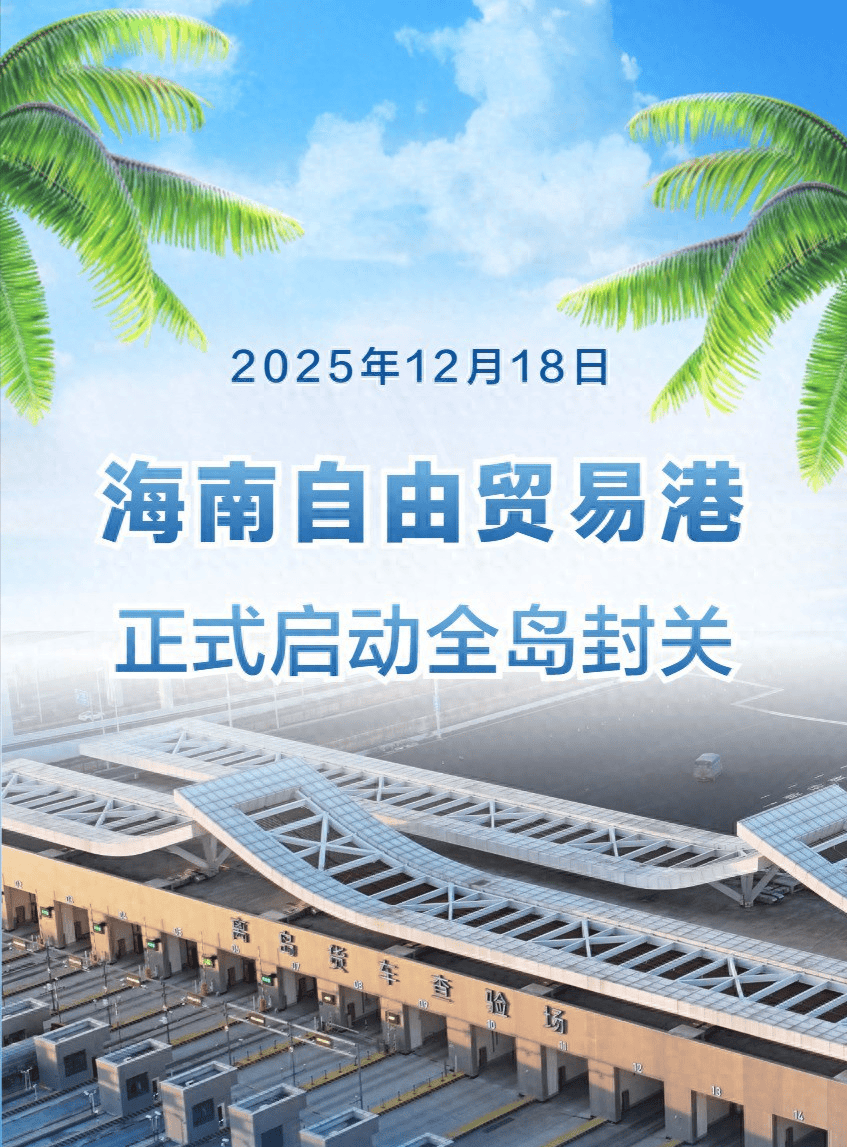
突发!海南自贸港正式启动全岛封关
Sou Hu Cai Jing· 2025-12-18 06:39
Core Viewpoint - The announcement of Hainan Free Trade Port's "lockdown" on December 18, 2025, signifies a transformative phase in China's economic landscape, marking a shift towards a highly open trade model that enhances both internal flexibility and external restrictions [1][3][7]. Group 1: Trade and Economic Impact - The "lockdown" is not a closure but a sophisticated form of openness, allowing for the import of production materials, luxury goods, and high-end consumer products with potentially zero tariffs and value-added taxes [3][5]. - Hainan is positioned to become a global "super testbed" and "window," moving beyond traditional coastal cities to attract global capital, technology, talent, and consumer power [5][7]. - The new trade rules will facilitate efficient customs processes while enhancing monitoring against smuggling and violations, crucial for maintaining tax revenue [5][10]. Group 2: Market Opportunities - The policy allows for significant reductions in the cost of imported goods, with potential price drops for imported SUVs, making them more accessible to consumers [9]. - The transformation of Hainan into a "shopping paradise and trade special zone" will enable free movement of goods, personnel, and capital within the island, while maintaining customs control for goods moving to the mainland [10].
记者手记|从迪拜杰贝阿里自由区看全球自贸区、自贸港发展
Xin Hua She· 2025-12-16 07:17
Core Insights - The Jebel Ali Free Zone is a significant driver of Dubai's economy, housing over 11,000 companies from more than 150 countries, including over 100 Fortune 500 firms [1][2] - The free zone has contributed approximately 36% to Dubai's GDP and is projected to see a 15% increase in trade volume in 2024, reaching 713 billion dirhams [2] - The success of the Jebel Ali Free Zone is attributed to its strategic location, efficient procedures, stable policies, and a collaborative ecosystem of ports, logistics, and industry [3] Group 1 - The Jebel Ali Free Zone is the largest and most comprehensive free zone in the UAE, established in 1985 with only 19 companies [1] - The free zone's warehousing model allows for centralized inventory management, significantly reducing time and costs for businesses [2] - The area has seen over 110 billion dirhams in foreign direct investment over the past 20 years [2] Group 2 - The CEO of the World Free Zones Organization highlighted the importance of forward-looking policies and a zero-tax regime in attracting global investors [3] - The upcoming launch of the Hainan Free Trade Port is seen as a significant step in China's commitment to high-level opening-up and global economic integration [3] - Both the Hainan Free Trade Port and Jebel Ali Free Zone are expected to leverage their infrastructure and transport systems to develop tourism and exhibition industries [3]