
融合消费

Search documents
人民财评:政策“组合拳”助推服务消费提质增效
Sou Hu Cai Jing· 2026-01-28 00:59
Group 1 - The core viewpoint of the articles highlights the significant growth in service consumption in China, with a projected increase of 5.5% in service retail sales by 2025, outpacing the 1.7% growth in goods retail sales [1] - By 2025, the per capita expenditure on service consumption is expected to reach 46.1%, indicating a shift in consumer spending patterns towards services [1] - The tourism sector is set to see a substantial increase, with 2,485 tourist trains expected to operate in 2025, marking a 33.6% year-on-year growth, enhancing accessibility to remote scenic areas [1] Group 2 - The restaurant industry is projected to generate nearly 5.8 trillion yuan in revenue by 2025, with a year-on-year growth of 3.2%, driven by continuous optimization of supply in the sector [2] - The rise of digital services, such as online consultations and instant delivery, is contributing to the growth of communication and information services, benefiting various demographics including the elderly and rural residents [2] - The government's dual approach of "policy + activities" is aimed at enhancing service consumption quality, focusing on key areas like cultural entertainment, tourism, and dining [2] Group 3 - The ongoing service consumption enhancement actions are expected to foster new growth points and innovative consumption scenarios, with a focus on integrated experiences such as "tourism +", "food +", and "sports +" [3]
北京朝阳区委副书记、区长聂杰英谈未来五年发展规划:打造新质生产力融合发展示范区
Xin Lang Cai Jing· 2026-01-27 18:56
Core Viewpoint - The development of Chaoyang District has significantly improved residents' quality of life and education over the past five years, with a focus on creating a "shared beautiful future" brand [1] Economic Development - Chaoyang District plays a crucial role in Beijing's economic landscape, contributing approximately 20% to the city's GDP, fiscal revenue, and social retail sales [3] - The district hosts nearly 3,700 national high-tech enterprises, over 1,200 specialized and innovative enterprises, 96 national "little giant" companies, and 25 unicorns, including 2 super unicorns valued over $10 billion, accounting for 11% of the national total [3] - Chaoyang is a major business hub, with rental and business services generating about 40% of Beijing's total revenue [3] Business and Technology - The district has implemented a dual-driven development strategy focusing on business and technology, achieving significant results in various sectors [4] - Chaoyang has transitioned from isolated breakthroughs to comprehensive industry linkages, establishing a "3+X+N" innovation system for technology industries [4] - The area has 23 technology industrial parks, with 9 recognized as city-level characteristic parks, enhancing the overall layout and connectivity of technology industries [4] Consumer Trends - Chaoyang is a key area for international consumption, integrating urban vitality, cultural energy, and international fashion into its consumer landscape [5] - The district has seen a renewal of 32 commercial entities, with over 100 large commercial complexes, the highest in the city [5] - More than 2,000 first stores have been introduced, representing about 50% of the city's total, enhancing the trend of innovative consumer experiences [5][6] Social Development - The district has focused on improving living conditions, with 638 backstreet renovations and 1.179 million square meters of old community upgrades completed [7] - Chaoyang has established 21 new schools and has been recognized as a national model for balanced compulsory education [7] - The healthcare system has expanded, with a 22.3% increase in medical institutions compared to the end of the previous five-year plan [7] Future Initiatives - In the upcoming "15th Five-Year Plan," Chaoyang aims to enhance its "Five Districts" functions and build a "Five Suitable" environment [10] - The district will continue to promote the "With the World, Together in Chaoyang" brand, welcoming global investors and tourists [10][11] - Efforts will be made to support cultural industries, including film, gaming, and traditional arts, while fostering international outreach [11]

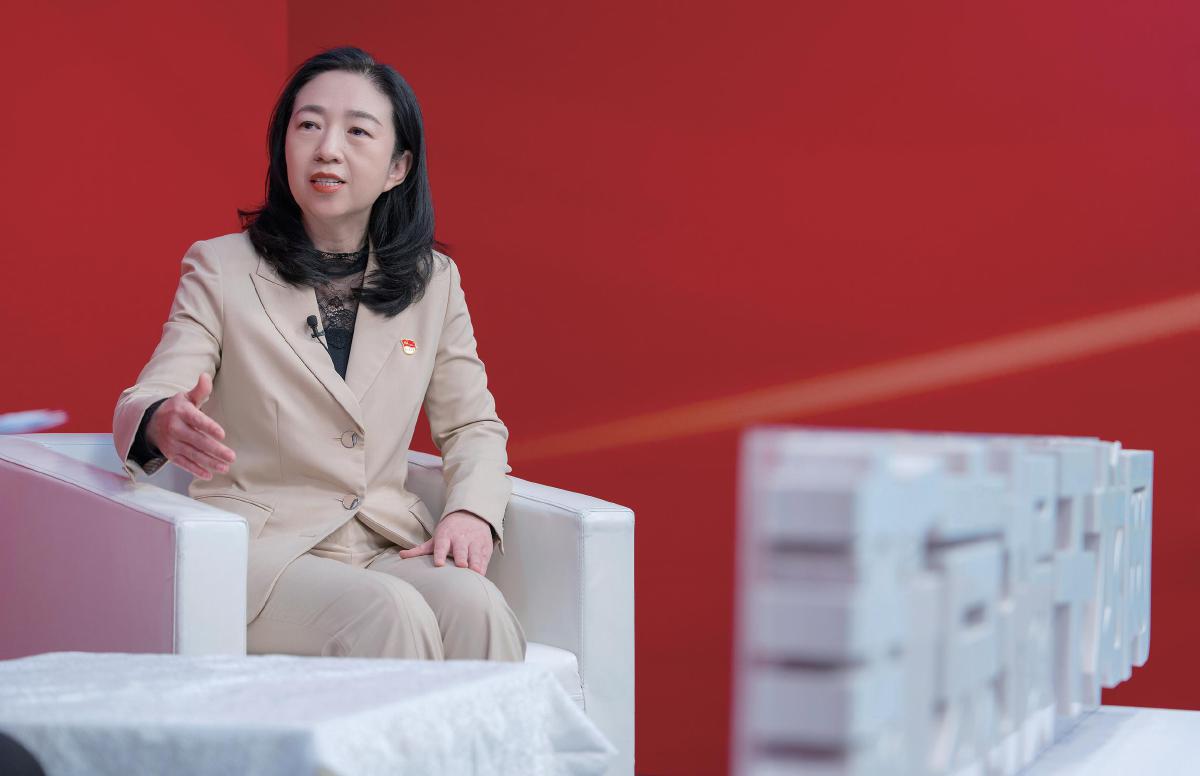
朝阳区区长聂杰英:让民生愿景向幸福实景转化
Xin Jing Bao· 2026-01-27 15:10
Core Viewpoint - Chaoyang District has made significant progress in various sectors over the past five years, focusing on enhancing residents' quality of life and economic development, with future plans for continued growth and innovation [1][9]. Economic Development - Chaoyang District contributes approximately 20% to Beijing's GDP, fiscal revenue, and social retail sales, serving as a crucial economic pillar for the capital [2]. - The district hosts nearly 3,700 high-tech enterprises, over 1,200 specialized and innovative companies, 96 national-level "little giant" enterprises, and 25 unicorn companies, with two valued over $10 billion, accounting for 11% of the national total [2]. - Chaoyang is a major business hub, with business services generating 40% of the city's total revenue and cultural industries contributing 8% to the national total [2]. Business and Technology - The "Business + Technology" dual-driven development strategy has led to significant achievements, with a focus on integrating traditional and emerging industries [3]. - The district has established a comprehensive industrial system based on "3+X+N," focusing on industrial internet, artificial intelligence, and digital security, among other key sectors [3][4]. Consumption Trends - Chaoyang is a primary area for international consumption, with over 2,000 new flagship stores introduced during the "14th Five-Year Plan," representing 40% of the city's total [6]. - The district has over 100 large commercial complexes, the highest in the city, and emphasizes the integration of various consumption scenarios, including cultural and entertainment experiences [6]. Public Services and Living Conditions - Chaoyang has improved living conditions by renovating 1,179 million square meters of old residential areas and constructing 101 new roads [7]. - The district has established 21 new schools and has been recognized as a national model for balanced compulsory education [7]. - Healthcare improvements include the establishment of four urban medical groups, enhancing service accessibility by 22.3% compared to the end of the "13th Five-Year Plan" [7]. Environmental and Social Governance - Chaoyang has achieved a historical low in PM2.5 levels and increased green space by 15,000 acres, leading the city in urban and park greenery [8]. - The district promotes community governance through initiatives that encourage public participation and collaboration [8]. Future Development Plans - The "15th Five-Year Plan" will focus on enhancing the functions of five key areas: high-level openness, new productivity integration, international consumption, cultural innovation, and modern urban governance [9][10]. - Chaoyang aims to strengthen its "潮朝阳" brand, attracting global investment and tourism while supporting cultural enterprises to expand internationally [10].
冬日文旅不打烊 美食赛事双引擎点燃消费热潮
Yang Shi Wang· 2026-01-27 06:51
Group 1 - Fujian Dongshan County is revitalizing its winter tourism market by hosting a unique winter seafood feast and various festive activities, moving away from the traditional winter tourism slump [1] - The "Sea and Land Feast" features local seafood dishes such as steamed deep-sea fish and boiled shrimp, attracting both residents and tourists [3] - The event showcases traditional cultural performances, including sugar art and puppet shows, enhancing the festive atmosphere and promoting local customs [5] Group 2 - In Wenzhou, Zhejiang, the 2026 "Six Ones" local product carnival is combined with a city basketball league to create new consumer experiences [6] - The carnival focuses on six categories of local agricultural products, allowing visitors to purchase high-quality local goods in one location [8] - As of January 25, 2026, the basketball viewing points attracted 5.31 million attendees, generating a direct economic impact of 3.27 billion yuan in cultural and commercial tourism consumption [10]
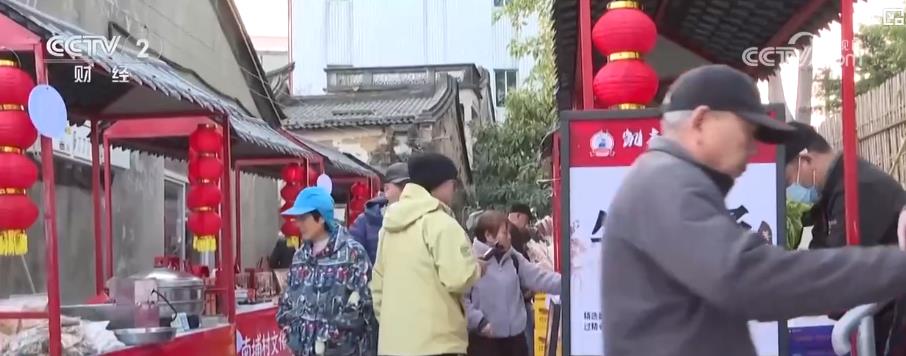
上海发文扩大服务消费:推动文博场馆延时开放,培育国际美食集聚区
Sou Hu Cai Jing· 2025-12-29 11:27
Core Viewpoint - Shanghai government has announced measures to enhance service consumption, focusing on high-quality supply, brand innovation, integrated consumption scenarios, and an optimized environment to stimulate growth in the service sector [1]. Group 1: Enhancing High-Quality Service Consumption Supply - The initiative aims to elevate cultural and tourism service levels by extending operating hours for museums and tourist attractions, encouraging innovative exhibition methods, and supporting the creation of high-quality cultural products [1][2]. - The sports service market will be invigorated through the development of event economies and the promotion of the "Shanghai Sports" brand, alongside enhancing public sports facilities [2]. - The education sector will see improved access for non-academic training institutions, with streamlined approval processes and the introduction of diverse learning products for the elderly [2]. - Health consumption will be internationalized, promoting specialized medical services and encouraging collaboration between medical institutions and insurance companies [2]. Group 2: Brand Innovation to Stimulate New Service Consumption Dynamics - There will be increased efforts in brand cultivation, including the establishment of mechanisms to discover new service brands and support for industry organizations in brand development [5]. - A robust standard support system will be developed for various service sectors, ensuring quality and service norms are met [6]. - The foundation for brand development will be strengthened through enhanced capabilities of industry organizations and the establishment of a professional talent pool [6]. Group 3: Creating Integrated Consumption Scenarios - The initiative promotes the creation of cross-sector integrated service consumption scenarios, such as "tourism+", "sports+", and "health+", encouraging collaboration among various service providers [7]. - Support for the "IP+" model will be provided to leverage cultural IPs for driving consumption, particularly in entertainment and digital sectors [7]. - The application of digital technologies like AR and VR will be encouraged to create immersive and sustainable service consumption experiences [7]. Group 4: Optimizing Environment to Stimulate New Service Consumption Growth - A service consumption credit system will be established, promoting credit evaluation and public disclosure of credit ratings for businesses [9]. - Financial institutions will be encouraged to enhance their customer evaluation and risk management systems, supported by third-party credit service providers [9].
南通“十四五”工业信息化发展亮眼 现代工业名城建设初显成效
Yang Zi Wan Bao Wang· 2025-12-10 11:53
Core Insights - Nantong's industrial economy shows a steady and progressive growth, playing a crucial role as a "fixed star" and "ballast" for the city's economic growth, with initial success in building a modern industrial city [1] Group 1: Industrial Growth and Achievements - By the end of September 2025, the number of large-scale industrial enterprises in Nantong is expected to reach 7,465, with an average annual growth rate of 8.7% in industrial added value, surpassing the provincial average [3] - In 2024, industrial added value is projected to account for 38.2% of GDP, contributing 46% to GDP growth [3] - Since 2022, Nantong has initiated 994 industrial projects with investments over 500 million yuan, including 17 projects exceeding 10 billion yuan, totaling approximately 810 billion yuan in investment [3] - Nantong ranked 25th among the top 100 advanced manufacturing cities in China in 2024 [3] Group 2: Industrial Structure and Innovation - Nantong is accelerating the construction of a modern industrial system, having been selected as one of the first national pilot cities for the construction of industrial and supply chain ecological systems, with shipbuilding and high-end textiles recognized as national advanced manufacturing clusters [3] - By the end of 2025, the output value of six key industrial clusters, including shipbuilding and electronic information, is expected to exceed 1.3 trillion yuan, accounting for over 80% of large-scale industrial output [3] - The city has nurtured 15 enterprises with over 1 billion yuan in revenue by the end of 2024, with Zhongtian Technology Group becoming a trillion-level enterprise [4] - A total of 30 national-level manufacturing single champion enterprises and 232 national specialized and innovative "little giant" enterprises have been cultivated, with average profit margins exceeding the city's industrial average [4] Group 3: Digital Transformation and Green Development - Nantong has implemented 16,300 projects for digital transformation and was selected as a national pilot city for small and medium-sized enterprises' digital transformation, ranking first among prefecture-level cities in the number of new intelligent factories [4] - The city has established 27,000 5G base stations and created a national-level gigabit city [4] - Nantong has created 34 national-level green factories and 2 green industrial parks during the "14th Five-Year Plan" period, leading the province with over 80% of chemical production enterprises located in industrial parks [4] Group 4: Future Directions - Looking ahead to the "15th Five-Year Plan," Nantong's industrial and information department aims to strengthen the development of a modern industrial city focused on technological frontiers, integrating marine economy, artificial intelligence, green low-carbon initiatives, and integrated consumption [5]

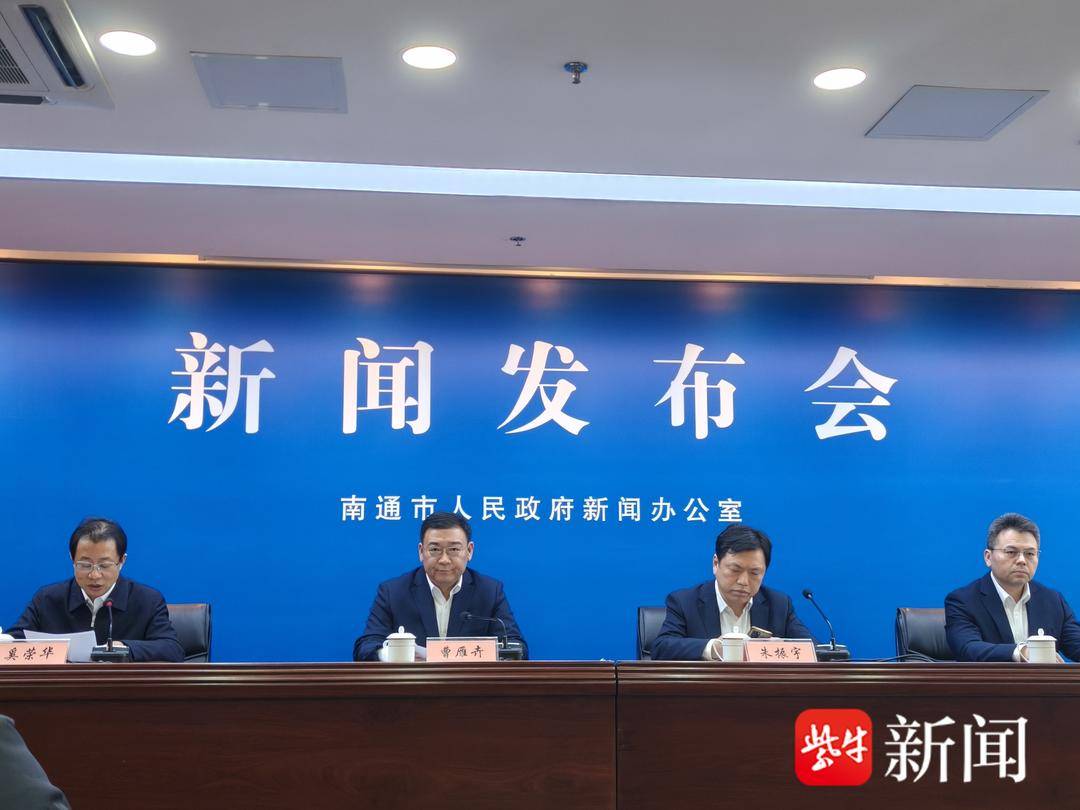
北京将打造世界级“双奥会客厅”
Bei Jing Shang Bao· 2025-12-04 14:37
Core Insights - The Beijing Olympic Center Zone is set to enhance its functionality and quality through the "Action Plan for Accelerating High-Quality Development of the Beijing Olympic Center Zone (2025-2027)" released on December 4, aiming to create a new consumer platform integrating culture, commerce, tourism, sports, and exhibitions [2][5] Group 1: Visitor Statistics and Economic Impact - The Olympic Center Zone received 90.8 million visitors in the first ten months of the year, marking a 16% year-on-year increase [3] - During the National Day holiday, the Asia-Olympic business circle generated revenue of 80.72 million yuan, up 16.6% from the previous year [3] - The "Bird's Nest Starry Night Performance Season" hosted over 50 concerts, attracting more than 2.9 million attendees [3] Group 2: Infrastructure and Facility Upgrades - The plan includes significant upgrades to public areas and venue facilities, focusing on the Olympic Forest Park and the Olympic Tower [4] - The Olympic Tower renovation will allow visitors to access a 246.8-meter high observation deck and experience a food garden and light shows [4] - A comprehensive upgrade of 187,400 square meters of water areas will enhance the night lighting and landscaping around the water system [4] Group 3: Future Development Goals - By 2027, the Olympic Center Zone aims to transform into a must-visit destination for domestic and international tourists, enhancing its historical and governmental functions [5] - The plan outlines a vision for the area to become a vibrant international reception space by 2030, showcasing the capital's characteristics [5] Group 4: Multi-Industry Integration - The Olympic Center Zone spans 11.59 square kilometers and integrates international communication, sports leisure, and cultural exchange [6] - State-owned enterprises within the zone manage 19 large assets, supporting diverse functions and regional consumption vitality [6] Group 5: Event and Activity Planning - The plan aims to host weekly sports events, monthly internationally influential competitions, and over 100 large-scale activities annually, targeting over 5 million attendees [8] - The "Bird's Nest Starry Night Performance Season" plans to host over 60 top concerts in 2026, utilizing advanced stage technologies [9] Group 6: Innovation and Technology Integration - A "Robot Innovation Park" is planned for 2026-2030, focusing on integrating technology into leisure and tourism, enhancing visitor experiences [10][11] - The park will feature various application scenarios, supporting the full cycle from technology validation to market promotion for robotics companies [11]
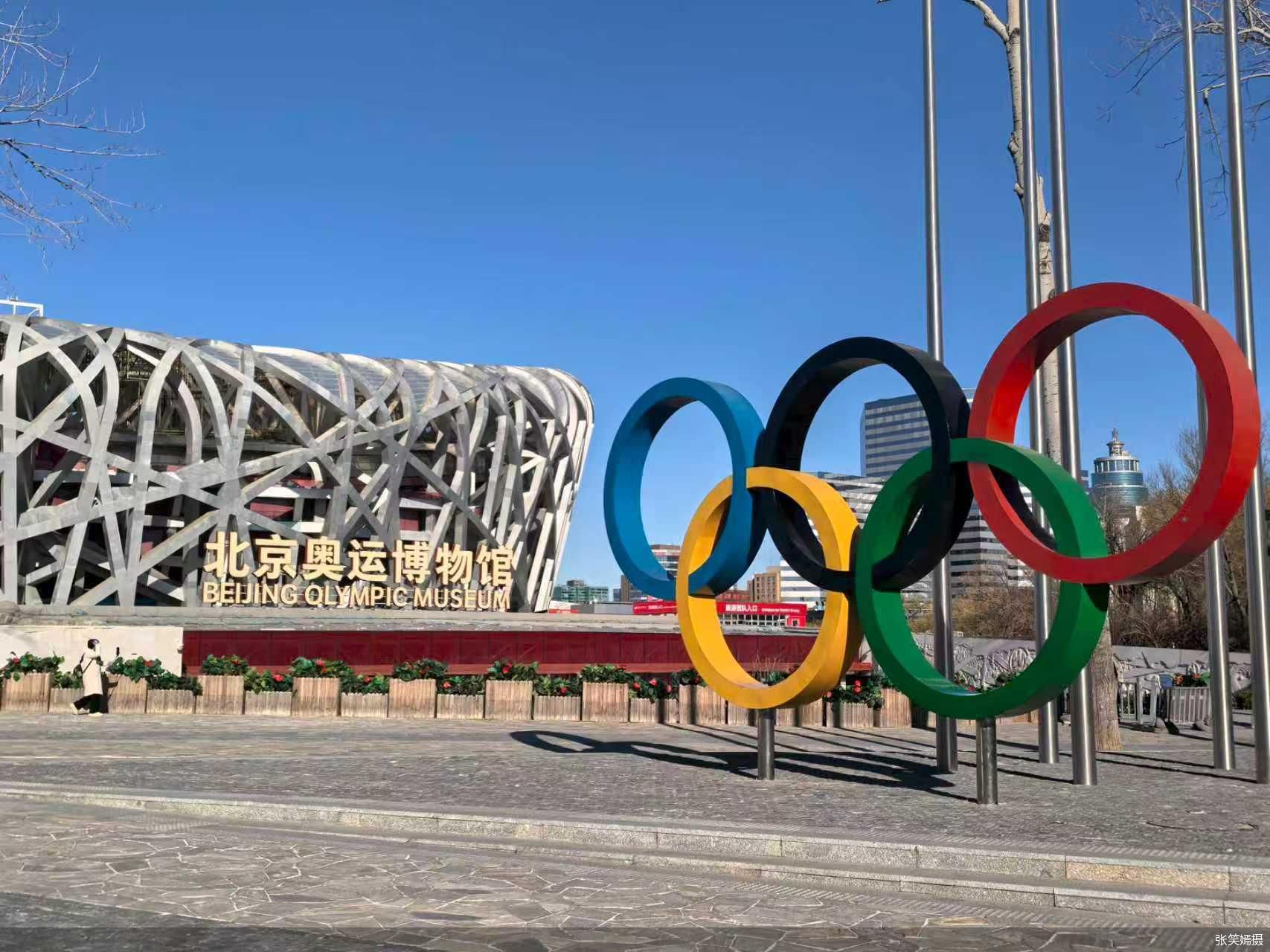
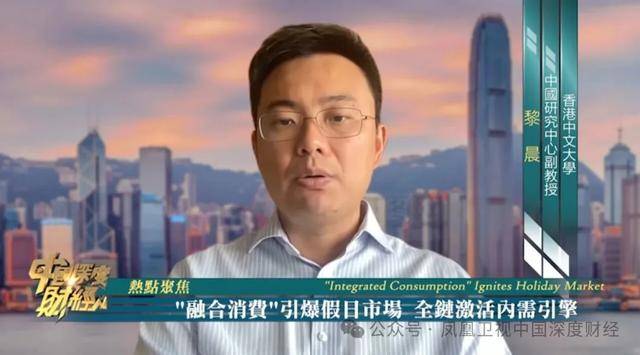
“融合消费”引爆假日市场,全链条激活内需引擎
Sou Hu Cai Jing· 2025-10-05 00:51
Group 1 - The core viewpoint emphasizes the rise of "night consumption" as a new hallmark of urban vitality, with approximately 60% of consumer spending expected to occur at night by 2024, and large shopping malls generating over half of their daily revenue between 6 PM and 10 PM [1][3] - The integration of night consumption with sports events is anticipated to further stimulate consumer spending, supported by government initiatives to extend operating hours of sports facilities and promote night sports consumption [3][5] - The concept of "fusion" is highlighted as a key strategy for expanding domestic demand and promoting consumption during the Mid-Autumn Festival and National Day holidays, showcasing the interconnectedness of various consumption activities [5] Group 2 - The global economic environment is increasingly volatile, yet China's government is focused on stabilizing foreign investment and trade, with service trade projected to account for 19% of total foreign trade by mid-2025, up from 14% in 2020 [8][10] - The Chinese government is committed to creating a predictable and reliable investment environment, responding to foreign investors' calls for improvements in market conditions, particularly regarding price wars and market access challenges [8][10] - The Ministry of Science and Technology in China aims to strengthen the role of enterprises in technological innovation, fostering the development of internationally competitive emerging industries and promoting the integration of technological and industrial innovation [6]
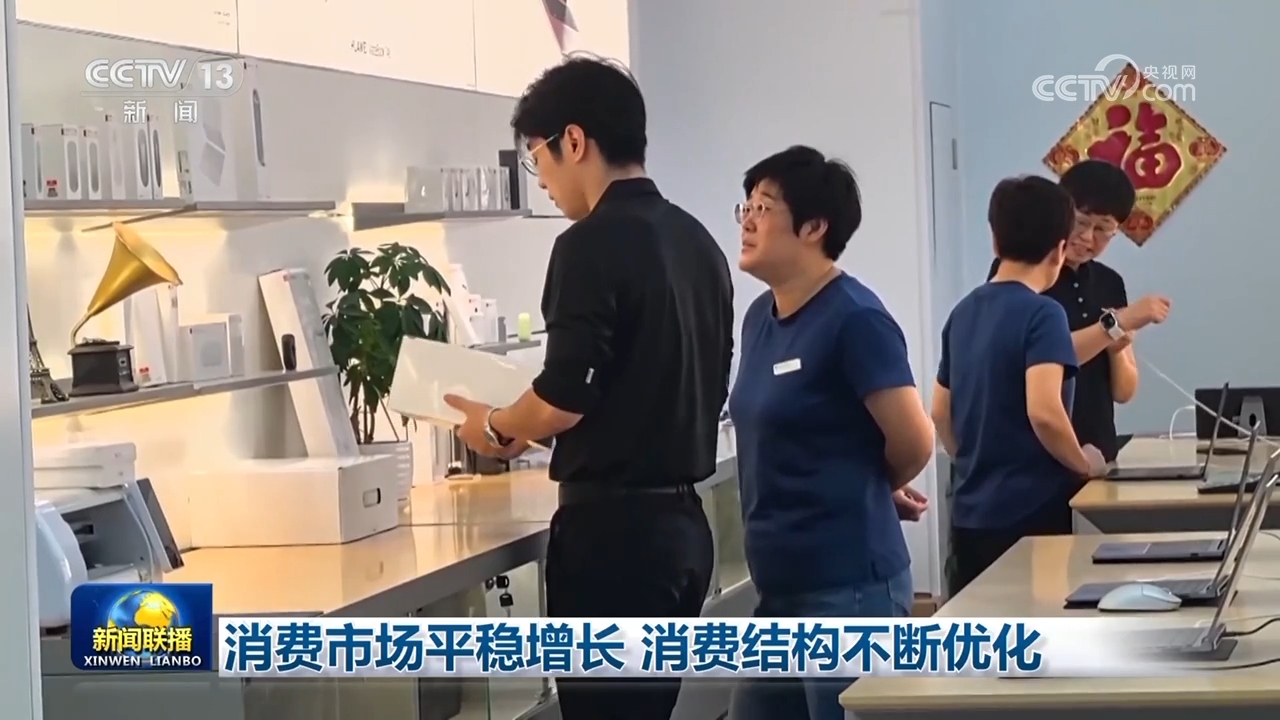
消费市场平稳增长 消费结构不断优化
Yang Shi Wang· 2025-09-21 12:30
Group 1 - The core viewpoint is that a series of policies aimed at boosting consumption have led to stable growth in the consumer market, with an optimization in the sales structure of goods and a continuous release of service consumption demand [1] Group 2 - In August, the total retail sales of consumer goods increased by 4.1% year-on-year in real terms, accelerating by 0.2 percentage points compared to the previous month, indicating stable growth in the consumption market [1] - Nearly 80% of retail categories in limited enterprises saw growth in August, with retail sales of household appliances and audio-visual equipment, as well as furniture, exceeding a 10% year-on-year growth rate [3] Group 3 - Online consumption has accelerated continuously, with online retail sales growing by 9.6% year-on-year from January to August, marking a 0.4 percentage point increase compared to the previous month, reaching a new high for the year [5] - Emerging fields such as digital consumption and green consumption are maturing and becoming new growth drivers for consumption [5]
上市公司积极行动丰富消费场景
Zheng Quan Ri Bao· 2025-09-18 16:11
Group 1 - The core viewpoint of the news is the emphasis on expanding service consumption through innovative consumption scenarios and models, as highlighted by the Ministry of Commerce's recent policy measures [1] - The policy measures aim to enhance both supply and demand sides, focusing on quality supply and the establishment of pilot cities for new consumption formats [1] - Companies are responding to these changes by accelerating their layouts in business integration, scenario innovation, and channel expansion [1] Group 2 - Nanning Department Store is actively exploring integrated consumption scenarios and enhancing its core marketing IPs, such as "Nanning Live Room," to improve consumer experience [2] - The company is leveraging government subsidies and brand resources to promote cross-industry cooperation and resource integration [2] - The strategies aim to enhance consumer experience and core competitiveness through business integration and innovative scenarios [2] Group 3 - Companies like Liren Liyang are expanding their business structures and channel layouts, focusing on online retail services for cosmetics and increasing their presence on emerging platforms like Douyin and Xiaohongshu [3] - Hongqingtian is investing in new store openings and product launches to align with new consumption trends, aiming to enhance brand influence and youthfulness [3] - Overall, these practices in innovation and channel expansion are expected to boost competitiveness and invigorate the consumer market [3] Group 4 - Companies are shifting from "brand thinking" to a "user perspective," focusing on solving specific pain points in consumer scenarios rather than merely adding product functions [4] - This shift requires deep research to identify high-frequency scenarios and core pain points, integrating digital technology to enhance online and offline experiences [4] - Policy support is also crucial for integrating cross-industry resources to build new consumption models [4]


