
西半球优先

Search documents
何伟文:美国“唐罗主义”对中国有干扰、有冲击 但中拉合作前景不会变
Xin Lang Cai Jing· 2026-02-08 06:09
Core Viewpoint - The Trump administration's "America First" strategy is increasing trade cooperation risks in Latin America, prompting Chinese companies to adopt more cautious strategies in the region [1][2][3] Trade and Investment - China-Latin America bilateral trade has exceeded $500 billion, with cumulative investment stock also surpassing $500 billion [3][4] - Political barriers, particularly Trump's "America First" policy, are seen as the main obstacles to economic cooperation, rather than economic ones [3][4] Corporate Strategy - Chinese companies' investments in Latin America align with local economic development needs, contributing to job creation and fiscal revenue [6][7] - Smaller enterprises may find it easier to seize opportunities in Latin America due to a less scrutinized political environment [7][8] - Different scales of enterprises require tailored strategies for overseas expansion, with larger firms focusing on substantial projects and smaller firms integrating into supply chains [8][9] Government Support and Agreements - Establishing intergovernmental agreements can provide necessary protections for Chinese enterprises operating in Latin America, addressing risks and ensuring mutual benefits [9][10] - The importance of maintaining stable relations with the U.S. while actively pursuing cooperation with Latin American countries is emphasized [10][11] Free Trade Agreements - There is a strong push for expanding free trade agreements with Latin American countries, with existing agreements already in place with five nations [11][12] - Despite challenges, the historical trend of cooperation between China and Latin America is expected to continue [12]
“美国回撤西半球”是霸权变种
Xin Lang Cai Jing· 2026-02-07 05:16
Core Viewpoint - The recent ruling by the Panama Supreme Court declaring the concession rights of CK Hutchison unconstitutional reflects significant geopolitical changes in the Western Hemisphere amid a shift in U.S. policy under Trump's administration, which has elevated the region's importance in U.S. global strategy, surpassing that of the EU and Asia-Pacific [1] Group 1: U.S. Policy and Strategy - The U.S. has adopted a "New Monroe Doctrine" to consolidate its hegemony in the Western Hemisphere, explicitly targeting non-Western Hemisphere competitors and aiming to establish a strategic backyard and security fortress dominated by the U.S. [2] - The U.S. Department of Defense's new defense strategy emphasizes protecting U.S. interests in the Western Hemisphere, aligning with the national security strategy to enhance control over Latin America as a critical area for U.S. expansion [2] - The U.S. is expected to adopt a more aggressive, coercive, and unilateral approach in its Latin American policies, with a clear direction towards multi-faceted and pervasive suppression of regional powers [2] Group 2: Impact on Latin America - The geopolitical competition between the U.S. and China has increased uncertainty in China-Latin America cooperation, but the long-term impact is expected to be limited as Latin American countries still view China as a respected and reliable trade partner [3] - The core tenets of the Monroe Doctrine have shifted from "America for Americans" to "America for Americans," guiding U.S. policy in Latin America and justifying interventionist and exclusionary policies that have historically caused significant suffering in the region [3] - The U.S. has conducted over 400 military interventions in its 250-year history, with 34% occurring in Latin America and the Caribbean, indicating a long-standing pattern of military involvement in the region [3] Group 3: Reactions and Alternatives - The U.S. intervention in Venezuela highlights the fundamental flaws of the "New Monroe Doctrine," revealing a regression from modern political civilization to primitive law, making it more challenging for Latin American countries to pursue peace and development [4] - Latin American countries are showing a divided attitude towards the U.S., with some factions compromising while others resist, yet many still prioritize their national interests in core matters [4] - The U.S. has failed to provide substantial economic support to meet the development needs of Latin American countries, instead using economic coercion and political manipulation, leading to a structural contradiction between U.S. security demands and Latin American development aspirations [5]
特稿丨2026,世界七大悬念
Xin Hua Wang· 2026-01-06 01:29
Group 1: Geopolitical Tensions - The U.S. military's recent raid in Venezuela represents a significant violation of international law and may lead to various geopolitical repercussions in Latin America [2][4] - The political landscape in Latin America could shift further to the right due to the U.S. actions and the outcomes of upcoming elections in Brazil, Colombia, and Peru [4] - The ongoing conflict in Gaza remains unresolved, with a complex negotiation process ahead that involves key issues such as disarmament and reconstruction [5][7] Group 2: Global Economic Outlook - The IMF predicts a global economic growth rate of 3.1% for 2026, a decline from previous years, influenced by U.S. tariff policies and rising protectionism [20][22] - Despite uncertainties, there are signs of resilience in the global economy, particularly with increased South-South trade and investment flows [22] - China is expected to play a crucial role in providing stability and opportunities for global economic governance in 2026 [22] Group 3: Technological Advancements - The rapid development of artificial intelligence (AI) is anticipated to drive significant changes across various sectors, creating new economic growth points [17][19] - However, the swift evolution of AI also poses governance challenges, including risks related to data misuse and investment bubbles [19] Group 4: Political Dynamics in Japan and the U.S. - Japan's political landscape is under scrutiny as Prime Minister Kishi's rightward shift raises concerns about militarism and regional stability [14][16] - The upcoming U.S. midterm elections are expected to exacerbate political divisions, impacting domestic and foreign policies, including those related to Ukraine and the Middle East [11][13]

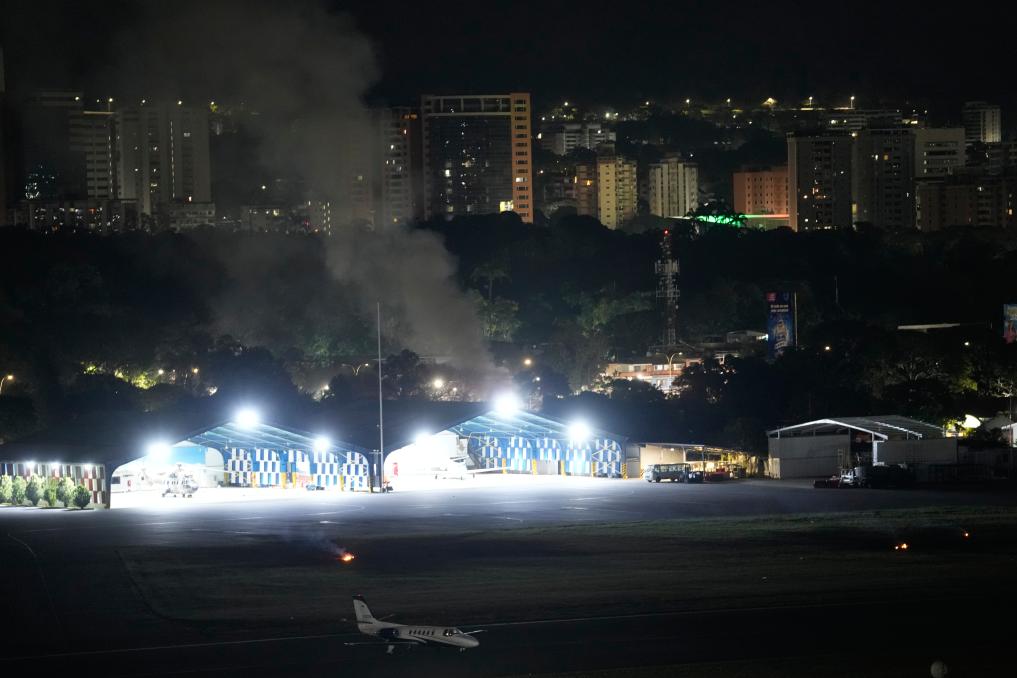
新华社特稿:2026,世界七大悬念
Xin Lang Cai Jing· 2026-01-05 14:57
Group 1: Geopolitical Tensions - The U.S. military's raid on Venezuela on January 3, 2026, represents a significant violation of international law and may lead to various geopolitical repercussions in Latin America [1][3] - The political landscape in Latin America is shifting, with upcoming elections in Brazil, Colombia, and Peru potentially leading to a rightward shift in politics, influenced by U.S. actions [3] - The ongoing conflict in Gaza remains unresolved, with a fragile ceasefire in place but significant structural issues still to be addressed, including disarmament and reconstruction [5][6] Group 2: U.S. Political Landscape - The 2026 U.S. midterm elections are expected to exacerbate political tensions, with the Republican Party facing pressure in economic and social policy areas [9][11] - The outcome of the midterm elections could significantly impact U.S. foreign policy, particularly regarding the Ukraine crisis and relations with Latin America and Asia [11] Group 3: Technological Developments - The rapid advancement of artificial intelligence (AI) is anticipated to drive significant changes across various industries, creating new economic growth points while also posing governance challenges [14][16] - The integration of AI into traditional industries is expected to enhance productivity and innovation, but risks such as data misuse and investment bubbles remain [16] Group 4: Global Economic Outlook - The IMF projects a global economic growth rate of 3.1% for 2026, slightly down from previous years, citing trade policy uncertainties and geopolitical tensions as key risks [17][19] - Despite these challenges, emerging markets, particularly in Asia, are showing resilience and potential for growth, with China playing a crucial role in global economic stability [19]
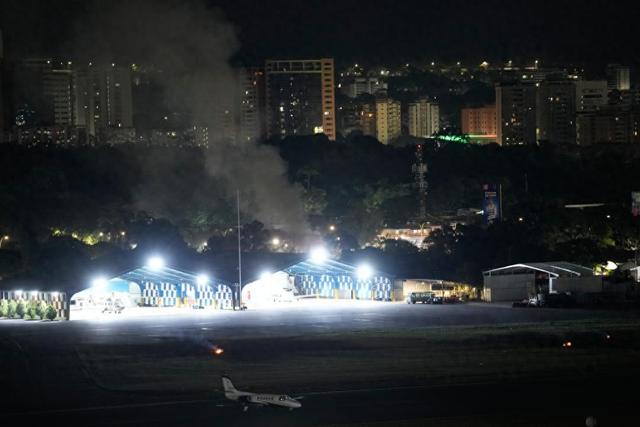
记者观察丨美国为何试图推翻马杜罗政府
Xin Hua She· 2026-01-04 08:31
Core Viewpoint - The article discusses the strategic importance of Venezuela in the context of U.S. national security under President Trump's administration, emphasizing the potential for military and resource control in the region. Group 1: Military Strategy - Venezuela's geographical position near the Caribbean and South America makes it a critical area for U.S. military operations, allowing for rapid air and naval support from bases in Puerto Rico [3] - The U.S. possesses strong reconnaissance and long-range strike capabilities in the waters surrounding Venezuela, which could facilitate maritime strikes and special operations [3] - A regime change in Venezuela could establish it as a "military influence point" for the U.S., enabling operations in the Caribbean and South America [3] Group 2: Natural Resources - Venezuela is rich in oil, natural gas, and mineral resources, making it a significant target for U.S. interests [5] - Trump's previous attempts to overthrow the Maduro government indicate a continued interest in reshaping Venezuela's energy and mineral resource landscape [5] Group 3: Political Dynamics - Venezuela has faced long-term isolation and sanctions from the U.S., leading to economic crises and social challenges, which could be exploited by the U.S. to facilitate regime change [7] - The U.S. may leverage internal military factions and opposition groups in Venezuela to achieve political objectives with minimal costs [7] - The Trump administration views controlling Venezuela as essential for countering potential anti-American forces in Latin America, aiming to create a ripple effect that enhances U.S. influence in the region [7]
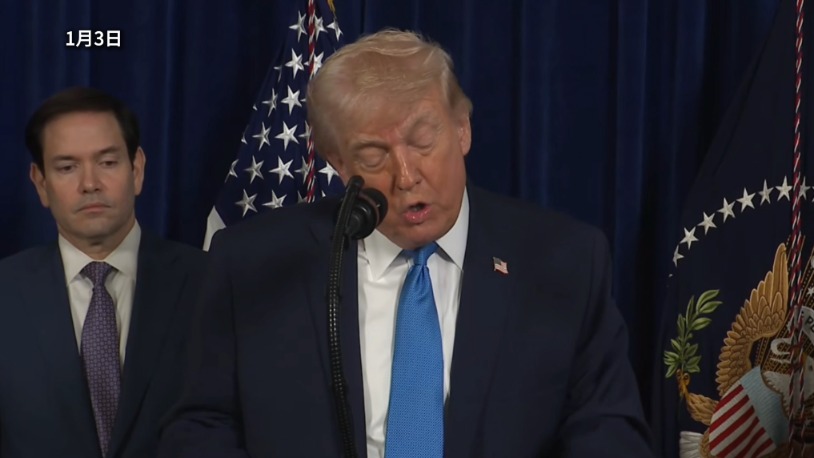
新闻分析丨美国为何试图推翻马杜罗政府
Xin Hua She· 2026-01-04 02:02
Core Viewpoint - The article discusses the strategic intentions of the Trump administration regarding Venezuela, emphasizing military, economic, and geopolitical motivations for potential intervention in the country. Group 1: Military Strategy - Venezuela's geographical position near the Caribbean and South America makes it a strategic military point for the U.S., allowing for rapid naval and air operations from bases in Puerto Rico and surrounding areas [1] - The U.S. has significant reconnaissance and long-range strike capabilities in the waters surrounding Venezuela, which could facilitate maritime strikes and special operations [1] - A regime change in Venezuela could enable the U.S. to establish a military foothold, enhancing its operational capabilities in the Caribbean and South America [1] Group 2: Economic Interests - Venezuela is rich in oil, natural gas, and mineral resources, which are seen as key incentives for U.S. intervention [1] - Trump has expressed intentions for U.S. oil companies to invest heavily in Venezuela's energy infrastructure, claiming that wealth extracted would benefit both the Venezuelan people and the U.S. as compensation for past losses [2] - The U.S. aims to leverage internal dissent within Venezuela, including military factions and opposition groups, to facilitate a regime change at a lower cost [2] Group 3: Geopolitical Implications - The Trump administration views controlling Venezuela as essential for countering anti-American forces in Latin America and expanding U.S. influence in the region [2] - The return of the Monroe Doctrine to the forefront of U.S. foreign policy under Trump signifies a renewed commitment to dominate the Western Hemisphere [2] - Historical grievances in Latin America regarding U.S. interventions are acknowledged, with concerns about the potential for increased regional instability following U.S. military actions [3] Group 4: Domestic and International Reactions - There is significant domestic opposition within the U.S. Congress regarding the lack of transparency in Trump's military plans for Venezuela, with accusations of misleading Congress about the administration's intentions [3] - Criticism of Trump's justification for military action, framed as a fight against "drug terrorism," has emerged from both legal and public opinion sectors, questioning the legitimacy of such interventions [4]
美国不兜底了!特朗普果然精明,高市早苗退路被彻底堵死
Sou Hu Cai Jing· 2025-12-17 06:15
Core Viewpoint - The U.S. is shifting its national security strategy to focus on its own hemisphere, indicating a reduction in global military commitments and a prioritization of domestic interests over international alliances [5][12][25]. Group 1: U.S. National Security Strategy - The recently released National Security Strategy report emphasizes that the U.S. will no longer act as the global police, instead concentrating on its own backyard [5][12]. - The report serves as a final warning to countries relying on U.S. protection, particularly Japan, indicating a loss of support for their security [5][12]. - The U.S. military budget for 2024 is set at $895 billion, a historical high, but the distribution of resources globally is becoming increasingly strained [7][11]. Group 2: Military Capacity and Production Issues - The U.S. military faces significant production challenges, with ammunition consumption in Ukraine exceeding annual production capabilities [7][9]. - Key naval assets, such as the Zumwalt-class destroyers, are underperforming, with only three incomplete vessels currently in port [9]. - The report highlights the need for the U.S. to control strategic locations like the Panama Canal while reducing military engagements in Europe and the Middle East [12][25]. Group 3: Japan's Strategic Dilemma - Japanese Prime Minister Kishi's hardline stance towards China has backfired, as the U.S. strategy indicates a withdrawal of support, leaving Japan vulnerable [13][20]. - The report does not mention Taiwan, signaling a reluctance from the U.S. to be drawn into conflicts that could jeopardize its interests [20][22]. - Japan's reliance on the U.S. for security is now questioned, as the report positions Japan as a tool for U.S. interests rather than an equal partner [20][22]. Group 4: Comparison with South Korea - South Korean President Lee Jae-myung adopts a more pragmatic approach, balancing relations between the U.S. and China, which allows for greater strategic flexibility [23]. - This contrasts sharply with Japan's approach, which is seen as short-sighted and overly reliant on U.S. support [23][25]. Group 5: China's Response - China maintains a clear stance of not initiating conflict but will respond strongly to challenges against its core interests, as evidenced by its recent diplomatic actions [27]. - The rapid shipbuilding capabilities of China, with a significant share of global tonnage, highlight its growing military strength compared to the U.S. [11][27].
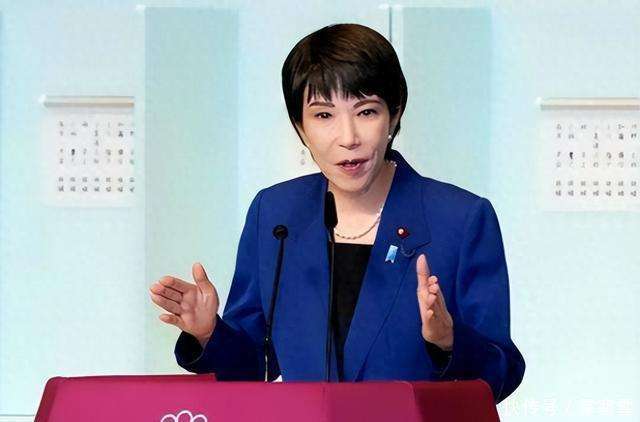
专栏丨从“不上桌”到“不同行”,美欧关系有点冷
Xin Hua She· 2025-12-11 11:00
Group 1 - The core viewpoint of the articles highlights the deteriorating relationship between the US and Europe, evolving from tactical disagreements to strategic distancing, as indicated by recent statements from both US President Trump and German Chancellor Merz [1][2][3] - The US has criticized Europe for being weak and overly politically correct, with Trump labeling the EU as a tool of Germany and threatening to withdraw from NATO, reflecting a significant shift in the transatlantic alliance [1][2] - Economic tensions have surfaced, with the US imposing tariffs on European steel and aluminum under the guise of national security, leading to disputes over digital taxes and subsidies, which erode the political trust between the two regions [2] Group 2 - The urgency of the Ukraine issue is emphasized, with the US prioritizing negotiations to end the crisis, which conflicts with European security concerns and raises fears of being sidelined in discussions with Russia [2][3] - Europe's recognition of its dependency on US security is becoming a pressing issue, especially as the US shifts its strategic focus and internal priorities, prompting Europe to consider developing its own strategic autonomy [3] - The transformation of the US-Europe relationship from being closely aligned to potentially diverging could reshape the global order, with significant implications for future international relations [3]
美国家安全战略报告发布 信息量很大!
Shang Hai Zheng Quan Bao· 2025-12-06 14:21
Core Viewpoint - The U.S. National Security Strategy report emphasizes a shift towards prioritizing limited "core national interests" rather than pursuing a global dominance that is deemed unattainable and detrimental to the American middle class and industrial base [1][2] Military Aspects - The report aims to prevent regional conflicts from escalating into global wars and maintain the strongest nuclear deterrent, while also developing next-generation missile defense systems [2] - It highlights the need to revitalize the defense industrial base and address cost discrepancies in low-cost drones and expensive weapon systems [2] - The U.S. will require allies and partners to take on primary defense responsibilities in their regions, reducing reliance on American military support [2] Economic Aspects - Economic security is framed as the foundation of national security, with calls to "rebalance" global trade relations and expand access to critical minerals and materials [2] - The report advocates for monitoring global supply chains and technological advancements, promoting re-industrialization through "strategic tariffs" and new technologies [2] - It emphasizes maintaining U.S. dominance in energy and finance, as well as preserving technological and economic innovation advantages [2] Immigration and Globalization - The report reiterates a strong anti-immigration and anti-globalization stance, declaring the end of the "mass immigration era" and prioritizing border security as a key element of national security [2] - It downplays international cooperation and rejects the concept of climate change, accusing certain international institutions of undermining national sovereignty [2]
美国家安全战略报告调整美全球安全优先事项
Xin Hua She· 2025-12-06 12:42
Core Viewpoint - The U.S. National Security Strategy report emphasizes a shift towards prioritizing core national interests and a more focused approach to foreign policy, moving away from the goal of permanent global dominance, which is deemed unattainable and detrimental to the American middle class and industrial base [1][2] Military Aspects - The report advocates for preventing regional conflicts from escalating into global wars and maintaining the strongest nuclear deterrent, while also developing next-generation missile defense systems [2] - It highlights the need to revitalize the defense industrial base and address cost discrepancies in expensive weapon systems like drones and missiles [2] - The strategy calls for an end to allies and partners "free-riding" on U.S. defense, urging them to take on more responsibility for regional defense [2] Economic Aspects - Economic security is framed as the foundation of national security, with a call to "rebalance" global trade relations and expand U.S. access to critical minerals and materials [2] - The report emphasizes monitoring global supply chains and technological advancements, promoting re-industrialization through "strategic tariffs" and new technology applications [2] - It aims to reinforce U.S. dominance in energy and finance while maintaining technological and economic innovation advantages [2] Immigration and Global Cooperation - The report reiterates a strong anti-immigration and anti-globalization stance, declaring the end of the "mass immigration era" and emphasizing border security as a primary national security element [2] - It downplays international cooperation and rejects the concept of climate change, accusing certain international institutions of undermining national sovereignty and being influenced by "anti-American forces" [2]