
货币互换

Search documents
中金缪延亮:关于资本账户的若干迷思
Xin Lang Cai Jing· 2026-02-09 23:40
Core Viewpoint - The article discusses the complexities and debates surrounding the opening of China's capital account, emphasizing that while it is widely recognized as essential for market-oriented reform, it also raises concerns about potential capital outflows and financial stability risks [3][4]. Group 1: Capital Account Opening - The opening of the capital account is seen as a necessary step for China's transition from an economic power to a financial and monetary powerhouse, but it must be approached with caution to avoid exacerbating existing risks [3][6]. - There are common misconceptions about capital account opening, particularly regarding its safety and the belief that a closed capital account is inherently safer [5][6]. - The article highlights that capital account opening should not be viewed as a binary choice but rather as a process that requires coordination with macroeconomic management and financial reforms [5][12]. Group 2: Risks and Historical Context - Historical examples, such as the Asian financial crisis and China's own capital flow reversals, illustrate the risks associated with capital account opening, including potential currency crises and capital flight [6][8]. - The article argues that capital account closure does not guarantee safety from external risks, as financial systems can still be interconnected through various channels [6][9]. - The experience of capital flows in China from 2015 to 2016 serves as a cautionary tale, where specific historical conditions led to significant capital outflows [8][9]. Group 3: Current Environment and Future Outlook - The current environment is different from past experiences, with reduced reliance on foreign currency debt and a more flexible exchange rate, making large-scale capital outflows less likely [9][10]. - The potential for capital outflows upon opening the capital account is estimated to be lower than previous fears, with projections suggesting a net outflow of 4%-8% of GDP rather than the previously feared 11%-18% [10]. - The article emphasizes the need for a balanced approach to meet domestic demands for overseas asset allocation while also considering the global political and economic landscape [11][12]. Group 4: Exchange Rate and Capital Flows - The relationship between capital account opening and exchange rate flexibility is crucial, as a more open capital account requires a more flexible exchange rate to manage external shocks effectively [30][32]. - The article discusses the historical context of fixed versus flexible exchange rates, highlighting the challenges of maintaining fixed rates in the face of increasing capital mobility [25][29]. - It concludes that while capital flows can influence short-term exchange rate movements, the long-term determination of exchange rates is fundamentally linked to the current account [35][37].


中金缪延亮:关于资本账户的若干迷思
中金点睛· 2026-02-09 23:38
Core Viewpoint - The article discusses the complexities and misconceptions surrounding the opening of China's capital account, emphasizing that while there is a consensus on the necessity of this reform, there are also significant concerns regarding capital outflow and financial stability. It argues for a balanced approach to capital account liberalization that aligns with macroeconomic management and financial reforms [2][3]. Group 1: Capital Account Opening and Safety - The belief that a closed capital account guarantees safety is challenged, as historical examples show that external risks can still impact closed economies through various channels [5][6]. - The article highlights that capital account openness should not be viewed as a binary choice but rather as a process that requires institutional readiness to manage external shocks effectively [7]. Group 2: Concerns Over Capital Outflow - There is a persistent fear that opening the capital account will lead to large-scale capital outflows similar to those seen in 2015-2016. However, the article argues that the conditions that led to those outflows have changed significantly [9][10]. - The article notes that the reliance on foreign currency debt has decreased, and the current macroeconomic environment is less conducive to a repeat of past capital flight scenarios [11][12]. Group 3: Exchange Rate and Foreign Exchange Reserves - The article explains that despite a continuous surplus in the current account since 2016, China's foreign exchange reserves have not increased correspondingly, leading to questions about potential capital outflows [15][16]. - It clarifies that the relationship between current account surpluses and foreign exchange reserves is not straightforward, as companies and individuals may choose to hold foreign currency rather than convert it into reserves [19][20]. Group 4: Fixed Exchange Rate vs. Capital Mobility - The article discusses the historical context of the Bretton Woods system, emphasizing the inherent tensions between fixed exchange rates and capital mobility, which ultimately led to the system's collapse [28][31]. - It argues that a flexible exchange rate is essential for absorbing external shocks and achieving internal and external balance in the context of increasing capital mobility [35][36]. Group 5: Determinants of Exchange Rates - The article posits that while capital flows can influence short-term exchange rate fluctuations, the long-term determination of exchange rates is fundamentally linked to the current account [39][40]. - It emphasizes that understanding the dynamics between capital flows and the current account is crucial for effective policy-making and market expectations [41][42].

美财长无限期取消访问阿根廷计划
Yang Shi Xin Wen· 2025-12-03 05:54
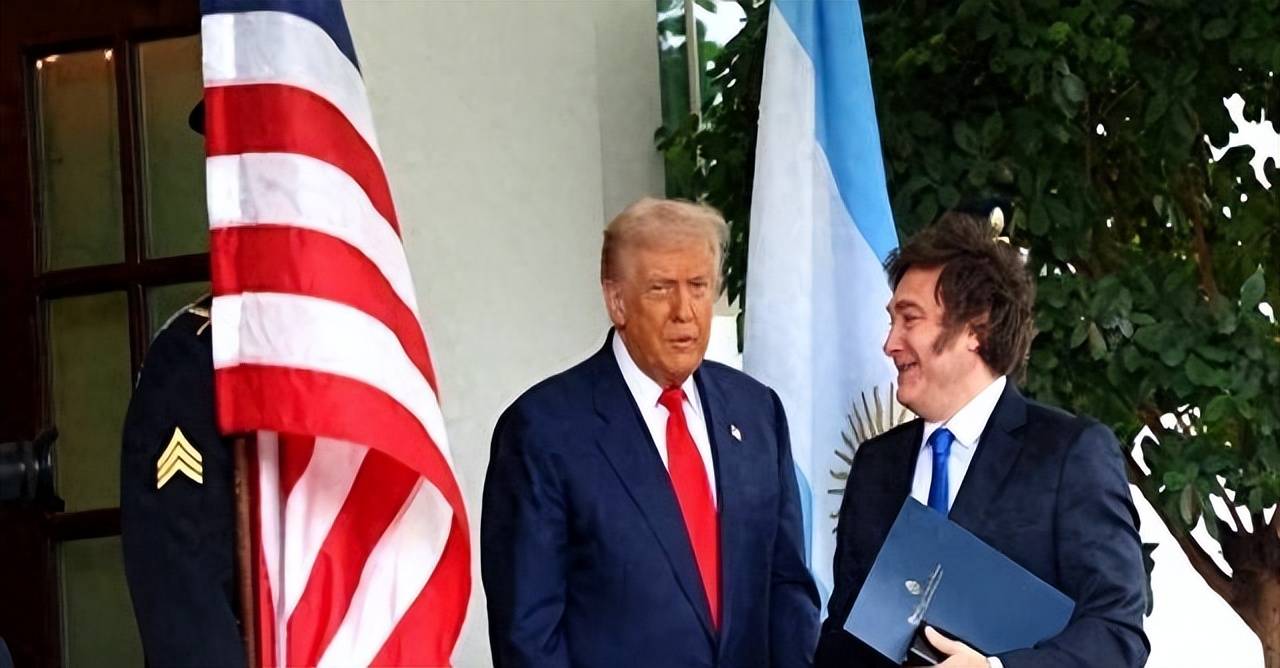
Core Viewpoint - The indefinite cancellation of U.S. Treasury Secretary Becerra's visit to Argentina raises concerns about the bilateral relationship between the two countries [1] Group 1: U.S.-Argentina Relations - Argentine President Milei announced the postponement of his trip to the U.S., originally planned for December 5, where he was to attend the 2026 World Cup draw and meet President Trump [1] - Analysts in Argentina express concerns about the country's reliance on the U.S., especially given the upcoming $5 billion debt due in January 2026, which necessitates external financing to bolster foreign reserves [1] Group 2: Financial Support and Challenges - The U.S. government had previously committed to purchasing Argentine pesos and established a $20 billion currency swap agreement with the Argentine central bank before the midterm elections [1] - Major U.S. banks, including JPMorgan and Bank of America, have recently declined to provide funding support to Argentina, citing a lack of guarantees [1] - The Argentine Congress is set to hold a special session to discuss the 2026 budget and labor law reforms, and losing U.S. financial support could pose new challenges for Milei's government [1]
据知情人士透露,欧洲官员们考虑囤积美元,从而降低对美联储(货币互换)的依赖程度。
Sou Hu Cai Jing· 2025-11-13 18:00
Core Viewpoint - European officials are considering stockpiling US dollars to reduce reliance on the Federal Reserve for currency swaps [1] Group 1 - The move aims to enhance financial independence from the US monetary policy [1] - This strategy reflects growing concerns over the volatility of the US dollar and its impact on European economies [1]
埃塞俄比亚弃美元登“人民币救生艇”
Sou Hu Cai Jing· 2025-10-24 14:18
Core Insights - Ethiopia has initiated negotiations with several Chinese banks, including the Export-Import Bank of China and the People's Bank of China, to swap part of its $5.38 billion loan into renminbi, which could significantly reduce its interest rates from 7.25% to 3% [1][3] - Kenya has also taken similar steps by converting $3.5 billion of its loans into renminbi, expecting to save $215 million annually in debt servicing costs [1] - Ethiopia's economic situation is dire, with a significant reduction in export income and foreign reserves due to the pandemic and a prolonged internal conflict, leading to a sovereign debt default in December 2023 [3] Economic Context - Ethiopia, despite being the second most populous country in Africa, has a weak industrial base and has faced severe financial challenges exacerbated by the COVID-19 pandemic and a two-year civil war in Tigray, resulting in food shortages and fiscal distress [3] - The country is currently negotiating to restructure approximately $15 billion in debt, with a specific request to convert some of this debt into renminbi to alleviate its financial burden [3] Trade Relations - The trade relationship between Ethiopia and China is growing, with bilateral trade reaching $3.55 billion last year, a 17.5% increase, making China Ethiopia's largest trading partner [3] - The currency swap is seen as a strategic move to mitigate dollar shortages and foreign exchange shocks, potentially facilitating broader assistance from the International Monetary Fund under the G20 framework [3] Implications for China - For China, the currency swap is viewed as a means to promote the internationalization of the renminbi and strengthen cooperation under the Belt and Road Initiative, enhancing trade relations with African nations [3] Challenges Ahead - Industry experts indicate that the currency swap may not be implemented quickly due to ongoing negotiations between the Export-Import Bank of China and Ethiopia regarding a memorandum of understanding for debt management, which could complicate agreements with bondholders [5]

给日欧中东做样板,美韩加速3500亿美元投资协议,特朗普亚洲行收获“万亿大礼包”?
Hua Er Jie Jian Wen· 2025-10-24 01:10
Core Viewpoint - The U.S. and South Korea are accelerating negotiations on a $350 billion investment agreement, shifting focus from currency swap concerns to investment structure design, with a potential finalization during the APEC summit next week [1][2]. Investment Structure - The South Korean government is prioritizing a balanced investment scheme that may include direct investments, loans, and guarantees, with the necessity and scale of currency swaps depending on the final agreement structure [2][3]. - South Korea aims to finalize the agreement during the APEC summit, with the government committed to achieving this goal [2][3]. Tariff Disadvantages - Ongoing negotiations have been slow, with South Korea facing a 25% tariff on automobiles compared to Japan's 15%, putting Korean automakers at a competitive disadvantage [3][4]. - The potential loss of zero-tariff status for South Korean automotive exports to the U.S. raises concerns, as both countries may be subjected to a new 15% tariff framework [3][4]. Feasibility Concerns - The scale of the investment commitments from both the U.S. and Japan raises questions about feasibility, with the $350 billion commitment equating to 6.5% of South Korea's GDP, needing to be completed within three years [5][6]. - The investment model, which allows the U.S. government to control funds without congressional oversight, has sparked concerns about resource misallocation and corruption opportunities [6]. Governance Risks - The investment funds may lead to significant resource misallocation and potential corruption, as political pressures could influence funding decisions towards enterprises aligned with presidential and Republican interests [6]. - The lack of precedent for allowing a president to freely allocate billions in investments raises governance concerns, especially given the political accountability of Japanese and South Korean officials [6].
中国刚下大豆大单,美国两百亿逼撤互换,阿方公开拆台
Sou Hu Cai Jing· 2025-10-21 07:50
Core Insights - Argentina's government announced the temporary suspension of export tariffs on major agricultural products, including soybeans, soybean meal, and soybean oil, from September 22 to October 31, effectively eliminating approximately 26% of export taxes, creating a significant opportunity for global buyers, particularly Chinese companies [1] - The immediate impact of this policy was a reduction in soybean prices, making them nearly 200 RMB per ton cheaper than Brazilian soybeans, coinciding with China's need to replenish its inventory before the U.S. harvest season [1] - Chinese enterprises quickly responded by securing orders for 10 ships, with rumors suggesting this could increase to 15 ships, totaling over 2 million tons, benefiting both Argentina's economy and its farmers [1] Export Policy Changes - The export policy was abruptly ended when Argentina reached a pre-set export declaration limit of $70 billion, leaving many soybean shipments unshipped [3] - This sudden policy shift was influenced by geopolitical factors, particularly following a meeting between Argentine President Javier Milei and former U.S. President Donald Trump, leading to a U.S. announcement of a $20 billion currency swap agreement with Argentina [3] U.S. Conditions and Market Reactions - The $20 billion agreement came with stringent conditions that were unfavorable to China, including the cancellation of Argentina's currency swap agreement with China and the restoration of export tariffs on agricultural products [5] - The announcement led to a swift decline in the Argentine stock market, erasing previous gains from the tax exemption policy [5] Importance of China to Argentina - The currency swap agreement with China is crucial for Argentina's economy, allowing it to purchase goods in RMB and alleviating dollar shortages [7] - China is Argentina's second-largest trading partner, especially in agricultural exports, with significant adjustments made to meet Chinese market standards [7] - Chinese investments in Argentina are long-term and span various sectors, providing employment opportunities and enhancing national competitiveness [7] Geopolitical Implications - The U.S. aid is seen as an attempt to reshape geopolitical dynamics in Latin America, pressuring Argentina to sever ties with China [9] - Argentina's Cabinet Chief emphasized the country's commitment to an independent foreign policy, rejecting the notion of abandoning cooperation with China [9] - The situation highlights the strategic competition between the U.S. and China in Latin America, particularly concerning resources like lithium, which are vital for future energy needs [11] Argentina's Dilemma - Argentina faces a challenging decision between seeking U.S. political support and maintaining its economic partnership with China [12] - The complexities of this geopolitical landscape underscore the importance of supply chain diversification and security in international trade [12] - Argentina's experience serves as a cautionary tale for resource-rich countries about the risks of using commodities as political tools [12]
美国援助将至,阿根廷签署货币协议
财联社· 2025-10-21 06:19
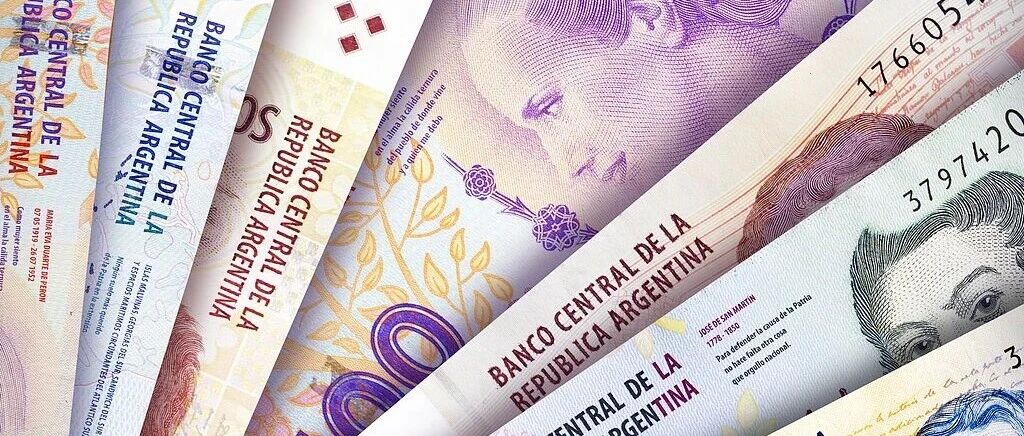
Core Viewpoint - Argentina is experiencing a panic sell-off of assets due to political risks, with the Argentine peso declining for several weeks, highlighting the country's turbulent financial situation [1]. Group 1: Financial Assistance and Currency Situation - The Argentine central bank has confirmed a $20 billion currency swap agreement with the U.S. Treasury, and since October 9, the U.S. Treasury has purchased approximately $400 million in Argentine pesos [1][2]. - U.S. Treasury Secretary has indicated that arrangements are being made for the private sector in the U.S. to provide a $20 billion loan to Argentina, yet the peso continues to decline [2]. - Two-month forward contracts for the Argentine peso suggest that the exchange rate may exceed 1600, indicating a potential new wave of peso sell-off [3]. Group 2: Investor Sentiment and Economic Concerns - Investors are worried that due to insufficient foreign exchange reserves, the Argentine central bank may be forced to devalue the peso after the midterm elections [4]. - The Argentine central bank's liquid reserves are estimated to be only $5 billion, which includes a loan from the International Monetary Fund [4]. - U.S. assistance is expected to supplement Argentina's dollar reserves, but details of the currency swap plan remain undisclosed, leading to disappointment among analysts and affecting market sentiment [4]. Group 3: Political and Economic Context - U.S. President Trump mentioned the possibility of purchasing Argentine beef to help the country through its crisis while also lowering U.S. beef prices, emphasizing Argentina's dire financial situation [4]. - The U.S. government has faced criticism for aiding Argentina, especially given the current budgetary constraints and the perception that Argentina is competing for the U.S. soybean export market [4].
阿根廷央行与美签署200亿美元汇率稳定协议
Xin Hua Wang· 2025-10-21 00:33
Core Points - The Central Bank of Argentina announced a $20 billion currency stabilization agreement with the U.S. Treasury [1] - The agreement aims to enhance the liquidity of Argentina's foreign exchange reserves and its regulatory functions [1] - Argentina's financial markets have been experiencing turmoil, with currency depreciation and declines in bond and stock markets [1] Economic Context - The Argentine government, led by President Milei, has sought economic assistance from the U.S. and the International Monetary Fund due to recent financial instability [1] - U.S. Treasury Secretary Yellen confirmed the purchase of Argentine pesos and the establishment of a $20 billion currency swap framework [1] - Critics in Argentina's economic community view the U.S. intervention as a "dangerous interference" in the country's monetary policy [1]
国际金融市场早知道:10月21日
Xin Hua Cai Jing· 2025-10-21 00:25
Group 1 - The U.S. Senate failed to pass a funding bill for the 11th time, with a vote of 50 in favor and 43 against, not reaching the required 60 votes [1] - The U.S. National Nuclear Security Administration has begun mandatory furloughs for most employees, marking the first time this has occurred since its establishment [1] - The U.S. and Australia signed an agreement to enhance cooperation on rare earths and critical minerals, aiming to streamline approval processes for mining and processing facilities [1] Group 2 - Argentina's central bank announced a $20 billion currency swap agreement with the U.S. Treasury [2] - The Bank of Korea has not considered a currency swap with the U.S. Treasury, according to its governor [3] Group 3 - The CFETS RMB exchange rate index fell by 0.24% to 97.08, while the BIS currency basket RMB exchange rate index decreased by 0.36% to 103.07 [5] - The Dow Jones Industrial Average rose by 1.12% to 46,706.58 points, and the S&P 500 increased by 1.07% to 6,735.13 points [5] Group 4 - COMEX gold futures increased by 3.82% to $4,374.30 per ounce, and silver futures rose by 2.59% to $51.40 per ounce [6] - U.S. oil futures fell by 0.38% to $56.93 per barrel, while Brent crude oil futures decreased by 0.57% to $60.94 per barrel [7]