降价潮

Search documents
3月开始,四波“降价潮”同时出现:有人觉得赚了,有人却更慌了
Sou Hu Cai Jing· 2026-02-21 07:25
Group 1: Overall Price Trends - Domestic prices have maintained a "stable" trend in recent years, with CPI expected to remain flat in 2025 compared to the previous year [1] - There is a noticeable divergence in the prices of various goods, with items like toiletries, cooking oil, and household paper experiencing significant price increases, while housing, vehicles, luxury goods, electronics, and small appliances show a clear downward trend [1] Group 2: Housing Market - Since 2022, housing prices have entered a downward adjustment phase, starting with second and third-tier cities and later affecting first-tier cities like Shanghai and Shenzhen [4] - As of January, the average price of second-hand residential properties in 100 key cities was 12,905 yuan per square meter, reflecting a month-on-month decrease of 0.85% and a year-on-year decline of 5.2% [4] - Three main reasons for the long-term decline in housing prices include the existing market bubble, stagnating or declining income levels, and the exit of speculative investment demand due to four consecutive years of price drops [4] Group 3: Automotive Industry - A wave of price reductions in the automotive sector is expected, with domestic electric vehicles seeing price cuts between 15,000 to 20,000 yuan, and imported luxury cars dropping nearly 80,000 yuan [6] - The anticipated price drop is driven by increased competition from new energy vehicles, a decline in demand from middle-class families, and overcapacity in the market due to the entry of various capital players [6] Group 4: Small Appliances - The small appliance sector is experiencing a "price drop wave," with reductions of 15% to 20% on items like floor washers and air fryers [9] - Factors contributing to this trend include intensified competition among brands, decreased consumer spending, and rapid technological advancements leading to the quick obsolescence of older models [9] Group 5: Pork Prices - Recent observations indicate that pork prices have dropped to 15-16 yuan per jin, significantly lower than the 30 yuan per jin seen in previous years [12] - The decline in pork prices is attributed to an oversupply resulting from previous high prices attracting capital into pig farming, and a shift in consumer preferences towards healthier meat options [12] Group 6: Summary of Price Trends - The simultaneous occurrence of price drops across housing, automotive, small appliances, and pork reflects an overall trend of overcapacity in various sectors and a shift towards more rational consumer spending [12]


3月开始中国或将迎来四大降价潮:除房价以外,这三类也要降价了
Sou Hu Cai Jing· 2026-02-18 12:10
Group 1: Price Trends in Consumer Goods - Prices of essential goods such as cooking oil, vegetables, daily paper products, and toiletries have increased significantly, leading to a rise in living costs for consumers [2] - Consumers now report spending between 300 to 500 yuan for grocery shopping, compared to just over 200 yuan previously [2] Group 2: Real Estate Market - Domestic housing prices have been in a downward trend since 2022, with an average decline exceeding 30%, and some areas experiencing drops over 60% [5] - Housing price declines are expected to continue into March 2026, particularly in first-tier city central areas, while second and third-tier cities may see a slowdown in their decline rates [5] - Contributing factors to the ongoing decline include persistent housing price bubbles, stagnant income growth, and a significant exit of investors from the market [5] Group 3: Automotive Market - Numerous domestic and international car brands have announced price reductions, with domestic electric vehicles seeing cuts of 15,000 to 20,000 yuan and imported luxury cars dropping by 80,000 to 90,000 yuan [7] - The automotive market is facing a new wave of price cuts due to oversupply of electric vehicles, decreased demand from middle-class families, and intensified competition among brands [7] Group 4: Home Appliance Market - Starting from the second half of 2025, prices for home appliances have significantly decreased, with a 75-inch TV priced under 4,000 yuan, reflecting a 40% drop from three years ago [9] - The decline in home appliance prices is driven by rapid technological advancements and intense competition among numerous brands, leading to aggressive pricing strategies [9] Group 5: Pork Market - Domestic pork prices have been on a downward trend, dropping from over 30 yuan per jin to around 15-16 yuan per jin, a decline of 50% [11] - Factors contributing to the price drop include oversupply due to previous high prices attracting investment in pig farming and a shift in consumer preference towards other meats for health reasons [11]
2026年1月以后,不出意外的话,或将迎来4大降价潮,老百姓提前做好准备
Sou Hu Cai Jing· 2026-01-12 17:09
Core Viewpoint - The market is expected to experience a significant price drop in various sectors by 2026 due to increased competition, rising supply, and changing consumer behavior [1][5][7]. Group 1: Sectors Facing Price Drops - The home appliance industry is experiencing intense competition, leading to price reductions as traditional brands respond to online competitors and new brands attract consumers with lower prices [2][4]. - The food and fast-moving consumer goods sector is also seeing increased supply, prompting companies to lower prices to meet changing consumer preferences for cost-effective products [4][5]. - The rental market is shifting, with increased housing supply in many cities leading landlords to reduce rents to attract tenants, particularly in second and third-tier cities [4][8]. - The clothing and accessories industry is under pressure from high inventory levels, prompting brands to offer significant discounts to clear stock before the new year [4][10]. Group 2: Consumer Behavior and Market Dynamics - Consumers are becoming more rational and cautious, often comparing prices online and waiting for promotions, which pressures companies to lower prices to retain customers [5][7]. - The anticipated price drops are seen as beneficial for consumers, particularly for essential goods like food and household items, which could alleviate living costs for families [8][10]. - Companies are adjusting their strategies in response to the price drop trend, with some opting to lower prices to gain market share while others focus on improving quality to maintain price levels [10][11]. Group 3: Economic Implications - Price reductions can indicate both healthy market competition and potential economic challenges, reflecting a market adjustment rather than a definitive economic downturn [7][10]. - The government may view the price drop trend positively, as it can stimulate consumer spending and contribute to overall economic growth [10][11]. - While the current price drop trend presents opportunities for consumers, it is essential to approach purchases with discernment, ensuring that the items are genuinely needed and the price reductions are justified [5][10].


12月起,中国或将迎来5大降价潮,你知道都是什么吗?
Sou Hu Cai Jing· 2025-12-20 08:16
Economic Overview - The current economic environment is characterized by a deflationary period, leading to increased purchasing power for consumers despite stagnant wages [1][3] - Consumer confidence is low, with many individuals tightening their spending due to uncertainties about income growth and economic prospects [3] Housing Rental Market - Recent trends indicate a decline in rental prices, with examples showing reductions from 3600 to 3000 yuan per month for small apartments [5] - Factors contributing to this decline include a surplus of rental properties due to a decrease in demand as more individuals return to their hometowns and an increase in affordable housing options [5] Tourism Industry - The tourism sector has seen significant price reductions, with average ticket prices dropping by approximately 30% and hotel prices decreasing by 35% to 40% post-holiday [7] - The decline in travel demand is attributed to reduced disposable income and a general slowdown in consumer spending [7] Home Appliances Market - The home appliance market is experiencing price drops of around 15% for major appliances and 8% to 10% for smaller items, driven by rapid product turnover and cautious consumer spending [9][11] - Retailers are compelled to lower prices to manage inventory as consumers are less inclined to purchase new appliances unless necessary [11] Automotive Market - The automotive market is witnessing aggressive price cuts, with some vehicles seeing reductions of up to 90,000 yuan, reflecting an oversupply and decreased consumer demand [13][14] - Factors influencing this trend include a saturated market with too many vehicles and a slowdown in income growth among middle-class families [14] Electronics Market - The electronics sector is also experiencing price declines, with laptops expected to drop by 8.5% and tablets by 6.2% as new models are released [15] - This trend is common as older models are discounted to clear inventory in anticipation of new product launches [15] Conclusion - The widespread price reductions across various sectors indicate a shift in market dynamics, highlighting both competitive pressures and a potential decline in overall economic vitality [18] - While consumers may benefit from lower prices, the underlying economic conditions suggest caution regarding long-term sustainability [18]

从11月份开始,国内或将迎来5大降价潮,建议大家做好准备!
Sou Hu Cai Jing· 2025-11-15 14:54
Group 1: Price Trends in Consumer Goods - Recent years have seen significant price increases in essential consumer goods such as cooking oil, sanitary paper, and shower gel, with monthly living expenses rising noticeably for residents [2] - Starting from November, five major consumer goods are experiencing a concentrated price drop, which is expected to save consumers money [2] Group 2: Real Estate Market - The second-hand housing market is experiencing a continuous decline, with the average price in September at 13,381 yuan per square meter, a year-on-year decrease of 7.38% [4] - The decline in second-hand housing prices is attributed to three main factors: a cumulative price drop exceeding 30%, stagnant or declining household income, and a more rational approach to home buying post-pandemic [4] Group 3: Automotive Market - A price war has erupted in the domestic automotive market, with numerous brands participating in price reductions, including a 1.5 million yuan drop for a domestic electric vehicle and 2.5-3 million yuan for popular joint venture brands [6] - The reasons for the automotive price drop include year-end sales targets, increased competition from new energy vehicles, and the entry of tech companies into the automotive sector [6] Group 4: Mobile Phone Market - The mobile phone market has also seen significant price reductions, with average discounts ranging from 10% to 20% across various brands [8] - Factors contributing to the price drop include rapid product turnover, lack of significant technological advantages among brands, and a decrease in consumer purchasing due to stagnant income [8] Group 5: Pork Prices - Pork prices have entered a downward trend, with prices dropping below 20 yuan per jin, currently around 17-18 yuan per jin [11] - The decline is driven by an oversupply in the market due to increased pig farming and a shift in consumer preference towards healthier meat options [11] Group 6: Rental Market - The rental market is experiencing a downward trend, with rental prices in cities like Shanghai decreasing from 6,000 yuan to 5,500 yuan per month [14] - The decline in rental prices is influenced by reduced demand due to job scarcity in cities and declining local incomes [14]

从11月份开始,国内或将迎来5大降价潮,建议大家提前做好准备!
Sou Hu Cai Jing· 2025-11-07 17:12
Price Trends Overview - Starting from 2025, many essential consumer goods are expected to see price increases, including cooking oil, household paper, and toiletries, leading to higher shopping costs [2] - However, a price reduction trend has begun in November, particularly in the real estate and automotive sectors [2] Real Estate Market - The average price of second-hand residential properties in 100 cities has decreased to 13,381 yuan per square meter, a year-on-year decline of 7.38%, marking 41 consecutive months of month-on-month price drops [2][3] - Factors contributing to the anticipated price drop in the second-hand housing market include: 1. A four-year decline in property prices has led many speculators to sell off properties, increasing downward pressure on prices [3] 2. The domestic economy is in a deflationary cycle, with many individuals experiencing reduced incomes or unemployment, making it difficult to sustain high property prices [3] 3. Post-pandemic, consumers are more rational in their purchasing decisions, focusing on actual needs rather than impulsive buying [3] Automotive Market - Numerous domestic and international automotive brands have announced price cuts, with some models seeing reductions of 15,000 yuan or more [5] - The automotive price war is driven by: 1. Brands aiming to boost year-end sales and reduce inventory through price promotions [5] 2. Increased competition between traditional fuel vehicles and a surge of new energy vehicles [5] 3. Entry of tech companies like Xiaomi and Huawei into the automotive market, leading to oversupply and necessitating price cuts for cash flow [5] Mobile Phone Market - The mobile phone market is experiencing a price reduction trend, with significant discounts on popular models such as the iPhone and Huawei [8] - Reasons for the price decline include: 1. Rapid product turnover necessitating discounts to clear old stock [8] 2. High levels of product homogeneity among brands, forcing them to lower prices to boost sales [8] 3. Decreased consumer purchasing power leading to reduced demand for new phones [8] Pork Market - Domestic pork prices have been on a downward trend, currently ranging from 17 to 18 yuan per kilogram, with expectations of continued declines [10] - Contributing factors include: 1. Increased supply due to capital influx into pig farming, resulting in oversupply [10] 2. Shifts in consumer preferences towards lower-fat meats, reducing demand for pork [10] Rental Market - Rental prices across various cities have shown significant declines, with examples of reductions in major cities [13] - The decline in rental prices is attributed to: 1. Difficult job markets and high living costs prompting many workers to return to their hometowns [13] 2. Decreased incomes making it challenging for residents to afford current rental prices [13]

10月起,中国或将迎来5大降价潮,你知道都是什么吗?
Sou Hu Cai Jing· 2025-10-19 23:52
Core Viewpoint - The domestic economy is currently in a deflationary cycle, leading to price reductions across various sectors due to decreased consumer demand and income stagnation [1][3]. Group 1: Real Estate - Rental prices are experiencing a downward trend, with an example of a 36 square meter apartment's rent dropping from 3600 yuan to 3000 yuan [5]. - The decline in rental prices is attributed to an oversupply in the rental market as many workers return to their hometowns and the increase in affordable housing options [5]. Group 2: Tourism Services - After the National Day holiday, ticket prices for major tourist attractions have decreased by an average of 30%, with some popular spots seeing reductions exceeding 25% [8]. - Hotel prices have dropped by 35%-40%, and flight ticket prices have also decreased by 25%-30% due to a significant reduction in travel demand post-holiday [8]. Group 3: Home Appliances - Home appliance prices have entered a "price reduction wave," with major appliances like refrigerators and air conditioners seeing average price drops of 15%, while small appliances have decreased by 8%-10% [10]. - The decline is driven by rapid product updates and reduced consumer spending as households prioritize essential expenses [10]. Group 4: Electronics - Electronic products, including laptops and tablets, are experiencing notable price drops, with laptops expected to decrease by 8.5% and tablets by 6.2% [12]. - The price reductions are influenced by the release of new flagship products, leading to a decrease in prices for older models [12]. Group 5: Automotive Market - The automotive market has seen significant price reductions, with domestic mid-range cars dropping by 20,000-30,000 yuan and imported vehicles by nearly 90,000 yuan [14]. - The decline is attributed to market oversupply, stagnant income growth among middle-class consumers, and rapid turnover of vehicle models [14].
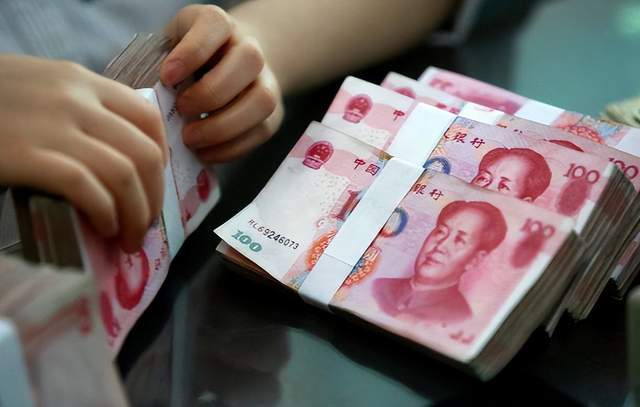
10月起,四大“降价潮”来了:有人偷着乐,有人愈发焦虑!
Sou Hu Cai Jing· 2025-10-09 06:02
Group 1: Price Trends - Prices of essential goods such as cooking oil, toiletries, and paper products have increased significantly, with cooking oil prices rising from 30-35 yuan to 45-50 yuan for 1.8 liters, leading to higher daily expenses for consumers [1] - The real estate market is experiencing a downward trend, with the average price of second-hand residential properties in 100 cities dropping by 7.38% year-on-year to 13,381 yuan per square meter as of September [4] - The price of pork has decreased from 25 yuan per jin to 17-18 yuan per jin, with expectations that it may fall below 15 yuan per jin in the future [10] Group 2: Decline in Specific Sectors - The automotive market is undergoing a "price drop wave," with domestic mid-range cars seeing price reductions of 20,000-30,000 yuan and high-end foreign cars dropping by up to 90,000 yuan [6] - Small home appliances are also experiencing price reductions of 10-15%, driven by rapid product updates and a slowdown in consumer spending among middle-class families [8] - The real estate market is characterized by an oversupply, with 600 million homes available for a population of 1.4 billion, leading to a long-term supply-demand imbalance [4] Group 3: Consumer Behavior and Economic Impact - Consumers are likely to benefit from the price drops in housing, cars, small appliances, and pork, which can alleviate financial burdens amid slowing income growth [12] - However, businesses and employees may face challenges as declining prices can lead to reduced profitability, potential layoffs, and even bankruptcy risks for some companies [12]

注意!2025下半年,中国或将会出现4大降价潮,早做准备!
Sou Hu Cai Jing· 2025-10-08 01:52
Core Viewpoint - The article discusses the anticipated price reductions in four major consumer sectors in China during the second half of 2025, driven by various market dynamics and economic conditions [1]. Group 1: New Energy Vehicles - The average price of new energy vehicles in China has already decreased by 7.3% in the first half of 2025, with further reductions expected to range from 2% to 8% in the second half [2][3]. - Key factors driving this price drop include a 23% reduction in battery costs since 2023, a low utilization rate of 68% in production capacity, and improved efficiency in battery recycling [3][3]. Group 2: Real Estate - A regional decline in housing prices is expected, particularly in second and third-tier cities, with anticipated reductions of 5% to 10% [4][8]. - Contributing factors include a reversal in supply-demand dynamics, significant debt repayment pressures on real estate companies, and a declining birth rate impacting future housing demand [7][8]. Group 3: Electronic Consumer Goods - Prices for electronic products such as smartphones and laptops are projected to drop by 12% to 18% and 15% to 20%, respectively, in the latter half of 2025 [9][10]. - This decline is attributed to an oversupply of semiconductors, rapid technological advancements leading to clearance of older models, and a softening demand for consumer electronics [10][10]. Group 4: Travel Services - Domestic travel service prices are expected to decrease by 10% to 20% as the market stabilizes post-pandemic [11][12]. - Factors influencing this trend include an oversaturation of the tourism market, a shift in consumer focus towards value for money, and the diversification of travel destinations [12][12].

风向大变?9月起“4大降价潮”或将席卷中国,老百姓应早做准备
Sou Hu Cai Jing· 2025-09-18 00:41
Group 1: Real Estate Market - The domestic real estate market continues to face downward pressure, with second-hand housing prices having declined for over 30 months, showing a year-on-year drop of 7.34% in August 2025 [3][4] - Developers are expected to adopt aggressive pricing strategies to stimulate sales during the traditional "golden September and silver October" period, leading to significant discounts on new homes [4][6] - The increase in second-hand housing listings is forcing sellers to lower their asking prices, creating a favorable negotiation environment for buyers [6][8] Group 2: Automotive Market - The automotive market in China is experiencing a significant price war, with price reductions of 20,000 to 90,000 yuan across various brands, including both domestic and international manufacturers [7][9] - The shift towards electric vehicles has led to overcapacity in the traditional fuel vehicle market, prompting manufacturers to lower prices to clear inventory [8][9] - Middle-class consumers are delaying vehicle purchases due to stagnant income growth, contributing to reduced overall market demand [9] Group 3: Small Appliances Market - Prices of small appliances such as air fryers and vacuum cleaners have dropped by 10-30%, with expectations for further reductions as brands compete aggressively [10][12] - Rapid technological advancements and inventory buildup of older models are driving retailers to offer discounts to stimulate sales [11][12] - Consumer purchasing power has decreased, leading to a shift in demand for more affordable options [13] Group 4: Pork Market - Pork prices have significantly decreased from 35-40 yuan per jin in 2020 to around 20-22 yuan, with expectations to drop below 20 yuan in September [14][15] - The oversupply in the market, driven by increased production, has led to a decline in prices [15] - Changing consumer preferences and reduced purchasing power are contributing to the decline in pork demand [15][16]