
小商品

Search documents
开启“买买买+逛吃+沉浸式打卡”模式 节前消费市场人气爆棚、活力十足
Yang Shi Wang· 2026-01-27 13:26
Group 1 - The consumption market is vibrant and bustling as the Spring Festival approaches, with a lively atmosphere in the New Year goods market [1] - In Shaanxi's Xianyang Weicheng District, citizens enjoy local delicacies while watching a unique Qin opera performance, enhancing the festive experience [1][5] - Merchants engage in interactive role-playing at stalls, promoting their products while sharing the cultural background of the food [3] Group 2 - In Chongqing's Yuzhong District, various small commodity markets have entered the "New Year mode," featuring creative products infused with the Year of the Horse elements [6][7] - The market is filled with festive decorations, including red lanterns and auspicious phrases, creating a strong holiday atmosphere [10] - The Year of the Horse themed product area is particularly popular, offering a wide range of traditional and innovative items to cater to different age groups [12][14] Group 3 - Peony flowers, typically blooming in early summer, are now being cultivated in greenhouses to achieve large-scale winter production, meeting market demand [15] - Since 2019, flower farmers in Heze have successfully simulated spring and summer conditions, allowing peonies to bloom in winter [15] - By the end of 2025, Heze's peony planting area is expected to reach 40,000 acres, with an annual supply of over 100 million peony stems and an annual output value exceeding 1 billion yuan [15]

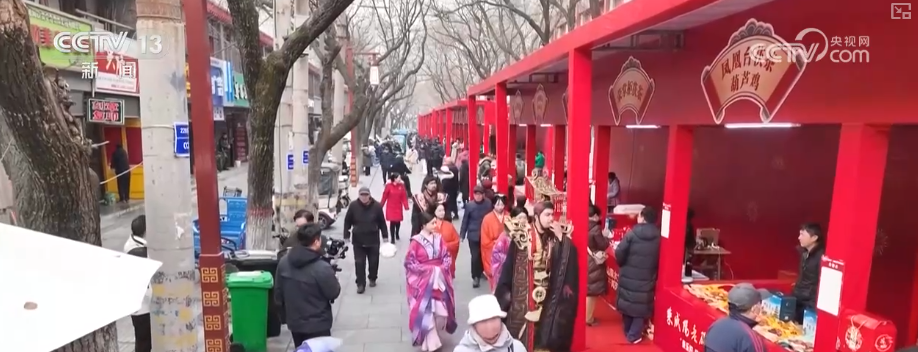
从年宵花到生肖文创:多地年货市场供销两旺 传统与创意产品点亮春节消费
Yang Shi Wang· 2026-01-27 13:13
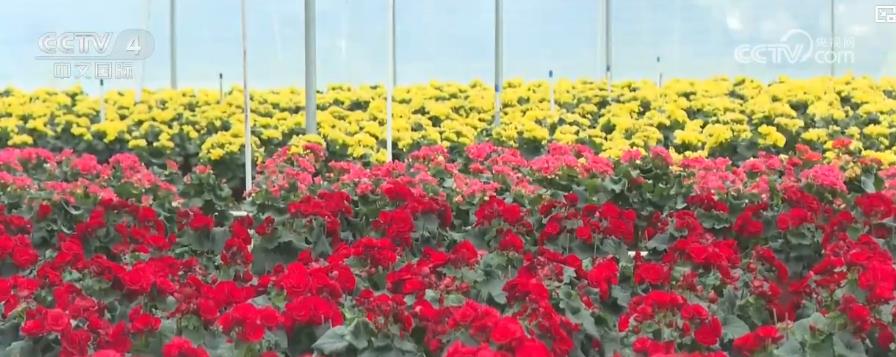
Group 1: Market Overview - The year-end market is becoming lively as the Spring Festival approaches, with increased supply of New Year flowers and products featuring the Year of the Horse elements gaining popularity [1][4] - In Guangzhou, the total production of New Year flowers is expected to reach 20 million pots during the Spring Festival, with the overall market supply estimated at approximately 50 million pots [4] - In Hebei, a butterfly orchid cultivation base has successfully produced over 200 varieties, supplying more than 200,000 butterfly orchids to the New Year flower market [7] Group 2: Product Trends - In Chongqing, small products infused with Year of the Horse elements are in high demand, with a bustling market for traditional folk ornaments and trendy cultural products [10] - In Shandong, a glassware company is producing over ten unique cultural products centered around the horse theme, combining glass-making techniques with traditional zodiac culture [13] - In Guizhou, a朱砂 product company has launched a series of Year of the Horse themed products, selling through both online and offline channels nationwide [16]
民营经济 “轻装上阵”,浙江存款超17万领跑全国!
Jin Tou Wang· 2026-01-23 11:28
Group 1 - Zhejiang has the highest per capita disposable income in China at 43,377 yuan, with a 5% increase year-on-year, significantly outpacing Guangdong and Jiangsu, which are around 50,000 yuan [1] - The average per capita savings in China reached 118,900 yuan, with Zhejiang leading at 177,700 yuan, while Guangdong is below the national average at 118,300 yuan [1] - Zhejiang's high savings are characterized by a preference for long-term deposits, with a likely ratio of over 70% in new savings, reflecting a cautious financial planning approach among residents [2] Group 2 - Zhejiang's private economy is robust, with 1,095,000 market entities and 107 companies in the national top 500 private enterprises list, maintaining the highest number for 27 consecutive years [2] - The province has a total of 3,768,900 registered private enterprises, equating to 56.5 enterprises per 1,000 people, indicating a strong entrepreneurial environment [2] - The income disparity between urban and rural residents in Zhejiang is the lowest in the country at a ratio of 1.81, showcasing a more equitable wealth distribution [3]
惊世阳谋!人民币持续走强,突围战悄然打响,全球资本重新站队
Sou Hu Cai Jing· 2025-12-28 11:37
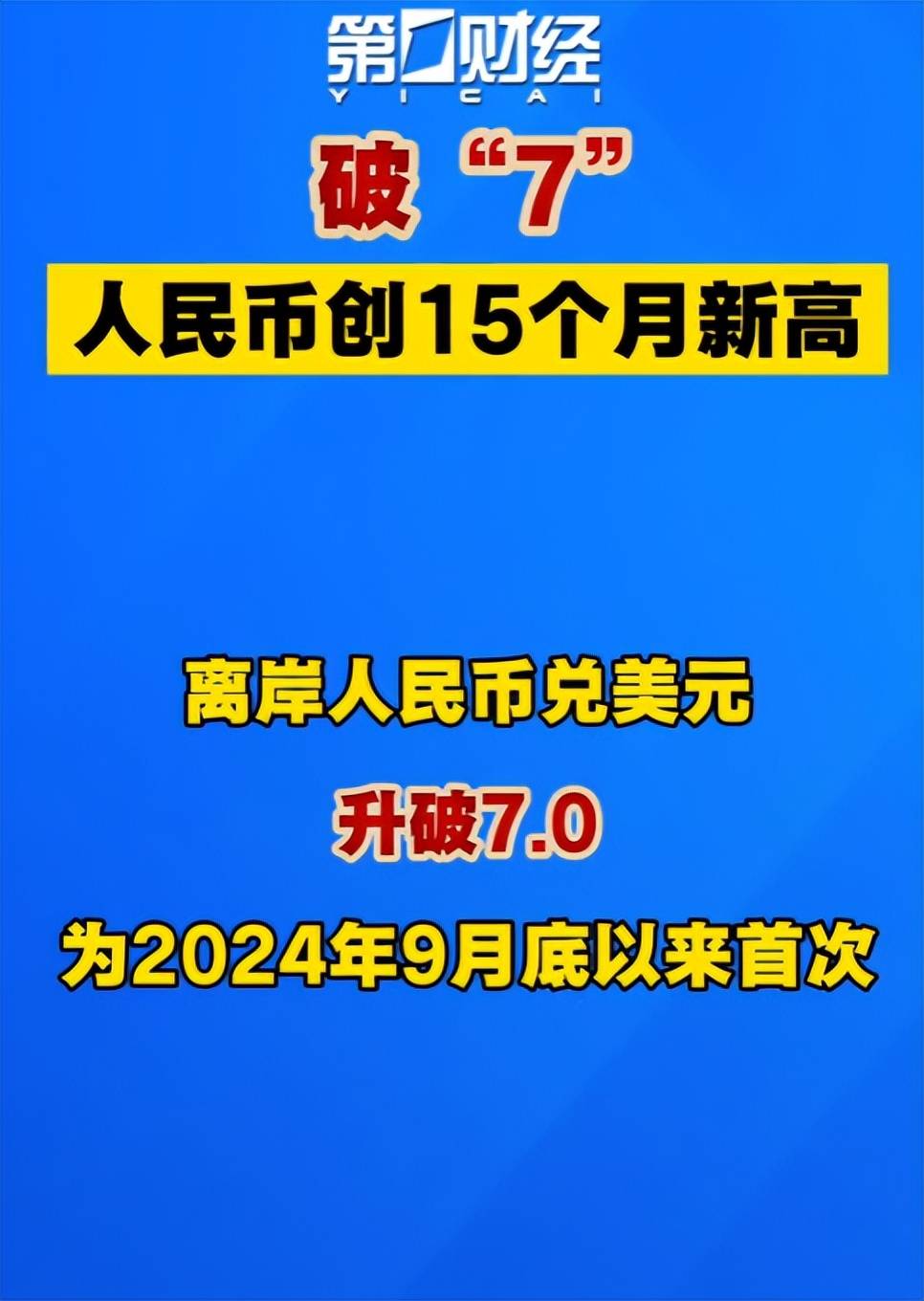
Core Viewpoint - The recent appreciation of the Chinese yuan, breaking the 7.0 mark against the US dollar, signifies a shift in trade dynamics and reflects the underlying geopolitical strategies among major economies [1][3][4]. Group 1: Economic Context - The yuan's rise is attributed to a record trade surplus and strong export performance, leading to increased foreign exchange earnings [6]. - The appreciation is not merely a result of market supply and demand but is part of a calculated strategy in the context of global power dynamics [4][6]. Group 2: Geopolitical Dynamics - The ongoing competition among the US, Europe, and China has intensified, with the US recognizing China's advancements in high-end technology and manufacturing capabilities [10]. - The US has initiated a process of de-globalization, attempting to bring manufacturing back home through tariffs and technology restrictions, which has led to a coordinated depreciation of the yuan by Western economies [12][10]. Group 3: Strategic Responses - In response to external pressures, China has opted for a proactive strategy of allowing the yuan to appreciate, countering the intended effects of Western economic policies [14][20]. - This strategy aims to mitigate the impact of currency appreciation on export profits by encouraging price increases, thus protecting domestic businesses from a price war [16][20]. Group 4: Industry Implications - The strategy of price increases is seen as a means to strengthen leading industry players and promote technological advancements, as weaker firms are likely to be eliminated in the process [22][24]. - By allowing for moderate price increases, China aims to provide breathing room for Western manufacturers, thereby avoiding a complete collapse of their industries and fostering a more stable competitive environment [26][30]. Group 5: Market Reactions - Despite the yuan's appreciation, Chinese exports remain robust, with trade surpluses continuing to rise, indicating a persistent reliance on Chinese goods by Western economies [30][33]. - The current market dynamics have led to increased demand for commodities, with prices for metals like copper and aluminum reaching new highs, driven by Western countries' stockpiling in response to supply chain vulnerabilities [36][40]. Group 6: Future Outlook - The ongoing developments in the yuan's valuation and China's strategic positioning in global trade are expected to continue shaping the landscape of international finance and economic relations [42][44]. - The narrative of China's manufacturing resilience and strategic foresight is likely to play a significant role in its future economic trajectory and global standing [44].
“品质升级”成为义乌小商品过硬新名片 “创意+科技”让小行业变身大产业
Yang Shi Wang· 2025-12-25 10:09
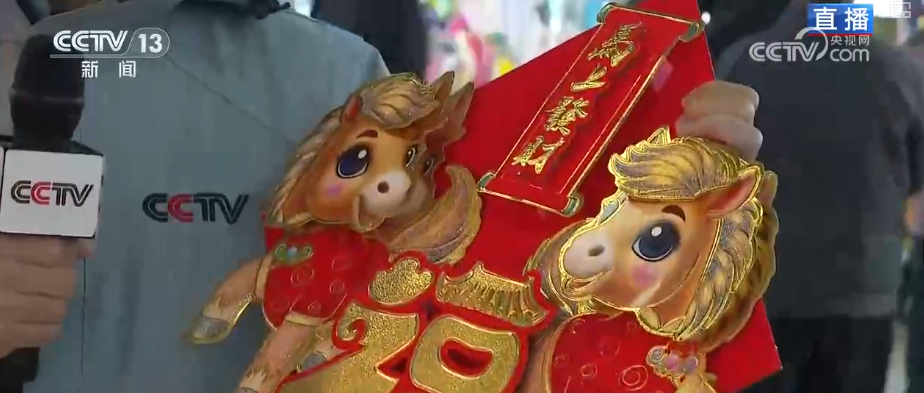
Core Viewpoint - The demand for festive products is increasing as the New Year approaches, with Yiwu market in Zhejiang sensing business opportunities as various holiday goods enter a peak production and sales season [1][3]. Group 1: Market Trends - Yiwu is recognized as a "barometer" for festive products, indicating what will be popular in 2025 and what sells well [3]. - The market has seen a shift from primarily exporting holiday goods to focusing on domestic demand, with local businesses adapting to the needs of Chinese consumers for the Spring Festival [11][13]. Group 2: Product Innovations - New designs, such as the horse-themed "Fu" character stickers, combine traditional elements with modern cartoon aesthetics, appealing to both older and younger generations [6][8]. - Unique products like a smart glasses with interchangeable lenses and built-in cameras have gained popularity, especially among older consumers, showcasing a blend of practicality and innovation [20][22]. Group 3: Quality and Design - The Yiwu market emphasizes high quality and innovative designs, with local products dominating the domestic market; for instance, 80% of sold "Fu" character stickers and couplets in China originate from Yiwu [8]. - The focus on quality has instilled confidence in local business owners, leading to a more stable and dynamic market environment [17].
部分订单已排至明年!浙江义乌马年产品销售火爆
Yang Shi Xin Wen· 2025-11-07 05:05
Group 1 - The sales peak for horse-related products in Yiwu, Zhejiang has already begun, despite the Lunar New Year being over 100 days away [1] - The festive atmosphere is strong in the Yiwu International Trade City, with many products featuring horse elements, such as couplets, calendars, and paintings, appealing particularly to younger consumers [1][3] - Domestic buyers prefer trendy items, while international buyers favor traditional products, indicating a diverse market demand [3] Group 2 - Merchants are combining popular IP themes with festive needs, launching various horse-themed red envelopes featuring auspicious phrases like "马上发财" (immediate wealth) and "马到成功" (success at once), targeting young buyers [5] - Plush toys related to the Year of the Horse are prominently displayed in stores, with merchants reporting a peak in sales and factories ramping up production to meet demand [7] - Two popular products, "马上有钱" (immediate money) and "马上有福" (immediate fortune), have received significant orders, particularly from northern cities, with some orders scheduled as far out as January 2026 [9]
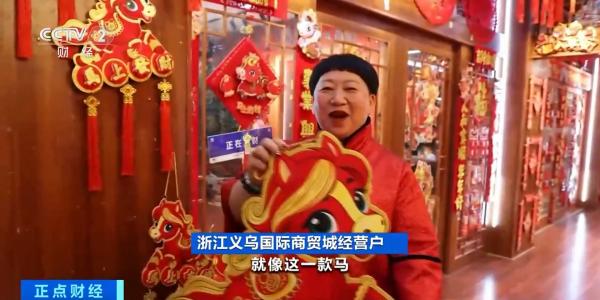
义乌马年产品销售火爆!“萌系IP”“新中式”受年轻消费者青睐
Sou Hu Cai Jing· 2025-11-06 15:35
Group 1 - The sales of horse-related products in Yiwu, Zhejiang are experiencing a peak ahead of the upcoming Year of the Horse, with various items such as toys and decorative paintings already in high demand [1][3] - Domestic buyers prefer trendy products, while international buyers lean towards traditional items, indicating a diverse market preference [5] - The plush toy sales area has prominently displayed zodiac products for the Year of the Horse, leading to increased orders and production efforts to meet demand [7] Group 2 - Merchants are combining popular IP themes with festive needs, launching themed red envelopes featuring horse images and auspicious phrases like "马上发财" (immediate wealth) and "马到成功" (success at once), appealing to younger consumers [8] - Traditional style products are particularly popular in northern cities, with orders already scheduled into January 2026, reflecting strong market demand [10]

长三角前三季度外贸再攀新高 增长韧性强劲
Shang Hai Zheng Quan Bao· 2025-10-30 18:28
Core Insights - Yiwu's total import and export value reached 631.2 billion yuan in the first three quarters of this year, marking a year-on-year increase of 26.3%, and is the first time it has surpassed 600 billion yuan in this period [1][2] - The Yangtze River Delta region's total import and export value reached 12.62 trillion yuan, a year-on-year increase of 6.6%, accounting for 37.6% of the national total, which is an increase of 0.9 percentage points compared to the same period last year [1][2] Group 1: Trade Growth - Yiwu engaged in trade with 227 countries and regions, with 181 of them experiencing year-on-year growth in trade volume, an increase of 29 compared to the previous year [2] - The reforms in Yiwu are identified as a key driver for the growth in foreign trade, with multiple new initiatives being implemented to enhance trade efficiency and quality [2] Group 2: Export Performance - In the first three quarters, Shanghai port exported 2.05 million vehicles, a year-on-year increase of 15%, accounting for over one-third of the national total [5] - The Shanghai Waigaoqiao Port area has seen a record high of 1.109 million vehicles exported, with a year-on-year growth of 14.2% [5] Group 3: Product Diversification - The export of high-end products from the Yangtze River Delta is notable, with Anhui province exporting electromechanical products worth 351.04 billion yuan, a year-on-year increase of 19% [6] - Shanghai's import and export value reached 3.34 trillion yuan, with a year-on-year growth of 5.4%, driven by the export of integrated circuits, artificial intelligence, and biomedicine [6] Group 4: Agricultural Products Trade - The trade of agricultural products has emerged as a new hotspot, with Shanghai importing food worth 135.34 billion yuan from countries involved in the Belt and Road Initiative, a year-on-year increase of 15.5% [7] - The coffee industry in Shanghai has seen significant engagement, with over 200 suppliers and exhibitors from 60 countries participating, contributing to a trade volume of 3 billion yuan [7]
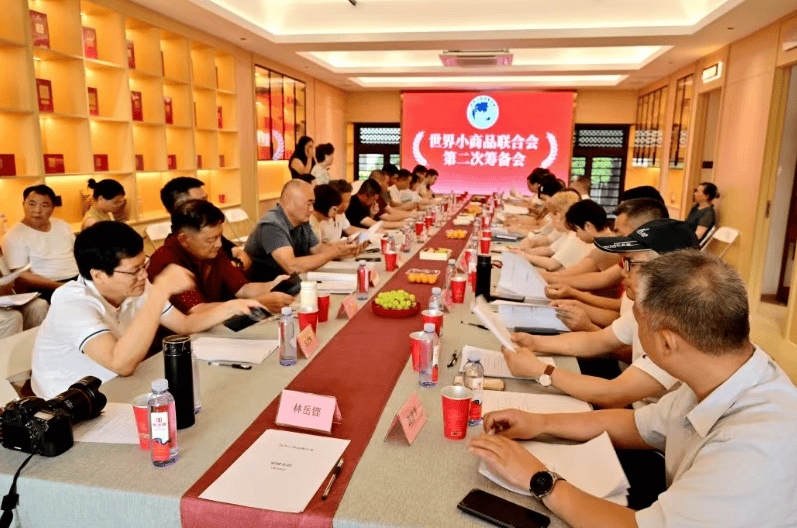
世界小商品联合会筹备会在福州召开 开启全球产业协同发展新篇章
Sou Hu Cai Jing· 2025-10-10 07:50
Core Viewpoint - The establishment of the World Small Commodity Federation marks a significant milestone in promoting the global trade of Chinese small commodities, transitioning from a traditional "individual efforts" model to a new phase of "collaborative development and resource sharing" [1][4][9]. Group 1: Industry Challenges and Opportunities - The global economic landscape is undergoing profound changes, with rising unilateralism and trade protectionism posing new challenges to traditional trade flows [3]. - The small commodity industry faces pressures from rising costs, homogenized competition, and shrinking traditional channels, while also encountering historic opportunities driven by a new wave of technological revolution [4][9]. - The industry is shifting from a focus on "cheap and good quality" to a new track centered on standard-setting, technological innovation, and brand building [4][14]. Group 2: Federation's Structure and Functions - The World Small Commodity Federation is initiated by industry organizations and leading enterprises from Zhejiang, Fujian, Guangdong, Hong Kong, and Macau, aiming to integrate global small commodity industry resources [9][10]. - The federation has established a clear governance structure with a four-tier system to ensure scientific decision-making and efficient execution [10]. - It will perform nine core functions, including representation, information sharing, standard-setting, and market expansion, to facilitate systematic upgrades in the industry [10][13]. Group 3: Strategic Initiatives and Goals - The federation plans to implement a detailed roadmap over the next year, focusing on nine specific tasks, including drafting a five-year development strategy and launching a global small commodity industry big data platform [10][14]. - A notable initiative includes the first World Small Commodity Conference, set to be held in Hong Kong, Macau, and Yiwu, aimed at creating a global platform for small commodity exchange and cooperation [10][14]. - The federation's establishment is expected to accelerate the internationalization of Chinese small commodity standards, which are seen as a "golden key" to accessing global markets [10][13]. Group 4: Industry Impact and Expert Insights - Experts believe the federation's formation signifies a fundamental shift in the small commodity industry from "dispersed attacks" to "systematic operations," with standard-setting and technological innovation being crucial [16]. - The federation's focus on talent cultivation and digital trade innovation is expected to bridge the gap between education and industry needs, fostering a new generation of skilled professionals [16]. - The federation is positioned to become a vital link between China and the world, facilitating collaborative development in the global small commodity industry [16].
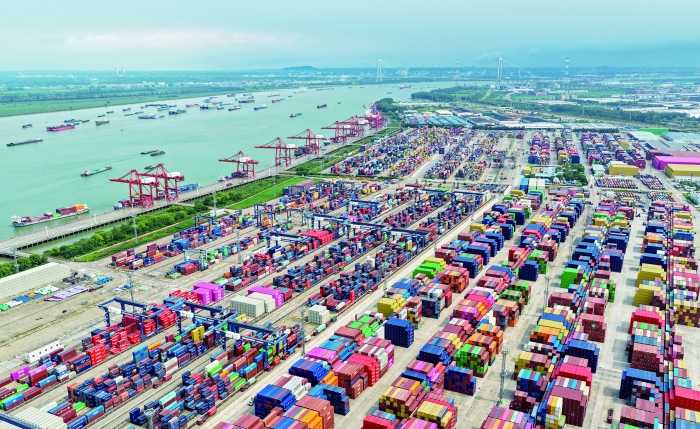
轻工产业集群向“高端引领”转型
Xiao Fei Ri Bao Wang· 2025-08-13 02:42
Group 1 - The core viewpoint of the articles highlights the rapid development and significance of specialized industrial clusters in China's light industry, showcasing their role in driving economic growth and innovation [1][2][3][4] - As of June 2023, China has established 33 national manufacturing innovation centers and nurtured 80 national advanced manufacturing clusters, along with over 1,000 provincial-level specialized industrial clusters, covering various sectors including information technology and biomedicine [1] - The light industry sector, which includes food and beverage, textiles, and household goods, is increasingly important due to its extensive consumer demand and strong employment generation capabilities [1][2] Group 2 - In DanYang, Jiangsu, the production of eyeglass lenses has reached over 400 million pairs annually, accounting for half of the global output, generating over 12 billion yuan in annual revenue [1] - TaiQian County in Henan produces one-third of China's down products, contributing significantly to the global down supply, with local companies enhancing technological innovation to improve product quality [2] - The integration of production, education, research, and application is crucial for upgrading light industry clusters, with regions like Zhejiang and Guangdong focusing on high-end, personalized, and branded product development [3] Group 3 - Policies such as financial subsidies and credit incentives are essential for the quality enhancement of light industry clusters, enabling small and medium enterprises to modernize equipment and expand international markets [3] - Light industry clusters play a vital role in the global supply chain, with significant contributions to exports in textiles, home appliances, and cultural products, supported by a mature production system and logistics [3] - The transition from "scale expansion" to "high-end leadership" is critical for light industry clusters, emphasizing the need for digital transformation, smart upgrades, and brand development to elevate Chinese manufacturing on the global stage [4]