生活服务

Search documents
设7大招聘专区 提供1.56万个岗位
Xin Lang Cai Jing· 2026-02-24 20:22
同时,活动同步设置岗位信息发布区、职业指导服务区、技能培训感知区、创业项目展示区、政策咨 询"一站式"服务区、线上招聘区以及便民暖心服务区七大配套功能区,以全方位服务为求职创业者铺路 护航。 "2026年春风行动暨就业援助季活动将持续到3月底。"市人社局相关负责人介绍,活动期间,全市人社 部门将抢抓春节后劳动者换岗流动高峰期和企业复工复产关键期,广泛深入开展系列活动,高频次举办 各类线上线下招聘会,提供更多暖心贴心的就业服务,用就业服务"开门红"助推经济发展"开门红"。 转自:成都日报锦观 设7大招聘专区 提供1.56万个岗位 生活服务业专区归集装卸工、同城配送、餐饮家政等基础岗位。 ...
稳岗就业惠民生 暖心举措助力务工人员从“家门口”直达“厂门口”
Yang Shi Wang· 2026-02-24 02:12
央视网消息:假期进入尾声,不少务工人员开始返岗,各地通过返岗"点对点"包车等形式解决务工人员"出行难"。有的地方把招聘 会办在"家门口",便利一部分务工者留在家乡就业。 "点对点"返岗直通车启程 家乡味温暖返岗路 作为三峡库区的劳务输出大县,重庆忠县这两天一辆辆"点对点"返岗直通车整装待发,外出务工人员有序排队安检、候车。为保障 务工群体平安、便捷出行,当地人社部门在节后返岗高峰期组织了300多辆专车,分批护送外出务工人员安全到达目的地。腊肉、 柚子、柑橘、油豆腐、汤圆粉,成了返程行囊里的"标配"。 专车接驳复工包机 实现"落地即进厂" 2月22日,一架免费搭载了181名云南籍务工人员的返岗复工包机顺利抵达福州长乐国际机场,经过短暂休整,务工人员搭乘专车前 往福州市的26家企业,实现"落地即进厂"的无缝衔接。 家乡产业升级 招聘会促进"家门口"就业 除了返程务工,很多地方也举办了各种形式的新春招聘会,有效推动人员与岗位的精准对接。在安徽芜湖南陵县,招聘会提供就业 岗位4000多个,涵盖汽车及零部件、新能源、智能物流装备制造、电子信息等重点产业,吸引数千名求职者前来咨询应聘。 招聘会岗位丰富 满足不同群体就业需 ...


市场监管总局:部署各地从严纠治消费服务乱象
Ren Min Ri Bao· 2026-02-18 05:07
春节假期,节日消费、旅游服务等市场火热。为维护春节期间市场价格秩序稳定,市场监管总局部署各 地市场监管部门多措并举,加强住宿、餐饮、景区、食品、生活服务等领域价格监管,全力保障人民群 众合法权益,守护好春节的"年味"。 湖北针对生活服务价格问题强化监管。湖北武汉市场监管部门对有关宠物店春节涨价问题进行立案调 查,并责令当事人立即改正违法行为。各地聚焦美发美甲、洗车家政、宠物保洁等服务,加强价格动态 监测预警,保障节日生活服务市场平稳运行。 北京针对"抢票神器"问题强化监管。北京市场监管部门组织12家涉及火车票网络销售业务的主流平台, 召开行政约谈会。要求平台严格落实主体责任与社会责任,全面排查业务模式、服务流程和平台页面, 下架涉嫌误导性宣传的产品,认真做好明码标价,切实保障消费者的知情权。各地持续加大监管执法力 度,依法严厉打击虚假抢票、诱导交易等违法行为。 浙江、广东针对有关企业宣传涉嫌误导消费者等年货乱象问题强化监管。浙江市场监管部门对有关企业 涉嫌违法行为依法从严核查、从快处置。广东市场监管部门责令涉事企业65家门店下架相关产品。各地 进一步加强对相关企业的政策宣贯和合规指导,督促严格落实主体责任,进 ...
市场监管总局:严打“抢票神器”、酒店涨价、年货乱象
Xin Jing Bao· 2026-02-18 05:05
北京针对"抢票神器"问题强化监管。北京市场监管部门组织12家涉及火车票网络销售业务的主流平台, 召开行政约谈会。要求平台严格落实主体责任与社会责任,全面排查业务模式、服务流程和平台页面, 下架涉嫌误导性宣传的产品,认真做好明码标价,切实保障消费者的知情权。各地持续加大监管执法力 度,依法严厉打击虚假抢票、诱导交易等违法行为。 新京报讯(记者陈琳)春节假期,节日消费、旅游服务等市场火热升温。市场监管总局部署各地市场监管 部门紧盯住宿、餐饮、景区、交通、年货等重点领域,从严纠治消费服务乱象,全力维护节日市场秩 序,守护好春节的"年味"。 浙江、广东针对有关企业宣传涉嫌误导消费者等年货乱象问题强化监管。浙江市场监管部门对有关企业 涉嫌违法行为依法从严核查、从快处置。广东市场监管部门责令涉事企业65家门店下架相关产品。各地 进一步加强对相关企业的政策宣贯和合规指导,督促严格落实主体责任,进一步规范品牌运营、广告宣 传及经销商管理。 各级市场监管部门强化价格监测预警,密切关注价格波动趋势;指导经营者合理制定价格,并按规定执 行明码标价;及时组织开展价格提醒告诫和行政约谈,指导督促经营者落实价格承诺。聚焦春节假期消 费重 ...
抖音生活服务公布2025职人“成绩单”:规模与质量双提升,职人贡献商品交易额同比增长超2.6倍
Sou Hu Wang· 2026-02-12 09:12
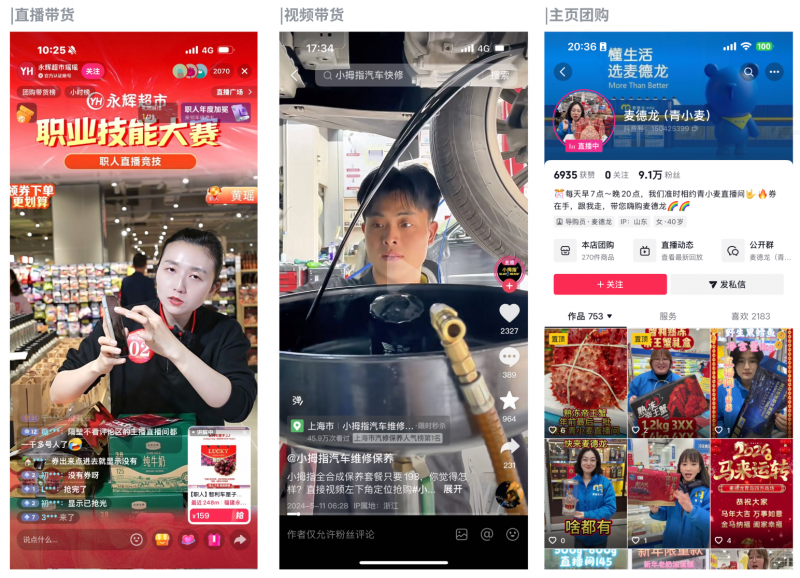
Core Insights - The "Professional Economy" on Douyin has seen significant growth, with the total transaction volume contributed by professionals increasing over 2.6 times year-on-year, surpassing 400 billion yuan in total transaction value [1][2] - The number of certified professionals has exceeded 3 million, indicating a robust expansion of the professional ecosystem on the platform [1][7] Group 1: Growth Metrics - The transaction volume contributed by professionals has grown over 2.6 times year-on-year, with live streaming transactions increasing by 331% and short video transactions growing by 45% [2] - The professional model has shown remarkable growth across various sectors, with travel agencies, accommodations, and entertainment categories experiencing year-on-year transaction increases of 1162%, 521%, and 450% respectively [5] Group 2: User Engagement and Content Creation - Over 1.2 billion users have viewed professional content, accumulating over 30 billion hours of watch time, with video views exceeding 12.5 billion, leading to over 25 million consumer orders [7] - The content created by professionals has shifted from occasional displays to a normalized business operation, becoming a crucial part of the platform's sustainable growth [7] Group 3: Professional Identity and Business Impact - Professionals serve dual roles as offline experts and online creators, leveraging their expertise to establish reliable consumer connections, thereby enhancing customer acquisition channels and operational efficiency for businesses [8] - Case studies illustrate the tangible benefits professionals bring to businesses, such as a hotel increasing online sales by tenfold through professional content and an automotive service chain generating over 1.1 billion yuan in online sales [11] Group 4: Future Development Initiatives - Douyin plans to enhance the professional ecosystem by providing more productized tools, targeted training for live streaming, and optimizing collaboration mechanisms among the platform, businesses, and professionals [12] - The platform aims to recognize and incentivize outstanding professionals through initiatives like the "Treasure Professionals" program, promoting both economic rewards and brand recognition [12][13]
LongCat 发布原生“深度研究”智能体
Bei Jing Shang Bao· 2026-02-11 08:39
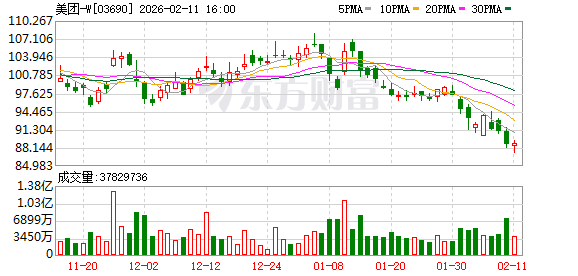
(文章来源:北京商报) 北京商报讯2月11日,美团正式发布 LongCat原生深度研究智能体。据介绍,LongCat深度研究能够通过 调用真实工具链,完成高难度的生活服务搜索与规划任务;同时也能为用户提供量身定制可信、专业的 吃喝玩乐全攻略。LongCat团队依托美团在本地生活领域的原生能力,搭建了一套覆盖 POI (兴趣点) 搜索、地图路线规划、评论 / 笔记检索的真实工具集,让 Agent(智能体) 在与真实环境的交互中完成 训练,确保了训推环境的一致性,使 Agent 在训练阶段即可感知真实场景的复杂性与多变性,从而有效 提升其在线上处理实际任务时的表现。 ...

新年悦己消费需求暴涨 美团:美发、美甲团购搜索量环比增长9成
2 1 Shi Ji Jing Ji Bao Dao· 2026-02-10 10:10
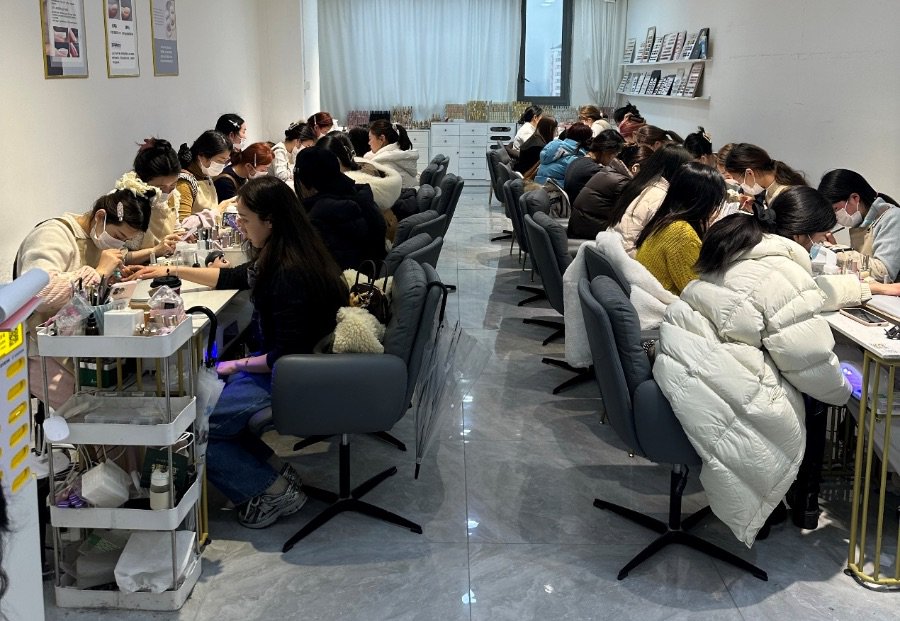
"春节前两周开始,店里全天都是满的,从开门到晚上11点都有消费者烫头发"、"和朋友一起约了个新年美甲,都要提前一周预 订。"近日,记者从上海一家理发店和美甲店看到的现象,正是当下春节前服务消费火热的真实写照。 春节将至,年味渐浓,多个服务零售行业迎来全年消费高峰。春节前一周,美团发布服务消费趋势前瞻。传统的"美丽三件 套"在节前迎来爆发式增长,美团数据显示,新年发型、美甲、睫毛等热度大涨,多个关键词搜索量翻倍;AI黑科技、KTV娱乐 综合体发展给老行业带来新增量,从腊八节开始,KTV交易规模同比增长近三成,预订订单量同比去年明显上涨;受春节返乡 聚会场景带动,中小城市KTV春节期间预订超3成;春节出行高峰来临,"宠物上门喂养"近两周搜索量环比增长翻倍。上海、北 京、深圳、成都、杭州、武汉、广州、西安、长沙、重庆成全国休闲玩乐交易规模前十城市。 ▲美团全新功能"宠物上门喂养在线预约"正式上线 图源:美团App AI时代,服务零售中的传统业态也不断升级新玩法,"老行业"迎来消费新高峰。比如,本以为"过时"的KTV行业也成了春节服 务消费"黑马"。当前,不少KTV已然发展成为综合娱乐空间,从融入特色美食、剧本娱乐、 ...
开鲁县举办年货节促消费活动惠民生
Sou Hu Cai Jing· 2026-02-09 09:13
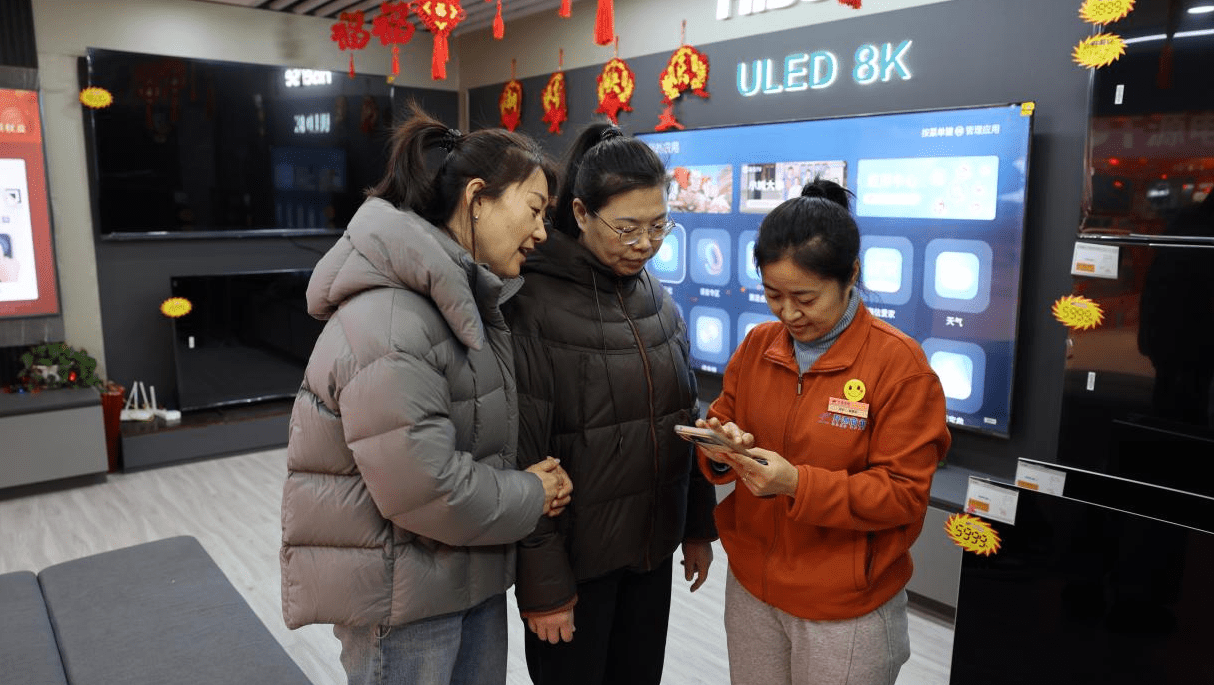
Core Viewpoint - The "Shenghui National · Yuegao Tongliao" consumption promotion initiative in Kailu County, Tongliao City, Inner Mongolia aims to stimulate consumer spending and enhance the local economy through various promotional activities and government subsidies [1][4]. Group 1: Consumption Promotion Activities - The initiative includes a series of promotional activities such as discounts and rebates across various sectors including food, retail, and household appliances to meet the demand for New Year goods [2][4]. - The opening of the "Shenghui National · Yuegao Tongliao" event has led to a surge in consumer interest, with local residents actively purchasing discounted items, such as televisions benefiting from government subsidies [1][2]. Group 2: Business Participation and Strategy - Local businesses, including Kaiyuan Commercial City, are collaborating to offer significant discounts and ensure product quality, thereby enhancing consumer confidence and satisfaction [4][8]. - The initiative is part of a broader strategy by the central and local governments to prioritize consumption as a key area of focus for economic development, with plans for ongoing promotional activities throughout the year [4][8]. Group 3: Community Engagement and Cultural Integration - The year-long consumption promotion will feature various events such as the Beer and Food Festival and cultural tourism seasons, aimed at creating a vibrant community atmosphere and fulfilling diverse consumer needs [8]. - The initiative seeks to integrate cultural and entertainment activities with consumption promotion, fostering a holistic approach to community engagement and economic growth [4][8].
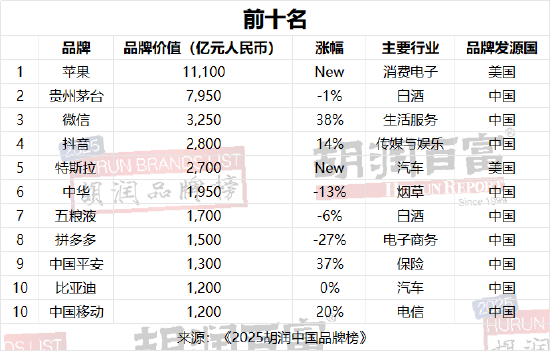
30个酒类品牌登上胡润中国品牌榜,贵州茅台、五粮液和国窖1573稳居前三
Xin Lang Cai Jing· 2026-02-05 02:22
Core Insights - The "2025 Hurun China Brand List" has been released, marking the first inclusion of non-Chinese brands and providing comprehensive coverage of the Chinese market [1][5]. Group 1: Brand Rankings - Apple tops the list with a brand value of 1.11 trillion yuan, followed by Kweichow Moutai at 795 billion yuan, and WeChat at 325 billion yuan, which has replaced Douyin as the most valuable private Chinese brand [1][5]. - Douyin's brand value increased by 14% to 280 billion yuan, but it dropped two places to fourth. Tesla made its debut on the list with a brand value of 270 billion yuan, ranking fifth [1][5]. Group 2: Industry Insights - The largest increase in brand value was seen by Pop Mart, which grew by 288% to 48.5 billion yuan, entering the top 50 [2][5]. - The consumer electronics sector, led by Apple, has surpassed the liquor industry to become the highest-valued sector on the list, while liquor remains the highest-valued sector for domestic brands [2][5]. - Among liquor brands, Kweichow Moutai, Wuliangye, and Guojiao 1573 continue to hold the top three positions. A total of 30 liquor brands made the list, with 18 being state-owned, 8 private, and 3 non-Chinese brands, collectively accounting for 14% of the total brand value on the list [2][5]. Group 3: Brand Value Data - The top ten brands and their values are as follows: 1. Apple: 1,110 billion yuan 2. Kweichow Moutai: 795 billion yuan 3. WeChat: 325 billion yuan 4. Douyin: 280 billion yuan 5. Tesla: 270 billion yuan 6. Zhonghua: 195 billion yuan 7. Wuliangye: 170 billion yuan 8. Pinduoduo: 150 billion yuan 9. Ping An: 130 billion yuan 10. BYD: 120 billion yuan [3][6]. Group 4: Non-Chinese Brands - The top non-Chinese brands include: 1. Apple: 1,110 billion yuan 2. Tesla: 270 billion yuan 3. Hermès: 83.5 billion yuan 4. Other notable brands include Coca-Cola and Louis Vuitton, with values of 31 billion yuan and 24.5 billion yuan respectively [4][8].




58到家数据:春节服务消费持续升温,下沉城市需求量猛增三倍
Jing Ji Wang· 2026-02-02 07:11
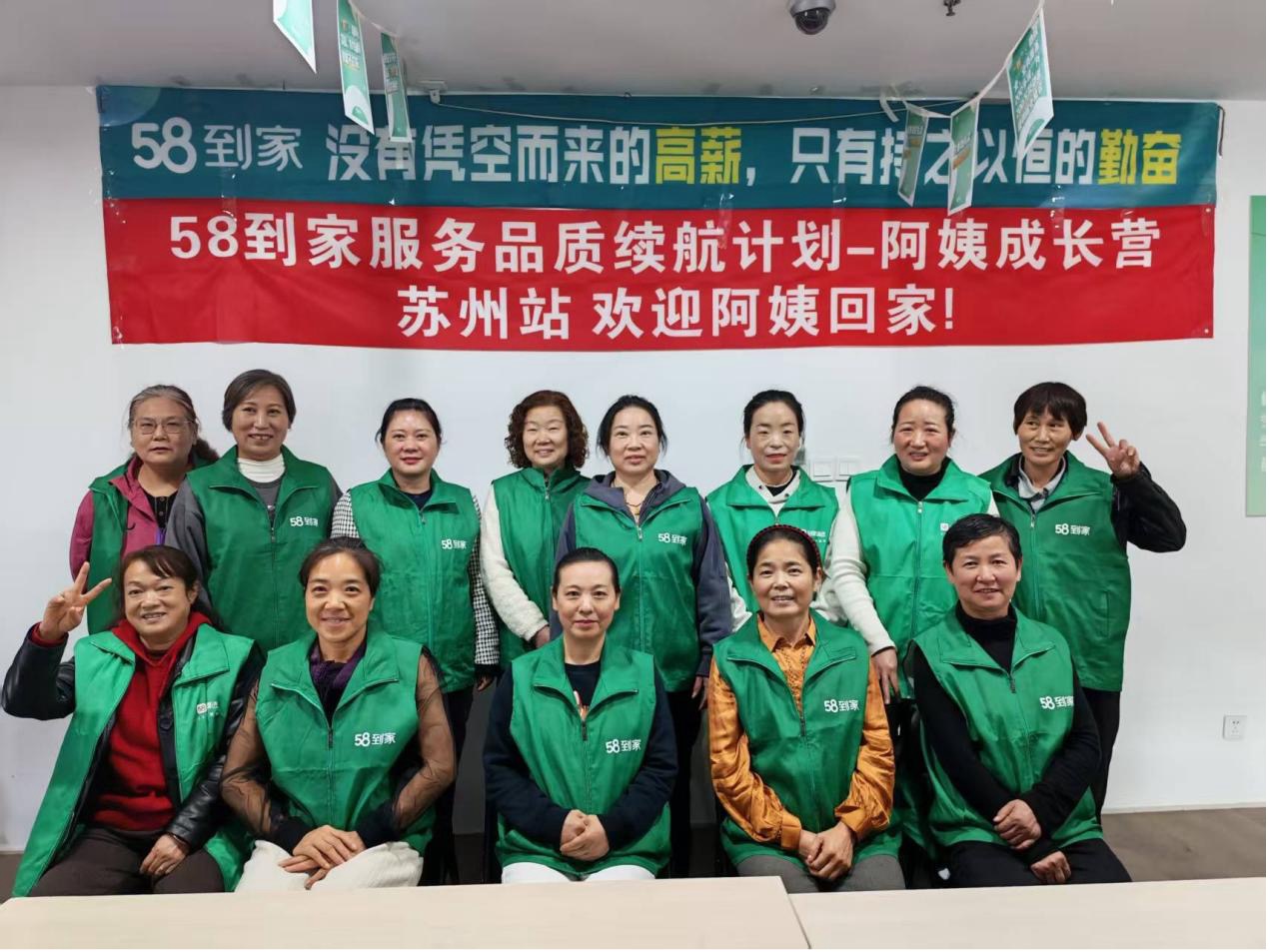
Core Insights - The demand for household cleaning services is significantly increasing as the Spring Festival approaches, with a notable 6.3 times week-on-week growth in orders for the newly launched "deep cleaning window service" [1][3] - The demand in lower-tier cities has surged to 3.3 times that of last year, indicating a shift in consumer behavior towards earlier and more systematic preparations for the festival [1][3] Group 1: Service Demand Trends - The structure of service demand is changing, with a focus on more detailed and frequent cleaning tasks rather than one-time comprehensive cleaning [3] - Kitchen cleaning has become a focal point, with orders for range hood cleaning increasing by 132% month-on-month, reflecting heightened consumer attention to home environments [3] - Pet care services are also gaining traction, with orders for cat feeding services reaching 9.2 times the volume of the same month last year, indicating a normalization of pet services during the festival [3] Group 2: Operational Preparedness - The company has prepared for the peak service demand during the Spring Festival by optimizing labor coordination and service pacing, with over 2.6 million labor resources available [4] - A digital scheduling system has been implemented to enhance order efficiency and reduce idle time for workers, ensuring a better service experience during peak periods [4] - The company is also providing incentives such as red envelope rewards and order subsidies to stabilize income for workers during the busy season [4] Group 3: Service Quality Assurance - The company is conducting specialized training sessions to reinforce service standards and operational protocols, ensuring consistent service quality [4] - Community engagement activities, such as New Year celebrations and cooking events, are being organized for local service personnel to foster a supportive work environment [4][5] - The emphasis is on delivering a more relaxed and reassuring experience for families during the festival, highlighting the value of professional services in managing holiday preparations [5]