
零售商业

Search documents
第一太平戴维斯发布《2026年零售商业趋势报告》
Zheng Quan Ri Bao Wang· 2026-03-24 10:06
Core Insights - The report by Savills highlights structural changes and growth opportunities in the Chinese retail market during economic fluctuations, identifying eight key trends that support business operations and brand development [1] Group 1: Key Trends in Retail - The eight notable trends include the extension of health-oriented business formats, the rise of "small luxury" consumption, rational alternatives driven by hard discount models, new retail consumption surpassing traditional apparel, the second wave of internet fashion entering offline markets, large stores focusing on core urban landmarks, differentiated competition among small-scale projects, and flexible commercial spaces [1][1][1] Group 2: Market Dynamics - The Chinese retail market is transitioning from "scale expansion" to "value reconstruction," with consumers becoming more discerning and loyal to their preferences, willing to spend on emotional comfort, healthy living, and high cost-performance [1][1] - The macroeconomic cycle is accelerating the process of market selection, prompting the industry to reassess the underlying logic of commercial value, with a focus on content creation and deep customer engagement as core competitive advantages [1][1] - The future retail landscape will not be defined solely by scale but will revolve around three dimensions: "experiential capability," "brand content strength," and "spatial flexibility," leading to a new round of value reconstruction [1][1]

区领导调研节日市场运行和文商旅体展促消费工作
Sou Hu Cai Jing· 2026-02-14 06:59
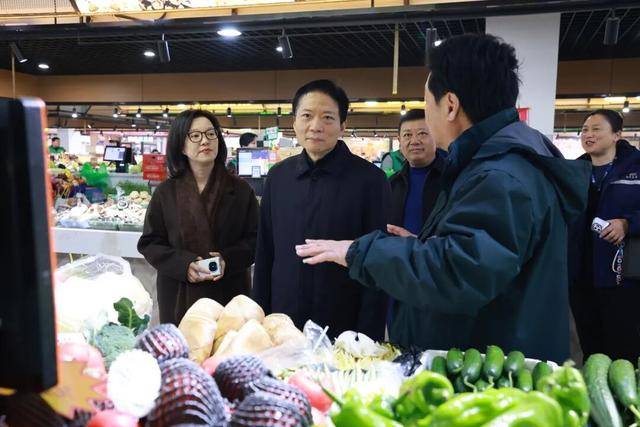
Group 1 - The district committee secretary, Lu Fangzhou, led a team to conduct on-site inspections of various commercial areas, including Huayou Market, TODTOWN Tianhui Plaza, and Zhongsheng World Mall, focusing on promoting consumption through cultural and tourism integration [1][3]. - Huayou Market completed its standardized smart upgrade by the end of January 2024, incorporating community services and emphasizing food safety through digital monitoring [3]. - TODTOWN Tianhui Plaza opened its southern area in January 2024, attracting several high-profile first stores, which received a positive response during the opening week [3]. Group 2 - Zhongsheng World Mall is undergoing a renovation that includes a new theme street and a sunken plaza, with a focus on capturing new consumer trends among younger and senior demographics [5]. - The district aims to enhance the commercial environment by integrating major festivals and key business districts, promoting a blend of commerce with culture, tourism, and sports [5]. - The strategy emphasizes high-quality, differentiated development to meet diverse consumer needs, aiming to make shopping and cultural experiences a new norm for residents [5].

商业零售行业2025年四季报业绩前瞻:商品消费步入高基数,掘金AI及新消费赛道
Shenwan Hongyuan Securities· 2026-02-08 14:16
Investment Rating - The report indicates a neutral outlook for the retail sector, suggesting that the industry will perform in line with the overall market [9]. Core Insights - The retail sector in 2025 experienced a year-on-year growth of 3.7%, with total retail sales reaching 50.12 trillion yuan [1]. - Online retail sales grew by 8.6% year-on-year, totaling 15.97 trillion yuan, with a penetration rate of 28.2% for physical goods [1]. - The e-commerce sector is entering a high base period, with companies like Alibaba and JD facing short-term challenges but maintaining long-term growth potential through AI and instant retail strategies [2]. - The jewelry sector saw a 12.8% year-on-year increase in retail sales, driven by rising gold prices and seasonal demand [2]. Summary by Sections E-commerce Sector - Alibaba is focusing on AI and cloud technology, expecting Q3 FY26 revenue of 286.6 billion yuan, a 2.3% increase year-on-year, but a 42% decline in net profit [2][4]. - JD is projected to see a 0.4% decline in Q4 revenue to 345.5 billion yuan, with a drastic 98% drop in net profit [2][4]. - Pinduoduo anticipates an 11.6% revenue growth in Q4 to 123.4 billion yuan, with a 6.1% decrease in net profit [2][4]. - Meituan expects a 4.1% revenue increase to 92.1 billion yuan, but a significant net loss of 131 billion yuan [2][4]. Jewelry Sector - The report highlights strong growth in the jewelry sector, with companies like Laopuhuang and Caibai expected to see revenue growth of 100-150% and 4.1-5.8 billion yuan in net profit, respectively [2][3]. Retail Commercial Sector - Small Commodity City is projected to achieve a revenue increase of 25-45% in Q4, while Miniso expects a 30% revenue growth [2][3]. - Yonghui Supermarket is facing challenges with a projected net loss of 14.3 billion yuan due to store adjustments [2][3]. Investment Recommendations - The report suggests focusing on e-commerce platforms leveraging AI, high-quality jewelry brands benefiting from gold price increases, and retail companies enhancing operational efficiency [2].
建设国际一流商圈,北京朝阳区三里屯街道打造国际交往窗口
Xin Lang Cai Jing· 2026-02-05 09:58
Core Viewpoint - The approval of the "Detailed Control Plan for Sanlitun Street (2021-2035)" aims to enhance consumption upgrades, international communication functions, and improve living environment quality in the Sanlitun area, contributing to high-quality regional development [2][29]. Planning Scope - The planning area covers Sanlitun Street, with a total land area of approximately 317.8 hectares, including two blocks (CY00-0304 and CY00-0305) focused on urban renewal [4]. Development Goals - The plan aims to create a "shared and beautiful" environment, showcasing a street image of global cultural exchange and establishing an international first-class model for urban renewal [9]. Spatial Structure - The spatial structure includes a vibrant corridor along Worker’s Stadium North Road and a dual-core commercial center, linking the CBD and Sanlitun International Consumption Experience Area [10]. Planning Features - The plan emphasizes the creation of an international business district and a commercial landmark, enhancing the commercial and business functions of the area [13]. - It aims to establish an international communication window, leveraging the embassy district to create a model for international living [14]. Community Integration - The plan focuses on integrating commercial and residential spaces, enhancing public service facilities, and addressing the needs of both local residents and international communities [17]. Public Space Activation - The initiative includes increasing small green spaces and creating a garden-style commercial area, enriching the urban landscape and enhancing the quality of international communication spaces [21][24]. Comprehensive Regional Update - The plan serves as a practical implementation of Beijing's overall urban planning, guiding the development, construction, and management of the area to support the construction of an international consumption center [29].

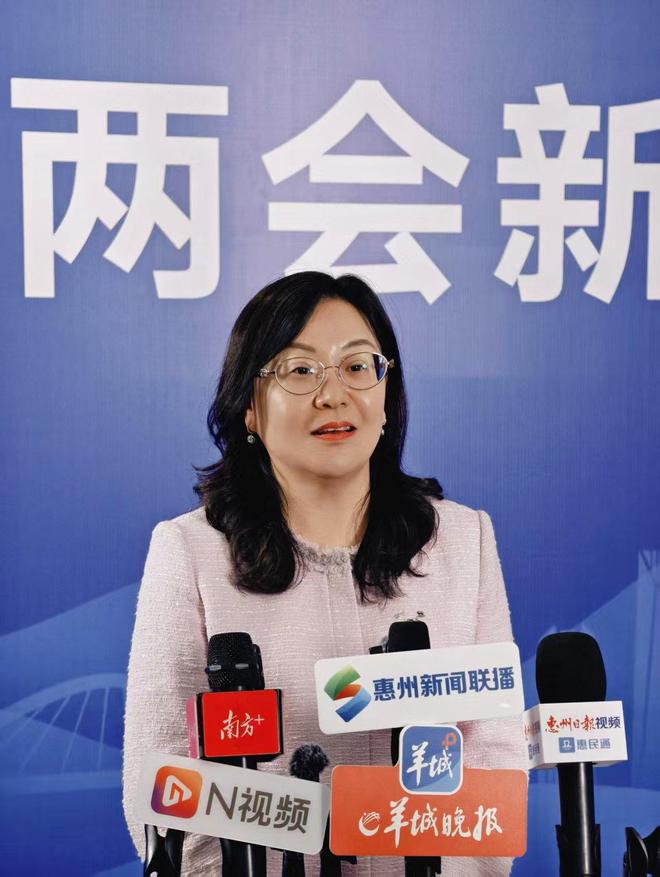
惠州两会 秘海英:从四方面推进消费新业态新场景新模式
Nan Fang Du Shi Bao· 2026-02-05 09:14
Group 1 - The core viewpoint is that consumer spending is a key driver of economic growth, with Huizhou achieving the highest retail sales growth rate in the province during the first three quarters [1] - The growth in Huizhou's retail sector is attributed to innovative experiential consumption scenarios, the thriving first-store economy, and strong support from policies such as trade-in programs and cultural tourism vouchers [1] Group 2 - Suggestions for promoting new consumption formats and expanding domestic demand include government-led policies and city-level promotional activities to enhance consumer engagement and unleash spending potential [3] - Encouragement for commercial entities to increase the introduction of first stores and A-class stores to enrich the city's commercial brand diversity and better meet local consumer needs [4] - Focus on service consumption and experiential scenarios, with policies to encourage the development of new growth points in service consumption, integrating commerce with culture, sports, and entertainment [4] - Promotion of deep integration of culture, commerce, industry, and tourism, with government-led initiatives to create platforms for collaboration, encouraging industries with market potential to establish presence in commercial spaces [4]
北京商业论坛解码潮尚消费
Bei Jing Shang Bao· 2026-01-19 15:17
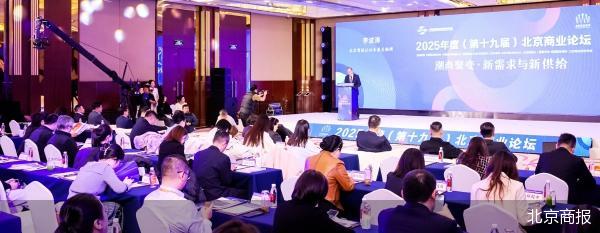
Core Insights - The article discusses the importance of integrating traditional and fashionable elements to rejuvenate consumer vitality and cultivate growth highlights in the context of new consumption trends [2][3]. Group 1: Event Overview - The 2025 Beijing Commercial Forum, themed "潮尚聚变·新需求与新供给," was successfully held, gathering representatives from various sectors to discuss fashion consumption and trends [2]. - The forum aims to contribute wisdom for expanding consumption, enhancing business quality, and breaking through brand challenges [2]. Group 2: Key Findings from the Blue Book - The annual report titled "2025 Beijing Commercial Development Blue Book" highlights the new logic, scenarios, and dynamics of Beijing's commercial consumption, focusing on "潮尚消费" [3]. - The report indicates that true quality consumption is characterized by fashion and trend attributes, which can expand the supply of quality consumer goods and services [3]. Group 3: Forum Discussions and Collaborations - The forum featured discussions on hot topics such as fashion trends, pet economy, and live e-commerce, with insights from leading companies and industry experts [3]. - A strategic cooperation agreement was signed between the "Beijing Top Ten Commercial Brand Activities" committee and Ningbo Bank Beijing Branch to explore financial services that better meet consumer needs [3]. Group 4: Forum's Role in Industry Development - The Beijing Commercial Forum has become an authoritative platform for understanding the pulse of Beijing's commerce and guiding industry development [4]. - The forum is dedicated to creating an open and efficient communication platform to discuss trends and solve challenges, aiming for high-quality development in Beijing's commercial sector [4].
未来4年武汉甲级写字楼市场新增供应超百万方 精细化运营与差异化竞争成关键
Zhong Guo Jing Ying Bao· 2026-01-16 23:58
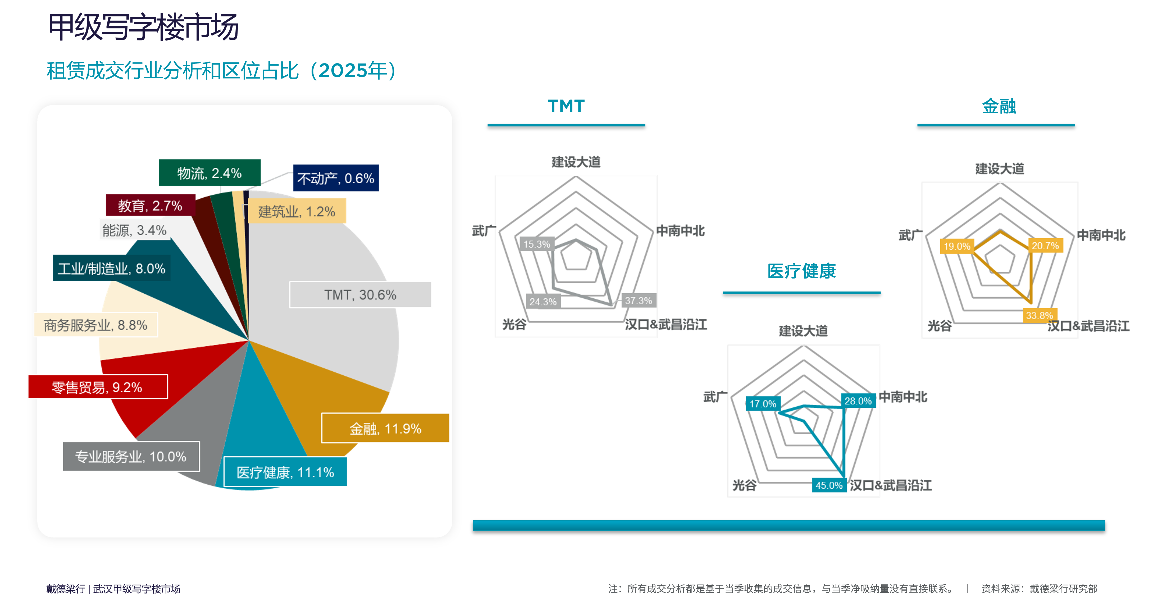
Core Insights - The Wuhan Grade A office market is expected to experience a significant increase in supply, with approximately 1.12 million square meters set to be added over the next four years, primarily concentrated in the Hankou and Wuchang riverside areas [1][4]. Grade A Office Market Overview - In 2025, the Wuhan Grade A office market will see an addition of about 230,000 square meters, raising the total stock in the core business district to 3.433 million square meters [4]. - The TMT (Technology, Media, and Telecommunications) sector is projected to be the main driver of leasing activity, accounting for 35.9% of the new space leased in 2025 [4][6]. - Average rental rates for Grade A offices in Wuhan fell to 73.3 yuan per square meter per month, a decrease of 11.2% year-on-year, while the vacancy rate rose to 39.1%, an increase of 2.7 percentage points compared to the previous year [5]. Market Dynamics and Trends - The overall demand for Grade A office space in Wuhan is undergoing a phase of contraction due to cautious expansion attitudes among companies, with a net absorption of 59,000 square meters in 2025, reflecting a year-on-year decline of 33.4% [5][6]. - Operators are adopting diversified leasing strategies, including co-working spaces and customized services, to attract tenants amid rising competition and increased vacancy rates [5][6]. Sector-Specific Demand - The main sectors supporting the Grade A office leasing market in 2025 are TMT, finance, and healthcare, contributing 30.6%, 11.9%, and 11.1% respectively to the leasing activity [6]. - Cost control remains a core driver for relocations, accounting for 58.3% of demand, while new demand remains limited [6]. Future Outlook - The competition in the Grade A office market is expected to intensify, particularly along the Yangtze and Han rivers, challenging landlords to enhance operational efficiency and differentiate their offerings [6].
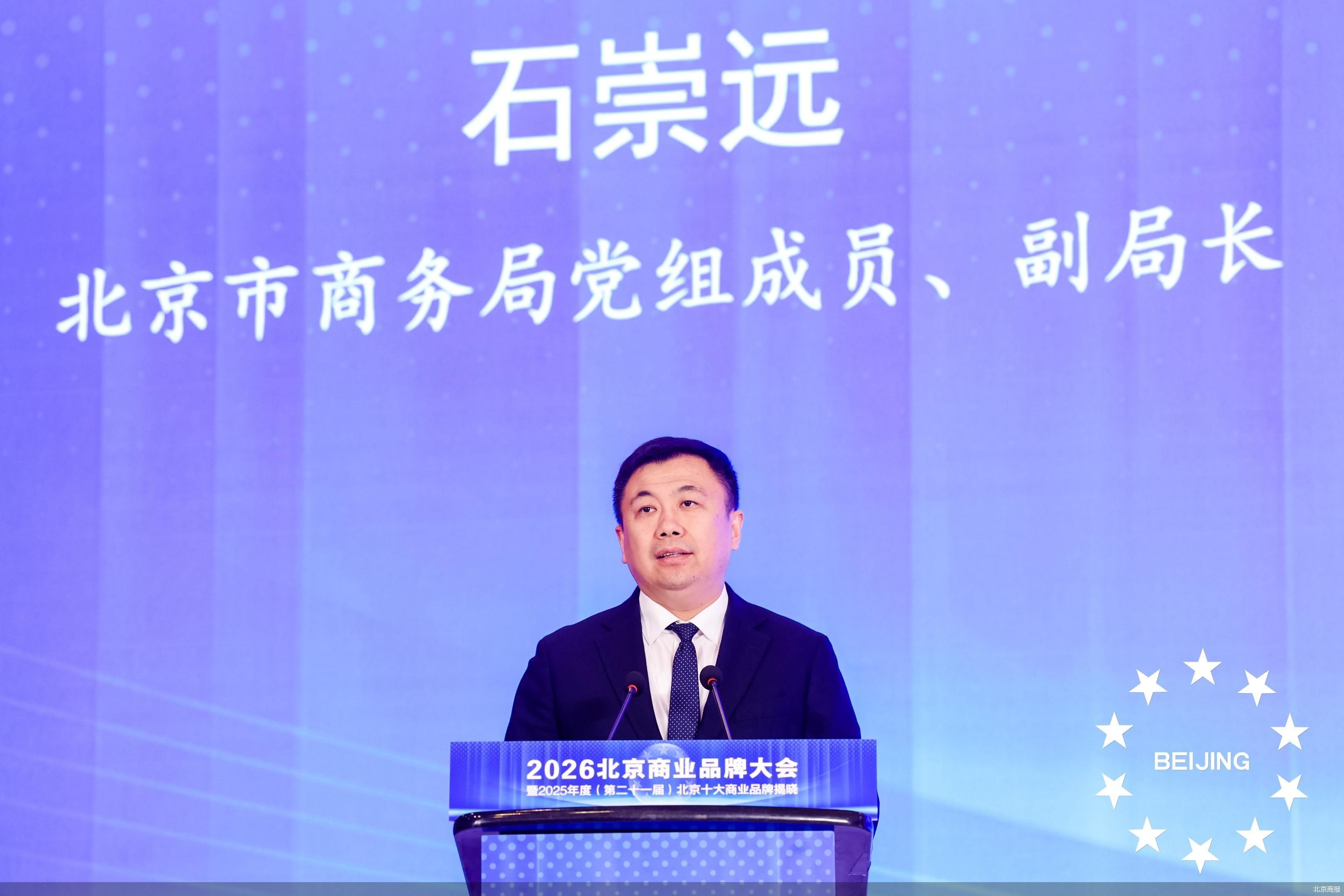
北京市商务局党组成员、副局长石崇远:北京获批多项试点为商业企业提供多种机遇
Bei Jing Shang Bao· 2026-01-16 10:11
Group 1 - The 2026 Beijing Commercial Brand Conference and the announcement of the 2025 Top Ten Commercial Brands took place in Beijing, focusing on the theme "New Demand, New Supply" [1] - The event was guided by the Beijing Municipal Bureau of Commerce and co-hosted by the Beijing Daily Media Group and the Beijing Commercial Association, highlighting the highest level of commercial brands in Beijing [1] Group 2 - The Deputy Director of the Beijing Municipal Bureau of Commerce, Shi Chongyuan, stated that Beijing has successfully obtained multiple pilot approvals, injecting new momentum and opportunities into commercial development [4] - The "Three New Pilot" initiatives focus on new business formats, new models, and new scenarios, promoting the development of first-release economy, service consumption innovation, and IP cross-border collaboration [4] - The international consumption environment construction pilot emphasizes high quality and international adaptability, while the modern commercial circulation system pilot covers urban and rural commerce, essential goods supply, rural circulation, and backbone enterprise cultivation [4]
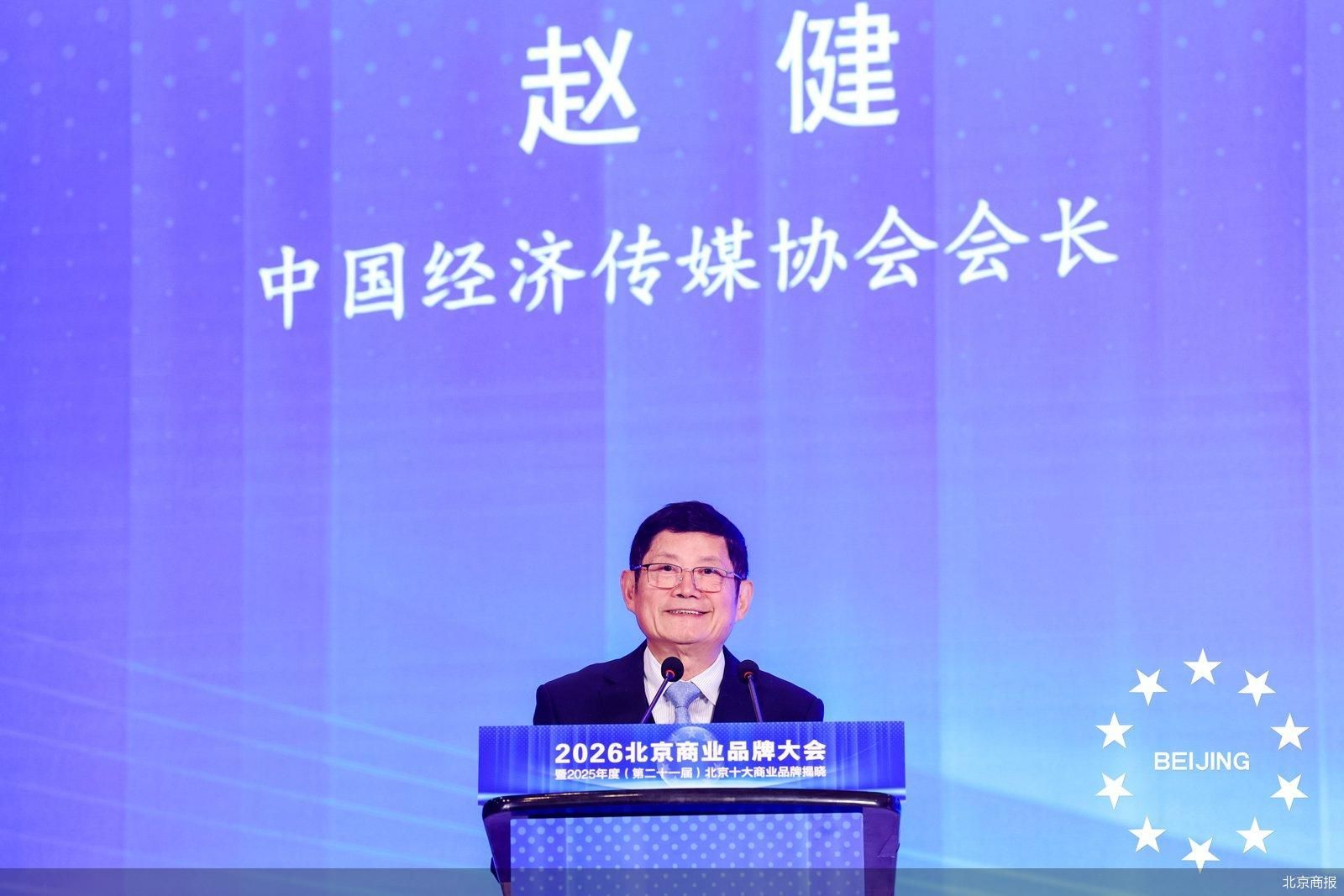
中国经济传媒协会会长赵健:新需求下消费者更注重情绪价值与文化认同
Bei Jing Shang Bao· 2026-01-16 07:51
Core Insights - The 2026 Beijing Commercial Brand Conference and the announcement of the 2025 Top Ten Commercial Brands took place in Beijing, focusing on the theme of "New Demand, New Supply" [1] - The event gathered government leaders, commercial experts, and corporate representatives to celebrate outstanding brands representing the highest level of Beijing's commercial landscape [1] Group 1 - Zhao Jian, President of the China Economic Media Association, emphasized three key concepts: "Momentum," "Driving Force," and "Co-construction," discussing the development of commercial brands and boosting consumption [3] - Zhao highlighted that expanding domestic demand is a cornerstone for stable growth and a main engine for high-quality development, with final consumption expenditure contributing 53.5% to economic growth in the first three quarters of 2025, an increase of 9% from the previous year [3] - Beijing is positioned as a pioneer in cultivating an international consumption center, showcasing a consumption ecosystem characterized by "vibrant atmosphere, international style, and Chinese trends," which exemplifies the strategy of expanding domestic demand [3] Group 2 - Consumers are increasingly valuing emotional connection and cultural identity, seeking personalized and meaningful experiences, which shifts brand competition towards long-term engagement with "hearts" and "communities" [3] - The integration of commerce, culture, tourism, and sports in Beijing's commercial circles demonstrates that rich supply and innovative scenarios are key to brands winning market share [3]
文商旅体激活城市商圈
Xin Lang Cai Jing· 2026-01-12 22:06
Core Insights - The New District of Zunyi City is leveraging cultural, tourism, and sports activities to drive economic growth, particularly through events like the New Year's Eve celebration in 2025 [1] Group 1: Economic Development - The New District aims to create a "Zunyi Reception Hall" by integrating government, culture, and tourism [1] - In recent years, the New District has established and operated 4 large shopping malls, 8 large supermarkets, 4 characteristic commercial streets, and 21 large hotels [1] - The area has developed a convenient 20-minute "economic circle" connecting various cultural and sports facilities [1] Group 2: Tourism and Events - In 2025, the New District is expected to host over 70 large-scale events, exhibitions, and competitions, attracting more than 5.3 million visitors [1] - The integration of cultural, commercial, and sports activities is enhancing the city's economic vitality [1]