预制食品

Search documents
以钉钉子精神狠抓重点任务落实
Xin Lang Cai Jing· 2026-02-25 23:03
一是强化规划引领,聚焦构建现代化产业体系提质量促增长。科学编制新型工业化规划,强化重 大工业项目支撑,推动储备项目落地转化,加快新兴产业项目建设,形成持续增量。以"增量对冲 减量"为重要抓手,力争实现一季度"开门红"。 坚决完成全年经济社会发展目标任务 省发展改革委主任 曹俊杰 今年是"十五五"规划开局之年,省发展改革委将认真履行宏观调控和经济综合部门职责,牢固树 立和践行正确政绩观,全力以赴拼经济搞建设,埋头苦干、拼搏实干,坚决完成全年经济社会发 展目标任务。 一是拼担当、强落实,确保各项决策部署落地见效。坚持"拼"字当头,全面对标中央和省委、省 政府重大战略部署,不折不扣雷厉风行抓好落实,为跑好关键时期第一程奠定坚实基础。落实成 渝地区双城经济圈建设"十五五"实施方案,加力实施100项年度重点任务和350个共建重点项目, 推动打造"一廊两带",加快建设国家区域发展"第四极"。优化五大片区空间布局"一张图",支持 成都做优做强极核功能,提升省域经济副中心和区域中心城市支撑能力,支持29个扩权赋能县 (市)率先高质量发展,推动39个欠发达县域加快追赶、跨越发展。 二是拼实干、强信心,推动经济稳中有进量质齐升。 ...
食品饮料行业跟踪报告:预制菜将迎国标,行业规范化加速
Huachuang Securities· 2026-02-10 02:35
Investment Rating - The industry investment rating is "Recommended," indicating an expected increase in the industry index by over 5% compared to the benchmark index in the next 3-6 months [19]. Core Insights - The release of the national standard for prepared dishes marks the beginning of a new phase of standardization in the industry, promoting high-quality development [7]. - The new regulations define prepared dishes as pre-packaged meals that require heating before consumption, excluding staple foods and ready-to-eat items, thereby establishing a clear framework for industry compliance [7]. - The standards prohibit the addition of preservatives and emphasize the principle of "no unnecessary additives," while also shortening the maximum shelf life to 12 months to address consumer concerns about freshness [7]. - The announcement encourages transparency in the food supply chain, allowing consumers to make informed choices based on clear labeling of food preparation methods [7]. - The trend towards industrialization in the food supply chain is expected to continue, with companies adopting centralized kitchens and efficient sourcing methods to meet consumer demands for safety and transparency [7]. - The report suggests that leading companies in the frozen food sector and customized meal preparation are likely to benefit from these regulatory changes, while smaller, lower-quality producers may be phased out [7]. Industry Overview - The food and beverage industry consists of 126 listed companies with a total market capitalization of approximately 46,315.24 billion [4]. - The absolute performance of the industry over the past month, six months, and twelve months is 2.9%, 2.6%, and 5.0%, respectively, while the relative performance shows a decline of 12.4% over six months and 16.2% over twelve months compared to the benchmark [5].
高盛:聚焦中国消费必需品三大主题 2026年筑底机会浮现
Zhi Tong Cai Jing· 2026-01-14 01:40
高盛发布研报称,去年中国消费必需品行业呈现"上下半年分化"格局,5月18日发布的反贪腐政策成为 关键分水岭。政策出台前,行业表现稳定,部分企业凭借产品周期、市占率提升或稳定股东回报实现增 长,如农夫山泉(09633)、中宠股份(002891)(002891.SZ)、万洲国际(00288)、康师傅控股(00322)及百 威亚太(01876)。 高盛指出,行业竞争加剧且分化显著。食品饮料行业竞争激烈,企业需加大促销及新产品推广力度;啤 酒行业面临价格竞争加剧;而调味品及预制食品龙头企业的竞争环境相对有利。 高盛建议,在2026年上半年仍以增长股为主,下半年随筑底机会浮现,可逐步转向价值股。整体而言, 高盛看好饮料行业的长期增长潜力,并对调味品、预制食品及乳业的复苏持更乐观态度。 展望2026年,高盛认为行业复苏仍取决于再通胀进程及政策方向,扩大内需已成首要任务,聚焦三大主 题:(1)筑底或转势;(2)渠道重组与自有品牌影响;(3)竞争动态与成本趋势。 该行认为行业有望在下半年筑底,尤其是烈酒、乳业的周期性复苏,以及啤酒、调味品和预制食品等即 饮场景的增长,预计烈酒今年下半年逐步复苏,主要由于商务宴请及高端需求回暖 ...
巴比食品(605338):开店加速在即,打开成长上限:巴比食品(605338):跟踪分析报告
Huachuang Securities· 2025-12-26 08:43
Investment Rating - The report maintains a "Strong Buy" rating for the company with a target price of 35.6 yuan [1]. Core Insights - The company is set to accelerate its store openings, which will enhance its growth potential. The new store model has been validated, and the company aims to achieve its 2025 store opening targets. The report outlines a three-phase growth strategy: "from 0 to 1," "from 1 to 10," and "from 10 to 100," indicating a clear operational turning point and the beginning of a new growth cycle [6][7]. Financial Summary - Total revenue is projected to grow from 1,671 million yuan in 2024 to 2,540 million yuan in 2027, with a compound annual growth rate (CAGR) of 20.6% in 2027 [2]. - Net profit attributable to the parent company is expected to increase from 277 million yuan in 2024 to 408 million yuan in 2027, reflecting a growth rate of 25.7% in 2027 [2]. - Earnings per share (EPS) are forecasted to rise from 1.15 yuan in 2024 to 1.70 yuan in 2027, with corresponding price-to-earnings (P/E) ratios decreasing from 25 times in 2024 to 17 times in 2027 [2][7]. Store Expansion Strategy - The company has successfully opened new stores in various regions, including Jiangsu, Zhejiang, Shanghai, Guangdong, and Hubei, validating the replicability of its new store model. The upcoming franchisee conferences and the peak opening season after the Spring Festival are expected to catalyze further growth [6][7]. - The report anticipates that the company will reach a mid-term target of 1,500 to 2,000 new stores, with potential for even greater expansion in the long term [6][7]. Market Position and Competitive Advantage - The company is positioned as a leader in the steamed bun industry, with a focus on continuous innovation and operational efficiency. The report emphasizes the attractiveness of the business model to franchisees, which is expected to drive further expansion and enhance brand strength [6][7].

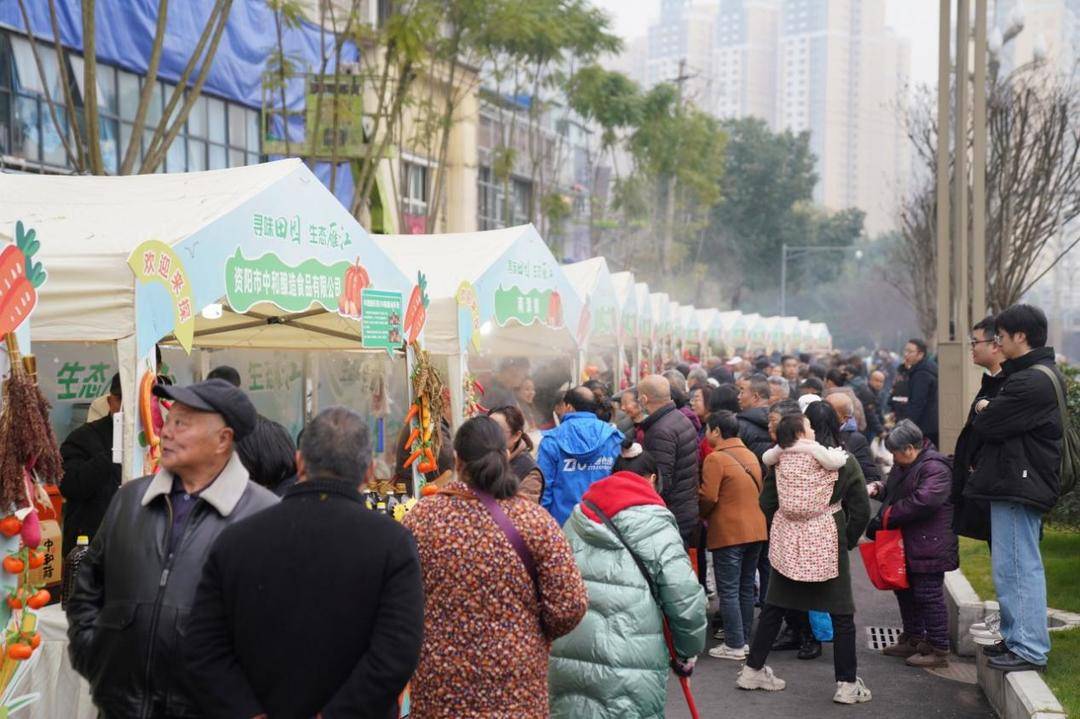
为期两天 资阳雁江区在地铁口开启消费推广活动
Sou Hu Cai Jing· 2025-12-12 16:10
Core Viewpoint - The "Shu Li An Yi · Source Flavor Yanjiang" consumption season promotion event aims to connect local agricultural and industrial products with consumers, enhancing local economic activity and promoting regional specialties [1][3]. Group 1: Event Overview - The event took place in Yanjiang District, Ziyang City, Sichuan, featuring 28 unique booths showcasing agricultural products, industrial goods, and local merchants [1]. - The event is designed to provide a one-stop shopping experience, covering the entire agricultural and industrial product chain [3]. Group 2: Product Highlights - Featured products included local delicacies such as "Jiang E'er" marinated goose, fresh crayfish, and unique local citrus fruits, which attracted significant consumer interest [3]. - Industrial products showcased included pre-packaged egg products and deep-processed food items from local companies, emphasizing quality and local demand [3]. Group 3: Economic Impact - The event is expected to attract over 50,000 participants and generate nearly 1 million yuan in consumer spending [3]. - The promotion aligns with Sichuan Province's initiative to cultivate the "Shu Li An Yi" consumption brand, leveraging the region's ecological advantages [3].

朗新集团第二总部落户武汉光谷 AI重塑能源产业助推“双碳”战略
Chang Jiang Shang Bao· 2025-11-19 23:48
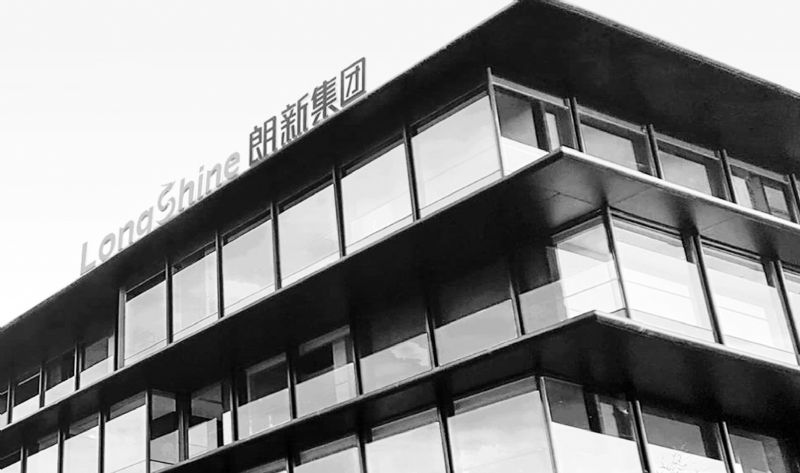
Core Insights - Longxin Group has officially established its headquarters in Wuhan, marking a significant step in its strategic layout and showcasing its "AI + Energy" integration innovations [2][8] - The company plans to invest 3 billion yuan in the East Lake High-tech Zone over the next five years to develop its energy integration business headquarters [3][8] Company Overview - Longxin Group, founded in 2003 and listed on the Shenzhen Stock Exchange in 2017, focuses on AI-driven energy technology strategies, utilizing digitalization, AI, IoT, and power electronics to promote green development [3][6] - The company reported a net profit of 106 million yuan for the first three quarters of 2025, a year-on-year decrease of approximately 34%, primarily due to rapid revenue recognition in the previous year [3] Technological Developments - The newly established "Longxin Jiugong Artificial Intelligence Laboratory" aims to develop AI technologies for energy systems, including virtual power plants and market trading [5][8] - The laboratory will collaborate with local universities to foster talent and innovation in AI and energy sectors [5] Regional Development - Wuhan has become a hub for various enterprises, including Longxin Group, due to its favorable business environment and abundant talent pool, with over 130,000 university students [6][7] - The East Lake High-tech Zone has optimized its business environment and introduced policies to support technological innovation, contributing to the growth of the AI and energy sectors [7][8] Strategic Goals - Longxin Group aims to leverage its Wuhan headquarters to focus on key areas such as renewable energy consumption, market trading, and carbon neutrality initiatives [8]
预制食品行业深度报告解读
2025-10-27 00:31
Summary of the Pre-prepared Food Industry Conference Call Industry Overview - The pre-prepared food industry is experiencing favorable policies, with a notification from six departments in 2024 clarifying the scope of pre-prepared dishes, which is expected to promote high-quality development in the industry [1][4] - The frozen food market in China benefited from the development of cold chain logistics and consumption upgrades, reaching a market size of 199.2 billion yuan in 2022, with a compound annual growth rate (CAGR) of 10.25%, projected to reach 330 billion yuan by 2025 [1][5] - The frozen hot pot ingredient market is continuously growing, with a market size of 52 billion yuan in 2021, expected to reach 83.3 billion yuan by 2025 [1][6] - The frozen noodle and rice products market has entered a mature phase, with a market size of 78.2 billion yuan in 2021, projected to exceed 100 billion yuan by 2025 [1][7] - The pre-prepared dishes market is rapidly growing, with a market size of 419.6 billion yuan in 2022, a year-on-year increase of 21.31%, and expected to surpass 1 trillion yuan by 2026 [1][8] Key Players and Market Structure - The upstream of the pre-prepared food industry includes raw material suppliers from agriculture, forestry, animal husbandry, and fishery, as well as packaging materials [2] - The midstream consists of five categories: agricultural and aquaculture companies, traditional frozen food companies, specialized pre-prepared food companies, restaurant chains, and retail companies [2] - The downstream includes large B-end, small B-end, and C-end markets, covering diverse dining scenarios such as chain restaurants, takeout, and group meals [2] Market Dynamics and Trends - Chain restaurants adopting pre-prepared dishes can improve service speed, stabilize quality, and reduce costs, with leading chain restaurants using pre-prepared dishes exceeding 85%, increasing profit margins from 25% to 32% [3][10] - The online takeout market in China grew from 0.3 trillion yuan in 2017 to 1.12 trillion yuan in 2022, increasing its share of the overall dining market from 7.6% to 20% [10] - The group meal market is expected to maintain a growth rate of around 10%, with a low concentration level (CR100 of only 6.7%) indicating significant potential for consolidation [11] Consumer Insights - C-end consumers of pre-prepared dishes are primarily women, middle to high-income individuals in first and second-tier cities, and young adults [13] - The trend of smaller households and a faster-paced lifestyle are driving the demand for pre-prepared dishes, with sales on major e-commerce platforms increasing by 120.5% year-on-year in January 2024 [13] Competitive Landscape - The frozen hot pot ingredient market has a low concentration (CR5 of only 15%), indicating potential for further consolidation, with key players including Anjijia and Haixin [7] - The frozen noodle and rice products market has a high concentration (CR3 of 64%), dominated by three major players: Sanquan, Sinian, and Wanchai Ferry [7] Future Outlook - The pre-prepared food market in China is considered a blue ocean market, with a projected size of 1 trillion yuan by 2026, and low industry concentration suggesting ample growth opportunities [15] - Companies with product, customer, channel advantages, and high supply chain efficiency are expected to stand out, with recommendations to focus on leading companies like Anjijia and Qianwei Central Kitchen, as well as others like Longda Meishi and Weizhi Xiang [15]
天水麻辣烫、淄博烧烤、荣昌卤鹅⋯⋯“泼天流量”退去后,这些城市怎么样了?
3 6 Ke· 2025-10-10 04:06
Core Insights - The article discusses the transformation of small cities into popular tourist destinations through social media and flow economy, focusing on the "post-internet celebrity era" of urban development [1] Group 1: Tianshui's Success - Tianshui, a small city in Northwest China, gained popularity due to its spicy hotpot, with visitor numbers remaining high even after the initial surge [2][7] - The number of hotpot restaurants in Tianshui has increased fivefold to around 1,400 since its rise to fame [4] - Tianshui aims to elevate its hotpot to a recognized regional delicacy and has initiated trademark registration and industry association formation to support this goal [6] Group 2: Economic Impact - In 2024, Tianshui received 59.5 million tourists, generating a tourism revenue of 38.3 billion yuan, both showing over 23% growth [6] - The city has signed 253 investment projects with a total investment of 798.63 billion yuan, indicating a strong economic response to its newfound popularity [8] Group 3: Zibo's Strategy - Zibo, another city that gained fame for its barbecue, is working to diversify its tourism offerings beyond just food, aiming for a more sustainable tourism model [10][12] - The city has set a target to receive 65 million tourists and achieve over 64 billion yuan in tourism revenue by 2026 [12] - Zibo's industrial strategy includes developing a pre-packaged food industry and focusing on four key sectors: new materials, intelligent equipment, new pharmaceuticals, and electronic information [13] Group 4: Rongchang's Challenges - Rongchang, known for its "Lu Goose," experienced a significant influx of tourists but is now facing challenges in maintaining that interest [15][19] - The area saw a 743.6% increase in visitors during the May holiday, but numbers dropped significantly during the subsequent holiday period [17] - The local government has launched a development plan aiming for over 1 billion yuan in output value for the goose industry by 2026, indicating a strategic shift towards sustainable growth [19]
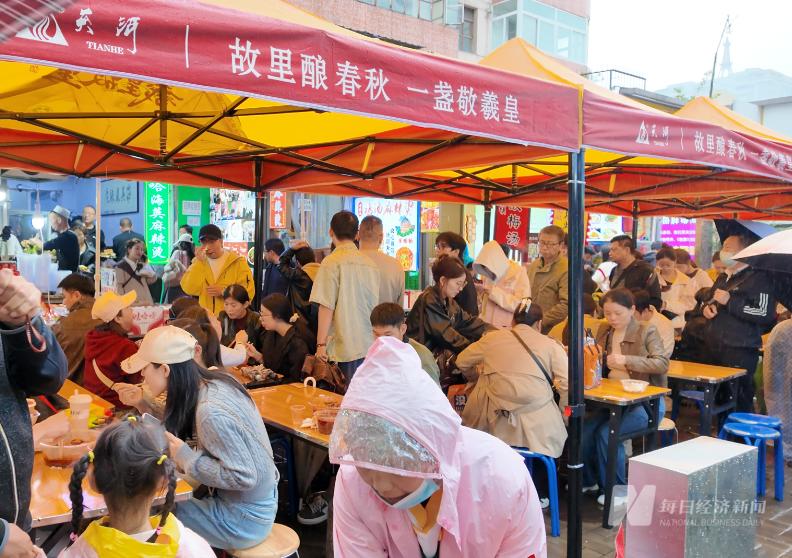
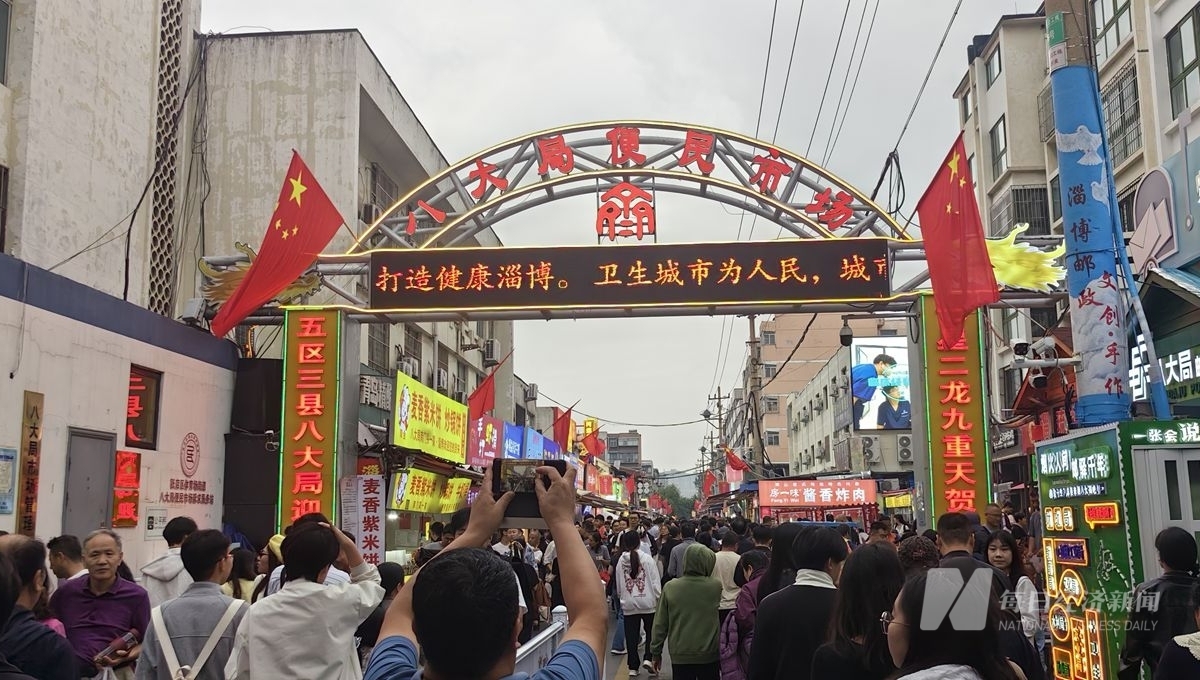
淄博凉了?记者实探:烧烤店“下午5点就排队,凌晨2点才收摊”,博物馆被挤爆!当地:已实现从“网红”到“长红”关键一步
Mei Ri Jing Ji Xin Wen· 2025-10-04 12:53
Core Insights - The article discusses the transformation of the city of Zibo from a "viral city" driven by its barbecue culture to a more sustainable and diversified urban identity, focusing on long-term development strategies rather than short-term trends [2][20]. Group 1: Zibo's Viral Phenomenon - Zibo became a phenomenon in early 2023 due to its barbecue culture, attracting significant attention and visitors [2][5]. - The city has experienced fluctuations in its popularity, with discussions about its status as a "viral city" becoming common [2][6]. - Despite concerns about declining interest, Zibo has maintained a steady flow of visitors during peak seasons, indicating a resilient tourism sector [5][11]. Group 2: Strategic Shift in Development - Zibo's government has shifted its focus from short-term viral trends to long-term industrial and cultural development, emphasizing "new quality productivity" and manufacturing upgrades [2][10]. - The city has established a "high-quality development command" to enhance its cultural and tourism sectors, reflecting a strategic pivot from merely capitalizing on barbecue fame to fostering a broader cultural identity [9][10]. - The local government aims to transform the influx of visitors into sustained interest in the city's diverse offerings, moving beyond the barbecue label [11][12]. Group 3: Economic Impact and Growth - In 2023, Zibo's retail sales of consumer goods increased by 9.6%, with significant growth in the accommodation and catering sectors, indicating a positive economic impact from the viral phenomenon [6][10]. - The city has set ambitious tourism goals, aiming to attract 65 million visitors and achieve over 64 billion yuan in tourism revenue by 2026 [10][18]. - Zibo's industrial transformation is evident, with the contribution of its four key industries rising from 48.9% to 59.8% of the city's industrial output from 2021 to 2024 [17][18]. Group 4: Talent Attraction and Future Prospects - Zibo has implemented policies to attract young talent, successfully bringing in over 40,000 graduates annually, which supports its industrial and economic transformation [18][19]. - The city has established a clear development goal to achieve a GDP of over 700 billion yuan and to join the "trillion GDP club" within the next decade [19][20]. - Zibo's approach to leveraging its viral status as a catalyst for broader economic and cultural development serves as a model for other cities [20][21].
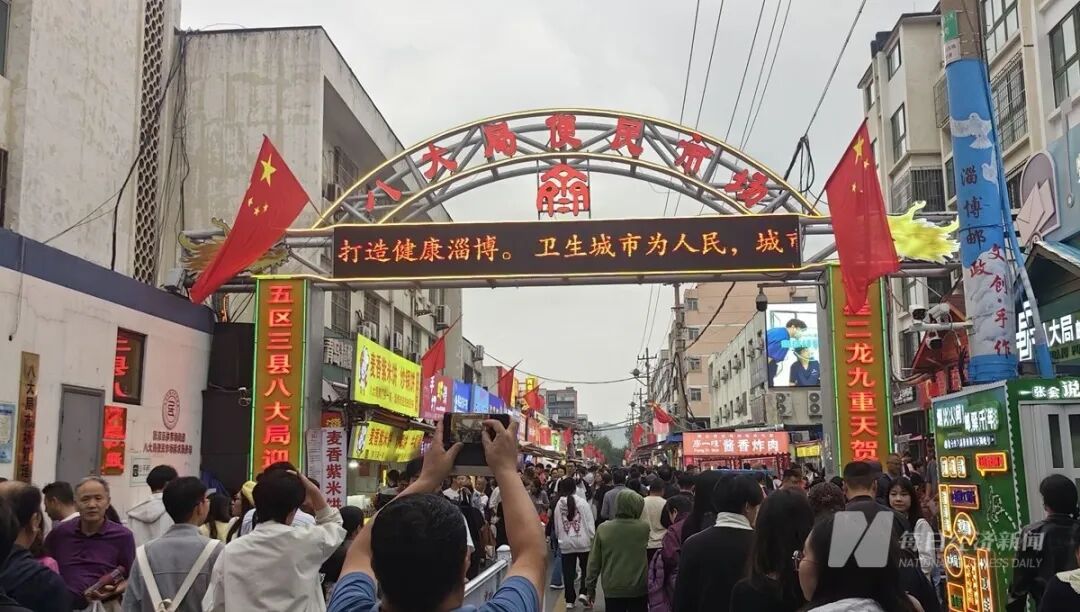
再访淄博,“网红”喧嚣过后的万亿雄心
Mei Ri Jing Ji Xin Wen· 2025-10-04 11:07
Core Insights - The article discusses the transformation of the city of Zibo from a traditional industrial base to a "internet celebrity city" driven by the popularity of its barbecue culture, highlighting the strategic shift in its development focus from short-term tourism to long-term industrial growth [2][12][25] Tourism and Cultural Development - Zibo became a phenomenon in early 2023 due to its barbecue offerings, leading to a surge in tourism and consumer spending, with retail sales increasing by 9.6% year-on-year, surpassing provincial and national averages [5][9] - The city is now working to diversify its tourism offerings beyond barbecue, aiming to enhance its cultural and tourism brand through various events and attractions [8][9][11] - Zibo's government has shifted its focus from managing the barbecue craze to promoting high-quality development in the cultural and tourism sectors, indicating a strategic transition [9][12] Economic and Industrial Transformation - Zibo is leveraging its industrial heritage to develop a robust food processing and logistics sector, aiming to become a hub for pre-prepared food production, targeting a billion-level industry cluster [16][20] - The city is also focusing on upgrading its traditional industries and fostering new sectors such as hydrogen energy, robotics, and electronic information, with the goal of increasing the proportion of its "four strong" industries in the overall industrial output [18][19] - Zibo's government has implemented policies to attract talent, successfully bringing in over 40,000 graduates annually, which is crucial for its industrial transformation [20][21] Strategic Insights - The article emphasizes Zibo's strategic clarity in maintaining its focus on industrial upgrades while utilizing the influx of tourism as a catalyst for broader economic development [22][23] - Zibo's approach to managing the "internet celebrity" phenomenon is characterized by a commitment to enhancing public services and urban governance, ensuring that the benefits of increased visibility translate into sustainable growth [23][25] - The city's long-term vision includes ambitious economic targets, such as achieving a GDP of over 700 billion yuan and a total industrial output exceeding one trillion yuan within the next decade [20][22]