电子电器

Search documents
突发利好!大涨!
Zhong Guo Ji Jin Bao· 2025-10-31 01:45
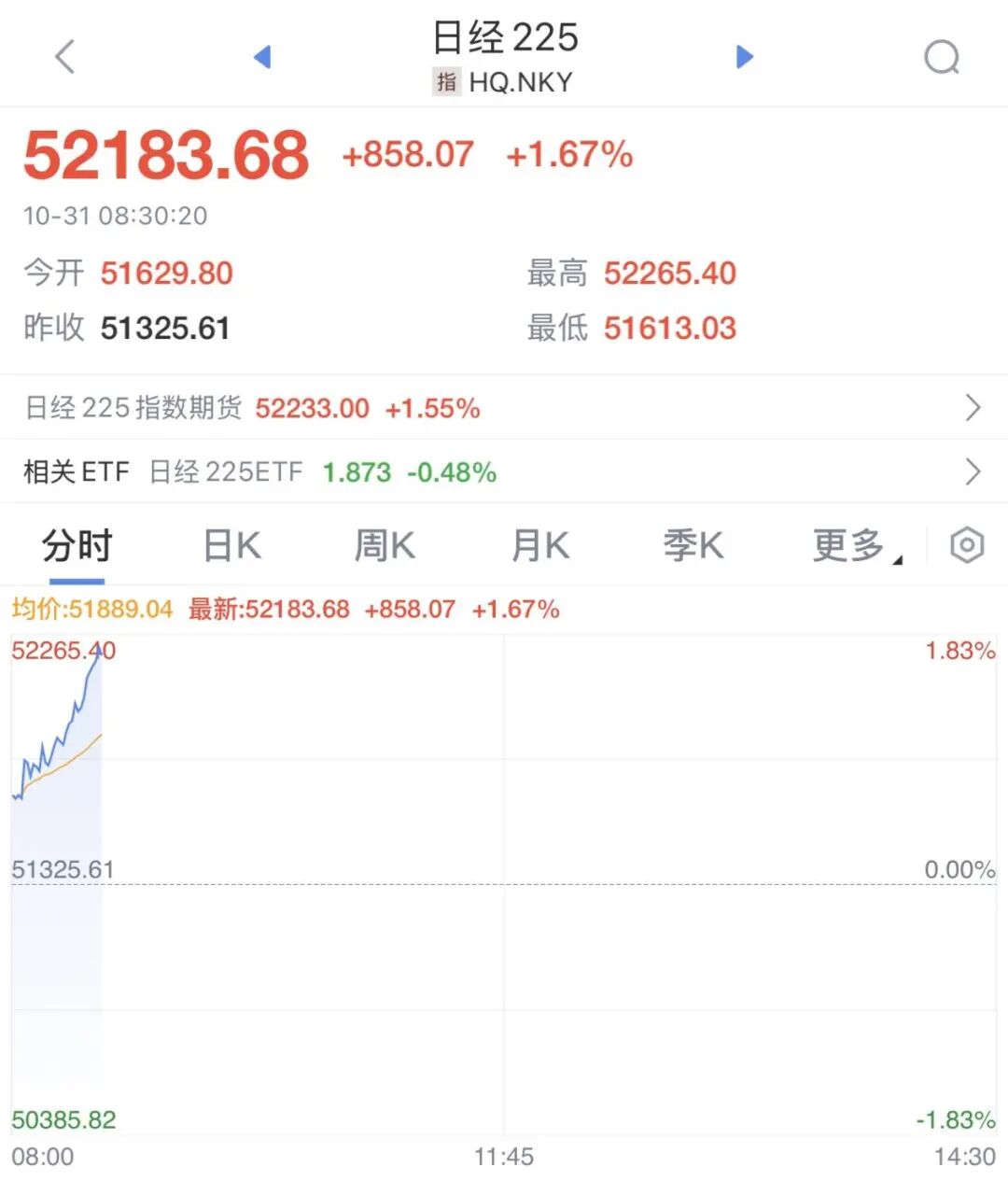
Market Overview - The Nikkei 225 index in Japan has surpassed 52,000 points for the first time, with an intraday increase of 1.67% on October 31 [2] - The Tokyo Stock Exchange index also reached a new high, with a 1% increase [2] Economic Indicators - Tokyo's consumer prices accelerated, with the October year-on-year increase (excluding fresh food) rising from 2.5% in September to 2.8%, exceeding economists' median forecast of 2.6% [3] - Japan's retail sales in September grew by 0.3% month-on-month, below the forecast of 0.8%, and increased by 0.5% year-on-year, also below the expected 0.7% [4] - Industrial output in Japan for September rose by 2.2% month-on-month, surpassing the forecast of 1.5%, and increased by 3.4% year-on-year, exceeding the expected 1.8% [4] Company Performance - Hitachi's stock surged over 10%, marking its largest increase since October 3, following the release of its mid-term report showing a half-year revenue of 47,874.1 million yen, a year-on-year increase of 5.31%, and a net profit of 4,728.62 million yen, up 61.79% [5] - Panasonic's stock fell over 9% after it downgraded its full-year profit forecast, reporting a half-year revenue of 38,204.8 million yen, a year-on-year decrease of 10.13%, and a net profit of 1,424.04 million yen, down 24.62% [5] South Korean Market - The KOSPI index in South Korea opened lower but quickly rebounded, currently up by 0.36% [6][7] - South Korea's industrial output in September decreased by 1.2% month-on-month, contrary to the expected growth of 0.1%, while year-on-year growth was reported at 11.6%, exceeding the forecast of 5.8% [7]

新华社“四中全会精神在基层”专栏:首篇关注广东高质量发展
2 1 Shi Ji Jing Ji Bao Dao· 2025-10-30 15:54
Group 1 - The 20th Central Committee of the Communist Party of China held its fourth plenary session, outlining the guiding principles and main goals for the 14th Five-Year Plan, emphasizing the continuation of China's modernization and economic development [4][5] - Guangdong, as a leading economic province, aims to solidify its position by planning for the 14th Five-Year Plan and striving to build a modernized economy [5][17] - The 138th Canton Fair has set a new record with 74,600 exhibition booths and over 32,000 participating companies, showcasing the vitality and confidence of the Chinese economy [8][9] Group 2 - Guangdong is focusing on high-level technological self-reliance and innovation, with companies like TCL emphasizing the importance of independent research and development [9][11] - The establishment of the first government-affiliated AI and robotics agency in Shenzhen aims to promote the development of the AI and robotics industry [11] - The low-altitude economy is a strategic emerging industry in Guangdong, with efforts to build 5G-A bases and create more application scenarios [13] Group 3 - The "Shenzhen-Hong Kong-Guangzhou" cluster ranks first in the Global Innovation Index, highlighting Guangdong's commitment to building a globally competitive modern industrial system [17] - The province is implementing reforms to bridge the development gap between urban and rural areas, with initiatives to enhance the quality of life for residents [19][26] - Guangdong is actively promoting the integration of the Guangdong-Hong Kong-Macao Greater Bay Area, enhancing connectivity and public services across the region [21][23][24] Group 4 - The province is focusing on improving public welfare and addressing citizens' needs, with initiatives to enhance healthcare access and quality in rural areas [29] - The government is committed to upgrading living conditions through urban renewal projects, transforming old buildings into modern facilities [28] - Guangdong's approach to governance emphasizes responsiveness to public concerns, as seen in the quick resolution of community issues [25][26]
海信集团董事长贾少谦:坚持创新无捷径,挖掘需求“真痛点”
Mei Ri Jing Ji Xin Wen· 2025-10-30 10:37
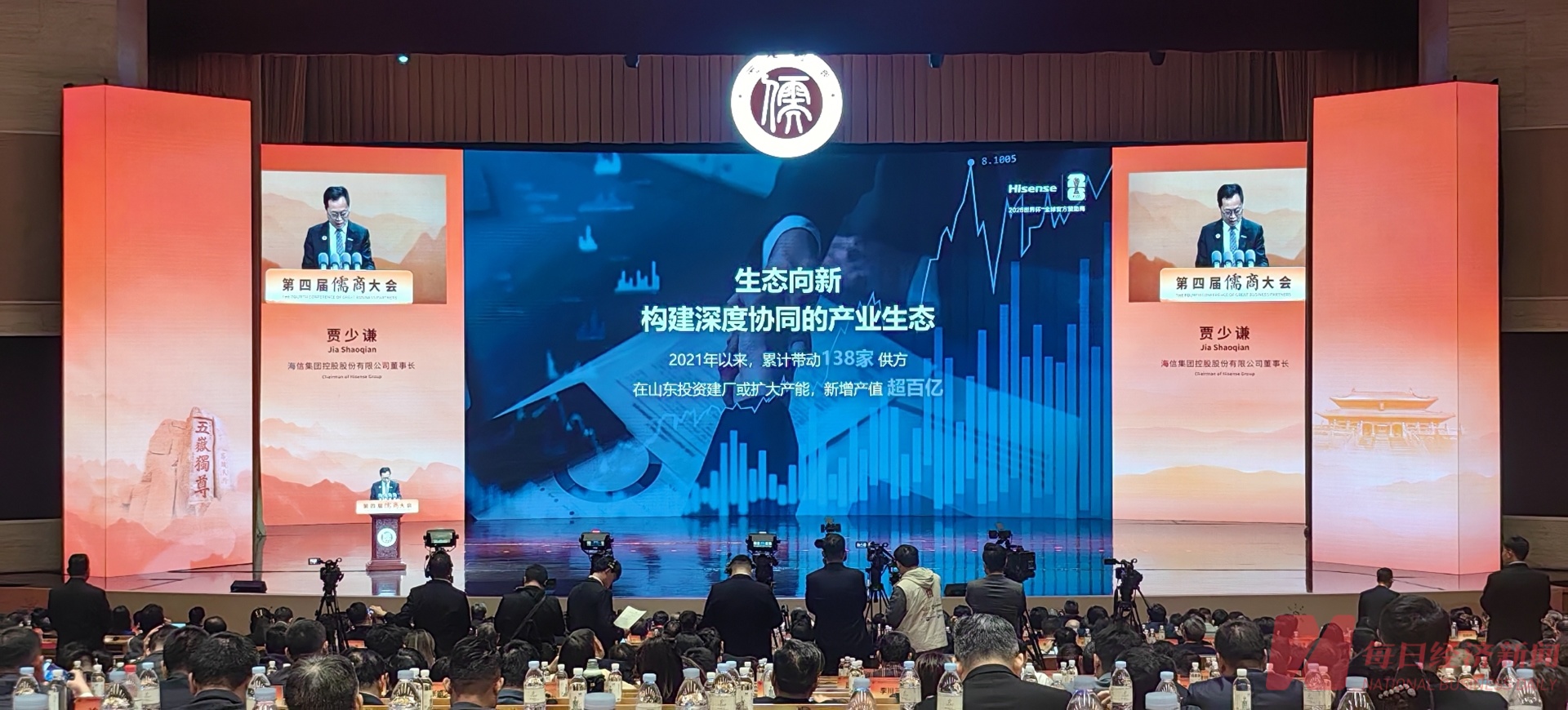
Core Viewpoint - The fourth Confucian Business Conference emphasizes the importance of culture as a foundation for enterprise development and a unique competitive advantage, as highlighted by Hisense Group Chairman Jia Shaoqian [1][3]. Financial Performance - Hisense achieved a revenue of 215.3 billion yuan last year, with nearly 100 billion yuan coming from overseas [3]. - In the first three quarters of this year, the company's revenue grew by 10%, and overseas revenue also exceeded 10% [3]. - The tax contribution in Shandong province increased by 16.5% [3]. Innovation and Technology - Jia Shaoqian stressed the necessity of embracing change with a "new daily" speed in the face of global complexities and technological revolutions [3]. - Hisense has invested over 20 years in chip technology, leading to the successful independent development of RGB three-dimensional color control LCD display technology, which has achieved global mass production [3]. Market Strategy - The company focuses on innovation rather than price competition, aiming to address the "true pain points" of consumer demand [4].

屡败屡战,又一家电巨头官宣造车
汽车商业评论· 2025-10-28 23:08
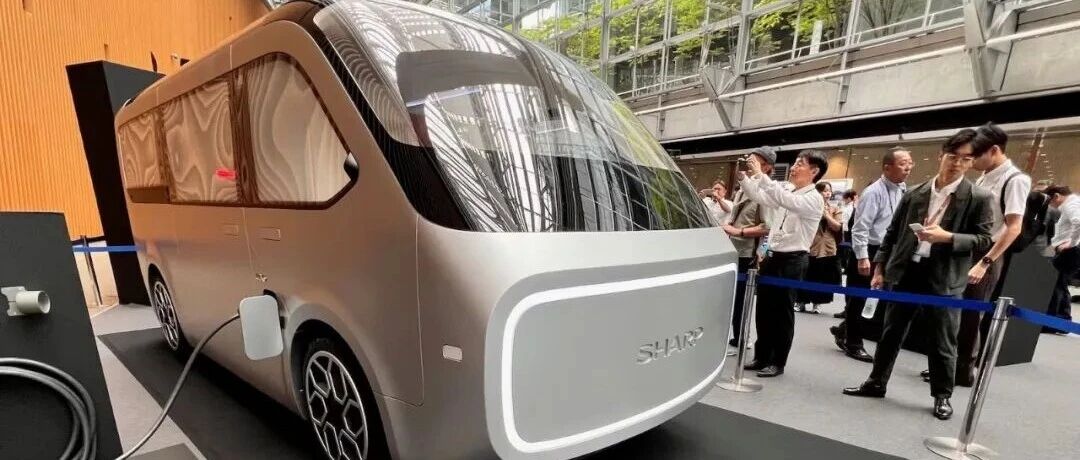
Core Viewpoint - Sharp is set to launch an electric vehicle (EV) in the fiscal year 2027, marking a strategic transformation for the company, which aims to create a "living room on wheels" rather than a traditional vehicle [3][4][6]. Group 1: Electric Vehicle Concept - The concept vehicle, known as LDK+, features a design that integrates a 65-inch display, transforming the car into an immersive entertainment space and a mobile office [6][10]. - The new version of the concept car has been optimized for mass production, featuring a more traditional MPV design and replacing the large screen with a projector and retractable screen for practicality [8][9]. Group 2: Strategic Partnerships - Sharp's EV project is closely tied to Foxconn, which provides a modular electric platform and has ambitions to become a significant player in the EV market [4][13]. - Foxconn's support is crucial for Sharp's entry into the EV sector, leveraging its technological expertise in AI and IoT to enhance the vehicle's capabilities [16][17]. Group 3: Market Positioning and Challenges - Sharp aims to break away from traditional dealership models by selling the EV through electronic retail and home builders, creating synergies with its consumer electronics and smart home businesses [10][24]. - The automotive industry has seen many companies from other sectors attempt to enter, but success is not guaranteed, as evidenced by the struggles of Sony and Dyson in the EV market [20][24].
东盟自贸区进入新发展阶段
Jing Ji Ri Bao· 2025-10-28 22:20
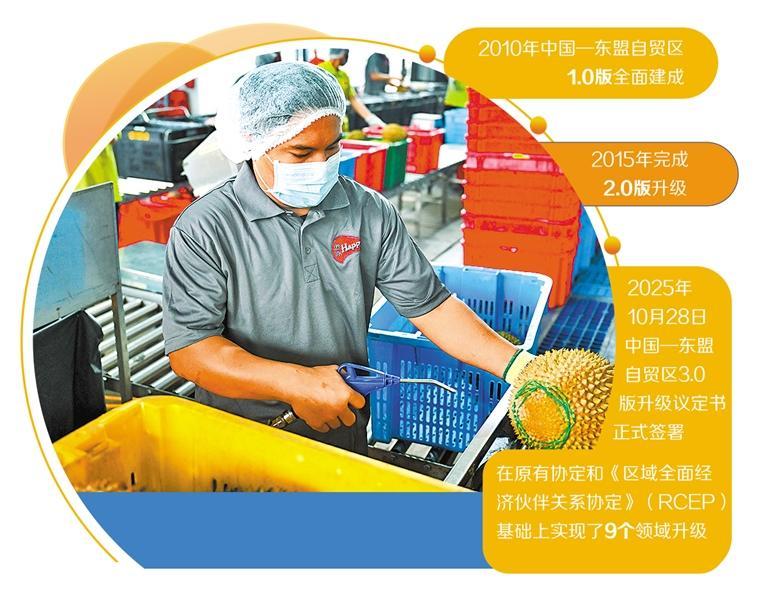
Core Points - The signing of the China-ASEAN Free Trade Area 3.0 upgrade protocol during the 47th ASEAN Summit on October 28 aims to enhance economic cooperation and support multilateral free trade amidst global uncertainties [2][3] - The 3.0 version introduces significant upgrades in nine areas, marking a shift from previous agreements and indicating a new development phase for the China-ASEAN Free Trade Area [2][4] Summary by Sections Trade and Economic Cooperation - The original goal of the China-ASEAN Free Trade Area was to eliminate all tariffs and non-tariff barriers on goods trade, achieving over 90% zero tariffs by 2010 [3] - The 2.0 version aimed for a bilateral trade volume of $1 trillion and $150 billion in mutual investment by 2020, focusing on enhancing the liberalization of goods trade [3] Supply Chain Connectivity - The 3.0 version emphasizes supply chain connectivity, addressing issues such as the free flow of key products and services, infrastructure connectivity, and collaborative responses to supply chain disruptions [4][5] - It includes provisions related to digital economy, standards, and trade facilitation, which are crucial for building a secure and efficient regional supply chain [5] Emerging Topics - New areas of cooperation in the 3.0 version include digital economy and green economy, which extend beyond traditional trade topics [6][7] - The digital economy section covers measures for seamless digital trade, data management, and cybersecurity, aiming to enhance participation from small and medium enterprises [6] - The green economy focus includes environmental products and services, promoting sustainable economic growth and energy transition [7] Institutional Development - The 3.0 version introduces separate chapters on standards and regulations, competition, and consumer protection, reflecting the need for higher institutional standards in trade agreements [8] - It aims to unify standards and technical regulations, while also enhancing protections for online and tourism consumers, fostering a fair and transparent market environment [8]
商务部国际司负责人解读中国—东盟自贸区3.0版升级议定书
中国能源报· 2025-10-28 03:53
Core Viewpoint - The signing of the China-ASEAN Free Trade Area 3.0 Upgrade Protocol marks a significant step towards deepening economic integration and cooperation in emerging fields such as digital and green economies, amidst challenges to the multilateral trading system [3][4]. Group 1: Importance of the Protocol - The protocol signifies a commitment to multilateralism and free trade, countering unilateral trade measures that threaten the international economic system [3]. - It establishes a new milestone for regional economic integration, expanding cooperation beyond traditional trade to include digital, green, and supply chain sectors [4]. - The protocol supports the construction of a China-ASEAN community of shared destiny, enhancing economic cooperation and creating a resilient regional supply chain [4]. Group 2: Background and Negotiation Process - The China-ASEAN Free Trade Area is the first free trade agreement established by both parties, with the initial agreement signed in 2002 and subsequent upgrades in 2010 and 2015 [5]. - The 3.0 version negotiations began in November 2021, culminating in the signing of the protocol after nearly two years of discussions and multiple rounds of meetings [5][6]. Group 3: Key Features of the Protocol - The protocol expands into five new areas: digital economy, green economy, supply chain connectivity, competition and consumer protection, and support for small and medium enterprises [7]. - It enhances the level of openness in trade, focusing on rules and cooperation in both traditional and emerging sectors [7][8]. - The protocol promotes inclusive development by ensuring fair competition, consumer protection, and support for small and medium enterprises [8]. Group 4: Main Content of the Protocol - In the digital economy, the protocol establishes a high-level rule system, including customs duty exemptions on electronic transmissions and enhanced data flow protections [9]. - In the green economy, it defines key areas for cooperation, including green trade and sustainable finance, aiming to eliminate trade barriers related to environmental standards [10]. - The protocol includes a dedicated chapter on supply chain cooperation, enhancing the resilience and connectivity of regional supply chains [11]. - It sets forth standards and technical regulations, encouraging mutual recognition of standards and joint development of evaluation procedures [12]. - The protocol enhances sanitary and phytosanitary measures, improving transparency and reducing compliance costs for businesses [12]. - It utilizes digital technologies to improve customs procedures and trade facilitation, aiming to streamline processes and reduce costs [13]. - It establishes a comprehensive framework for competition and consumer protection, enhancing consumer rights and promoting fair market practices [13]. - The protocol supports small and medium enterprises by providing resources and information to enhance their participation in international trade [14]. - It creates a framework for economic and technical cooperation, focusing on capacity building and support for the least developed countries [14]. Group 5: Implementation of the Protocol - Following the signing, both parties will undergo domestic approval processes to ensure the protocol is implemented as soon as possible [15].

刘小涛会见TCL董事长李东生
Xin Hua Ri Bao· 2025-10-27 23:23
Core Insights - The meeting between Jiangsu's Governor Liu Xiaotao and TCL's founder Li Dongsheng highlights TCL's commitment to investing in Jiangsu and its role in advancing the province's manufacturing and technology sectors [1] Group 1: Government Initiatives - Governor Liu emphasized the importance of building a modern industrial system centered on advanced manufacturing and strengthening the real economy [1] - The government aims to enhance the international competitiveness of the integrated circuit industry and accelerate the development of the new energy industry cluster [1] - Liu expressed the intention to create a top-tier business environment and provide high-quality services to ensure successful cooperation with TCL [1] Group 2: TCL's Commitment - Li Dongsheng acknowledged Jiangsu's strong economic strength, solid industrial foundation, and favorable business environment as key reasons for TCL's focus on the region [1] - TCL plans to increase investment and accelerate the industrialization of key core technologies [1] - The company aims to actively participate in the intelligent, green, and integrated development of Jiangsu's manufacturing industry, promoting mutual benefits and shared progress [1]

企业家热议二十届四中全会,TCL李东生:探索全球化新路径
Nan Fang Du Shi Bao· 2025-10-24 14:02
Group 1 - The Fourth Plenary Session of the 20th Central Committee of the Communist Party of China was held from October 20 to 23, 2023, focusing on the formulation of the 15th Five-Year Plan for national economic and social development, emphasizing the modernization of the national governance system and capabilities [1] - The meeting provided strong confidence and motivation for the development of the private economy, encouraging entrepreneurs to fully implement the new development concept and contribute to high-quality development [1][3] - TCL's founder and chairman, Li Dongsheng, highlighted the importance of the meeting in guiding future economic and social development goals, which will inject strong momentum into China's high-quality economic growth [1][3] Group 2 - The meeting's communiqué emphasized accelerating high-level technological self-reliance and innovation, which will enhance the role of enterprises in technological innovation and stimulate their innovative vitality [3] - TCL has invested over 60 billion yuan in R&D over the past six years, with more than 110,000 patent applications, achieving significant breakthroughs in key technologies [3] - The communiqué also called for the activation of various business entities and the improvement of market-oriented resource allocation mechanisms, which will boost the confidence and determination of private enterprises [3][4] Group 3 - The communiqué proposed expanding high-level opening-up and creating a win-win cooperation landscape, which aligns with TCL's global strategy and local operations [4] - Over the past five years, TCL's overseas revenue has grown at an average annual rate of over 19%, contributing to the dual circulation development pattern [4] - TCL aims to continue driving innovation and exploring new paths for globalization, contributing to China's modernization efforts [4]
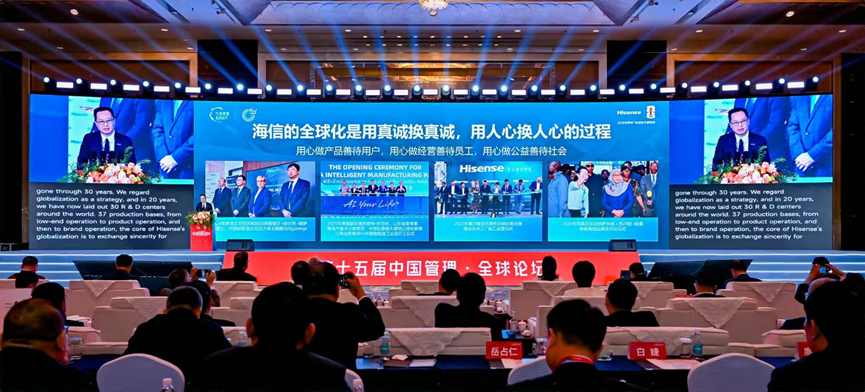
海信贾少谦:AI重塑企业管理模式,打法要快,生意要慢
Sou Hu Cai Jing· 2025-10-18 15:20
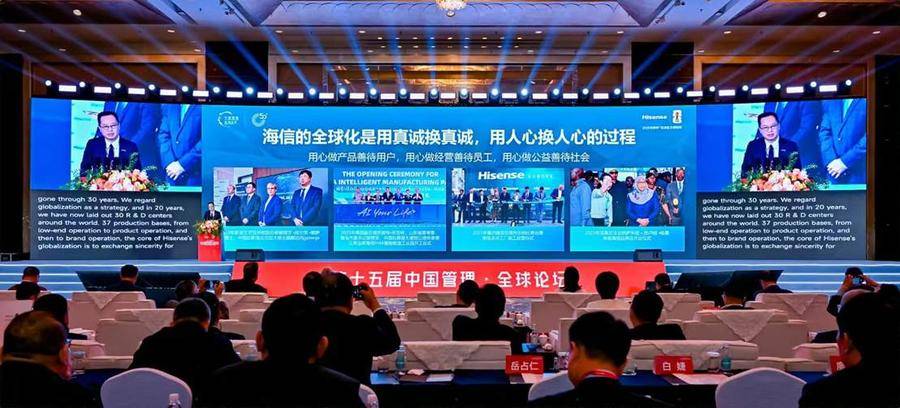
Core Insights - The forum emphasized the transformative impact of AI on enterprise management, highlighting the need for companies to adapt quickly while maintaining a steady approach to business quality and strategy [1][3][7] Group 1: AI and Management Transformation - The theme of the forum was "AI + Management: Creating New Productive Forces," focusing on the integration of AI in management practices [7] - Companies are encouraged to act swiftly in response to strategic opportunities, even if the chances of success are minimal, reflecting a proactive organizational mindset [3][5] Group 2: Organizational Changes at Hisense - Hisense is undergoing a significant organizational transformation, adopting a "small headquarters, large industry" model to create a more efficient and market-responsive structure [5] - The company aims to enhance its capabilities through a collaborative approach, emphasizing the importance of local market adaptation and cultural integration in its global strategy [9] Group 3: Recognition and Best Practices - Hisense's case study, "The European Breakthrough: Raising the Chinese Manufacturing Flag in the Global High-End Market," was recognized as one of the top ten best practice cases, showcasing successful localization and innovative business models [9] - The establishment of the "China Management Talent Development Research Institute" aims to foster collaboration between academia and industry, enhancing the development of management talent in China [7][9]
推动中国企业管理经验全球崛起,海信联合发起成立中国管理人才发展研究院
Zheng Quan Shi Bao Wang· 2025-10-18 07:33
Core Insights - The forum emphasized the transformative impact of AI on enterprise management, highlighting the need for companies to adapt quickly while maintaining a steady approach to business quality and strategy [1][3][4] Group 1: AI and Management Transformation - The theme of the forum was "AI + Management: Creating New Productive Forces," focusing on the integration of AI in management practices [4] - Companies are encouraged to embrace rapid changes in strategy while ensuring a stable mindset towards business operations [3][4] Group 2: Organizational Changes and Strategies - Hisense is implementing a significant organizational transformation, promoting a "small headquarters, large industry" model to enhance market responsiveness and operational efficiency [3][4] - The company is committed to digital transformation across various functions, including R&D, manufacturing, marketing, and services [3] Group 3: Recognition and Best Practices - Hisense's case study, "Breaking into Europe: Raising the Flag of Chinese Manufacturing in the Global High-End Market," was recognized as one of the top ten best practice cases at the forum [6] - The forum also saw the establishment of the China Management Talent Development Research Institute, aimed at fostering management wisdom and bridging academia and industry [4][6]