种植业

Search documents
美国农民愈发失望:玉米产量预估创近160年来新高,价格却持续走低
Guan Cha Zhe Wang· 2025-10-26 13:57
Core Insights - The article discusses the challenges faced by American farmers, particularly in corn production, due to record-high yields and falling prices, exacerbated by trade policies and rising costs [1][2][5][9] Group 1: Agricultural Production - The USDA predicts a record corn yield of 16.814 billion bushels (approximately 427 million tons) for this year, the highest since 1866 [1][4][7] - Farmers have planted corn on an area not seen since the Great Depression, leading to an oversupply situation [1][2][7] Group 2: Economic Challenges - Despite high yields, farmers are facing financial strain as corn prices have dropped below production costs, with an average price of $3.89 per bushel compared to the breakeven price of $4.58 [5][9] - The agricultural debt in the U.S. is expected to reach nearly $600 billion, a historical high, as farmers struggle with increased costs for fertilizers and equipment due to tariffs [5][9] Group 3: Trade Policies Impact - Trade policies from the Trump administration have significantly impacted U.S. agriculture, with China halting imports of U.S. soybeans, which previously accounted for 45% of U.S. soybean exports [2][5] - Farmers had hoped that increased corn production would be supported by demand from exports to Canada and Mexico, as well as ethanol production, but the oversupply has led to continued price declines [2][9] Group 4: Farmer Sentiment - Many farmers are expressing dissatisfaction with USDA's yield forecasts, believing they are overestimated, which contributes to their financial woes [6][9] - The current agricultural environment is described as a "triple whammy," with high production costs, low crop prices, and adverse trade conditions compounding the difficulties faced by farmers [9]


东方证券农林牧渔行业周报(20250920-20251026):二育及需求传导下猪价企稳,反弹力度或有限-20251026
Orient Securities· 2025-10-26 09:50
Investment Rating - The report maintains a "Positive" investment rating for the agriculture industry [5] Core Viewpoints - The pig farming sector is expected to benefit from recent policies and market forces that promote capacity reduction, leading to long-term performance improvements [3][36] - The current trend in grain prices is upward, indicating a favorable fundamental outlook for planting and seed industries, highlighting significant investment opportunities [3][36] - The pet food sector is experiencing growth, with increasing recognition of domestic brands and continuous market expansion [3][36] Summary by Relevant Sections Pig Farming - The current pig price is weak, with the average price for external three yuan pigs at 11.82 yuan/kg, a week-on-week increase of 5.82% [10][44] - The industry is entering a phase of capacity reduction, with pig prices expected to stabilize and potentially rise in the long term due to policy support [7][10] Poultry - White feather broiler prices have shown slight increases, with the current price at 6.88 yuan/kg, reflecting a week-on-week rise of 0.15% [13][44] - The yellow feather broiler prices continue to remain strong, indicating a stable market environment [21][44] Feed Sector - Corn prices have decreased slightly, while soybean meal and wheat prices have increased, indicating a mixed market for feed ingredients [23][44] - The average price of pig feed is 3.37 yuan/kg, showing a slight decrease of 0.30% [44] Bulk Agricultural Products - Natural rubber prices have risen, with the current price at 15,335 yuan/ton, a week-on-week increase of 4.36% [30][44] - The report indicates that the down cycle for bulk agricultural products is nearing its end, with signs of recovery in certain segments [30][44]




农产品研究跟踪系列报告(179):旺季支撑畜禽价格回暖,看好肉牛价格 Q4 加速上行
Guoxin Securities· 2025-10-26 09:44
Investment Rating - The report maintains an "Outperform" rating for the agricultural sector [5] Core Views - The report is optimistic about the reversal of the livestock cycle in 2025, with both domestic and international beef and raw milk markets expected to improve [4] - The pig industry is supported by a trend of "anti-involution," which is likely to stabilize long-term prices [4] - The pet consumption sector is identified as a growing industry benefiting from demographic changes [4] - The feed sector, particularly Haida Group, is expected to achieve excess returns due to the recovery in aquaculture [4] - The poultry sector is anticipated to see a long-term increase in consumption, with yellow chicken likely to benefit first from domestic demand recovery [4] Summary by Sections Swine - As of October 24, the price of live pigs is 11.82 CNY/kg, up 6.01% week-on-week [2] - The price of 15kg piglets is approximately 17.66 CNY/kg, down 1.83% week-on-week [2] - The industry is experiencing orderly progress in "anti-involution," which is expected to support profitability [14] Poultry - The supply of white chickens has slightly increased, with a focus on seasonal consumption recovery [2] - As of October 24, the price of chicken seedlings is 3.36 CNY/piece, up 2.13% week-on-week [15] - The price of broilers is 6.88 CNY/kg, up 0.15% week-on-week [15] - Yellow chicken supply remains at a low level, with potential benefits from improved domestic demand [15] Beef - A new round of beef price increases has begun, with a positive outlook for the beef cycle reversal in 2025 [2] - As of October 24, the average price of beef is 66.61 CNY/kg, up 0.36% week-on-week [16] Raw Milk - The average price of raw milk in major production areas is 3.04 CNY/kg, stable week-on-week but down 2.88% year-on-year [3] - The report anticipates an acceleration in the reduction of dairy cows in Q3, potentially leading to a price turning point by year-end [3] Soybean Meal - Short-term supply is expected to be ample, while medium to long-term supply and demand are projected to strengthen [3] - As of October 24, the domestic soybean spot price is 3997 CNY/ton, up 0.09% week-on-week, and soybean meal is 2984 CNY/ton, down 0.86% week-on-week [3] Corn - Domestic supply and demand balance is tightening, with prices expected to maintain moderate increases [3] - As of October 24, the domestic corn spot price is 2249 CNY/ton, down 0.64% week-on-week, but up 0.10% year-on-year [3] Sugar - Short-term imports are increasing, with attention on import rhythms and fluctuations in crude oil prices [3] - As of October 24, the spot price in Guangxi Nanning is 5750 CNY/ton, down 0.69% week-on-week [3] Rubber - Short-term prices are expected to stabilize, with a positive outlook for mid-term market conditions [3] - As of October 24, the price of Thai rubber is 1860 USD/ton, up 0.54% week-on-week [3]

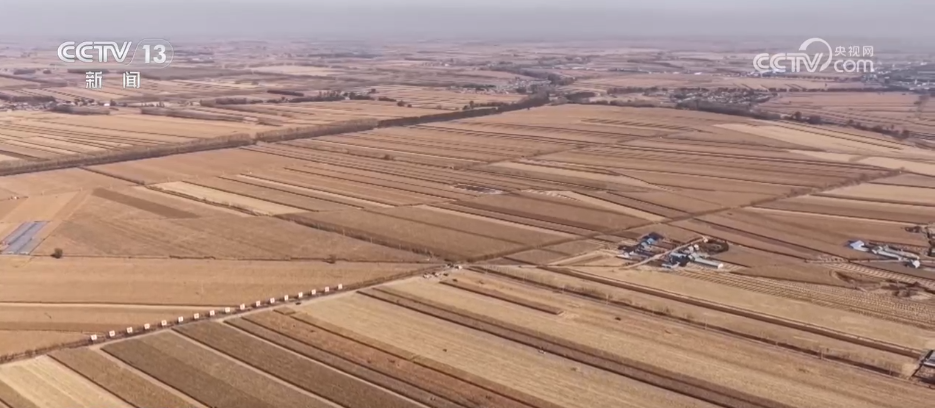
保护黑土地 大国粮仓更稳固
Ren Min Ri Bao· 2025-10-26 02:05
Core Points - The protection and utilization of black soil, referred to as the "panda of arable land," is emphasized by President Xi Jinping, highlighting its importance for future generations [1] - The Northeast region of China, known for its black soil, faces challenges such as soil fertility depletion, necessitating effective measures for protection and sustainable use [1] Group 1: Black Soil Protection Initiatives - In 2025, the central government plans to strengthen the governance of erosion ditches in the Northeast black soil region, with significant investments made for restoration projects [1][2] - Heilongjiang Province has reported a successful increase in corn yield from 300 kg per mu to over 1000 kg per mu after implementing erosion ditch management [1] - The Ministry of Water Resources has allocated 14.406 billion yuan to the Northeast black soil region during the 14th Five-Year Plan, addressing 57,300 erosion ditches and protecting approximately 13.74 million mu of arable land [2] Group 2: Financial Support and Incentives - Farmers receive various subsidies for black soil protection practices, including 20 yuan per mu for straw returning, 30 yuan per mu for deep plowing, and 150 yuan per mu for crop rotation, with one farmer receiving nearly 20,000 yuan in total subsidies [2] - The average organic matter content in Heilongjiang's soil is projected to reach 40.3 grams per kilogram by 2024, an increase of 4.1 grams per kilogram since 2016 [2] Group 3: Innovative Governance and Collaboration - The Ministry of Water Resources is exploring ecological product value transformation to address challenges in valuation and monetization of ecological benefits from erosion ditch management [3] - A new guideline for ecological product value accounting has been introduced in Heilongjiang, incorporating indicators for erosion ditch restoration and enhancing the assessment of ecological value [3] - The governance of erosion ditches is now included in national policy documents, indicating a coordinated approach to improving soil quality and protecting arable land [3] Group 4: Legislative Framework - Over 400 million mu of black soil has been protected during the 14th Five-Year Plan, supported by the enactment of the Black Soil Protection Law, which aims to establish a robust foundation for food security in China [4]
港城25.89万亩水稻开镰
Su Zhou Ri Bao· 2025-10-26 00:36
Core Insights - The rice harvest in Zhangjiagang is showing a positive trend with increased planting area, yield, and total production, indicating a robust agricultural performance this season [2] Group 1: Harvest Progress - The main rice varieties being cultivated in Zhangjiagang this year are 'Nanjing 5055' and 'Nanjing 46', with a total area of 258,900 acres entering the maturity phase [2] - As of now, approximately 1500 agricultural machines, including tractors and harvesters, have been mobilized to ensure timely harvesting, aiming to complete the autumn harvest by November 20 [2] Group 2: Yield Expectations - The average daily harvesting area has reached 220 acres, with an expected yield of 600 kilograms per acre for the 'Nanjing 5055' variety [1][2] - The favorable weather conditions this year have contributed to the overall increase in yield and production [2] Group 3: Operational Efficiency - Agricultural cooperatives are fully engaged, with all six harvesters in a local cooperative booked for operations, working from 7 AM to 8 PM to maximize efficiency during the peak harvest period [1] - Farmers are advised to take advantage of favorable weather conditions for timely harvesting and to ensure proper post-harvest handling to prevent grain spoilage [2]
每周股票复盘:新赛股份(600540)将召开两次临时股东会
Sou Hu Cai Jing· 2025-10-25 20:13
Core Points - Xinjiang Sailimu Modern Agriculture Co., Ltd. (新赛股份) reported a stock price increase of 4.42% to 4.96 CNY as of October 24, 2025, with a market capitalization of 2.884 billion CNY [1] - The company will hold its fourth extraordinary general meeting on October 27, 2025, to discuss the proposal for adding a new director [1][4] - The eighth board meeting approved two proposals regarding futures and options hedging business and adjustments to the guarantee limits for subsidiaries, both requiring shareholder approval [2][4] Company Announcements - The fourth extraordinary general meeting will take place on October 27, 2025, at 10:30 AM, to review the proposal for adding Pan Xinmin as a director [1][4] - The fifth extraordinary general meeting is scheduled for November 10, 2025, to discuss the subsidiary's futures and options hedging business and adjustments to guarantee limits [2][4] - The eighth board meeting unanimously approved the proposal for the subsidiary's futures and options hedging business, pending shareholder approval [2][4]

机械化助力让乡村振兴跑出“加速度”
Jing Ji Guan Cha Bao· 2025-10-25 10:29
Group 1 - The article highlights the successful rice harvest in Tieling, Liaoning, with an estimated planting area of 520,000 acres and a total production expected to exceed 600 million pounds [1] - The use of mechanization, particularly combine harvesters, has significantly increased efficiency, allowing for the harvesting of 50-60 acres per day, which is 50-60 times more efficient than manual labor [1] - The average yield in Tieling is reported to be over 1,350 pounds per acre, with farmers seeing an additional income of approximately 200 yuan per acre [1] Group 2 - As of now, the rice harvesting area in Liaoning has reached 4.12 million acres, with a progress rate of 55%, and the harvesting work is expected to continue until early November [2] - In Jiangsu, the autumn grain harvest has reached 14.46 million acres, with over 30% completed, and the region is utilizing 92,000 tracked harvesters and 35,000 fixed dryers to ensure efficient operations [3] - In Ningxia, the potato harvest is ongoing with an expected planting area of 800,000 acres and a projected yield exceeding 1.25 million tons, with over 70% of the harvest already completed [4]
欧洲农业快“断代”!超市靠进口填货架,中国耕地却有保障
Sou Hu Cai Jing· 2025-10-25 10:03
Core Insights - The article highlights the stark contrast between the agricultural systems in Europe and China, focusing on the generational crisis in European farming and China's robust agricultural policies that ensure food security and land preservation [1][19]. Group 1: European Agricultural Challenges - Over one-third of farm managers in the EU are over 65 years old, with less than 12% under 40, indicating a significant aging issue in the farming workforce [4]. - The high cost of land in the EU, averaging around €12,000 per hectare, and soaring to €90,000 in the Netherlands, poses a barrier for young farmers [4]. - Economic pressures and policy uncertainties contribute to a vicious cycle in rural areas, leading to land consolidation by large farms and reliance on food imports [7]. Group 2: EU Policy Responses - The EU's agricultural value chain generated €900 billion in added value in 2022, supporting 30 million jobs, but is now facing a structural crisis due to the lack of new entrants [7]. - The upcoming "Agricultural Intergenerational Renewal Strategy" aims to increase the proportion of farmers under 40 to 25% by 2040 and proposes a doubling of funds for intergenerational renewal [9]. - Concerns exist regarding the non-binding nature of the proposed funding increase, with fears that some governments may reduce their contributions [9][11]. Group 3: Comparison with China's Agricultural Policies - China has established a comprehensive system for land protection, with over 100 million acres of high-standard farmland built by the end of 2023, ensuring a stable agricultural foundation [11][13]. - The Chinese government employs economic incentives linked to land protection, rewarding provinces that exceed targets and penalizing those that fall short, thus motivating local authorities to safeguard farmland [11][13]. - Unlike Europe, where young farmers face significant financial barriers, China offers subsidies and specialized loans to lower entry thresholds for new farmers [13]. Group 4: Systemic Differences - The differences in agricultural development between Europe and China stem from systemic design rather than natural conditions, with China's policies effectively linking land protection to farmer profitability [15][19]. - European agricultural technology is advanced, but fragmented policies hinder the conversion of this technological advantage into attractive opportunities for new farmers [15]. - The article concludes that agricultural intergenerational transfer requires a cohesive approach involving land, funding, and policy, as demonstrated by China's successful practices [19].

江苏前三季度主要农产品生产稳定,农业经济运行良好
Yang Zi Wan Bao Wang· 2025-10-25 09:05
Core Insights - Jiangsu Province's agricultural economy is performing well, with stable production of major crops and gradual release of livestock capacity in 2023 [1][2] Group 1: Crop Production - The foundation for autumn grain production is generally good, with a significant harvest of dryland corn and better rice seedling growth compared to the same period last year [1] - The area planted with vegetables reached 17.685 million acres, an increase of 1%, with a total output of 49.474 million tons, up 2.6% [1] - Fruit production reached 9.178 million tons, reflecting a growth of 2.2% [1] Group 2: Livestock Production - The number of pigs reached 14.514 million, an increase of 6%, with 17.874 million pigs slaughtered, up 5.4% [2] - Poultry stock reached 310 million, growing by 2.6%, with 660 million birds slaughtered, an increase of 9.2% [2] - Major livestock product output reached 2.542 million tons, up 6.8%, with pork production at 1.429 million tons, increasing by 5.3% [2] Group 3: Agricultural Prices - The total agricultural product price index for the first three quarters was 96.1, with declines of 3.1%, 4.3%, and 6.7% in the first, second, and third quarters respectively [2] - Prices for major agricultural products showed varied trends, with wheat and corn price declines narrowing, while live cattle prices rebounded [2] - Prices for pork and poultry eggs continued to decline, with vegetable and fruit prices primarily decreasing [2]

科技解锁大国粮仓“丰收密码” 农户“好收成”变成“好收益”
Yang Shi Wang· 2025-10-25 08:50
Core Insights - The corn harvest in Yushu City, Jilin Province, is currently in full swing, with over 4 million acres of corn being harvested and grain purchasing activities underway, showing a stable increase in prices compared to last year [1][7]. Group 1: Agricultural Production - Yushu City is located in a key commodity grain production area, specifically within one of the world's three major corn belts, facilitating efficient harvesting processes with integrated machinery for harvesting, threshing, and straw crushing [3]. - The local government has promoted "water and fertilizer integration" planting technology, utilizing drip irrigation for precise water and nutrient supply, which allows farmers to monitor corn growth needs in real-time [5]. - The adoption of "dense planting" techniques has improved land utilization efficiency and enhanced the corn's resistance to wind and lodging, with total corn production expected to reach 6.8 billion pounds this year [5]. Group 2: Grain Purchasing - The autumn grain purchasing work is progressing, with trucks lined up at grain purchasing points for orderly unloading, and corn undergoing standardized processes such as automatic sampling, rapid testing, and weighing before being sent to designated drying areas [7]. - The current corn purchasing prices in Yushu City are showing a stable upward trend compared to the same period last year [7].