
清洁能源

Search documents
“拉中关系拥有光明前景”
Ren Min Ri Bao· 2025-07-04 21:56
Group 1 - The establishment of diplomatic relations between China and Colombia marks its 45th anniversary, with Colombia officially joining the high-quality co-construction of the "Belt and Road" initiative in May [2] - Bilateral trade between China and Colombia is projected to exceed $19.3 billion in 2024, representing a growth of over 1900 times compared to the initial years of diplomatic relations [2] - Colombia aims to enhance agricultural exports to China and seeks to attract more Chinese investments in agriculture, technology, and ecological protection [2] Group 2 - Chinese companies are involved in constructing the Bogotá Metro Line 1, which is the largest infrastructure project in Colombia's history [3] - A new shipping route connecting Shanghai, Peru's Chancay Port, and Colombia's Buenaventura Port was launched in February, further promoting economic cooperation and job creation in Colombia [3] - There is significant potential for agricultural technology cooperation between China and Colombia, particularly in the processing of specialty agricultural products like coffee and cocoa [3] Group 3 - The China-Latin America Forum, which has been operational for 10 years, serves as a crucial platform for regional integration and cooperation between Latin American countries and China [4] - Strengthening collaboration between Latin America and China can enhance the representation and voice of the Global South in global governance [4] - The relationship between Latin America and China is expected to deepen, with ongoing efforts to promote development agendas and enhance global dialogue [4]


美国新能源厂商:欧洲同行都觉得,未来十年谁将主导全球AI已无悬念,不会是美国
Guan Cha Zhe Wang· 2025-07-04 12:20
Group 1 - The "big and beautiful" tax and spending bill pushed by the Trump administration has resulted in the elimination of hundreds of billions in federal clean energy subsidies, with clean energy tax incentives set to be phased out by the end of 2027 [1][10] - The passage of this bill unexpectedly benefits China's AI industry, as U.S. tech companies struggle to secure sufficient electricity to power their high-energy AI data centers [1][3] - The current dominance in AI is increasingly tied to electricity availability, with a developer noting that European peers believe the leading superpower in the next decade is already clear [1][7] Group 2 - Solar and wind power are the fastest-growing electricity sources in the U.S., accounting for 80% of new grid capacity, but the Republican-led Congress is stifling clean energy development [3][5] - A model constructed by energy economists indicates that the new bill will significantly reduce the scale of new electricity generation in the U.S., while China accelerates its lead [3][5] - Data shows that in the first five months of 2025, China's new installed capacity for wind and solar is over four times that of the total new energy capacity in the U.S. for 2024 [3][5] Group 3 - The bill is projected to lead to a loss of 344 gigawatts of new electricity generation over the next decade, equivalent to nearly half of U.S. household electricity demand [5][6] - The cancellation of clean energy tax incentives is expected to raise development costs, potentially jeopardizing the feasibility of wind and solar projects [6][10] - The U.S. clean energy sector is facing a potential "devastating" impact, with concerns that the revival of the solar industry may come to a halt, allowing China to dominate solar panel production [10] Group 4 - The U.S. needs to add electricity generation capacity equivalent to the combined total of California, Texas, and New York by 2035 to meet the demands of AI and other industries [8] - There are concerns that placing critical AI infrastructure in geopolitically unstable regions is not in the U.S. national interest [8] - The clean energy industry is calling for consistent energy policies to avoid investment uncertainty, as many companies feel disheartened by the abrupt policy shifts [8]

ESG一周丨我国清洁能源投资规模占全球比重达1/3;北交所首单科技创新绿色公司债券成功发行
Mei Ri Jing Ji Xin Wen· 2025-07-04 06:53
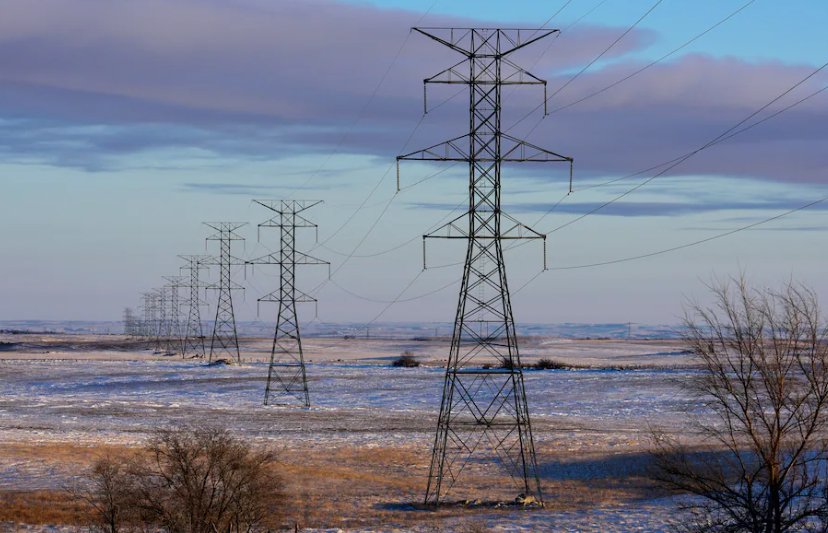
Group 1: Clean Energy Investment - In 2024, China's clean energy investment is projected to reach $625 billion, accounting for one-third of global investment [1] - China has maintained the world's largest installed capacity for solar and wind power for ten consecutive years, contributing over 45% to the global increase in non-fossil energy consumption over the past decade [1] Group 2: Renewable Energy Consumption - In May, the national photovoltaic utilization rate was 94.2% and wind power utilization was 93.2%, with Shanghai, Chongqing, Zhejiang, and Fujian achieving 100% consumption of wind and solar energy [2] - This indicates significant progress in China's renewable energy development and consumption capacity, supporting the country's dual carbon goals [2] Group 3: Nuclear Power Investment - The establishment of the nuclear power investment fund by China Life and China Nuclear Power, with a contribution of 1.501 billion yuan, aims to promote nuclear technology innovation and energy structure optimization [3] - This investment is expected to create development opportunities for related enterprises [3] Group 4: Green Bonds - The issuance of the first technology innovation green corporate bond on the Beijing Stock Exchange raised 300 million yuan for green building projects [4] - This reflects the company's commitment to green finance and supports the development of green buildings and technological innovation [4] Group 5: Textile Industry Emissions - From 2005 to 2022, the carbon emission intensity of China's textile industry decreased by over 60%, with a further decline of 14% in the last two years [5] - This demonstrates the positive outcomes of the textile industry's green transformation, contributing to global emission reductions and sustainable development [5] Group 6: Energy Digitalization - The launch of the "Qingyuan" model by the State Energy Group represents the world's first trillion-level power industry model, enhancing the safety and efficiency of the power system [7] - This marks a significant breakthrough in the digital transformation of the energy sector, setting a benchmark for intelligent development [7] Group 7: International Climate Policy - The European Commission proposed a revision to the European Climate Law, aiming for a 90% reduction in greenhouse gas emissions by 2040 compared to 1990 levels [8] - This initiative reflects the EU's commitment to climate change and serves as a benchmark for global climate governance [8]
东盟能源转型离不开对华合作 ——访东盟能源中心执行董事达伍德
Jing Ji Ri Bao· 2025-07-03 22:08
Core Insights - The energy cooperation between China and ASEAN has been deepening, with a recent visit from an ASEAN delegation to China focusing on low-carbon energy investment pathways [1][2] - ASEAN countries face significant challenges in energy transition, including resource endowment differences, economic development levels, and energy structure disparities [1][2] - China is recognized for its advanced technology and systematic energy transition strategies, which serve as a model for ASEAN countries [2][3] Group 1: Energy Cooperation - The ASEAN delegation participated in a seminar on low-carbon energy investment and visited various research institutions, universities, and enterprises in China [1] - The delegation's leader expressed excitement about China's energy transition achievements and the potential for collaboration [1][2] Group 2: Challenges in ASEAN - Nearly half of the ASEAN member countries have not achieved full electrification, leading to energy shortages and supply instability [1] - Key challenges for ASEAN include funding shortages, insufficient technological reserves, and the need for policy coordination among member states [1][2] Group 3: China's Role - Chinese enterprises are actively investing in clean energy, new energy transportation, and digital infrastructure in ASEAN, enhancing local employment and industry upgrades [2] - The investment model of Chinese companies in ASEAN not only provides capital but also facilitates technology transfer and capacity building [2] Group 4: Future Plans - The ASEAN Energy Center is developing the next five-year plan, the ASEAN Plan of Action for Energy Cooperation (APAEC) 2026-2030, focusing on regional cooperation, energy security, and equitable energy transition [3] - The delegation's visit is seen as crucial for advancing bilateral energy cooperation, with expectations for future visits to deepen collaboration [3]
协鑫能科控股股东上海其辰拟9.78亿协议转让9613万股
Xi Niu Cai Jing· 2025-07-03 11:27
标的股份的转让价格为每股人民币10.17元,为协议签署日前一交易日转让股份二级市场收盘价的90%,股份转让价格总额(税前)为9.78亿元。受让方资金 来源为其自有资金或自筹资金。 本次权益变动后,上海其辰持有协鑫能科的股份由693,413,333股减少至597,283,333股,占总股本的比例由42.72%减少至36.79%(占剔除公司回购专用证券 账户股份数量后总股本的比例由43.85%减少至37.77%)。上海其辰及其一致行动人协鑫创展控股有限公司合计持有协鑫能科的股份由779,617,442股减少至 683,487,442股,占协鑫能科总股本的比例由 48.03% 减少至42.10%(占剔除公司回购专用证券账户股份数量后总股本的比例由 49.30%减少至43.22%)。 6月28日,协鑫能源科技股份有限公司(简称"协鑫能科",002015)发布公告,控股股东上海其辰企业管理有限公司(简称"上海其辰"),拟通过协议转让方式向 浙江金证资产管理有限公司(代表"金证得胜1号私募证券投资基金")(简称"金证得胜1号")转让其持有的协鑫能科9613万股股份(无限售条件流通股),占协鑫能 科总股本的5.92%。 本 ...

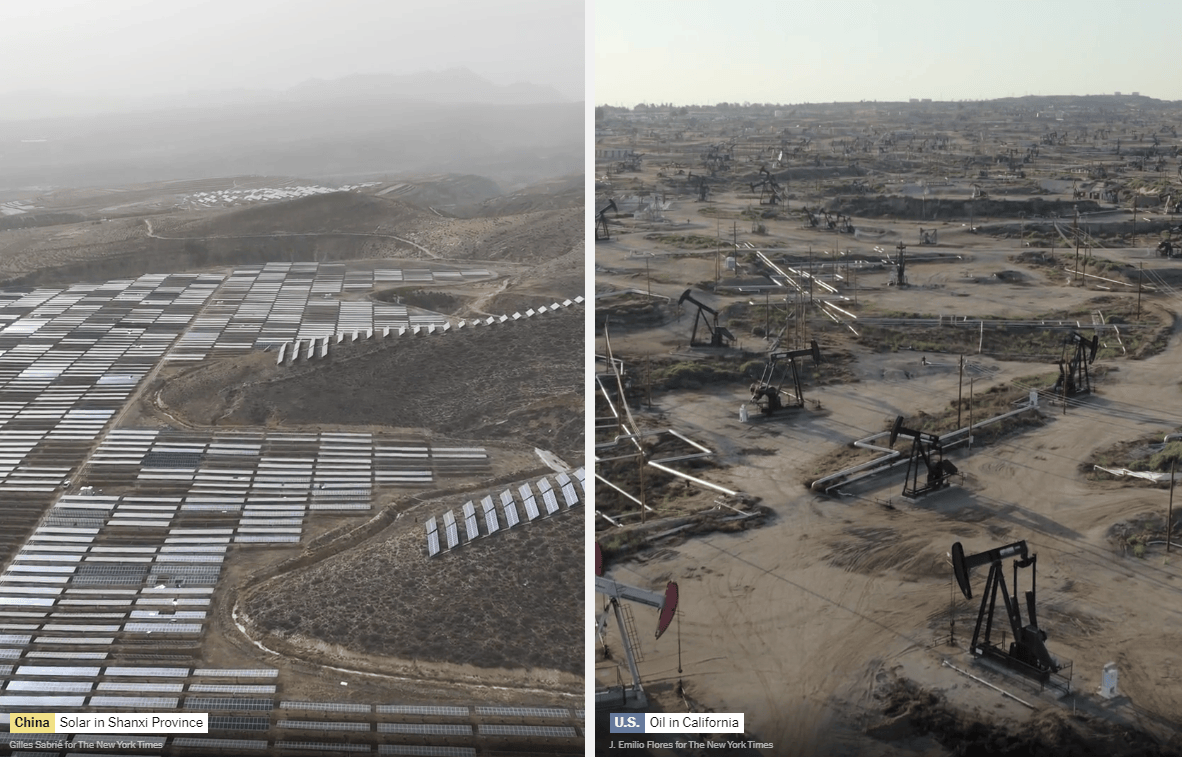
美国:钻、钻、钻;中国截然不同!
Sou Hu Cai Jing· 2025-07-02 14:14
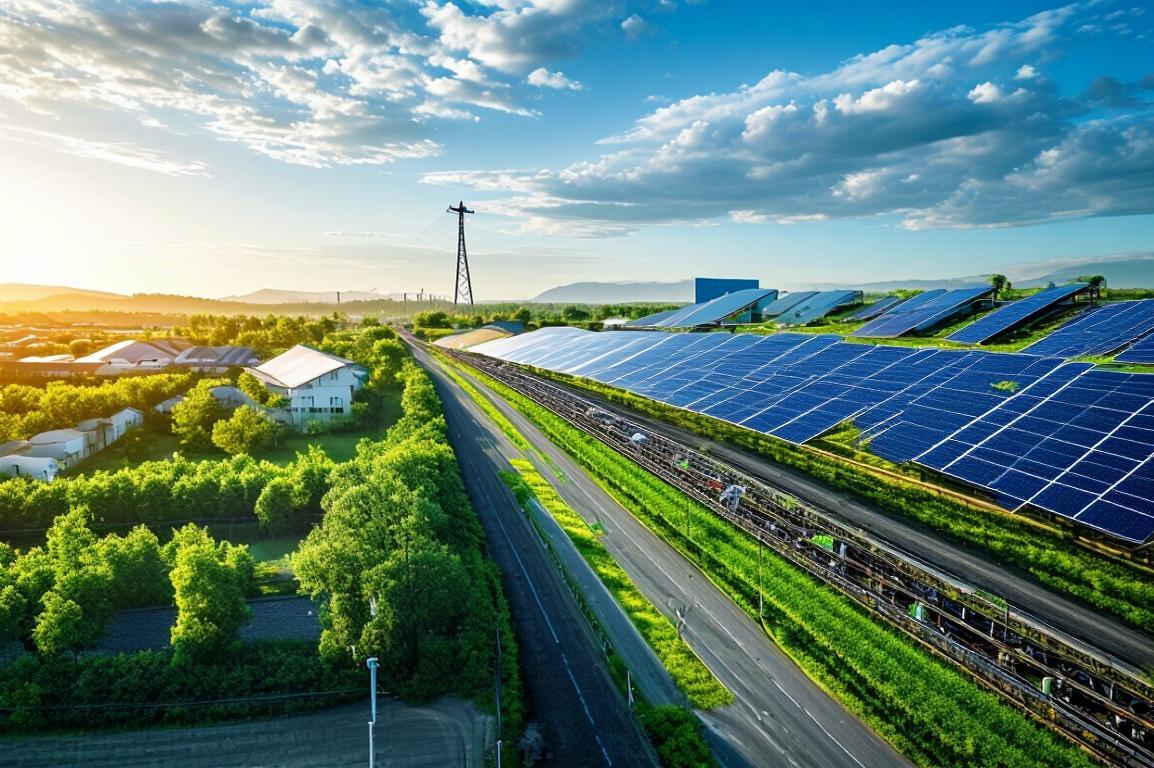
Core Insights - The article discusses the competitive landscape between China and the United States in the clean energy sector, highlighting China's significant advancements and investments in renewable energy technologies [1][3][4]. Group 1: China's Clean Energy Dominance - China installed more wind turbines and solar panels last year than the rest of the world combined, indicating its leading position in the clean energy market [3]. - Chinese companies are expanding their clean energy footprint globally, constructing electric vehicle and battery factories in countries like Brazil, Morocco, and Hungary [3][4]. - Despite high coal consumption, China is rapidly transitioning to cleaner energy alternatives, dominating global manufacturing in solar panels, wind turbines, lithium batteries, and electric vehicles [4][5]. Group 2: U.S. Energy Strategy - The U.S. government, under President Trump, is focusing on maintaining reliance on fossil fuels, promoting the export of oil and natural gas, and investing in traditional energy sources [3][6]. - The U.S. strategy is based on the belief that the modern world is built around fossil fuels, and it aims to leverage its position as the largest oil producer and natural gas exporter [4][6]. - There is a growing concern that the U.S. has lost its competitive edge in the clean energy race, with policymakers realizing too late the extent of China's advancements [5]. Group 3: Future Energy Landscape - The global demand for energy is expected to increase, creating opportunities for both solar energy and fossil fuels in the short term [6]. - The International Energy Agency predicts that by the middle of this century, the share of oil, gas, and coal in global energy demand will fall below 60%, positioning China to capture new market opportunities [6].

美媒:美国正在输掉与中国事关未来的竞争
news flash· 2025-07-02 14:06
Core Viewpoint - The article highlights that the United States is losing the future competition with China in clean energy, as China is leading in the installation of renewable energy sources while the U.S. continues to promote fossil fuels [1] Group 1: China's Clean Energy Leadership - China installed more wind turbines and solar panels last year than the rest of the world combined [1] - Chinese companies are building electric vehicle and battery factories in various countries, including Brazil, Thailand, Morocco, and Hungary [1] Group 2: U.S. Energy Strategy - The U.S. government, under President Trump, is pressuring Japan and South Korea to invest "trillions of dollars" in projects to transport natural gas to Asia [1] - General Motors has canceled plans to manufacture electric vehicles in Buffalo, New York, and instead is investing $888 million in producing V8 gasoline engines [1] Group 3: Competitive Gap - The article suggests that China has already widened the gap with the U.S. in the race for future energy development [1]
万斯“一票破局” 美国参议院惊险通过“大漂亮”法案 还有众议院投票关
Hua Er Jie Jian Wen· 2025-07-02 00:28
Group 1 - The "Big Beautiful" bill, which includes $4.5 trillion in tax cuts and $1.2 trillion in spending cuts, narrowly passed the Senate with a vote of 51-50, requiring Vice President Pence's tie-breaking vote [1][2] - The bill's passage in the Senate highlights internal divisions within the Republican Party, with three Republican senators voting against it due to concerns over increased fiscal deficits and cuts to social security programs [2][3] - A recent Pew Research Center survey indicated that nearly half (49%) of American respondents oppose the "Big Beautiful" bill, reflecting a lack of broad public support [2] Group 2 - The Senate version of the "Big Beautiful" bill proposes significant cuts to Medicaid, which some House Republicans are unwilling to support, indicating ongoing resistance within the party [3] - The bill includes a provision to raise the state and local tax (SALT) deduction cap from $10,000 to $40,000 for five years, which has faced opposition from some Republican lawmakers [3] - The Congressional Budget Office (CBO) estimates that the Senate version of the bill will increase U.S. debt by $3.3 trillion over the next decade and lead to an increase of 11.8 million uninsured individuals by 2034 [4] Group 3 - The bill reflects the Trump administration's legislative agenda, extending certain corporate tax benefits and injecting billions into military funding while significantly cutting foreign aid [4] - The renewable energy sector is expected to face increased costs of $4-7 billion over the next decade due to changes in the bill, which could pose a "survival crisis" for the industry [5] - The final version of the bill removed a proposed new consumption tax on imported components for wind and solar projects, but the overall impact on renewable energy remains negative according to industry leaders [5]
“中方稀土出口管制让全球面临抉择,不买中国绿色科技就没得用”
Sou Hu Cai Jing· 2025-07-01 04:52
Group 1 - The article highlights the contrasting energy policies of China and the United States, with China leading in clean energy sales while the U.S. focuses on fossil fuels [1] - China has installed more wind turbines and solar panels than the rest of the world combined last year, indicating its dominance in the clean energy sector [1] - Chinese companies are expanding globally, building electric vehicle and battery factories in countries like Brazil, Thailand, Morocco, and Hungary [1] Group 2 - The article notes that the U.S. had opportunities to lead in clean energy but has faced policy fluctuations and resistance from the fossil fuel industry, particularly during the Trump administration [4] - China's production of polysilicon, a key material for solar panels, has increased to over 90%, compared to nearly half produced by the U.S. in 2008 [5] - The automation of factories in China has led to a significant increase in robot installations, with China installing more robots annually than the rest of the world combined [6] Group 3 - The article predicts that by 2035, solar and wind energy will become the two main sources of electricity production, surpassing coal and natural gas [5] - The global energy demand is expected to grow, with a shift towards cleaner and cheaper energy sources, positioning China favorably in the market [5] - The article concludes that while the U.S. may change its energy strategy in the future, China's early investments in clean energy are already yielding returns [7]
九丰能源: 关于部分股东减持股份计划的预披露公告
Zheng Quan Zhi Xing· 2025-06-30 16:28
Core Viewpoint - The company, Jiangxi Jiufeng Energy Co., Ltd., is planning a share reduction by major shareholders, which may impact the stock's market performance and investor sentiment [2][3]. Shareholder Holdings - As of June 20, 2025, major shareholders include: - Cai Liping: 27,669,043 shares (4.25%) - Cai Jianbin: 6,917,259 shares (1.06%) - Nanjing Yingfa Venture Capital Partnership: 21,218,696 shares (3.26%) [2][4][5]. Reduction Plan Details - The reduction plan includes: - Cai Liping: Up to 3,000,000 shares (0.46%) - Cai Jianbin: Up to 1,200,000 shares (0.18%) - Nanjing Yingfa: Up to 424,400 shares (0.07%) - The reduction period is from July 23, 2025, to October 22, 2025 [3][5][6]. Reduction Methodology - The shares will be reduced through centralized bidding or block trading, with prices determined by market conditions [3][5]. Shareholder Intentions - The reasons for the share reduction include personal funding needs for the shareholders [5][6]. Compliance and Commitments - Shareholders have made commitments regarding the reduction, including adherence to lock-up periods and compliance with relevant regulations [6][10].
