金融服务

Search documents
两会三人行|金融促消费,不能单靠“放贷刺激”
Bei Jing Shang Bao· 2026-01-24 13:40
Core Viewpoint - The Chinese consumer market is experiencing deep financial empowerment, with continuous release of fiscal interest subsidies, collaboration between financial institutions and e-commerce companies, and ongoing innovation in consumer finance products, which facilitate a positive cycle of consumption among various demographic groups [1][4]. Group 1: Financial Empowerment and Consumer Behavior - Financial policies should focus on supply-side improvements rather than merely increasing borrowing, emphasizing the need for innovative credit products tailored to young consumers [1][6]. - The current consumption market shows structural differentiation, with physical goods consumption slowing while service consumption, such as tourism and entertainment, continues to grow [4][5]. - Financial institutions are encouraged to develop products that support the entire industry chain behind popular cultural events, enhancing the overall consumption experience [5][6]. Group 2: Targeting Specific Demographics - Young people, new citizens, and rural residents are identified as key consumer groups with high spending potential but limited access to financial services, necessitating a reduction in information asymmetry [6][7]. - Financial institutions should leverage data to create comprehensive credit profiles for these groups, enabling better access to financial products [7][9]. Group 3: Policy Recommendations and Financial Products - Financial policies should be precise and collaborative, aiming to reduce the consumption costs for specific groups, particularly the youth [10][11]. - The introduction of fiscal subsidies for credit card installment plans is seen as a direct response to the financial pressures faced by young consumers [10][11]. - Financial products should be customized to meet the diverse needs of different demographic groups, such as the elderly and students, to maximize consumption potential [11][12]. Group 4: Strategic Focus Areas - Financial policies should target three core areas: large consumer goods, service consumption, and new consumption models, particularly in sectors like electric vehicles and cultural tourism [13][14]. - The integration of financial products into everyday consumption scenarios is crucial for enhancing user experience and ensuring accessibility [14][15]. - The recent upgrades in consumer loan subsidies have led to increased financial incentives for consumers, enhancing their purchasing power [15].



SHAREHOLDER ALERT: Faruqi & Faruqi, LLP Reminds SLM Investors of the Pending Class Action Lawsuit
Globenewswire· 2026-01-24 13:31
Core Viewpoint - Faruqi & Faruqi, LLP is investigating potential claims against SLM Corporation due to allegations of misleading statements regarding the company's financial health and delinquency rates, with a deadline for investors to seek lead plaintiff status in a class action lawsuit set for February 17, 2026 [2][4]. Group 1: Allegations Against SLM Corporation - The complaint alleges that SLM and its executives violated federal securities laws by making false and misleading statements and failing to disclose significant increases in early-stage delinquencies [4]. - It is claimed that SLM overstated the effectiveness of its loss mitigation and loan modification programs, as well as the overall stability of its delinquency rates [4]. - The misleading public statements created a materially false impression regarding SLM's business operations and prospects [4]. Group 2: Financial Impact and Market Reaction - On August 14, 2025, TD Cowen reported a 49 basis points month-over-month increase in delinquencies for July 2025, which was significantly worse than the seasonal average increase of 10 basis points [5]. - This report contradicted earlier assurances from SLM's executives that delinquency rates were following normal seasonal trends [5]. - Following the TD Cowen report, SLM's stock price dropped by $2.67 per share, or 8.09%, closing at $30.32 per share on August 15, 2025 [5]. Group 3: Legal Proceedings and Investor Actions - Investors who purchased SLM securities between July 25, 2025, and August 14, 2025, are encouraged to discuss their legal rights and options with Faruqi & Faruqi [1]. - The role of lead plaintiff in the class action lawsuit is designated to the investor with the largest financial interest who is also typical of class members [6]. - Any member of the putative class can move the court to serve as lead plaintiff or choose to remain an absent class member without affecting their ability to share in any recovery [6].


今日财经要闻TOP10|2026年1月24日
Xin Lang Cai Jing· 2026-01-24 11:42
Group 1 - Zhang Youxia and Liu Zhenli are under investigation for serious violations of discipline and law, as decided by the Central Committee of the Communist Party [1][7] Group 2 - The U.S. Treasury Department is considering foreign exchange intervention due to concerns about the volatility of the Japanese yen, which has seen a significant rebound of 1.6%, marking its largest single-day increase in nearly six months [2][8] Group 3 - Brazil has announced visa exemptions for certain short-term categories for Chinese citizens, leading to a fivefold increase in tourism-related searches, with Rio de Janeiro, São Paulo, and Brasília being the most searched cities [3][9] Group 4 - China’s commercial aerospace leader, CAS Space, has completed its IPO counseling process, with the counseling institution being Guotai Junan Securities [4][11] Group 5 - The U.S. is enhancing its military presence in the Middle East, with the Abraham Lincoln Carrier Strike Group arriving in the Indian Ocean, equipped with missile launch systems for potential operations against Iran [5][6][12] Group 6 - The price of silver has surged above $100 per ounce, driven by increased demand for safe-haven assets and retail market frenzy from Shanghai to New York [10]
香港金融业如何对接“十五五”?
Xin Lang Cai Jing· 2026-01-24 10:16
Core Viewpoint - The financial industry in Hong Kong will focus on "consolidating advantages, innovation-driven, internal and external linkage, and safety control" over the next five years, with a strategic emphasis on four key areas [6]. Group 1: Integration with National Development - The Hong Kong Legislative Council passed a motion to align the region's development vision with the national "14th Five-Year Plan," emphasizing the need for a long-term development strategy [3]. - A high-level dedicated agency is proposed to coordinate and implement long-term planning, addressing the current lack of comprehensive planning in Hong Kong [3]. Group 2: Financial Industry Development Strategies - The Hong Kong government has outlined four strategic areas for the financial industry to integrate with national development, focusing on market advantages, financial security, internal and external linkages, and innovation [6][7]. - The government aims to enhance Hong Kong's market competitiveness, particularly in the stock market and offshore RMB business, while attracting family offices and optimizing the tax system [6]. Group 3: Financial Security Measures - The government will work closely with regulatory bodies to improve market supervision and prevent systemic risks, as highlighted in the "14th Five-Year Plan" [6]. Group 4: Internal and External Linkages - The Hong Kong government plans to expand connectivity through existing frameworks like Stock Connect and Bond Connect, and will promote new initiatives such as including REITs in connectivity mechanisms [7]. - Hong Kong aims to play a pivotal role in facilitating mainland enterprises' international expansion while attracting foreign businesses and international capital [7]. Group 5: New Growth Opportunities - The financial sector will focus on technology finance, assist mainland tech companies in financing, and explore new opportunities in commodities and green finance [8]. - In 2024, Hong Kong is expected to issue over $84 billion in green and sustainable debt, maintaining its position as the leading market in Asia [8]. Group 6: Gold Market Developments - The Hong Kong Monetary Authority has introduced new policies to promote green finance, including the inclusion of manufacturing and ICT sectors in sustainable finance classifications [9]. - Plans are underway to expand gold storage capacity at Hong Kong International Airport to over 2,000 tons within three years, aiming to establish an international gold trading center [9][10].

永久冻结,冯德莱恩要劫掠俄资产,比利时:欧洲没有和俄罗斯开战
Sou Hu Cai Jing· 2026-01-24 08:11
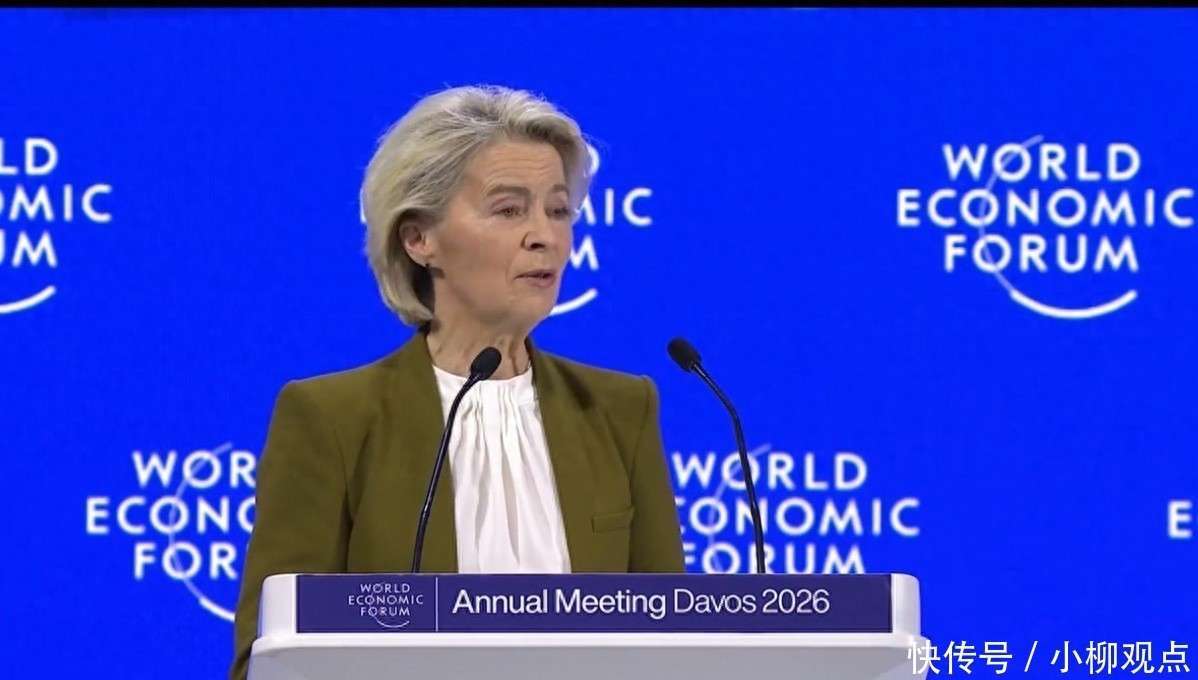
Group 1 - The European Commission President Ursula von der Leyen announced at the 2026 Davos Forum that the EU will permanently freeze Russian overseas assets in Europe to support Ukraine's fight and post-war reconstruction [1] - The EU's decision to freeze Russian assets is in response to calls from the United States for multi-faceted sanctions against Russia, with over €200 billion in Russian assets already frozen, primarily from sovereign funds [3] - Belgium's opposition to the permanent freezing of Russian assets reflects its concerns about the risks involved, as it is home to the European Clearing Bank and would bear significant responsibility if such measures were implemented [5] Group 2 - Von der Leyen's proposal for a permanent freeze requires unanimous consent from all EU member states, indicating a lack of consensus within the EU, with Hungary also expressing dissatisfaction with the sanctions policies [7] - The current situation shows that while there is support for Ukraine, there are internal divisions within the EU regarding the approach to Russia, highlighting the challenges faced in advancing the EU's policy towards Russia [9] - The timing of von der Leyen's statement coincides with the U.S. push to end the Russia-Ukraine conflict, suggesting that the EU's increased sanctions are part of a broader strategy to pressure Russia, although the expected economic decline in Russia has not materialized [10]
深夜,美国芯片巨头直线暴跌17%!发生了什么?白银首次突100美元,黄金逼近5000,见证狂野贵金属牛市!
雪球· 2026-01-24 03:50
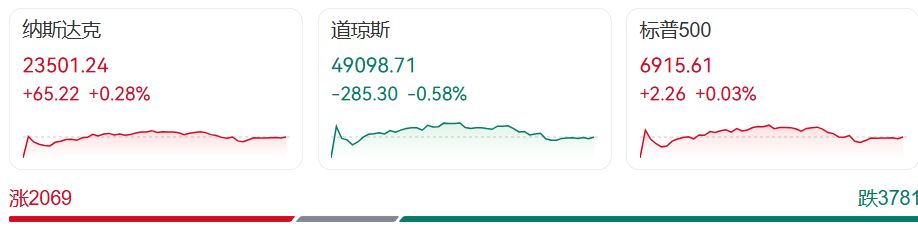
Group 1 - The article highlights a significant surge in precious metals, with silver breaking the $100 mark and gold approaching $5000, marking the largest weekly gains since 2020 [1][14]. - The article notes that the market is awaiting the upcoming Federal Reserve meeting and earnings reports from major tech companies, leading to cautious investor sentiment [1]. - Major U.S. stock indices showed mixed performance, with the Dow Jones down 0.58%, while the Nasdaq rose by 0.28% and the S&P 500 increased by 0.03% [4]. Group 2 - Intel's stock plummeted over 17%, marking its worst single-day performance in a year and a half due to disappointing earnings guidance and warnings of potential supply shortages [2][19]. - Intel's 2025 revenue is projected at $52.9 billion, showing a slight decline of 0.47% year-over-year, with a fourth-quarter revenue of $13.7 billion and a 9% increase in data center and AI business revenue [23]. - The company anticipates first-quarter 2026 revenue between $11.7 billion and $12.7 billion, significantly below market expectations [24][25]. Group 3 - The Nasdaq China Golden Dragon Index experienced a decline of 0.26%, with notable drops in stocks such as Alibaba (-2.23%) and NIO (-2.73%), while Pinduoduo saw a slight increase of 0.34% [11][12]. - The article emphasizes the changing dynamics in the silver market, where it is increasingly viewed as a critical material rather than a speculative asset, driven by demand from the solar industry and electric vehicles [16]. - Silver prices have surged over 40% this month alone, with a remarkable increase of 260% since April 2025, reflecting strong market momentum [17].

黄金白银历史新高!白银首破100美元,黄金逼近5000美元
新华网财经· 2026-01-24 02:07
周五,全球贵金属市场迎来历史性时刻。在地缘政治不确定性持续发酵、以及市场对美联储年内降息预期升温的背景下,避险资金大举涌 入黄金与白银市场。 现货白银价格盘中史上首次突破100美元/盎司关口,黄金同步刷新历史高位,逼近5000美元/盎司。 高盛分析师莉娜·托马斯(Lina Thomas)对第一财经记者表示,白银价格仍将面临"相当极端的波动"。她表示,近期个人投资者通过白银 表达对降息预期的交易动机,与伦敦市场库存偏低、实物流动性紧张叠加,放大了价格波动幅度。 在政策层面,高盛判断美国对白银加征关税的可能性仍然较低,但如果相关政策逐步明朗,白银从美国市场回流至伦敦、缓解伦敦库存紧 张,反而可能引发价格阶段性回调;相反,如果白银继续留在纽约COMEX市场交易(类似此前黄金取消关税后的情况),价格高位运行的 状态或将延续。 她同时提到,近期白银大幅上涨也与中国和印度的实物需求增加有关。虽然从短期看价格已明显偏高,但在现货溢价明显收敛之前,并不 建议贸然做空。 周五现货白银日内涨幅高达7.0%,报102.89美元/盎司,史上首次站上100美元关口,本周累计上涨14.6%;COMEX白银期货报103.06 美元,周涨幅 ...
“贵金属狂潮”延续!白银首破100美元关口,黄金逼近5000美元
第一财经· 2026-01-24 01:52
高盛分析师莉娜·托马斯(Lina Thomas)对第一财经记者表示,白银价格仍将面临"相当极端的波 动"。她表示,近期个人投资者通过白银表达对降息预期的交易动机,与伦敦市场库存偏低、实物流 动性紧张叠加,放大了价格波动幅度。 在政策层面,高盛判断美国对白银加征关税的可能性仍然较低,但如果相关政策逐步明朗,白银从美 国市场回流至伦敦、缓解伦敦库存紧张,反而可能引发价格阶段性回调;相反,如果白银继续留在纽 约COMEX市场交易(类似此前黄金取消关税后的情况),价格高位运行的状态或将延续。 她同时提到,近期白银大幅上涨也与中国和印度的实物需求增加有关。虽然从短期看价格已明显偏 高,但在现货溢价明显收敛之前,并不建议贸然做空。 白银破百 2026.01. 24 本文字数:1602,阅读时长大约3分钟 作者 | 第一财经 胡弋杰 周五,全球贵金属市场迎来历史性时刻。在地缘政治不确定性持续发酵、以及市场对美联储年内降息 预期升温的背景下,避险资金大举涌入黄金与白银市场。 现货白银价格盘中史上首次突破100美元/ 盎司关口,黄金同步刷新历史高位,逼近5000美元/盎司。 与此同时,央行持续增持黄金、全球资产配置"去美元化" ...
上海地方国企创出“双新高” 国企改革深化提升行动高质量收官 开局之年“起步即冲刺”
Jie Fang Ri Bao· 2026-01-24 01:36
五是加快国企干部人才队伍建设,建立企业经营管理人才评价模型,对企业领导人员考核结果实施 合理分布,制定打破常规的人才引进制度。 六是增强国资监管效能,推进穿透式监管,增强协同监管,构建以履行战略使命、提升核心竞争力 为导向的综合监管评价体系,进一步完善国资大监管格局。 一是推进提质增效稳增长,以"起步即冲刺"的状态,紧在前面,靠前发力,全力以赴争取一季 度"开门红"。 二是优化国资布局结构,推动相关资源向优势企业和关键领域集中,提升生产性服务业发展能级, 实施国有企业"抱团出海"行动。 三是强化国企科技创新主体地位,优化创新组织体系,完善管理制度,实施"AI+"行动,分行业推 进垂类模型和智能体落地应用。 四是提升国有资本运作水平,推动国有资本投资运营公司强化功能,改革国资基金管理制度,构建 各有侧重、相互补位的市区两级国资基金发展格局。 记者 俱鹤飞 昨天,2026年上海市国资国企改革发展暨党建工作会议召开。据悉,2025年上海地方国有企业资产 总额达32.5万亿元,创历史新高;利润总额、归母净利润同比增速分别为12.3%和11.2%,均创五年来新 高。上海地方国企控股上市公司总市值达3.2万亿元,同样刷新 ...
特朗普突然变卦,还称“美国从没需要过北约”!欧洲抛售美国资产,美股震荡,英特尔暴跌17%,金价银价狂飙!英首相:特朗普应道歉
Mei Ri Jing Ji Xin Wen· 2026-01-24 01:15
Market Performance - On January 23, U.S. stock indices showed mixed results, with the Dow Jones down 0.58%, the Nasdaq up 0.28%, and the S&P 500 up 0.03% [1] - The precious metals sector led gains, with Pan American Silver rising over 4% [1] - Technology stocks had varied performances, with Microsoft and Netflix up over 3%, while Intel fell 17%, marking its largest single-day drop since August 2024 [1] Chinese Stocks - The Nasdaq Golden Dragon China Index fell 0.26%, with notable declines in stocks such as Xpeng down over 3%, NIO and Alibaba down over 2%, and Weibo down over 1% [1] - Conversely, Youdao rose over 4%, New Oriental increased over 2%, and Trip.com was up over 1% [1] Precious Metals - International precious metal prices reached new highs, with gold briefly surpassing $4,990 and silver crossing the $100 mark [1]