美妆

Search documents
百果园拟筹约3亿元还债;LVMH集团出售KVD;宜家母公司CEO换届
Sou Hu Cai Jing· 2025-09-28 03:06
Investment Dynamics - China Resources Holdings' subsidiary Huachuang Xinxin plans to reduce its stake in Shanxi Fenjiu by up to 16.20 million shares, representing a maximum of 1.33% of the company's total share capital. The company currently holds 10.50% of Shanxi Fenjiu [3] - Huachuang Xinxin has previously reduced its holdings, with a total of 6.30 million shares sold between December 2024 and February 2025. The parent company, China Resources, maintains confidence in Shanxi Fenjiu's future despite the reduction [3] Brand Dynamics - LVMH's beauty incubator Kendo has sold its vegan makeup brand KVD Beauty to private equity fund Windsong Global, marking Kendo's first brand sale. KVD will join the multi-brand beauty platform Belle Brands [11] - Netflix has signed a global co-marketing agreement with Anheuser-Busch, focusing on promotional activities for shows like "The Gentlemen" and "Culinary Class Wars," featuring Budweiser and other brands during major events [14] - McDonald's is launching a Mid-Autumn Festival campaign in collaboration with the game "Black Myth: Wukong," featuring themed products and events across over 7,100 restaurants [17] - Lanzhou Beef Noodle has entered a strategic partnership with Coca-Cola to promote cultural heritage and develop co-branded products through various marketing channels [20] - The tea brand "Bawang Chaji" is opening new stores in Hong Kong, expanding its market presence since entering in 2024 [23] - Alibaba's Amap has waived the annual entry fee for all restaurant merchants and is providing various support services to enhance business opportunities [26] - IKEA's parent company Inter IKEA Group announced a CEO transition, with Jakub Jankowski set to take over in January 2026, aiming to drive international manufacturing and digitalization [28]



雅诗兰黛大幅降薪
3 6 Ke· 2025-09-28 02:33
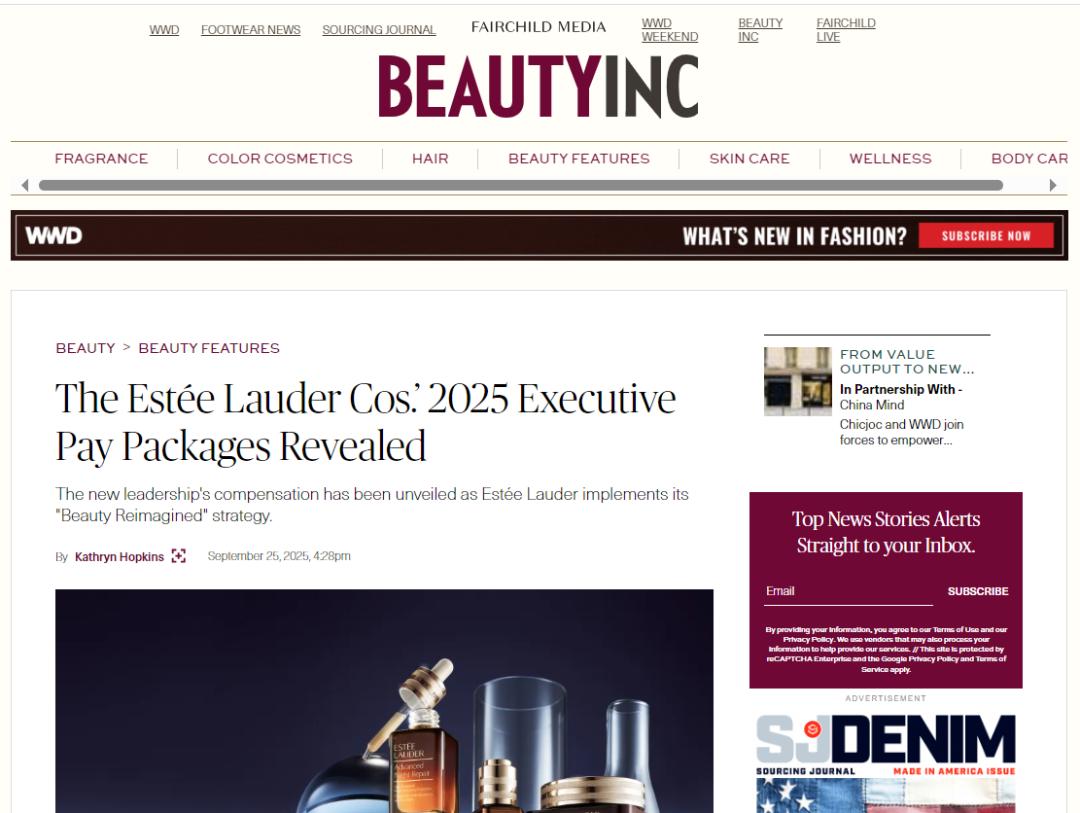
Core Points - Estée Lauder has completed the formation of a new executive team and announced its compensation plan for the fiscal year 2025, which includes base salary, pension, stock options, bonuses, and other benefits [1][2] - The overall annual target compensation for Estée Lauder's management has decreased by 28% following an internal restructuring [1][2] - The former CEO Fabrizio Freda's compensation has seen a significant reduction of 73%, while the current CEO's salary has dropped by approximately 50% compared to the previous CEO [1][3] Compensation Details - Fabrizio Freda, the highest-paid executive, will receive a total compensation of $17.8 million (approximately 127 million RMB) for the fiscal year 2025, with a portion consisting of stock options that may not realize full value due to stock price fluctuations [3][25] - Other executives have also experienced salary reductions, with the current CEO Stéphane de La Faverie earning $9.6 million (approximately 6.8 million RMB), a decrease of 46% from Freda's previous salary [26] - The current CFO Akhil Shrivastava's salary is $3.6 million (approximately 2.6 million RMB), reflecting a 52% drop from his predecessor [26] Performance Context - Estée Lauder has faced significant performance challenges, with net profits declining by 16%, 58%, and 60% from fiscal years 2022 to 2024, leading to a projected loss of $1.133 billion (approximately 808.5 million RMB) for fiscal year 2025 [28][30] - The company's sales and net profits have decreased, with Q4 of fiscal year 2025 reporting sales of $3.411 billion (approximately 24.34 billion RMB), a 12% year-over-year decline [30] Strategic Response - In response to ongoing performance issues, Estée Lauder has initiated significant reforms, including the establishment of a new leadership team and the launch of the "Beauty Reimagined" brand revitalization plan [33][34] - The return of veteran executive Lisa Sequino aims to strengthen the strategic planning and global growth of key makeup brands within the company [35] - The management's collective salary reductions highlight the direct correlation between the company's performance challenges and stock price volatility, emphasizing the need for strategic adjustments to restore market confidence and achieve long-term growth [38]

美妆行业:周度市场观察-20250927
Ai Rui Zi Xun· 2025-09-27 09:16
Investment Rating - The report does not explicitly provide an investment rating for the beauty industry Core Insights - The beauty industry is experiencing a significant transformation driven by consumer preferences for high-quality, effective products and the integration of technology in skincare and cosmetics [4][6][10] Industry Trends - The high-end fragrance segment is witnessing robust growth, with the Chinese perfume market projected to reach 24.9 billion yuan by 2025 and exceed 33.9 billion yuan by 2028, reflecting a compound annual growth rate of 8% [4] - Domestic beauty brands are focusing on scientific innovation, market segmentation, and globalization to enhance competitiveness [6][7] - The integration of medical aesthetics and beauty is becoming a trend, with a projected annual growth rate of 10%-15% for the medical aesthetics market from 2024 to 2027 [10] - The beauty market is seeing a shift towards multi-brand strategies, with companies like Proya and Shiseido leading the way [6][11] Market Environment - Douyin e-commerce is revitalizing the perception of "Chinese good ingredients," enhancing consumer trust in domestic skincare products through educational campaigns [4] - The domestic beauty market grew by 3.1% in the first half of 2025, with significant performance disparities among companies [6] - The trend of "reverse export" to South Korea is emerging, as domestic brands seek to penetrate the Korean market through differentiated product offerings [6] Top Brand Dynamics - Proya leads the domestic beauty market with a revenue of 5.36 billion yuan, followed closely by other major players [11] - The report highlights the rise of makeup artist brands, with Unilever investing in Hung Vanngo Beauty, indicating a growing interest in professional makeup lines [13] - L'Oréal is accelerating its presence in the fragrance market with the launch of high-end perfumes, reflecting a strategic shift towards premium products [14] - The beauty industry is witnessing a surge in e-commerce, with platforms like JD.com reporting double-digit growth in beauty sales [18]




完美日记光环褪色 ,逸仙电商难讲新故事
3 6 Ke· 2025-09-27 06:05
Core Viewpoint - Yatsen E-commerce, the parent company of the cosmetics brand Perfect Diary, reported a significant narrowing of net losses in its financial results for the first half and second quarter of 2025, indicating potential for profitable growth despite ongoing challenges in the beauty industry [1][3]. Financial Performance - In the first half of 2025, Yatsen E-commerce achieved revenue of 1.92 billion yuan, a 22.4% increase from 1.568 billion yuan in the same period of 2024 [1]. - The net loss for the first half of 2025 was 25.08 million yuan, compared to a net loss of 210 million yuan in the same period of 2024 [1]. - For the second quarter of 2025, revenue reached 1.09 billion yuan, up 36.8% from 795 million yuan in the second quarter of 2024 [1]. - The net loss for the second quarter of 2025 was 19.5 million yuan, a significant improvement from a net loss of 85.5 million yuan in the same quarter of 2024 [1]. Business Challenges - The beauty industry is experiencing a slowdown, and Yatsen E-commerce has faced development bottlenecks since its peak performance in 2019, when revenue was 3.031 billion yuan, growing 377% year-on-year [3][4]. - The company's revenue has been on a downward trend since 2022, with figures of 3.706 billion yuan, 3.415 billion yuan, and 3.393 billion yuan for 2022, 2023, and 2024 respectively, reflecting year-on-year declines of -36.5%, -7.9%, and -0.6% [3][4]. Strategic Shifts - Yatsen E-commerce is undergoing a transformation, focusing on "self-sustaining" strategies and launching a "second entrepreneurship" initiative to adapt to external uncertainties [4]. - The skincare segment, which includes brands like "完子心选" and acquisitions of KORRES, EVE LOM, and DR. WU, has shown rapid growth, with skincare revenue increasing by 78.7% to 580 million yuan in the second quarter of 2025, accounting for 53.5% of total revenue [4][5]. Marketing and Brand Image - The company's heavy reliance on marketing has led to increased costs, with marketing expenses rising from 309 million yuan in 2018 to 3.412 billion yuan in 2020, a growth of over 1004% [6][7]. - Despite high marketing expenditures, consumer fatigue with advertising has diminished the effectiveness of these strategies, leading to a decline in brand reputation and increased complaints regarding product quality and customer service [9][10]. - The stock price of Yatsen E-commerce has significantly dropped, losing 63.7% from its peak, reflecting declining investor confidence due to prolonged losses [7][8].
深度解读欧诗漫珍珠科技:美白第一,只是起点
FBeauty未来迹· 2025-09-26 12:39
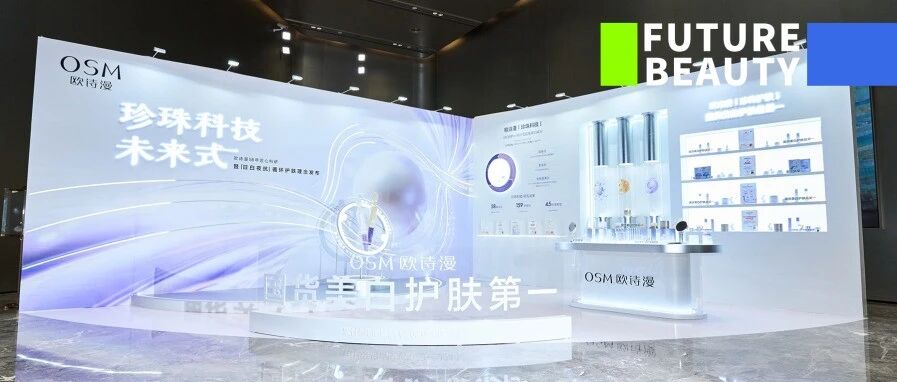
Core Viewpoint - Oushiman is leveraging its 58 years of expertise in pearl technology to establish itself as a leader in the beauty industry, focusing on scientific validation and innovative research to enhance its product efficacy and market competitiveness [3][10][30]. Group 1: Historical Context and Brand Evolution - Oushiman has centered its brand identity around pearls, symbolizing elegance and purity, and has transformed pearl research into a significant technological asset over the past 58 years [3][7]. - The company has achieved the status of the leading domestic brand in whitening skincare products in China, attributed to its proprietary pearl ingredient "Zhenbaiyin Pro" [3][32]. - Oushiman's journey includes three significant phases: from pearl cultivation to active ingredient extraction, and finally to modern scientific innovation and a mature research system [22][25]. Group 2: Research and Development Innovations - The "Zhenbaiyin Pro" ingredient has demonstrated breakthroughs in whitening efficacy, targeting multiple pathways in melanin production and showing superior performance compared to traditional whitening agents [11][13]. - Oushiman has established a comprehensive research framework, including collaborations with global leaders in microbiome and fermentation technology, to explore new skincare solutions [18][27]. - The company has published 58 research papers and holds 159 national patents, showcasing its commitment to scientific advancement in the beauty sector [25][26]. Group 3: Product Development and Market Strategy - The introduction of the "Day White Night Anti-Aging" skincare concept addresses dual consumer concerns of whitening and skin firmness, offering a systematic approach to skincare [34][35]. - The newly launched "Platinum Next Drop" product has shown significant results in skin barrier repair and whitening efficacy, with a reported 50% improvement in skin brightness after 28 days of use [38][40]. - Oushiman's marketing strategy emphasizes the transformation of scientific research into marketable products, reinforcing its position as a competitive player in the beauty industry [32][41].
逸仙电商2024年总碳排放量下降61.7%
Bei Jing Shang Bao· 2025-09-26 11:31
Core Insights - Yatsen E-commerce has officially released its 2024 Environmental, Social, and Governance (ESG) report, marking the fourth consecutive year of proactive ESG disclosure [1] Group 1: Carbon Emissions and Management - In 2024, Yatsen E-commerce completed carbon accounting for Scope 1, 2, and 3, with a total carbon emission of 1,773.46 tons of CO2 equivalent, representing a year-on-year decrease of 61.7% [1] - The company’s core manufacturing facility, Yatsen Biotechnology (Guangzhou), has implemented green practices, including the launch of a distributed photovoltaic power generation project with an installed capacity of 2,324.34 kWp, generating an annual electricity output of 205.25 million kWh, equivalent to an annual CO2 reduction of 1,785.68 tons [1] Group 2: Energy Efficiency Initiatives - The Guangzhou factory has introduced a smart energy management system (EMS) to monitor and control energy consumption in real-time, achieving a total electricity saving of 146,000 kWh in 2024 [1]

快时尚巨头,为何扎堆做美妆?
Hu Xiu· 2025-09-26 10:29
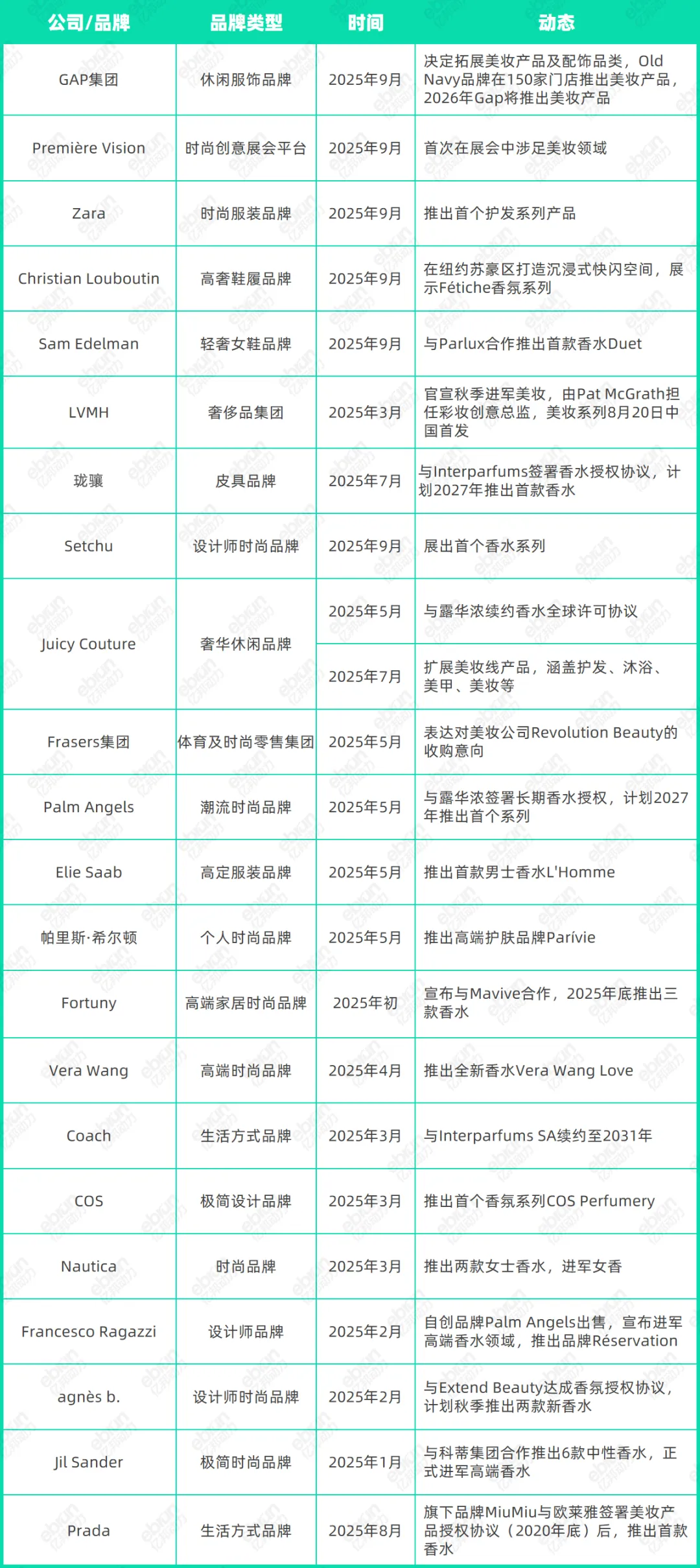
Core Viewpoint - The fashion industry is increasingly venturing into the beauty sector as a response to declining sales, with several major brands launching beauty products to explore new growth opportunities [3][10][46]. Group 1: Fashion Brands Entering Beauty - In September 2025, major fashion brands like Gap, Zara, and H&M announced significant moves into the beauty industry, indicating a trend among fashion companies to diversify their product offerings [5][16]. - Gap Group plans to launch beauty products in 150 Old Navy stores, with some featuring beauty consultants, aiming to leverage its financial stability for growth [12][10]. - Zara has introduced its first hair care line, including shampoo and conditioner, marking its entry into the hair care segment after previously launching cosmetics and fragrances [15][14]. Group 2: Performance of Fashion Brands - Gap Group reported a 4.85% increase in net sales for Q2 2024, ending a three-year decline, but the growth rate has slowed significantly compared to previous years [7][10]. - Zara's parent company, Inditex, experienced a modest 1.6% sales growth in H1 2025, with Zara itself showing the slowest growth in five years at 0.9% [13][14]. - H&M's net sales fell by 1.87% in the same period, with a notable decline in net profit, indicating a downward trend for the brand [16][17]. Group 3: LVMH's Beauty Strategy - LVMH launched its own beauty brand in 2025, with a focus on luxury makeup products, including 55 lipstick shades, aiming to enhance its beauty segment's profitability [32][33]. - Despite the launch, LVMH's overall sales and profits saw significant declines in H1 2025, with a 4.48% drop in net sales and a 21.59% decrease in net profit [34][35]. - The beauty segment's operating profit margin remains lower than the group's average, highlighting challenges in achieving profitability through self-created beauty brands [39][40]. Group 4: Designer Brands and Fragrance - Designer brands are increasingly entering the fragrance market, with several launching new perfume lines in collaboration with established fragrance companies [20][22]. - The trend reflects a broader strategy among fashion brands to transform into lifestyle brands, leveraging their design expertise while outsourcing production and distribution to fragrance giants [22][24]. - Notably, Christian Louboutin's fragrance line, managed by Puig, has faced challenges, with its makeup segment experiencing a decline in sales [30][28]. Group 5: Market Outlook and Challenges - The collective move into beauty by fashion brands raises questions about the sustainability of this strategy amid economic downturns [46]. - The beauty market's appeal remains strong, but the success of these ventures will depend on the brands' ability to adapt and innovate in a competitive landscape [46].


从外贸困境到内销“新生”,广东制造企业如何打开成长新空间?
Zhong Guo Xin Wen Wang· 2025-09-26 09:17
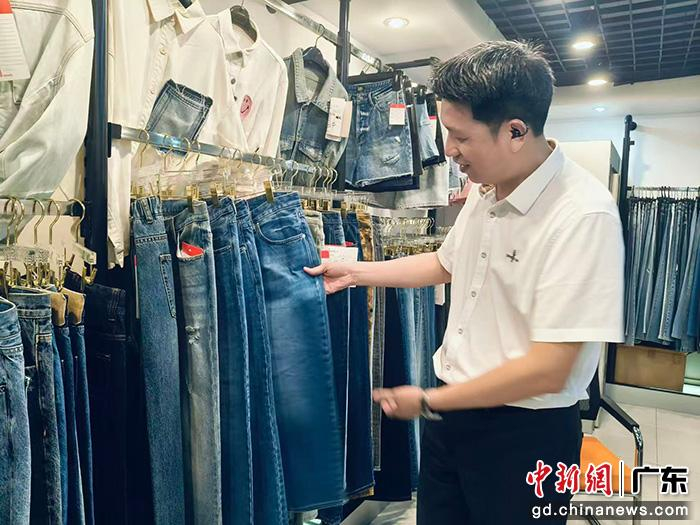
Core Insights - Guangdong, known as the "world's factory," accounts for nearly one-fifth of China's foreign trade exports, with many small and medium-sized manufacturing enterprises relying on overseas orders for growth. However, these companies are now seeking new growth paths in the domestic market due to shifts in the global economic landscape [1][11] - The transition to domestic sales is challenging for these enterprises due to a lack of understanding of domestic consumer demand, unfamiliarity with e-commerce operations, and insufficient channel resources and brand influence. E-commerce platforms like JD's Jingxi are helping these companies overcome these obstacles by providing comprehensive support [1][4][11] Group 1: Transition to Domestic Sales - JD's Jingxi platform offers a full-chain solution that allows foreign trade enterprises to transition to domestic sales without starting from scratch. For example, Dongguan Baoxi Clothing, which previously relied heavily on exports, successfully pivoted to domestic sales with Jingxi's assistance [3][4] - Guangzhou Blanting, a leading manufacturer of bra accessories, also experienced a smooth transition to domestic sales after joining Jingxi, achieving significant sales growth shortly after launching on the platform [3][4] Group 2: Building Long-term Competitiveness - Many Guangdong foreign trade enterprises possess production capacity and quality advantages but are trapped in an "OEM mindset," lacking market insights and brand operation capabilities. Jingxi's self-operated model helps these companies shift from passive selling to proactive brand creation, enhancing their long-term competitiveness in the domestic market [4][6] - Jingxi provides tailored support, including optimizing product presentation, improving marketing strategies, and offering supply chain planning advice, enabling companies like Ruishen Biotechnology to effectively enter the online market [6][8] Group 3: Successful Case Studies - Dongguan Xinyongtai, a small appliance manufacturer, successfully opened its domestic market with Jingxi's help, achieving over 1 million GMV in sales and expanding its product categories [8][11] - The success of these case studies reflects a broader trend among foreign trade enterprises across China leveraging Jingxi to navigate the challenges of transitioning to domestic sales, with over 4,000 foreign trade merchants from Guangdong already onboarded [11]
欧莱雅巨变
3 6 Ke· 2025-09-26 00:10
Core Insights - L'Oréal is undergoing significant executive changes aimed at strengthening its leadership in key markets, particularly the U.S. and Asia-Pacific, to sustain business growth and enhance digital transformation [1][3][26] Group 1: Executive Changes - L'Oréal announced multiple personnel changes within its executive committee, effective January 1, 2026, with transitions starting from October 1, 2025 [1][4] - The adjustments involve six key positions, primarily through internal promotions or cross-assignments, affecting regions such as North America, Europe, and Hong Kong [4][15] - David Greenberg has been appointed as the new Chairman of L'Oréal USA, emphasizing the importance of the U.S. market for future growth [7][10] Group 2: Market Focus - The company aims to enhance its leadership in the U.S. market through a dual management structure, with Greenberg collaborating with the CEO of L'Oréal USA [7][10] - L'Oréal is also focusing on expanding its travel retail business in the Asia-Pacific region, with Eva Yu appointed as the new Travel Retail President [19][21] Group 3: Performance Context - L'Oréal's sales for the first half of 2025 reached €22.473 billion (approximately ¥186.46 billion), showing a slight year-on-year increase of 1.6% [22][30] - The North American market, however, has shown slow growth, with a year-on-year increase of only 0.4%, indicating potential challenges in this key region [23][26] Group 4: Industry Trends - The executive reshuffling at L'Oréal reflects a broader trend in the beauty industry, with other major companies like Estée Lauder and Shiseido also announcing significant personnel changes amid ongoing market pressures [30]

中国零售消费行业生成式AI及数据应用研究报告
艾瑞咨询· 2025-09-26 00:04
Core Viewpoint - The retail industry is transitioning from high-speed growth to stock competition, necessitating the digital transformation of "people, goods, and venues" through the integration of generative AI and data applications to reshape growth trajectories [1][2][44]. Group 1: Digital Transformation in Retail - The shift from a demand-driven economy to a member-based economy is evident as consumer rationality increases, prompting companies to focus on user retention and value extraction [4]. - Retailers must leverage digital technologies to enhance consumer insights, expand touchpoints, and optimize product selection and promotion based on data [2][6]. Group 2: Generative AI and Data Applications - Generative AI and data governance are crucial for maximizing AI value, with 71% of companies planning to strengthen data-driven decision-making [20][23]. - The integration of generative AI in marketing and customer service is leading to significant efficiency improvements, with over 90% of companies adopting these technologies [48][51]. Group 3: Sector-Specific Insights - In the beauty sector, domestic brands are rapidly increasing market share from 43.7% in 2022 to 55.7% in 2024, utilizing KOLs and UGC to establish a marketing loop [9]. - The footwear and apparel industry faces intense competition, requiring companies to develop proprietary product capabilities and brand recognition to stand out [11]. - The home goods sector is shifting towards overseas expansion, with companies focusing on building their own brands rather than merely exporting [14][66]. Group 4: Global Market Expansion - 93% of retail companies are pursuing overseas business, with Asia-Pacific, Europe, and North America as primary targets due to their high purchasing power and mature channels [66]. - Generative AI is facilitating localization efforts by overcoming language and cultural barriers, enabling efficient marketing and customer service in foreign markets [69]. Group 5: Supply Chain and Decision-Making Enhancements - Generative AI is optimizing supply chain efficiency by improving demand forecasting and real-time decision-making, with efficiency improvements ranging from 10% to 30% [62]. - The integration of generative AI in internal decision-making processes is transforming traditional experience-driven approaches into data-driven strategies [42][56].