银行业

Search documents
金价大变!今天买金卖金,全国差价真不小
Sou Hu Cai Jing· 2026-02-11 21:01
Price Discrepancy - The gold market in China shows a significant price difference between investment gold bars and jewelry, with bank gold bars priced at 1135 CNY per gram and branded jewelry at 1560 CNY per gram, resulting in a difference of 425 CNY per gram [1][3] - The price variations are attributed to factors such as design, craftsmanship, and brand premiums, with some jewelry pieces incurring additional processing fees [3] International vs Domestic Pricing - Despite a dramatic drop in international gold prices, domestic brand jewelry prices remained stable due to strong pre-Spring Festival demand [5] - Brand jewelry pricing is based on inventory costs and long-term demand rather than real-time fluctuations in international gold prices, leading to a disconnect between market prices and retail prices [5][6] Recycling Market Challenges - The gold recycling market presents challenges, with some businesses advertising high buyback prices but ultimately deducting fees for depreciation and purity issues, resulting in lower final payouts [6] - The standard recycling rules focus solely on purity and current market prices, disregarding brand or craftsmanship [6] Consumer Choices - Different consumer needs dictate varying choices: for investment, bank gold bars are the most cost-effective; for gifting or wearing, branded jewelry offers style but at a higher price; and wholesale markets provide lower prices but come with risks [8] - Some consumers are adopting a strategy of purchasing bank gold bars and then having them crafted into jewelry, although this carries risks of purity and weight discrepancies [8] Market Sentiment - The upcoming U.S. non-farm payroll data is expected to influence global gold market sentiment, with potential for significant price fluctuations [10] - There are expectations that branded jewelry prices may increase post-Spring Festival, which could dampen consumer enthusiasm for gold purchases [10]


American Households are Piling Up Debt At Historic Levels
Yahoo Finance· 2026-02-11 20:50
Core Insights - U.S. households reached a historic debt level of approximately $19 trillion by the end of Q4 2025, marking an increase of about $191 billion from Q3 [1][2] Debt Composition - Mortgage debt rose by $98 billion to $13.17 trillion [2] - Credit card balances increased by around $44 billion, reaching approximately $1.28 trillion [2] - Auto loans climbed by about $12 billion to $1.67 trillion [2] Delinquency Rates - Overall household debt delinquency rate reached 4.8%, the highest in nearly a decade [2] - Student loan delinquencies surged after the end of pandemic-era protections, with credit card and mortgage delinquencies also rising, particularly among lower-income households [3] Economic Implications - Financial stress is becoming more uneven, with lower-income households feeling the most pressure due to a softer job market, high interest rates, and inflation [3] - Rising delinquencies are often precursors to broader economic slowdowns, potentially impacting consumer spending, which drives about two-thirds of U.S. GDP [6] Policy Outlook - Economists expect the Federal Reserve to pause further rate cuts through 2026, monitoring economic evolution [7] - If delinquencies continue to rise, the Fed may consider resuming rate cuts to support the economy, indicating a "wait and watch" policy dependent on employment and inflation metrics [7]
上市公司春节前派发超3000亿元“红包”
Zhong Guo Zheng Quan Bao· 2026-02-11 20:23
Group 1 - The total dividend amount distributed by listed companies before the Spring Festival has exceeded the previous year, reaching a new high of 348.8 billion yuan, surpassing the 344.6 billion yuan from the previous year [1] - Financial and consumer sectors continue to be the main contributors to dividends, with banking companies distributing 243.4 billion yuan, accounting for nearly 70% of the total [1] - The trend of pre-Spring Festival dividends reflects companies' commitment to enhancing investor returns and aligning dividend distribution with shareholder expectations [1][2] Group 2 - Major consumer companies such as Kweichow Moutai and Wuliangye collectively distributed 44.8 billion yuan in dividends, indicating a strong commitment to enhancing company value and investor confidence [2] - The timing of dividend distributions has generally advanced, allowing investors to benefit from earlier cash returns and better cash flow planning for the new year [3] - The willingness of private companies to distribute dividends has significantly increased, with a total of 61.6 billion yuan distributed, a 130% year-on-year growth, now accounting for 18% of the total pre-Spring Festival dividends [3] Group 3 - Regulatory bodies are promoting improvements in the dividend system, which includes restrictions on major shareholders' sell-offs for companies with low or no dividends, encouraging companies to prioritize shareholder returns [4] - The increase in cash dividends, especially among private companies, is seen as a significant indicator of the high-quality development of the capital market [4]


美联储向银行业发出信号 拟取消部分整改警告
Xin Lang Cai Jing· 2026-02-11 20:17
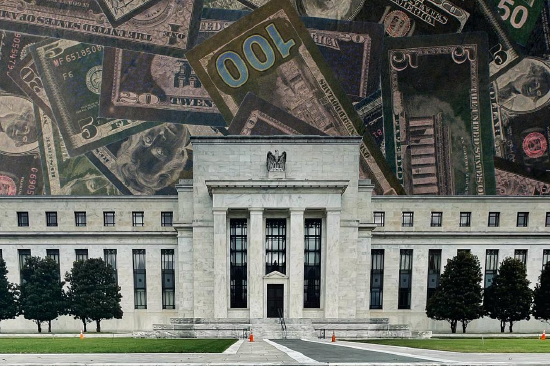
Core Viewpoint - The Federal Reserve is signaling a relaxation of regulatory oversight on U.S. financial institutions, planning to cancel some previously issued non-public corrective warnings [2][8]. Regulatory Adjustments - Vice Chair Michelle Bowman is leading efforts to ease the complex regulatory framework established since the global financial crisis, which has been criticized for increasing costs and limiting lending without necessarily enhancing system safety [3][9]. - The Federal Reserve's new assessment aims to improve regulatory effectiveness by focusing on substantial financial risks to bank safety and soundness, rather than on policy, process, or internal control concerns [10][11]. Evaluation Process - The evaluation process has commenced and is expected to continue until the end of March, with final decisions anticipated by the end of July [6][12]. - Banks will be required to cooperate with examiners to clarify what corrective actions have been taken or not taken regarding risk management, compliance, and financial status [12]. - In some cases, compliance warnings may be downgraded to supervisory watch items, indicating that banks are not required to address those issues [12].

金价真的是一夜大反转,最新报价,全国金价竟然差这么多?
Sou Hu Cai Jing· 2026-02-11 19:51
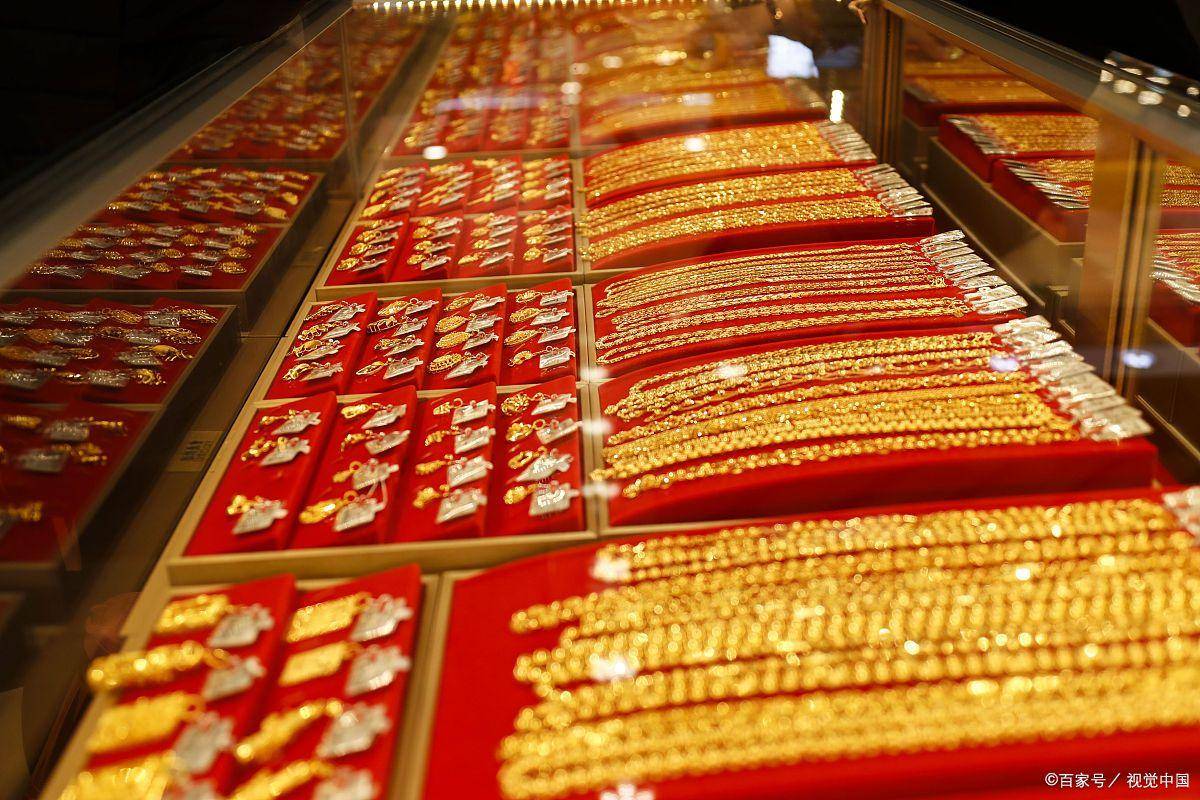
Core Viewpoint - The gold market is experiencing significant price discrepancies, with domestic prices varying widely from international prices and among different sales channels, leading to confusion among consumers about the true value of gold [1][6][10] Price Discrepancies - As of February 11, 2026, the international gold price is stable at $5,058 per ounce, while domestic base gold price is at 1,124 RMB per gram, but actual market prices can differ by hundreds of RMB depending on the sales channel [1][6] - Bank gold bars are priced at 1,137 RMB per gram, while retail brands like Chow Tai Fook list prices at 1,550 RMB per gram, and the Shenzhen Shui Bei wholesale market offers a price of 1,287 RMB per gram, excluding additional processing fees [3][6] Cost Structure - The price differences arise from varying cost structures across sales channels; the Shanghai Gold Exchange price reflects raw material costs, while retail prices include significant overheads such as rent and marketing [3][10] - Processing fees also contribute to price variations, with basic polishing costing around 10 RMB per gram, while more complex techniques can add 30-35 RMB per gram [4][10] Market Demand and Supply - The price discrepancies are exacerbated by seasonal demand, particularly around the Chinese New Year, which increases gold jewelry consumption, while some investors liquidate their holdings, affecting the supply in the recovery market [6][10] - The exchange rate also plays a role; as the RMB depreciates against the USD, the domestic gold price in RMB increases, widening the gap between domestic and international prices [6][10] Consumer Guidance - For investment purposes, bank gold bars at 1,137 RMB per gram are the most cost-effective option, while brand stores offer added value through services like free cleaning and exchange [8][10] - Consumers should be cautious when choosing recovery channels, as unofficial buyers may impose hidden fees, while banks and brand stores provide more transparent processes [8][10] Market Volatility - Gold ETFs have shown significant volatility, with record inflows in January 2026, but are sensitive to price fluctuations, leading to potential sell-offs when prices drop [8] - As of February 11, 2026, New York gold futures are quoted at $5,082 per ounce, reflecting a 1.02% increase from the previous day, with market participants awaiting key economic data that could influence future price movements [8]

加拿大央行称美国的政策加剧不确定性 使其难以判断下一步利率行动
Sou Hu Cai Jing· 2026-02-11 19:15
Core Viewpoint - The Bank of Canada’s management committee indicates that recent actions by the U.S. regarding trade, foreign policy, and central bank independence are contributing to a more "volatile" world and increasing uncertainty [1] Group 1: Interest Rate Decisions - The Bank of Canada maintained its interest rate at 2.25% for the second consecutive time in January, citing rising uncertainty as the main reason for indecision on whether to raise or lower rates [1] - The minutes from the recent meeting highlight the difficulty in effectively weighing and assigning probabilities to various risks in an unpredictable environment with little historical precedent [1] Group 2: Future Policy Outlook - The Bank of Canada reiterated the challenge in predicting the timing and direction of the next policy interest rate adjustment [1]
金价可能大跌开始了,26年2月11日黄金跌价
Sou Hu Cai Jing· 2026-02-11 19:12
Group 1 - The international precious metals market experienced significant volatility in 2026, with gold prices reaching a historical high before sharply declining, currently hovering around the $5000 mark, leading to a drop in domestic retail gold prices [1] - Recent domestic gold retail prices for 99.9% purity gold range from 1528 to 1555 yuan per gram, with major brands like Chow Tai Fook and Luk Fook Jewelry pricing at 1550 yuan per gram [2] - The investment behavior of different investor segments has diverged, with experienced investors remaining calm during market corrections, while inexperienced investors faced significant losses due to panic selling [3][4] Group 2 - Despite the decline in gold prices, jewelry brands are planning to raise prices due to rising raw material costs, with Chow Tai Fook confirming price adjustments for their "one-price" gold and diamond products in early March [3][4] - The contribution of "one-price" products to Chow Tai Fook's retail value has increased from 27.4% to 31.8%, indicating a shift in pricing strategy [4] - The pricing logic of gold has undergone a structural change, with traditional factors like real interest rates losing influence, and risk pricing becoming the core driver amid high global debt levels [5] Group 3 - Many institutions remain optimistic about the long-term outlook for gold, with UBS raising its gold price target for Q3 2026 from $5000 to $6200 per ounce, and JPMorgan predicting it could reach $6600 by 2027 [6] - The current market is witnessing a structural transformation, with retail investors shifting towards stable asset allocation and institutions implementing hedging mechanisms to manage risks [6][7]
罗普特科技集团股份有限公司关于为全资子公司提供担保的公告
Shang Hai Zheng Quan Bao· 2026-02-11 18:48
Group 1 - The company is providing a guarantee for its wholly-owned subsidiary, Ropute (Shanghai) Supply Chain Management Co., Ltd., to support its business development by applying for a bank credit limit of 10 million yuan from Beijing Bank Shanghai Branch, with a maximum guarantee amount of 20 million yuan [1][4][6] - The board of directors approved the guarantee during meetings held on December 25, 2025, and January 15, 2026, allowing for a total external guarantee limit of up to 330 million yuan for all wholly-owned and controlling subsidiaries, with 5 million yuan specifically allocated for Ropute (Shanghai) Supply Chain Management Co., Ltd. [2][7] - The guarantee is within the approved external guarantee limit and does not require further board approval [3] Group 2 - The guarantee is structured as a maximum joint liability guarantee, with a term of three years from the maturity of the underlying debt [5][6] - The guarantee covers the principal debt, interest, penalties, and other related costs, including legal fees and travel expenses [6] - The necessity and reasonableness of the guarantee are justified by the subsidiary's stable financial condition and operational needs, ensuring that the risks are manageable and do not adversely affect the company or its shareholders [7] Group 3 - As of the announcement date, the total external guarantees provided by the company and its subsidiaries amount to 27.5 million yuan, representing 3.08% of the latest audited net assets and 1.81% of total assets, with no overdue guarantees or litigation involved [8]

存款流失假象背后:权益投资需构筑“吸引力前提”
Xin Lang Cai Jing· 2026-02-11 18:46
Group 1 - The central bank has discussed the impact of deposit changes on overall liquidity in its monetary policy report, indicating that a significant portion of funds moving to asset management products still returns to banks in the form of deposits, resulting in limited impact on overall liquidity [1] - Data from the central bank shows that by 2025, funds raised for asset management products from households and non-financial enterprises are expected to increase by 4 trillion yuan and 1 trillion yuan respectively, with deposits and certificates of deposit accounting for 4.6 trillion yuan, or 50% of new underlying assets [1] - Households and enterprises are seeking higher investment returns than deposit rates, leading to a "migration" of deposits to asset management products, but a large portion of these funds returns to banks as deposits due to the demand for safe and stable returns [1] Group 2 - Interest rates in China are expected to remain low in the near term, with the main trend being a switch between deposits and fixed-income asset management products for financial asset allocation by households and enterprises [2] - There is a growing need for a wider range of asset categories for investment due to the substantial wealth accumulation by households and enterprises, with a long-term trend expected to shift funds from debt assets to equity assets [2] - Establishing a long-term mechanism to enhance the stability of the capital market is crucial for promoting healthy and stable development, which is essential for creating a competitive ecosystem in the asset management industry [2]

上市公司派发超3000亿“春节红包”
Xin Lang Cai Jing· 2026-02-11 18:46
Group 1 - The total amount of dividends distributed by 235 listed companies before the Spring Festival reached 348.8 billion yuan, surpassing the previous year's total of 344.6 billion yuan, marking a new high [1] - The increase in dividend distribution is attributed to stable corporate profits and a strengthened awareness of shareholder returns, reflecting improved corporate governance [1] - The financial and consumer sectors remain the primary contributors to dividends, with the banking sector distributing 243.4 billion yuan, accounting for nearly 70% of the total [1] Group 2 - Major companies such as Yangtze Power and Luxshare Precision are actively participating in dividend distribution, with Yangtze Power proposing over 5.1 billion yuan in dividends, leading the distribution [2] - Small and medium-sized enterprises are also engaging in dividend distribution, focusing on specialized fields and benefiting investors, with three companies from the Beijing Stock Exchange distributing a total of 4.45 million yuan [2] - The overall timing of dividend distributions has advanced, with 264.7 billion yuan distributed in December 2025, 3.7 times that of December 2024, enhancing investor cash flow planning [2] Group 3 - The willingness of private enterprises to distribute dividends has significantly increased, with a total of 61.6 billion yuan distributed, a year-on-year growth of 130%, now accounting for 18% of the total [3] - Regulatory efforts have been made to improve the dividend system, transitioning from "soft constraints" to "hard requirements," which has pressured companies to prioritize shareholder returns [3] - The evolving dividend ecosystem in the stock market is fostering a culture of value investment, with predictable returns enhancing investor confidence and attracting long-term capital [3]