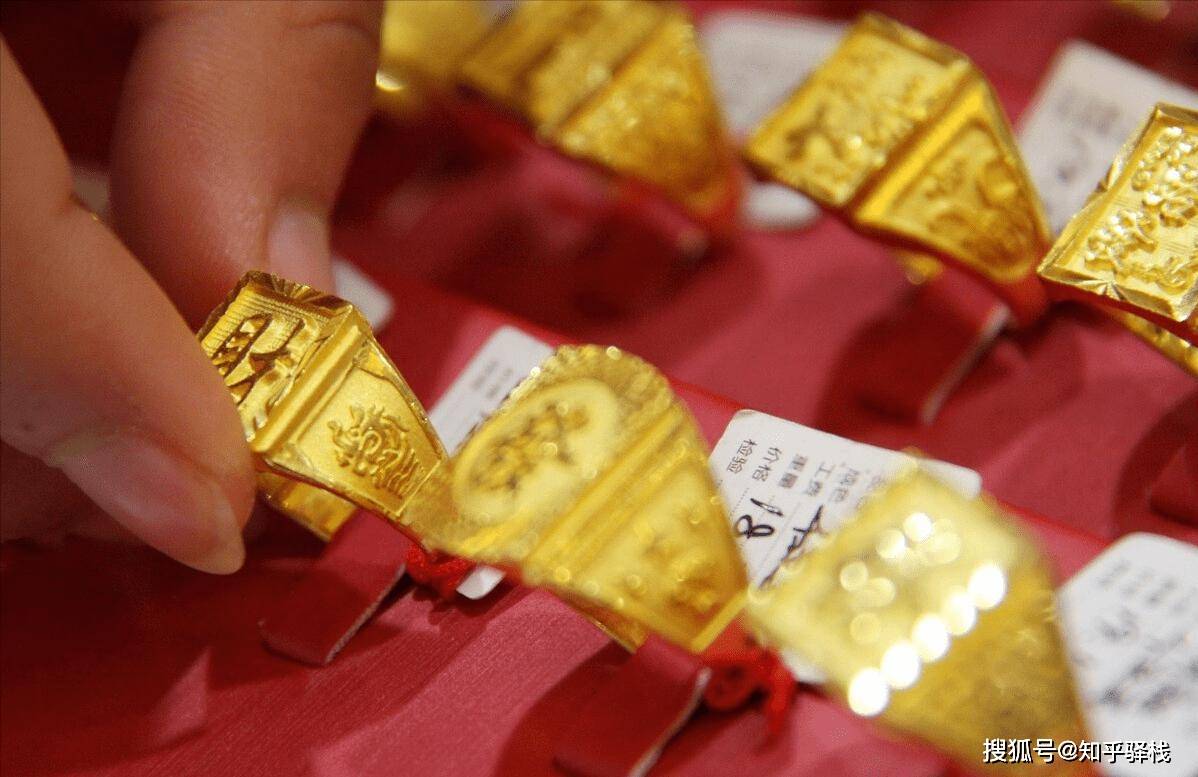
银行投资金条

Search documents
金价2月19日行情已清晰,大家做好心理准备!节后开盘或迎大变盘
Sou Hu Cai Jing· 2026-02-20 12:48
Core Viewpoint - The international gold market experienced significant volatility during the Spring Festival, with gold prices surging past $5000 per ounce on February 19, 2026, while domestic prices remained stagnant due to market closures, leading to a notable price discrepancy between domestic and international markets [1][4][21]. Group 1: Market Dynamics - On February 19, 2026, the London spot gold price saw a dramatic increase, reaching a high of $5021.25 after a low of $4842, resulting in a daily increase of nearly $40, or approximately 0.8% [3]. - The New York Mercantile Exchange also reported a rise in gold futures prices, closing at $5035.7, indicating a strong performance across the precious metals sector [3]. - Domestic gold prices remained unchanged at 1108.5 yuan per gram during the holiday, creating a price gap of about 8 yuan per gram compared to the international market [4]. Group 2: Influencing Factors - Central banks globally have been significant buyers of gold, with a net purchase of 863 tons in 2025, indicating a long-term strategic asset allocation rather than short-term speculation [6][7]. - Market speculation regarding the Federal Reserve's monetary policy has created uncertainty, with a high probability of maintaining interest rates in March 2026, which could influence gold prices positively by reducing the opportunity cost of holding gold [7]. - Geopolitical tensions, particularly in the Middle East, have heightened risk aversion among investors, leading to increased demand for gold as a safe-haven asset [9]. Group 3: Domestic Market Implications - The domestic gold market is expected to experience a "gap-up" opening after the holiday, with prices likely aligning with international levels, potentially opening between 1115 yuan and 1120 yuan per gram if international prices remain above $5000 [12]. - Retail prices for gold jewelry from major brands have increased during the holiday, reflecting high brand premiums, while bank gold bar prices remain more stable and closer to the market price [11]. - Investors are advised to be cautious about potential price corrections following a high opening, with recommendations to monitor support levels around 1090 yuan per gram for more stable buying opportunities [16]. Group 4: Investment Strategies - Different strategies are recommended for consumers purchasing gold for personal use versus those looking to invest. Consumers should be aware of high premiums in retail prices, while investors should focus on tools like gold ETFs and bank investment bars that closely track market prices [15]. - Market participants are encouraged to maintain a disciplined approach, setting clear stop-loss points and avoiding high-leverage derivatives, which are deemed unsuitable for non-professional investors [19]. - Financial institutions like Goldman Sachs have raised their year-end gold price target to $5400, reflecting a broader trend of private sector demand for gold as a hedge against economic uncertainty [19].


凌晨突发,黄金暴拉超百美元破5000,这波过山车行情后续咋走?
Sou Hu Cai Jing· 2026-02-15 16:53
Core Viewpoint - The gold market experienced a significant surge, with London gold prices rising by 2.47% to reach $5040.56 per ounce, breaking the psychological barrier of $5000 just before the Lunar New Year [1][3]. Market Reaction - Domestic brands like Chow Tai Fook and Chow Sang Sang saw gold jewelry prices soar to 1560 CNY per gram, while the recycling price for 999 gold reached 1100 CNY per gram, indicating a frenzied market response [3]. - The volatility in gold prices has been extreme, with a previous peak of $5598.75 per ounce followed by a sharp drop of over 9%, marking the largest single-day decline since 1980 [3][4]. Economic Indicators - The U.S. Consumer Price Index (CPI) for January showed a year-on-year increase of 2.4%, lower than the expected 2.5%, which fueled expectations for interest rate cuts by the Federal Reserve [4][6]. - The decline in CPI, particularly in energy prices, has led to a significant drop in the opportunity cost of holding gold, prompting a surge in investment in precious metals [6]. Central Bank Actions - Global central banks increased their gold holdings by over 1100 tons in 2025, with China's reserves reaching 7419 million ounces, indicating a shift towards gold as a long-term asset [7]. - The total gold held by central banks outside the U.S. surpassed the value of U.S. Treasury holdings, highlighting gold's rising status in the global monetary system [7]. Market Dynamics - High-frequency trading and leveraged funds have contributed to the volatility in gold prices, making it challenging for ordinary investors to navigate the market [9]. - The price of physical gold varies significantly, with brand premiums reaching 400 CNY per gram, while bank investment gold bars fluctuate between 1114 and 1140 CNY per gram [9][10]. Future Outlook - The gold market is at a critical juncture, with $5100 per ounce serving as a key resistance level. A sustained move above this level could open up further upside potential [10]. - Diverging views among financial institutions regarding the Federal Reserve's interest rate path reflect uncertainty in the market, with some predicting two rate cuts this year while others remain cautious [12][15]. Technical Analysis - Current market indicators suggest a cautious bullish sentiment, with gold prices stabilizing above key moving averages, although short-term fluctuations are expected [15][16]. - The complexity of the market environment necessitates a more strategic approach to gold investment, moving away from traditional long-term holding strategies [18].
金价大变!今天买金卖金,全国差价真不小
Sou Hu Cai Jing· 2026-02-11 21:01
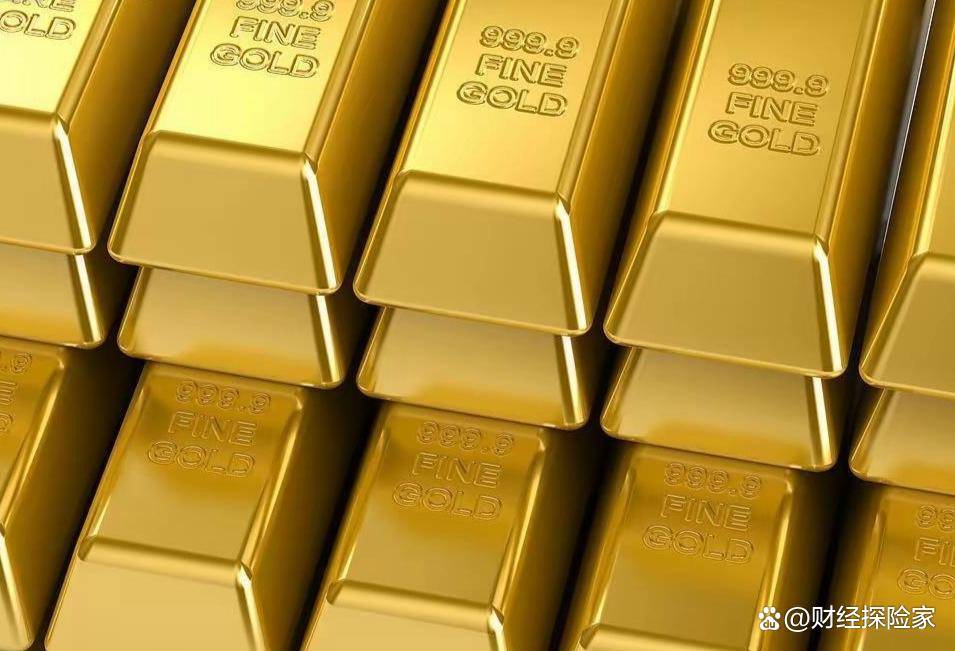
Price Discrepancy - The gold market in China shows a significant price difference between investment gold bars and jewelry, with bank gold bars priced at 1135 CNY per gram and branded jewelry at 1560 CNY per gram, resulting in a difference of 425 CNY per gram [1][3] - The price variations are attributed to factors such as design, craftsmanship, and brand premiums, with some jewelry pieces incurring additional processing fees [3] International vs Domestic Pricing - Despite a dramatic drop in international gold prices, domestic brand jewelry prices remained stable due to strong pre-Spring Festival demand [5] - Brand jewelry pricing is based on inventory costs and long-term demand rather than real-time fluctuations in international gold prices, leading to a disconnect between market prices and retail prices [5][6] Recycling Market Challenges - The gold recycling market presents challenges, with some businesses advertising high buyback prices but ultimately deducting fees for depreciation and purity issues, resulting in lower final payouts [6] - The standard recycling rules focus solely on purity and current market prices, disregarding brand or craftsmanship [6] Consumer Choices - Different consumer needs dictate varying choices: for investment, bank gold bars are the most cost-effective; for gifting or wearing, branded jewelry offers style but at a higher price; and wholesale markets provide lower prices but come with risks [8] - Some consumers are adopting a strategy of purchasing bank gold bars and then having them crafted into jewelry, although this carries risks of purity and weight discrepancies [8] Market Sentiment - The upcoming U.S. non-farm payroll data is expected to influence global gold market sentiment, with potential for significant price fluctuations [10] - There are expectations that branded jewelry prices may increase post-Spring Festival, which could dampen consumer enthusiasm for gold purchases [10]

2026年黄金长期看涨逻辑深度拆解——多机构视角下的投资价值与实操指引
Sou Hu Cai Jing· 2026-02-05 14:06
Core Logic - The long-term bullish outlook for gold in 2026 is supported by three main macroeconomic factors: anticipated Fed interest rate cuts of 50-75 basis points, a continued trend of de-dollarization with central banks expected to purchase 863 tons of gold in 2025, and persistent global macro risks driving demand for gold as a safe-haven asset [2][3] - The supply-demand dynamics indicate limited supply growth of only 1.8% in 2026, while demand is expected to remain strong, leading to a potential supply gap of 320 tons [3] - Domestic and international gold markets are expected to trend similarly, but domestic prices may rise slightly more due to factors like the RMB exchange rate and local consumption recovery [4] Institutional Perspectives - Optimistic institutions like Goldman Sachs and JPMorgan predict aggressive price targets for gold, with Goldman raising its target to $5,400 per ounce and JPMorgan to $6,300, driven by strong demand and monetary policy easing [5][6] - Cautious institutions, represented by Citigroup, express concerns over technical overbought conditions and potential profit-taking, predicting a more volatile price range [7][8] - The World Gold Council provides a neutral to slightly optimistic forecast, suggesting a high volatility environment with a baseline scenario of price fluctuations within ±5% [8] Investment Strategies - Current gold prices as of February 5, 2026, show international gold at $4,879.22 per ounce, with domestic prices reflecting similar trends [12][13] - Recommended investment products for ordinary investors include bank gold bars for long-term holding, gold ETFs for flexibility and low fees, and gold funds managed by professionals for those with lower risk tolerance [14] - Investors are advised to control their positions by diversifying and gradually increasing their investment in gold, with suggested entry points between $4,800 and $5,100 per ounce [15]
有专家说出实话:未来5年,把存款换成“这4样”,或将衣食无忧
Sou Hu Cai Jing· 2026-02-04 18:30
Core Viewpoint - The article emphasizes the importance of diversifying investments beyond traditional bank savings due to inflation, declining interest rates, and aging demographics, suggesting that relying solely on savings poses long-term risks [3][10]. Group 1: Importance of Savings - Cash and savings remain critical for households, serving as emergency funds and financial security during unforeseen circumstances [7][8]. - It is recommended to maintain 3-6 months of living expenses in liquid savings for emergencies, but solely relying on savings can erode purchasing power over time due to inflation [10]. Group 2: Investment Recommendations - The article suggests allocating a portion of long-term idle funds into assets with better preservation and appreciation potential after ensuring emergency and security funds are in place [11]. - **Gold and Hard Assets**: Gold is viewed as a hedge against inflation and geopolitical risks, with a recommended allocation of 5%-15% of household assets [13][17]. - **Equity Assets**: Equity investments, including stocks and index funds, are expected to yield higher long-term returns compared to savings, but should be approached with a long-term perspective and psychological readiness for volatility [23][25][29]. - **Self-Health and Skills**: Investing in personal health and skills is highlighted as a core asset, emphasizing the importance of health insurance and continuous skill development to ensure long-term income stability [33][36]. - **Annuities**: Annuities are presented as a stable cash flow option for retirement, providing lifelong income and serving as a forced savings mechanism, although they come with liquidity constraints and lower returns [42][44][49]. Group 3: Holistic Financial Strategy - A well-rounded financial strategy should integrate money, health, skills, and insurance, creating a supportive structure for future security [54].

金价过山车!暴跌后又暴力反弹,2月4日报价来了
Sou Hu Cai Jing· 2026-02-04 17:56
Core Viewpoint - The gold market has experienced unprecedented volatility, with prices plummeting from nearly $5,600 to a low of $4,400, marking a 9% drop—the largest since 1980—followed by a sharp rebound of 6% to around $4,900 within two days [1][3]. Group 1: Market Dynamics - The catalyst for the price drop was the nomination of hawkish Kevin Walsh as the new Federal Reserve Chair, raising concerns about liquidity tightening and prompting the Chicago Mercantile Exchange to increase margin requirements, forcing speculative long positions to liquidate [3]. - Gold prices surged by 25% and silver by 63% within a month, indicating a significant deviation from traditional valuation frameworks, with analysts suggesting gold is overvalued by 80% compared to its reasonable valuation of $2,990 per ounce for 2026 [5]. - The domestic gold price disparity is notable, with bank investment gold bars priced at 1,095-1,099 CNY per gram, while retail prices in Shenzhen reached 1,252 CNY per gram, highlighting a significant channel premium and brand cost gap [7]. Group 2: Institutional and Retail Behavior - During the price drop, SPDR Gold ETF saw an inflow of 12 tons of gold in a single day, and the domestic gold T+D holdings surged by 12.7%, indicating institutional investors are positioning themselves while retail leveraged funds amplify volatility [9]. - The ISM Manufacturing PMI for the U.S. was reported at 47.8, close to the critical 47.0 level, which could strengthen expectations for Federal Reserve rate cuts, adding to market uncertainty regarding Walsh's policy direction [11]. Group 3: Silver Market Insights - The silver market exhibited even higher volatility, with a 26% single-day drop, attributed to its smaller market size and higher retail participation, although long-term industrial demand provides some support [12]. - Deutsche Bank maintains a price target of $6,000 for gold, while JPMorgan sets an even higher target of $6,300, though analysts caution that current prices may have exhausted future growth potential, raising concerns about whether gold's safe-haven status has been overshadowed by speculative trading [14].

国际金价逼近5000美元,新的“淘金热”正在上演
Sou Hu Cai Jing· 2026-01-22 23:40
Core Viewpoint - The rising gold prices are driven by increased central bank purchases, expectations of interest rate cuts by the Federal Reserve, and heightened geopolitical tensions, leading to a renewed "gold rush" in the market. Group 1: Central Bank Purchases - Central banks are increasingly buying gold as a zero-credit-risk asset, which is not affected by sanctions or monetary policy, serving as a "safety cushion" for sovereign assets. In 2025, global central bank net gold purchases reached 1,136 tons, the second highest on record. The People's Bank of China has increased its holdings for 14 consecutive months, with countries like Poland and Brazil also ramping up their gold purchases [3][4][5]. Group 2: Economic Factors - There are expectations that the Federal Reserve will cut interest rates in 2026, prompting investors to replace a portion of U.S. bonds with gold [3]. Group 3: Geopolitical Tensions - Ongoing geopolitical issues, such as the Greenland dispute, U.S.-EU tariff threats, the Russia-Ukraine conflict, and Middle Eastern instability, have increased demand for safe-haven assets, with gold being a primary beneficiary [4][5].
为什么金价跌了,你买黄金还是亏钱?业内人士绝不会说的秘密
Sou Hu Cai Jing· 2025-11-05 01:15
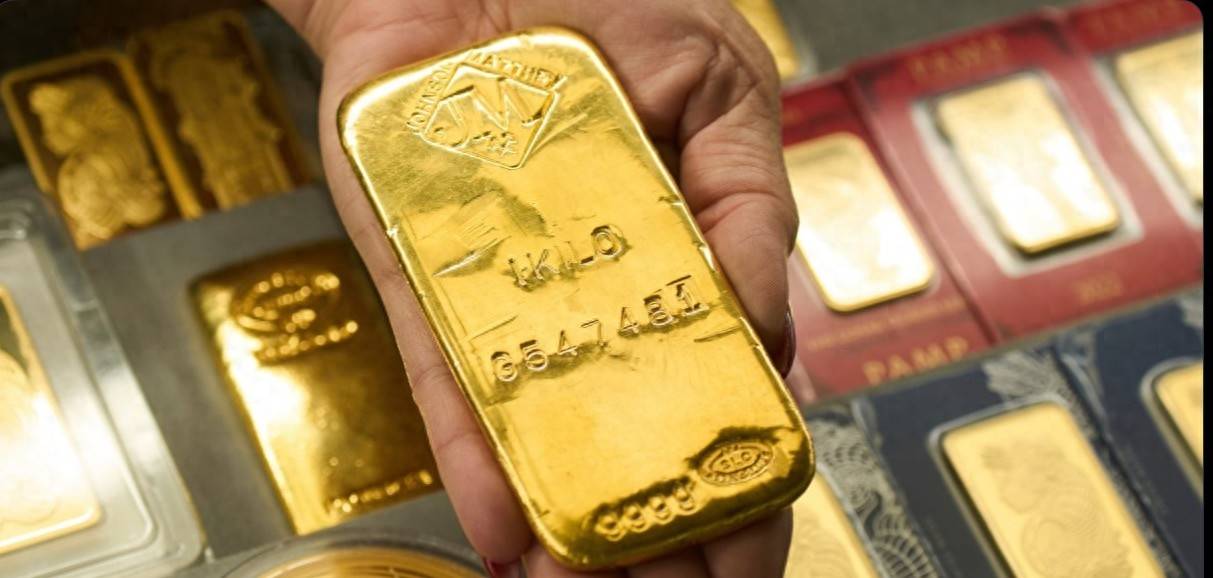
Core Viewpoint - The article highlights the hidden traps in gold investment that can lead to significant losses, especially during price declines, emphasizing the importance of understanding costs, timing, and liquidation channels [1][10]. Cost Structure - Many retail investors overlook the "cost premium" associated with gold purchases, which includes craftsmanship and channel markups, leading to a situation where gold prices must rise significantly just to break even [3][4]. - For example, a gold bracelet priced at 1150 CNY per gram has a markup of over 25% compared to the raw material price of 917.8 CNY per gram, meaning a 10% drop in gold price requires a 25% increase to cover costs [3]. Timing and Market Signals - Investors often mistakenly believe that a price drop indicates a buying opportunity, but the true bottom is determined by macroeconomic signals rather than just price declines [6]. - The correlation between the 10-year TIPS yield and gold prices is strong, with a coefficient of -0.82, indicating that rising yields can pressure gold prices [6]. Liquidation Challenges - The process of selling gold can also lead to losses due to various hidden fees and practices, such as "color compression" and additional charges that can reduce the amount received significantly [8]. - For instance, a seller may receive 30 CNY less per gram if the gold is measured at a lower purity than purchased, leading to substantial losses upon liquidation [8]. Investment Strategy Recommendations - Investors are advised to choose low-cost gold products, such as bank investment gold bars with a premium of only 2%-3% or commission-free gold ETFs, to minimize costs [9]. - Timing for entry into the gold market should be based on specific signals, such as a decline in the 10-year TIPS yield or stabilization of gold prices above key support levels [9]. Conclusion - Understanding the hidden traps in gold investment is crucial for mitigating risks and avoiding significant losses, as gold should be viewed as a long-term asset rather than a speculative short-term investment [10].

金价跌上热搜!手持黄金的怎么办?没有的该不该买?一篇给你讲透
Sou Hu Cai Jing· 2025-11-04 18:24
Core Viewpoint - The recent decline in gold prices is attributed to short-term factors, while long-term support remains intact, indicating potential investment opportunities despite current volatility [3]. Group 1: Short-term Factors - The gold price drop is driven by three main short-term factors: excessive prior gains leading to profit-taking, easing geopolitical risks prompting withdrawal of safe-haven investments, and reduced expectations for Federal Reserve interest rate cuts resulting in higher 10-year Treasury yields [3]. - The recent drop in gold prices saw a single-day decline of 12%, the largest in 12 years, highlighting the volatility in the market [3]. Group 2: Long-term Support - Long-term support for gold remains strong, with global central banks expected to purchase over 1,000 tons of gold by 2025, and major countries like China and Poland continuing to increase their gold reserves [3]. - The U.S. debt, amounting to $37.9 trillion, raises concerns about the long-term credibility of the dollar, maintaining gold's appeal as a risk-hedging asset [3]. Group 3: Investment Strategies for Current Holders - For holders of physical gold, the recommendation is to assess the "break-even point" and consider the purpose of the gold before deciding to sell, especially if it is investment-grade bullion with low premiums [6]. - Investors holding gold ETFs or funds should evaluate their positions based on their allocation; those with heavy exposure may consider reducing their holdings if prices continue to decline [6][8]. - For those with leveraged gold products, immediate stop-loss measures are advised to prevent significant losses [6]. Group 4: Recommendations for New Investors - New investors are advised to remain patient and avoid impulsive buying; a two-step approach is recommended: first assess the need to buy, then determine the timing and type of gold to purchase [8]. - It is suggested to focus on low-premium, easily liquidated products such as bank investment gold or gold ETFs, while avoiding high-premium jewelry or leveraged derivatives [8]. - A gradual investment strategy is encouraged, with a focus on maintaining a small portion of overall assets in gold to mitigate risks associated with market volatility [9].
黄金暴跌背后的“猫腻”:普通人冲进去前,必须看清这3个陷阱
Sou Hu Cai Jing· 2025-11-04 01:15
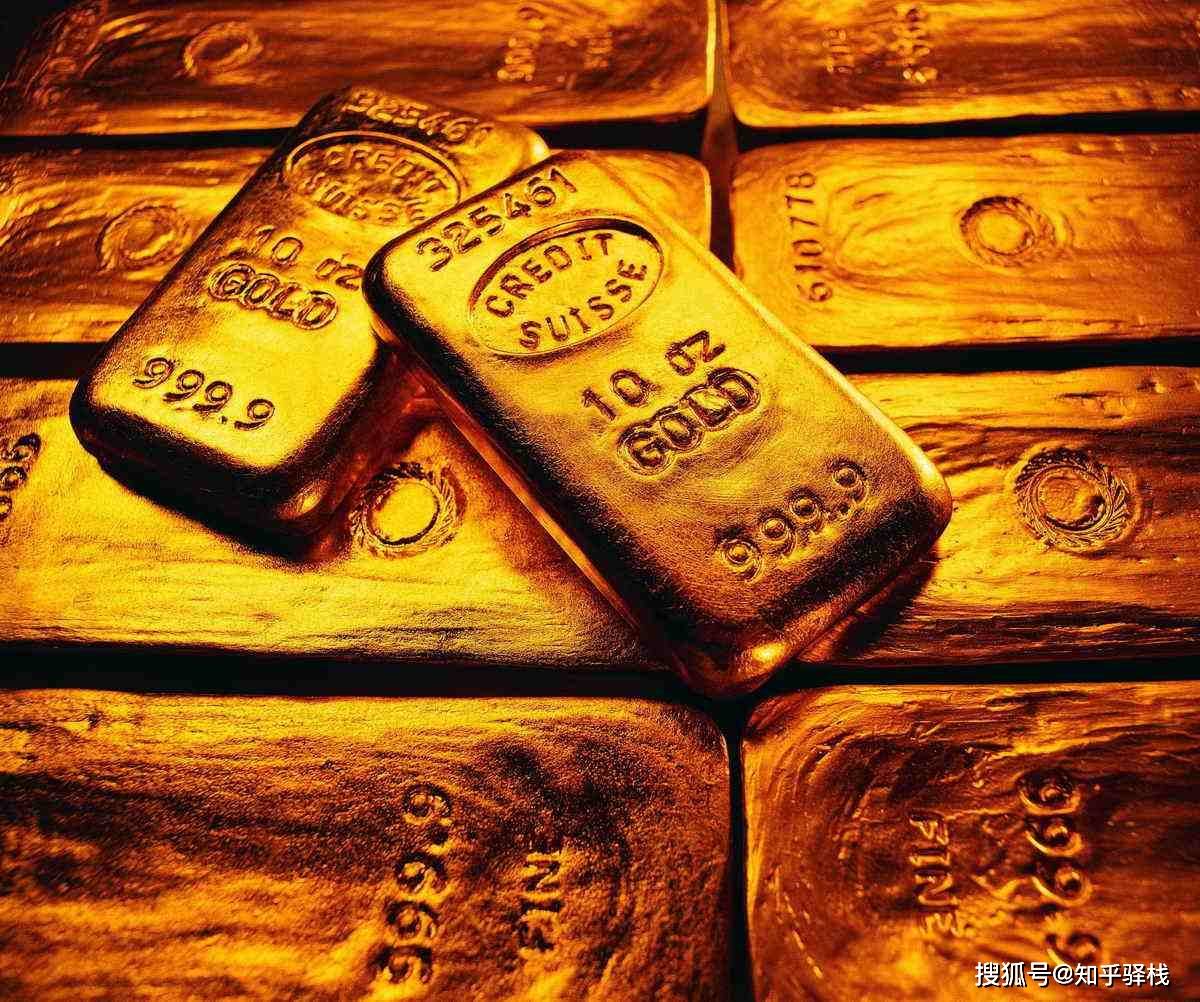
Core Insights - The recent sharp decline in gold prices has led to increased interest in gold investment, but it has also exposed various traps targeting inexperienced investors [1][3][5] Group 1: Market Trends - London gold prices have fallen below $3,900 per ounce, a drop of over 11% from previous highs, while domestic gold prices in Shanghai have plummeted 3% to 905 yuan per gram [1] - The decline in gold prices is attributed to a combination of reduced risk appetite, a stronger US dollar, and profit-taking by investors [10] Group 2: Investment Risks - Leveraged trading in gold has become a dangerous trend, with individuals using high leverage (up to 20 times) leading to significant losses, as seen in a case where a student lost 30,000 yuan overnight [3] - Hidden costs associated with gold trading, such as deferred fees for T+D contracts and high management fees for leveraged ETFs, can erode capital significantly [3][5] - Many gold investment schemes, such as "gold storage" with high promised returns, are identified as Ponzi schemes, with past cases resulting in substantial investor losses [5][6] Group 3: Investment Strategies - Investors are advised to focus on four legitimate gold investment channels: physical gold from banks or gold shops, bank accumulation gold, gold ETFs through securities accounts, and gold futures through futures companies [8] - A recommended strategy is to invest in gold gradually, using a portion of available funds to average down costs during price dips [9] - It is suggested that gold should only constitute 5-10% of a household's total assets, emphasizing that gold is a risk management tool rather than a quick profit vehicle [10]