
水产养殖

Search documents
趋势研判!2025年中国鲟鱼行业产业链图谱、市场现状、进出口及未来前景分析:国内鲟鱼养殖规模不断增长,行业出口市场加速扩大[图]
Chan Ye Xin Xi Wang· 2025-05-02 23:18
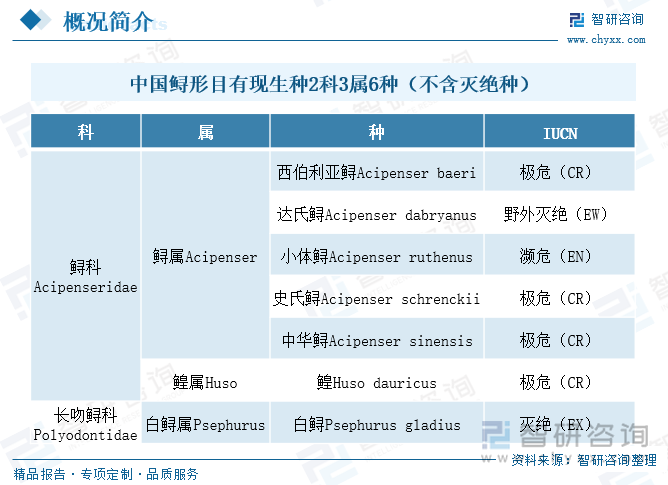
Industry Overview - Sturgeon (Acipenseriformes) is a group of bony fish known for its large size and long lifespan, with a history of over 200 million years, often referred to as "living fossils" [2][5] - China has become the world's largest sturgeon farming country, with production increasing from 10,900 tons in 2003 to 149,400 tons in 2023, accounting for over 85% of global sturgeon farming [1][9] - The domestic sturgeon farming industry is expected to exceed 150,000 tons in 2024, driven by technological advancements and market demand [1] Production and Technology - The sturgeon farming industry in China has developed a complete industrial chain from breeding to processing, with significant advancements in breeding technologies such as hybrid breeding and genome selection [5][18] - Various farming methods are employed, including pond farming, flow-through systems, and recirculating aquaculture systems, tailored to local conditions [3][5] - The introduction of the new sturgeon variety "Jinglong No. 1" in September 2023 marks a significant milestone in the industry [1] Regional Distribution - The sturgeon industry in China is highly concentrated in regions such as Guizhou, Yunnan, Hubei, and Shandong, which together account for over 60% of national production [9][18] - Guizhou has emerged as the leading province in sturgeon production, surpassing Yunnan in 2023, with production growth rates of 24.2% and 72.5% for Guizhou and Hubei, respectively [9] Export and Import Dynamics - China's sturgeon production fully meets domestic demand, leading to an increase in export volumes while reducing import needs [11] - In 2024, sturgeon exports reached 342,432 kilograms, a year-on-year increase of 24.14%, with a total export value of $9.8 billion, up 18.5% [11] - The export market is diverse, with significant shares going to the United States, Germany, Belgium, France, and Japan, accounting for 68.53% of total exports [11] Competitive Landscape - The sturgeon industry is characterized by a diverse competitive landscape, with key players like Xunlong Technology and Sichuan Runzhao Aquaculture leading the market [13][14] - Companies are increasingly focusing on technological innovation and ecological farming practices to enhance product quality and expand market reach [13][16] Development Trends - The sturgeon farming industry is experiencing continuous expansion and regional concentration, with a shift towards larger-scale cold-water farming systems [18] - The industry is moving towards high-value transformation, with a focus on deep processing of sturgeon products, including caviar and health supplements [20] - Technological innovations, such as gene editing and smart farming systems, are expected to drive industry upgrades and improve sustainability [21]


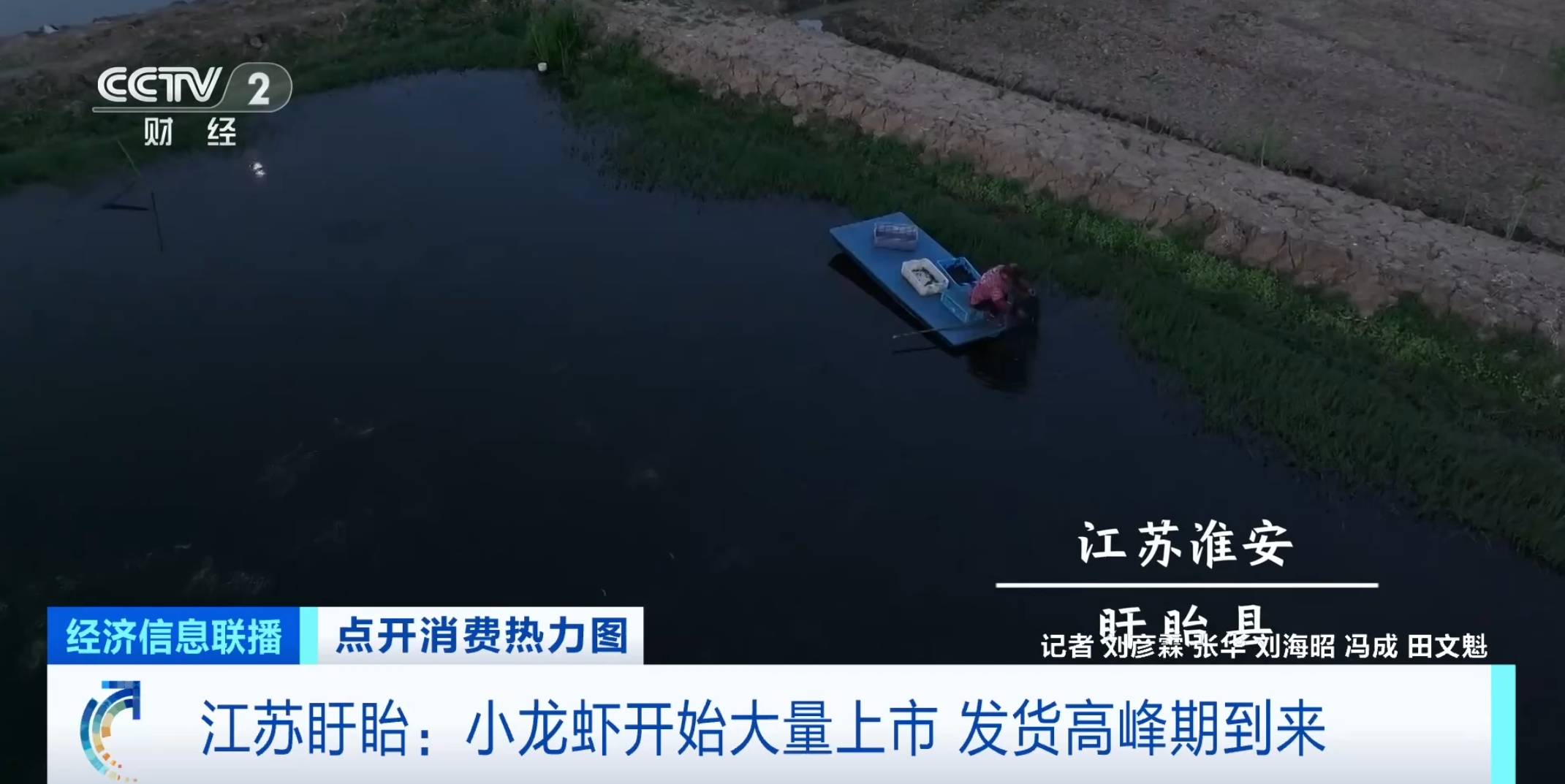
小龙虾、热带水果齐上市!从田间到餐桌,消费者“鲜”享美味
Sou Hu Cai Jing· 2025-05-02 15:07
Group 1: Industry Overview - The culinary landscape in China is vibrant, featuring regional specialties such as Jiangsu's Guo Bao Rou, Sichuan's hot pot, and Guangdong's Chang Fen, which contribute to a significant food industry [1] - The peak season for freshwater crayfish, particularly in Jiangsu's Xuyi, is during the months of May, June, and July, coinciding with the arrival of various tropical fruits [15] Group 2: Crayfish Industry in Xuyi - Xuyi has approximately 975,000 acres dedicated to crayfish farming, with 775,000 acres utilizing a rice-crayfish co-culture system [7] - The projected crayfish catch for 2024 in Xuyi is around 125,000 tons, supporting approximately 210,000 jobs in the region [7] - The price for crayfish is currently 48 yuan per jin for 7-9 taels and about 90 yuan per jin for over one tael, with a single farm producing around 1,000 jin daily [5] Group 3: Processing and Trade - In 2024, the total processing volume of crayfish from 41 large processing enterprises is estimated to be about 105,800 tons, generating a revenue of 5.06 billion yuan [13] - The export volume of crayfish products is projected to be 11,700 tons, with an export value exceeding 840 million yuan [13] Group 4: Tropical Fruit Market in Hubei - The tropical fruit market in Hubei, particularly in Xiaogan, is experiencing a strong sales momentum, with a reported 30% increase in sales compared to the previous year [19] - A fruit store in Xiaogan can achieve an average daily revenue of about 20,000 yuan, with over 600 customer orders daily [23] - The supply chain for tropical fruits is well-established, ensuring fresh produce reaches consumers efficiently [25]
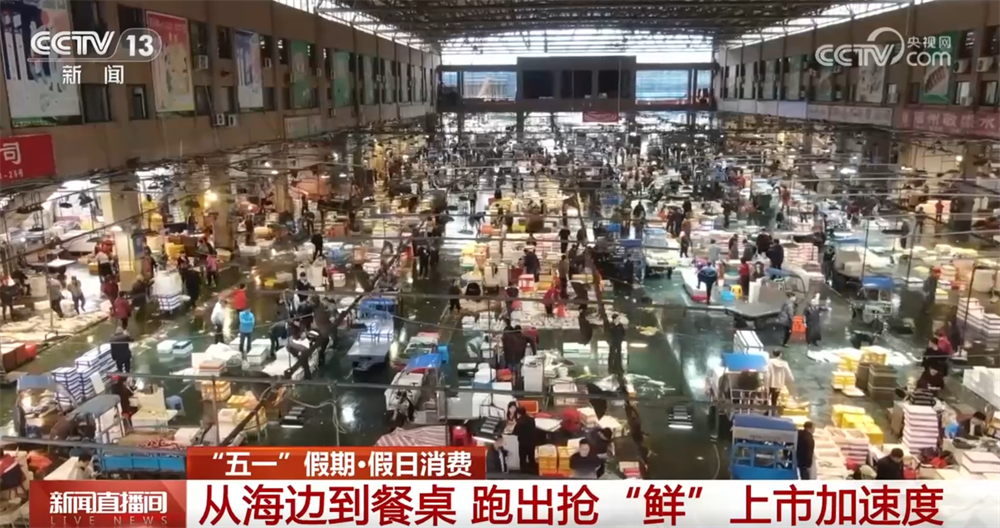
物流、养殖双“给力” 为假日海鲜抢“鲜”上市按下“加速键”
Yang Shi Wang· 2025-05-02 04:12
Core Insights - The seafood market is experiencing a consumption peak during the "May Day" holiday, with a significant increase in demand from coastal and inland cities [1][4][12] Group 1: Market Dynamics - The Fujian Mawei Strait Aquatic Products Trading Center is one of the largest seafood spot trading markets in the country, trading over 300 varieties daily [3] - The logistics of seafood distribution are highly efficient, with cold chain logistics playing a crucial role in transporting seafood quickly from markets to retail outlets [6][13] Group 2: Regional Consumption Trends - The top provinces for seafood shipment from January to April are Shandong, Guangdong, Jiangsu, Fujian, and Liaoning, while the largest receiving provinces are Shandong, Fujian, Guangdong, Liaoning, and Jiangsu [7] - Cities in the western region, such as Chengdu, Urumqi, and Yinchuan, are also seeing significant seafood consumption [9] Group 3: Popular Seafood Products - Oysters are the top-selling seafood item across the leading provinces, with notable production in Shandong, Guangdong, and Fujian [12] - Other popular seafood items during the holiday include conch, shellfish, and clams [12] Group 4: Innovations in Aquaculture - Advances in aquaculture technology are enabling the successful farming of species like the South American white shrimp in regions like Inner Mongolia, with production reaching 500 pounds daily and a 30% increase in sales during the holiday [17][21] - The local aquaculture industry is expanding, with the scale of South American white shrimp farming in Inner Mongolia increasing to 15,000 acres [21]
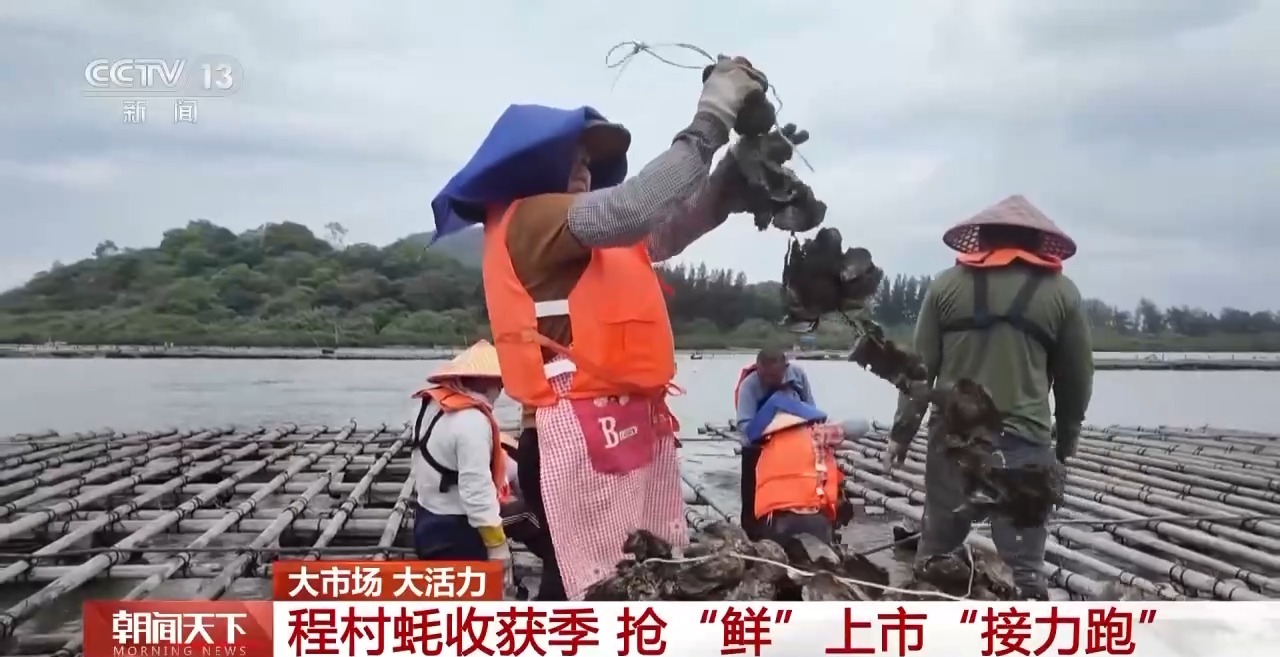
大市场 大活力丨“五一”假日餐桌海鲜热度揭秘 生蚝如何抢“鲜”出发?
Yang Shi Xin Wen· 2025-05-02 01:43
Core Insights - China is a major aquaculture country, with an expected aquaculture output of 60.61 million tons in 2024, accounting for approximately 82% of the total aquatic product output [1] - The seafood market is experiencing a surge in demand during the "May Day" holiday, with significant quantities of fresh oysters being harvested and distributed [1][14] Aquaculture and Harvesting - In Guangdong's Yangxi Chengcun Town, a significant oyster farming base, over 400,000 boxes of freshly harvested oysters are being prepared for the holiday market [1][4] - The innovative string-hanging method for oyster farming allows for easier harvesting and reduces costs while promoting faster growth due to better nutrient absorption from seawater [3][4] Processing and Distribution - The local oyster processing company is currently shipping an average of 40,000 jin (20 tons) of oysters daily, with peak periods reaching 80,000 jin (40 tons), primarily as fresh products [9][13] - The company has established partnerships with cold chain logistics providers to enhance delivery speed and efficiency [11][13] Market Trends and Consumer Demand - The Fuzhou Mawei Seafood Trading Center is one of the largest seafood markets in China, with over 300 varieties traded daily during the holiday peak [15] - Inland cities are also experiencing a surge in seafood consumption, with significant activity noted in markets such as Beijing's Dahuomen Seafood Wholesale Market [17][20] Logistics and Transportation - Cold chain logistics are crucial for transporting seafood to distant markets, with airports optimizing processes to reduce unloading times and ensure freshness [25][27] - In Inner Mongolia, local shrimp farming has increased, with daily production reaching 500 jin (250 kg) and sales expected to rise by 30% during the holiday [33][35] Industry Performance - In the first quarter of this year, China's total aquatic product output reached 14.83 million tons, a year-on-year increase of 4.53%, with marine aquaculture output growing by 5.69% [36] - Shandong, Guangdong, Jiangsu, Fujian, and Liaoning are the top provinces for seafood shipping and receiving, indicating strong regional demand and supply dynamics [37][39]
桂山桂水迎贵客!这个“五一”,把胃交给广西! | 桂品高定·风味广西
Nan Fang Nong Cun Bao· 2025-04-30 18:03
Core Viewpoint - The article highlights the culinary richness of Guangxi, promoting it as a destination for food enthusiasts during the May Day holiday, showcasing various local delicacies and their unique flavors [3][4][5]. Group 1: Culinary Highlights - Guangxi offers a diverse range of local dishes, including specialties like Liuzhou snail noodles, Bama fragrant pig, and Nanning old friend rice noodles, which are characterized by their unique flavors and preparation methods [9][10][11]. - The region's natural resources contribute to its culinary offerings, with ingredients like the spicy Tian Deng chili and the nutrient-rich Qinchuan oyster being highlighted for their exceptional quality [16][34]. Group 2: Local Ingredients and Their Significance - Tian Deng chili, known for its extreme spiciness, has a historical significance in the region, contributing to a local industry valued at 250 million [30][31]. - Qinchuan oysters, referred to as "sea milk," are cultivated along the North Latitude 21° coastline, with a brand value of 5.314 billion, showcasing the area's seafood richness [41][43]. - The production of Pu Bei dried tangerine peel emphasizes the region's agricultural heritage, with over 17,000 acres dedicated to growing the fruit, resulting in 6,000 tons of dried peel [48][49]. Group 3: Cultural and Historical Context - The article references the historical significance of local ingredients, such as the legacy of Xu Xiake, a famous traveler who praised the quality of local rice, which is still cultivated using traditional methods [60][70]. - The narrative intertwines the cultural identity of Guangxi with its culinary practices, emphasizing the connection between the land and its food [55][79].

调查分析报告显示:去年我国小龙虾产业继续平稳发展
Zhong Guo Chan Ye Jing Ji Xin Xi Wang· 2025-04-30 15:23
Core Viewpoint - The Chinese crayfish industry is expected to maintain stable growth in 2024, with a total output value exceeding 460 billion yuan, driven by technological innovation and structural optimization despite facing cost pressures and market fluctuations [1] Industry Overview - In 2024, the crayfish farming area is approximately 30 million acres, with total production exceeding 3 million tons, remaining stable compared to 2023 [2] - Traditional production areas like Hubei, Anhui, and Hunan continue to dominate, but growth in these regions is slowing, while non-traditional areas such as Guangxi, Sichuan, and Hainan are emerging due to off-season farming practices [2] Processing Sector - The crayfish processing industry is experiencing growth in both capacity and profit, with 41 surveyed enterprises reporting a total crayfish purchase volume of 260,000 tons, a year-on-year increase of 11.9% [3] - The total output value of these enterprises reached 5.06 billion yuan, up 13.5% year-on-year, with a notable shift towards high-value-added products [3][4] - Online sales of crayfish products have increased, reflecting the growing importance of e-commerce platforms in the industry [3] Consumer Trends - Consumer demand for crayfish is high, with preferences shifting towards quality and price sensitivity, particularly among younger demographics [5] - The average spending per transaction is concentrated in the 100-150 yuan range, indicating a balance between quality and cost [5] - The pre-prepared crayfish market has seen explosive growth, with online sales increasing by 40% in 2024 [6] Challenges and Solutions - The industry faces challenges such as rising farming costs and imbalances in profit distribution between farmers and processors [7] - Adoption of smart feeding technology and ecological mixed farming are suggested as solutions to reduce costs and risks [7] - Strengthening order agriculture models and establishing price linkage mechanisms are recommended to stabilize the market [7][8] Long-term Trends - The industry is moving towards self-sufficiency in seed supply, with a target of 80% self-sufficiency in seed production [9] - Integration of the entire industry chain is becoming a trend, with cultural and tourism events boosting local economies and contributing over 10% to the total output value [9] - Enhanced policy support is expected to facilitate technological innovation and market expansion, promoting high-quality development in the crayfish industry [9]
量足、品丰、价稳!百姓餐桌消费“基本盘”“五一”假期市场供应有保障
Yang Shi Wang· 2025-04-30 06:22
Supply and Market Conditions - The supply of essential food products, including vegetables, meat, and dairy, is sufficient and stable ahead of the "May Day" holiday [2][3][10] - The area of vegetables planted nationwide reached 83.25 million acres in early April, an increase of 1.9% year-on-year [3] Regional Highlights - Shouguang, a key facility vegetable production base, is currently in the harvest season for various types of tomatoes, including red, orange, and yellow varieties [5][7] - The tomato planting area in Shouguang is 35,000 acres, with a peak production of 260,000 tons being shipped nationwide [8] Price Trends - The vegetable price index has recently declined due to seasonal factors, as reported by the Shouguang Agricultural Products Logistics Park [9] - The Agricultural and Rural Affairs Ministry reported a year-on-year increase in the production of various proteins, including pork, beef, and poultry, indicating a stable supply of quality protein sources [13] Preparedness for Holiday Demand - Supermarkets are proactively stocking up on eggs and other essential items to meet the anticipated surge in demand during the holiday [15]
南疆盐碱水域变“蓝色粮仓”
Ke Ji Ri Bao· 2025-04-30 01:18
Core Viewpoint - The Xinjiang Production and Construction Corps has successfully transformed saline-alkali water areas in southern Xinjiang into productive aquaculture zones, leading to the cultivation of various aquatic products that are now in high demand across the country [1][2]. Group 1: Aquaculture Development - The Jin Hong Aquaculture Company has recently sold over 20 tons of California bass and is expanding its fish farming operations, indicating a strong market demand [1]. - In 2022, Jin Hong Aquaculture achieved an annual production of 60 tons of fish with a revenue exceeding 3 million yuan, utilizing a greenhouse-based circular water system for fish farming [1]. - The company has improved its oxygen supply method, resulting in an increase of approximately 15 kilograms of fish per cubic meter compared to traditional methods [1]. Group 2: Saline-Alkali Water Utilization - The Xinjiang Production and Construction Corps has identified 46,000 acres of saline-alkali water that can be developed, but only 21.7% of this area is currently utilized [2]. - By the end of 2024, the aquaculture area in saline-alkali water is expected to exceed 10,000 acres, with a total output of over 6,000 tons of aquatic products valued at 150 million yuan [2]. - Since 2022, the Corps has allocated 11 million yuan annually to support aquaculture entities, enhancing the development of the industry [2]. Group 3: Strategic Planning and Research - The Corps is conducting research to integrate key technologies for the comprehensive development of saline-alkali water aquaculture, with 12 demonstration sites established for various aquaculture models [3]. - A comprehensive aquaculture plan for the southern Xinjiang region is set to be completed by 2024, addressing technical and resource integration challenges [3]. - By the end of 2025, the goal is to increase the pond aquaculture area in saline-alkali regions to 12,000 acres through differentiated development strategies [3].
让依法护水理念深入人心
Ren Min Wang· 2025-04-30 00:52
Group 1 - The article highlights a special fish stocking activity in Kaifa County, aimed at ecological restoration and compensating for illegal fishing practices [1] - The event was organized by multiple local authorities, including the People's Court and the Environmental Protection Bureau, showcasing collaborative efforts in ecological governance [2] - The initiative is part of a broader strategy to improve water quality and support the local aquaculture industry, which is vital for the community's economic development [2] Group 2 - The article discusses the challenges faced by local fish farmers due to upstream illegal fishing activities that have led to water pollution and significant economic losses [2] - A series of measures have been implemented, including the establishment of a "River Chief + Judge" mechanism to enhance ecological judicial protection and address illegal fishing cases [2] - The court has been actively involving local representatives in public legal education and awareness campaigns to promote the importance of ecological conservation [3] Group 3 - A specific case of illegal fishing involving the use of pesticides was highlighted, resulting in a court ruling that included both criminal and civil penalties for the offender [3] - The article emphasizes the role of judicial actions in raising public awareness about the dangers of illegal fishing methods and the importance of protecting aquatic ecosystems [3] - The representative's ongoing involvement in court proceedings and public education efforts reflects a commitment to enhancing ecological governance and community engagement [3]
国联水产2024年实现营收34.09亿元 集中资源培育大单品
Zheng Quan Ri Bao Wang· 2025-04-29 10:43
Core Viewpoint - Guolian Aquatic Development Co., Ltd. reported a revenue of 3.409 billion yuan for 2024 and 813 million yuan for Q1 2025, with a net profit of 6.0284 million yuan, reflecting a year-on-year growth of 71.62% [1] Group 1: Financial Performance - In 2024, the company achieved a total revenue of 3.409 billion yuan [1] - For Q1 2025, the company reported a revenue of 813 million yuan and a net profit of 6.0284 million yuan, marking a 71.62% increase year-on-year [1] Group 2: Industry Challenges - The aquatic industry faced challenges due to a weak global economic recovery, intense competition in the downstream consumer market, and declining prices in the South American white shrimp market [1] - Despite these challenges, the company is committed to a long-term strategy focusing on food safety as a core aspect of its development [1] Group 3: Strategic Initiatives - The company is implementing a "big product strategy" with a focus on three major products that account for over 30%, 20%, and 10% of sales, respectively [1] - Guolian Aquatic is enhancing its dual circulation strategy and promoting all-channel marketing to support rural revitalization and empower farmers [1] Group 4: Food Safety and Quality Management - The company emphasizes food safety, holding various international certifications and implementing a comprehensive traceability system across the entire supply chain [2] - All products undergo low-temperature cold chain transportation and storage, ensuring health and safety from source to table [2] Group 5: Future Outlook - For 2025, the company plans to focus on core products, deepen channel networks, strengthen brand value, and enhance research and development capabilities [2]
