水产

Search documents
第19届上海国际渔博会今日盛大启幕,首日到场62896人次
Guan Cha Zhe Wang· 2025-08-28 06:34
Core Insights - The 19th Shanghai International Fisheries Expo has commenced, showcasing over 3,000 renowned brands and more than 10,000 seafood products from 30+ countries and regions, covering a vast exhibition area of 120,000 square meters [1] Group 1: International Exhibitors - Norway's seafood industry is highlighted for its sustainable offerings, including fresh salmon and Arctic cod, known for their rich Omega-3 fatty acids and distinctive snowflake texture [2] - Ecuador is represented as a major player with its white shrimp, accounting for 11.4% of global production, showcasing strong integrated farming and processing capabilities [2] - India presents a diverse range of seafood products, including black tiger shrimp and squid, through 15 participating export companies [2] Group 2: Domestic Industry Leaders - Numerous leading domestic seafood companies are participating, including Shanghai Box Cheng, Guangdong Hongbao, and Yantai Can Can Tang, contributing to a complete industry ecosystem [3] - The trend of ready-to-cook seafood products is gaining traction, with offerings like Japanese salmon fillet and soy sauce crab, catering to busy consumers seeking convenience [3] Group 3: Regional Highlights - The Donggang exhibition group showcases a variety of shellfish products, emphasizing the economic value of local resources [4] - Ningde's large yellow croaker enterprises present a full industry chain solution from fry cultivation to deep processing, highlighting local development potential [4] - The exhibition features geographical indication brands from across China, focusing on brand building and regional revitalization [4]
美国对印度50%关税正式生效,影响多大?
Zheng Quan Shi Bao· 2025-08-27 08:19
Group 1 - The U.S. has officially imposed a 50% tariff on Indian products, effective from August 27, 2023, impacting a trade volume of $128.8 billion, with Indian exports to the U.S. valued at $87.3 billion in 2024 [1][3][2] - The tariff applies to all Indian goods imported for consumption, with exceptions for goods already in transit and certain humanitarian aid [2] - The imposition of tariffs is expected to reduce India's annual economic growth rate by 0.6 to 0.8 percentage points, according to Citigroup [6][7] Group 2 - The Indian rupee has depreciated against the dollar, and the Sensex 30 index has dropped over 1%, marking its worst performance in three months [1][2] - Foreign investors are accelerating their exit from the Indian market, with net selling of Indian stocks for the second consecutive month in August [3] - Indian exporters warn of a potential 20% to 30% decline in exports to the U.S. starting in September, particularly affecting the textile and apparel sectors [4][5] Group 3 - The Indian apparel sector, which relies heavily on the U.S. market for about one-third of its exports, could see a decline of $2.5 to $3 billion due to the tariff [5] - The Indian government has indicated that affected exporters will receive financial assistance and be encouraged to explore alternative markets [9] - The future of U.S.-India trade negotiations will largely depend on the policy priorities of the Trump administration, including domestic and international issues [9]
恒兴集团董事长陈丹:保障多个“好”要素,破解水产“丰产不丰收”
Nan Fang Nong Cun Bao· 2025-08-26 09:03
Core Viewpoint - The chairman of Guangdong Hengxing Group, Chen Dan, emphasizes the importance of ensuring multiple "good" factors in the aquaculture industry to address the issue of "high yield but low income" [1][13]. Group 1: Company Initiatives - Hengxing Group aims to create a comprehensive aquaculture food industry chain from "pond to table" [6]. - The company is accelerating its breeding efforts, having successfully developed new disease-resistant varieties of shrimp and fish [7]. - Hengxing Group has established the largest and most intelligent offshore aquaculture platform in Guangdong Province, named "Hengyi 1," and has initiated several projects in the Guangdong-Hong Kong-Macao Greater Bay Area [9][10]. Group 2: Industry Challenges - The aquaculture industry faces seasonal challenges, leading to concerns about achieving high yields without corresponding income [13]. - Chen Dan highlights the need to mitigate market risks associated with seasonal production cycles [13]. Group 3: Recommendations for Improvement - The company suggests improving the efficiency of germplasm introduction and breeding, as well as simplifying processes to facilitate business operations [15]. - Strengthening industry-academia-research cooperation is essential for addressing disease prevention in key aquaculture species [16]. - There is a call for the establishment of a water product reserve system to ensure food security and enhance support for deep processing and pre-prepared aquatic product parks [17][18]. - Emphasis is placed on developing sales channels and brand building to tackle issues related to price volatility and income stability in the aquaculture sector [19][20].


国联水产:董事陈汉累计质押1000万股
Mei Ri Jing Ji Xin Wen· 2025-08-25 11:24
Company Overview - Guolian Aquatic (SZ 300094) announced on August 25 that director Chen Han will release and re-pledge part of his shares, with a total of 10 million shares pledged, accounting for 85.12% of his holdings [1] Financial Performance - For the year 2024, Guolian Aquatic's revenue composition is as follows: 94.8% from the aquatic industry, 4.35% from feed revenue, and 0.85% from other industries [1] - As of the announcement, Guolian Aquatic has a market capitalization of 4.7 billion yuan [1]

海南西部(临高)水产国际交易市场二期开业
Hai Nan Ri Bao· 2025-08-22 02:17
Group 1 - The recent ceremony in Lingao County marked the completion and launch of 22 projects with a total investment of 2.8 billion yuan, covering various sectors including infrastructure, industrial dynamics, and public services [2] - A key project, the second phase of the Hainan West (Lingao) Aquatic Products International Trading Market, was inaugurated, with a total investment of approximately 330 million yuan and an area of 240 acres [2] - The new trading market aims to create a comprehensive fishery economy complex that integrates trading, processing, cold storage, and tourism, addressing local fishermen's employment challenges and enhancing the overall industry chain [2] Group 2 - The projects are expected to facilitate Lingao's transition from a "big fishery county" to a "strong fishery county," contributing to high-quality economic development and optimizing the industrial structure [2] - The initiative is designed to break through the industry chain from fishing, sorting, processing to trading and supporting services, injecting new momentum into the local economy [2]
山东滨州税务提升办税服务能力保障惠企利民成效
Zhong Guo Jin Rong Xin Xi Wang· 2025-08-18 12:22
Core Viewpoint - The article emphasizes the efforts of the National Taxation Bureau in Binzhou City to enhance tax services, alleviate difficulties for market entities, and transform policy benefits into development momentum through detailed services. Group 1: Support for Enterprises - The "Spring Rain Nourishing Seedlings" initiative is aimed at addressing the urgent needs of taxpayers and helping enterprises grow by providing timely support [1]. - Shandong Binbo New Materials Technology Co., Ltd. faced challenges such as information barriers and limited sales channels, which hindered their business aspirations [1]. - The tax bureau utilized big data and the national taxpayer supply chain query system to connect the company with potential partners, resulting in a stable cooperation that generated sales exceeding 530,000 yuan [1][2]. Group 2: Compliance and Innovation - The automotive parts industry is crucial for enhancing regional manufacturing competitiveness, with Shandong Huiyu Automotive Parts Co., Ltd. recognized for its technological strength and market performance [3]. - The tax bureau provided tailored guidance on tax incentives and compliance, helping Huiyu to effectively utilize the VAT deduction policy, which alleviated financial pressure and enabled innovation in production processes [3]. - The implementation of non-grinding technology reduced production cycles by 24 hours and saved approximately 4 million yuan annually for a specific product [3]. Group 3: Taxpayer Education and Services - The tax bureau has developed a comprehensive training model to help taxpayers save on tax costs and enjoy better services through targeted courses and dynamic service extensions [5]. - Binzhou Changqing Tree Aquatic Products Co., Ltd. benefited from training on export tax refund processes, resulting in a refund of 669,300 yuan, which eased the financial burden on the company [4]. - The tax bureau is expanding intelligent and integrated service scenarios to provide personalized support for small and micro enterprises, enhancing taxpayer satisfaction [5].
有高度、有深度、有鲜度!湛江这场海鲜产品推介会看点十足
Nan Fang Nong Cun Bao· 2025-08-17 09:34
Core Viewpoint - The Zhanjiang Seafood Product Promotion Conference aims to enhance the brand value and market presence of Zhanjiang seafood through a comprehensive media strategy and industry collaboration [4][6][10]. Group 1: Event Overview - The Zhanjiang Fishing Festival officially commenced on August 16, featuring a cultural carnival and a seafood product promotion event [3][4]. - The promotion event integrates various stakeholders, including e-commerce platforms, suppliers, and service providers, to enhance Zhanjiang's seafood brand [5][6]. Group 2: Brand Development - A significant highlight of the event was the unveiling of the Zhanjiang Modern Marine Ranch Brand Innovation Platform, which aims to boost brand creation and value [14][15]. - The platform's establishment is part of the "Media+" initiative, which focuses on market expansion and brand development [18][19]. Group 3: Industry Collaboration - A roundtable forum was held to discuss logistics, media communication, and food safety, with industry experts providing insights on promoting Zhanjiang seafood to national markets [30][32]. - Key industry players emphasized the importance of cold chain logistics in ensuring the quality and distribution of Zhanjiang seafood products [35][36]. Group 4: Marketing Strategies - Innovative marketing strategies, such as live streaming and social media engagement, were discussed to attract younger consumers and enhance brand visibility [40][42]. - The integration of technology and media is seen as crucial for transforming seafood from mere ingredients to appealing products for the digital age [42][43]. Group 5: Product Showcase - The event featured a seafood tasting session, showcasing various dishes prepared by top chefs, which attracted significant attention from attendees [51][53]. - The exhibition area displayed a wide range of Zhanjiang specialties, leading to active inquiries and initial purchase agreements from buyers [57][60].
淄博:7月份粮油副食品和鸡蛋价格保持稳定,肉类价格小幅下跌
Zhong Guo Fa Zhan Wang· 2025-08-05 10:00
Core Insights - In July, prices of grains, oils, and subsidiary food products in Zibo City remained stable, while meat prices experienced a slight decline, and vegetable prices showed more increases than decreases [1] Group 1: Grain and Oil Prices - In July, the average price of medium wheat was 1.19 yuan per 500 grams, up 0.85% month-on-month; medium corn also averaged 1.19 yuan per 500 grams, up 1.71%; special flour averaged 2.24 yuan per 500 grams, up 0.45%; peanut oil (5 liters) averaged 146.69 yuan, unchanged from the previous month; granulated sugar averaged 5.50 yuan per 500 grams, unchanged; and refined iodized salt averaged 2.07 yuan per 500 grams, unchanged [2] Group 2: Meat and Egg Prices - In July, the average price of lean pork was 15.51 yuan per 500 grams, down 1.02% month-on-month; five-spice pork averaged 14.36 yuan per 500 grams, down 2.18%; boneless hind leg meat averaged 13.96 yuan per 500 grams, down 1.55%; and rib average price was 19.01 yuan per 500 grams, down 0.99%; lamb averaged 34.57 yuan per 500 grams, down 1.37%; while the average price of white strip chicken was 8.94 yuan per 500 grams, down 1.43% [3] - The average price of eggs in the market was 3.43 yuan per 500 grams, up 0.29%, while supermarket eggs averaged 3.51 yuan per 500 grams, down 0.85% [3] Group 3: Vegetable Prices - In July, the vegetable prices in Zibo City showed more increases than decreases, with 14 out of 17 monitored vegetable prices rising; the main reasons for the price increases included adverse weather conditions affecting growth and increased costs for harvesting and storage [4] Group 4: Metal and Fertilizer Prices - In July, the average price of ammonium bicarbonate was 0.80 yuan per kilogram, down 1.24%; diammonium phosphate averaged 4.07 yuan per kilogram, unchanged; potassium chloride averaged 3.15 yuan per kilogram, down 2.17%; and urea averaged 2.02 yuan per kilogram, down 0.49%; meanwhile, copper averaged 79,581.67 yuan per ton, up 1.15% [5] Group 5: Fuel Prices - In July, the maximum retail prices for fuel were set at 7.22 yuan per liter for 92-octane gasoline, 7.75 yuan for 95-octane gasoline, 6.82 yuan for 0-octane diesel, and 7.22 yuan for -10-octane diesel [6]

沪指跌1.18%失守3600点
Chang Jiang Shang Bao· 2025-07-31 23:52
Market Performance - On the last trading day of July, all three major A-share indices fell by over 1%, with the Shanghai Composite Index closing below 3600 points at 3573.21, down 1.18% [1] - The Shenzhen Component Index dropped 1.73% to 11009.77, while the ChiNext Index decreased by 1.66% to 2328.31 [1] - The total trading volume in the Shanghai and Shenzhen markets reached 1.96 trillion yuan [1] Sector Performance - The sectors that saw gains included liquid cooling IDC, assisted reproduction, Google, biopharmaceuticals, chemical pharmaceuticals, and computers [1] - Conversely, sectors that experienced declines included aquaculture, PTA, iron ore, energy metals, steel, and minor metals [1] Notable Stocks - The AI sector showed strong fluctuations, with Yidian Tianxia (301171) hitting the 20% daily limit up [1] - The liquid cooling server sector performed well, with Sihua New Materials (301489) also reaching the 20% limit up, alongside Yingweike (002837) and Chunz中科技 (603516) [1] - The assisted reproduction sector continued to strengthen, with Gongtong Pharmaceutical (300966) and Anke Biotechnology (300009) both hitting the 20% limit up, while Hanshang Group (600774) also reached the limit [1] - The steel sector faced adjustments, with Baogang Co. (600010) dropping over 8% [1] - The coal sector declined across the board, with Antai Group (600408) falling over 7% [1] Market Outlook - According to Jifeng Investment Advisory, the A-share market is expected to continue a structural trend in August, supported by the intensive disclosure of mid-term performance and ongoing policy efforts, favoring industries with high earnings certainty [1] - Dongfang Securities noted that the current A-share market is in a sustained upward trend with ample trading volume, attracting new capital, and maintaining a cautiously optimistic sentiment without immediate risk of reversal [2]


成功穿越周期的“长跑者”
财富FORTUNE· 2025-07-29 08:10
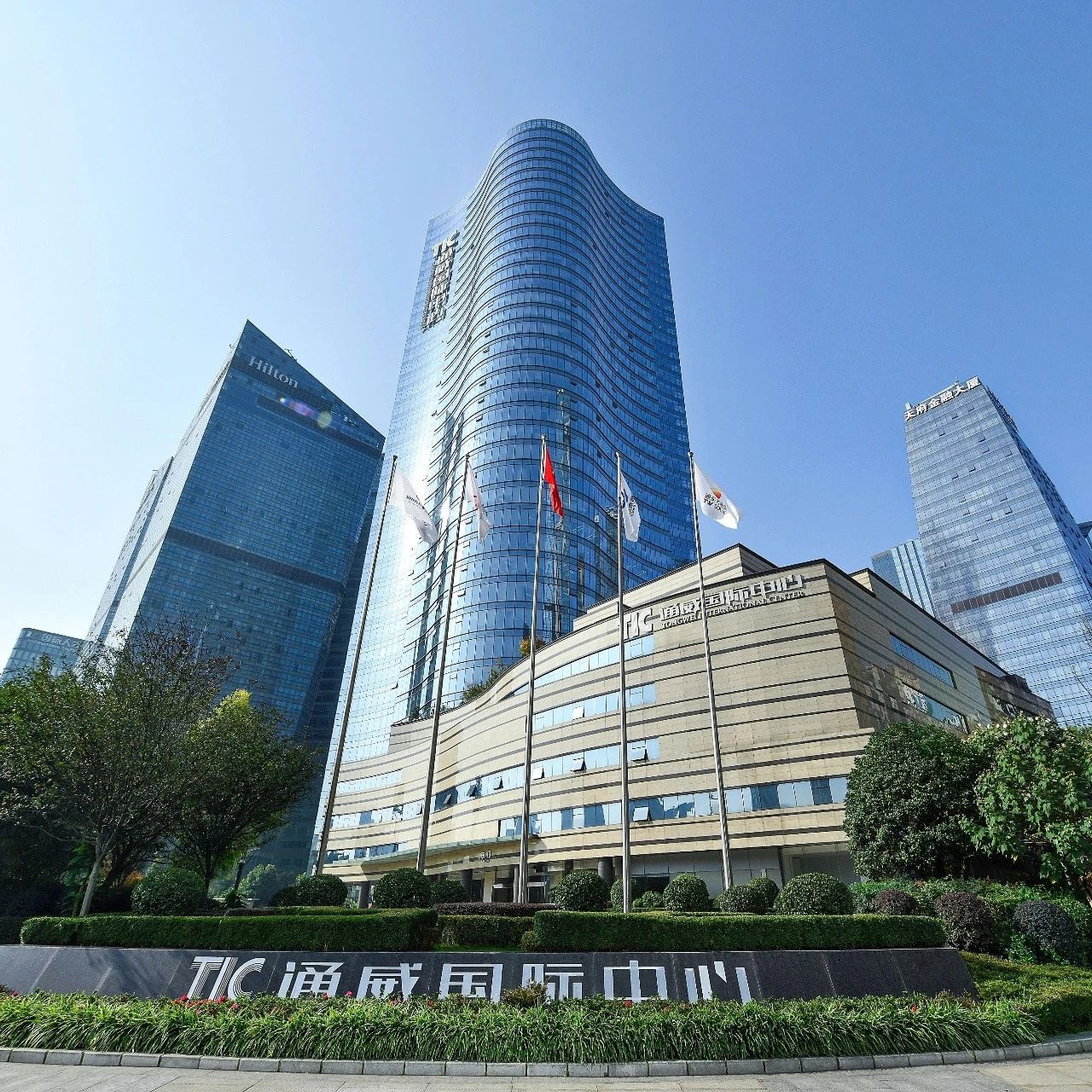
Core Viewpoint - The article highlights the significant achievements of Tongwei, a Chinese company that has been listed on the Fortune Global 500 for three consecutive years, showcasing its transition from a "follower" to a "leader" in the global business landscape, particularly in the photovoltaic and aquaculture industries [1][11]. Group 1: Company Overview - Tongwei has a 43-year history, starting from a small operation in Sichuan and growing into a multinational group with nearly 400 subsidiaries and around 60,000 employees [4]. - The company has established itself as a global leader in high-purity crystalline silicon, solar cells, and aquaculture feed, leveraging a "technology innovation + vertical integration" strategy to create competitive barriers [4][6]. Group 2: Market Performance - As of 2024, Tongwei holds the largest market share in high-purity crystalline silicon globally and has been the top solar cell supplier for eight consecutive years, with cumulative shipments exceeding 300 GW [6][11]. - The company has expanded its reach to over 70 countries, with overseas shipments nearly doubling year-on-year in 2024, indicating strong international growth [9][10]. Group 3: Innovation and R&D - Tongwei has invested over 11 billion yuan in R&D over the past three years, resulting in significant technological advancements, including the development of high-efficiency solar cells and components [15][20]. - The company has achieved record-breaking efficiencies in its solar products, such as a 26.9% efficiency for TOPCon cells and a maximum power output of 790.8W for THC components [15][18]. Group 4: Strategic Vision - Tongwei emphasizes the importance of long-term strategic focus and innovation as key drivers for success in the photovoltaic industry, especially in the face of market fluctuations [21][24]. - The company is committed to building a collaborative innovation ecosystem within the photovoltaic industry to address key technological challenges and promote healthy industry development [20][21]. Group 5: Future Outlook - The global photovoltaic market is expected to grow significantly, with estimates suggesting a need for annual installations of 1,500 GW to 2,000 GW to meet carbon neutrality goals by 2050 [24][25]. - Tongwei's leadership in technology and innovation positions it well to capitalize on the anticipated growth in the renewable energy sector, reinforcing its role as a key player in the global energy transition [26][30].