生命健康

Search documents
徐州鼓楼AI生态再升级
Xin Hua Ri Bao· 2025-10-03 18:52
Core Insights - The 2025 Xuzhou Ninth Artificial Intelligence Conference was successfully held, focusing on the theme "Intelligence Starts in Gulou + Accelerating the Future," gathering experts and entrepreneurs to explore new paths for technology integration and industry development [1] - Several high-quality projects in cutting-edge fields such as intelligent manufacturing, low-altitude economy, and smart healthcare were signed, injecting new momentum into Xuzhou's AI industry [1] Industry Development - Gulou District has established a clear "dual-driven" path of urban industrial and modern service industries, focusing on three leading industries: semiconductor equipment and advanced packaging, electronic information and digital economy, and smart medical devices [1] - Strategic emerging industries in the district have grown by 49.8% this year, while high-tech industries have increased by 23.7%, accounting for over 50% of the total industrial output value [1] Policy and Support - The local government has implemented a policy system of "rent discounts + financial support + open scenarios" to cultivate provincial-level innovation spaces and incubators, establish industrial investment funds, and create a "precise demand" enterprise service mechanism to optimize the business environment [2] - Major projects, including the AI Intelligent Manufacturing Industrial Base and the Jingye Health Equipment Manufacturing Base, are progressing rapidly, with expectations to attract over 200 upstream and downstream enterprises in intelligent manufacturing and life health sectors [2]
产才融合促发展 点燃创新主引擎
Xin Hua Ri Bao· 2025-09-28 06:47
Group 1 - The core viewpoint emphasizes the integration of talent and industry in Nantong's Chongchuan District, focusing on attracting and supporting talent through various initiatives and funding programs [1][2] - Since the start of the 14th Five-Year Plan, Nantong has introduced talent policies 2.0 and 3.0, and implemented the Zilang Talent Program, resulting in the introduction of 127 talent projects with total funding exceeding 170 million yuan [1] - The district has successfully attracted 516 highly sought-after talents in fields such as integrated circuits, life sciences, and automotive electronics [1] Group 2 - The establishment of specialized industry and talent funds, along with financial events like the Financial Connection Conference and the Baoyue Lake Venture Summit, has provided significant financial support for talent innovation [1] - Companies have secured over 3 billion yuan in financing, with R&D investment accounting for more than 13% of their budgets, leading to recognition of 5 talent enterprises in national innovation competitions and 8 as provincial unicorns or potential unicorns [1] - The "Wutong Tree" talent apartment initiative has resulted in the construction of over 4,000 talent apartments and 5 youth talent stations, enhancing the living conditions for young professionals [2]
A股战力TOP10城市:京沪深制霸,台州最意外
2 1 Shi Ji Jing Ji Bao Dao· 2025-09-25 22:52
Group 1 - The total market value of A-shares has surpassed 100 trillion yuan for the first time, with the Shanghai Composite Index reaching a ten-year high, attracting numerous companies to pursue IPOs [1][3] - As of September 24, 72 companies successfully listed on A-shares, raising 69.644 billion yuan, a year-on-year increase of 53.3% [1] - Beijing, Shanghai, and Shenzhen continue to dominate the A-share market, but each city has distinct industrial characteristics: Beijing relies on state-owned enterprises and financial giants, Shanghai combines diversified finance with high-end manufacturing, and Shenzhen focuses on hard technology [1][3] Group 2 - The number of listed companies in top cities as of September 24 includes Beijing (475), Shanghai (447), Shenzhen (424), and others, with Beijing holding a significant market share [3][4] - Beijing's listed companies account for 25% of the total A-share market value, driven primarily by 135 state-owned enterprises that contribute 91.48% of revenue and 97.42% of net profit [3][4] - Shenzhen has surpassed Shanghai in total market value, reaching 12.71 trillion yuan, primarily due to its higher number of hard technology companies and their premium valuations [5] Group 3 - Suzhou has outperformed other cities in the number of new A-share listings this year, with six new companies, while also having a strong presence in the science and technology board [6][7] - However, Suzhou's total market value is 2.52 trillion yuan, significantly lower than Hangzhou's 3.36 trillion yuan, indicating a challenge in converting quantity into market value [7][8] - Hangzhou benefits from a concentration of digital economy leaders and provincial state-owned enterprises, contributing to its higher average market value per company [8] Group 4 - The trend of "industrial clustering" is evident, with companies in similar industries increasingly concentrated in specific regions, enhancing collaboration and resource sharing [9][10] - The completion of the Shenzhen-Zhongshan Link has facilitated the listing of two new companies in Zhongshan, demonstrating the impact of regional supply chain integration [10] - Cities like Taizhou have positioned themselves as specialized support zones for advanced manufacturing and digital economy, attracting significant investment and new listings [10][11]
北京生态涵养区森林覆盖率提升到66.7%
Xin Jing Bao· 2025-09-25 13:02
Core Viewpoint - The report highlights the implementation status of the "Beijing Ecological Conservation Area Ecological Protection and Green Development Regulations," showing significant improvements in air quality, forest coverage, and economic contributions from ecological conservation areas since 2021. Group 1: Environmental Improvements - In 2024, the PM2.5 concentration in ecological conservation areas is projected to be 27.4 micrograms per cubic meter, which is 3.1 micrograms lower than the city average and a reduction of 3.4 micrograms since 2021 [1][4] - The forest coverage rate in ecological conservation areas has increased to 66.7%, with enhanced forest stock and carbon sink capacity [1][4] - The health of major rivers has improved, with all major river cross-border sections meeting standards and the proportion of healthy rivers and lakes reaching over 85% [4] Group 2: Economic Contributions - From 2021 to 2024, the GDP share of ecological conservation areas increased from 4% to 4.3% [5] - The rural labor force employment insurance rate in ecological conservation areas reached 80.5% by 2024, an increase of 11.6 percentage points since 2021 [5] - Financial support from the municipal government to ecological conservation areas has grown, with transfer payments rising from 696.8 billion yuan in 2021 to 985.5 billion yuan in 2024 [5] Group 3: Legislative and Supervisory Actions - The implementation of the regulations has been closely monitored, with 51 representatives conducting inspections across all seven ecological conservation areas [2][3] - A total of 24 issues were identified during the inspections, leading to the creation of a specialized research report to enhance the effectiveness of law enforcement [2][3] Group 4: Future Recommendations - The report suggests high-quality planning for the "14th Five-Year" period to ensure the sustainable development of ecological conservation areas [6] - Recommendations include strengthening integrated protection of natural resources and improving the ecological protection compensation mechanism [6][7] - The report emphasizes the need for policy adjustments to support rural development and the integration of various industries [7]
上海杨浦:百强企业区级税收总量四年增长109%
Shang Hai Zheng Quan Bao· 2025-09-25 09:58
Core Insights - Yangpu District has made significant progress in economic development and innovation since the start of the 14th Five-Year Plan, focusing on enhancing the quality of life and urban transformation [1] Group 1: Innovation and Economic Development - Yangpu District has activated innovation momentum and strengthened development capabilities through collaboration with universities and research institutions, aiming to establish a leading area for basic research and original innovation [1][2] - The district has built a modern industrial system centered on the digital economy, with key focuses on "Artificial Intelligence+" and "Internet+", leading to the emergence of numerous digital economy enterprises [2] - From 2020 to 2024, the tax revenue from the top 100 enterprises in Yangpu is projected to increase from 3.011 billion to 6.294 billion yuan, representing a growth rate of 109% [3] Group 2: Talent and Ecosystem Development - Yangpu District promotes the free flow and efficient allocation of various factors such as talent, capital, technology, and data, creating a favorable environment for innovation [2] - The district has implemented 734 reform measures to improve the business environment, enhancing its attractiveness for investment and innovation [2] Group 3: Achievements in Science and Technology - Since the beginning of the 14th Five-Year Plan, Yangpu has produced 18 national science and technology awards and over 40% of municipal science and technology awards, showcasing its strong capabilities in scientific innovation [1][2]
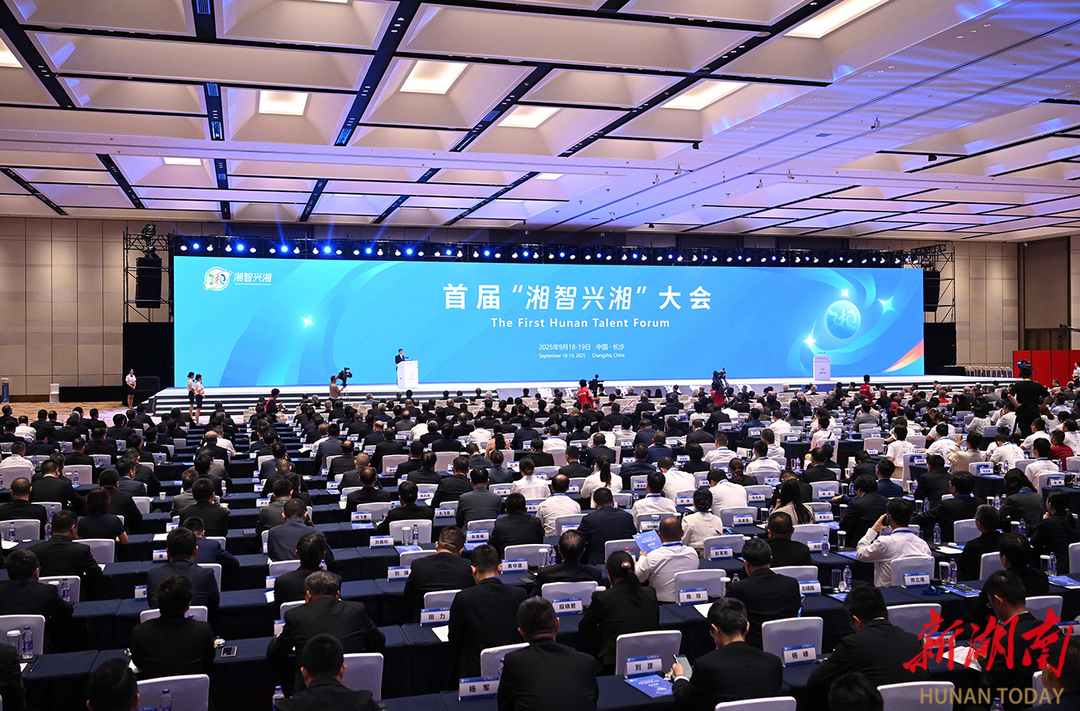
首届 “湘智兴湘” 大会释放引才育才强信号:人才来了有舞台 留下能出彩
Chang Sha Wan Bao· 2025-09-21 01:37
Core Insights - The "Xiangzhi Xingxiang" conference held in Changsha on September 18-19 aimed to attract global talent and showcased Hunan's commitment to creating a conducive environment for talent retention and development [1] Talent Demand and Recruitment - Hunan has released 275 key technology talent demands, planning to recruit over 1,500 high-level talents across various strategic emerging industries such as new information technology, renewable energy, and advanced manufacturing [2] - The recruitment efforts involve 120 employers, including all "Double First-Class" universities in the province and numerous research institutions and technology companies [2] Policy Support and Incentives - Hunan has introduced a comprehensive talent policy package, including 45 upgraded policies that provide support in areas like healthcare and housing for incoming talents [3] - The "Furong Plan" offers up to 100 million yuan in support for top talents and flexible recruitment options for urgently needed high-level talents [2][3] Talent Integration and Utilization - The conference emphasized that incoming talents can quickly engage in relevant roles, directly contributing to local industries and projects [5] - Since the launch of the "Xiangzhi Xingxiang" initiative, over 1,500 technology talents have been attracted, highlighting its role as a bridge for talent and enterprise integration [4] Research and Development Infrastructure - Changsha has established a robust R&D ecosystem, including the formation of a "1+2" national laboratory system and the establishment of 35 national key laboratories [6] - The city has seen the creation of 1,796 new R&D institutions, including 68 R&D centers from central enterprises and Fortune 500 companies [6][8] Talent Attraction Mechanism - The strategic platforms and R&D institutions in Changsha are becoming strong magnets for talent, providing world-class research facilities and opportunities for career development [7][8] - The city has successfully attracted multiple Nobel laureates and established numerous high-level talent projects, with over 12,000 talents concentrated in enterprise R&D centers [8]
首届“湘智兴湘”大会开幕 沈晓明出席 毛伟明致辞
Chang Sha Wan Bao· 2025-09-20 01:11
Core Viewpoint - The first "Xiangzhi Xingxiang" conference was held in Changsha, aiming to promote talent attraction and innovation in Hunan province [3][10]. Group 1: Conference Overview - The conference was attended by key provincial leaders, including Secretary of the Provincial Party Committee Shen Xiaoming and Governor Mao Weiming [5][10]. - The event featured speeches from Nobel laureates and other distinguished guests, highlighting the importance of talent in driving innovation and economic development [9]. Group 2: Talent Development Initiatives - Governor Mao Weiming emphasized the need for Hunan to attract high-level talent, with a focus on various industries such as information technology, advanced manufacturing, artificial intelligence, and new materials [6][9]. - The conference announced a total of 275 key technology talent needs in Hunan, with a goal to recruit over 1,500 high-level talents [9]. - A policy list for common technology talents in Hunan was released, promoting the city of Changsha as a global R&D center [9]. Group 3: Strategic Goals - The "Xiangzhi Xingxiang" initiative is part of a broader strategy by the provincial government to establish Hunan as a national talent center and innovation hub, supporting the realization of the "Three Highs and Four New" blueprint [10]. - The conference included various activities aimed at fostering talent exchange, promoting technological innovation cooperation, and enhancing the interaction between returning alumni and local businesses [10].

李家超:香港创科产业引导基金将于2026—2027年度启动
FOFWEEKLY· 2025-09-19 09:39
Group 1 - The Hong Kong government is advancing the establishment of two pilot lines for the Hong Kong Microelectronics Research Institute, with completion expected next year for the Life and Health Research Institute and the Hong Kong Artificial Intelligence Research Institute [2] - The construction of the third "InnoHK Innovation Hong Kong Research Platform" will be expedited, focusing on sustainable development, energy, advanced manufacturing, and materials, with research centers set to be established by the first half of 2026 [2] - The "Innovation and Technology Industry Guidance Fund" is scheduled to launch in the 2026-2027 fiscal year, aimed at actively guiding market investments in strategic emerging and future industries [2]

第十届(夏季)央企投资发展会议盛大开幕
Sou Hu Cai Jing· 2025-09-18 23:15
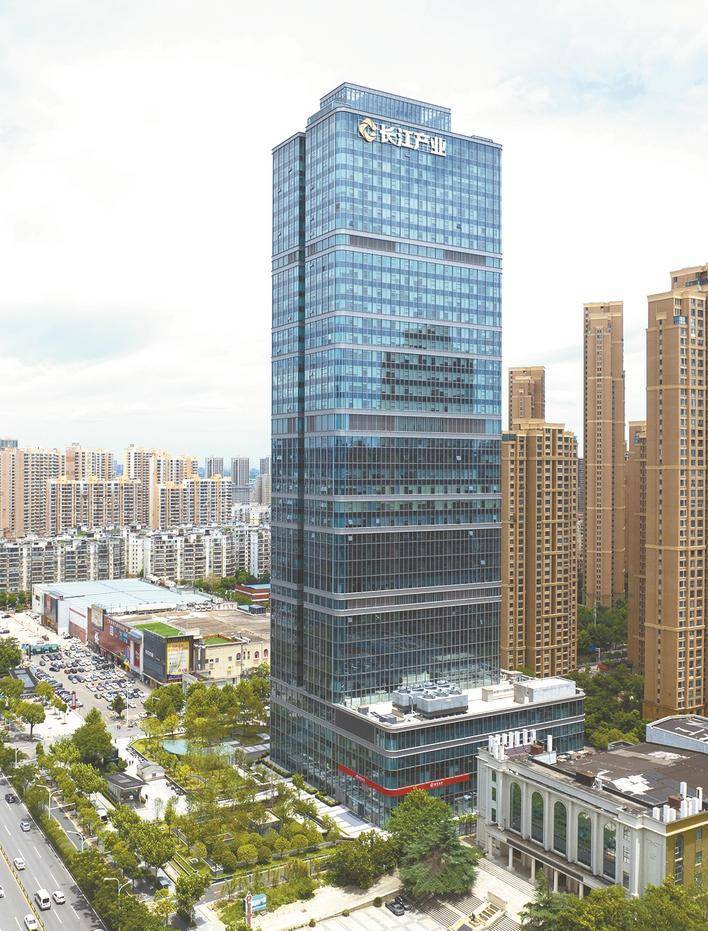
Core Viewpoint - The 10th (Summer) Central Enterprise Investment Development Conference highlights the strategic importance of Hubei as a pivotal point for high-quality development in the Yangtze River Economic Belt and the central region of China, emphasizing the collaboration between central enterprises and local governments for mutual growth and innovation [5][6][8]. Group 1: Conference Overview - The conference gathered over 200 representatives from central state-owned enterprises (SOEs), serving as a crucial platform for Hubei to connect with central enterprise resources [6][9]. - The theme of the conference is "Central-Local Linkage, Towards New Futures," focusing on enhancing cooperation between central and local enterprises [9]. - The event attracted more than 500 guests from government, business, academia, and industry associations, indicating high expectations for collaboration in Hubei [10]. Group 2: Investment and Cooperation - A total of over 40 billion yuan in cooperation funds will be signed during the conference, involving multiple central financial institutions and SOEs [11]. - The conference will feature various forums discussing topics such as AI in future energy, innovative materials, and early-stage investment risk identification [10]. - The Longjiang Industrial Group aims to deepen central-local cooperation as a key strategy for building a modern industrial system in Hubei [12]. Group 3: Industry Development and Innovation - The conference emphasizes the importance of innovation-driven development, with discussions on emerging industry layouts and traditional industry upgrades [7]. - Longjiang Industrial Group has established over 20 industrial funds with a management scale exceeding 500 billion yuan, focusing on new emerging industries [12][13]. - Collaborative projects in sectors like optical electronics, automotive, and high-end equipment have been initiated, with a total investment of 12 billion yuan across seven projects [13]. Group 4: Future Directions - The conference aims to strengthen the capital empowerment system by establishing multiple industry funds in key sectors such as new energy vehicles and high-end equipment [16]. - There is a focus on international cooperation to explore overseas markets, leveraging central enterprises' experience in global operations [17]. - The collaboration is expected to enhance Hubei's capital density, innovation density, and industrial density, driving the region's development as a strategic point in central China [17].
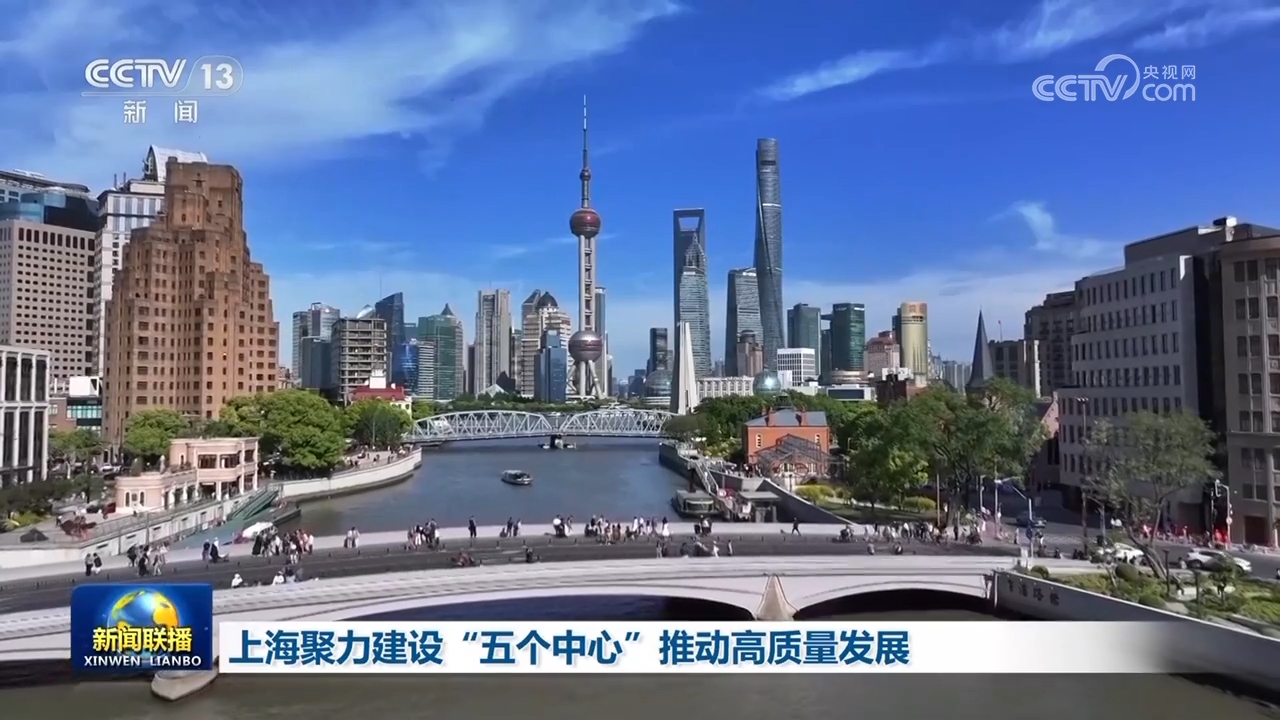
上海聚力建设“五个中心”推动高质量发展
Yang Shi Wang· 2025-09-17 12:08
Group 1 - Shanghai focuses on building an international economic, financial, trade, shipping, and technological innovation center during the "14th Five-Year Plan" period, achieving a new leap in comprehensive strength [1] - The Pudong New Area leads reforms and expands openness, with 9 foreign-funded enterprises approved for value-added telecommunications pilot projects [3] - Shanghai Port has maintained the world's highest annual container throughput for 15 consecutive years [3] Group 2 - The financial center construction has deepened, forming a complete infrastructure covering 15 financial factor markets, making it one of the cities with the most comprehensive global financial factor markets [3] - The international influence of "Shanghai Price" continues to rise, becoming an important barometer for global asset allocation [3] - The integration of technological innovation and industrial innovation is being promoted, with 57.9 high-value invention patents per 10,000 people in Shanghai [5] Group 3 - A modern industrial system is accelerating construction, with breakthroughs in major equipment such as the C919 large passenger aircraft, domestic cruise ships, and LNG vessels [5] - Four trillion-level industrial clusters have formed in electronic information, life and health, automotive, and high-end equipment sectors, with strategic emerging industries accounting for 43.6% of the total industrial output value above designated size [5]