
美妆

Search documents
这份新锐品牌榜背后,藏着从创牌到“长红”逻辑
Sou Hu Cai Jing· 2026-02-11 08:43
Core Insights - The fast-moving consumer goods (FMCG) industry is shifting focus from GMV (Gross Merchandise Value) growth to brand recognition, customer loyalty, and repurchase rates as key indicators of brand strength [1][2] - The CBI index and the "New FMCG Brand List" released by Peking University's National Development Research Institute emphasize the importance of consumer needs and brand value beyond just GMV [1][2] Group 1: Brand Evaluation Metrics - The "New FMCG Brand List" ranks brands based on a scoring system that includes newness (29%), awareness (24%), reputation (24%), and loyalty (23%) [2] - The evaluation considers 12 indicators such as transaction performance, new product capabilities, and the scale of high-value consumer groups [2][3] Group 2: Top Brands and Their Strategies - The top brands in the "New FMCG Brand List" include Huazhi Xiao, HBN, and Zhiben, which excel in areas like high-value consumer engagement and repeat purchase amounts [3][4] - Huazhi Xiao stands out for its unique brand identity and continuous product innovation, having launched over 120 SKUs in 2025 alone [7][9] Group 3: Market Trends and Consumer Behavior - The report highlights a trend where brands focusing on niche markets and consumer emotional needs are gaining traction, with brands like Off&Relax and HBN leading in the hair care segment [9][10] - The market for functional hair care products is growing rapidly, with a projected market size of 899.95 billion yuan in 2024, reflecting a 59.32% year-on-year increase [10][15] Group 4: Emerging Opportunities - The report identifies high-potential categories such as hair cleansing, facial care sets, and baby skincare, indicating areas for future growth [14][15] - A notable metric is the "search transaction growth gap," which highlights categories with high consumer interest but low conversion rates, suggesting unmet demand in the market [17]


上美股份股价承压,美妆行业复苏迹象显现
Jing Ji Guan Cha Wang· 2026-02-11 08:41
Industry Overview - The beauty industry is showing signs of recovery, with a reported 8.8% year-on-year growth in retail sales of cosmetics for December 2025 according to the National Bureau of Statistics [1] - In January 2026, Douyin's beauty GMV increased by over 20% year-on-year, indicating improved daily sales and self-broadcasting efforts by brands [1] Company Insights - According to a report by Guotai Junan, the main brand of Shangmei Co., Han Shu, continues to expand its product categories, while sub-brands Yiye and Anminyou are experiencing significant growth in single products, suggesting a strong multi-brand strategy that could drive future growth [2] Stock Performance - Over the past week (February 5 to February 11, 2026), Shangmei Co.'s stock price has experienced a downward trend, with a decline of 2.61%. The stock reached a high of 67.95 HKD and a low of 62.10 HKD, with a trading volume of approximately 334 million HKD. Technical indicators show that MACD is in negative territory and KDJ is weak, indicating pressure on the stock price [3]
快手电商启动“心动情人节”活动,联合大牌美妆打造节日礼赠消费狂欢
Sou Hu Cai Jing· 2026-02-11 07:54
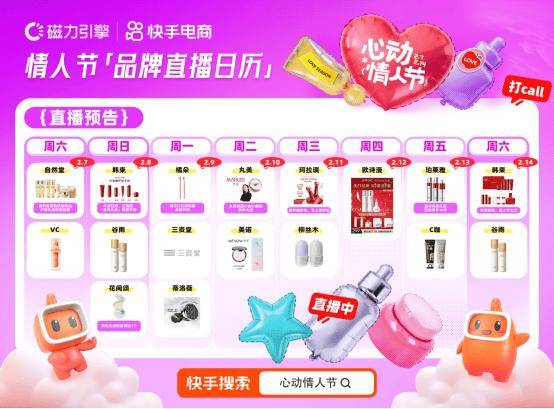
Core Insights - The upcoming Valentine's Day has led to a surge in consumer demand for gifting, particularly in the beauty sector, which is seen as a key medium for expressing emotions and intentions [1][5] - Kuaishou E-commerce is launching a themed campaign titled "New Spring, New Look, Big Brand Gifts for Loved Ones" from February 7 to 14, featuring various promotions and live-streaming events with major beauty brands [1][5] Group 1: Campaign Details - The campaign includes participation from numerous beauty brands such as Naturando, Han Shu, Gu Yu, Orange Du, Marubi, Oushiman, and Proya, offering special live-streaming events and discounted beauty products [1][3] - Users can engage in interactive activities on Kuaishou, such as sharing videos related to Valentine's Day gifts, with opportunities to win prizes like gold bracelets and Kuaishou merchandise [3][4] Group 2: Consumer Behavior and Trends - Kuaishou reported significant growth in Valentine's Day-related metrics, with a 310.8% month-over-month increase in total video views and a 70.7% increase in GMV for beauty purchases driven by search behavior [2][4] - The demand for beauty products is strong, with notable increases in searches for gift sets and practical items like facial cleansers and sunscreens, reflecting a trend towards more refined and practical gift choices [4][5] Group 3: Market Insights - The Valentine's Day celebration has evolved into a significant marketing opportunity, intertwining emotional expression with consumer behavior, as evidenced by the rising popularity of related topics and search terms [3][4] - The "he economy" is gaining traction, with men's skincare sets emerging as a notable category, indicating potential growth in this segment during Valentine's Day [4]

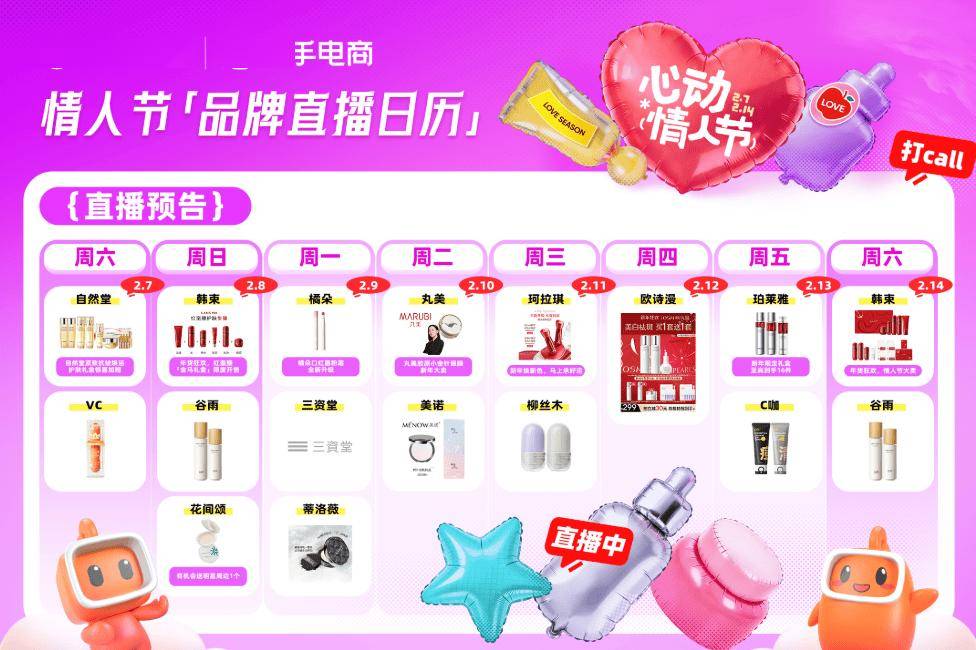
快手电商启动“心动情人节”活动 联合大牌美妆打造节日礼赠消费狂欢
Sou Hu Cai Jing· 2026-02-11 07:48
Core Insights - The upcoming Valentine's Day has led to a surge in consumer demand for gifting, particularly in the beauty sector, which is seen as a key medium for expressing emotions and intentions [1][3] - Kuaishou E-commerce is launching a themed event titled "New Spring, New Look, Big Brand Gifts for Loved Ones" from February 7 to 14, featuring various promotions and live broadcasts from major beauty brands [1][3] Group 1: Event Details - Kuaishou E-commerce is collaborating with numerous beauty brands to create a Valentine's Day shopping extravaganza, offering subsidies and various promotional activities [1][3] - Brands such as Naturando, Han Shu, Gu Yu, Ju Duo, Marubi, Oushiman, and Proya will host special live broadcasts featuring discounted beauty products, including makeup gift boxes and skincare sets [1][3] Group 2: Consumer Engagement - Users can participate in the HeartfeltValentine'sDay topic on Kuaishou, sharing videos about gifting ideas and Valentine's moments, with opportunities to win prizes like gold bracelets [3][4] - The platform has seen a significant increase in engagement metrics related to Valentine's Day, with topic playback volume rising by 310.8% and search frequency increasing by 64.4% month-over-month [3][4] Group 3: Consumer Trends - The demand for beauty products during Valentine's Day is strong, with a notable increase in searches for gift sets and practical items like cleansers and sunscreens, reflecting a trend towards more refined and practical gift choices [5] - The "he economy" is gaining traction, with men's skincare sets emerging as a popular choice, indicating a shift in gifting dynamics during Valentine's Day [5]
研报掘金丨国海证券:首予珀莱雅“买入”评级,有望通过大单品打造与品类扩展实现稳定增长
Ge Long Hui· 2026-02-11 07:26
Core Insights - The report from Guohai Securities highlights the growth momentum of Proya, emphasizing the importance of a big product strategy that focuses on channels, marketing, and customer demographics [1] - Proya has effectively captured market opportunities and addressed the pain points of young consumers through its "early C, late A" big product launches [1] Group 1: Big Product Strategy - The three core elements of the big product strategy are channels, marketing, and customer demographics [1] - The company has optimized its customer structure and enhanced brand positioning through product iteration, category expansion, and emotional marketing combined with direct sales channel operations [1] Group 2: Market Trends and Performance - The rise of Douyin has led to a trend where product sets composed of big products are becoming popular, with 95% of sales for Estee Lauder's Little Brown Bottle and 85% for La Mer's Black Essence coming from product sets on Douyin by 2025 [1] - Different sub-brands in the beauty industry continue to innovate products targeting various pain points of the young demographic, with Cai Tang experiencing sustained high growth and Hua Zhixiao accelerating its overseas expansion, expecting over 100 million yuan in overseas revenue by 2024 [1] Group 3: Financial Performance - The hair care sub-brand OR is positioned as a mid-to-high-end brand, achieving revenue of 279 million yuan in the first half of 2025, representing a year-on-year increase of 102.52% [1] - As a pioneer of the "early C, late A" big product strategy, Proya is expected to achieve stable growth through continuous development of big products and category expansion [1]

醉象大跌,资生堂巨额亏损
3 6 Ke· 2026-02-11 04:00
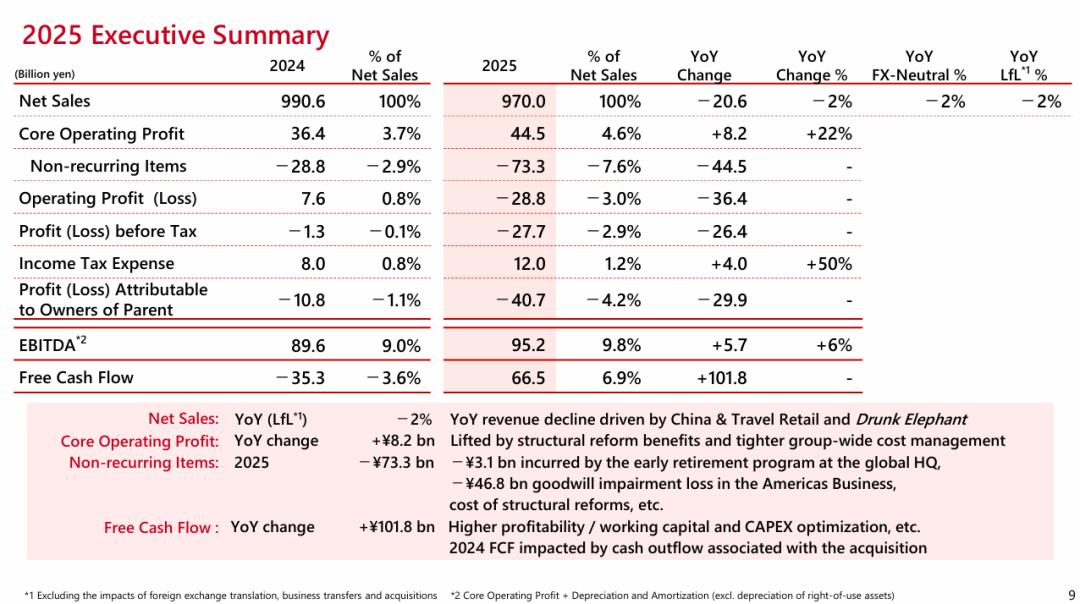
Core Insights - Shiseido Group reported a net sales of 969.99 billion yen (approximately 43.20 billion RMB) for 2025, marking a year-on-year decline of 2.1% [1][3] - Core operating profit increased to 44.52 billion yen (approximately 1.98 billion RMB), reflecting a year-on-year growth of 22.4%, with a core profit margin of 4.6% [1][2] - The company recorded an operating loss of 28.79 billion yen (approximately 1.28 billion RMB) [1][2] Financial Performance - The 2025 revenue represents one of only two declines in the past five years, with a net loss attributable to owners of the parent amounting to 40.7 billion yen (approximately 1.81 billion RMB) [2][3] - Goodwill impairment losses reached 46.8 billion yen (approximately 2.08 billion RMB) [1][3] - The main brand Shiseido remained flat year-on-year, while the Drunk Elephant brand saw a significant decline in net sales, dropping 39% [2][3] Regional Performance - The Americas market experienced a double-digit decline, primarily due to the poor performance of Drunk Elephant and NARS brands, with a core operating profit loss of 11.6 billion yen (approximately 0.52 billion RMB) [17] - The Chinese and travel retail business saw a 4.3% decline in net sales for the year, despite a 4.2% growth in Q4 [20][21] - Japan's net sales showed a slight increase of 0.4%, driven by new product launches, but were impacted by reduced inbound consumption from Chinese tourists [20] Brand Performance - Among Shiseido's eight core brands, four showed growth while three declined, with ELIXIR and Issey Miyake fragrances experiencing drops of 2% and 10%, respectively [9][11] - The Next 5 brands, including ELIXIR and Narciso Rodriguez, saw net sales growth of 9% and 5%, while Drunk Elephant faced a drastic decline [11][16] Strategic Changes - Shiseido is undergoing significant organizational changes, including restructuring and voluntary retirement plans, with related expenses of 3.1 billion yen (approximately 0.14 billion RMB) [26] - The company aims to achieve a core operating profit margin of 7% as part of its 2025-2026 action plan, while also focusing on improving capital efficiency and cash generation capabilities [28]
国货美妆卷向高端,YSL圣罗兰迎来挑战
3 6 Ke· 2026-02-11 03:37
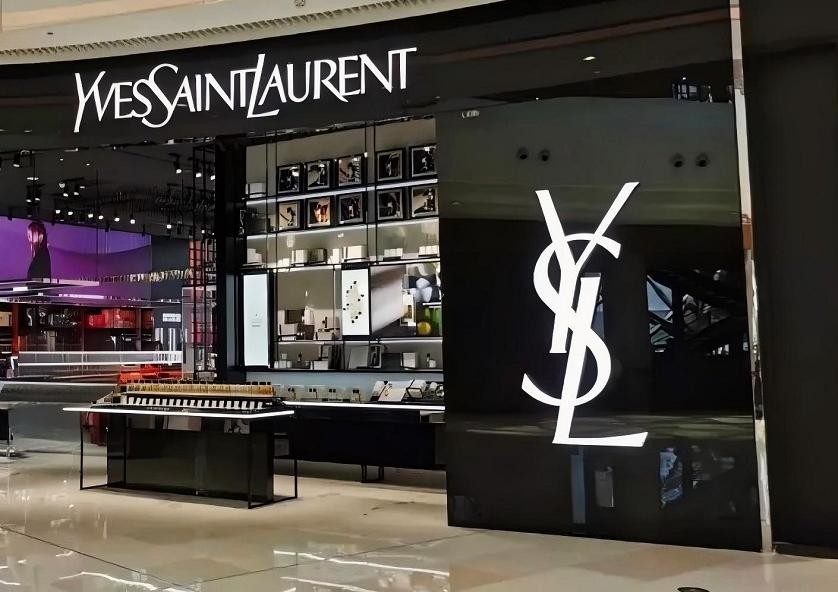
Core Viewpoint - YSL is facing increasing competition from domestic beauty brands in China, despite strong sales performance and marketing strategies. The brand's market position is under pressure as it navigates a rapidly evolving consumer landscape and changing preferences [1][5][15]. Group 1: Sales Performance - YSL's sales have approached €3 billion, placing it among the top five luxury beauty brands globally, alongside Dior, Chanel, and Estée Lauder [1]. - In the Chinese market, YSL's sales on major e-commerce platforms exceeded ¥4 billion in 2025, significantly outperforming competitors and securing the top position in the color cosmetics segment [2]. - Despite strong sales, YSL's performance in the Douyin color cosmetics top 20 rankings has declined, dropping to fifth place as domestic brands gain traction [4]. Group 2: Market Challenges - The rise of domestic brands like Mao Geping and Huaxizi has intensified competition, leading to a challenging environment for foreign brands in China [1][5]. - Since 2022, at least 30 foreign beauty brands have exited the Chinese market, indicating a shift in consumer preferences and the challenges faced by international players [5]. - YSL's sales on the Tmall platform fell by 19% year-on-year in 2023, highlighting the impact of local competition on its market share [5]. Group 3: Marketing Strategies - YSL has effectively utilized marketing campaigns to enhance brand visibility, including collaborations with popular celebrities to connect with younger consumers [9]. - However, the brand has faced backlash due to marketing missteps, such as inappropriate promotional tactics that clash with its luxury image [9][13]. - YSL's marketing strategies have sometimes resulted in a disconnect between its brand identity and consumer expectations, leading to mixed consumer perceptions [13]. Group 4: Customer Service and Pricing Issues - YSL has received numerous complaints regarding its customer service, with issues related to product returns and service quality being highlighted by consumers [14]. - The brand's pricing strategy has also come under scrutiny, with significant price variations across different platforms and recent price increases that have not been matched by improvements in service [14]. - Maintaining a high standard of customer service is crucial for YSL to justify its premium pricing and retain consumer loyalty in a competitive market [14].

知名基金经理,“盯”上这只股
Zhong Guo Zheng Quan Bao· 2026-02-10 22:50
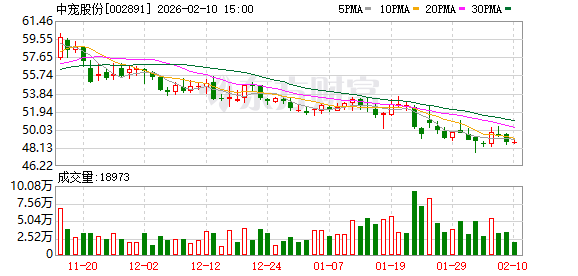
Core Viewpoint - The domestic consumption sector is experiencing a rebound as it approaches the Spring Festival holiday, supported by a recovery environment and low valuations [1] Group 1: Investment Activity - A-share leading pet company Zhongchong Co., Ltd. announced that as of January 23, well-known fund managers Xie Zhiyu and Qiao Qian have entered the top ten shareholders with their funds, holding a combined market value of over 800 million yuan [1][2] - The funds managed by Xie Zhiyu and Qiao Qian hold 6.43 million shares and 3.73 million shares of Zhongchong Co., Ltd., respectively, with estimated market values of 503 million yuan and 313 million yuan [2] - In the fourth quarter of 2025, some well-known active equity fund managers began to focus on the consumption sector, indicating a strategic shift towards undervalued consumer stocks [4] Group 2: Market Trends - As of February 10, 2025, the stock prices of Pop Mart and Laopu Gold have increased by over 40% and 20%, respectively, reflecting a warming trend in the consumption sector [3] - Traditional consumption stocks are seeing a resurgence, particularly in the liquor sector, as the market anticipates a recovery in consumer demand during the traditional peak season [4] - The market is observing a gradual improvement in price levels, with expectations of a moderate recovery in inflation, which could enhance the elasticity of the consumption sector [6] Group 3: Fund Manager Insights - Fund managers are increasingly optimistic about traditional consumer stocks, noting that strong brand equity and competitive advantages are providing a solid value foundation [6][7] - The proactive positioning of funds in low-valuation consumer stocks is seen as a strategy to enhance returns, especially in the context of improving market conditions [4][6] - New consumption sectors, such as trendy toys, beauty, personal care, and jewelry retail, are expected to present frequent opportunities for investment, with well-managed companies likely to emerge as winners [7]
知名基金经理 “盯”上这只股!
Zhong Guo Zheng Quan Bao· 2026-02-10 16:13
Group 1 - The domestic consumption sector is experiencing a rebound as it approaches the Spring Festival holiday, with valuations at the bottom and a recovering environment [2] - A-share leading pet company Zhongchong Co., Ltd. announced that as of January 23, well-known fund managers have entered its top ten shareholders, with a combined market value exceeding 800 million yuan [2][3] - In the fourth quarter of 2025, some well-known active equity fund managers began to position themselves in the consumption sector, anticipating a moderate recovery in prices and improved market conditions [2][8] Group 2 - The four funds managed by Xie Zhiyu and Qiao Qian hold significant shares in Zhongchong Co., Ltd., with estimated market values of 503 million yuan and 313 million yuan respectively [3] - The recent recovery in the consumption sector has led to increased attention from the market, with expectations of a gradual improvement in price levels [8][9] - Fund managers are optimistic about traditional consumer stocks, noting that strong brand companies are seeing improved sales and reduced historical inventory levels [8][9]

珀莱雅:上新红宝石微珠精华,建议关注后续新品表现-20260211
Guolian Minsheng Securities· 2026-02-10 13:25
Investment Rating - The report maintains a "Buy" rating for Proya (603605.SH) with a current price of 75.51 CNY [3]. Core Insights - Proya launched a new product, the Ruby Microbead Essence, priced at 299 CNY for 30ml, targeting a broad customer base with its unique formulation [9]. - The company is actively expanding its product matrix across multiple brands, including skincare, makeup, and hair care, which is expected to enhance growth potential [9]. - Proya's revenue projections for 2025-2027 are 109.94 billion CNY, 126.65 billion CNY, and 139.95 billion CNY, with respective growth rates of 2.0%, 15.2%, and 10.5% [9]. Financial Forecasts - Revenue (in million CNY) is projected to be 10,778 for 2024, 10,994 for 2025, 12,665 for 2026, and 13,995 for 2027, with growth rates of 21.0%, 2.0%, 15.2%, and 10.5% respectively [2]. - Net profit attributable to shareholders (in million CNY) is expected to be 1,552 for 2024, 1,592 for 2025, 1,859 for 2026, and 2,063 for 2027, with growth rates of 30.0%, 2.5%, 16.8%, and 11.0% respectively [2]. - Earnings per share (CNY) are forecasted to be 3.92 for 2024, 4.02 for 2025, 4.69 for 2026, and 5.21 for 2027 [2]. Product Development and Strategy - Proya is focusing on new product launches to cater to diverse consumer needs, including the MED series for specific skin repair scenarios and a new men's skincare line [9]. - The company is also implementing a share buyback plan to demonstrate confidence in its future growth, with a total buyback amounting to 0.8-1.5 billion CNY [9].