
家电

Search documents
格陵兰岛事件升温欧美股市普跌 现货黄金、白银再创新高|今夜看点
Sou Hu Cai Jing· 2026-01-20 13:47
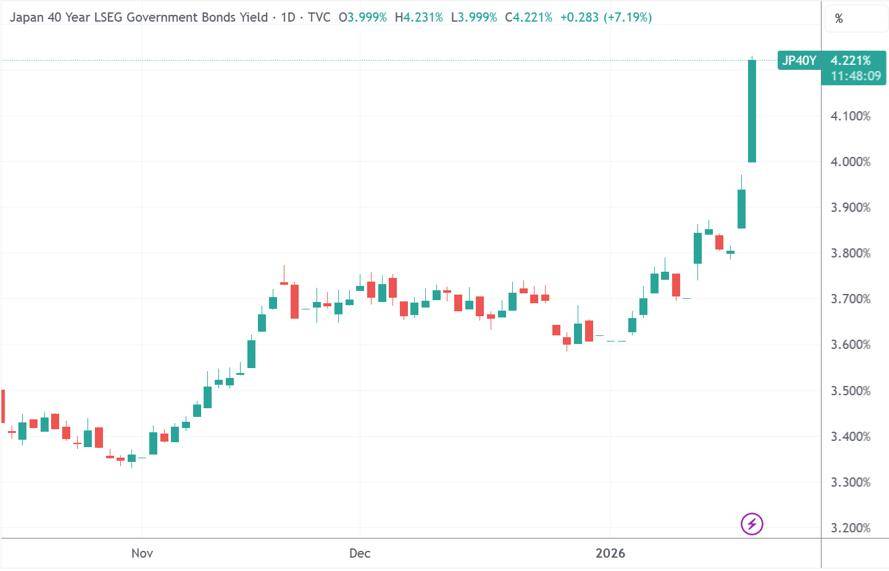
Market Overview - U.S. stock futures experienced a decline ahead of the market opening, with the Nasdaq 100 futures down 1.72%, S&P 500 futures down 1.39%, and Dow futures down 1.24% [1] - European stock indices also fell, with the Euro Stoxx 50 index dropping over 1% [1] - Japanese government bond yields surged, with 30-year and 40-year bond yields rising at least 28 basis points, indicating significant selling pressure [1] Geopolitical Events - The market is expected to face a series of geopolitical challenges, particularly with the U.S. Supreme Court's decision on tariff legality pending [2] - President Trump is scheduled to deliver a speech at the Davos summit, which investors will closely monitor for signals regarding the Greenland issue [2] Commodity Market - Spot gold and silver reached historical highs, with gold priced at $4,700 per ounce and silver at $95 per ounce, driven by rising geopolitical tensions [6] Company News - Quantinuum, a quantum computing company, is reportedly moving forward with an IPO, aiming for a valuation of $15 billion to $20 billion and seeking to raise $1.5 billion [8] - GSK announced the acquisition of Rapt Therapeutics for $2.2 billion, with a purchase price of $58 per share, representing a 65% premium over the previous closing price [9] - Applovin's stock fell over 7% following a short report alleging systemic compliance risks and significant financial crimes [10] - Sony plans to divest its television business by forming a joint venture with TCL, where TCL will hold a 51% stake and Sony will hold 49% [12] - Moderna reported that its mRNA cancer therapy, when combined with Merck's Keytruda, reduced the risk of recurrence or death in high-risk melanoma patients by 49% [13]


人民币升值背景下可以关注哪些投资方向?
Xin Lang Cai Jing· 2026-01-20 13:39
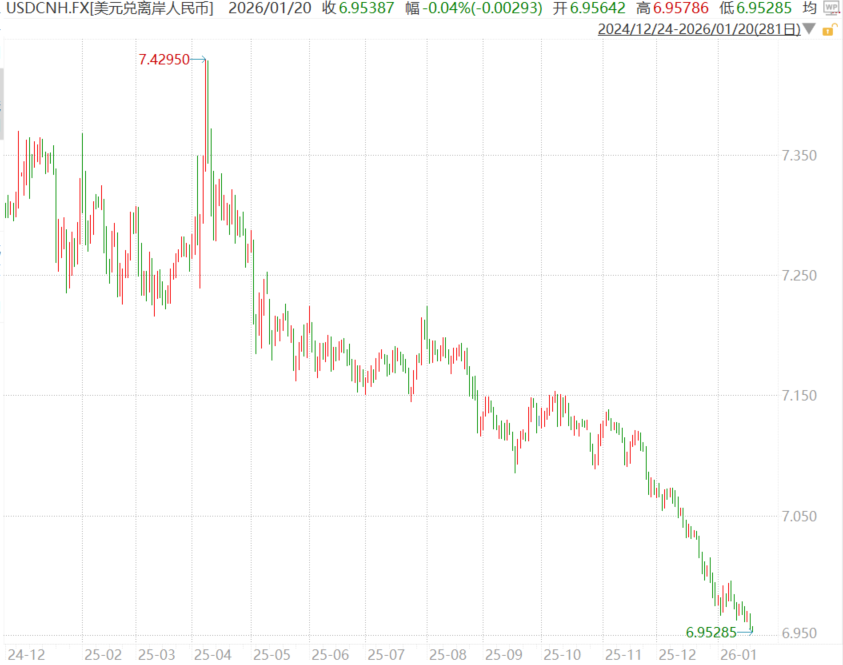
Core Viewpoint - The continuous strengthening of the RMB exchange rate against the USD, surpassing 6.96, is driven by multiple domestic and international factors, indicating a long-term trend rather than a short-term fluctuation. Understanding the reasons behind the RMB appreciation and its impacts on various industries and companies is crucial for investment decisions and asset allocation strategies [1][9]. Group 1: Drivers of RMB Appreciation - Internally, the high-quality development of the Chinese economy has laid a solid foundation for RMB appreciation, with a notable trade surplus of $1.076 trillion in the first 11 months of 2025, a 21.7% year-on-year increase, enhancing confidence in Chinese assets [3][11]. - Externally, the weakening of the USD, influenced by the Federal Reserve's interest rate cuts and a decline of over 9% in the dollar index last year, has diminished the relative advantage of USD assets, making RMB assets more attractive to global capital seeking diversification [3][11]. Group 2: Multi-dimensional Impacts of RMB Appreciation - The appreciation of the RMB is likely to attract international capital into the Chinese market, favoring blue-chip stocks and industry leaders, which can lead to higher valuations for these "core assets" [4][12]. - The trend may pressure traditional export-oriented companies, causing capital to flow from export sectors to those benefiting from RMB appreciation, such as import sectors. For ordinary residents, RMB appreciation enhances purchasing power for overseas goods and services, potentially stimulating consumption upgrades [4][12]. Group 3: Investment Directions - **Import-dependent Industries**: Sectors reliant on imported raw materials or core equipment, such as aviation, paper, and petrochemicals, will benefit from reduced procurement costs due to RMB appreciation [5][13][14]. - **Growth Sectors**: Focus on industries aligned with technological advancements, including AI, commercial aerospace, semiconductors, and new energy vehicles, which are expected to benefit from improved global liquidity and lower equipment costs [6][15]. - **Core Assets**: RMB appreciation increases the attractiveness of RMB-denominated assets, with foreign capital favoring low-valuation, high-dividend core assets, particularly in the financial sector, which is expected to see increased activity and valuation recovery [7][16]. - **Cyclical and Commodities**: The improvement in domestic economic fundamentals may benefit cyclical sectors, with RMB appreciation lowering import costs for raw materials, supported by global liquidity conditions [8][17].
“50%汽车芯片由格力产品替代”?广汽回应
Di Yi Cai Jing· 2026-01-20 13:07
Core Viewpoint - GAC Group refuted claims that 50% of its automotive chips would be replaced by Gree products, stating that such assertions are not factual and that any future cooperation will be announced through official channels [1] Group 1: Company Developments - GAC Group's Chairman, Feng Xingya, visited Gree Electric five days prior to the statement, discussing the integration of smart ecosystems in the automotive sector with Gree's management team [1] - During the visit, Feng introduced a model of the Haobo vehicle, which contains 1,004 chips, all of which have Chinese intellectual property rights [1] - Gree's Chairman, Dong Mingzhu, expressed ambitions for future collaboration, suggesting that 500 chips could be sourced from Gree [1] - Feng responded positively, indicating a goal to incorporate Gree's automotive chips into GAC vehicles in the future [1]


“50%汽车芯片由格力产品替代”?广汽回应
第一财经· 2026-01-20 12:57
1月20日,广汽集团回应"50%汽车芯片由格力产品替代"一事时表示,相关网传表述并非事实,后 续如有合作的具体进展,公司会第一时间通过官方渠道发布。 5天前,广汽集团董事长冯兴亚率队访问格力电器,与董明珠及管理团队共商"人车家"智慧生态融合 发展,探讨产业协同。 期间,冯兴亚介绍昊铂一款车型时称,该车型的一个版本有1004颗芯片,这些芯片的知识产权都是 中国的。董明珠表示:"将来有500个是我的。"冯兴亚则回应,下一步争取把格力的汽车芯片装上 车。 编辑:小羊 ...

1月20日【中銀做客】恆指、小米、中芯、泡泡瑪特、紫金礦業、李寧、美的
Ge Long Hui· 2026-01-20 12:43
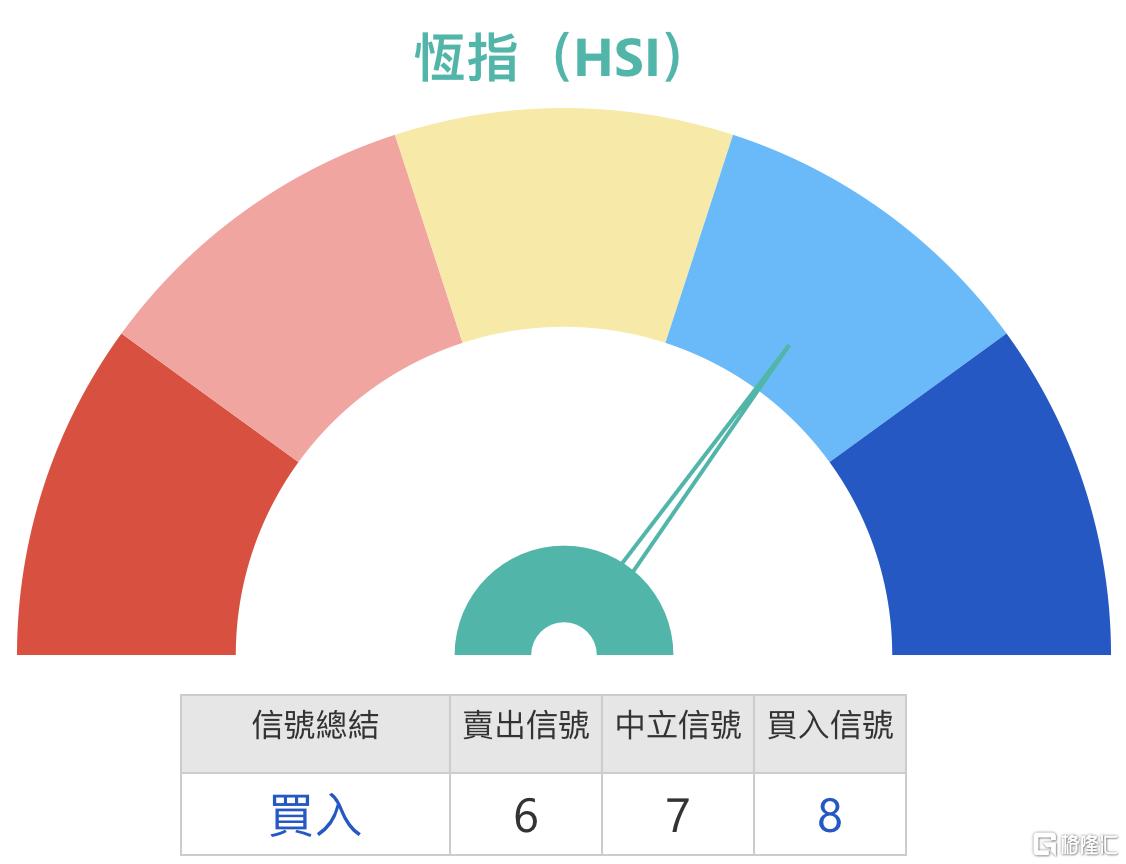
Market Overview - The Hong Kong stock market has been experiencing a downward trend, with the index dropping to around 26,300 points after reaching 27,000 points [1][2] - The market sentiment remains cautious, and the index needs to stabilize around 26,400 points to avoid further declines, with a potential drop to 25,800 points if it fails to hold [2][3] Investment Strategies - Investors are advised to monitor the distribution of warrants, particularly the heavy positions around 25,800 points, which is a critical support level [2][4] - The current trading range for the index is suggested to be between 25,800 and 27,500 points for investment deployment [2] Stock Analysis: Xiaomi Group (01810) - Xiaomi's stock has shown weakness, dropping to a low of 35.6 HKD, with concerns about its automotive safety impacting investor sentiment [6][7] - Despite previous strong performance, the stock has fallen below key support levels, leading to cautious investor behavior regarding long-term entry points [8] - Investors are considering options like call warrants with lower entry costs to mitigate risks while betting on potential rebounds [8][9] Stock Analysis: Semiconductor Industry (SMIC 00981) - SMIC has seen a decline in stock price, currently around 34 HKD, after a peak of 94 HKD, but investor interest remains strong for rebound opportunities [10][11] - New high-leverage products have been introduced to attract investors looking for higher returns in the semiconductor sector [11][13] Stock Analysis: Pop Mart (09992) - Pop Mart's stock has shown signs of recovery after management's first buyback in two years, indicating confidence in the company's future [15][16] - Investors are encouraged to consider call warrants as a way to capitalize on potential rebounds, with specific products highlighted for their favorable terms [16][24] Resource Sector Insights - The resource sector, particularly gold and silver, is gaining attention as prices reach historical highs, with recommendations for investing in related stocks or ETFs [19][20] - Investors are advised to consider leveraged products in the resource sector to maximize returns while managing capital [20] Domestic Consumption Sector - The domestic consumption sector is expected to benefit from ongoing policies promoting local brands, with companies like Li Ning and Midea being highlighted for potential investment [23][24] - Specific warrants for these companies are suggested as viable options for investors looking to capitalize on the domestic consumption trend [24][25]





市场洞察:从工业控湿到家居防潮,除湿机如何适配全场景高湿难题?
Tou Bao Yan Jiu Yuan· 2026-01-20 12:36
Investment Rating - The report does not explicitly state an investment rating for the industry Core Insights - The dehumidifier market has evolved from a single-function device to a diverse product that addresses various air quality needs, with significant growth in applications across multiple sectors [2][7] - The household dehumidifier segment dominates the market, accounting for over 80% of total market share, driven by consumer demand for improved living conditions, especially in high-humidity regions of southern China [7] - The industrial dehumidifier market, while smaller, shows stable demand in specific sectors such as new energy, pharmaceuticals, and data centers, with a smaller decline in sales compared to household units [7] Summary by Sections Dehumidifier Types and Applications - Compression condensation dehumidifiers are the mainstream technology for household and commercial use, suitable for typical indoor environments [2] - Rotary dehumidifiers are used in low-temperature environments, ideal for laboratories and archives, but have higher energy consumption [3] - Household dehumidifiers focus on comfort and convenience, often featuring additional functions like air purification [4] - Commercial dehumidifiers are designed for durability and can service multiple areas, suitable for larger spaces like offices and hotels [5] - Industrial dehumidifiers are essential for maintaining optimal humidity in production environments, characterized by high stability and corrosion resistance [6] Regional Market Demand - In 2024, China's domestic and export markets for household dehumidifiers are projected to reach 1.526 million and 10.953 million units, respectively, with growth rates of 27.7% and 39.7% [11] - The export market is significantly larger than the domestic market, driven by differences in consumer habits and climate conditions [11] - The domestic market shows a clear regional disparity, with southern and eastern China accounting for over 50% of total shipments due to their high humidity climate [12] Impact of Lithium Battery Production - The expansion of lithium battery production is expected to drive demand for high-performance industrial dehumidifiers, as strict humidity control is critical in battery manufacturing processes [19] - The production of lithium batteries, particularly lithium iron phosphate batteries, has seen a significant increase, with a 71% year-on-year growth in installed capacity in the first half of 2025 [20] - The shift towards larger, centralized production lines necessitates more efficient and customized dehumidification solutions [20] Pharmaceutical Industry Trends - The pharmaceutical industry in China is experiencing steady growth, with revenue from large-scale enterprises projected to stabilize in 2024 [26] - Strict temperature and humidity control standards in pharmaceutical production and storage create significant opportunities for dehumidifier applications [27] - Future trends indicate a move towards high-precision, energy-efficient, and multifunctional dehumidifiers in the pharmaceutical sector, driven by technological advancements and increased quality demands [27]
TCL电子与索尼达成家庭娱乐领域战略合作意向
Bei Jing Shang Bao· 2026-01-20 12:25
双方计划成立合资公司承接索尼家庭娱乐业务,开展电视、家庭音响等产品的全球一体化运营,股权比 例拟定为TCL电子持股51%、索尼持股49%,同时探讨专利、技术及品牌授权相关安排。此次合作将融 合双方技术、品牌及供应链优势,依托Sony和BRAVIATM品牌赋能,提升TCL电子综合竞争力。 公告提示,潜在交易若落地或构成TCL电子主要交易,相关条款尚未敲定,合作能否完成无保证,投资 者需审慎决策。 北京商报讯(记者 陶凤 王天逸)1月20日,TCL电子控股有限公司宣布,当日交易时间后与索尼公司签 订战略合作意向备忘录,拟在家庭娱乐领域推进合资等潜在交易。 ...
中国除湿机行业调研简报:市场洞察:从工业控湿到家居防潮,除湿机如何适配全场景高湿难题?
Tou Bao Yan Jiu Yuan· 2026-01-20 12:24
Investment Rating - The report does not explicitly state an investment rating for the industry Core Insights - The dehumidifier market has evolved from a single-function device to a diverse product that addresses various air quality needs, with significant growth in applications across multiple sectors [2][7] - The household dehumidifier segment dominates the market, accounting for over 80% of total sales, driven by consumer demand for improved living conditions, especially in high-humidity regions of southern China [7] - The industrial dehumidifier market is also growing, particularly in sectors like new energy, pharmaceuticals, and data centers, despite a smaller overall market size [7] Summary by Relevant Sections Dehumidifier Types and Applications - Compression condensation dehumidifiers are the mainstream technology for home and commercial use, suitable for typical indoor environments [2] - Desiccant wheel dehumidifiers are used in specialized environments like laboratories and archives, where humidity control is critical [3] - Household dehumidifiers focus on comfort and convenience, often featuring additional functions like air purification [4] - Commercial dehumidifiers are designed for durability and can service multiple areas, suitable for larger spaces like offices and hotels [5] - Industrial dehumidifiers are essential for maintaining optimal humidity in production environments, characterized by high stability and corrosion resistance [6] Market Demand and Regional Differences - In 2024, China's domestic and export markets for household dehumidifiers are projected to reach 1.526 million and 10.953 million units, respectively, with growth rates of 27.7% and 39.7% [11][14] - The export market is significantly larger than the domestic market, driven by differences in consumer habits and climate conditions [11] - The domestic market shows a clear regional disparity, with southern and eastern China accounting for over 50% of total sales due to their humid climate [12][16] Impact of Lithium Battery Production - The expansion of lithium battery production is expected to increase demand for high-performance industrial dehumidifiers, as strict humidity control is critical in battery manufacturing processes [19][20] - The shift towards larger, centralized production lines necessitates more efficient and customized dehumidification solutions [20] Pharmaceutical Industry Trends - The pharmaceutical sector's growth will drive demand for high-precision, energy-efficient, and multifunctional dehumidifiers, as strict humidity control is essential for drug quality and safety [26][27] - The report highlights the increasing importance of humidity control standards in pharmaceutical production, with specific requirements for various processes [30]
“未来一半汽车芯片由格力产品替代”?广汽澄清
Di Yi Cai Jing· 2026-01-20 11:55
1月20日,广汽集团回应"50%汽车芯片由格力产品替代"一事时表示,相关网传表述并非事实,后续如 有合作的具体进展,公司会第一时间通过官方渠道发布。 期间,冯兴亚介绍昊铂一款车型时称,该车型的一个版本有1004颗芯片,这些芯片的知识产权都是中国 的。董明珠表示:"将来有500个是我的。"冯兴亚则回应,下一步争取把格力的汽车芯片装上车。(第 一财经记者 黄琳) (本文来自第一财经) 5天前,广汽集团董事长冯兴亚率队访问格力电器,与董明珠及管理团队共商'人车家'智慧生态融合发 展,探讨产业协同。 ...
索尼计划剥离电视机业务,TCL组建合资公司持股51%承接
Xin Lang Cai Jing· 2026-01-20 11:38
Core Viewpoint - Sony and TCL have signed a memorandum of understanding to explore strategic cooperation in the home entertainment sector, aiming to establish a joint venture that will integrate various aspects of product development and operations [1] Group 1: Joint Venture Details - The proposed joint venture will be owned 51% by TCL and 49% by Sony, focusing on a range of products including televisions and home audio systems [1] - The companies plan to negotiate a legally binding final agreement by the end of March 2026, with the new company expected to commence operations in April 2027, pending regulatory approvals [1] Group 2: Business Operations - The joint venture will encompass integrated business operations from product development, design, manufacturing, sales, logistics, to customer service on a global scale [1]
