汽车制造

Search documents
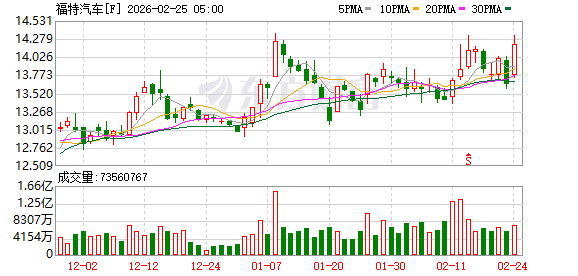
【人勤春来早 实干开新局】开年即冲刺 企业新春生产忙
Yang Shi Wang· 2026-02-25 16:16
Group 1 - The automotive production company in Nanjing is operating at full capacity, producing around 1,000 vehicles daily, with orders extending into the second half of the year due to high market demand [3] - The workforce in the company's workshop has increased to 1,200 employees, which is 2.5 times the number from the previous year's Spring Festival [3] - Over 90% of the enterprises in the Nanjing Jiangbei New Area have resumed operations, with local authorities facilitating recruitment efforts for workers from other regions [3] Group 2 - In Gansu Dingxi, over 500 workers took the first post-Spring Festival labor train to Qingdao, highlighting the ongoing labor cooperation between eastern and western regions [6] - The labor transfer from Dingxi to Qingdao is part of a broader strategy, with plans to transfer 1,442 workers by 2025 and provide skills training to benefit 1,530 individuals [6]

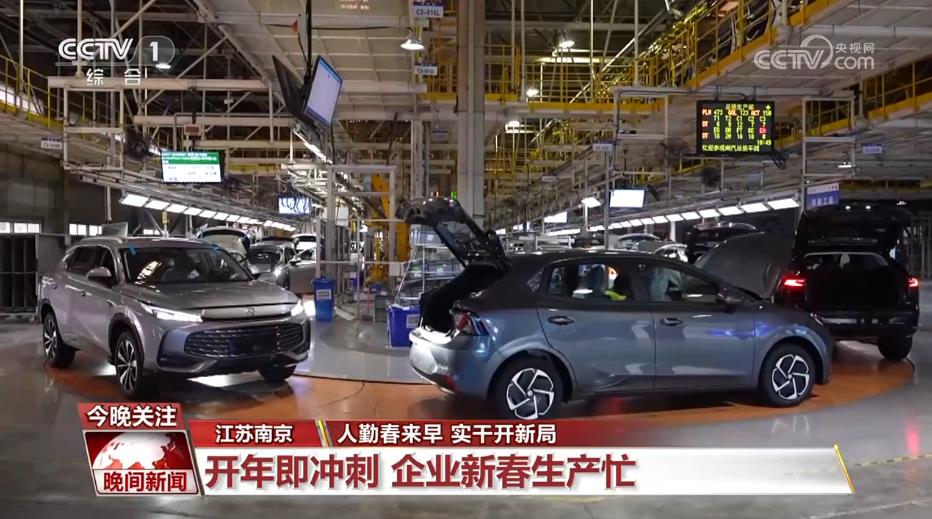
销利双跌,惨遭网暴!2025年“最惨”车企有哪些?
电动车公社· 2026-02-25 16:06
Group 1 - Nissan is referred to as the most "wasteful" automaker of 2025, having sold its headquarters building in Yokohama and subsequently leased it back, indicating severe financial distress [4][5] - Nissan's financial situation deteriorated dramatically, reporting a loss of 670 billion yen in the fiscal year 2024, a stark contrast to a profit of 400 billion yen the previous year, marking its first loss in a decade [7][8] - The company is projected to incur another loss of 650 billion yen in the fiscal year 2025, raising concerns about its operational viability and potential bankruptcy without new funding [8][9] Group 2 - Tesla's vehicle deliveries in 2025 fell to 1.636 million, a decline of 8.6% year-over-year, with revenue also decreasing by 3%, marking the first revenue drop in its history [16] - Despite launching new models like the refreshed Model Y, Tesla faces increasing competition from domestic brands, which are eroding its market share [22][23] - Tesla's continued use of a 400V architecture for its vehicles is seen as a disadvantage compared to competitors that have adopted 800V systems, impacting charging speed and overall competitiveness [23][24] Group 3 - Porsche experienced a significant decline in operating profit, dropping from 4.035 billion euros in the previous year to just 40 million euros in 2025, a 99% year-over-year decrease [29] - The company reported a total delivery of 279,449 vehicles in 2025, a 10% decline compared to the previous year, marking the largest drop since the 2009 global financial crisis [30][31] - Porsche's struggles are attributed to the rapid advancement of domestic electric vehicle brands, which have outpaced Porsche's own electric vehicle development [36][38] Group 4 - Stellantis reported a 5.2% decline in revenue to 148.7 billion euros in 2025, with a net loss projected between 19 billion to 21 billion euros, leading to the suspension of dividends for 2026 [43][44] - The group's total vehicle sales fell by 8% to approximately 5.4 million units, the most significant decline among the top ten global automakers [44] - Stellantis's failure to effectively penetrate the Chinese market is highlighted, with only 29,000 units sold in 2025, representing a mere 0.5% of total sales [55] Group 5 - Xiaomi Auto achieved a remarkable sales increase of 200.9% year-over-year, entering the top ten domestic automakers with annual sales of 410,000 vehicles [60] - Despite strong sales figures, Xiaomi Auto faces significant public scrutiny and negative media coverage, impacting its brand perception and leading to internal challenges for its CEO [60][61] - The company is urged to focus on product excellence and address public concerns proactively to maintain its market position and reputation [68]



中方为何首次启用关注名单制度
Xin Lang Cai Jing· 2026-02-25 15:53
Core Viewpoint - The Ministry of Commerce of China has placed 40 Japanese entities on an export control list and a watch list, implementing targeted export control measures to counter Japan's "re-militarization" and nuclear ambitions [1][2]. Group 1: Export Control Measures - The introduction of a watch list system marks a new path for precise governance in China's export control [3][12]. - The entities on the control list face strict prohibitions, demonstrating China's firm stance against Japan's military enhancement efforts [6][10]. - The measures are an upgrade from the previous announcement made in January 2026, reflecting a continuation and advancement in controlling military-related entities in Japan [8][10]. Group 2: Legal Framework and Implementation - The measures are based on the "Regulations on the Export Control of Dual-Use Items," which aims to uphold national security and fulfill international non-proliferation obligations [2][10]. - The watch list allows for enhanced scrutiny and risk assessment of entities with unclear end-use, facilitating targeted control [4][5]. - The legal basis for these actions is solidified through a modernized export control legal system, which includes the Export Control Law and related regulations [10][12]. Group 3: Impact on Trade Relations - The export control measures specifically target a limited number of Japanese entities and do not affect normal trade relations with compliant Japanese businesses [2][6]. - Chinese entities and foreign entities can continue normal commercial cooperation with compliant Japanese entities [2][6].

安凯客车预亏,半年内遭安徽省投资集团两度减持
Shen Zhen Shang Bao· 2026-02-25 15:47
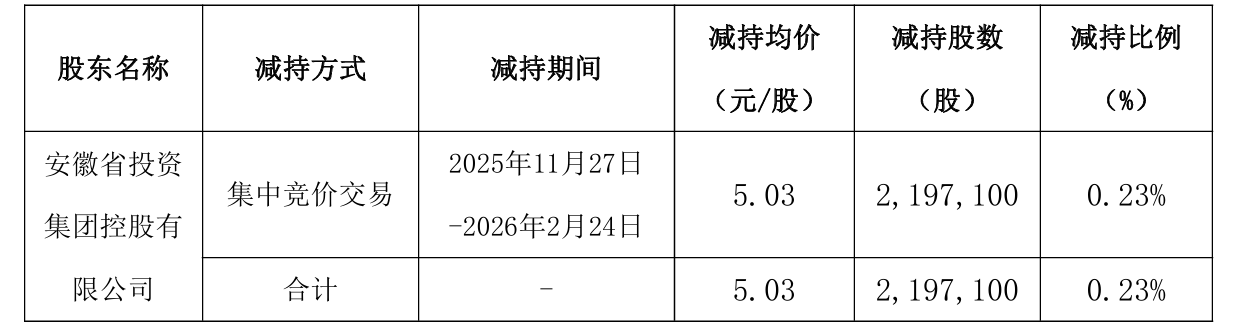
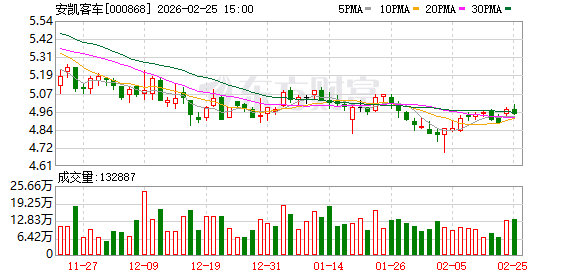
Core Viewpoint - Ankai Bus is facing significant financial pressure, with major shareholder Anhui Investment Group reducing its stake twice within six months, coinciding with the company's anticipated return to losses in 2025 [1][3]. Shareholder Actions - Anhui Investment Group reduced its holdings by 2.2 million shares from November 27, 2025, to February 24, 2026, representing 0.23% of the total share capital, with a total reduction amounting to approximately 11.05 million yuan [1][2]. - In a previous reduction from August 26 to September 15, 2025, the group sold 9.3951 million shares, accounting for 1% of the total share capital, realizing about 54.87 million yuan [2]. Financial Performance - Ankai Bus is projected to incur a net loss of 50 million to 60 million yuan for the year 2025, a stark contrast to a profit of 8.392 million yuan in the previous year [3][4]. - The company's net profit excluding non-recurring items is expected to be a loss of 90 million to 100 million yuan, worsening from a loss of 54.931 million yuan in the prior year [4]. - Revenue is forecasted to be between 3.4 billion and 3.5 billion yuan, showing a significant increase from 2.735 billion yuan in the previous year, indicating growth in sales despite the losses [4]. Production and Sales Trends - In January 2026, Ankai Bus produced 761 vehicles, a 35.65% increase year-on-year, while sales fell by 18.36% to 458 vehicles [5]. - As of February 25, 2026, Ankai Bus shares closed at 4.94 yuan, with a total market capitalization of approximately 4.641 billion yuan, reflecting a decline of over 30% in the past year [5].

宝马高层大调整!高翔告别中国市场,调任MINI美洲区
Guo Ji Jin Rong Bao· 2026-02-25 15:31
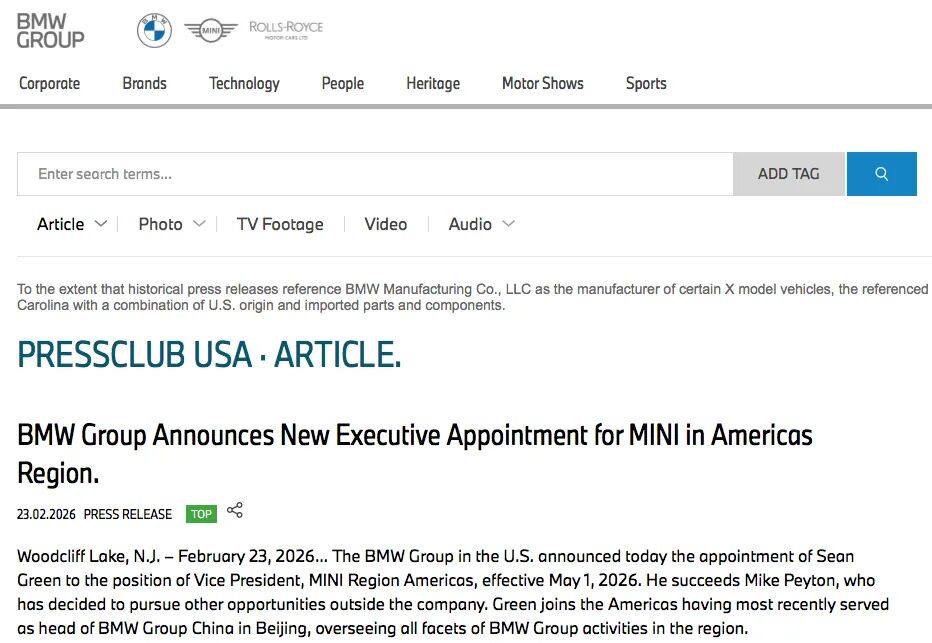
Core Viewpoint - BMW Group's recent executive changes reflect a strategic move in its global layout, particularly emphasizing the importance of the MINI brand's development in the Americas [3][4]. Group 1: Executive Changes - From May 1, 2026, Gao Xiang will transition from President and CEO of BMW Group Greater China to Vice President of MINI Americas, succeeding Mike Peyton [1][3]. - Christian Ach will take over as the new head of BMW Greater China, bringing extensive experience from his previous roles, including leadership in the German market and electric vehicle strategies [3][4]. Group 2: Strategic Importance - The Americas region is crucial for BMW Group's global strategy, and Gao's extensive experience is expected to support MINI's continued growth [4]. - Gao has a long history with the MINI brand, having been involved in its relaunch in the UK and later serving as Vice President for MINI China, contributing to BMW's rapid growth in the Chinese market [4]. Group 3: Market Challenges and Opportunities - MINI faces challenges in the Americas, including low acceptance of electric vehicles and sluggish market growth, which Gao's appointment aims to address through experience transfer, strategic optimization, and brand activation [4][5]. - Global sales for the MINI brand have shown fluctuations, with a notable increase in electric vehicle sales, indicating potential for growth despite regional disparities and competitive pressures [5].
宝马高层大调整!高翔告别中国市场 调任MINI美洲区
Guo Ji Jin Rong Bao· 2026-02-25 15:27
Core Insights - BMW Group announced a significant executive change, with Gao Xiang transitioning to Vice President of MINI Americas from his role as President and CEO of BMW Group Greater China, effective May 1, 2026 [1][3] - This move is part of BMW's global strategic realignment, reflecting the urgency for the MINI brand's development in the Americas [3][4] Executive Changes - Gao Xiang has over 35 years of experience at BMW and has been instrumental in the company's growth in China, where it remains the largest single market for BMW [3][4] - Christian Ach will succeed Gao Xiang as the head of BMW Greater China, bringing experience from his previous roles, including leadership in the German market and expertise in electric vehicle strategies [3][4] Market Context - The Americas are crucial for BMW's global strategy, and Gao's extensive experience is expected to support MINI's continued growth in this region [4] - MINI faces challenges in the Americas, including low acceptance of electric vehicles and stagnant market growth, which Gao's appointment aims to address through strategic optimization and brand revitalization [4][5] Sales Performance - MINI's global sales fluctuated from 2023 to 2025, with 2023 sales at 295,500 units, a 0.9% increase, and a notable rise in electric vehicle sales [5] - In 2025, MINI's global sales reached 288,300 units, a 17.7% increase, with electric vehicle sales surging to 105,500 units, an 88% increase, indicating a growing market penetration [5]
达利欧最新长文:2026,像极了1936
Xin Lang Cai Jing· 2026-02-25 14:58
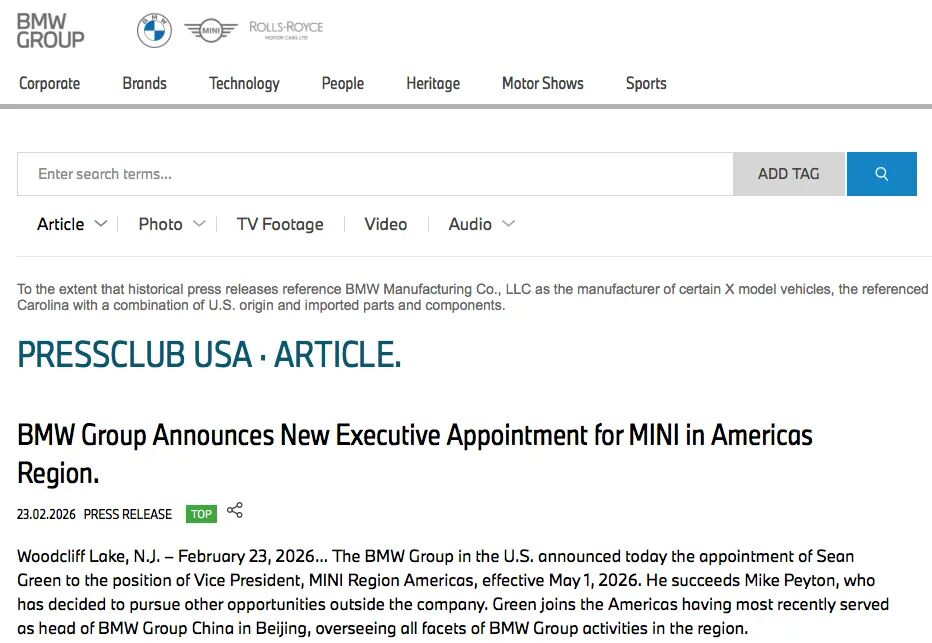
Group 1 - The article discusses the transition from an "orderly" world to a "disordered" one, highlighting the end of the post-1945 world order and the emergence of a new geopolitical landscape characterized by power struggles and conflicts among major nations [3][4][5]. - Key leaders, including German Chancellor Friedrich Merz and French President Emmanuel Macron, have acknowledged the collapse of the established world order, emphasizing the need for Europe to prepare for potential conflicts [3][4]. - The article outlines the cyclical nature of internal and external order, suggesting that the dynamics governing relationships between individuals also apply to international relations, albeit with the added complexity of power dynamics [5][6]. Group 2 - The article identifies five main types of conflicts between nations: trade/economic wars, technology wars, capital wars, geopolitical wars, and military wars, each representing different dimensions of power struggles [7][10][11]. - Trade/economic wars involve conflicts over tariffs and trade restrictions, while technology wars focus on the sharing of critical technologies [8][9]. - Geopolitical wars pertain to territorial disputes and alliances, capital wars involve financial sanctions and market access restrictions, and military wars encompass actual armed conflicts [10][11]. Group 3 - The article emphasizes that the absence of effective governance systems in international relations often leads to a reliance on power rather than legal frameworks, resulting in a "jungle law" scenario where might prevails over right [6][19]. - It discusses the historical context of major conflicts, illustrating how economic downturns and internal strife can lead to authoritarian regimes and subsequent military aggression, as seen in the lead-up to World War II [24][25][26]. - The analysis of World War II serves as a case study, demonstrating how economic and political factors converged to create conditions for conflict, ultimately reshaping the global order [24][25][30].
宝马集团与宁德时代签署合作谅解备忘录
Bei Jing Shang Bao· 2026-02-25 13:56
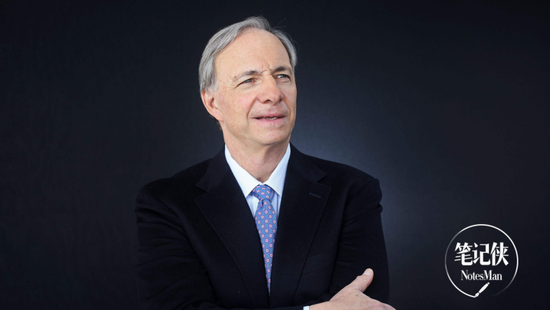
Core Viewpoint - BMW Group's chairman, Zipse, signed a memorandum of understanding with CATL during a visit to China with German Chancellor Scholz, aiming to enhance collaboration in the electric vehicle supply chain and reduce carbon footprints [1] Group 1: Strategic Collaboration - The partnership focuses on promoting synergy in the battery supply chain to systematically lower the carbon footprint of electric vehicles and deepen sustainable development cooperation [1] - Zipse emphasized the importance of collaboration and open innovation, highlighting that China is central to BMW's global strategy [1] Group 2: Local Investment and Development - BMW has invested over 120 billion yuan in its production base in Shenyang and established four major R&D innovation centers and three software companies in China, creating a comprehensive localization system [1] - A new milestone in localization is marked by the upcoming global debut of the new generation BMW iX3 long-wheelbase version at the Beijing Auto Show in April, with core digital experience features developed by global and Chinese teams to meet local consumer needs [1]


安凯客车:公司在氢燃料、无人驾驶等领域均有产品投入市场
Mei Ri Jing Ji Xin Wen· 2026-02-25 13:17
Group 1 - The core viewpoint of the article indicates that Ankai Bus (000868.SZ) expects an increase in bus sales and revenue in 2025 compared to the previous year, despite current performance losses attributed to a decline in overall gross profit margin and special provisions for unrecovered subsidy impairment losses [2] - The management is actively implementing various measures to improve operational results [2] - The company has launched products in hydrogen fuel and autonomous driving sectors, and plans to explore the application of new technologies such as AI in smart driving and smart manufacturing to enhance its core competitiveness [2]
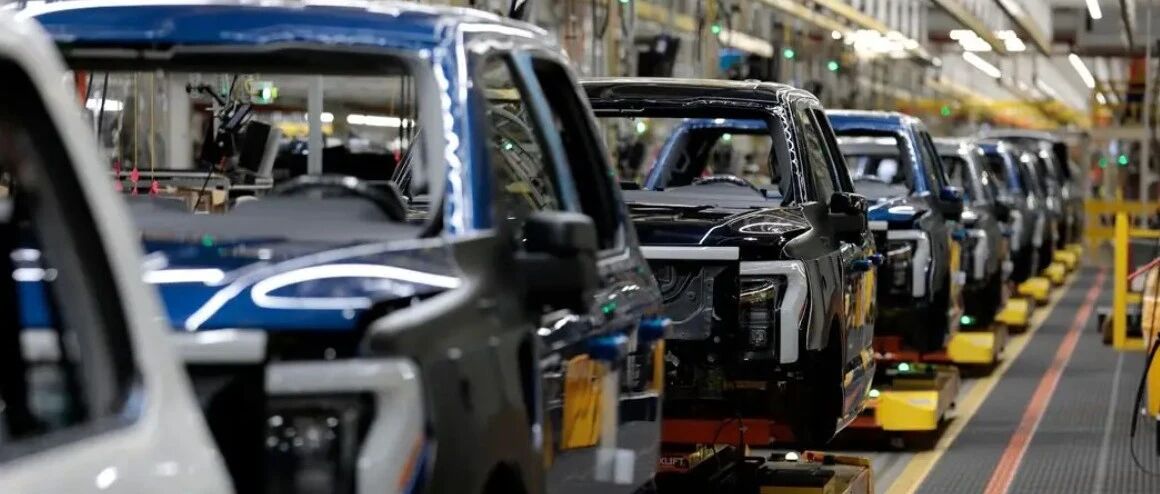
福特在美召回超45万辆汽车,业绩承压下或谋求与中国车企合作
Mei Ri Jing Ji Xin Wen· 2026-02-25 13:05
Core Insights - Ford Motor Company is recalling over 450,000 vehicles in the U.S. due to various safety issues, highlighting challenges in product quality control [2] - The company reported a significant net loss of approximately $8.2 billion in 2025, marking its largest annual loss since 2008, despite a slight increase in revenue [3] - Ford's sales performance is declining, with a 5.3% year-over-year decrease in U.S. sales in January 2026 and a 2% drop in global sales for 2025 [4] Recall Details - The largest recall involves 412,774 units of the 2017-2019 Explorer models due to potential rear suspension link failure, increasing collision risk [2] - Additionally, 24,690 units of the 2023-2025 Ford Escape and 2023-2026 Lincoln Nautilus plug-in hybrid models are recalled for battery defects that could lead to short circuits and fire hazards [2] - The recall also includes 15,965 units of the 2025 Transit model due to a potential brake failure issue [2] Financial Performance - Ford's total revenue for 2025 was approximately $187.3 billion, with a net loss of $8.2 billion, compared to a net profit of $5.9 billion in 2024 [3] - The fourth quarter of 2025 was particularly detrimental, with revenue of $45.9 billion, a 4.8% decline year-over-year, and a net loss of $11.1 billion [3] - Special project costs of $19.5 billion in Q4 2025, related to strategic adjustments, significantly impacted overall profitability [3] Sales Performance - In January 2026, Ford's U.S. sales were 135,400 units, down 5.3% year-over-year, indicating weak growth in core markets [4] - Global sales for 2025 were approximately 4.395 million units, a 2% decline, with Ford being surpassed by Chinese automaker BYD for the first time [4] - In China, Ford's retail sales dropped to 99,400 units in 2025, falling below the critical threshold of 100,000 units [4] Strategic Initiatives - Ford is exploring a potential collaboration framework with the U.S. government to allow Chinese automakers to establish production facilities in the U.S. while providing protections for domestic companies [4][5] - This strategy aims to leverage the technological advantages of Chinese firms in electrification and smart technology, potentially reducing Ford's R&D costs [5] - However, the initiative faces uncertainties due to high tariffs on Chinese imports and stringent regulatory requirements in the U.S. [5]