新能源汽车

Search documents
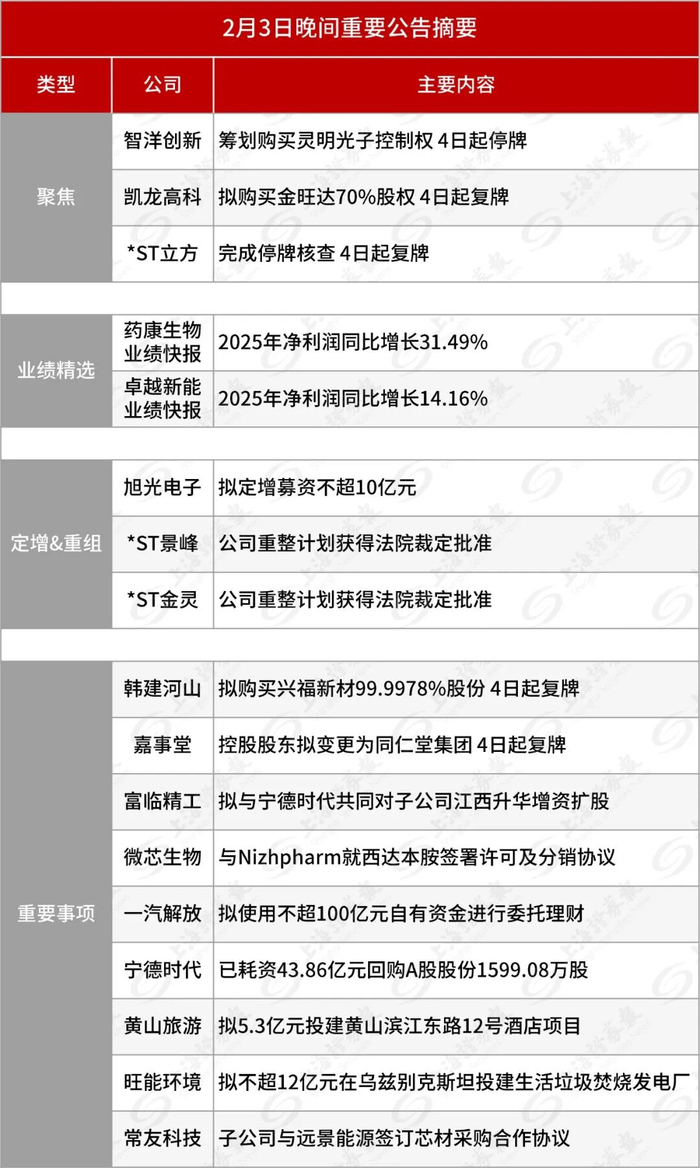
周三停牌!688191,筹划重大资产重组
Shang Hai Zheng Quan Bao· 2026-02-03 16:07
Core Viewpoint - Zhiyang Innovation (688191) is planning to acquire control of Shenzhen Lingming Photon Technology Co., Ltd. through stock issuance, convertible bonds, and cash payments, while also raising supporting funds. This transaction is expected to constitute a major asset restructuring and related party transaction, but will not change the company's control [1]. Group 1: Company Overview - Zhiyang Innovation focuses on digital and intelligent transformation in various industries, specializing in AI algorithms, big data analysis, IoT technology, digital twin technology, and embodied intelligence [2]. - Lingming Photon, the target company, is known for its high-performance single-photon detector chips, which are essential for 3D perception in modern electronic devices, and has received significant investment for technology upgrades and production capacity enhancement [3]. Group 2: Legal Matters - Lingming Photon is currently involved in a lawsuit with Suoteng Company regarding intellectual property rights, which is considered a significant case in the laser radar chip sector. Lingming Photon has filed multiple lawsuits against Suoteng for infringement of trade secrets and patents [4]. Group 3: Transaction Details - The acquisition of Lingming Photon is still in the planning stage, with initial communications and a letter of intent signed with key parties involved in the transaction [1]. - Zhiyang Innovation's stock will be suspended from trading starting February 4, 2026, for a period not exceeding five trading days to ensure fair information disclosure and protect investor interests [1].


新势力销冠车企年会拉胯,被吐槽上热搜?零跑内部人士这么说
Nan Fang Du Shi Bao· 2026-02-03 13:54
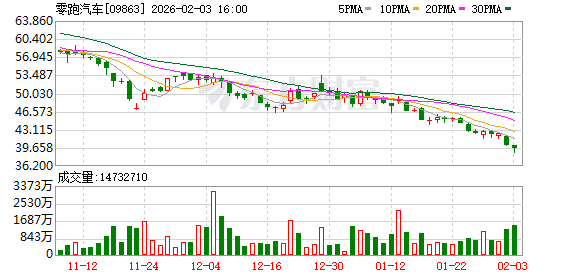
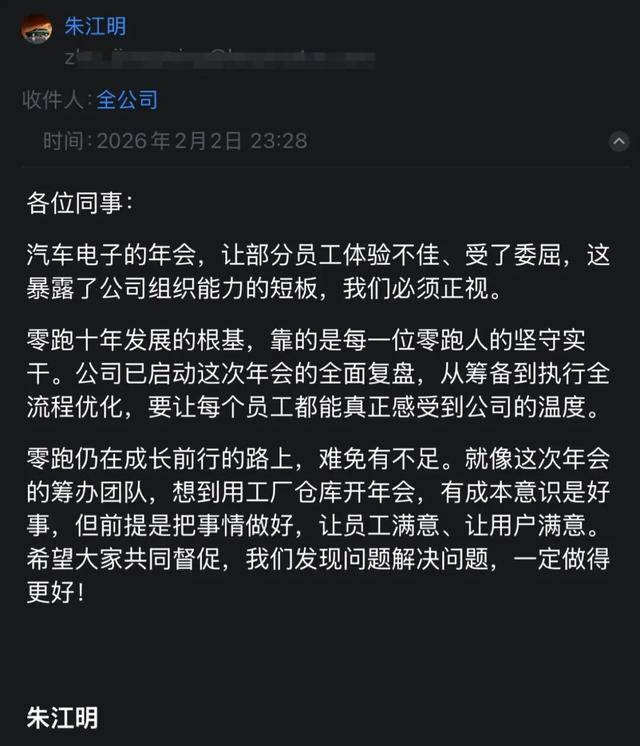
对此,有零跑汽车相关人士向南都·湾财社记者表示,这是零跑旗下子公司自己的庆祝行为。对方还表示,2月2日晚,公司创始人、董事长朱江明已发布全 员信进行回应。 湾财社记者从全员信中获悉,朱江明表示,汽车电子的年会,让部分员工体验不佳、受了委屈,这暴露了公司组织能力的短板,必须正视。"公司已启动这 次年会的全面复盘,从筹备到执行全流程优化,要让每个员工都能真正感受到公司的温度。" 日前,"零跑年会被吐槽拉胯"登上微博热搜。据了解,此前有不少公司员工在社交平台爆料称,零跑汽车电子产品线年会"拉胯",不仅"中午不管饭""HR建 议自备干粮",而且"现场无空调""厕所严重不足""热水供应跟不上"。 涉及子公司内部人士: 有凌艾内部人士向南都·湾财社记者表示,目前网络上对于年会的传闻有些离谱,比如,当天年会举办地是湖州工厂的厂房里,并非临时搭建的棚子;网 传"没饭吃""吃泡面"是发生在中午,当日年会提供的是晚宴;网传鼠标垫也不是"特等奖",是幸运奖鼠标的附赠,现场也有抽运动相机、手机等。 南都·湾财社记者从其他内部人士处获悉,当日的奖品还包括咖啡机、多功能锅、无线耳机、吹风机、运动手环、电动牙刷、鼠标等。 但该人士也坦言, ...
用AI重构中国智造新引擎
Di Yi Cai Jing Zi Xun· 2026-02-03 13:26
Core Viewpoint - The article emphasizes the transformation of the manufacturing industry through AI, highlighting the importance of smart manufacturing as a key direction for technological change and optimization in China [2]. Group 1: AI and Manufacturing Transformation - The Chinese government is focusing on utilizing AI technology to reshape the entire production and manufacturing cycle, aiming for technological innovation and product upgrades while maintaining scale advantages [2]. - The ongoing discussions at the Shanghai meetings center around building a modern industrial system during the "14th Five-Year Plan" period, which includes promoting the digital and green transformation of traditional industries and developing new emerging industrial clusters [2][3]. - By 2026, China aims to leverage AI to become a leader in future industries and economies, which is crucial for securing a position in the AI-driven physical world [2][3]. Group 2: Opportunities and Challenges - China possesses extensive manufacturing experience and data, which are strategic resources for competing in the AI-driven physical world, but it also faces challenges in balancing existing manufacturing capacity with the need for AI-driven transformation [3]. - The transformation requires a willingness to embrace trial and error, as well as the courage to fundamentally restructure traditional manufacturing logic [3][4]. - The shift driven by AI will not only test operational and technological capabilities but also necessitate a reformation of the economic and social systems to create a more flexible environment for innovation [3][4]. Group 3: Successful Practices and Economic Environment - Learning from successful industrial layouts in various regions is essential, as exemplified by Shanghai's introduction of Tesla, which has helped establish an international supply chain for the new energy vehicle industry [4]. - The core experience from successful practices includes creating a free and open economic environment, which has been crucial for the international competitiveness of China's new energy vehicle sector [4][5]. - The future of manufacturing will increasingly depend on the openness of markets, the openness of technology, and the inclusiveness of systems, making these factors essential for survival and development in the AI era [5].

用AI重构中国智造新引擎
第一财经· 2026-02-03 13:23
Core Viewpoint - The article emphasizes that AI is reshaping the manufacturing ecosystem, transitioning from traditional manufacturing to intelligent manufacturing, which is seen as a key direction for industrial technological transformation and optimization [2]. Group 1: AI and Manufacturing Transformation - The Chinese government is focusing on smart manufacturing as a primary strategy to leverage AI technology across the entire production chain and lifecycle, aiming for technological innovation and product upgrades while maintaining scale advantages [2]. - The ongoing discussions at the Shanghai meetings highlight the importance of building a modern industrial system during the "14th Five-Year Plan" period, which includes promoting the digital and green transformation of traditional industries and developing new emerging industrial clusters [2]. Group 2: Opportunities and Challenges - China has a significant opportunity in the AI-driven transformation of the physical world due to its extensive manufacturing experience and data resources, which are crucial for competing in the AI landscape [3]. - However, challenges arise from the need to balance maintaining existing manufacturing capacity with the integration of AI technologies, requiring a willingness to restructure traditional manufacturing logic and supply chains [3]. Group 3: Institutional and Economic Reforms - The transformation driven by AI necessitates not only operational and technological upgrades but also a fundamental restructuring of the economic and social systems, emphasizing the need for institutional reforms to create a more flexible environment for innovation [3]. - Recent adjustments in VAT input tax by the Ministry of Finance are seen as a positive step towards fostering a more conducive environment for market participants [3]. Group 4: Learning from Successful Practices - Learning from successful industrial layouts in various regions is crucial, as exemplified by Shanghai's introduction of Tesla, which has helped establish a competitive international supply chain for electric vehicles [4]. - The experience gained from these practices is valuable for advancing China's manufacturing into intelligent manufacturing and leveraging AI technologies [4]. Group 5: Open Economic Environment - The success of China's electric vehicle industry is attributed to the establishment of a free and open economic environment, which has facilitated the integration of global technologies and standards [6]. - In the era of physical AI, the competition will increasingly depend on market openness, technological openness, and institutional inclusiveness, making these factors essential for survival and development [6]. Group 6: Future of AI in Manufacturing - The article suggests that the future of manufacturing will involve AI agents as a service, which presents new challenges regarding product safety, technical standards, and compliance with local laws [6]. - The transition to a physical AI era will require a shift in thinking from merely using AI as a tool to creating a robust institutional framework that supports decision-making, tolerance for failure, and innovation [7].

“车药芯智”加速度 坪山GDP五年翻番
2 1 Shi Ji Jing Ji Bao Dao· 2026-02-03 13:23
比亚迪工厂的机械臂精准组装着新能源汽车电池,不远处生物医药实验室的科研人员正观测细胞培养数 据——深圳坪山区战略性新兴产业产值占规模以上工业总产值比重已达惊人的88%。 在新能源汽车领域,比亚迪作为龙头企业,已迈入世界百强企业行列,问鼎全球纯电汽车销冠。同时, 世界汽车标准创新大会永久落户坪山,全球最大汽车毫米波雷达生产基地投入使用,汽车零部件制造装 备产业集群获评国家级中小企业特色产业集群。 2025年,深圳坪山区经济数据公布:GDP增长10.5%,几乎是全市增速的两倍;规模以上工业增加值增 长15.9%;社会消费品零售总额增长10.2%。 在"十四五"时期,坪山GDP总量实现翻番,年均保持两位数增长。这些数据背后,一个以先进制造业为 核心的现代化产业体系正在深圳东部加速崛起。 硬核产业强势增长 2025年,坪山规模以上工业增加值增长15.9%,在深圳工业增长整体承压的环境下显得尤为珍贵,其既 显示了区域经济的强大韧性和增长潜力,也意味着工业特别是先进制造业正在成为拉动坪山经济增长的 核心引擎。 坪山区已构建起"车药芯智"为主导的"6+3"产业集群,形成了完整的产业生态链。 在生物医药领域,全区已聚集超过1 ...
员工被要求自带干粮参加年会,零跑汽车董事长深夜发邮件道歉
Sou Hu Cai Jing· 2026-02-03 13:11
Core Viewpoint - The recent controversy surrounding Leap Motor's annual meeting highlights significant organizational shortcomings, prompting the company's leadership to acknowledge issues and commit to improvements [4][7]. Group 1: Event Overview - Leap Motor's annual meeting, held on January 30, faced backlash from employees who criticized the experience as "ridiculously poor," citing issues such as lack of food, inadequate facilities, and poor weather conditions [3]. - Employees were advised to bring their own food, and the event took place in a factory warehouse without air conditioning, leading to discomfort [3]. Group 2: Management Response - In a letter to employees on February 2, CEO Zhu Jiangming admitted the shortcomings and emphasized the need to address organizational weaknesses, stating that cost control should not compromise employee satisfaction [4]. - The company has initiated a comprehensive review of the event planning and execution processes to ensure a better experience for employees in the future [4]. Group 3: Public Reaction - The public response to the incident was mixed, with some employees defending the company by clarifying that certain criticisms were exaggerated, mentioning that prizes included high-value items like iPhone 17 and DJI products [5]. - Zhu Jiangming's candid acknowledgment of the issues and commitment to improvement received positive feedback from rational observers, indicating a recognition of the company's accountability [5]. Group 4: Implications for the Company - This incident serves as a pressure test for Leap Motor, which aims to become a leading player in the electric vehicle market by 2025, highlighting the importance of balancing cost efficiency with employee experience [7]. - The challenge for the company, as well as many startups, is to develop a more empathetic organizational culture while maintaining a focus on practical and efficient growth strategies [7].

去年三大先导产业规模突破2万亿元,上海今年GDP目标增长5%
2 1 Shi Ji Jing Ji Bao Dao· 2026-02-03 12:57
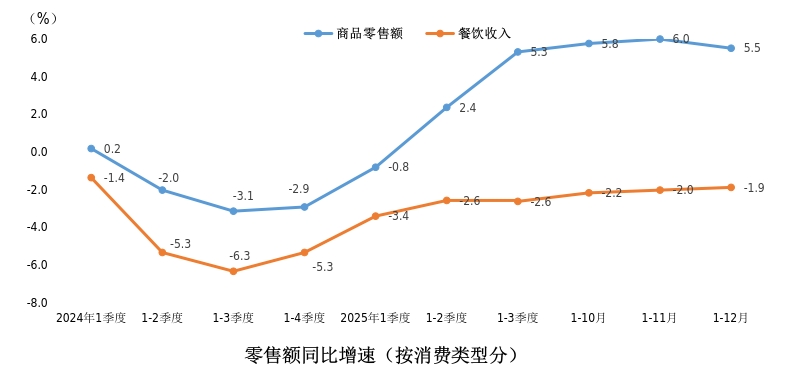
Core Viewpoint - The Shanghai government report for 2026 indicates a GDP growth target of around 5% for the city, maintaining the same target set for 2025, reflecting a shift towards high-quality development and a focus on building a self-reliant industrial and supply chain system [2][6]. Economic Performance - In 2025, Shanghai's GDP reached 5.67 trillion yuan, growing by 5.4%, which was better than expected [1]. - The total retail sales of consumer goods in Shanghai grew by 4.6% in 2025, surpassing the national average growth rate of 3.7% and reversing a decline of 3.1% in 2024 [1][6]. Consumption and Retail Strategies - Shanghai implemented various initiatives to boost consumption in 2025, including the issuance of "Le Shanghai" service consumption vouchers and the promotion of night economy and cultural tourism events [5][7]. - The number of tax refund stores for outbound tourists increased to 1,837, a growth of 136%, contributing significantly to the retail sales growth [6]. Industrial Development - The three leading industries in Shanghai—integrated circuits, biomedicine, and artificial intelligence—surpassed a combined scale of 2 trillion yuan in 2025 [8]. - Shanghai's focus on high-end industrial structure is evident, with significant advancements in strategic emerging industries [2][8]. Innovation and R&D - In 2025, Shanghai's total R&D expenditure was approximately 4.5% of its GDP, with a target of increasing this to 4.6% in 2026 [9]. - The city aims to enhance its innovation capabilities by establishing high-quality incubators and concept verification platforms, and by promoting the integration of technology and industry [8][9].
广东发布财政金融协同惠企利民一揽子政策指引
Xin Lang Cai Jing· 2026-02-03 12:52
Group 1 - The Guangdong Provincial Strategic Emerging Industry Investment Fund has a total scale of 100 billion yuan, with an initial scale of 50 billion yuan, aimed at leveraging social capital to form a fund cluster exceeding one trillion yuan [1][75]. - The fund operates under a three-tier structure of "guiding fund - mother fund - sub-fund," enhancing the leverage effect of fiscal funds and attracting private investment [2][76]. - The fund will primarily invest in strategic emerging industries, future industries, and the upgrading of traditional industries, supporting key provincial initiatives [3][77]. Group 2 - The guiding fund is designed for long-term operation without a fixed duration, establishing a stable investment mechanism to support the modernization of the industrial system [2][76]. - The fund's management includes ten innovative mechanisms, such as performance evaluation and resource sharing, to encourage early and long-term investments in hard technology [2][76]. - The fund aims to attract leading enterprises and establish industry ecological funds, focusing on unicorns and specialized enterprises [3][77]. Group 3 - The loan interest subsidy policy for manufacturing and high-tech enterprises allows for a subsidy of up to 35% of the bank loan interest rate, with a maximum annual subsidy of 20 million yuan per enterprise [8][81]. - The total scale of the annual loan interest subsidy is capped at 200 billion yuan, with a three-year total limit of 600 billion yuan [8][81]. - The policy is effective from May 1, 2025, to December 31, 2027 [8][82]. Group 4 - The personal consumption loan interest subsidy policy provides a 1% annual subsidy on eligible personal loans, with a maximum of 3,000 yuan per borrower per year [10][85]. - The policy is valid from September 1, 2025, to December 31, 2026, with potential extensions based on implementation results [10][86]. - The service industry loan interest subsidy policy supports loans for various service sectors, with a maximum subsidy of 1% on loan principal [10][91].
建完 1000 个站,宁德时代换电的账终于能算清了
Xin Lang Cai Jing· 2026-02-03 12:47
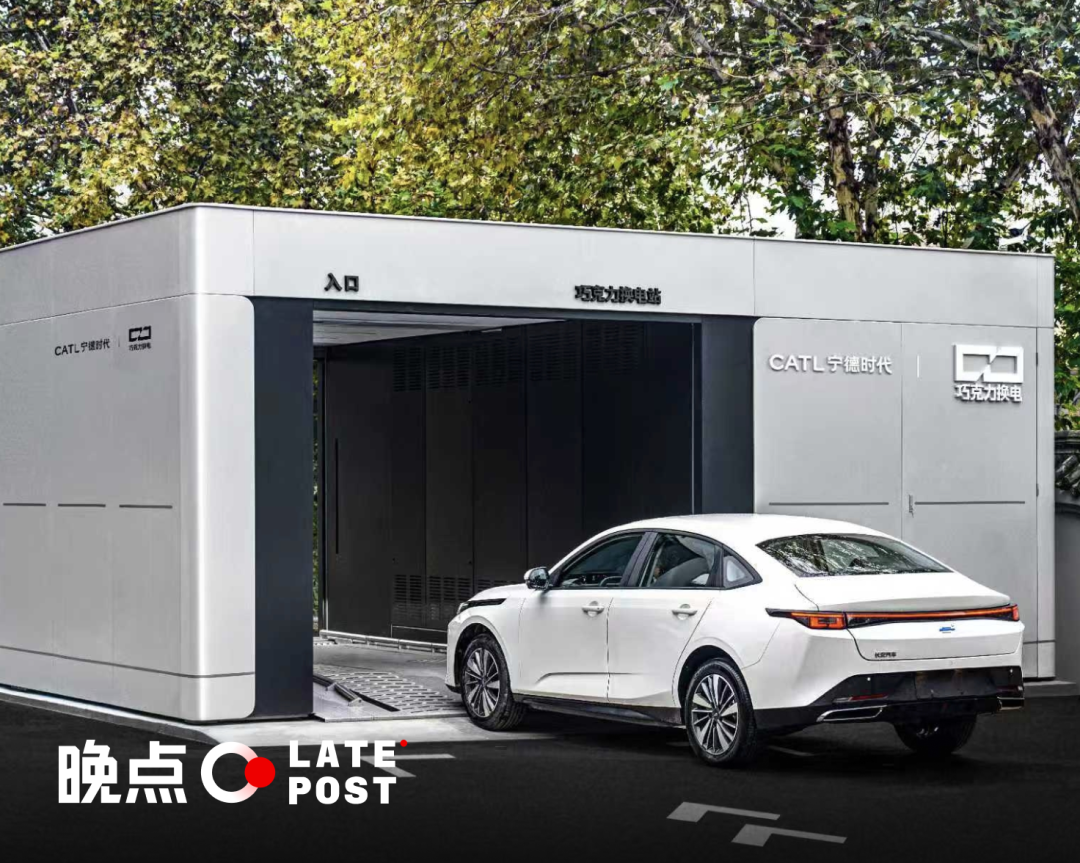
Core Viewpoint - The company aims to establish a robust battery swapping network, transitioning from a demand-driven approach to a proactive large-scale station construction strategy, which is expected to enhance user trust and operational efficiency [3][5][30]. Group 1: Network Expansion and Strategy - The company plans to build 2,000 battery swapping stations by the end of 2026, marking a significant turning point in its business development [4][36]. - The construction speed of battery swapping stations is a direct demonstration of the company's determination and capability, with 500 stations completed by August of the previous year attracting major automotive manufacturers for collaboration [29][35]. - The company has shifted its strategy from building stations based on vehicle numbers to a large-scale station construction approach, addressing the issue of network density to attract users [5][30]. Group 2: Operational Efficiency and Challenges - The company has optimized the construction process, reducing the time to build a swapping station from nearly three months to just 16 days through improved methodologies [34]. - The rapid expansion of the network has led to positive feedback from automotive manufacturers, shifting negotiations from concerns to detailed discussions [11][35]. - The company faces challenges in matching service capacity with the increasing user demand, particularly in the context of its battery-as-a-service (BaaS) model [39][40]. Group 3: Market Position and User Experience - The company aims to provide certainty to users by ensuring clear battery sourcing, performance, and pricing, which is crucial for building trust in the battery swapping model [44][46]. - The battery swapping model is positioned as a more efficient and convenient option compared to traditional charging, with the goal of making it a standard feature in electric vehicles [22][49]. - The company is working on enhancing its service capabilities, including involvement in the design of new battery swapping vehicles, to ensure a seamless user experience [43][44]. Group 4: Future Roadmap - The company has outlined a three-phase roadmap: first, establishing infrastructure; second, increasing station utilization; and third, expanding ecosystem services such as finance and insurance [50][51]. - The long-term goal is to reach 5,000 stations, which would solidify the network and allow for service diversification, making battery swapping a standard in the electric vehicle market [52].

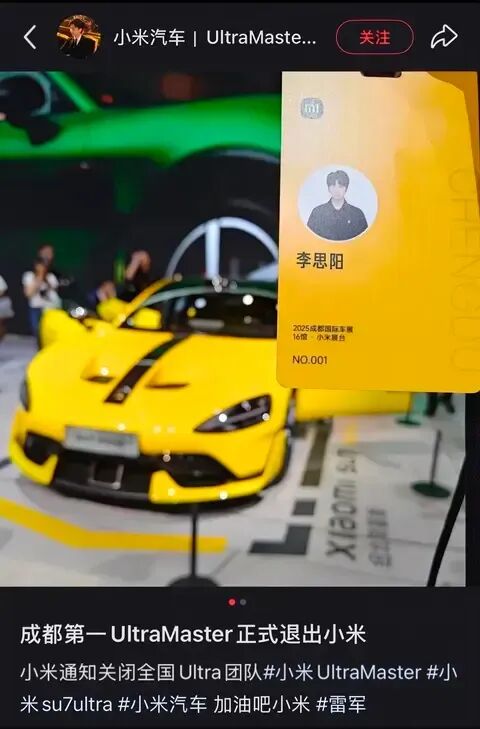
小米解散SU7 Ultra专业团队,雷军高端梦“破灭”!
Xin Lang Cai Jing· 2026-02-03 12:46
Core Viewpoint - Xiaomi's decision to dissolve the UltraMaster team indicates a strategic shift in its approach to the high-end electric vehicle market, focusing on resource optimization rather than abandoning high-end positioning [10][25][51]. Group 1: Team Dissolution - Xiaomi has officially announced the closure of its UltraMaster team, which was responsible for high-end market execution, not the R&D team for the SU7 Ultra [5][6][10]. - The dissolution is not a complete cut; many team members have been reassigned to support mainstream vehicle sales [8][35]. - The SU7 Ultra vehicle remains in production and is still being sold, with R&D efforts continuing [9][36]. Group 2: Financial Considerations - The primary reason for dissolving the Ultra team is the imbalance between investment and returns, with high operational costs not translating into expected sales [11][38]. - The SU7 Ultra's dedicated business team was a significant financial burden, requiring substantial funding for operations, services, and marketing [13][40]. Group 3: Sales Performance - The SU7 Ultra, initially priced at 529,000 yuan, experienced a dramatic decline in sales, with only 45 units sold by December 2025, a stark contrast to its initial success [14][43]. - Customer dissatisfaction has led to collective actions against the company, citing discrepancies between advertised and actual vehicle features, contributing to a damaged reputation [18][45]. - The vehicle's resale value has plummeted, with one-year-old models valued at only 350,000 yuan [21][47]. Group 4: Market Context - The high-end electric vehicle market is highly competitive, with brands like Tesla and NIO aggressively pursuing market share [22][49]. - Xiaomi's operational costs are rising while sales and reputation are declining, making the retention of the Ultra team unsustainable [24][50]. Group 5: Future Strategy - Xiaomi is not abandoning high-end technology exploration but is instead adjusting its strategy to focus on more sustainable models and products [30][55]. - The new generation of the SU7 is set to launch with upgrades and a starting price of 229,000 yuan, indicating Xiaomi's commitment to the mainstream high-end market [28][55]. - The company's ability to adapt quickly to market changes and optimize resource allocation is crucial for navigating the evolving electric vehicle landscape [30][56].