智能汽车

Search documents
福州新区参建者再访新区 感受十年发展脉搏
Xin Hua Wang· 2025-07-19 01:53
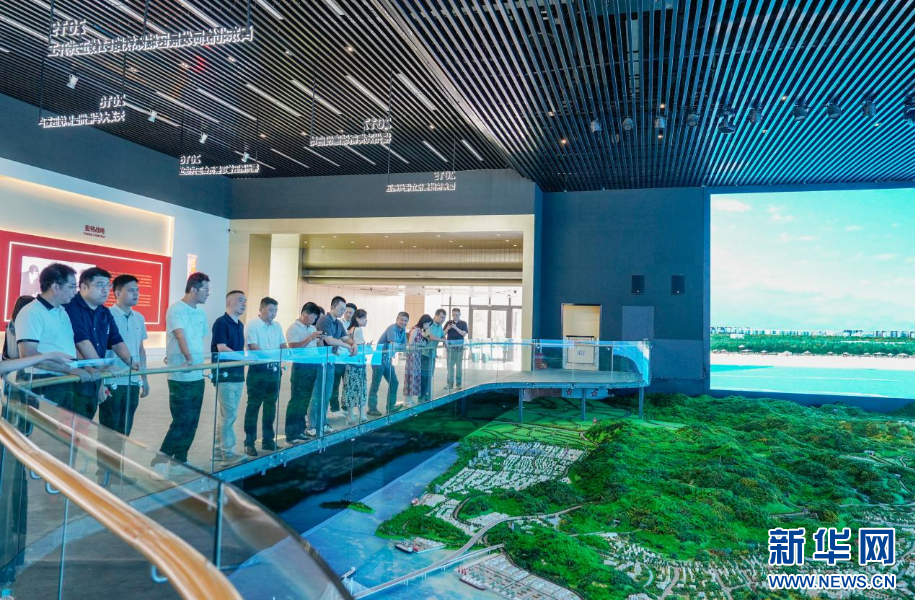
Core Insights - Fuzhou New Area has undergone significant transformation over the past decade, evolving from farmland into a modern, green city with various youth activities and advanced facilities [1][4] - The area has developed under the urban planning strategy of "Eastward advancement, Southward movement, and along the river to the sea," resulting in a livable new city with improved infrastructure and increased resident satisfaction [4][5] Group 1: Urban Development - The Fuzhou New Area has seen substantial changes in urban infrastructure, including the construction of major educational institutions and public facilities, enhancing the overall living environment [4][5] - The area has established itself as a new industrial city, focusing on high-quality development through the aggregation of industries and digital platforms [5] Group 2: Technological Advancements - Fuzhou New Area has become the largest computing power hub in the province, with six data centers providing artificial intelligence computing power of 2585P and supercomputing power reaching 60 million trillion calculations per second [5] - The establishment of multiple digital public service platforms and industrial internet platforms indicates a strong focus on digitalization and smart technology in the region [5]

美企借力“中国速度”强化全球供应链
Xin Hua She· 2025-07-18 13:48
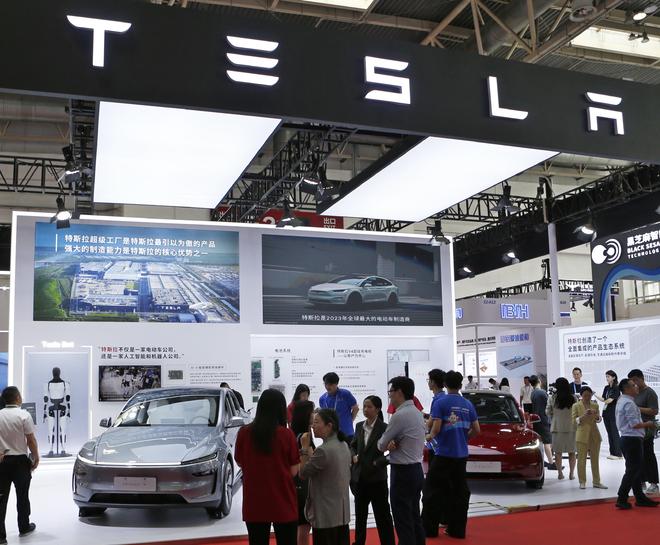
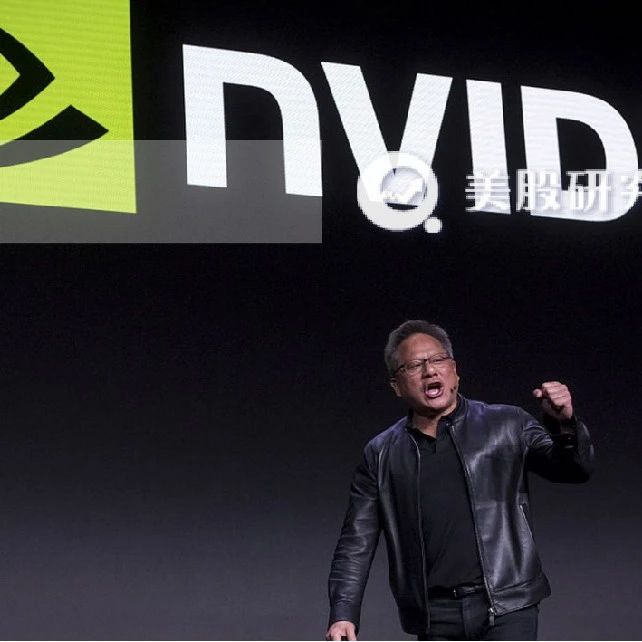
Group 1 - The core message of the news highlights the increasing reliance of American companies on China's supply chain, as evidenced by their participation in the China International Supply Chain Promotion Expo [2][3] - Nvidia's CEO Jensen Huang emphasized the importance of integrating into China's supply chain for sustainable development and announced plans to sell advanced H20 chips in the Chinese market [2] - Apple showcased its commitment to China, revealing that over 80% of its 200 major global suppliers are based in China, and it has invested over $20 billion in smart and green manufacturing in the country over the past five years [4] Group 2 - The expo saw a 15% increase in the number of American exhibitors compared to the previous year, indicating a growing interest in China's vast consumer market and supply chain ecosystem [3] - Tesla highlighted its local production capabilities, with 95% of the components for its Model 3 and Model Y vehicles sourced locally, and its Shanghai factory producing a new car approximately every 37 seconds [4] - Corning's investment in China is set to increase by $500 million this year, focusing on local production of high-end optical fibers to meet the rising demand driven by the AI era [6][7] Group 3 - Medtronic plans to launch a fully localized medical device product in China by 2024, showcasing the rapid innovation cycle achievable in the Chinese market [6][7] - American companies recognize that continuous investment in China is essential for maintaining competitive advantages and driving global innovation [7]


雷军黄仁勋12年后再同框,英伟达开启“中国生态2.0”战略
美股研究社· 2025-07-18 12:55
Core Viewpoint - A significant market battle worth billions is unfolding, highlighted by a recent meeting between Nvidia's CEO Jensen Huang and Xiaomi's CEO Lei Jun, marking a notable shift in the tech landscape over the past 12 years [1][4]. Group 1: Nvidia's Strategy in China - Nvidia's frequent visits to China in 2025 indicate a strategic focus on the Chinese market, especially after facing a $13.5 billion revenue loss due to U.S. export restrictions [5][4]. - The approval of H20 chip exports to China is a crucial development for Nvidia, allowing the company to resume sales and mitigate losses [5][4]. - Nvidia's new RTX Pro GPU is designed for AI applications and complies with U.S. export regulations, showcasing the company's adaptability [5][4]. Group 2: Transition from Hardware to AI Infrastructure - Nvidia is evolving from a hardware supplier to a provider of AI infrastructure, as evidenced by the introduction of the NVLink Fusion architecture, which enhances system design flexibility for cloud service providers [7][4]. - Huang's statement that "China has sufficient computing power" reflects Nvidia's shift towards becoming an ecosystem builder rather than a technology monopolist [7][4]. Group 3: AI Factories and Robotics - Nvidia's strategy includes establishing AI factories in China, which are expected to redefine data centers by focusing on AI computation rather than traditional data storage [11][4]. - The Chinese manufacturing sector, which accounts for about 30% of global manufacturing value, presents a significant opportunity for Nvidia's AI factory strategy [12][4]. Group 4: Humanoid Robots as a Future Industry - Huang identifies humanoid robots as a potential trillion-dollar industry, with China playing a critical role in commercialization due to lower manufacturing costs and strong supply chain capabilities [14][4]. - The Chinese government's support for humanoid robots as a disruptive technology further enhances the business environment for Nvidia [16][4]. Group 5: Strategic Partnership Between Nvidia and Xiaomi - The historical relationship between Nvidia and Xiaomi, marked by mutual respect and understanding, lays a foundation for future collaboration, especially in light of current geopolitical challenges [22][4]. - Both companies have transformed from hardware manufacturers to ecosystem builders, creating a complementary relationship that benefits both parties [22][4]. - Nvidia's collaboration with Xiaomi is seen as a pragmatic approach to balance political risks and commercial interests in the evolving tech landscape [22][4].

链博会亮点纷呈 欧美企业参与中国市场、融入中国供应链的意愿有增无减
Yang Shi Wang· 2025-07-18 06:49
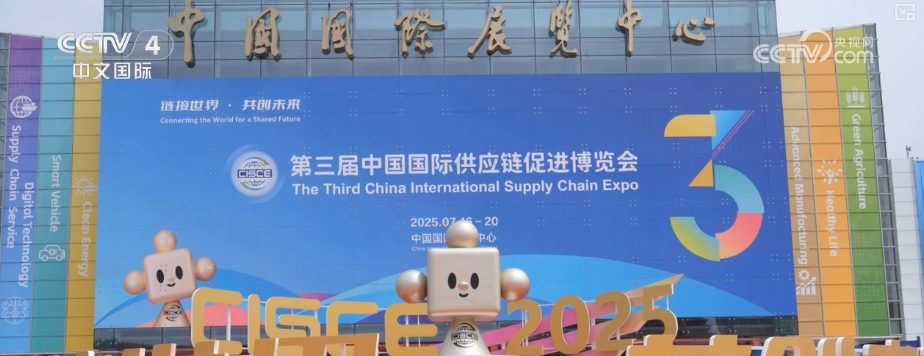
Core Insights - The third China International Supply Chain Promotion Expo (Chain Expo) is becoming a significant platform for promoting deep integration across various segments of the industrial chain, effectively aiding global cooperation and maintaining free trade [1][4]. Group 1: Event Highlights - The Chain Expo features over 650 domestic and foreign enterprises and institutions, with more than 100 new products making their debut [4]. - The proportion of overseas exhibitors reached 35%, with a 15% increase in the number of American exhibitors compared to the previous year, indicating the importance of the Chinese market to U.S. companies [4][10]. - More than 230 companies are participating for the first time, and over 65% of the exhibitors are from Fortune 500 and industry-leading companies [10]. Group 2: Focus Areas - The expo emphasizes six key supply chains: advanced manufacturing, clean energy, smart vehicles, digital technology, healthy living, and green agriculture [7]. - Innovation is a focal point, encouraging collaboration in emerging technologies such as artificial intelligence and quantum information to achieve digital transformation of supply chains [7]. Group 3: International Participation - The Chain Expo has a higher level of international participation, with European and American companies making up half of the total overseas exhibitors [10]. - The event serves as a new symbol of China's high-level opening-up and its commitment to maintaining the stability and smooth operation of global production and supply chains [13].
FF:FX Super One 获取订单10034单
news flash· 2025-07-18 05:53
Core Viewpoint - Faraday Future (FF) officially launched the FX Super One and the Super EAI F.A.C.E. (Super Intelligent Face System) along with the FF EAI embodied intelligence 6×4 technology architecture on July 18 in Los Angeles, initiating consumer pre-orders with a total of 10,034 orders received by the end of the event [1] Group 1 - The FX Super One was unveiled during the event [1] - The Super EAI F.A.C.E. system was introduced as part of the launch [1] - The company reported a total of 10,034 orders by the end of the launch event [1] Group 2 - The FF EAI embodied intelligence 6×4 technology architecture was part of the new offerings [1] - Consumer pre-orders were officially opened during the launch [1]

中国国际供应链促进博览会在京开幕
Zhong Guo Hua Gong Bao· 2025-07-18 02:25
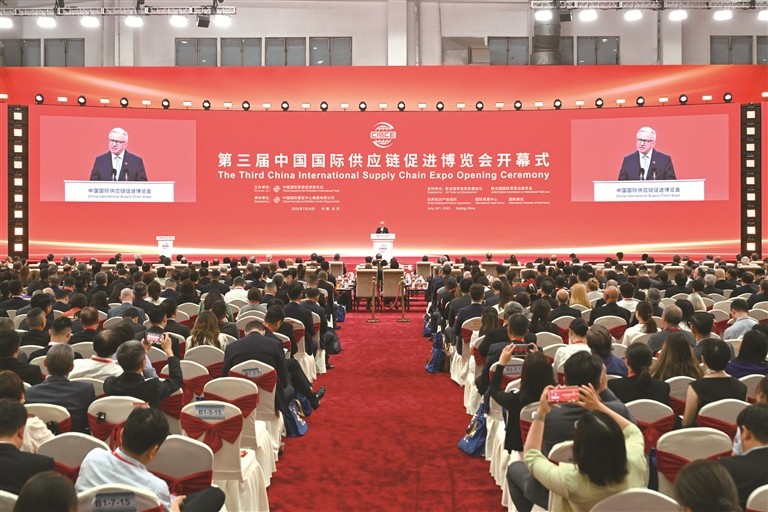
Core Insights - The third China International Supply Chain Promotion Expo (Chain Expo) opened in Beijing, featuring 651 participating companies from 75 countries and regions, with over 65% being Fortune Global 500 and industry leaders, and 35% being foreign exhibitors [2][4] Group 1: Event Overview - The Chain Expo includes six major chains: advanced manufacturing, clean energy, smart automotive, digital technology, healthy living, and green agriculture, along with supply chain service exhibition areas [2][4] - Over 100 new product launches are expected during the expo, representing a 10% increase from the previous year [4] Group 2: Innovations and Features - The expo introduced an innovation chain section showcasing 14 institutions and companies that demonstrate the entire process from basic research to market feedback [4] - The first global supply chain index matrix and visual industry maps were released during the expo, along with a dedicated new product launch area [4] Group 3: Networking and Collaboration - The Chain Expo serves as a platform for linking global industry partners, with previous editions facilitating collaborations among upstream and downstream companies [5] - The upgraded "Find Friends" model 3.0 version will utilize big data and AI algorithms for better matchmaking and cloud-based connections among enterprises [5] Group 4: Industry Perspectives - Executives from multinational companies highlighted the expo's role in promoting global supply chain stability, with China being recognized as a key stabilizer and innovation source in the global industrial landscape [6]
多图!直击链博会现场——展示汽车硬实力(内附探馆vlog)
Zhong Guo Qi Che Bao Wang· 2025-07-18 02:18
Group 1: Event Overview - The Chain Expo opened on July 16 in Beijing, showcasing new faces, technologies, and viewpoints, with global attention focused on China [1] - NVIDIA's CEO Jensen Huang praised China's open-source AI as a catalyst for global progress, suggesting that all industries have the opportunity to join the AI revolution [1] Group 2: AI and Advanced Manufacturing - Huang discussed the future of AI, predicting the next wave will be "physical AI," integrating AI capabilities into the physical world, such as robotics [3] - The intelligent automotive industry was a focal point at the expo, highlighting China's automotive supply chain strength [3] Group 3: Automotive Innovations - The AITO brand showcased its full range of models, including M9, M8, M7, and M5, along with technological achievements like the Seres Super Range Extender and Magic Cube technology platform [5] - International attendees showed significant interest in Chinese brand vehicles, experiencing models like the Dongfeng Yipai eπ007 and Li Auto MEGA [7] Group 4: New Energy Technologies - Geely's new "Super Alcohol Electric Hybrid" technology attracted attention, allowing for flexible fuel options, including methanol and gasoline, with an advanced intelligent sensing system for fuel mixing [9] - XPeng Motors emphasized its goal to become a global AI automotive company, marking this ambition at its expo booth [10] Group 5: Emerging Technologies - The low-altitude economy is expanding, with flying cars becoming a key exhibit, drawing interest from international exhibitors [11] - The Guangdong province showcased the world's first eVTOL with complete certifications, the EHang EH216-S, and the GAC High Domain's mass-produced multi-rotor flying car, GOVY AirCab [12] Group 6: Smart Manufacturing Solutions - Hunan VisionBit Robotics presented its "black technology" for paint defect detection and repair, utilizing AI and 3D vision for automated processes in automotive manufacturing [16] - The expo provided a platform for international collaboration, with companies exchanging contacts and exploring partnerships [21]

链博会首设无人机展区!中国企业抱团出海角逐新赛道
证券时报· 2025-07-18 00:02
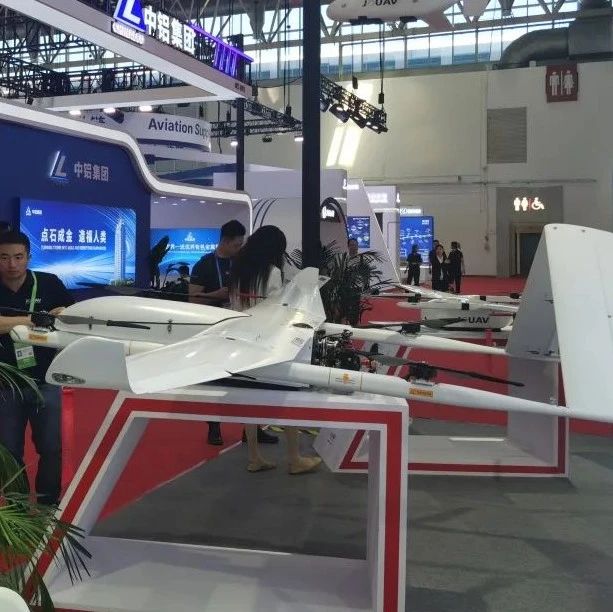
Core Viewpoint - The article highlights the growing opportunities in the low-altitude economy, particularly in the drone sector, showcased at the third China International Supply Chain Promotion Expo, with a focus on innovation and international expansion [1][4]. Group 1: Low-altitude Economy Development - The low-altitude economy is projected to create a trillion-level industrial ecosystem, with estimates suggesting a market size of 1.5 trillion yuan by 2025 and 3.5 trillion yuan by 2035 according to the Civil Aviation Administration of China [8]. - Guangdong province aims to achieve a low-altitude economy industry chain scale of 300 billion yuan by 2026 [9]. Group 2: Drone Industry Innovations - The newly established Advanced Manufacturing Chain Innovation Integration Exhibition Area at the expo showcased the latest technologies and applications in the drone field, including multifunctional drones capable of delivering over 1 ton of supplies [3]. - The drone industry is experiencing significant growth, with each 100 million yuan in core industry output potentially driving an additional 500 million yuan in related industry growth [3]. Group 3: International Market Expansion - Chinese drones are gaining traction in international markets, with companies like Zongheng covering over 40 countries, primarily in Asia, Africa, and Latin America [4]. - Companies expressed a desire to "team up" for overseas expansion, enhancing bargaining power and risk resilience by collaborating with upstream suppliers and downstream service providers [5]. Group 4: Challenges and Opportunities - Despite the initial formation of the low-altitude economy industry chain, there are still challenges in achieving sustainable commercialization, with many applications currently in demonstration phases [9]. - The overseas market is viewed as a blue ocean opportunity, with companies aiming to showcase high-value applications of large drones in emergency rescue, meteorological services, and logistics [9].
链博会诠释从供应链到“共赢链”之变
Zhong Guo Zheng Quan Bao· 2025-07-17 21:03
Core Insights - The third China International Supply Chain Promotion Expo emphasizes long-term cooperation over short-term transactions, fostering a collaborative environment among businesses [1][2] - Major companies like Apple are leveraging partnerships with local suppliers to enhance smart and green manufacturing technologies, with over 80% of its global suppliers having factories in China [1][2] - The expo serves as a platform for connecting upstream and downstream enterprises, facilitating direct communication and collaboration within the supply chain [3][4] Group 1 - The expo promotes the idea that exhibitors are teammates rather than competitors, focusing on mutual growth and shared opportunities [1] - Apple’s collaboration with suppliers has led to significant advancements in digitalization and environmental goals, including achieving "zero emissions" and "100% carbon neutrality" [1][2] - Companies like EHang are showcasing innovative products such as the world's first commercial passenger drone, highlighting the importance of a robust supply chain in emerging industries like low-altitude economy [2] Group 2 - The expo features a diverse range of companies, including those in the smart automotive sector, showcasing the latest developments in intelligent vehicle supply chains [3] - The event facilitates connections between manufacturers and component suppliers, enhancing understanding of each other's plans and developments [3] - International logistics companies, such as DSV, are finding opportunities to assist Chinese enterprises in expanding their export businesses through tailored logistics solutions [4][5]

太阳能车身能发电、醇氢技术降本数百万元,链博会“黑科技”抢眼
Bei Ke Cai Jing· 2025-07-17 11:17
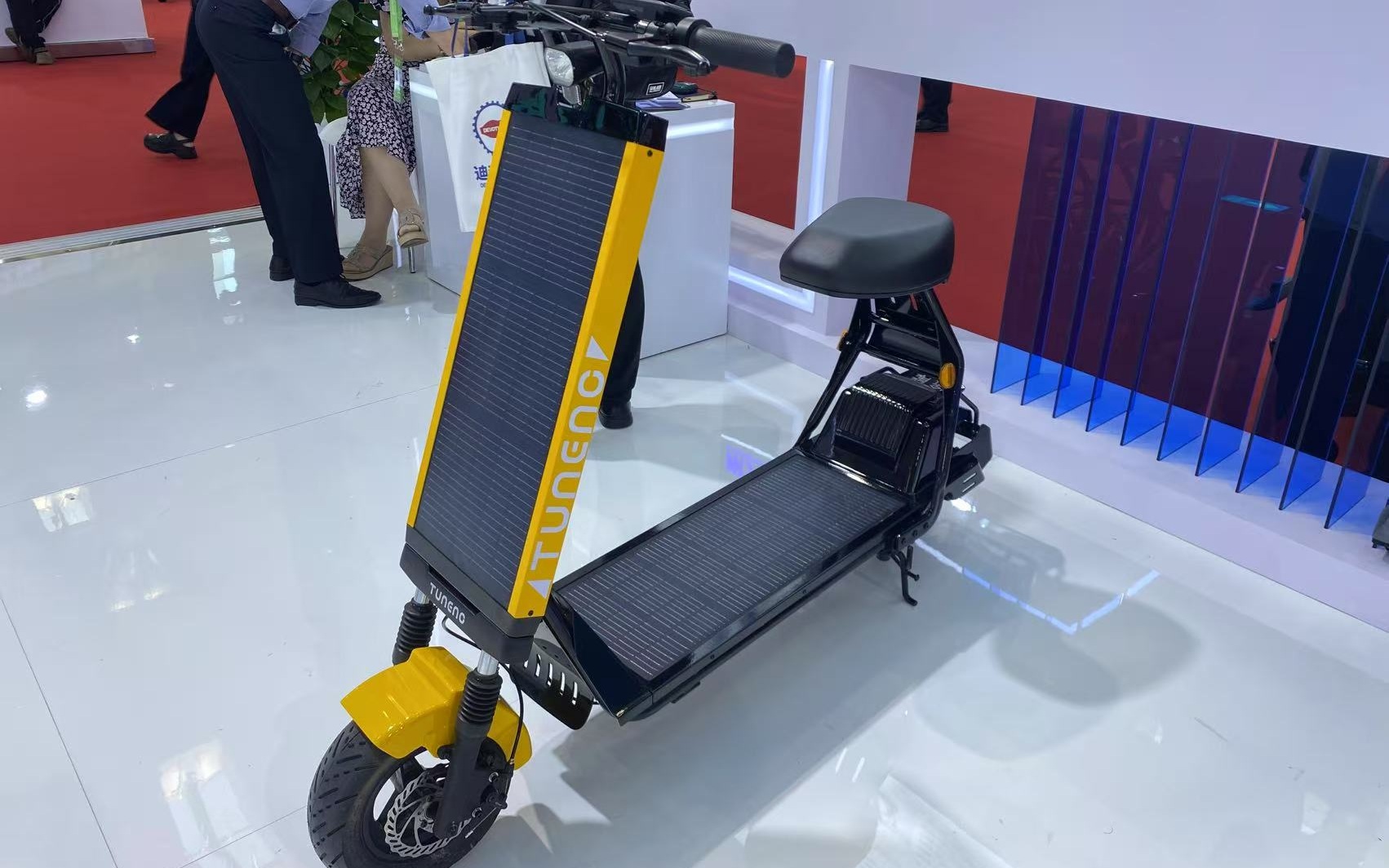
Group 1 - The T87D Pro solar electric vehicle features integrated high-efficiency solar panels, making it suitable for urban short-distance commuting [1] - The exhibition showcased a comprehensive green transportation innovation landscape, covering personal mobility tools to large commercial logistics systems [2] Group 2 - The economic benefits of methanol-hydrogen commercial vehicles were highlighted, with a methanol-hydrogen heavy truck costing around 550,000 yuan, significantly lower than the 1.2 million yuan hydrogen fuel cell truck and 650,000 yuan pure electric truck [4] - In urban public transport, the operational cost of methanol-hydrogen electric buses is 0.2 yuan lower per kilometer compared to similar pure electric buses, potentially saving 180,000 yuan over an 8-year operational cycle [4] - In the construction vehicle sector, methanol-hydrogen technology can reduce the number of required vehicles and eliminate substantial infrastructure costs, saving over 4 million yuan in initial costs [4] Group 3 - Breakthroughs in key materials were showcased, addressing industry pain points and enhancing vehicle performance, including high-performance PU-RIM materials and epoxy resin hydrogen storage solutions [6] - The introduction of BTR S+i graphite long-lasting negative electrode materials by BetterRay aims to improve battery life by 20% and enhance storage performance by over 25% [7] Group 4 - The logistics sector is exploring low-carbon solutions, with the establishment of green ports and logistics systems, including the implementation of electric equipment and the development of a hydrogen energy demonstration port in Shenzhen [9][11] - China has built the world's largest and most complete new energy industry chain, with a projected clean energy investment of 625 billion USD in 2024, accounting for one-third of global investment [11]